-
-
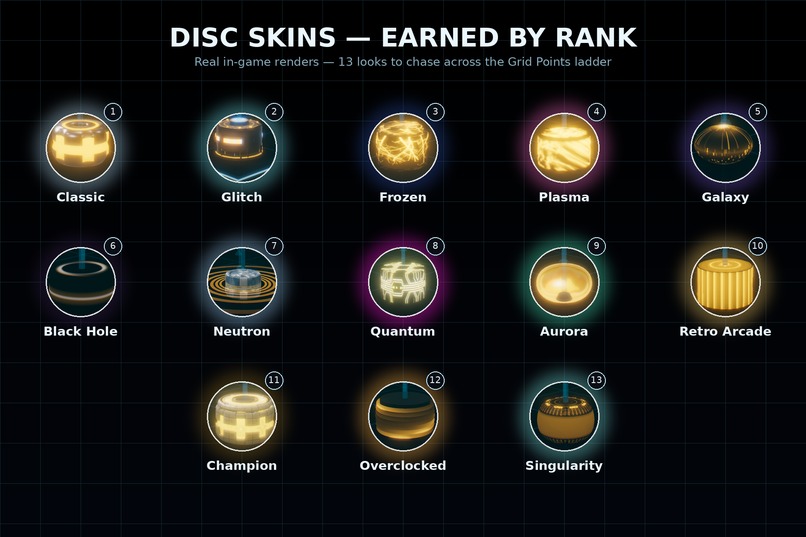
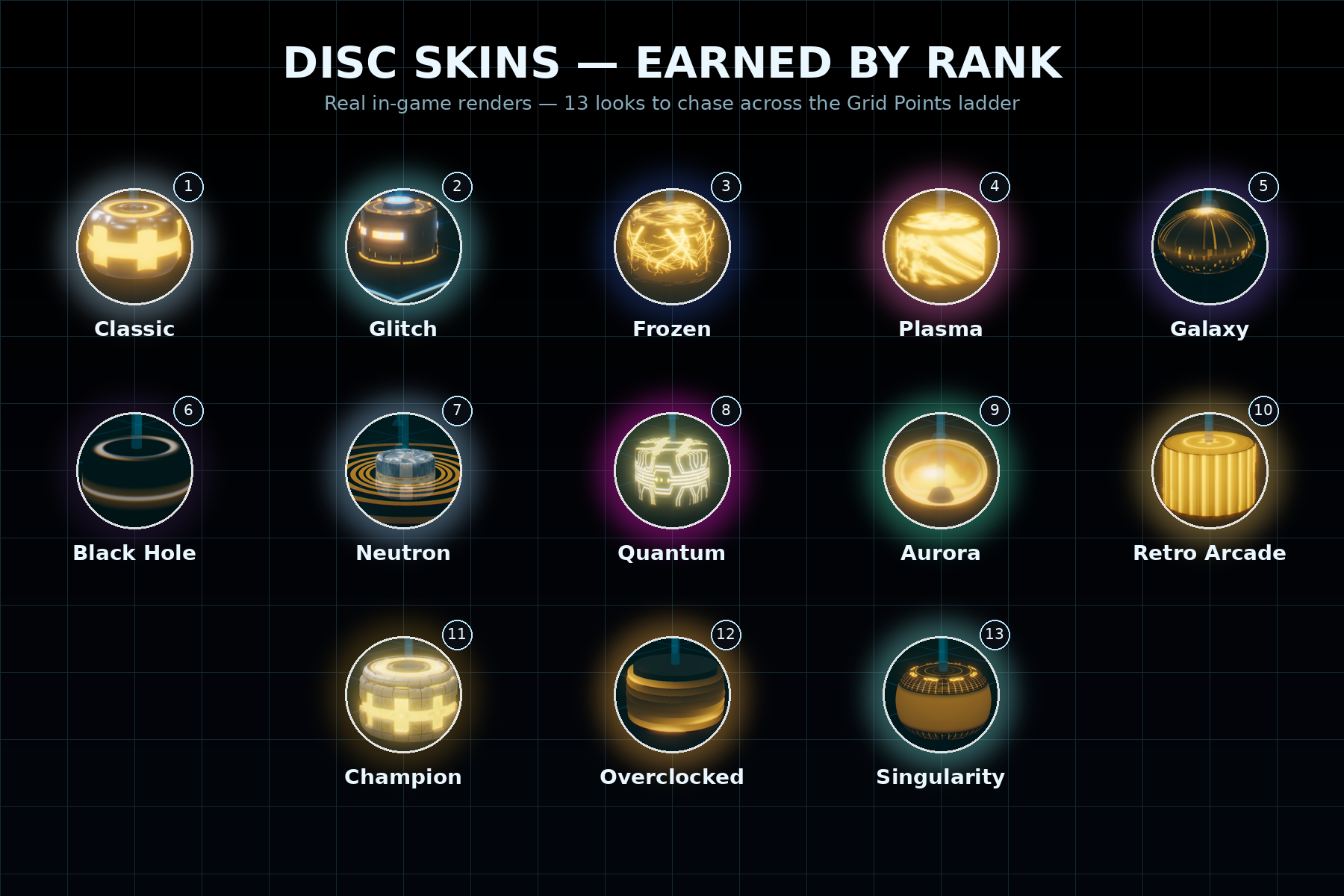
All discs from screenshots
-
-
-
-
-
-
-
-
-
-
App icon (1024 x 1024, uncropped)
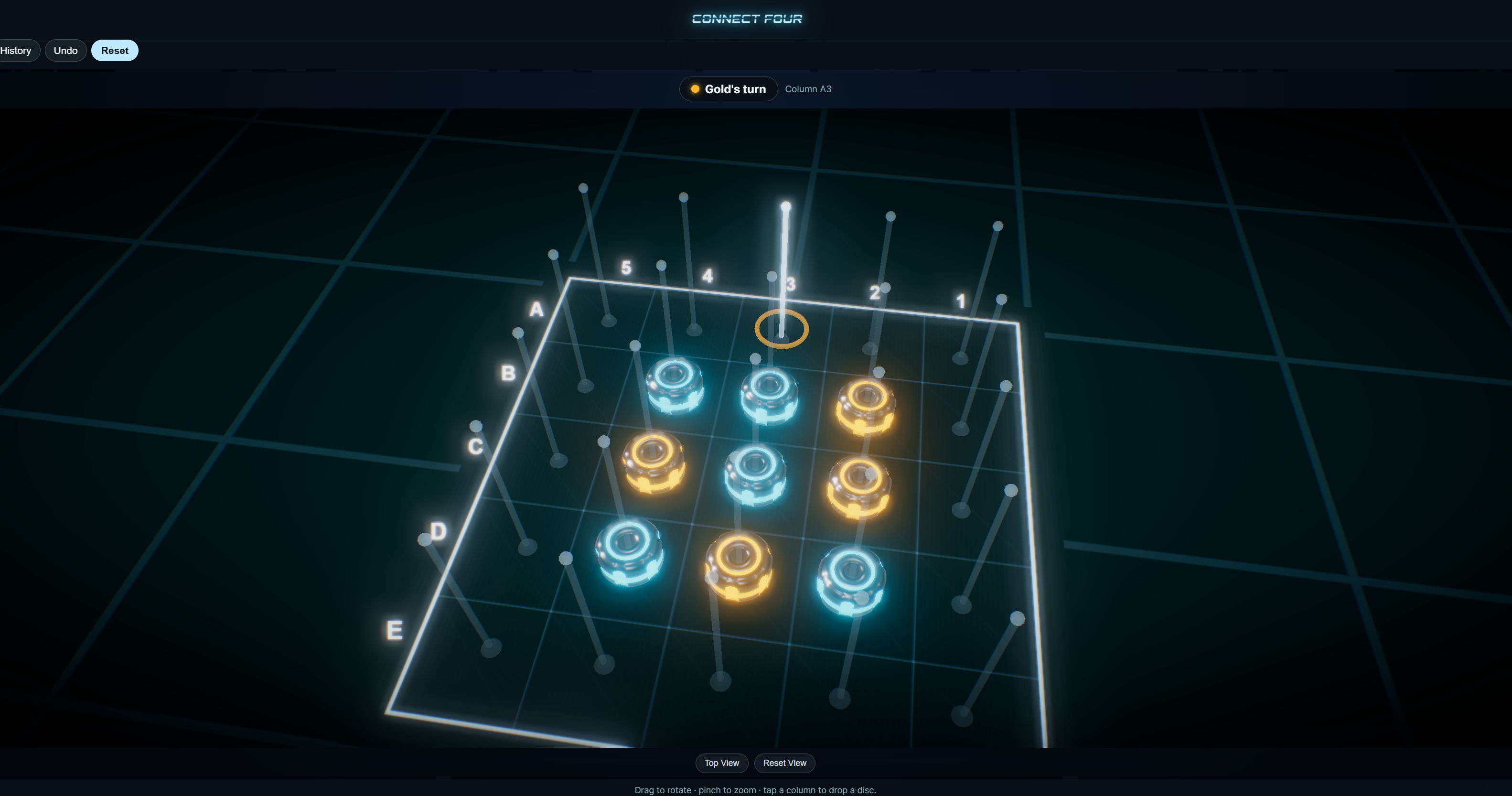
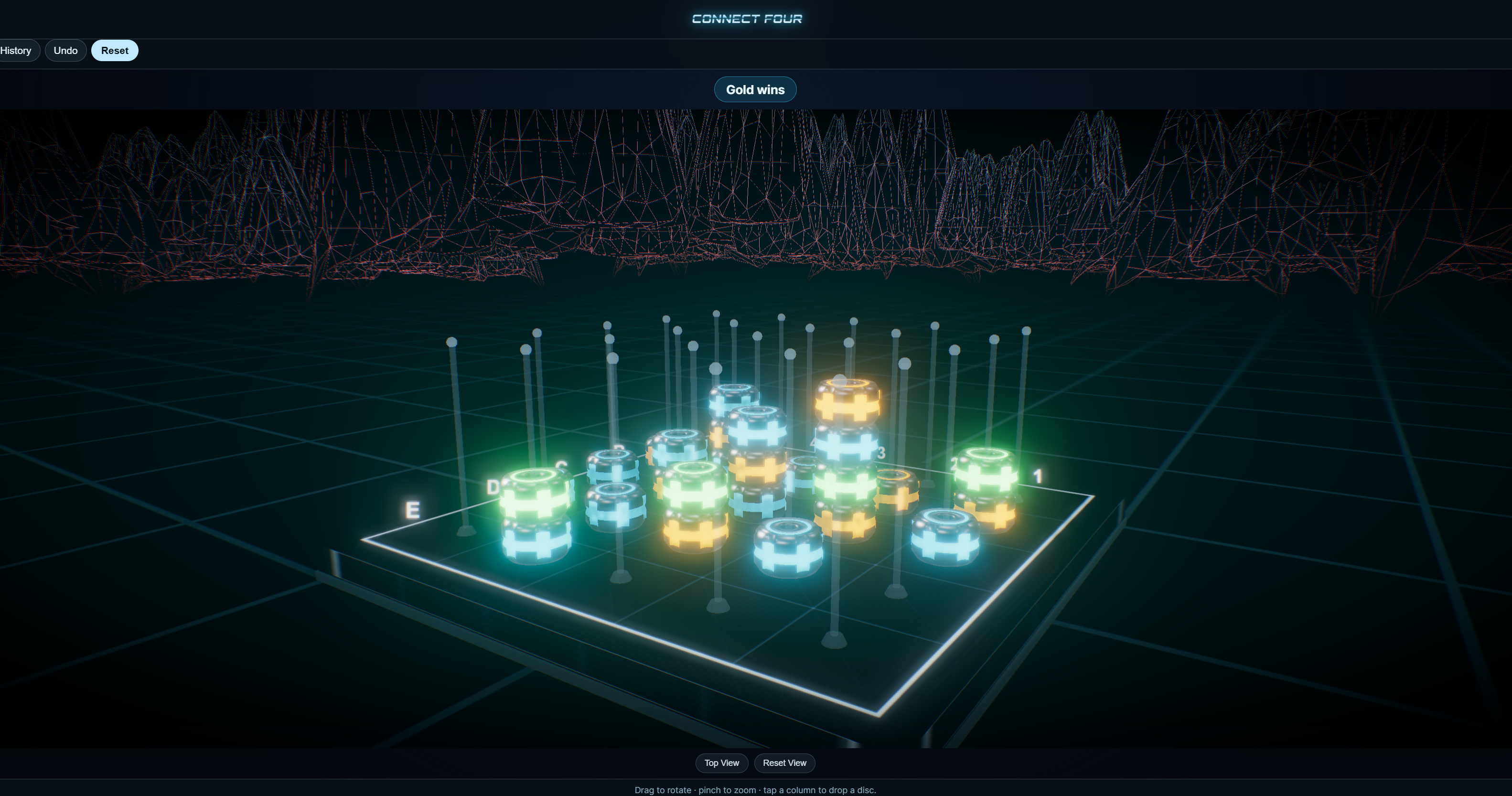
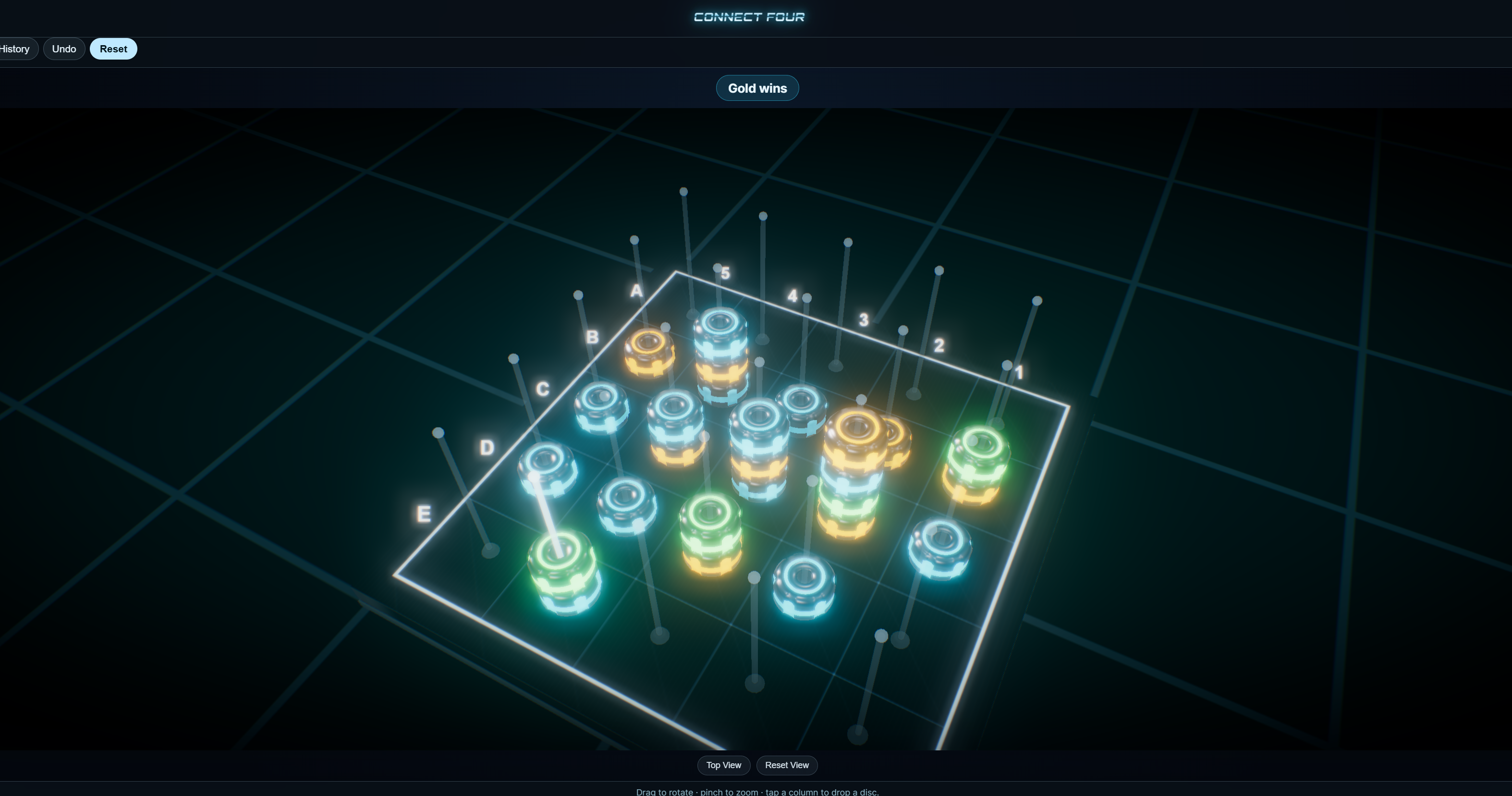
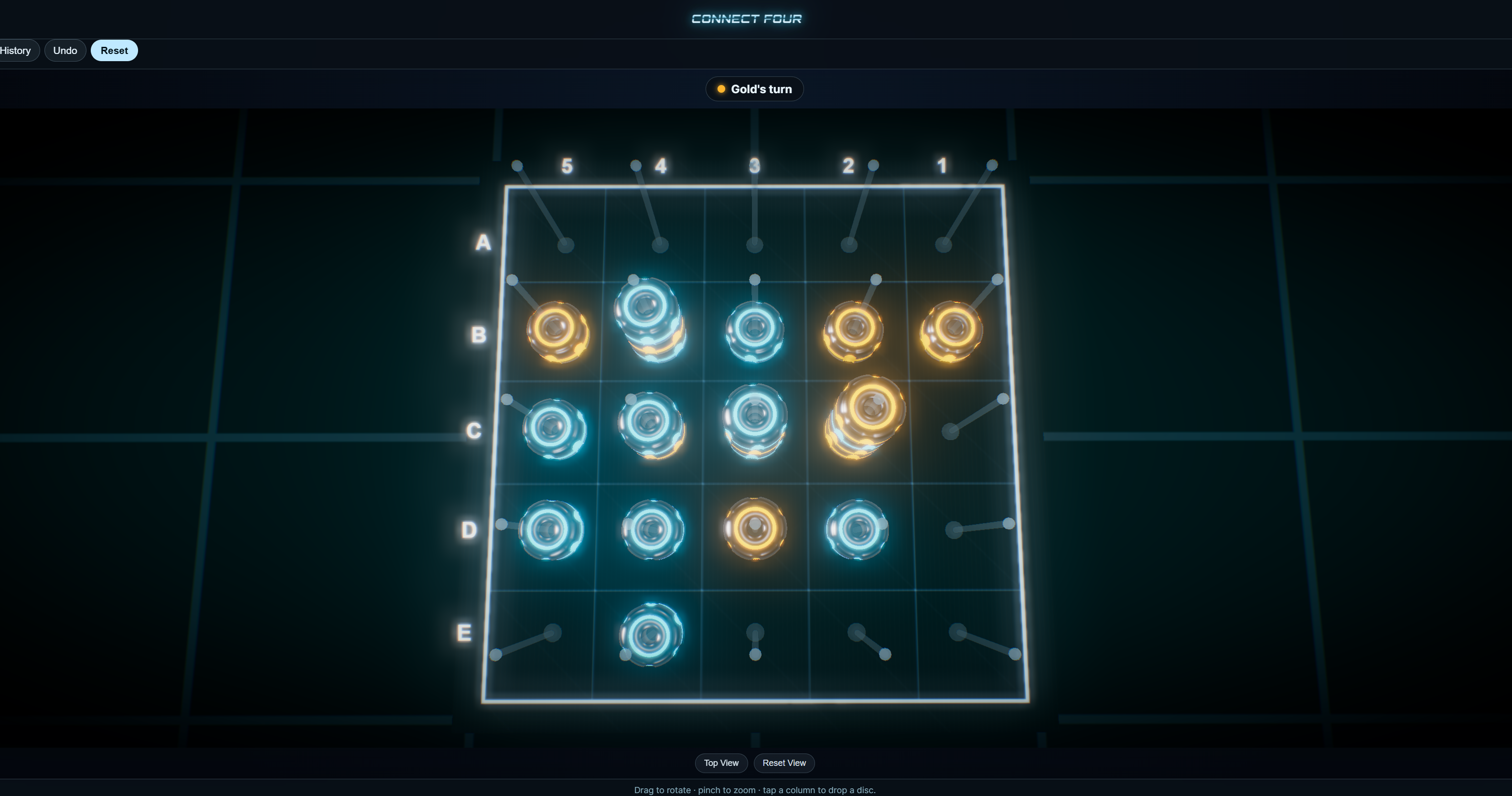
Inspiration
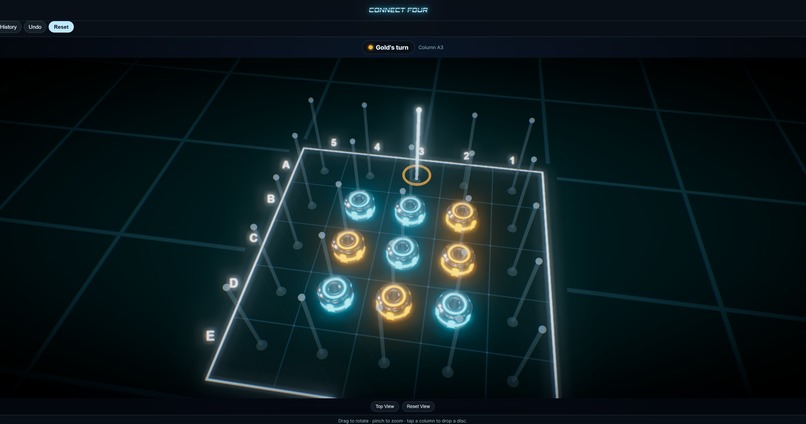
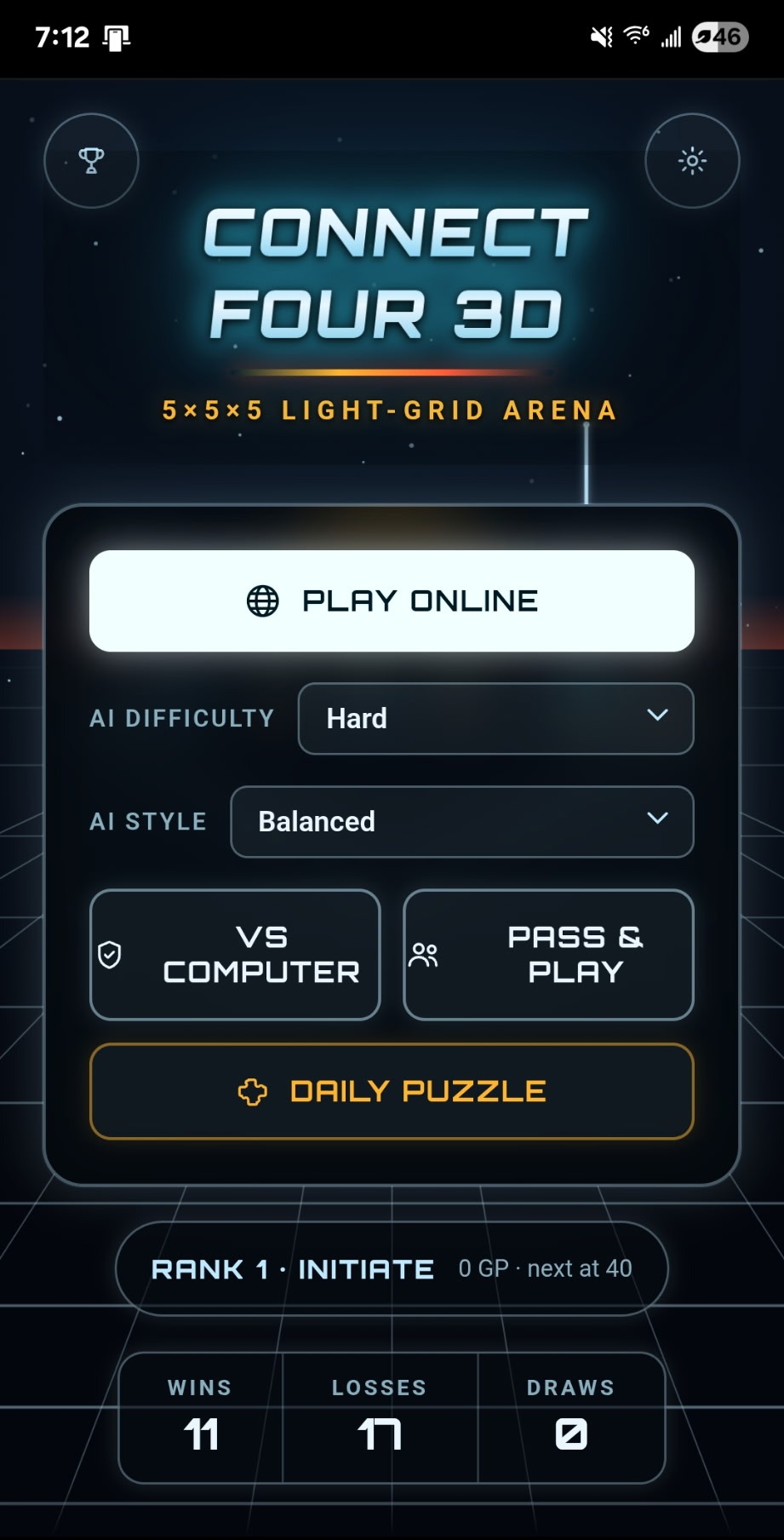
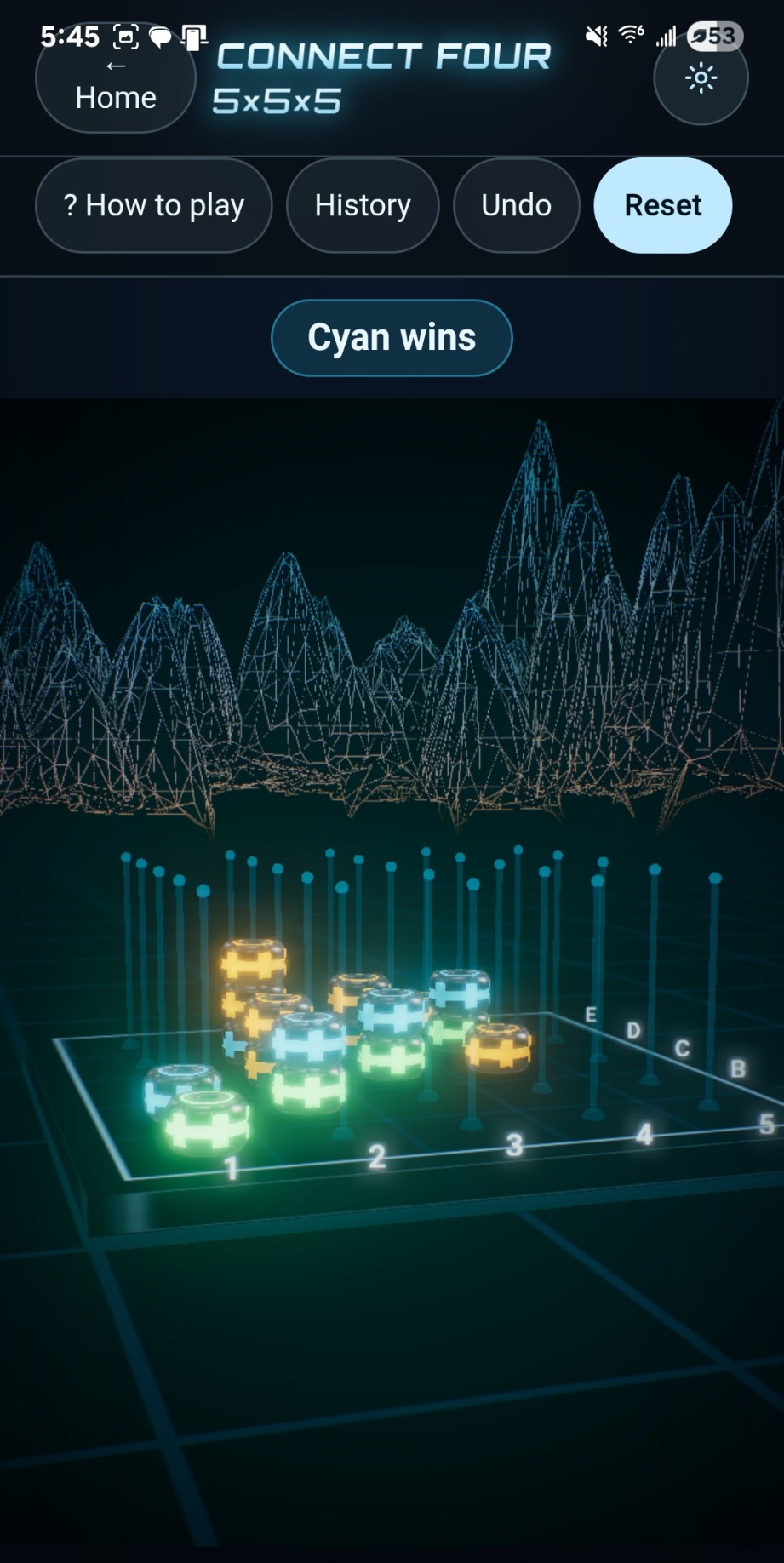
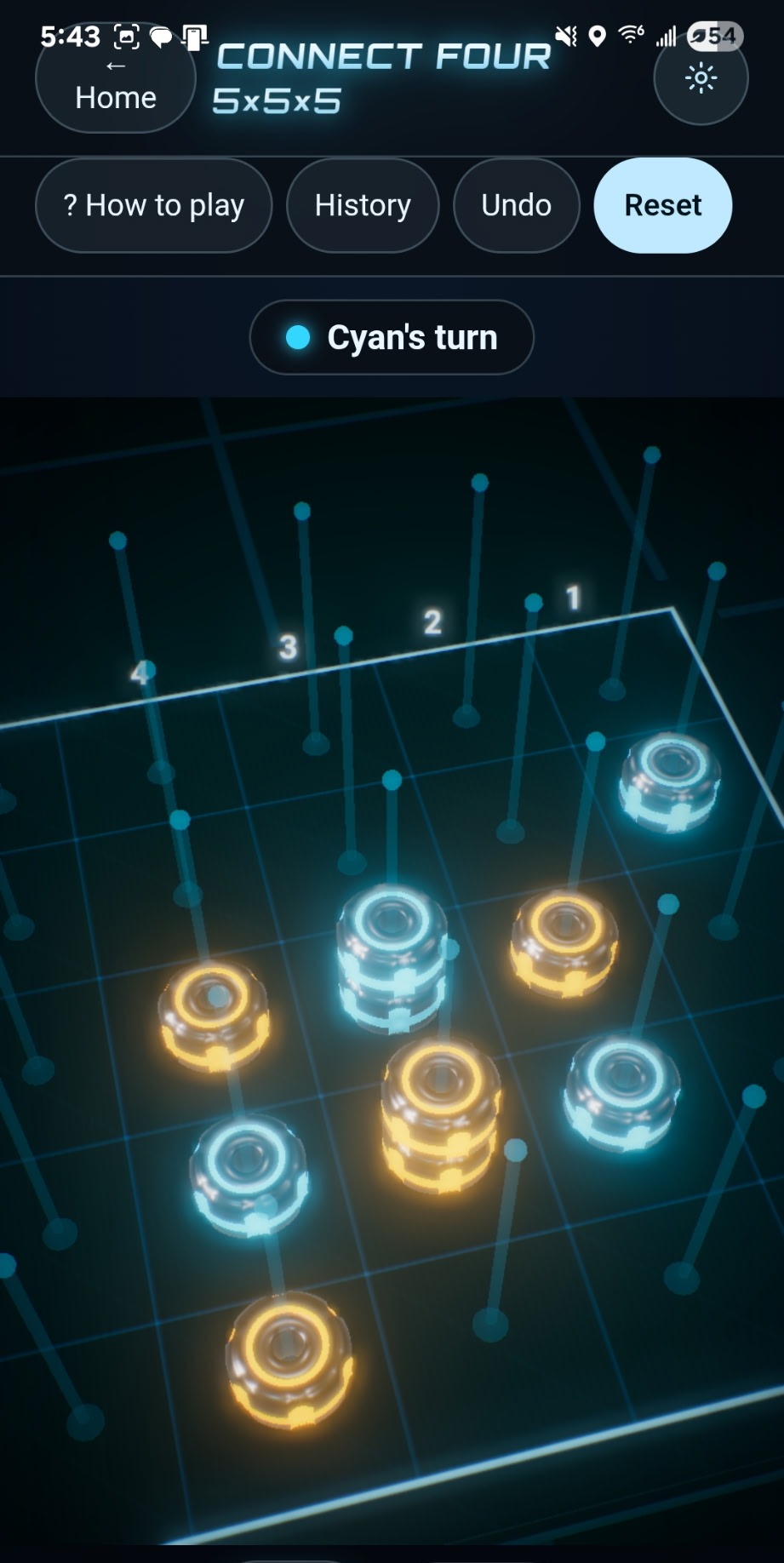
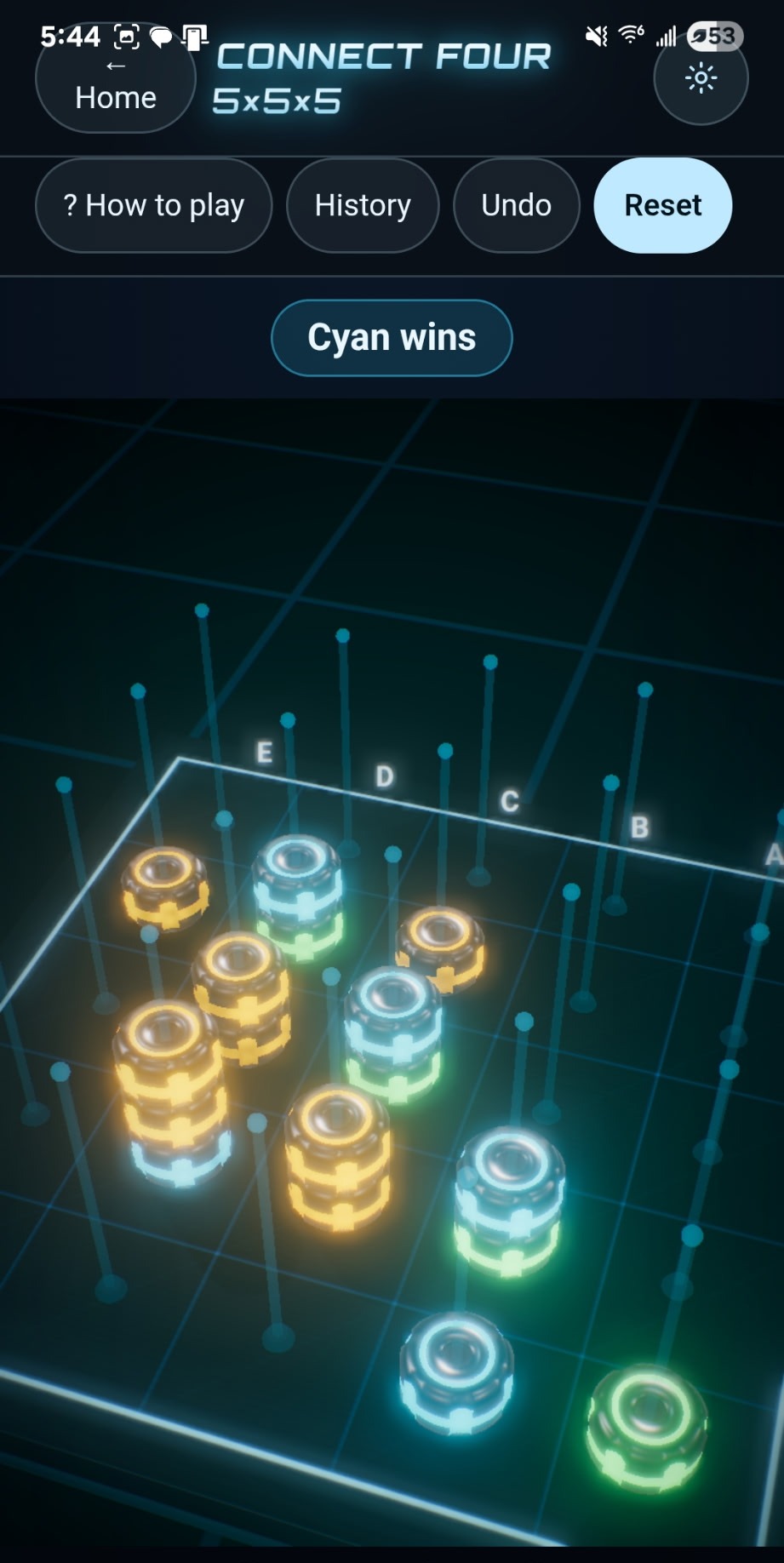
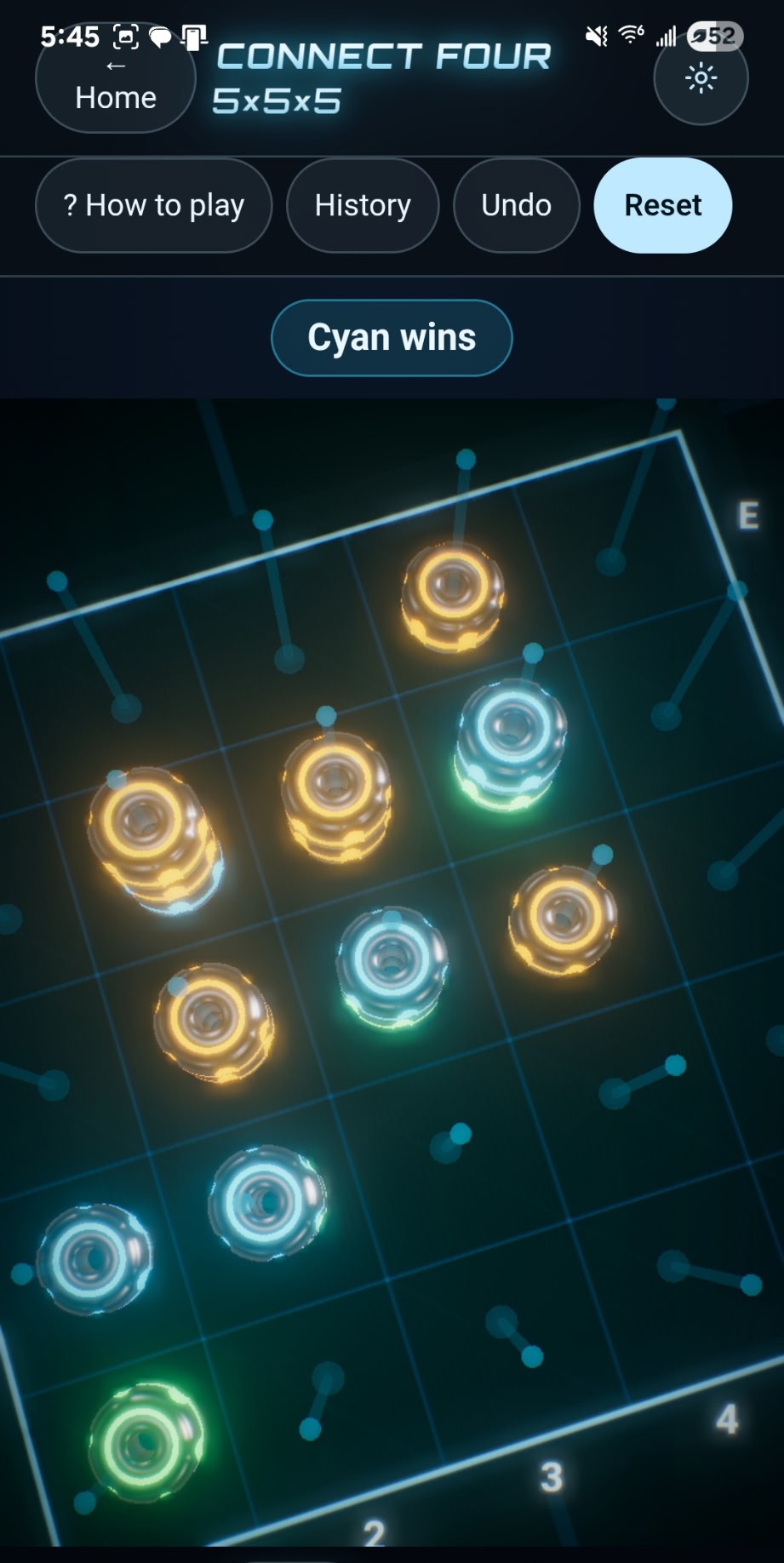
I was inspired to make this game because I couldn't find it online anywhere and I couldn't play with as many people as I wanted to IRL. There are 3D Connect Four games all over, but none that I could find with a 5x5x5 grid (only 4x4x4 which makes for stale gameplay and strategy). I'm also interested in learning about AI, so I used my Claude Cowork sessions as a way to explore, discover and learn while also making my favorite board game available to everyone.
What it does
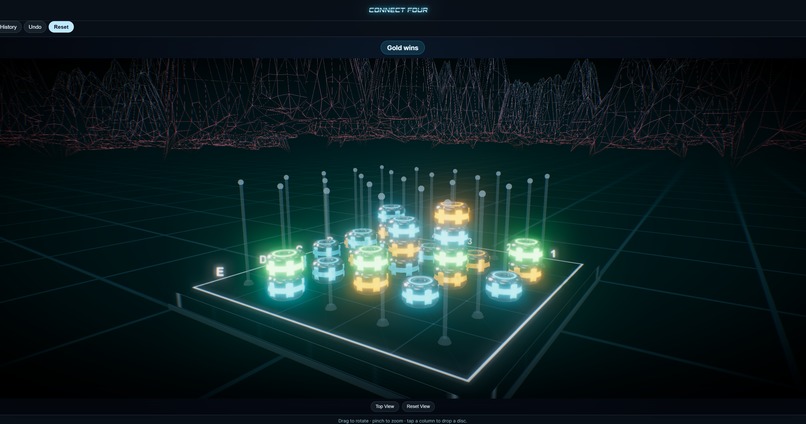
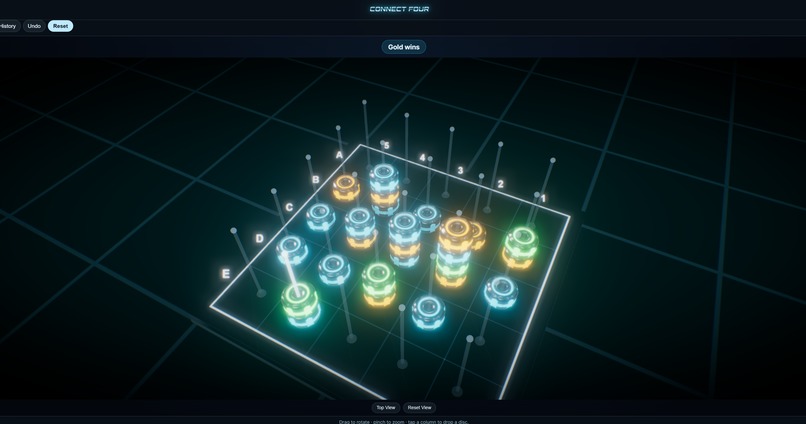
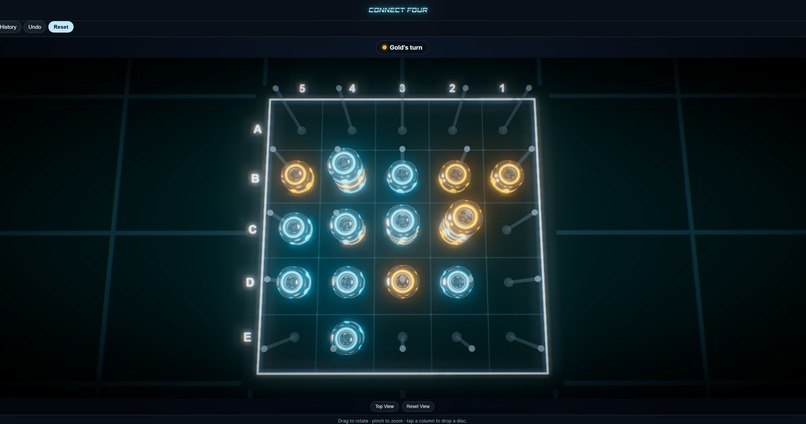
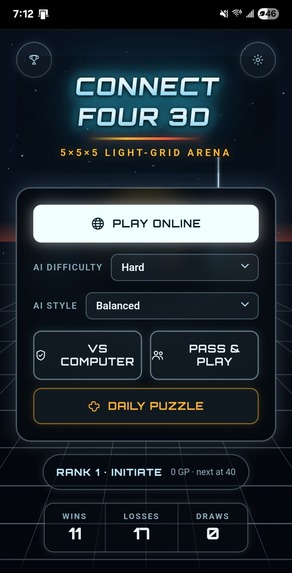
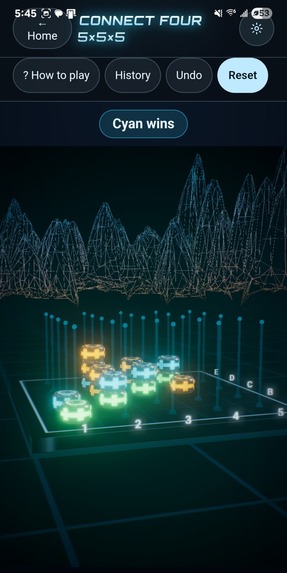
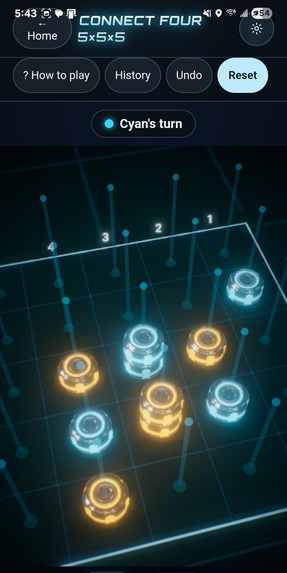
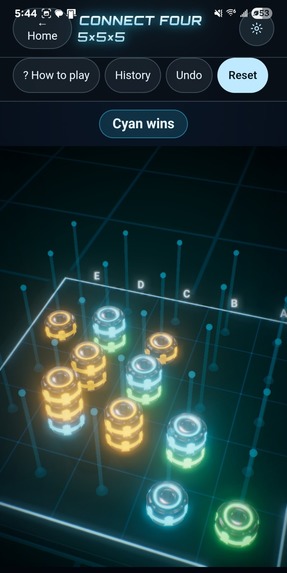
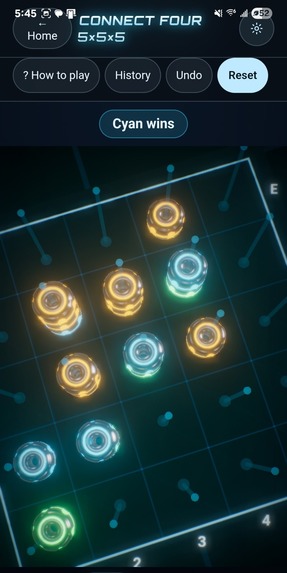
It plays simply as Connect Four, but uses a three-dimensional 5 × 5 × 5 grid. It offers an online PvP mode with an ELO-score type ranking system/leaderboard. It uses daily and weekly challenges to keep the game challenging, but also teach people how to read the board spatially (great for thinking differently), as well as offering Grid Points (GP) for beating them. Players earn Grid Points to unlock new discs and ranks. Interstitial ads are built in BETWEEN games, never during, and also offered to opt-in for Grid Points or streak retries on the daily/weekly challenges. In-app purchases can be made to show a Founder's Badge, unlock new colors or to remove ads. Every match also plays out on a randomly chosen neon arena backdrop for free visual variety.
How we built it
I used Claude Cowork to learn and build at the same time. I was careful in my prompting, started to git commit, learned when to question several times (privacy concerns, content restrictions, global audiences, ad integrations, etc.). I also used Meshy to help build some of the discs that are unlocked later on. I'm currently using other services to add theme/level background music and disc drop sounds. I used RevenueCat, AdMob, Google Play Console and Firebase for all support/backend processes.
Challenges we ran into
Crashes, UI/UX flaws, super annoying ads in the middle of the games, player seats and assigns, vs. computer issues, daily/weekly challenge engine issues, disc design flaws, app size, global support. The list is endless, but each one was easily overcome with thought, consideration and patience.
Accomplishments that we're proud of
Building the working game to a point where it's really enjoyable and that people who participated in closed testing were being asked by random strangers what they were playing, and how they could play it themselves. But here's the part I'm actually proud of: the ad model rewards you for getting better, not for spending money. An ad shows up every three games, win or lose—that's the whole rule, no hidden triggers. If you're new, or your opponent isn't a fair match, games end fast, so you'll hit that every-third-game ad sooner. But the better you get, and the more evenly matched your opponents become, the longer and more strategic each game gets—which means fewer ads per hour of actual play, not more. You're not being punished for improving. You're being rewarded for it. That's the opposite of pay-to-win, where money buys an advantage skill can't. Here, skill buys you a quieter game. I wanted monetization that respects the player instead of squeezing them, and this is proof you don't have to sacrifice revenue to do it.
What we learned
Nothing is easy. Nothing is perfect on the first attempt. Nor the 20th. Perfection isn't something you can achieve, but something you can get closer to with curiosity, an open mind and determination. I learned a TON of technical details that I'd never have thought about (how the back ends of games work in general) as a marketing copywriter.
What's next for Score Four: 3D Arena
I'm currently working on the game's sound design, venturing even further out from my areas of comfort. More learning, more improvements, more fun just playing the game!
Built With
- admob
- capacitor
- claude
- cowork
- firebase
- meshy
- playconsole
- react
- revenuecat
- three.js
- typescript

Log in or sign up for Devpost to join the conversation.