
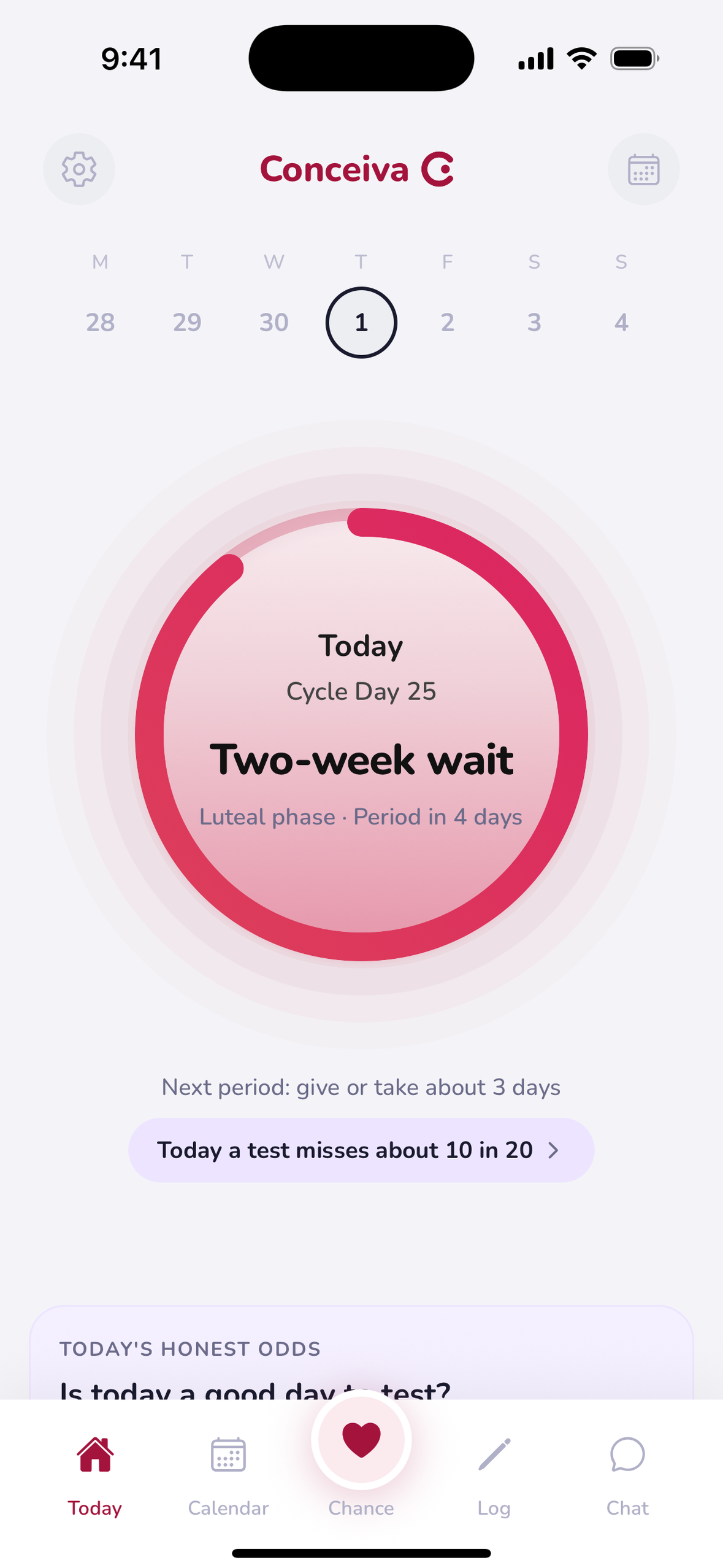
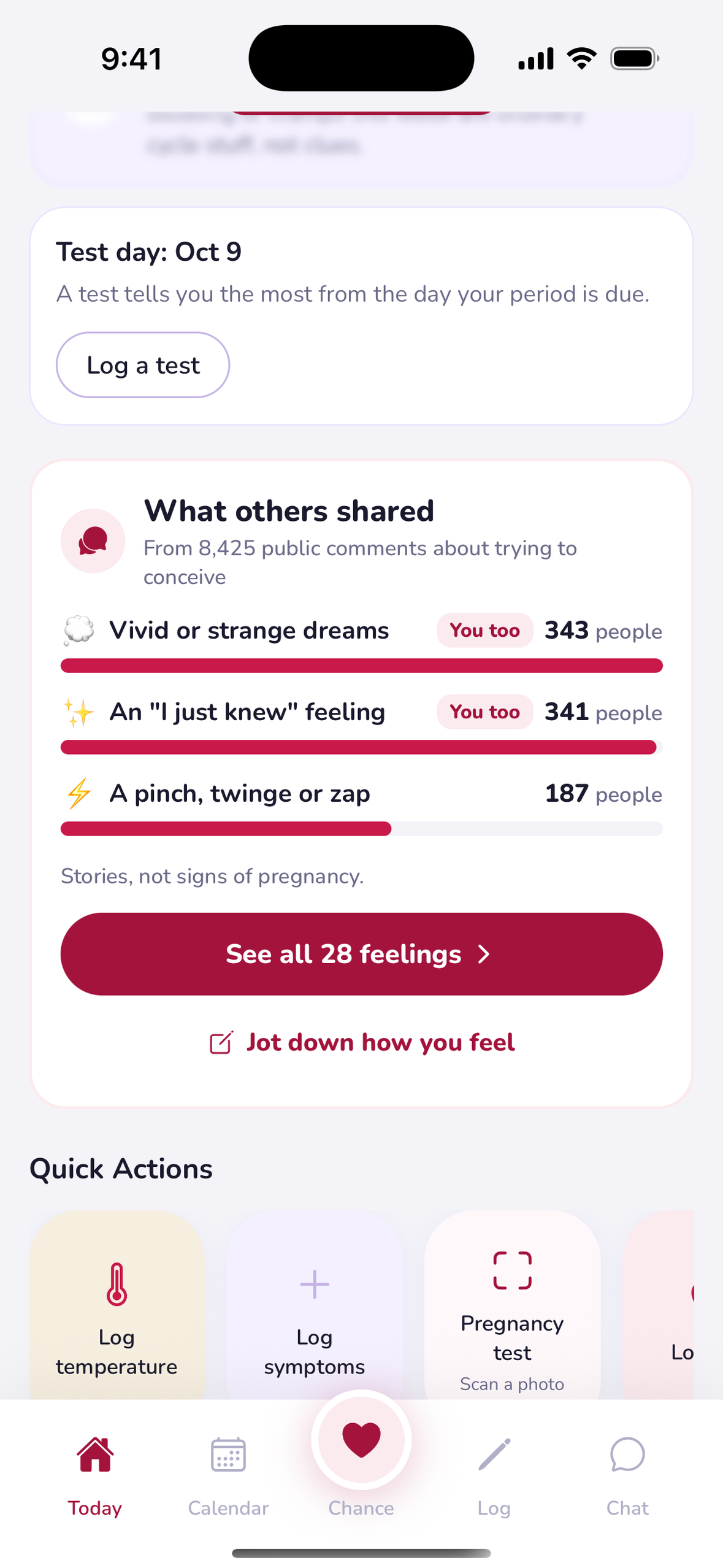
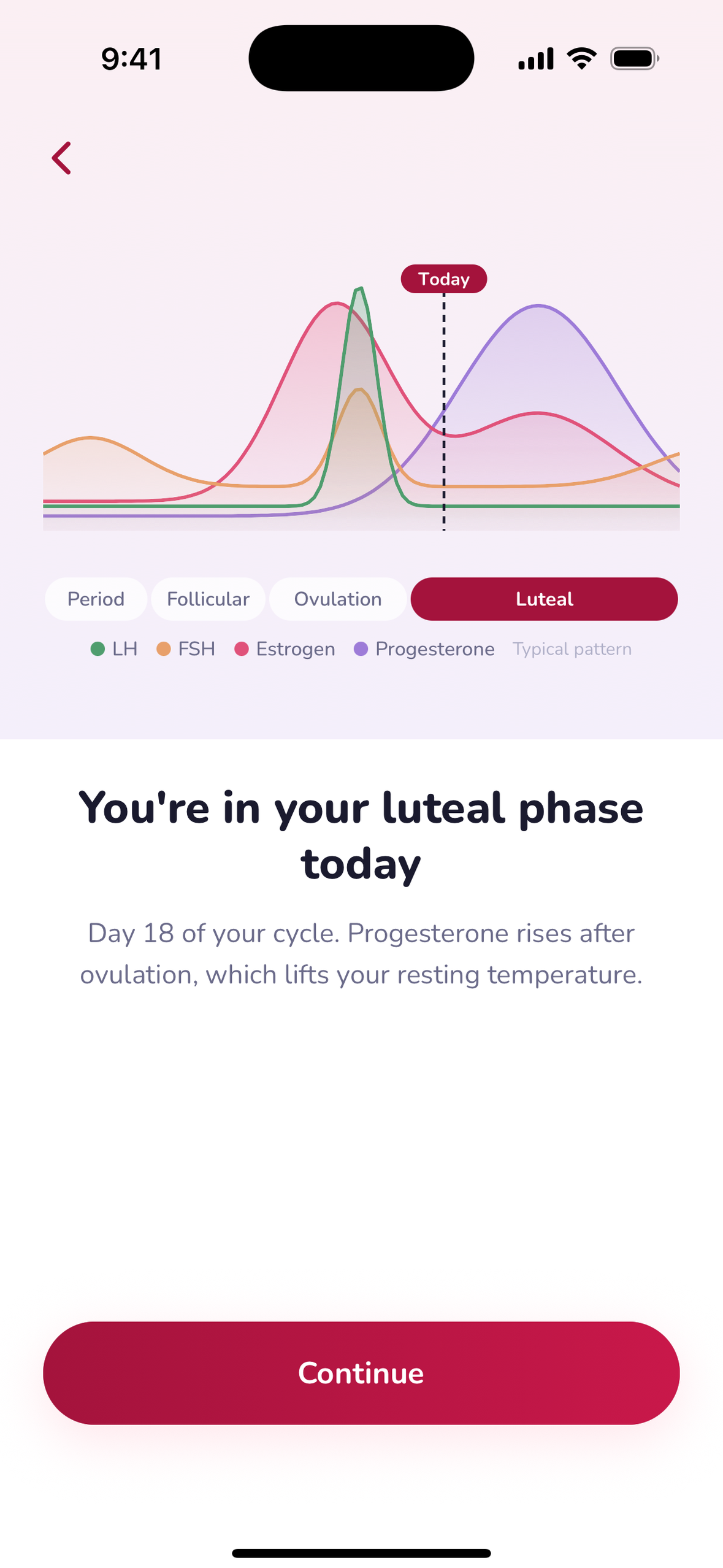
I was working on an app in the pregnancy prevention space when TikTok kept showing me the other side of it: women trying to conceive. The pain was all over the comments. They were tracking everything, testing constantly, and still felt lost. I could tell people would pay for help. What I couldn't tell yet was what would make our app different, and I didn't pretend to know.
So we launched anyway. Olivia built the first version, and Conceiva went live on August 1. My thinking was simple: the fastest way to learn what women actually need is to put something real in front of them. We leaned on what I knew how to do, creator videos and paid ads, and it worked better than I expected. One video brought in over $1,000 in a single day.
It also brought in feedback, and some of it was hard to read. Bad reviews, frustrated emails, and comments from women who had paid and felt the app didn't help them.
So I stopped and listened properly. I collected our TikTok comments, the comments on other fertility apps' videos, Reddit threads, App Store reviews and every support email, and read them for what was actually going wrong. The same things kept coming up:
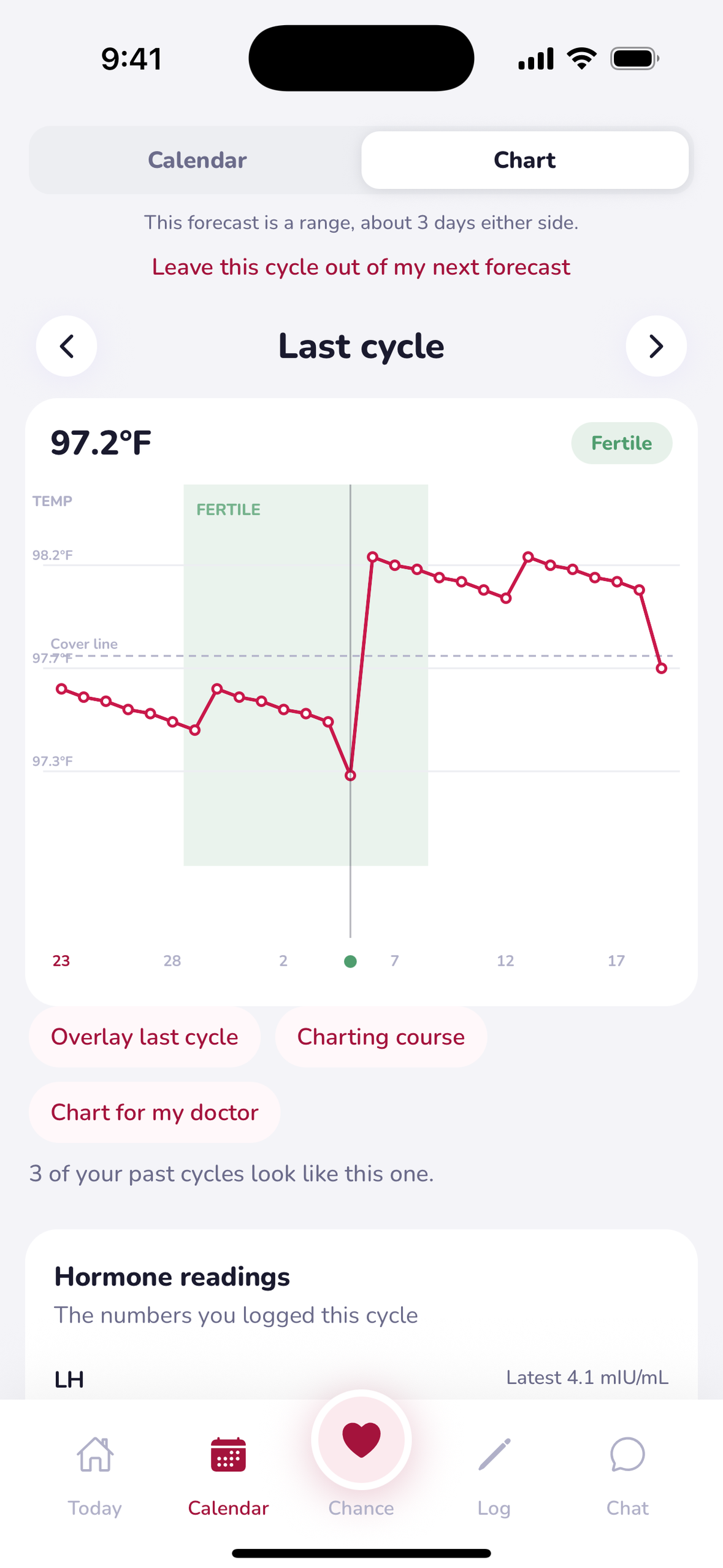
- Calendar predictions that were wrong for her, even when her own tests said otherwise.
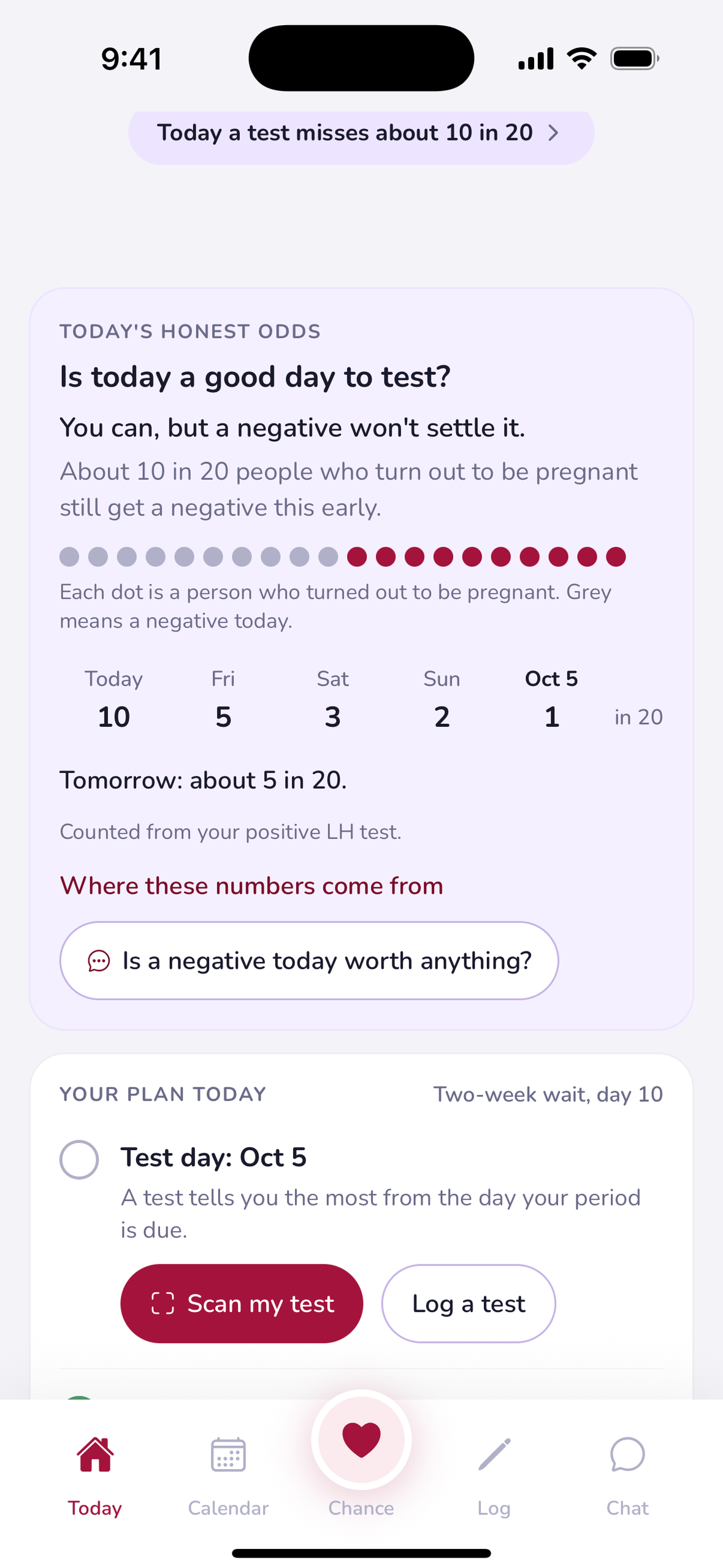
- Testing too early, getting a negative, and spending the rest of the month anxious.
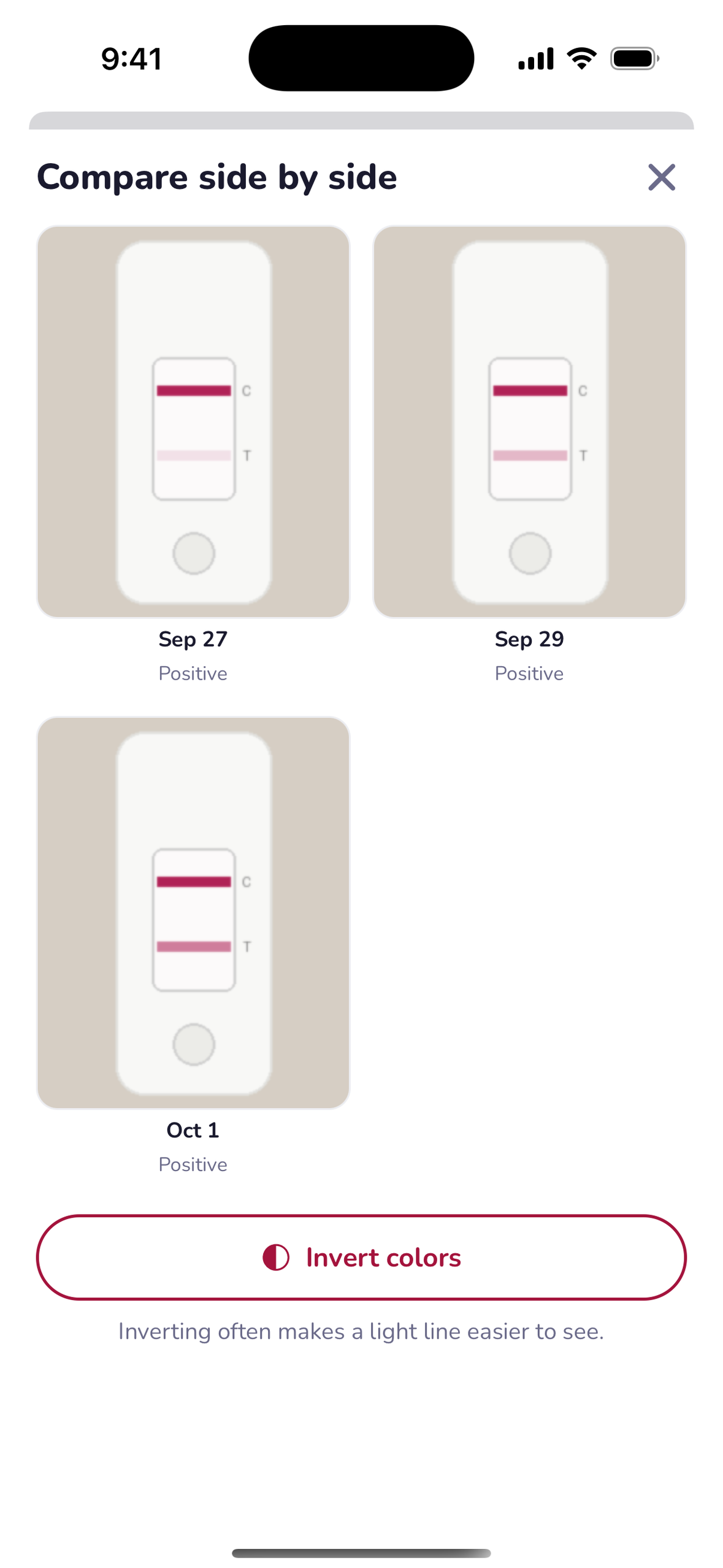
- Paying just to see her own history.
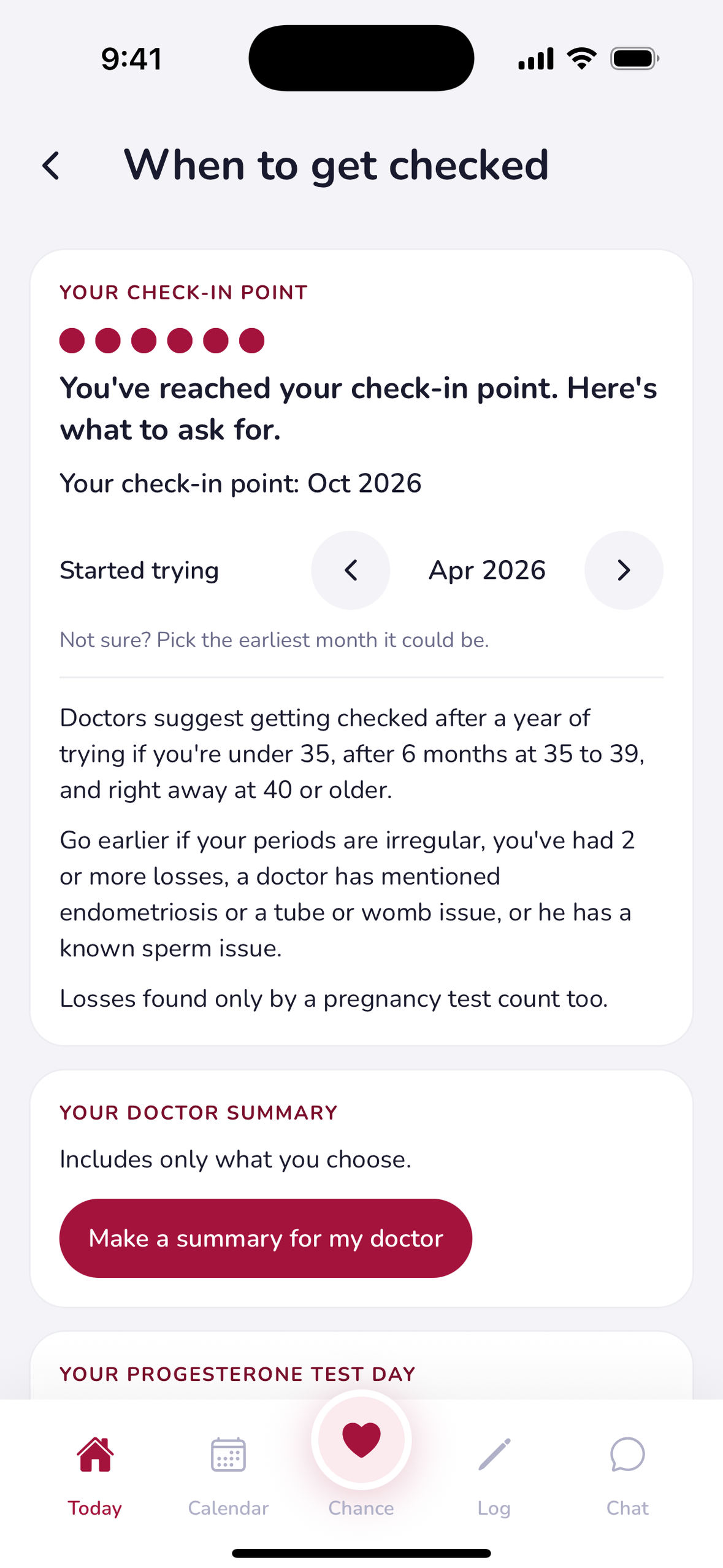
- Months in an app without anyone telling her when to see a doctor.
Many of these women had already tried several apps before ours. They downloaded Conceiva hoping it would be different, and for some of them it wasn't. That stuck with me. They're trying to get pregnant, and they trusted us with that.
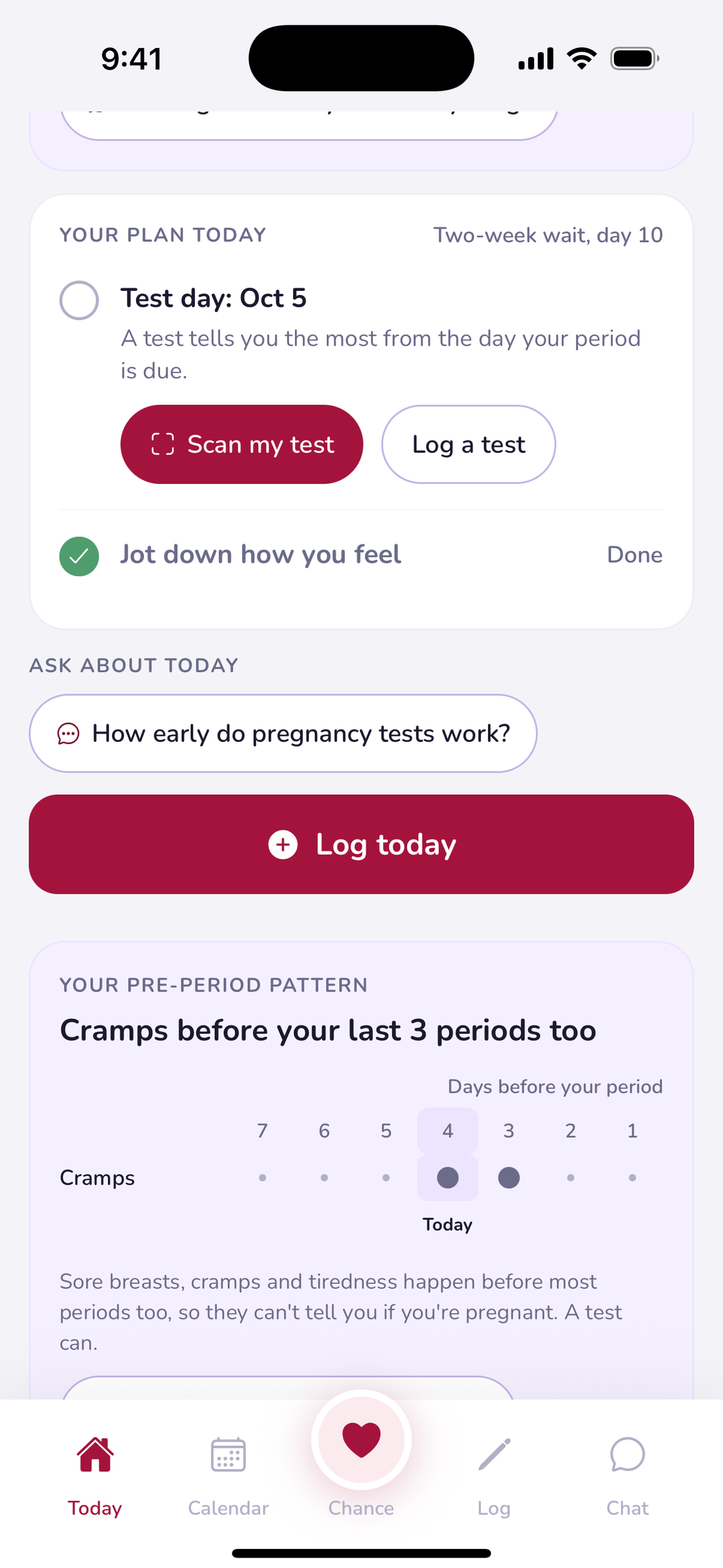
Every change since then comes from that list: her own signs set her dates, her logs stay free, and our next update adds honest odds for the two-week wait and tells her when it's time to see a doctor.
What I learned is that two things can be true. Moving fast and marketing well can get you users and revenue before you've figured everything out. But with women who research carefully and have already been let down by other apps, you only keep their trust by building something genuinely better.
That's how I'll build the next one too: launch early, listen to as many people as I can, and keep making it better.
Conceiva is built by two students: me at NYU, and Olivia at Barnard.
Built With
- apple-health
- expo.io
- express.js
- ios
- layers
- node.js
- onesignal
- openai
- postgresql
- posthog
- railway
- react-native
- revenuecat
- singular
- superwall
- typescript
