Inspiration
Bullying is one of the most painful challenges young people face, and yet, despite the awareness and efforts surrounding it, it continues to affect countless students. What troubled us most was the realisation that bullying is rarely just about one person being unkind to another. It is often shaped by friendships, peer pressure, fear, silence, and the need to belong.
We began to ask ourselves a difficult question: What if we could understand why bullying happens, rather than simply react after it has occurred?
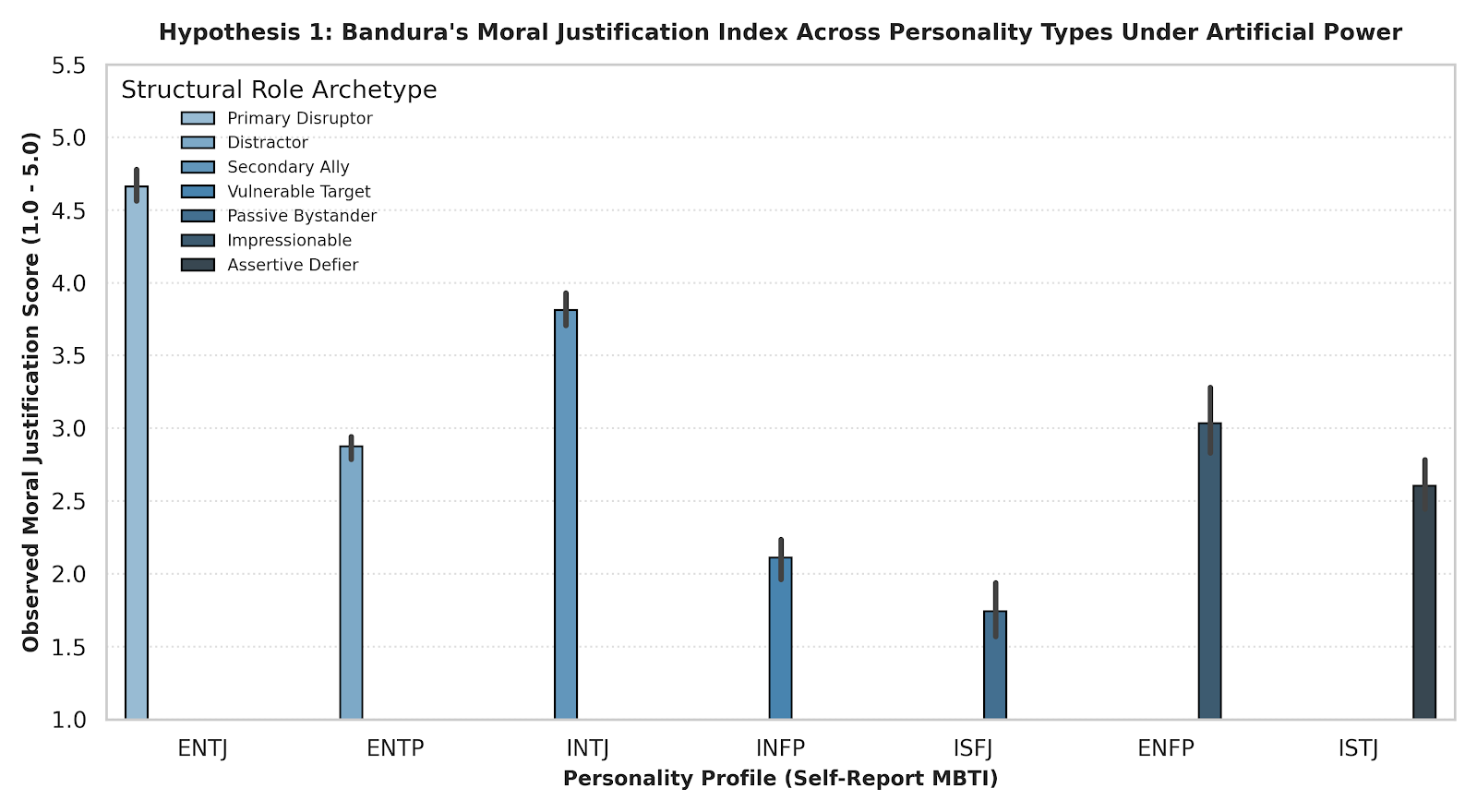
Through our research, we became especially interested in how people justify their own actions. Someone who hurts another person may genuinely believe they are correcting a mistake, defending their group, or responding to something the other person supposedly deserved. Meanwhile, those who witness the behaviour may remain silent because they fear becoming targets themselves or losing their place among their peers.
We wanted to look beyond the visible act of bullying and understand the social and psychological forces that allow it to continue. Our goal was not to label students as good or bad, but to explore the circumstances that encourage harmful behaviour and find ways to help schools respond with greater understanding, fairness, and compassion.
What it does
The Computational Bullying Intervention Framework combines behavioural observation, mathematical modelling, machine learning, and psychological research to explore the dynamics behind bullying.
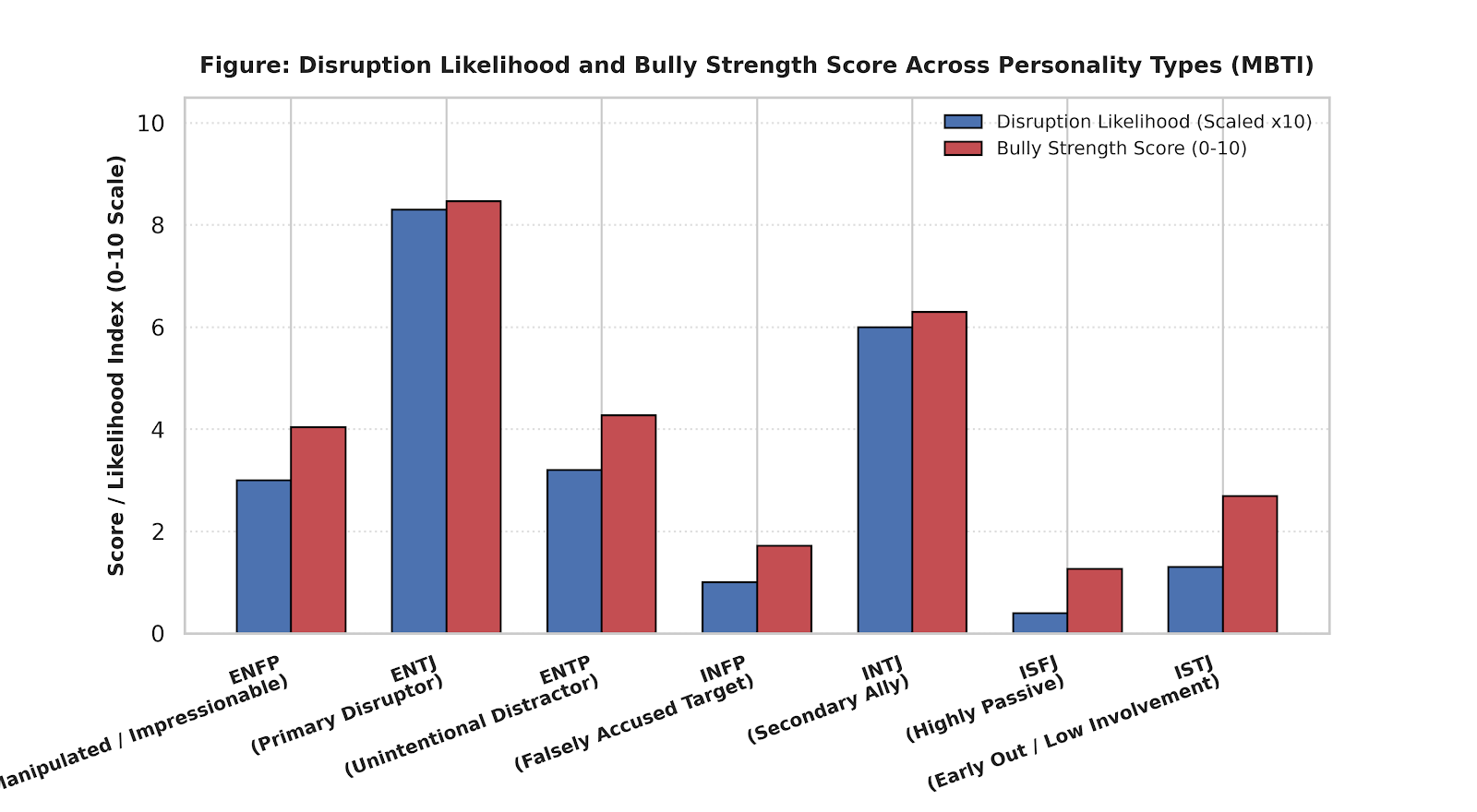
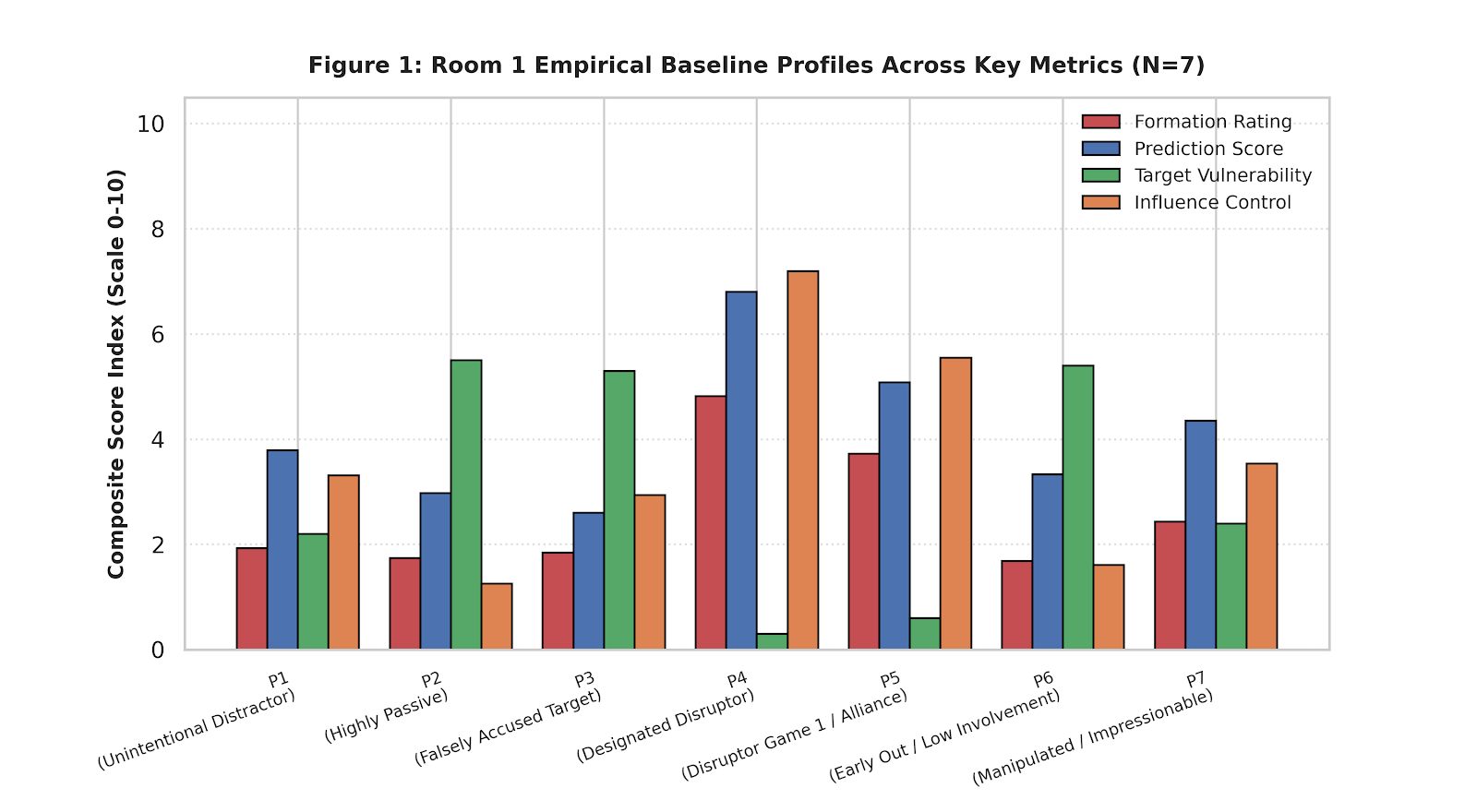
At the heart of the project is S.S. Pax, a space-themed social-deduction card game designed to place students in situations involving peer pressure, incomplete information, suspicion, teamwork, and difficult decisions. As students interact, we observe how they communicate, defend one another, respond to accusations, and influence the decisions of the group. The game provides a structured environment for exploring social behaviours that can also appear in real school settings.
We developed mathematical indicators, including the Bullying Formation Index and Bullying Prediction Index, to organise observed behaviours into interpretable scores. These indicators consider factors such as group distrust, cooperation, moral justification, and defensive behaviour. We then used a distance-weighted K-Nearest Neighbours classifier to explore whether patterns in these behavioural measurements could help distinguish different participant profiles.
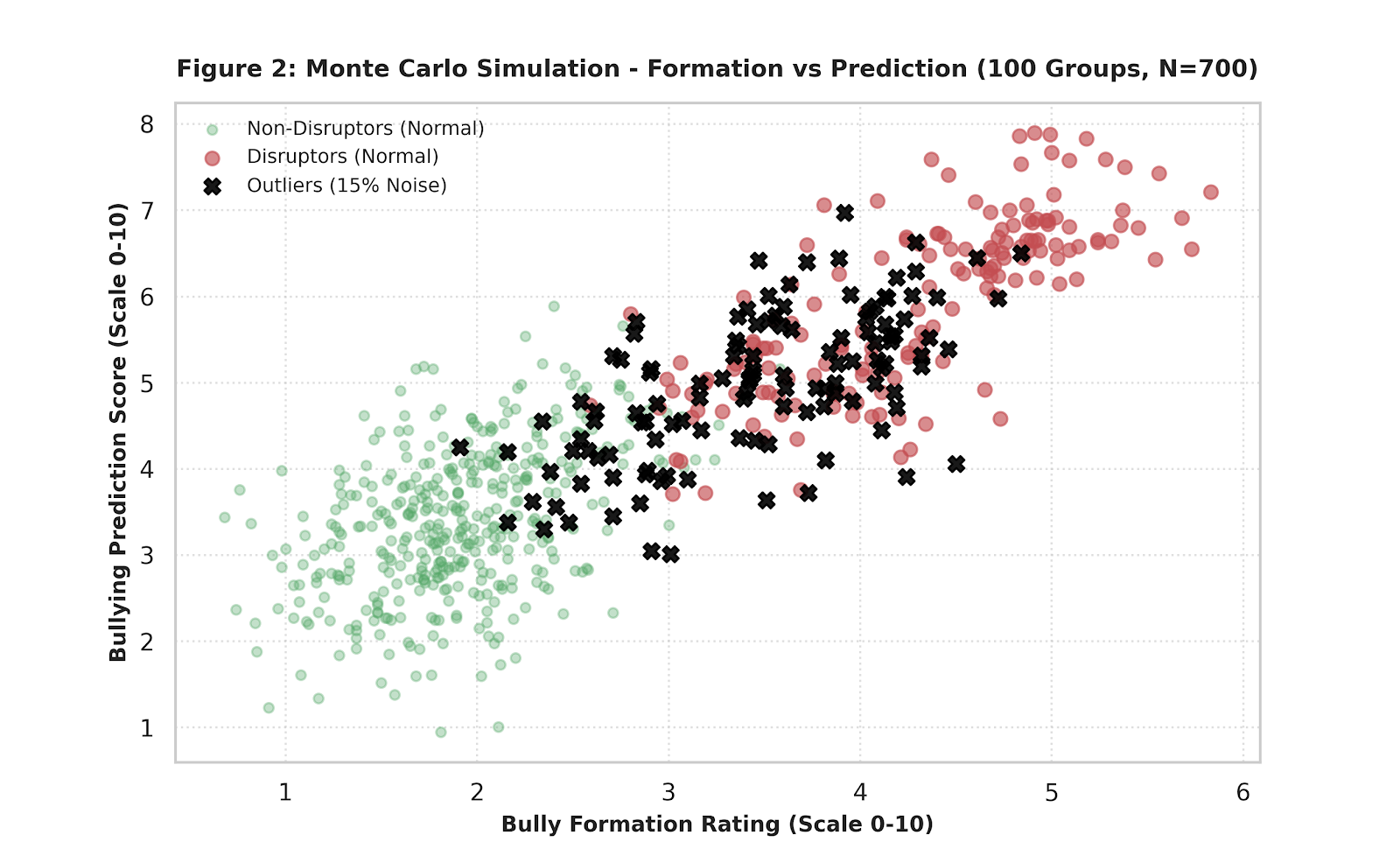
To investigate how these patterns might behave across larger groups, we also built a Monte Carlo simulation involving 700 virtual agents across 100 groups. The simulation incorporates variation and deliberately introduced behavioural anomalies to explore situations that may not follow expected patterns. These simulated results help us examine our model's assumptions, although they do not replace validation using larger samples of real students.
Beyond the computational work, we developed a proposed three-tiered restorative intervention framework. It focuses on peer-level support, accessible reporting mechanisms, and structured restorative responses. The central idea is to help schools identify concerning group dynamics earlier and respond in ways that prioritise student safety, accountability, and behavioural change rather than punishment alone.
How we built it
We built the project using Python and a collection of data science libraries, including pandas, NumPy, scikit-learn, SciPy, Matplotlib, and Seaborn. These tools allowed us to organise behavioural observations, calculate our proposed indicators, train a machine learning model, conduct statistical analyses, and visualise patterns in the data.
Our process began with small-scale human observations collected through the S.S. Pax experiment. We translated selected behaviours into structured numerical features so that we could examine interactions more systematically. We then developed mathematical formulas for the Bullying Formation Index and Bullying Prediction Index, using behavioural indicators rather than directly incorporating the target classification into the formulas.
We used a distance-weighted K-Nearest Neighbours classifier to explore how similar behavioural profiles could be grouped and classified. We also generated synthetic variations of our original observations to investigate how the model might respond to noise and behavioural inconsistencies. Separately, our Monte Carlo simulation allowed us to explore larger hypothetical populations and examine how the assumptions built into our model influenced its outputs.
Throughout development, we used statistical tests and visualisations to investigate differences between groups and relationships among behavioural indicators. We also considered the limitations of our approach, particularly the small number of human participants and the difference between simulated patterns and evidence collected in real schools.
An important part of our methodology is recognising what our results can and cannot establish. The mathematical indicators are proposed research measures, not clinically or independently validated psychological scales. Similarly, results from synthetic data demonstrate the behaviour of the simulation under its chosen assumptions; they cannot independently establish how accurately bullying can be predicted in real-world settings.
Challenges we ran into
One of our biggest challenges was working with a very small sample of human observations. Social behaviour is complicated, and a handful of participants cannot represent the full diversity of personalities, relationships, school environments, and experiences that shape bullying. We had to think carefully about how much we could reasonably conclude from the data we had.
We addressed this limitation by building a simulation that allowed us to explore a much larger number of hypothetical participants. We also introduced controlled noise and behavioural anomalies to avoid assuming that every individual would behave predictably. However, we recognised that increasing the number of simulated agents does not increase the number of real people studied. The simulation is useful for exploring our assumptions, but larger and more diverse human studies will be necessary to test whether the observed patterns generalise.
Another challenge was designing mathematical indicators that remained interpretable. We wanted our scores to reflect observable behaviours, rather than simply reproduce a classification that had already been assigned. This required us to think critically about which variables belonged in each formula and whether the relationships we were modelling were justified.
We also had to consider the risk of data leakage in machine learning. A model can appear highly accurate if information from the test data indirectly influences training or if the labels used for evaluation are not independently established. This made it important to distinguish between model performance on the available dataset and genuine evidence of predictive ability.
Perhaps the most difficult challenge was balancing the technical side of the project with the human reality behind it. A numerical score can help organise observations, but it cannot fully capture a student's circumstances, intentions, relationships, or feelings. We wanted the framework to support thoughtful intervention, never to become a tool for permanently labelling or unfairly judging students.
Accomplishments that we're proud of
One of our proudest accomplishments is bringing together ideas from psychology, behavioural research, statistics, and machine learning into a single framework focused on a real problem affecting young people.
Developing S.S. Pax gave us a way to explore group behaviour through structured interactions rather than relying entirely on abstract assumptions. Building the scoring pipeline helped us translate selected observations into measurable indicators, while the classification model gave us an opportunity to investigate whether those indicators could help distinguish behavioural profiles.
We are also proud of creating a simulation framework capable of exploring 700 virtual agents across 100 groups. It allowed us to examine how the assumptions behind our model could influence its results and to experiment with uncertainty and unexpected behaviours. Alongside this, we developed a proposed intervention framework that connects our computational work to practical questions about how schools might support students.
The most meaningful accomplishment, however, is the direction this research has given us. We began with a problem that is often discussed in terms of individual actions, but our work encouraged us to examine the wider social environment in which those actions occur. We began thinking not only about how harmful behaviour might be recognised, but also about how schools can make it easier for students to seek help, support one another, and take responsibility for their actions.
Our current findings are preliminary, and we do not consider them proof that the framework can already predict or prevent bullying in real schools. We are proud of what we have built so far, but we are equally committed to testing it honestly, improving its limitations, and developing stronger evidence before proposing wider implementation.
What we learned
This project taught us that bullying cannot be understood by looking at a single action in isolation. Group relationships, perceived social status, fear of exclusion, and the ways people justify their behaviour can all influence what happens between students.
We learned that silence is not always the same as indifference. A student who witnesses bullying may want to intervene but feel uncertain, intimidated, or afraid of becoming involved. Likewise, understanding why someone engages in harmful behaviour does not excuse that behaviour. It can, however, help us design responses that encourage accountability while addressing the circumstances that allow it to continue.
We also learned important lessons about scientific research. A model can produce convincing graphs and impressive numerical results without necessarily reflecting what happens in the real world. Synthetic data can help us explore hypotheses, but it cannot substitute for independent evidence. Small samples require caution, and high classification accuracy must always be interpreted in the context of how the data were collected, labelled, and tested.
Most importantly, we realised that technology alone cannot solve a deeply human problem. Machine learning may help researchers organise information and identify patterns worth investigating, but it cannot replace careful observation, student trust, trained educators, or an understanding of individual circumstances.
For us, the purpose of computational research is not to reduce people to numbers. It is to use numbers responsibly to ask better questions, challenge our assumptions, and develop more thoughtful ways of helping people.
What's next for Computational Bullying Intervention Framework
Our next step is to move beyond small-scale experiments and synthetic simulations towards larger, more diverse studies involving real school communities. We want to investigate whether the behavioural patterns identified in our initial work appear consistently across different age groups, school environments, and social contexts.
We also plan to strengthen the psychological foundations of our framework. In particular, we want to move beyond categorical personality systems such as MBTI and explore more established approaches, including the Big Five personality framework, where appropriate and ethically justified. Any personality-related measures would need to be selected carefully and would not be used as standalone indicators of whether a student is likely to bully others.
Another priority is improving our research methodology. We aim to establish clearer behavioural coding guidelines, obtain independent assessments where possible, and evaluate our models using appropriately separated training and test data. Future studies should also examine false positives and false negatives, since incorrectly labelling a student could have serious consequences. Any proposed use of the framework would require appropriate consent, privacy safeguards, human oversight, and careful evaluation before it could be considered for practical school settings.
Alongside this research, we hope to develop our proposed intervention framework further in collaboration with educators, counsellors, and students. This could include exploring accessible reporting channels, supportive peer networks, and restorative processes that prioritise safety, accountability, and meaningful behavioural change.
Ultimately, we want this project to grow from an initial research

Log in or sign up for Devpost to join the conversation.