-
-
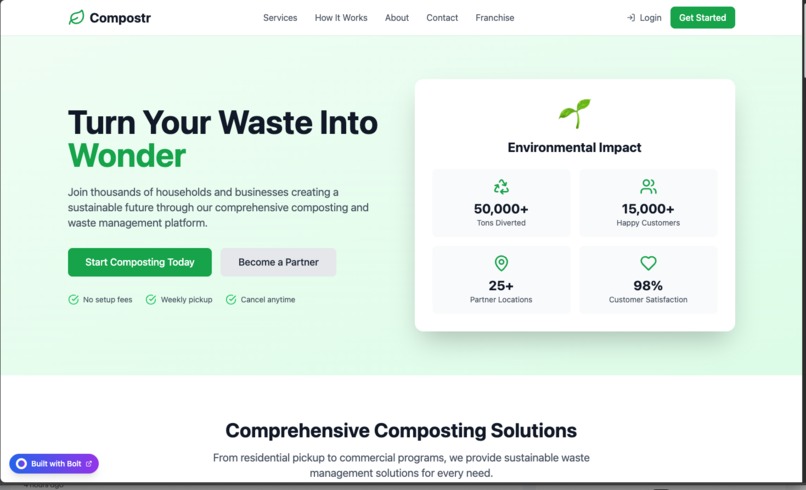
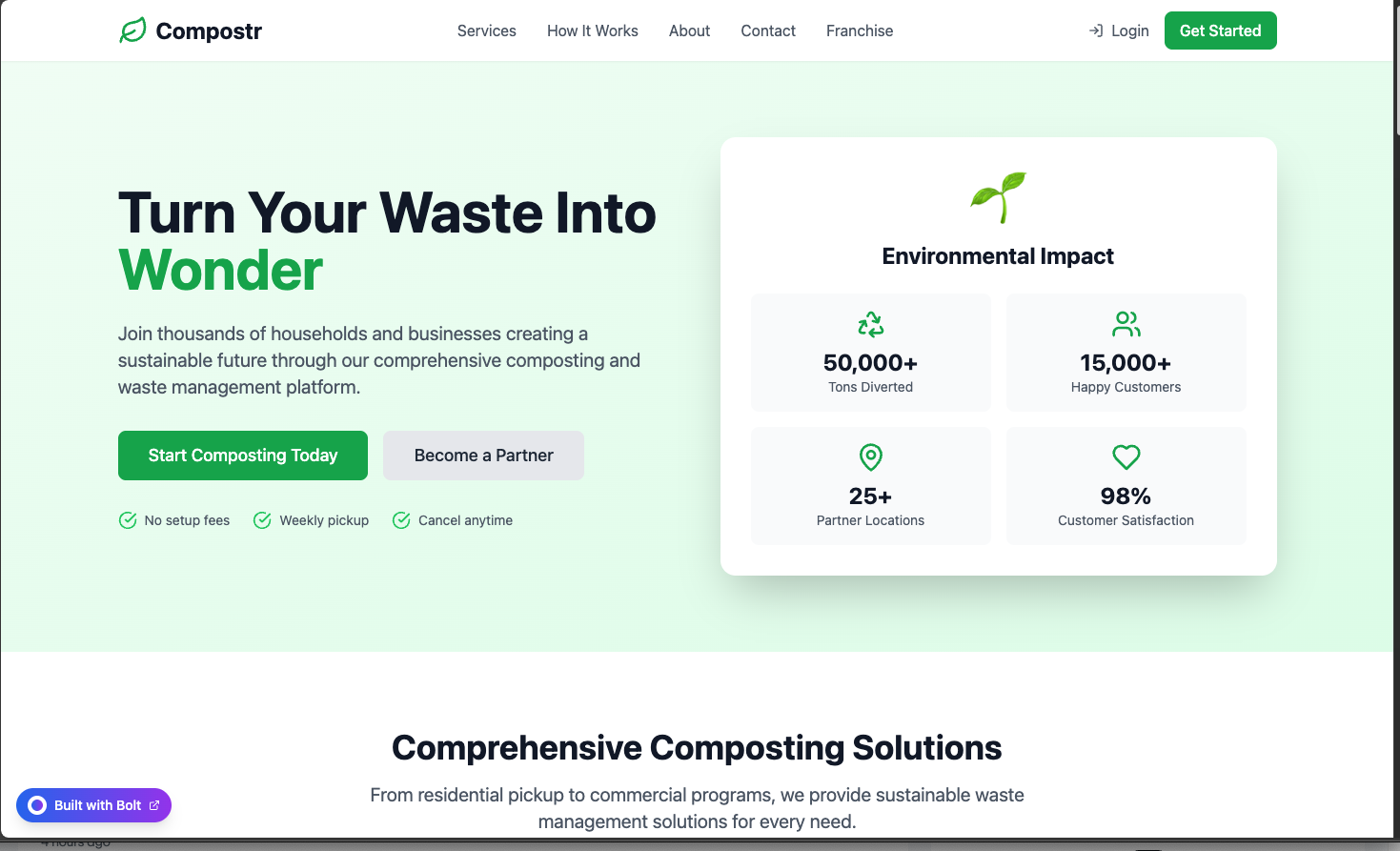
Home Page
-
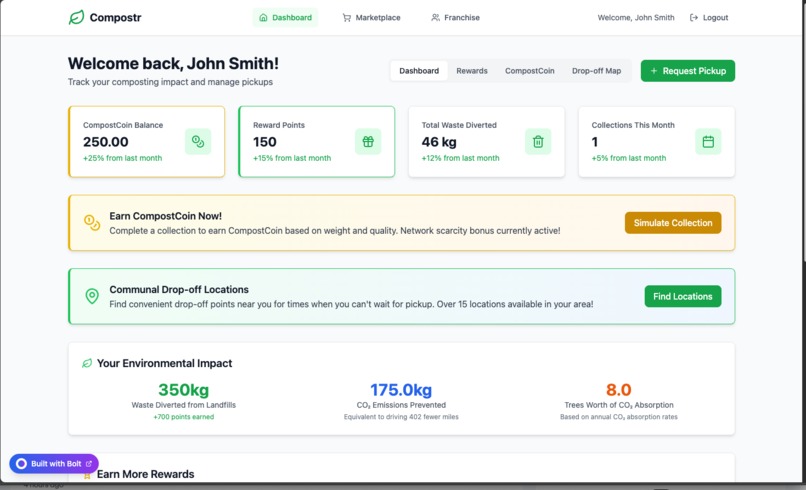
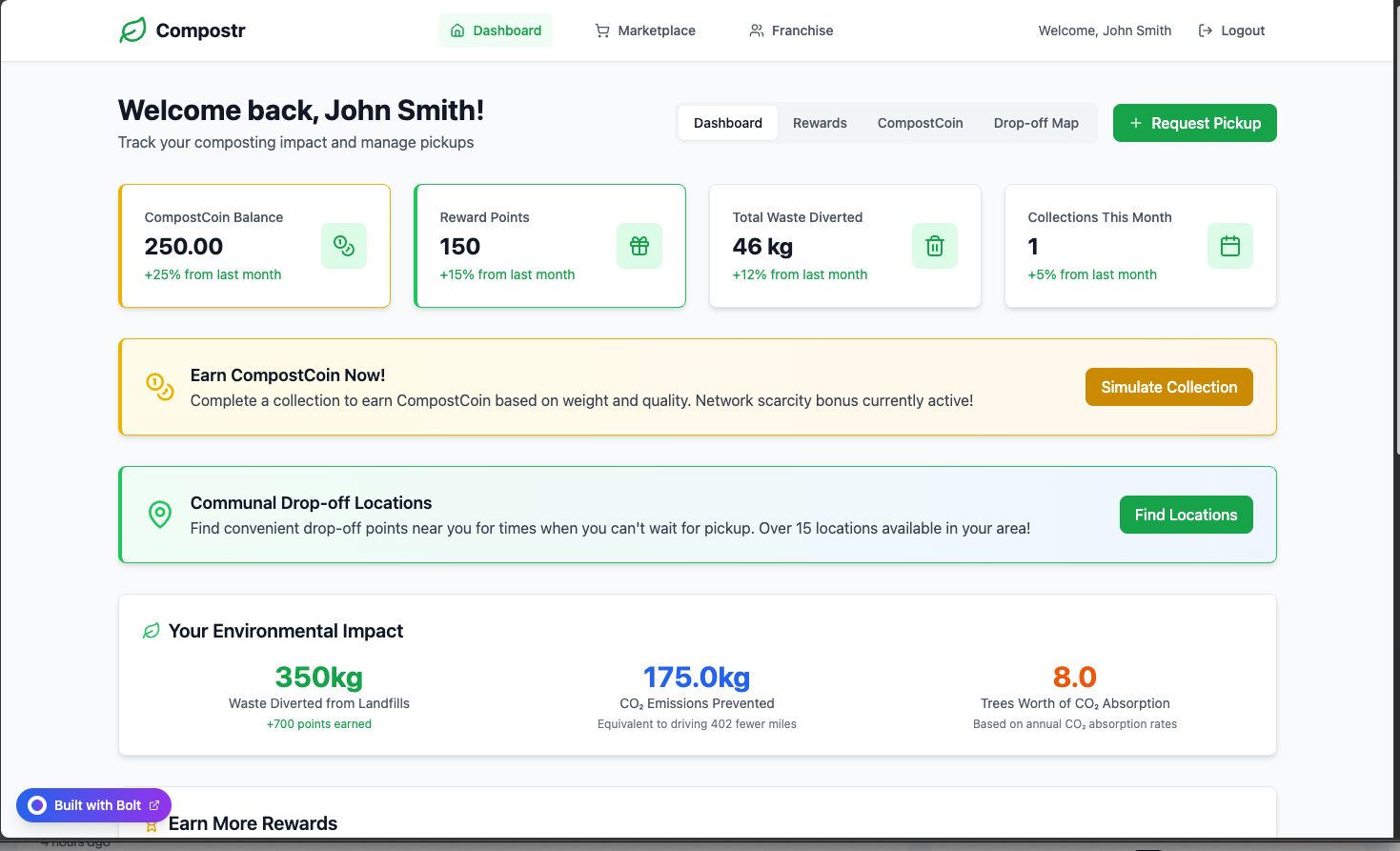
Pickup Customer Dashboard - Summary
-
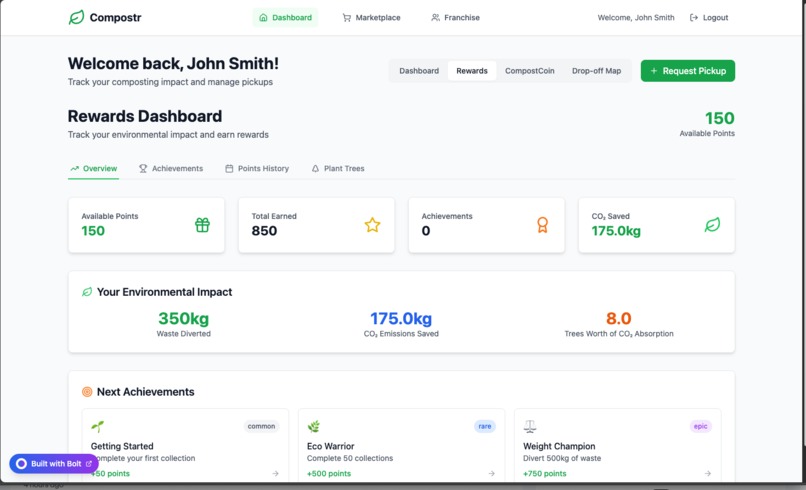
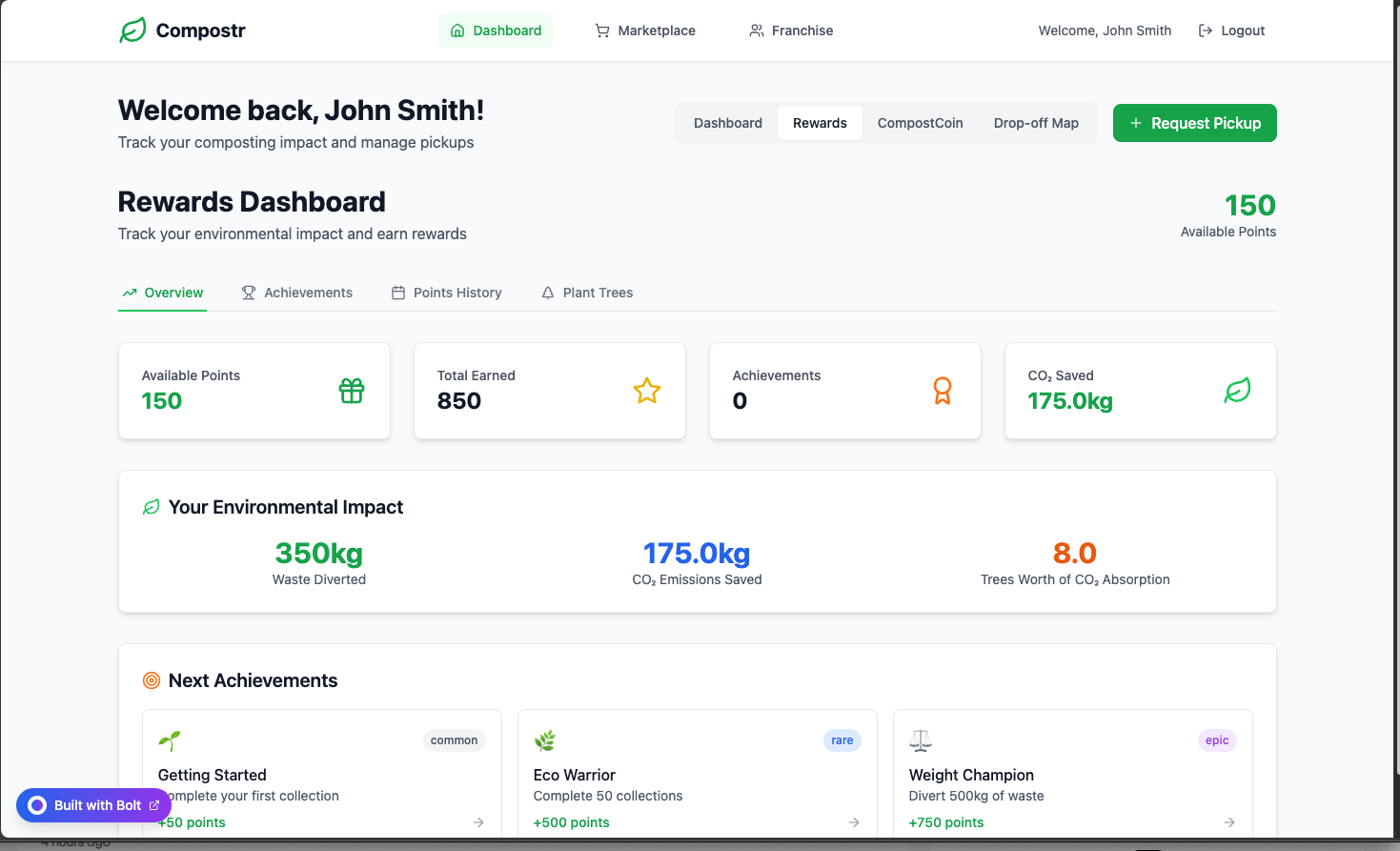
Pickup Customer Dashboard - Rewards
-
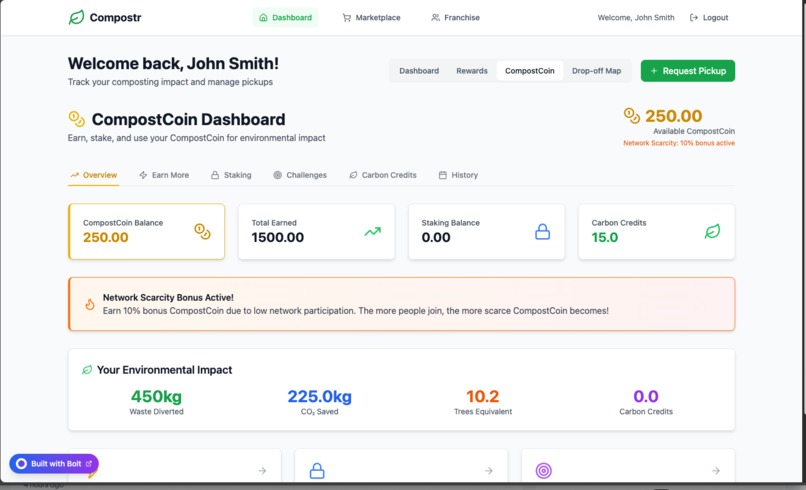
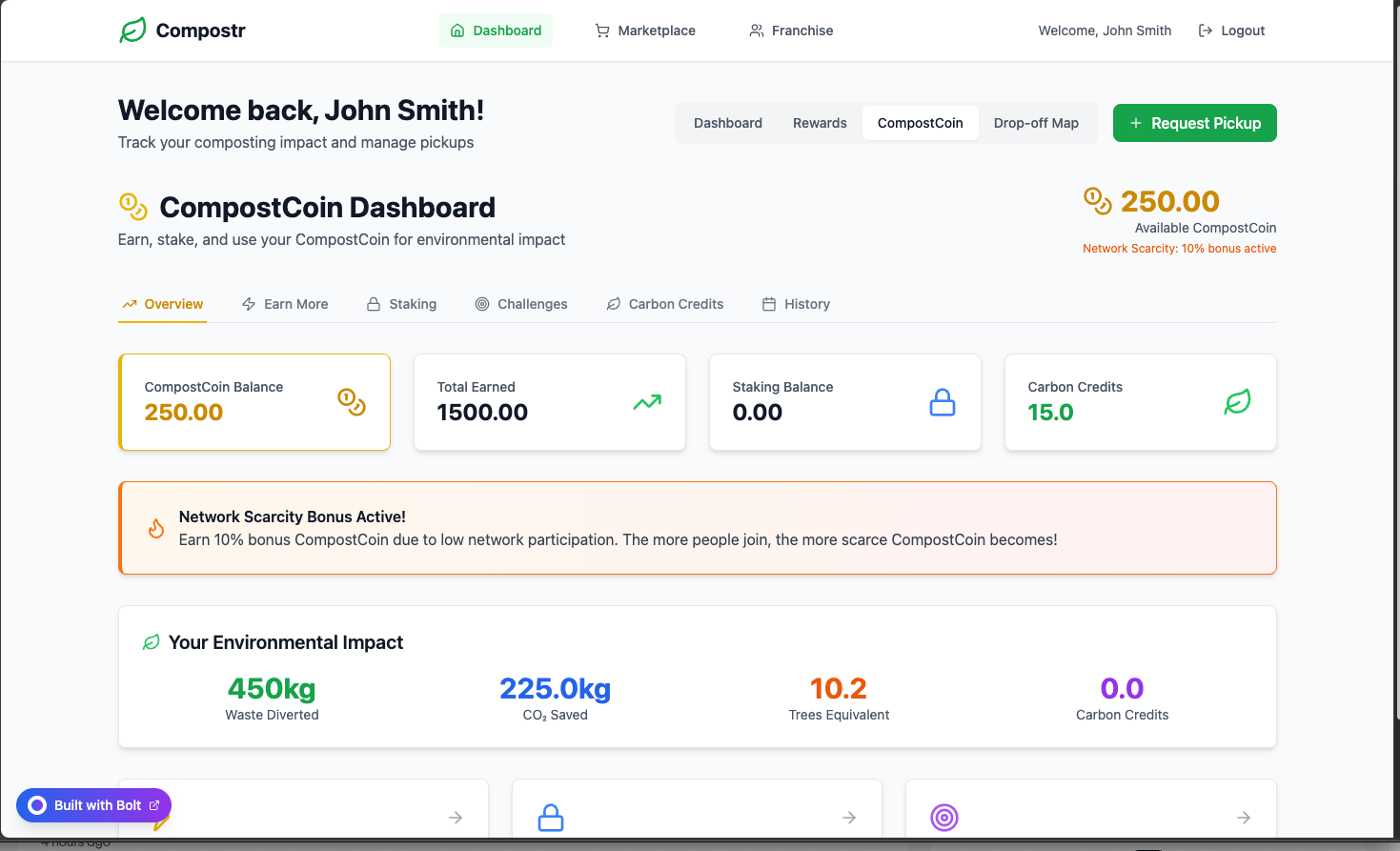
Pickup Customer Dashboard - Crypto Earnings
-
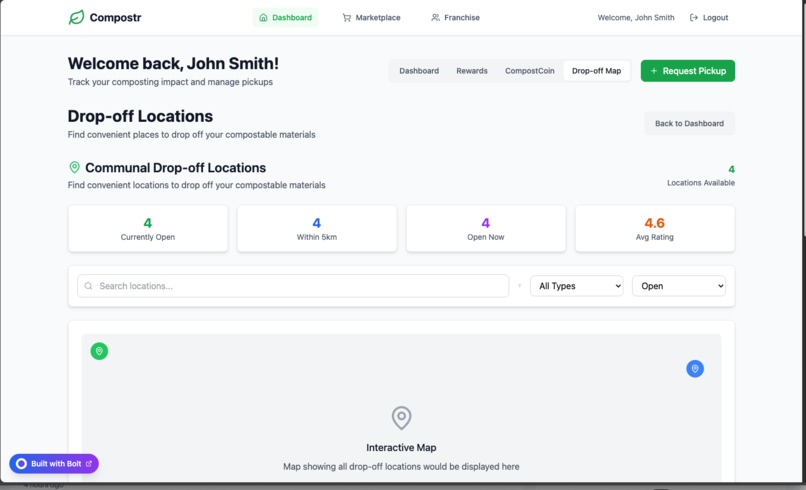
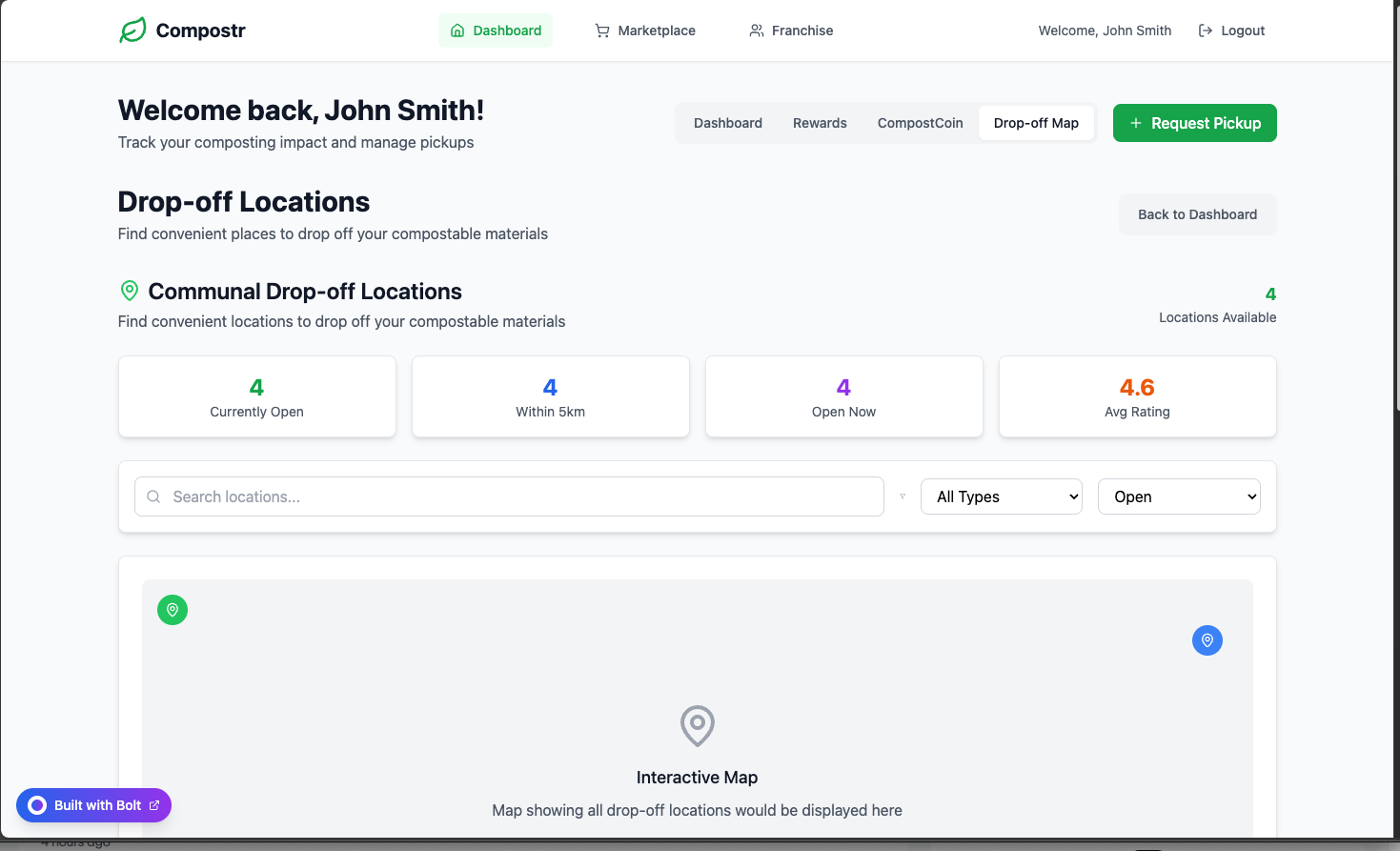
Pickup Customer Dashboard - Drop Off Locations
-
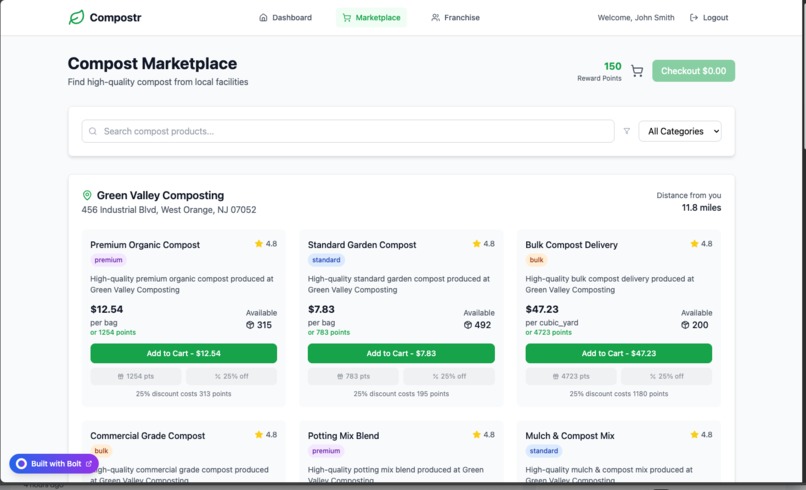
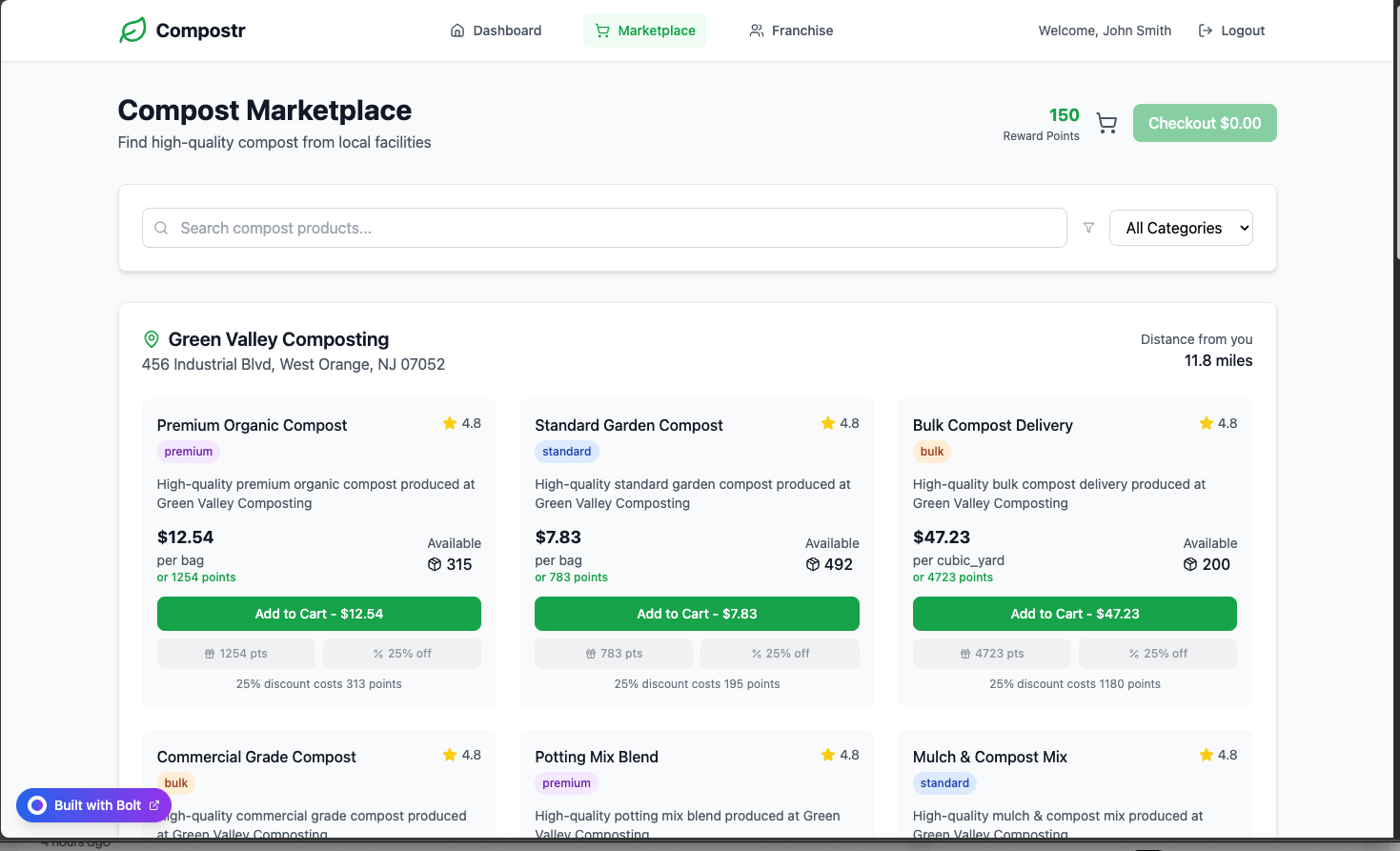
Marketplace
-
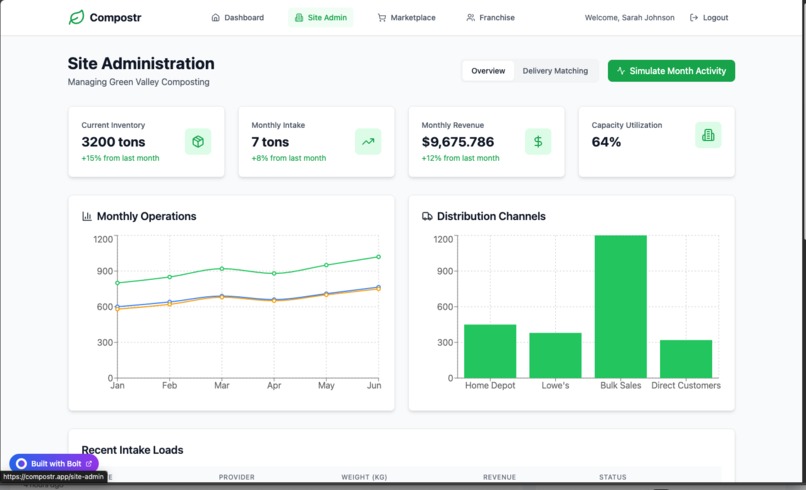
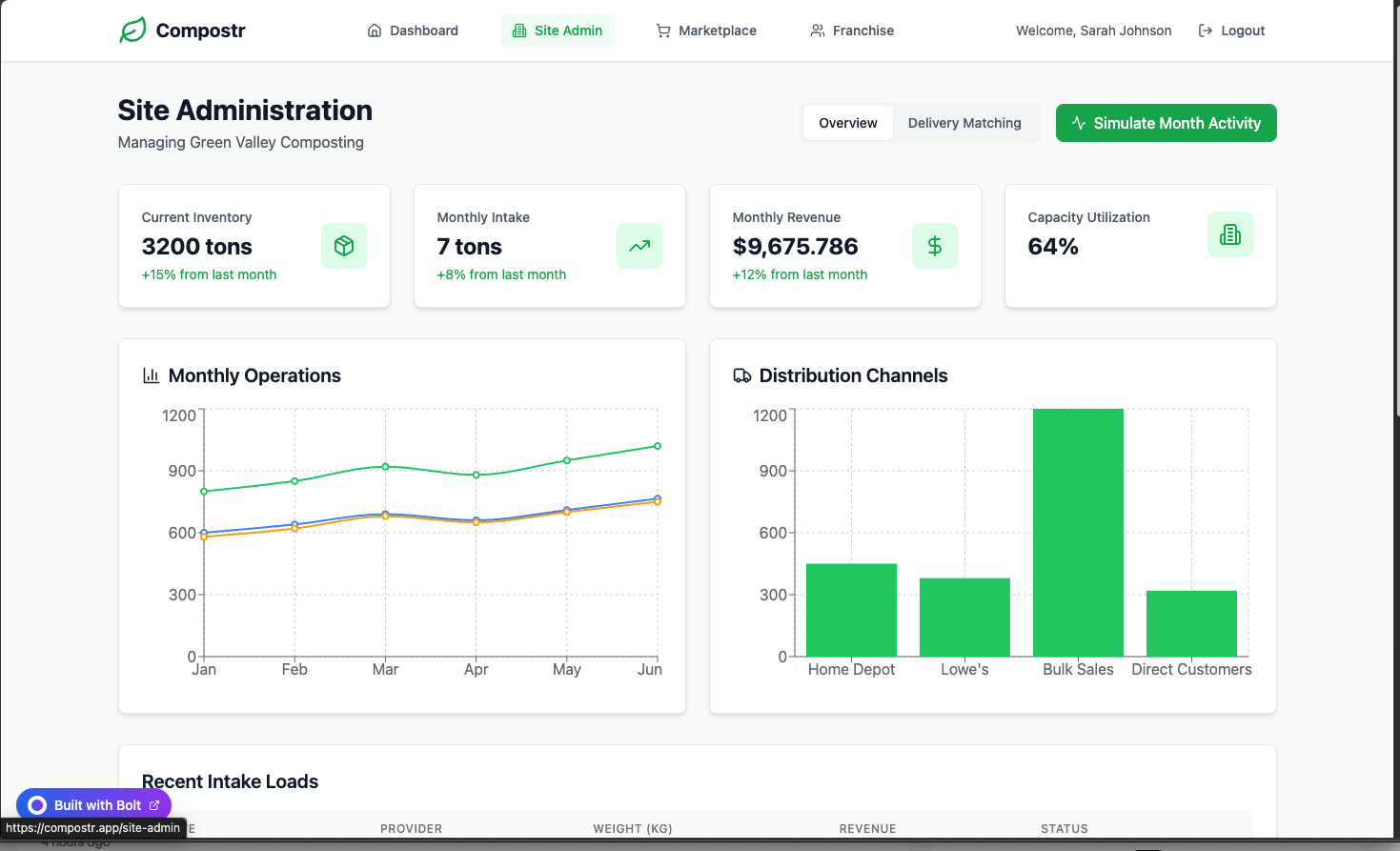
Compost Site Dashboard - Summary
-
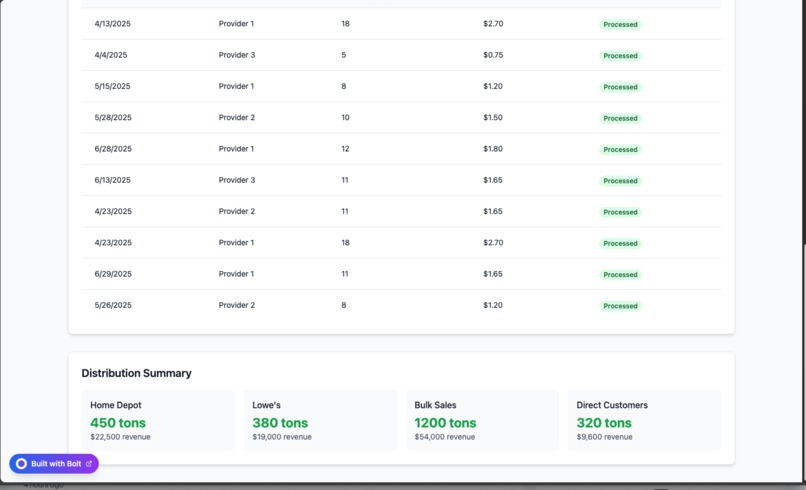
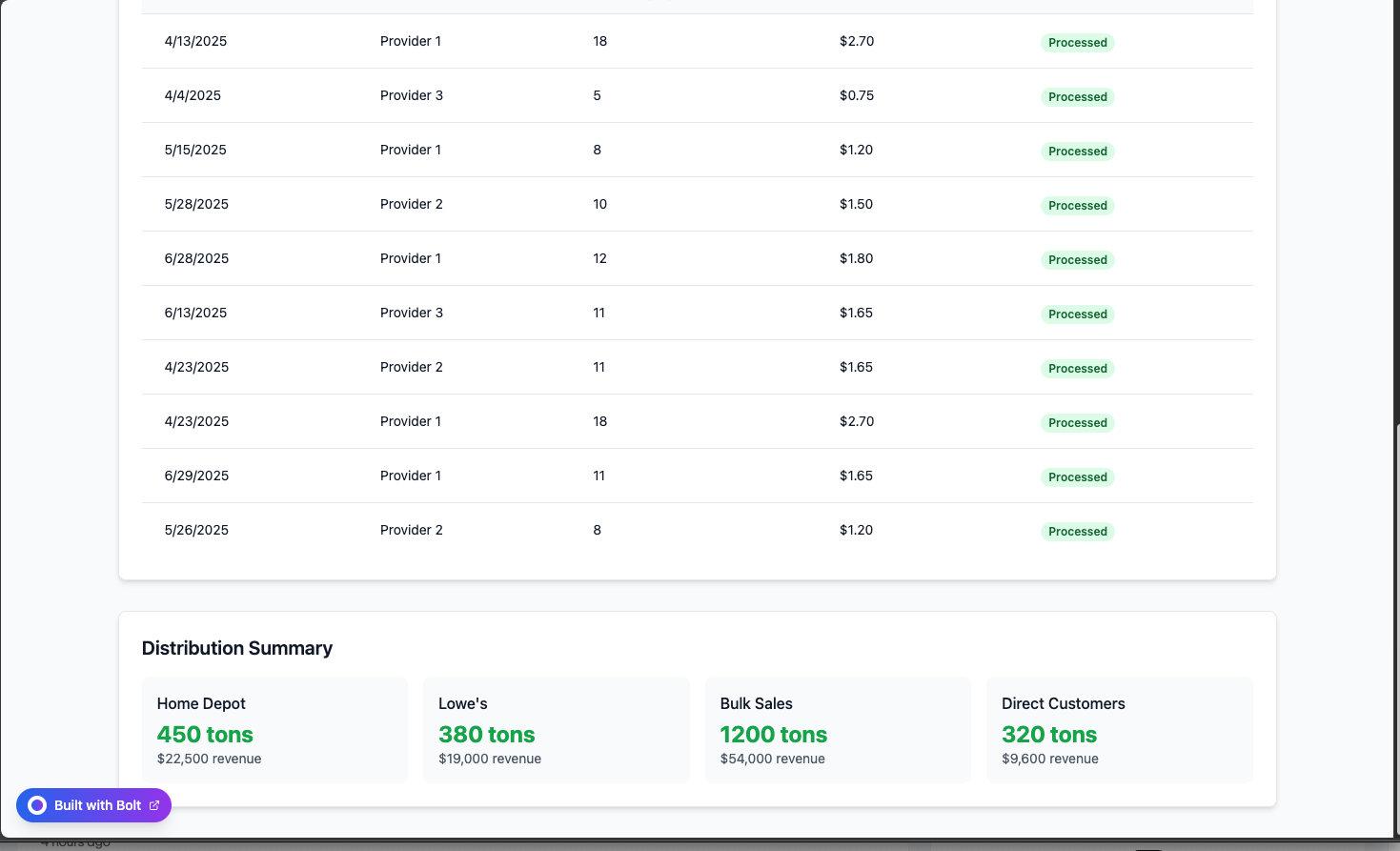
Compost Site Dashboard - Instake and Distribution
-
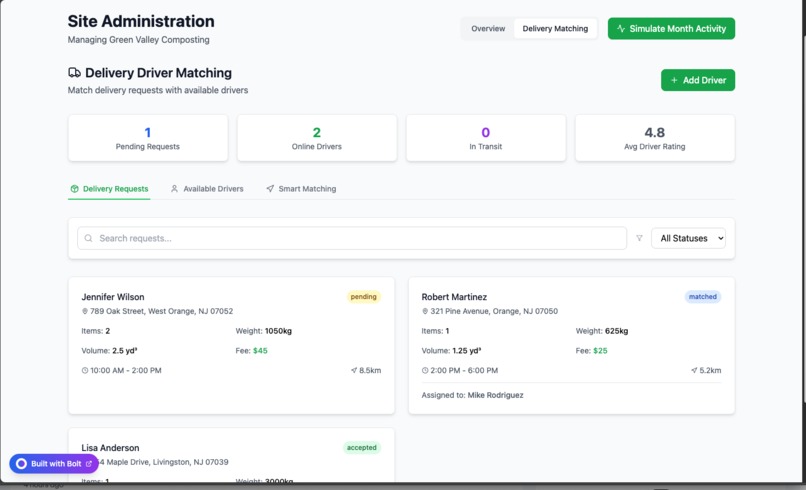
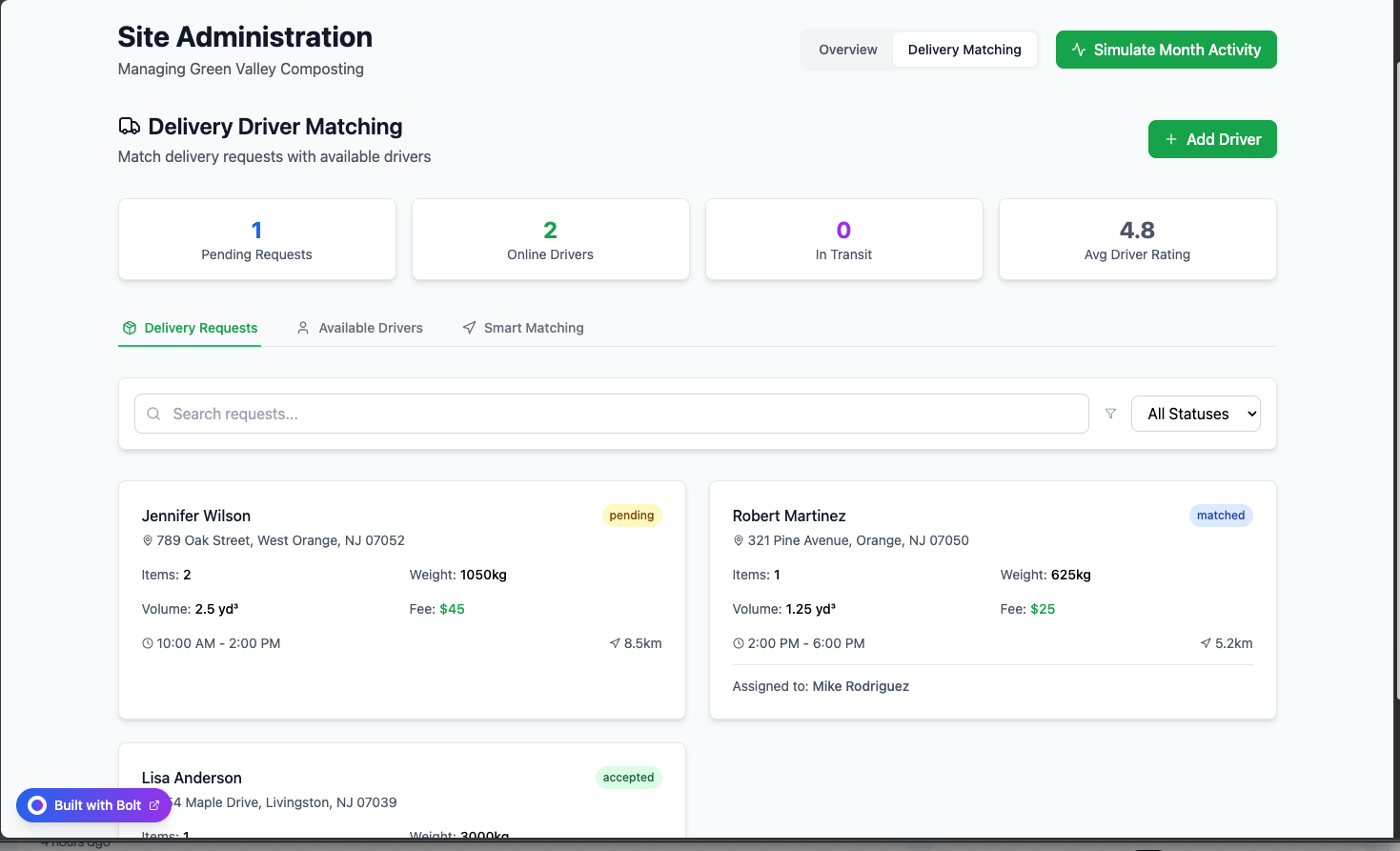
Compost Site Dashboard - Deliveries
-
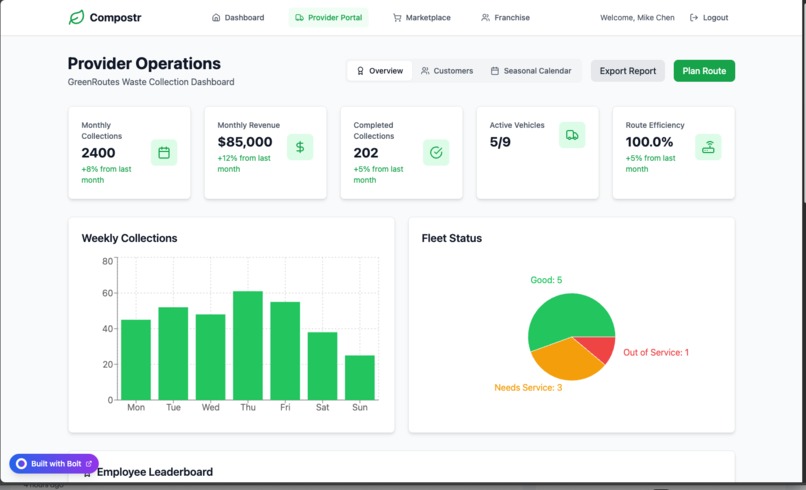
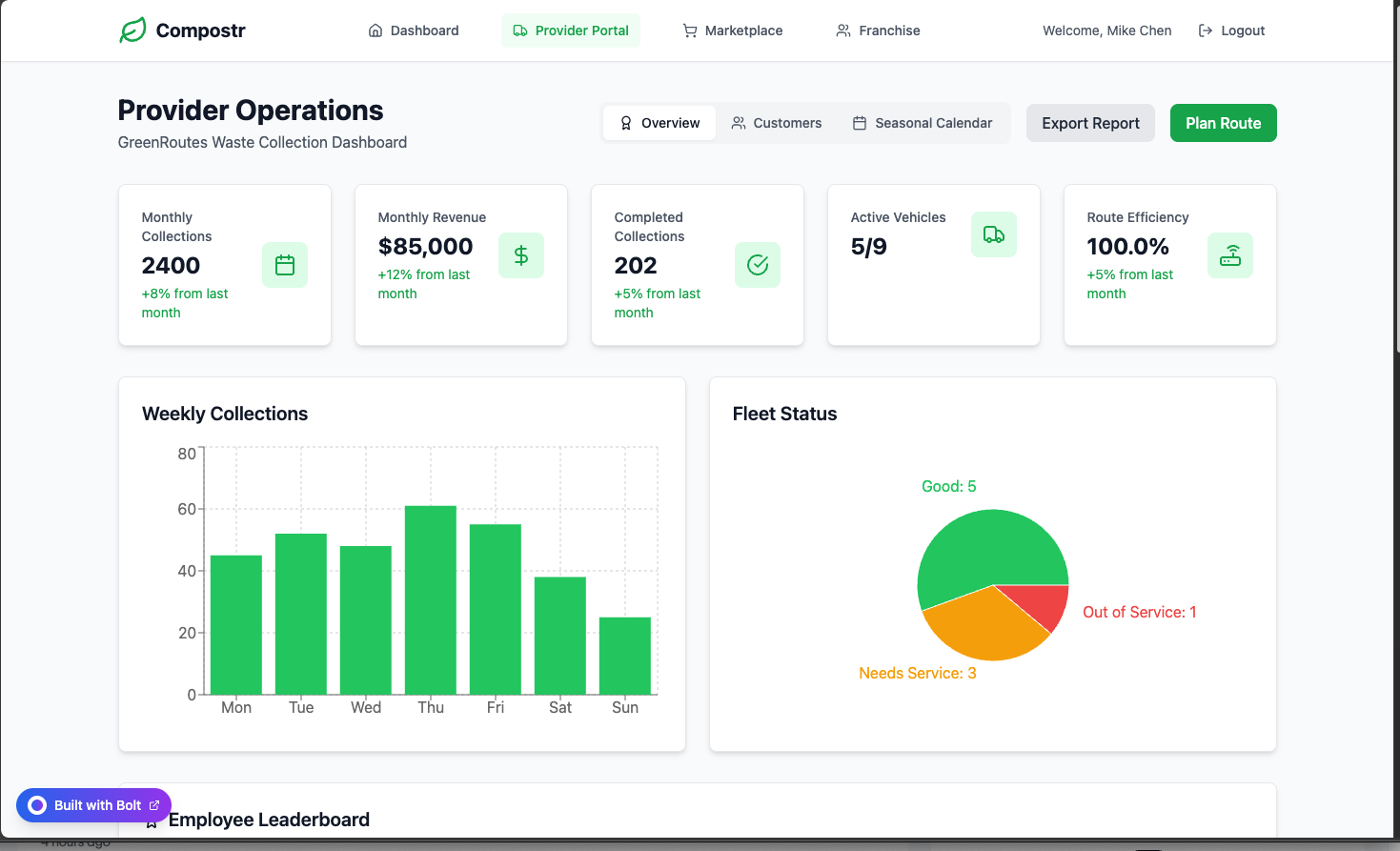
Pickup Provider Dashboard - Summary
-
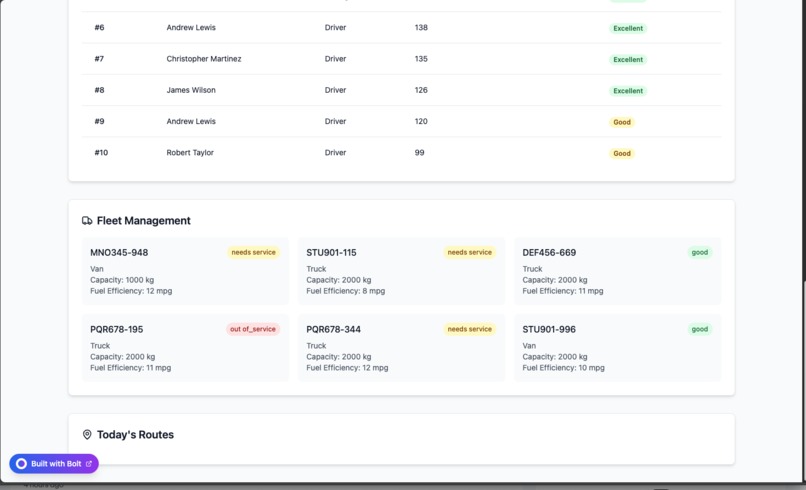
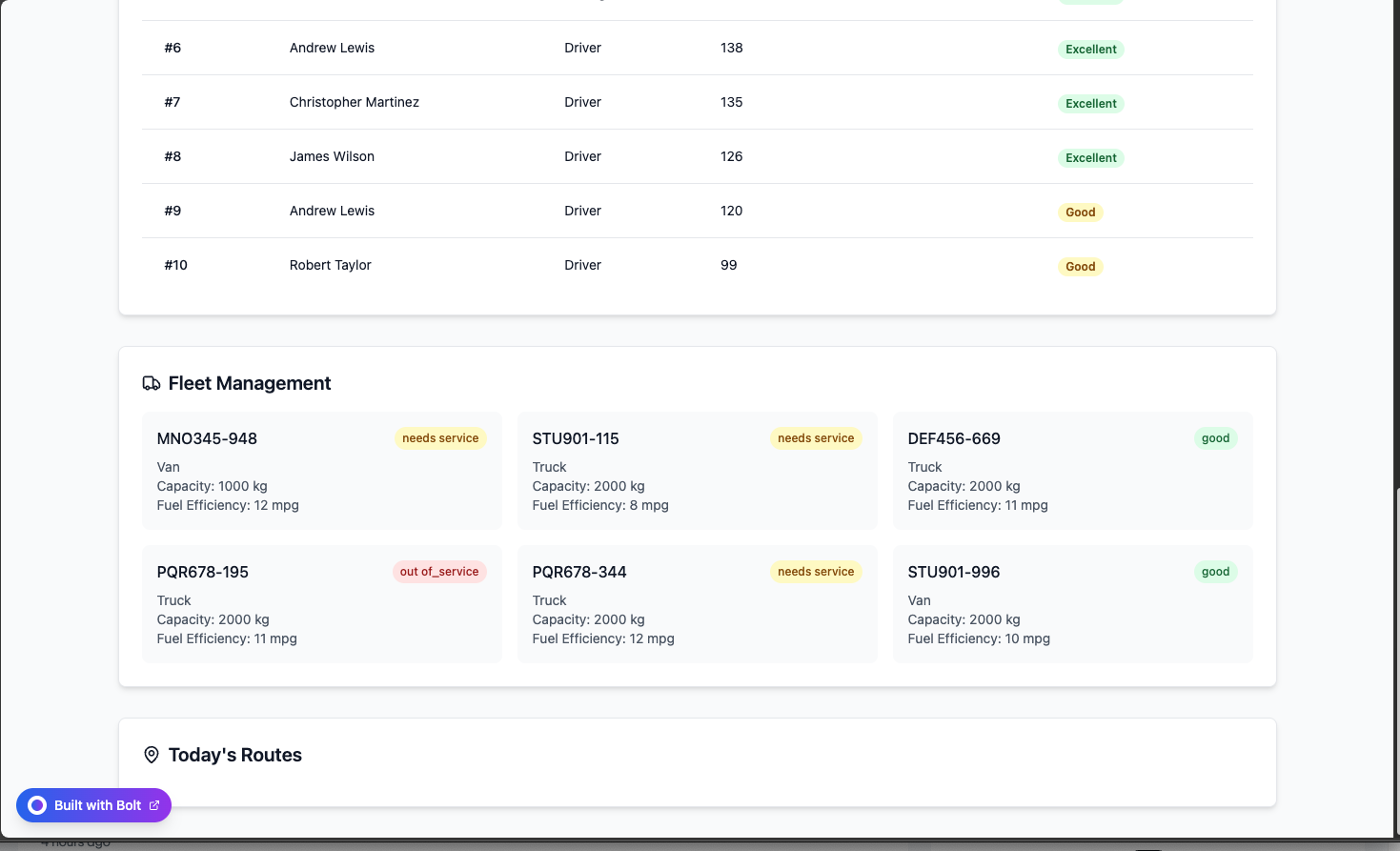
Pickup Provider Dashboard - Fleet and Employees
-
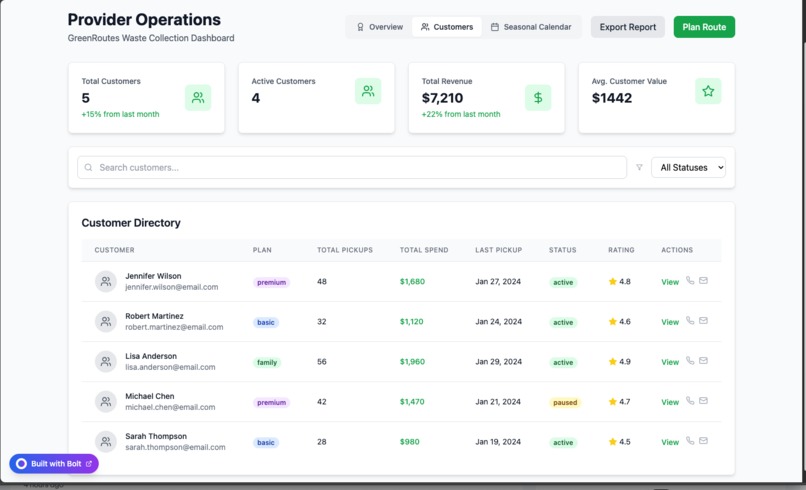
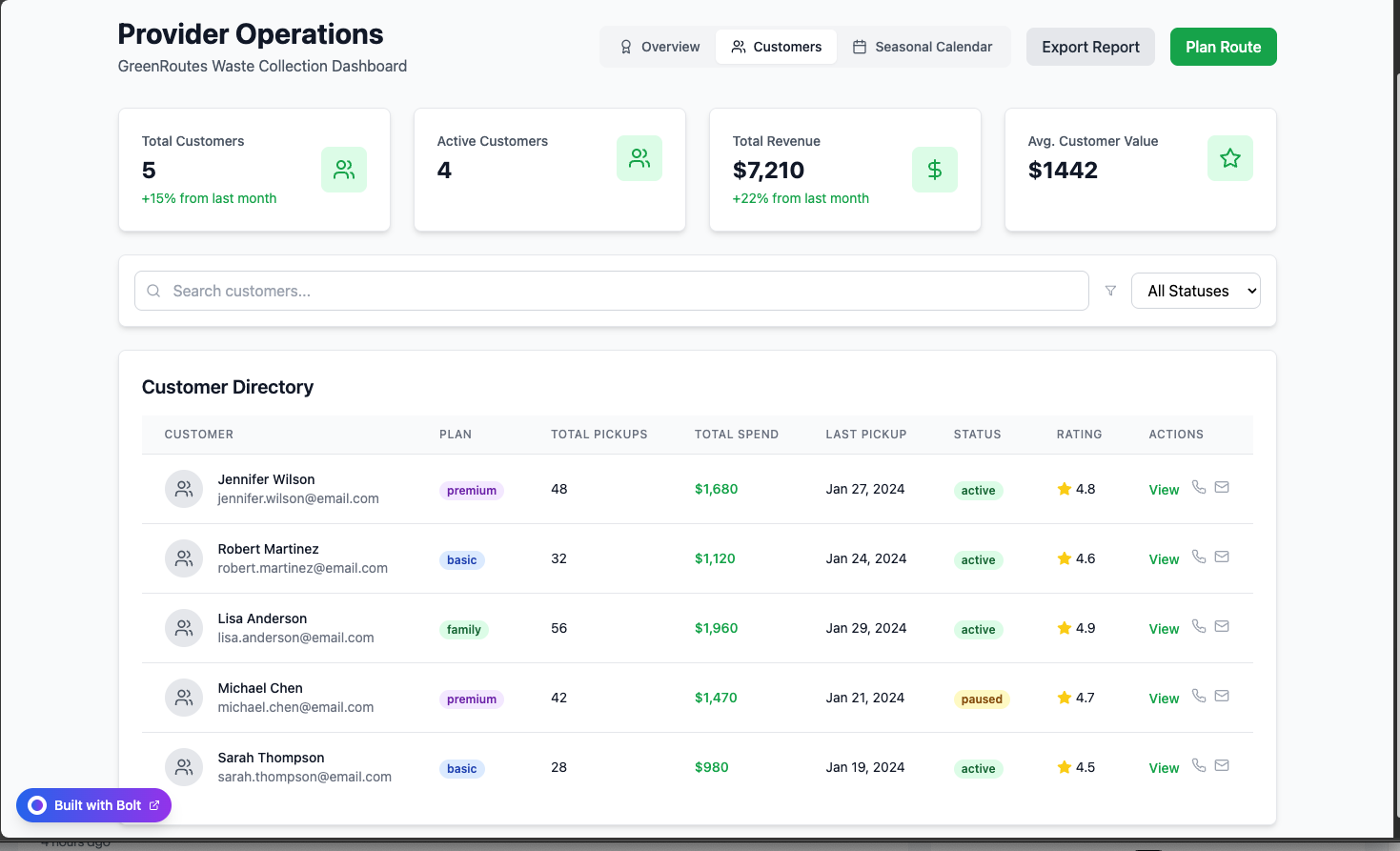
Pickup Provider Dashboard - Customers
-
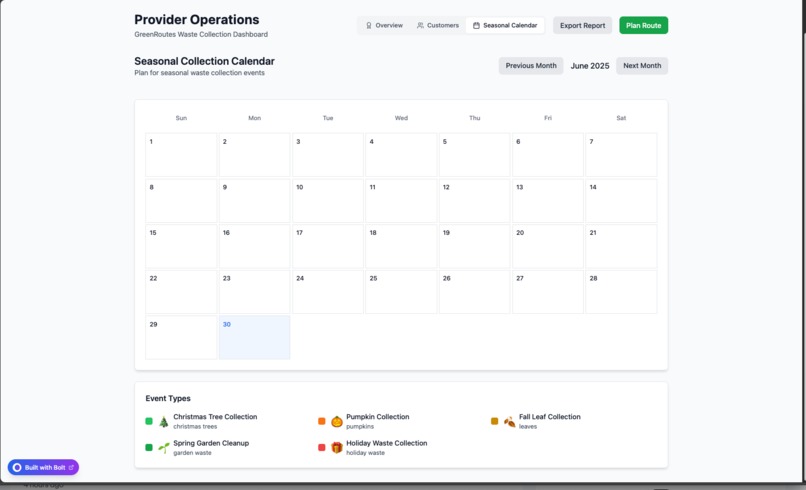
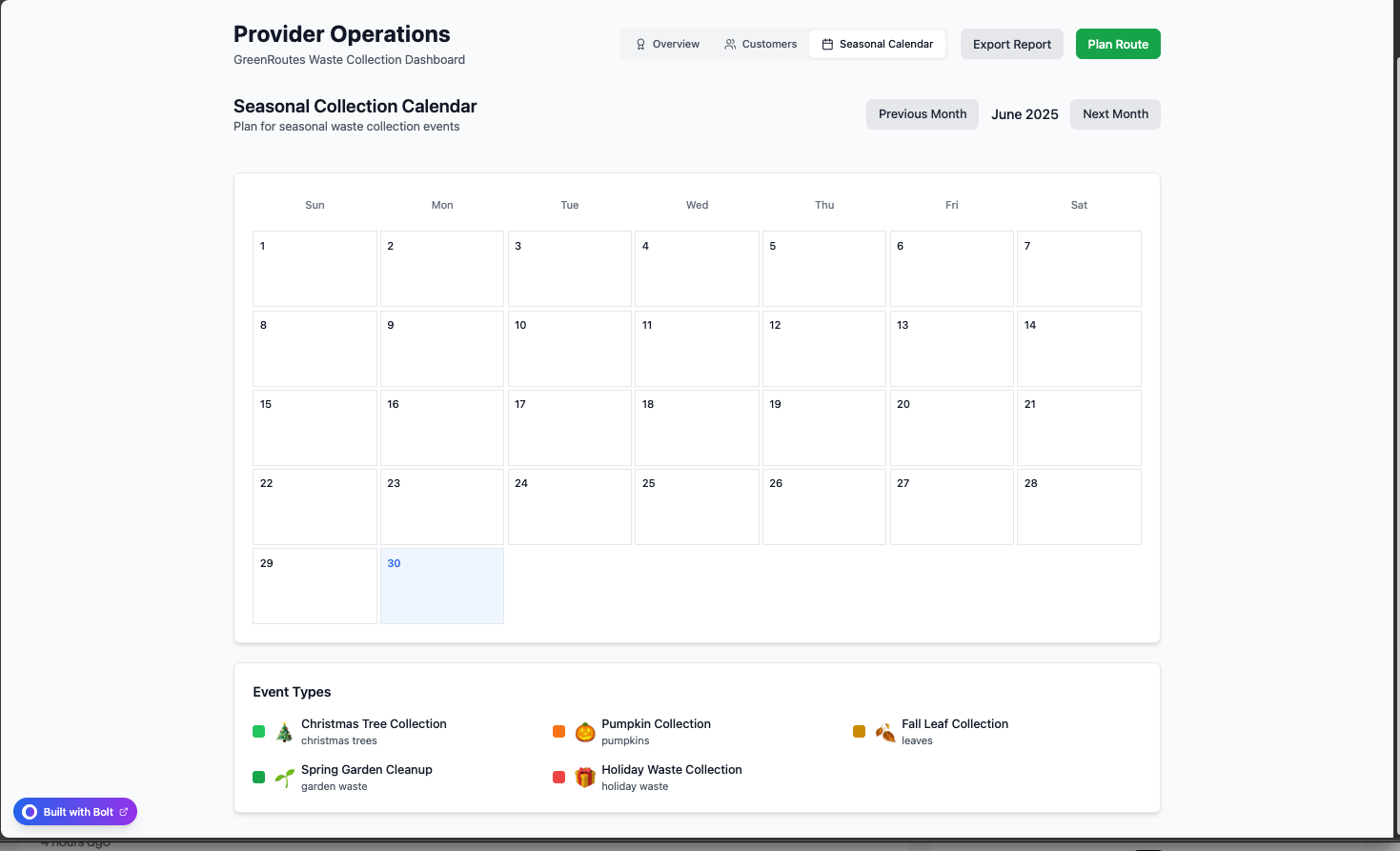
Pickup Provider Dashboard - Seasonal Calendar
-
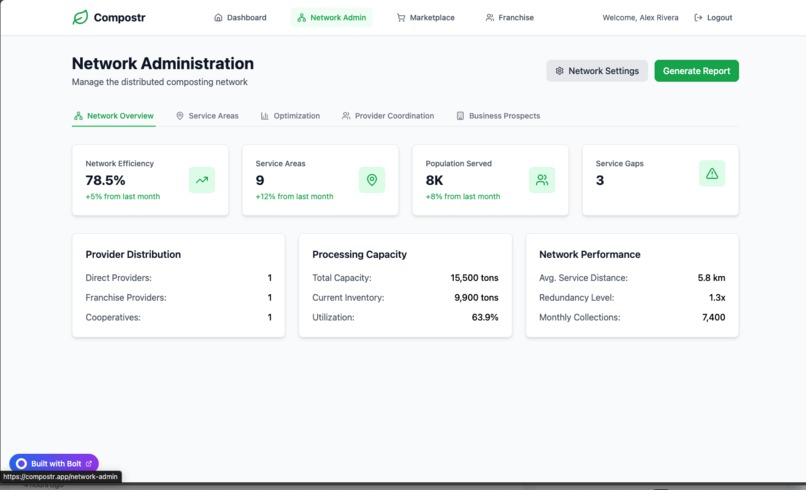
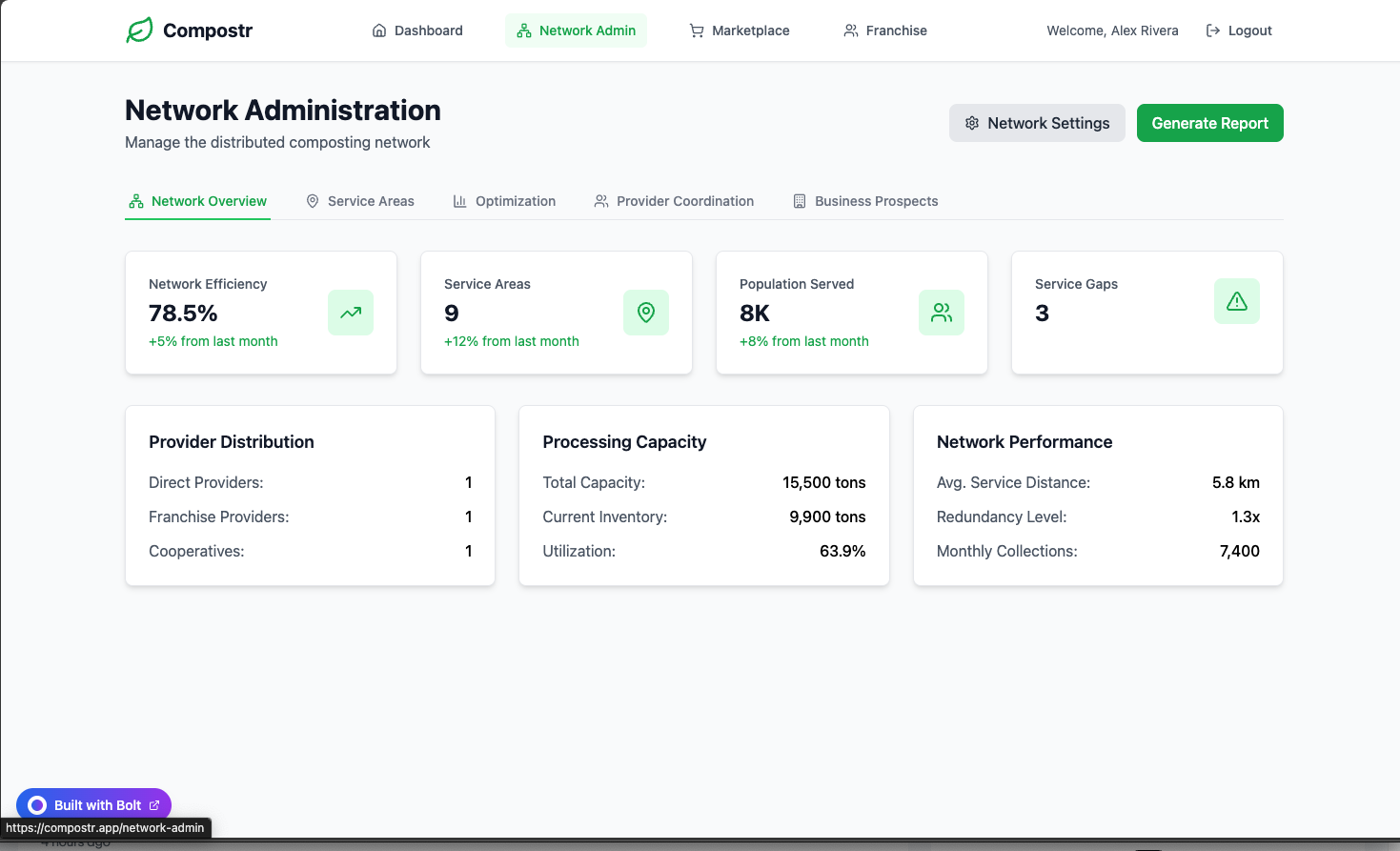
Network/Platform Dashboard - Performance
-
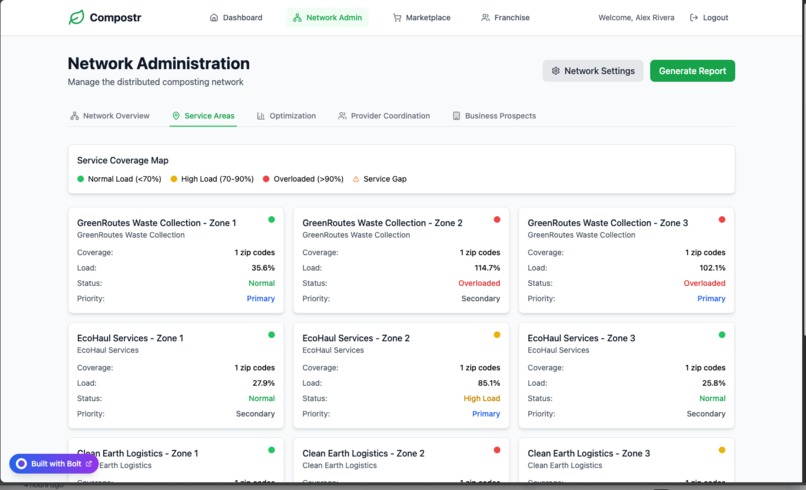
Network/Platform Dashboard - Service Areas
-
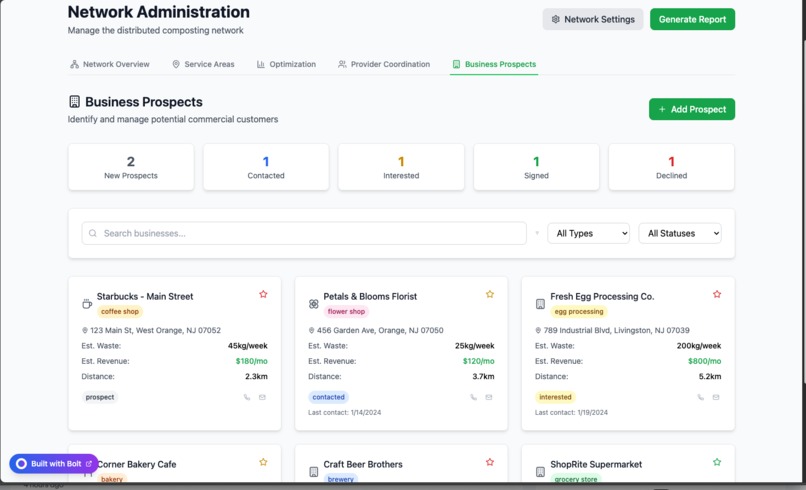
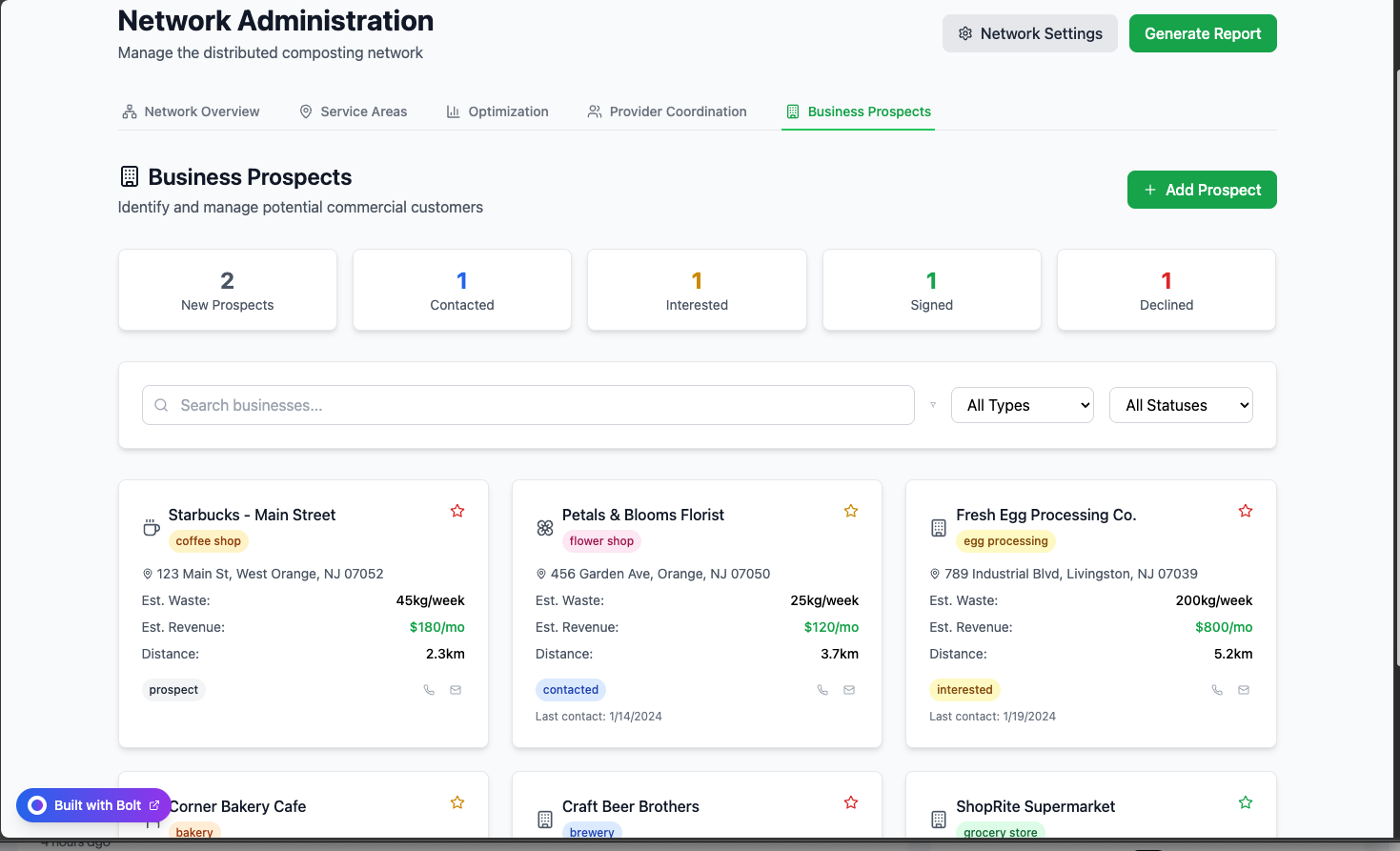
Network/Platform Dashboard - Business Prospects
-
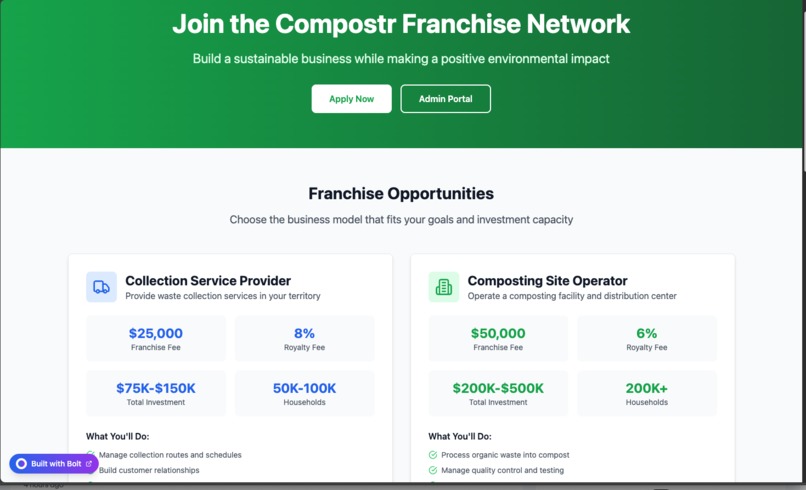
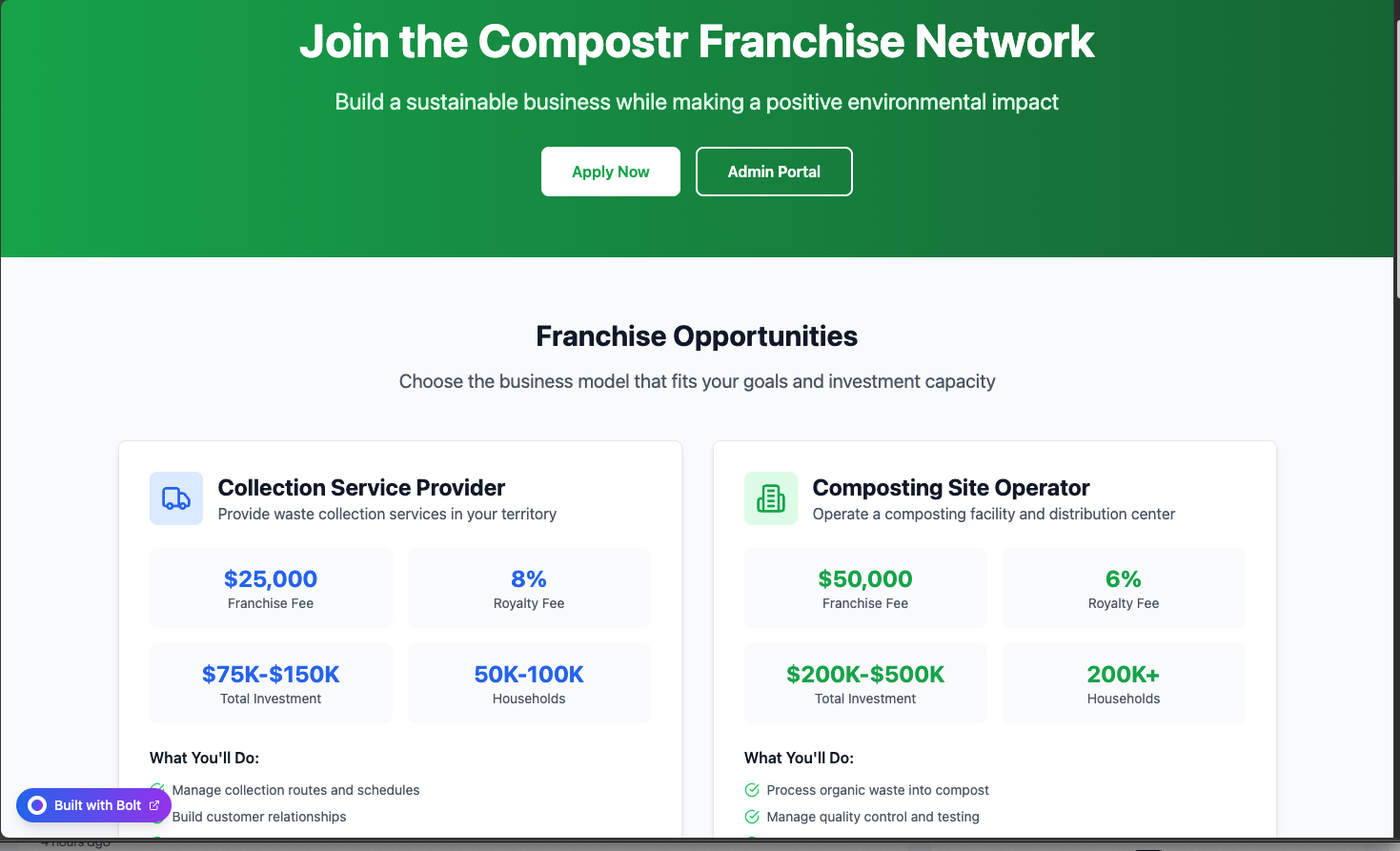
Franchise Application
-
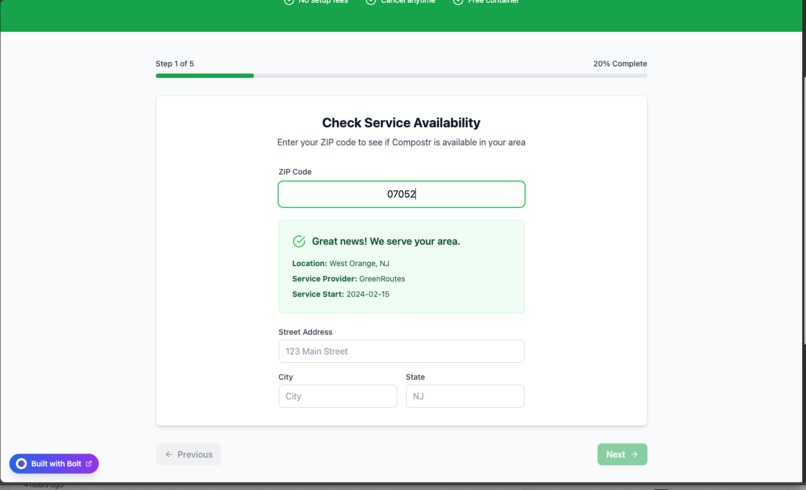
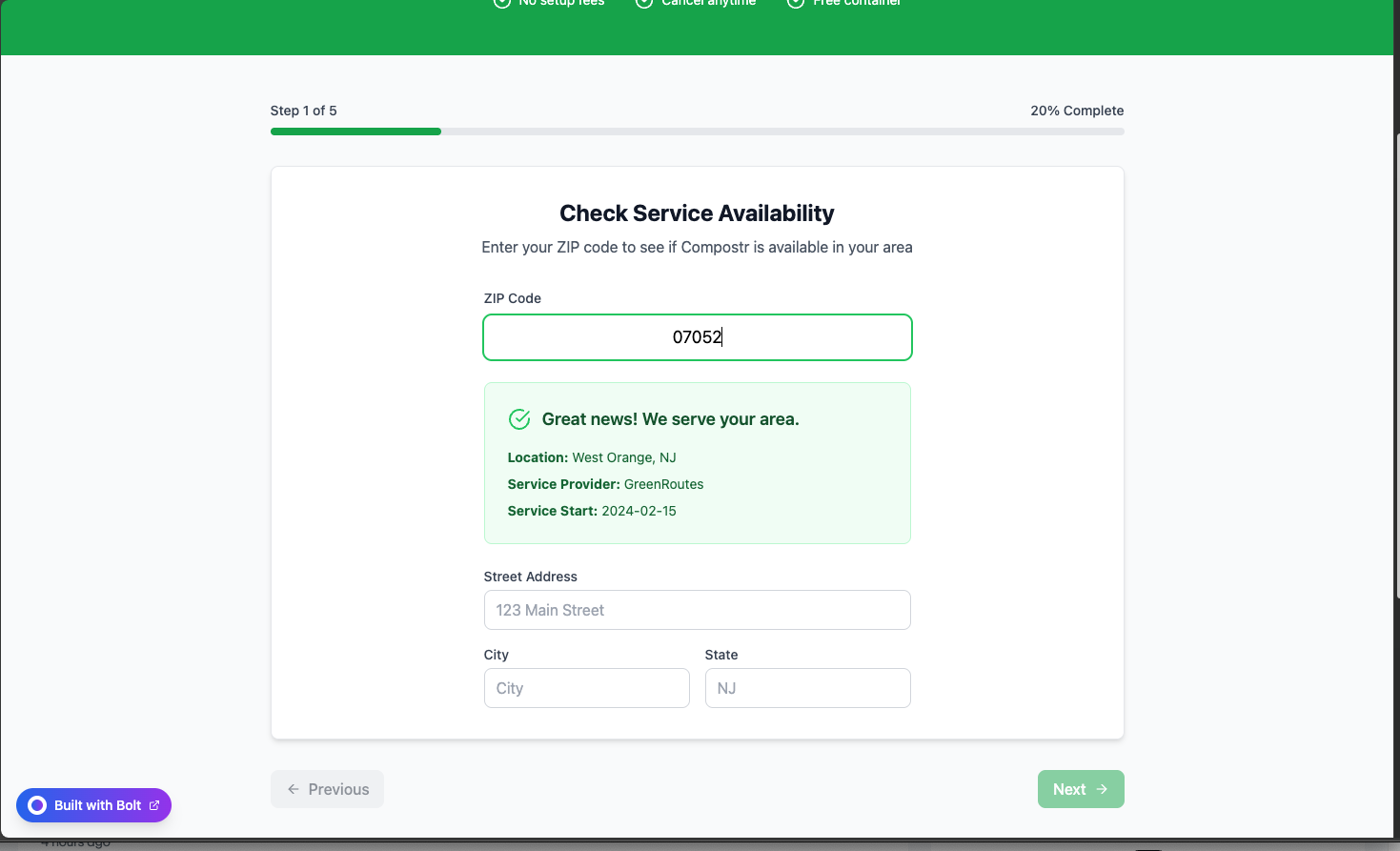
Sign Up - Service Availability
-
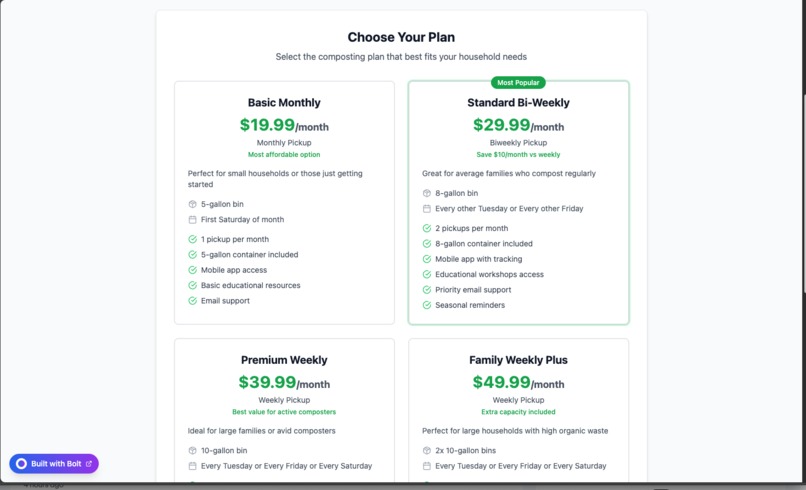
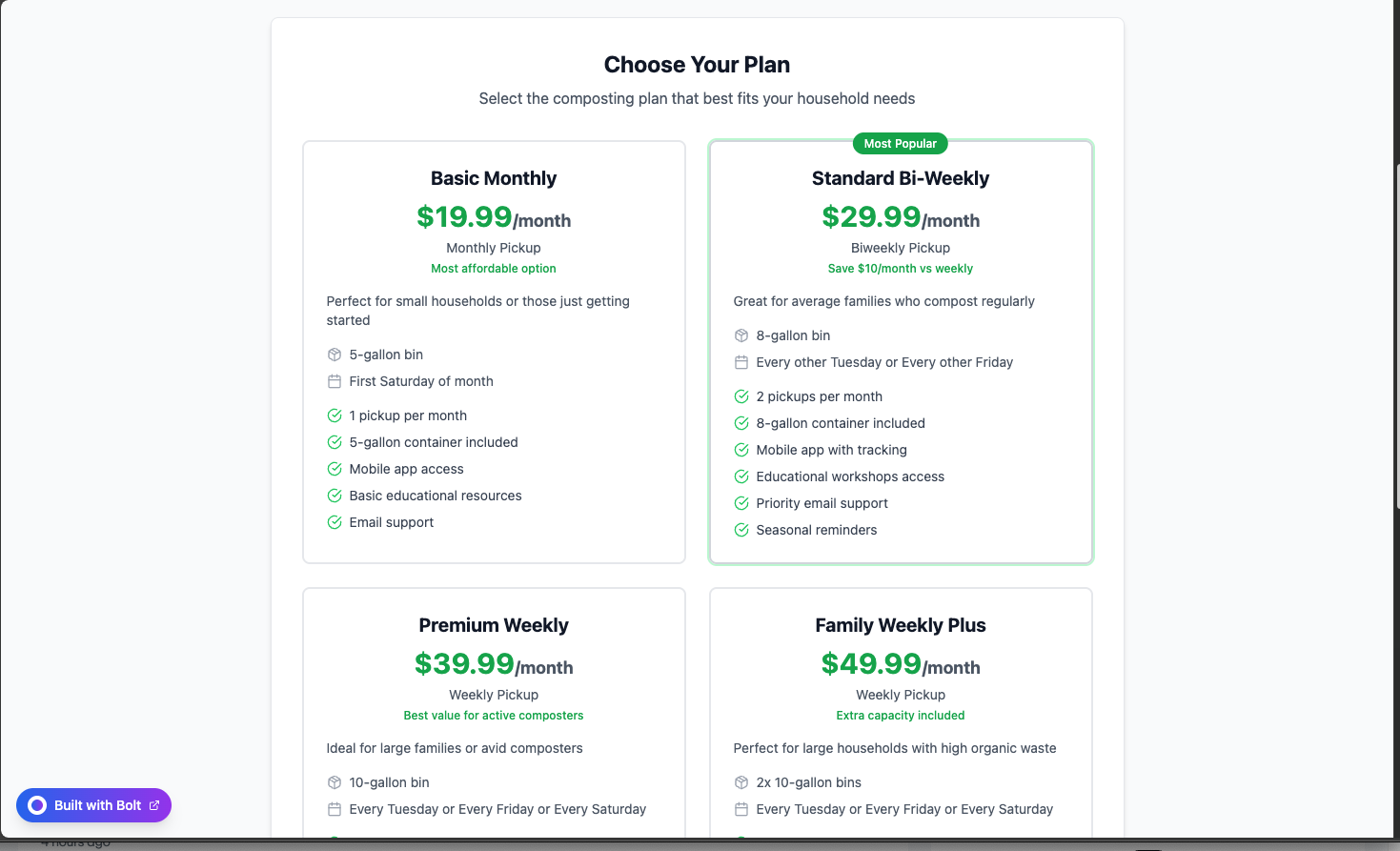
Sign Up - Plans
-
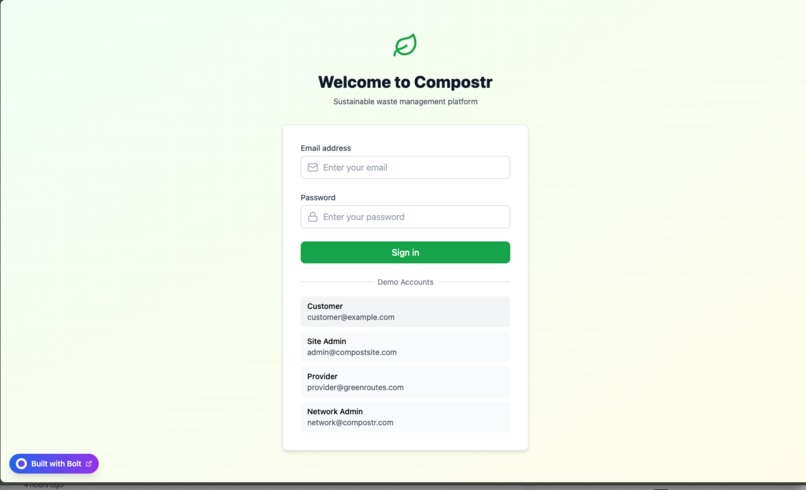
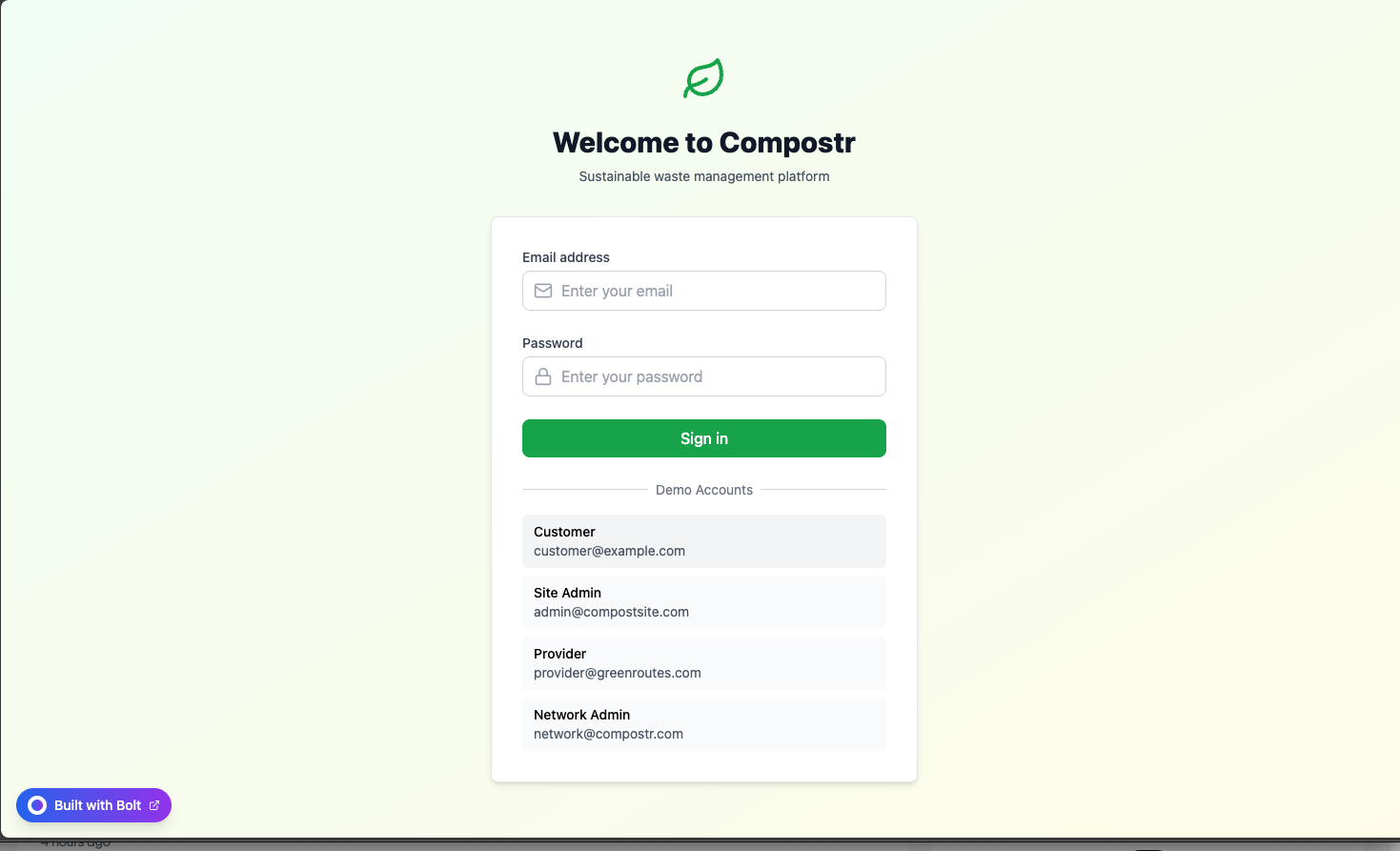
Login - Demo Accounts

Inspiration
Over the past few years, I've seen a lot of discussion about climate related issues and things that we are doing to address them. What I haven't really seen or heard about are practical solutions that are scalable that can help tackle some of the problems immediately. There is always discussion about scaling up solar massively, expanding wind energy, more fuel efficient cars/alternate fuel/electric cars, carbon credits, big companies going to net zero emissions by 20XX. While all of these ideas are good and extremely ambitious, to me they are not that practical and do not make an impact immediately, they are complicated and take time to implement. That is where the idea of large scale composting comes in.
There is a big issue with food waste in the US, with 60 million tons of food wasted per year, 33 million tons of that going directly to landfills. While some of the other portion is composted, there is much more that can be done. One way to fix that is to created a distributed composting infrastructure that is implemented throughout the US, mkaing composting accessible to many more people than it is today.
Some of this already exists in larger metropolitan areas but I don't think it's nearly as mainstream as it should be to make a real difference. I make my own compost in my backyard and have been for the past 5 years to use in different ways for my landscaping projects. As a family of four, we compost roughly 15 pounds of food scraps and other materials per week. That comes out to around 780 pounds of food waste diverted from the landfill per year, not an insignificant amount. If just 1% (34M) of the US population (340M) composted the same amount of materials per year, that would result in 663 million pounds of waste diverted from landfills that could be made into compost and that could start to make a significant difference. That is roughly 1 percent of the 33 million tons of waste that is sent to landfills and is not composted. At a large scale, composting can make a significant reduction in the amount of food waste being sent to landfills.
This is also a process is not overly complicated to get started with. We already have infrastructure to collect waste that can we can reuse or model from and instead of sending the waste to the landfill, it is send to composting sites that process it. The end result is an organic matter that is rich in nutrients and microbes and has so many benefits including soil conservation/restoration, water preservation, reducing the need for chemical fertilizers, building soil biodiversity, and so much more. Making composting more accessible to people would definitely make a big impact, starting from the day a user signs up and starts diverting their food waste from their trash can into the green bin.
What it does
While this is a demo app, it does include functionality that highlights the main features of the platform: collection, processing, sales, and distribution.
The customer dashboard includes functionality for a customer that signs up for compost collection. The sign up process takes into account the customer's location and shows the available collection services in their area. The collection service also work with the closest composting sites to minimize the need to travel longer distances hauling the waste which would increase emissions.
The collection provider dashboard allows providers to manage their collections operations. Functionality includes customer visibility, tracking collections, a leaderboard, fleet management, employee management, and automated route management. The dashboard also includes visibility into business that have signed up for collection. Some businesses that would be the best candidates for collection include coffee shops, bakeries, flower shops, and juice bars each of which produce organic waste that can be composted with a lower chance of being contaminated with things like plastic or other non-compostable materials.
The collection site dashboard highlights the management of a compost collection site with the ability to track intake, revenue, and distribution. Collection sites accept waste from the local providers, charging them a fee based on the weight of the materials and start the process of composting it. Collection sites also distribute finished compost to individual customers, businesses such as landscapers and garden centers, and wholesale to larger stores like Home Depot or Lowe's that could resell to their customers. Since the material is locally sourced, it also reduces the transportation and emissions for the larger operators that would have otherwise sourced the material from greater distances. The collection sites are integrated with the Marketplace where customers/businesses can place orders and be directed to their nearest site for pickup, making compost more accessible to customers and reducing transportation/emissions. To assist with delivery, the platform also provides and Uber type ddelivery service where people with larger vehicles such as pickups or dump trucks and register to fulfill deliveries locally in exchange for a delivery fee, creating opportunities for people to earn money.
The marketplace makes compost accessible to anyone and everyone, including customers not signed up for collection service. The goal is to make it more mainstream and not limit access. Customers of the platform have the ability to redeem rewards they've earned from their collections and everyone has the ability to purchase compost locally.
There is a rewards system in place for customers to earn rewards from their collections as well as other milestones and opportunities. In addition to tradditional rewards points, there is a way to earn CompostCoin, which is a cryptocurrency token can be traded like any other crypto token on the Blockchain. In addition to having monetary value, the tokens would also track collections on the Blockchain, providing a public ledger of all waste that is collected and composted. Scarcity of the token would be implemented by taking a percentage of amount of food wasted in the US per year and capping the supply at let's say 1%. Ex. 2000 pounds of food wasted per year = 20 CompostCoins that can be earned. The less food wasted per year, the more scarce the tokens become per year until a major milestone is hit which would stop the distribution of additional coins.
How we built it
The demo app was built using Bolt. There was no custom coding that I did. As a software developer, it was hard for me to be hands off but it did demonstrate the incredible power of using AI to built an app, even if it is only a prototype/demo.
Challenges we ran into
The main challenge was articulating the exact functionality that I wanted Bolt to build. I had to restart the app a few times and fine tune the prompts to get exactly what I wanted. I also had a version that had a backend component that would actually store real data but Bolt was not able to handle building both components at the same time and it would break either the frontend or backend component randomly.
Another challenge was the lack of similar platforms that could be used for idea/market testing and validation. There are composting services out there but it seems like this area in general is behind in terms of technology. A platform like this could really help streamline the operations of all the steps involved from collection to processing to final distribution of the finished product, as well as tracking key metrics along the way.
Accomplishments that we're proud of
The biggest accomplishent was building a prototype without writing any actual code. I would definitely need to write custom code for some of the features and functionality but as a demo app with mock data, it's a great prototype that can be used to demo the functionality of the platform.
What we learned
I learned more about the different processes around composting from site management, collection services, and distribution. I learned that composting can also be run as a business while also impacting the environment in a positive way by contributing to the issue of food waste.
What's next for Compostr
It would be incredible if this project received some visibility and interest from investors or business leaders as a part of this hackathon to see if it can actually be turned into a viable company and business. One of the goals would be to partner with townships/municipalities to subsidize part or all of the cost of the service either by diverting a portion of the taxpayer's dollars to pay for the service or by receiving some type of outside funding. It would also be great to leverage exisiting compost sites that are establshed in towns/counties. They process other types of green materials but not food waste and it would be very helpful to try to onboard those facilities to include food waste in their processing as well as onboard them to the platform to take advantage of the other features such as the distribution and marketplace.
At a higher level, the goal is for composting to be a decentralized operation that is local in towns/counties and the community. It enables entrepreneurship by allowing locals to become a part of the company and run their own collection service or composting site and provide opportunies to drivers with specialty vehicles that can assist with local distribtion. The idea is modeled after the decentralized composting implementation in Austria, where composting takes place in gardens or community spaces, rather than a single facility but Compostr is not as hyper local. One reason being that it is harder to accomplish in more densly populated areas but having more facilities that are smaller spread throughout northern NJ let's say, is better than having a single facility in central NJ that sources material from all over the state, generating more transportation costs and emissions, as well as becoming a single point of failure should anything happen to that facility. This platform would operate as a network of collections providers, composting sites, and distributors, making the whole operation more feasable.
Built With
- bolt
- react
- tailwind
- typescript

Log in or sign up for Devpost to join the conversation.