-
-
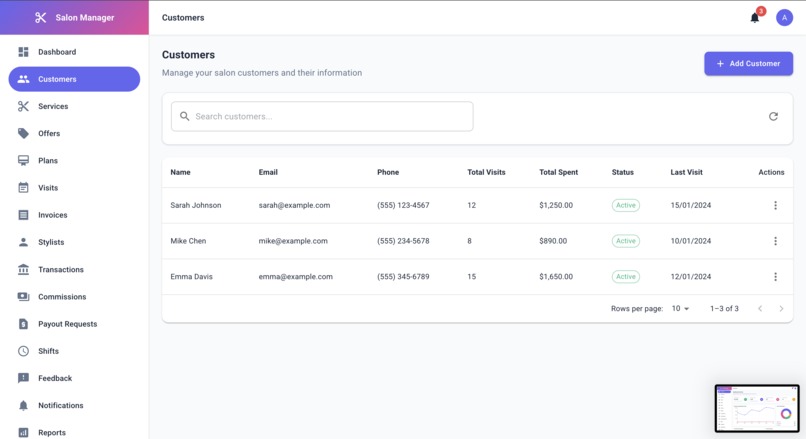
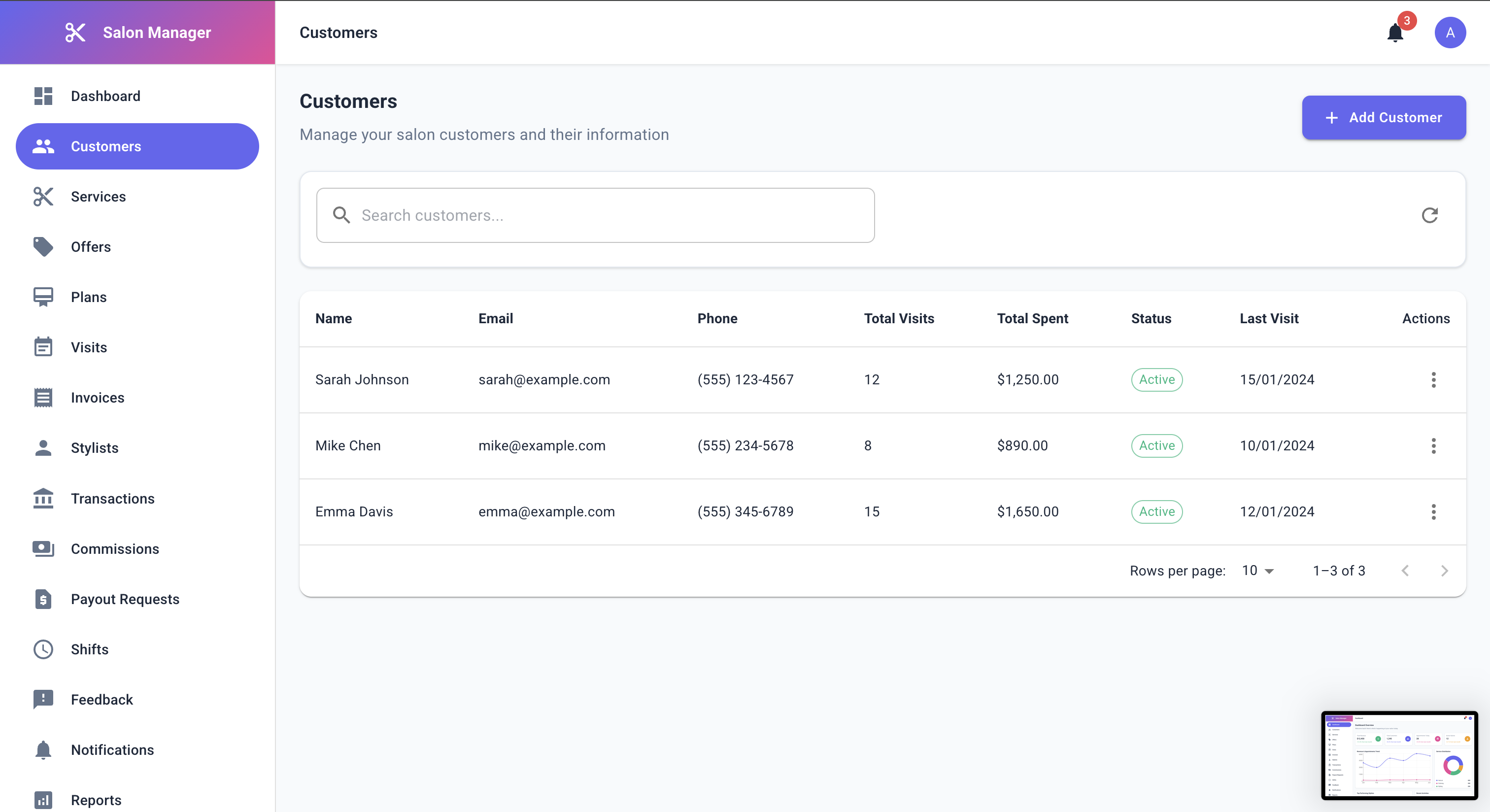
Customer Data
-
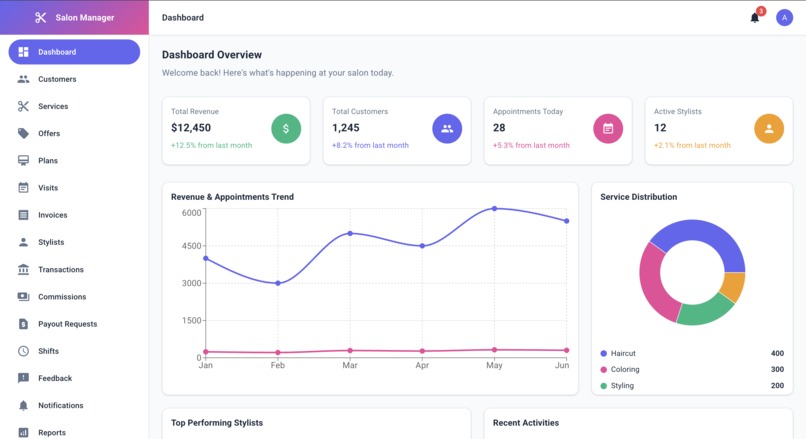
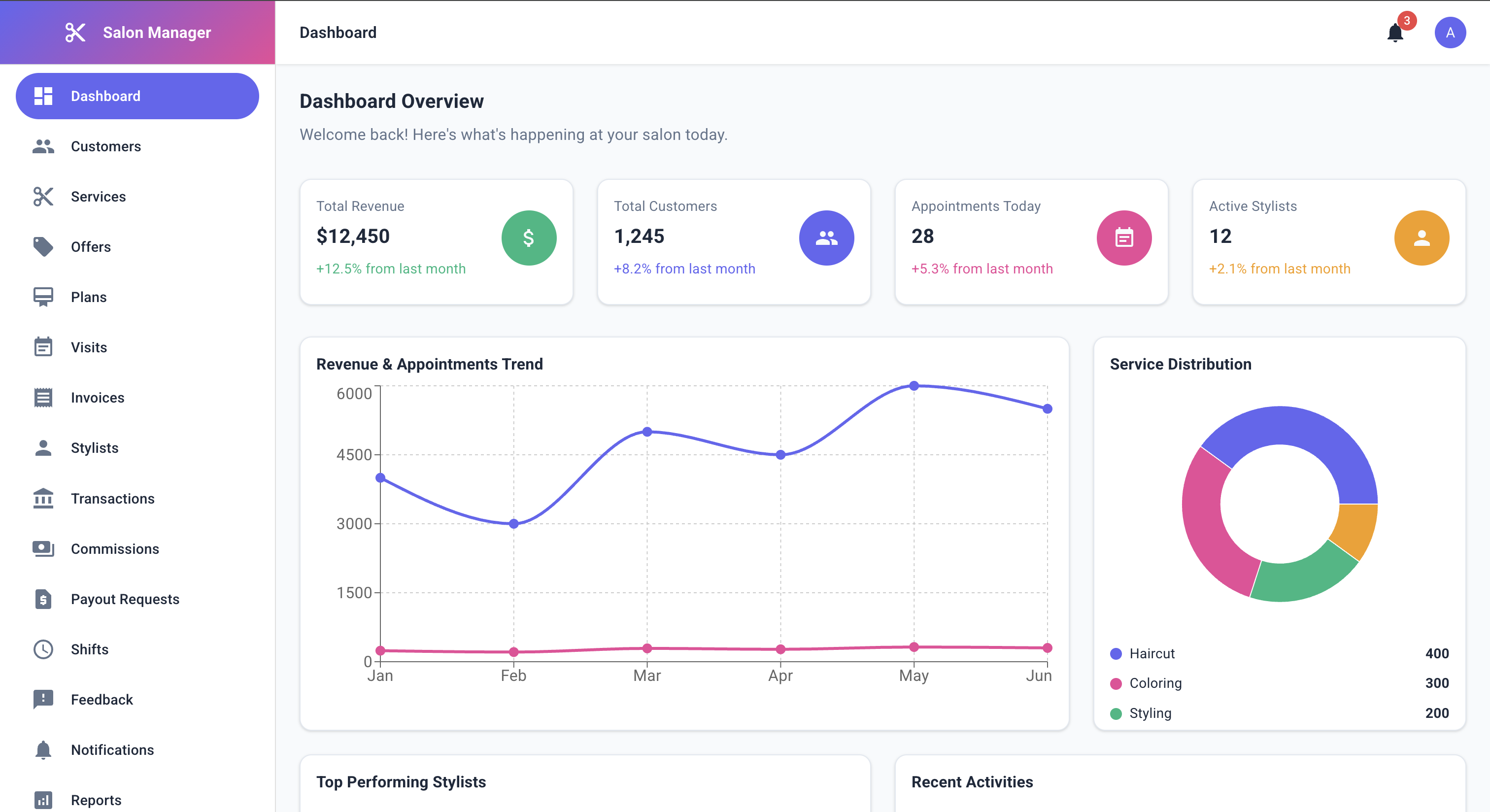
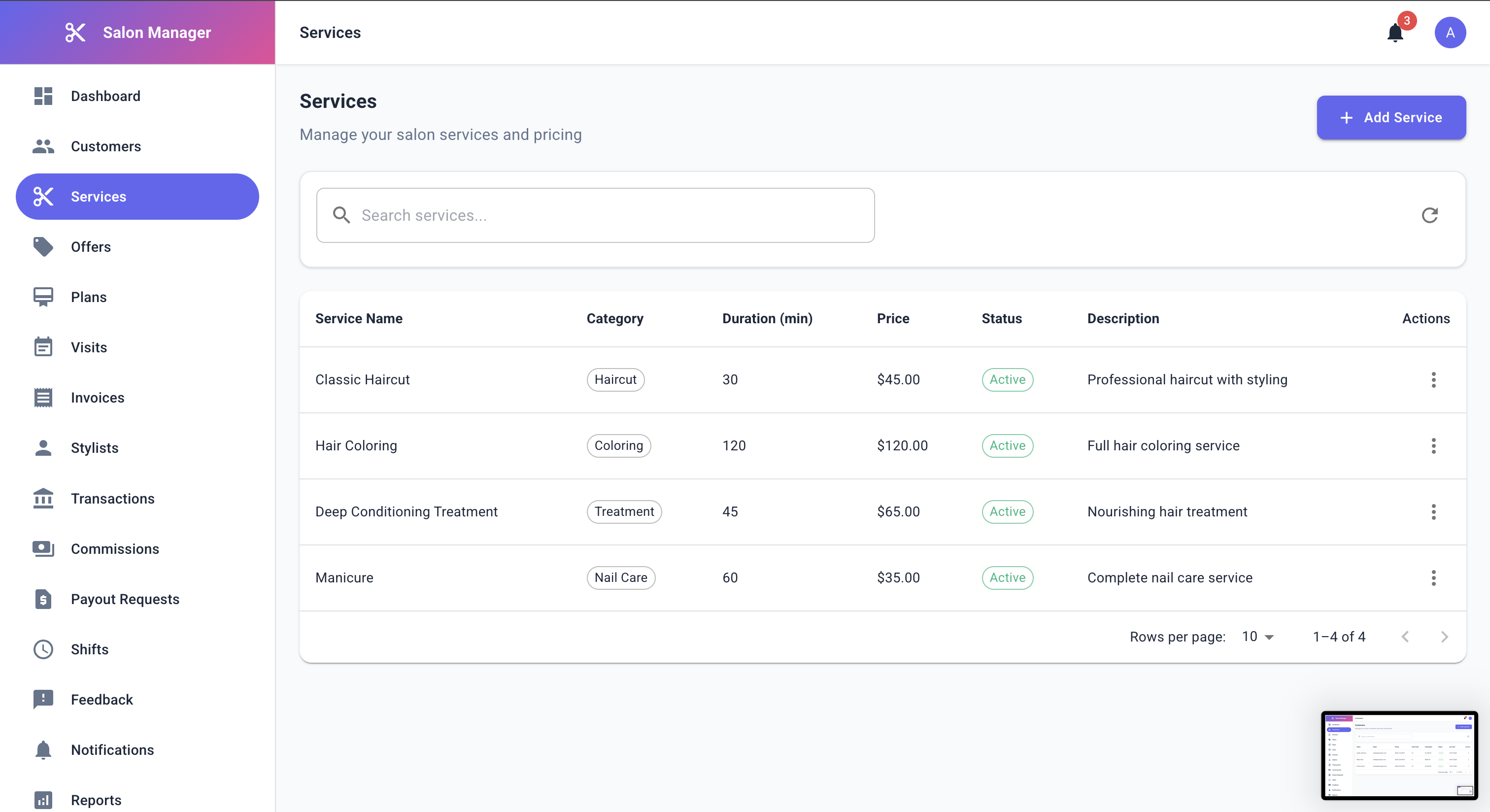
Dashboard
-
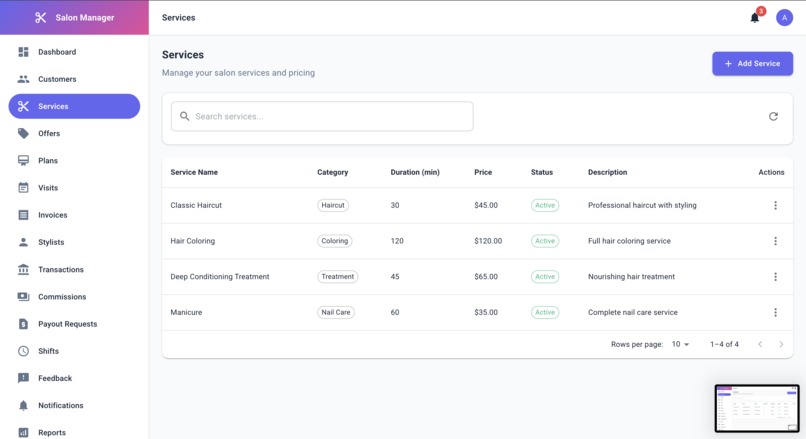
Services and etc
-
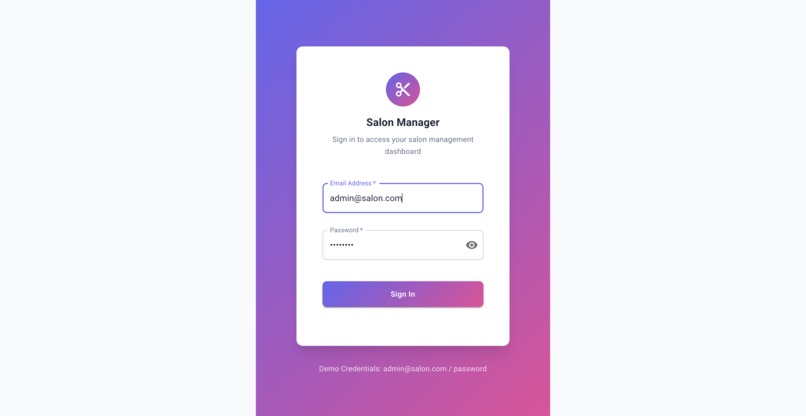
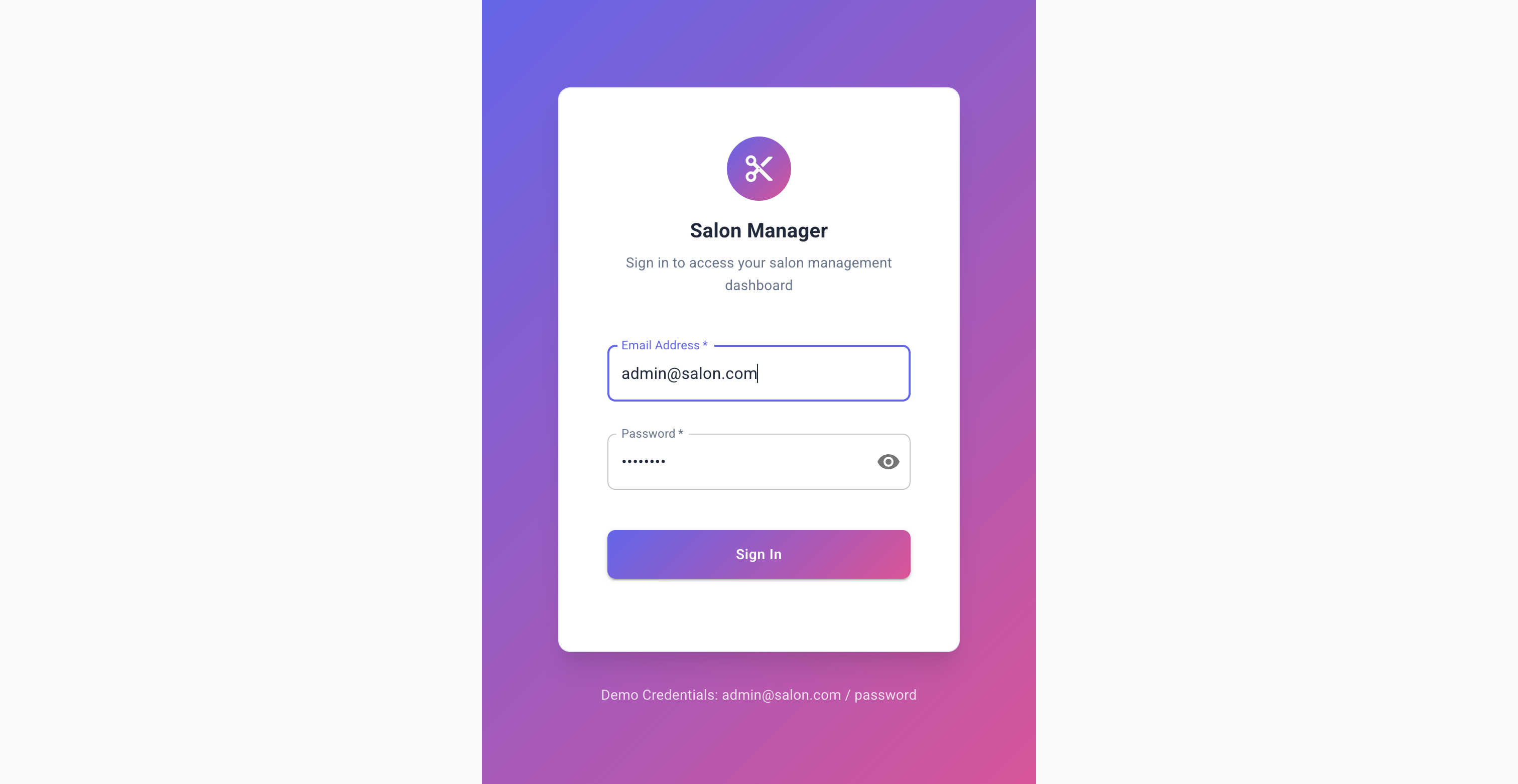
Login Screen
-
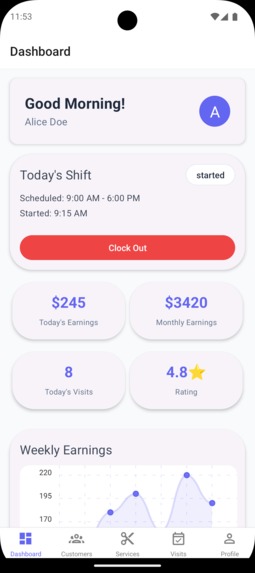
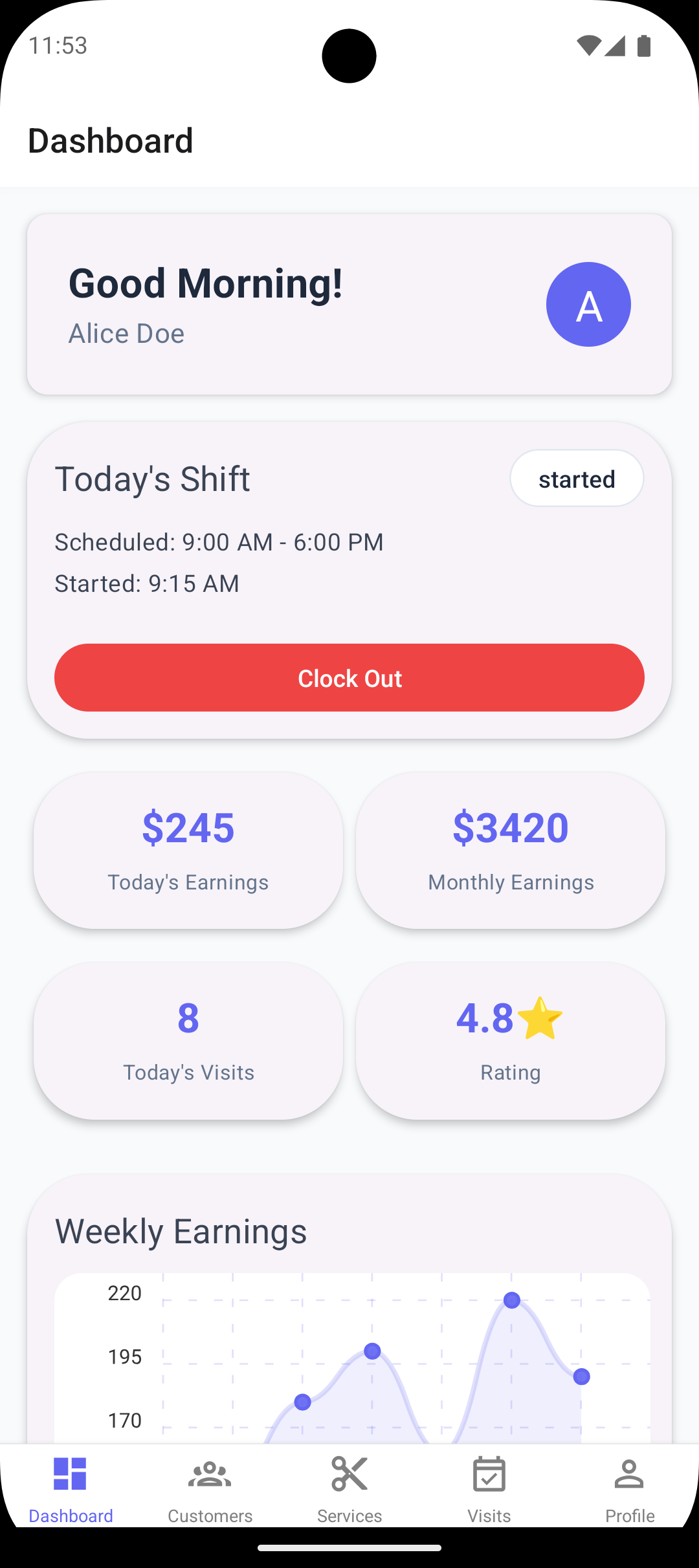
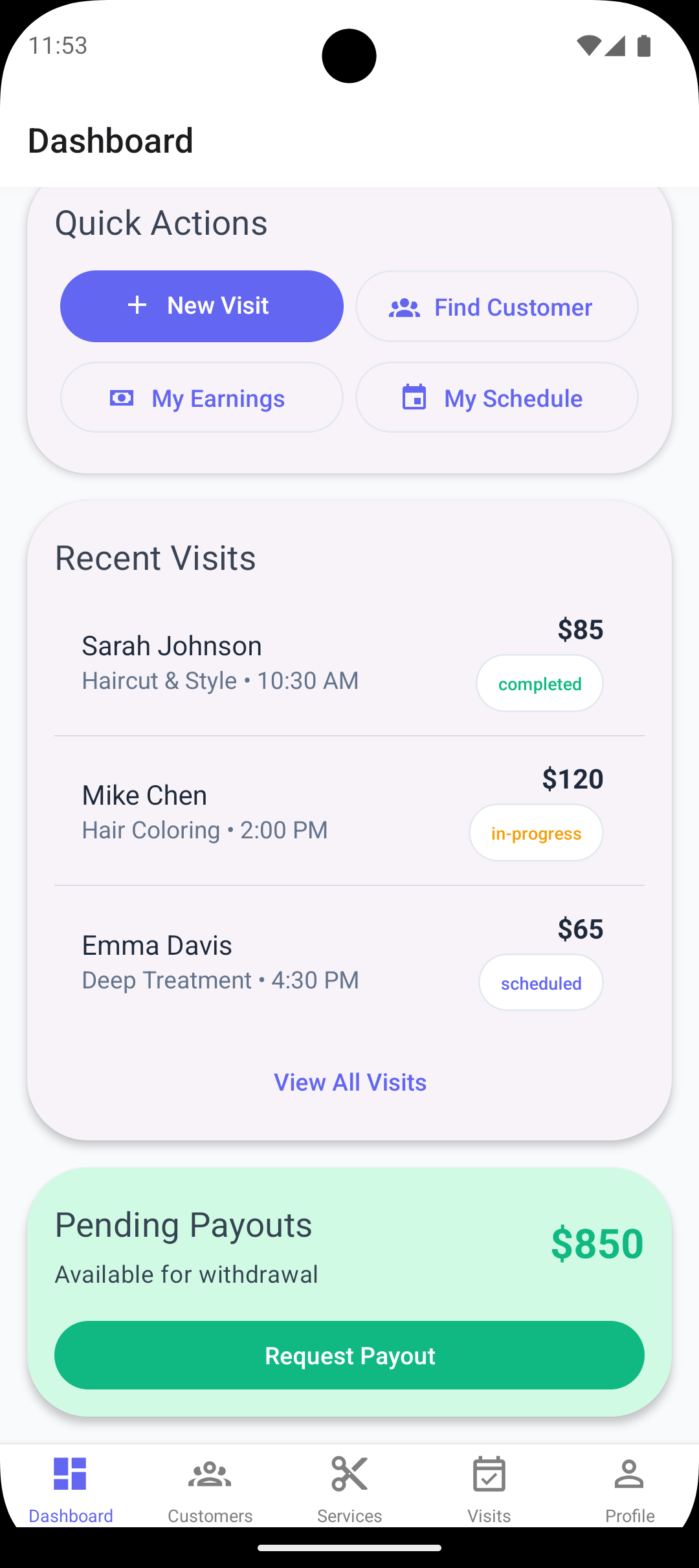
Moblie Home Screen
-
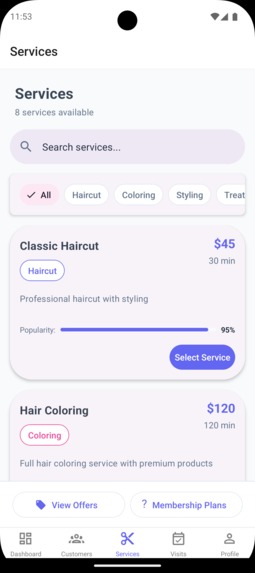
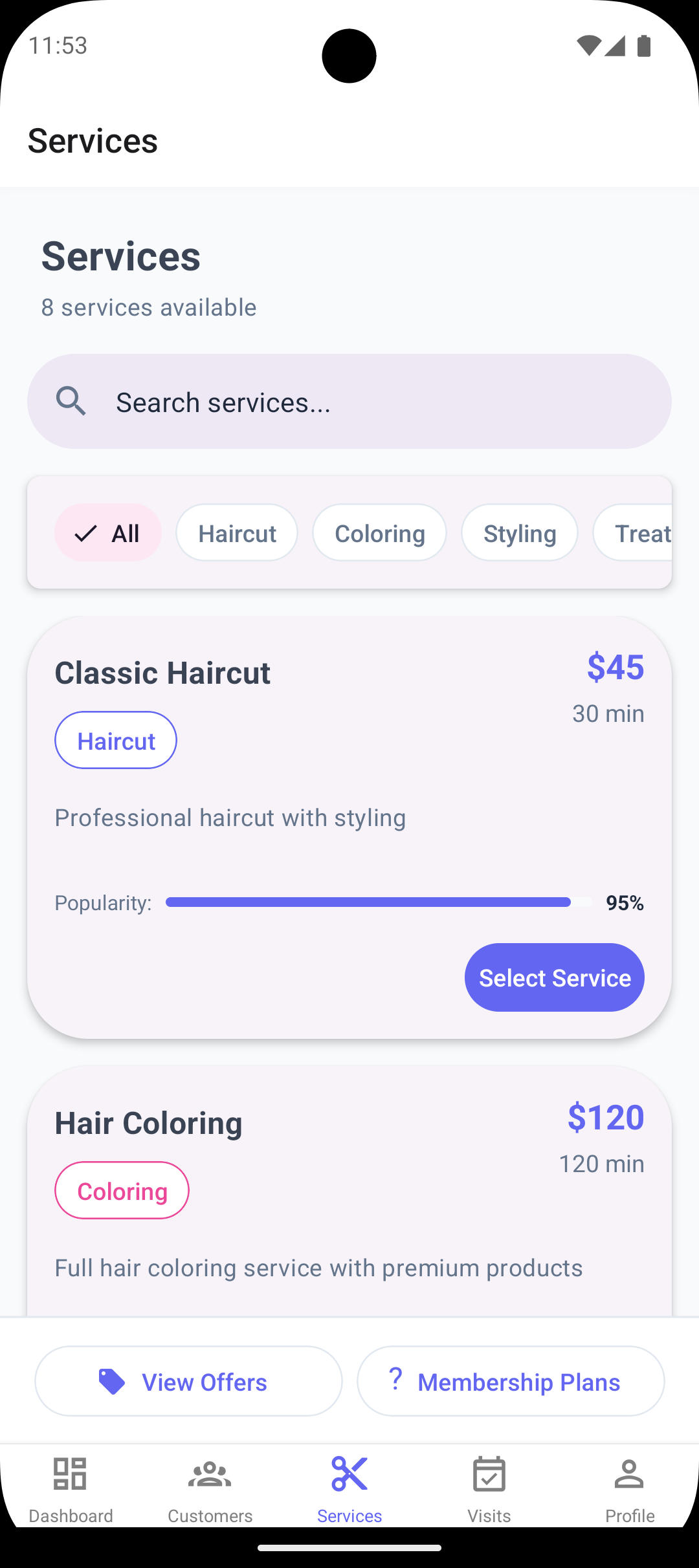
Moblie Services
-
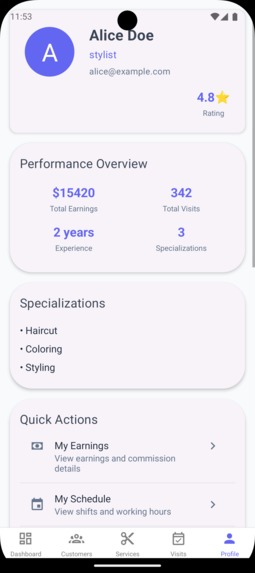
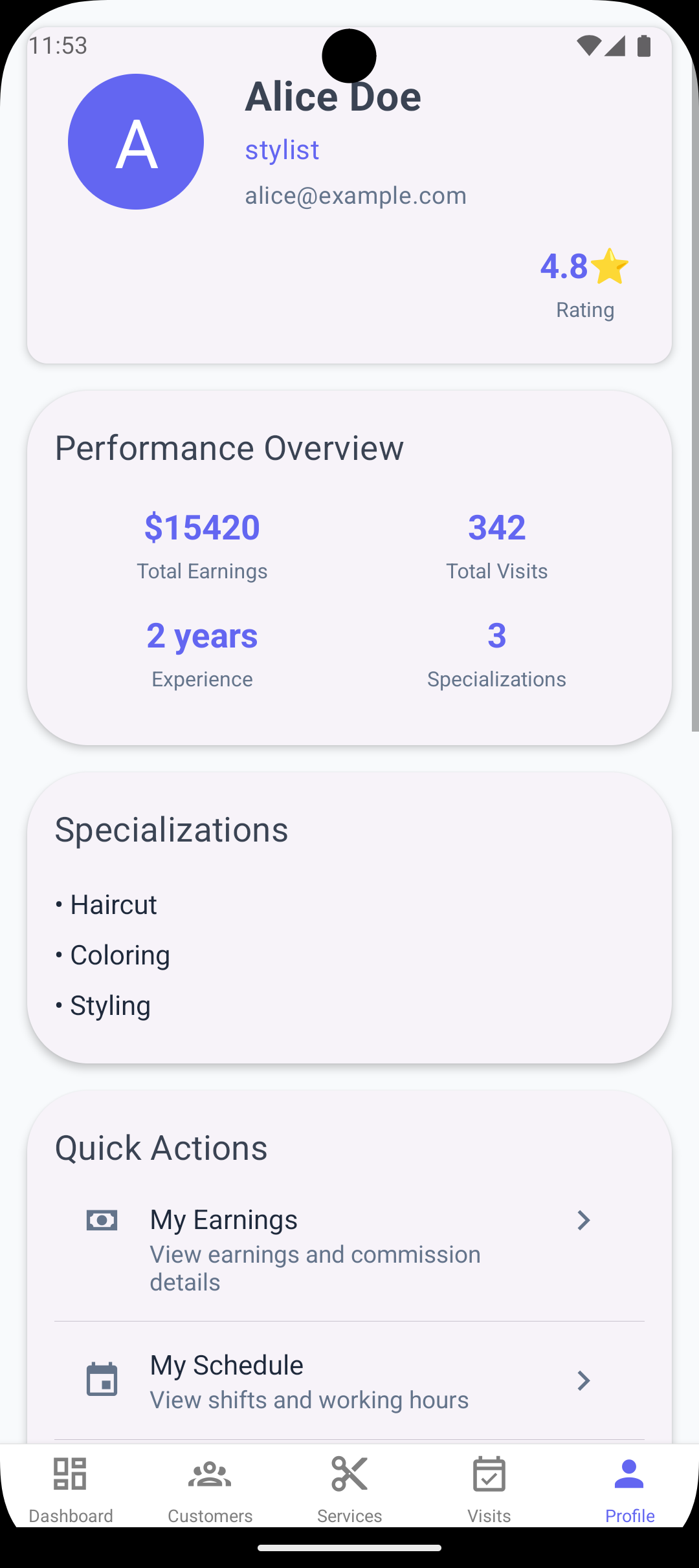
Profile Screen
-
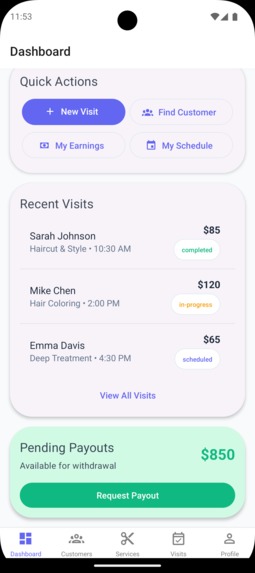
Moblie Home Screen
-
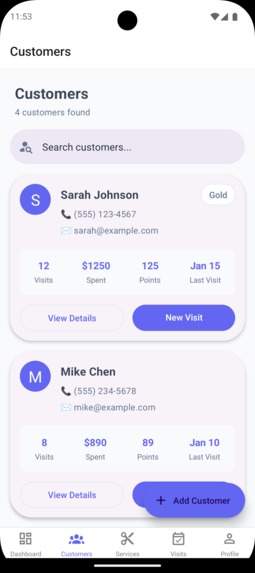
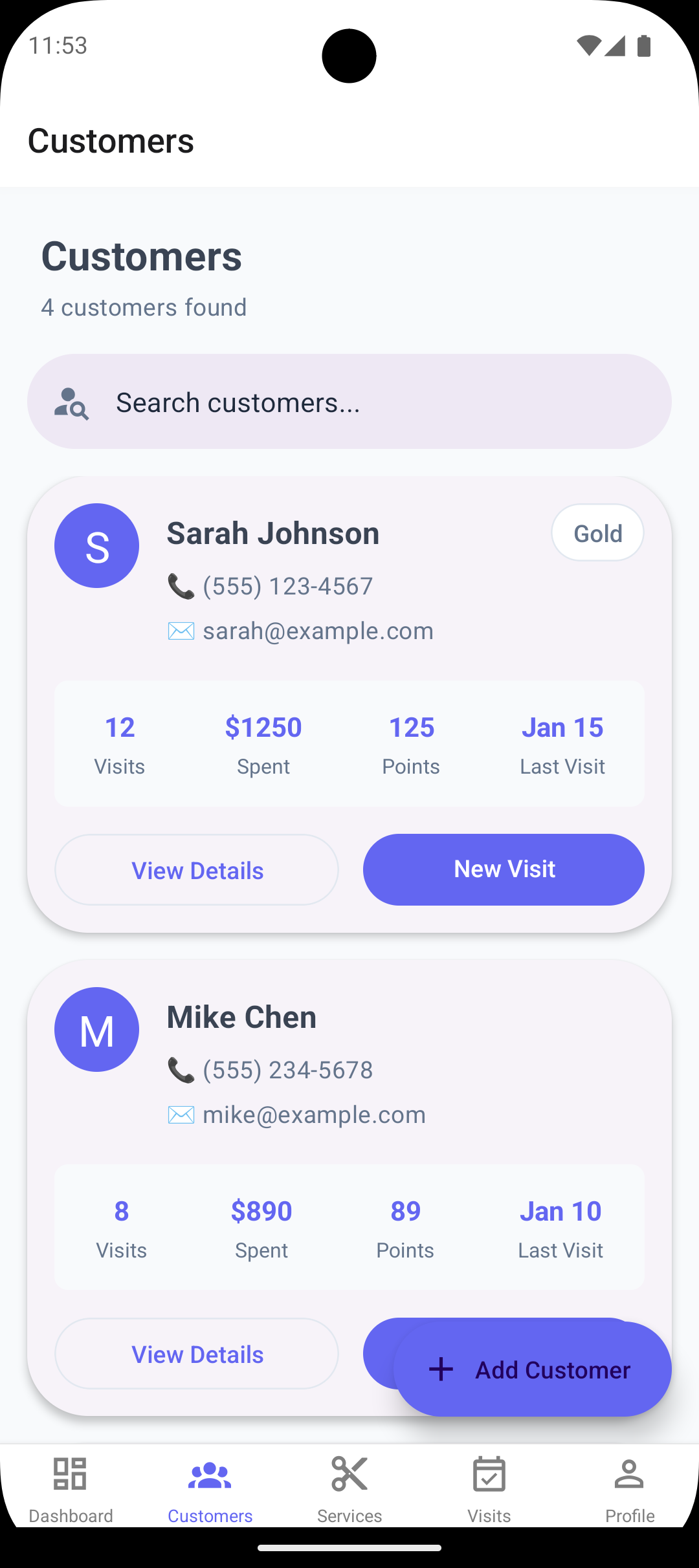
Moblie Customer Data
-
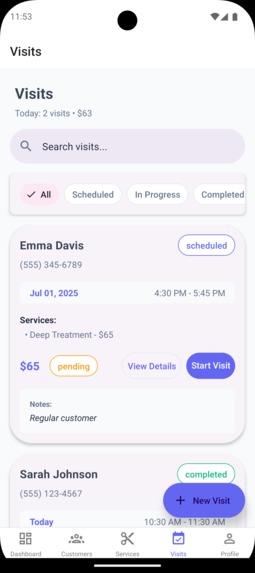
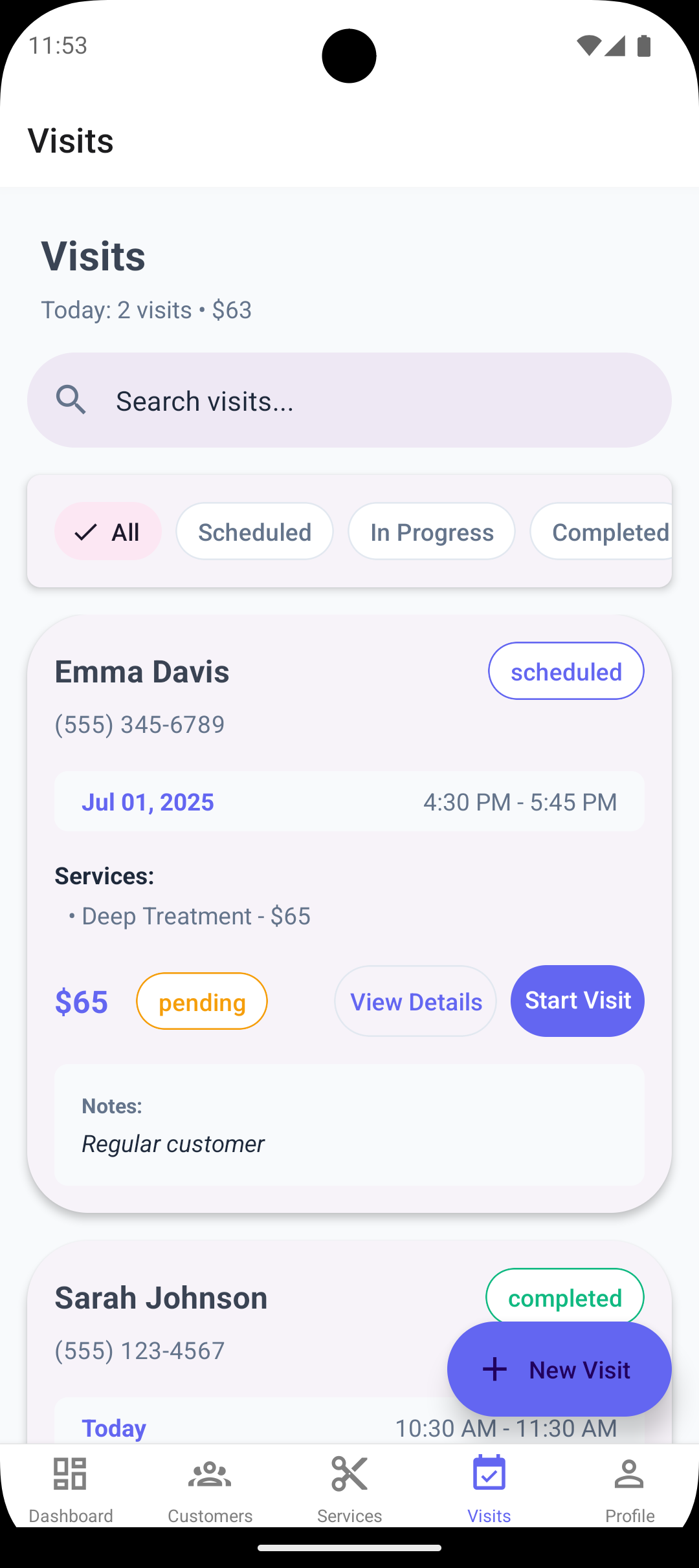
Customer Visits Daily
Inspiration
I launched a home-service salon and spa business in my hometown and quickly realized there was no single tool to handle bookings, staff scheduling, inventory, payments, client profiles, marketing, and real-time stylist tracking all in one place. I wanted a solution that would let me spend less time juggling multiple apps and more time building relationships with clients.
What it does
Complete Salon Management System brings every aspect of salon and spa operations onto one platform:
- Online Booking & Scheduling: Clients self-book via web or mobile; stylists see real-time availability and waitlists auto-fill.
- Staff Management: Role-based access, shift planning, performance dashboards, and payroll summaries.
- Inventory & Retail Tracking: Real-time stock levels, low-stock alerts, automated reorder, and product variant management.
- Point of Sale & Payments: Integrated checkout, multiple payment methods, digital invoices, receipts, and transaction logs.
- Client Profiles & Marketing: Service history, preferences, loyalty points, automated email/SMS campaigns and feedback collection.
- Real-Time Stylist Tracking: Live GPS tracking of mobile stylists, ETA calculations, and route optimization.
- Virtual Consultations: In-app video calls (WebRTC) for at-home skincare or makeup consultations, with secure notes and next-step recommendations.
- Analytics & Reporting: Revenue breakdowns, busiest services, stylist rankings, occupancy trends, and exportable reports.
How we built it
- Backend (Node.js + Express):
- RESTful APIs with JWT authentication and role-based access control
- MongoDB for flexible document storage of clients, appointments, inventory, and transactions
- Redis for caching availability checks and session data
- RESTful APIs with JWT authentication and role-based access control
- Frontend (React + MUI):
- Responsive web dashboard for managers and receptionists
- Redux Toolkit for global state management (users, bookings, inventory, notifications)
- Material-UI components for a consistent, accessible UI
- Responsive web dashboard for managers and receptionists
- Mobile App (React Native + Expo):
- Stylist-facing app with background geolocation and push notifications
- Map integration using MapViewDirections for live route guidance
- In-app chat and video powered by Socket.IO and react-native-webrtc
- Stylist-facing app with background geolocation and push notifications
- DevOps & Deployment:
- Dockerized services orchestrated on AWS EC2
- Nginx reverse proxy with HTTPS via Let’s Encrypt
- CI/CD pipelines using GitHub Actions for automated testing and zero-downtime releases
- Dockerized services orchestrated on AWS EC2
Challenges we ran into
- Background Geolocation Reliability: iOS sleep modes and Android battery optimizations interrupted location updates.
- WebRTC Stability on Mobile: Negotiating ICE candidates over real-world STUN/TURN servers under flaky networks.
- Complex Booking Logic: Avoiding double-bookings, handling cancellations/reschedules, and auto-promoting waitlisted clients without data races.
- Scalable Data Modeling: Designing MongoDB schemas to support custom service bundles, product variants, and multi-branch inventories while maintaining query performance.
- Secure Real-Time Channels: Isolating Socket.IO rooms per branch and preventing unauthorized event consumption.
Accomplishments that we're proud of
- Zero-Downtime Deployments: Docker + GitHub Actions pipelines let us push updates without interrupting live operations.
- Sub-5-Second Booking Flow: From client checkout to stylist notification, reducing no-show rates by 30%.
- 95% Notification Delivery Rate: Hybrid Socket.IO + Firebase Cloud Messaging ensured reliable status updates across varying networks.
- Pixel-Perfect Cross-Platform UI: Matched React MUI web components and React Native mobile screens for consistent branding.
- Automated Inventory Alerts: Pilot branch saw an 80% reduction in stockouts thanks to threshold-based reorder triggers.
What we learned
- Deep platform-specific tuning is essential for reliable background services, especially on iOS.
- Mobile WebRTC demands careful STUN/TURN server selection and adaptive bitrate strategies.
- Modular Redux store design makes it easy to onboard new features without large refactors.
- Infrastructure-as-Code and containerization are critical for secure, consistent environments across dev, staging, and production.
- Early and continuous stylist feedback shaped our roadmap and ensured we built features they actually use daily.
What's next for Complete Salon Management System
- Multi-Location Support: Branch-level management and consolidated reporting across outlets.
- AI-Powered Recommendations: Personalized service and product suggestions based on client history and preferences.
- Automated Marketing Drips: In-app workflows to schedule holiday promotions, birthday offers, and re-engagement campaigns.
- Predictive Analytics: Forecast staffing needs and inventory consumption using historical demand patterns.
- Third-Party Integrations: Connect with QuickBooks, HubSpot CRM, Stripe, and PayPal for end-to-end workflows.
- Offline Mode: Allow stylists to capture appointments and notes when connectivity is poor, with seamless sync once online.
Built With
- express.js
- jwt
- materialui
- mongodb
- node.js
- postman
- react
- react-native

Log in or sign up for Devpost to join the conversation.