-
-
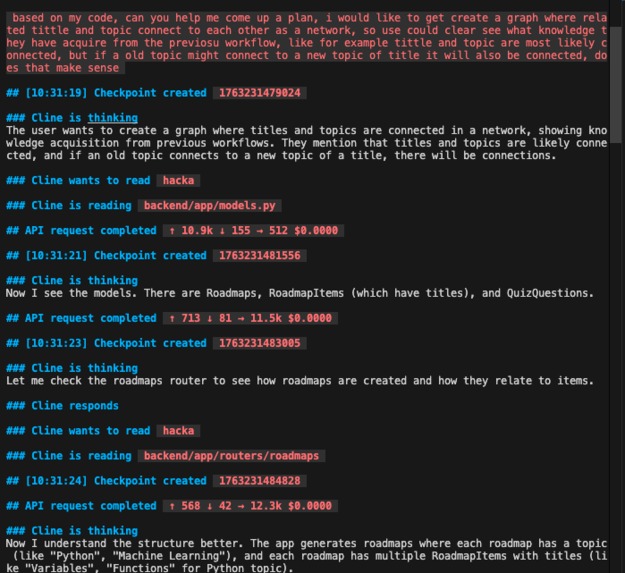
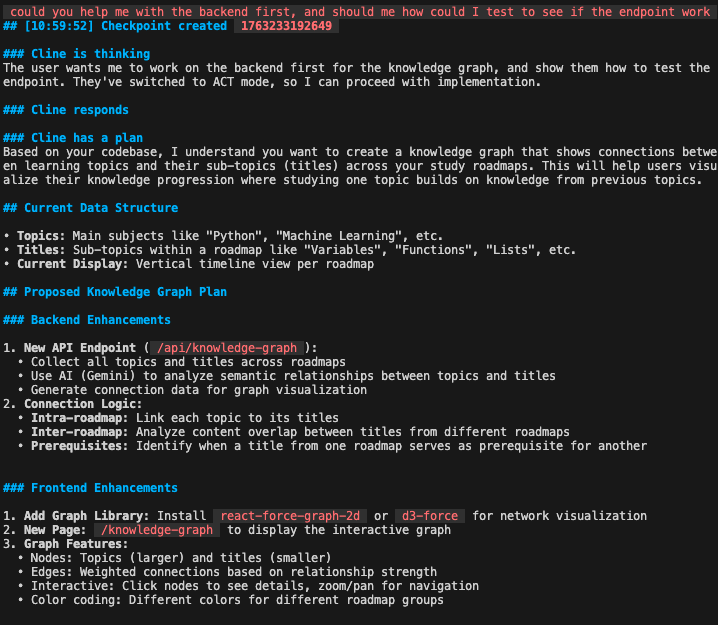
plan
-
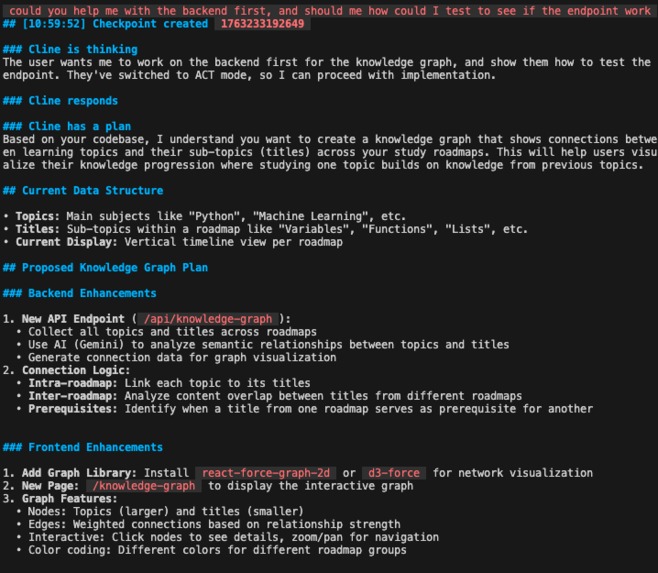
let agents work
-
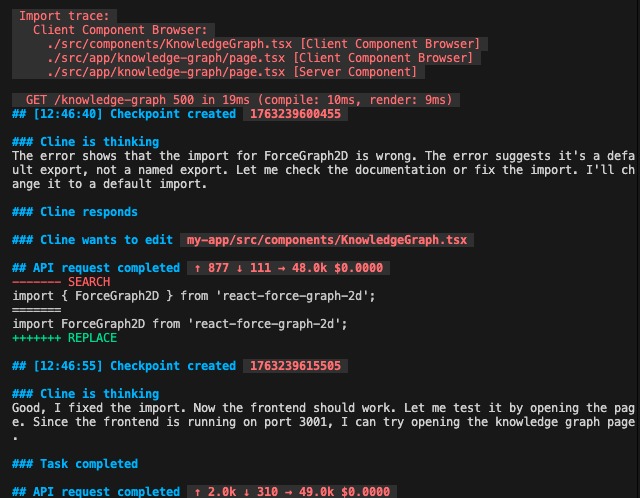
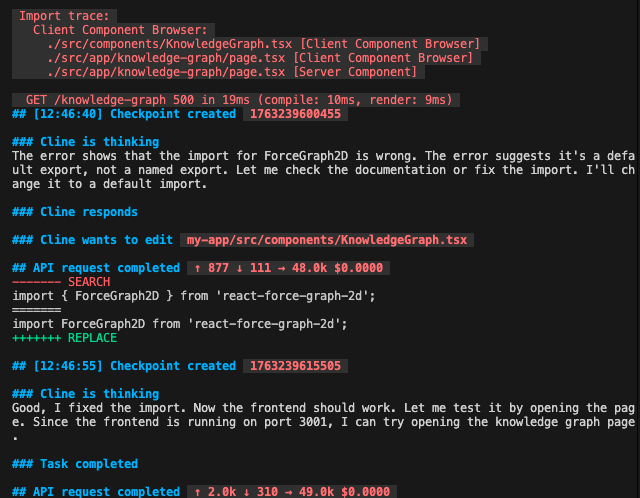
debug
Inspiration
I want everyone to have their own roadmap mission to achieve something they care about.**
We live in an age where AI can do incredible things, yet most people use technology for doomscrolling instead of learning. I believe we should take advantage of AI to grow faster and push ourselves toward meaningful goals.
The idea behind Compass is simple but powerful: give every learner a personalized learning path based on AI knowledge and recommendations. No more generic tutorials that don't fit your experience. No more feeling lost about what to learn next. Just a clear roadmap tailored to you, keeping you motivated and moving forward.
I built Compass to create a world where learning is productive, personalized, and engaging—not another mindless scroll.
What it does
-AI Roadmap Generation** – Using Gemini AI to create personalized 3-level learning paths -Quiz System** – Testing understanding with AI-generated questions -Knowledge Graph** – Visualizing topic connections with force-directed graphs -AI Companion** – Progressive discovery system that suggests new topics -Progress Tracking** – Gamified milestones to keep learners engaged
How we built it
I chose Next.js, FastAPI, and Google Gemini AI as my stack because they're quick to build with.
1. Frontend First
I started with the frontend to visualize the user experience. Building the UI first helped me understand what data I needed from the backend.
2. One Route at a Time
I tackled one feature route at a time: first the roadmap generation, then quizzes, then the knowledge graph. This kept me focused and prevented overwhelm.
3. Basic Function → Features → Polish
My workflow was: get basic functionality working first, then add features, and finally polish the UX/UI. This iterative approach meant I always had something working.
Challenges we ran into
The Google Search + Structured Output Problem The hardest technical challenge was trying to combine Google Search grounding with structured JSON output in Gemini AI. I discovered they're mutually exclusive—you can't use both in one API call. I wanted to find real, verified URLs while also generating structured roadmap data. I spent time trying to make it work with one call but couldn't figure it out. Eventually, I decided not to use the Google Search tool to avoid doubling API calls and adding complexity. This was a tough tradeoff, but I had to prioritize finishing over perfection.
Debugging AI-Generated Code Early on, I trusted AI too much during debugging. When errors happened, I'd ask AI to fix them without really understanding what went wrong. This backfired—I ended up going in circles. I learned to slow down, read the generated code carefully, and reverse engineer the problem. Understanding the "why" made debugging much faster and helped me ask better questions.
Accomplishments that we're proud of
Technology-wise, this was my first time using FastAPI to build something real. I'd only watched tutorials before but never actually used it. Now I know how fast it can connect with the frontend and how easy it is to integrate with AI. It was the right choice for moving quickly.
What we learned
AI is an accelerator, not a replacement for understanding.
What's next for Compass
URL Validation , Ensure study materials are reliable and accessible Multi-User Support, Authentication so everyone has their own journey Social Features, Connect learners on similar paths (learning together!)

Log in or sign up for Devpost to join the conversation.