-
-
App 1
-
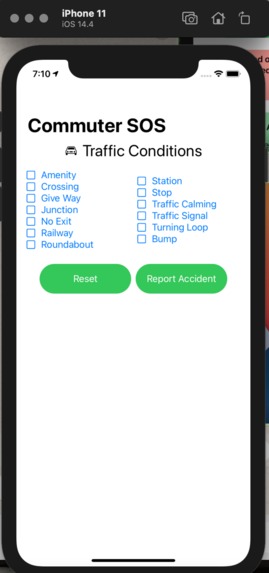
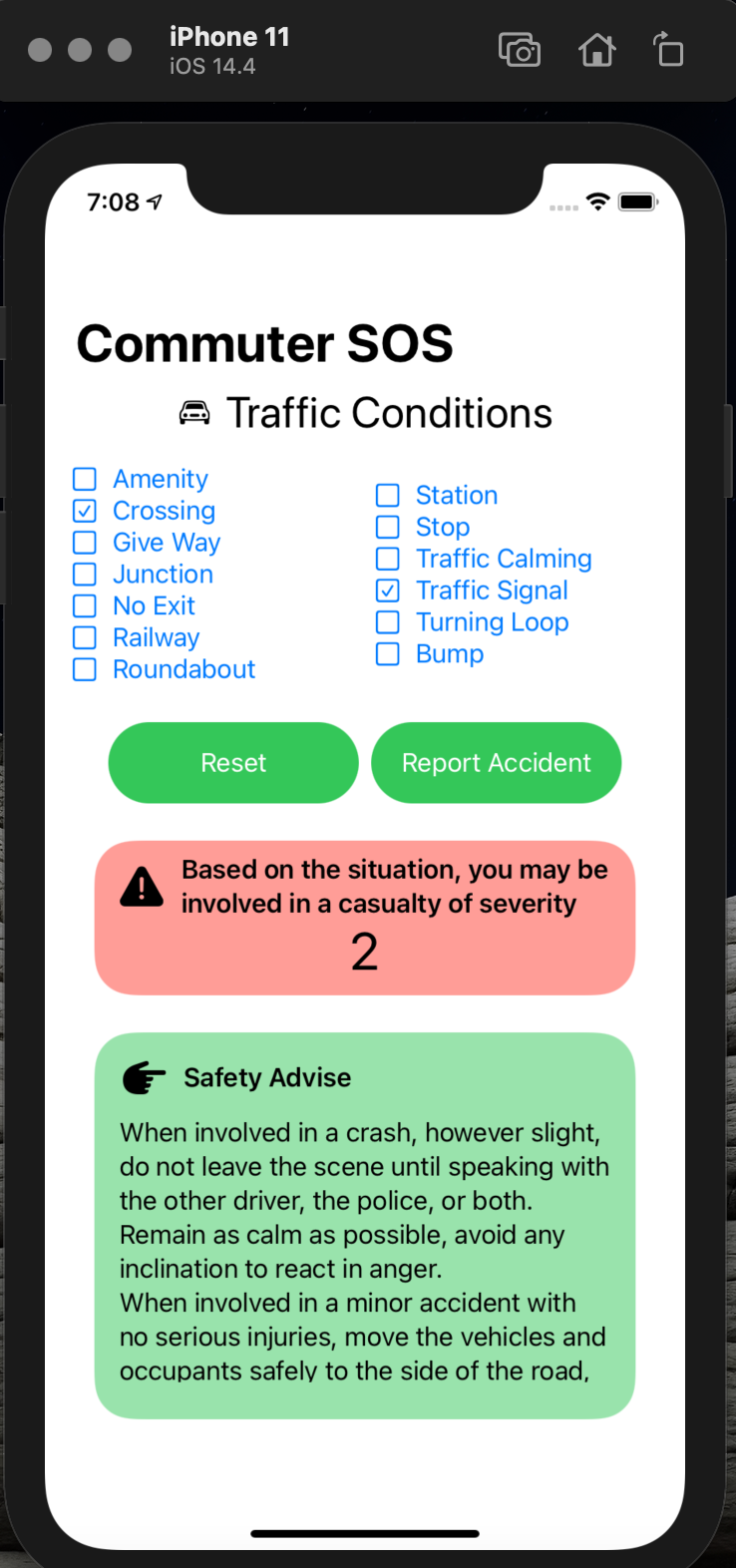
App home
-
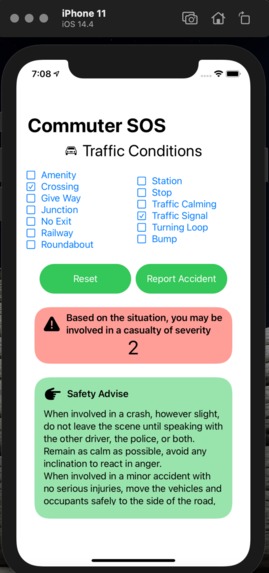
App results
-
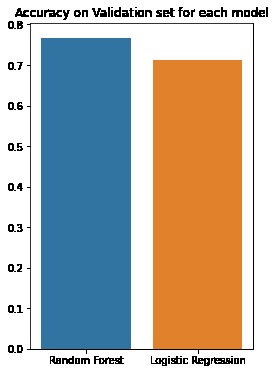
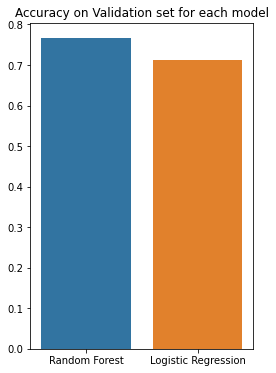
Accuracy
-

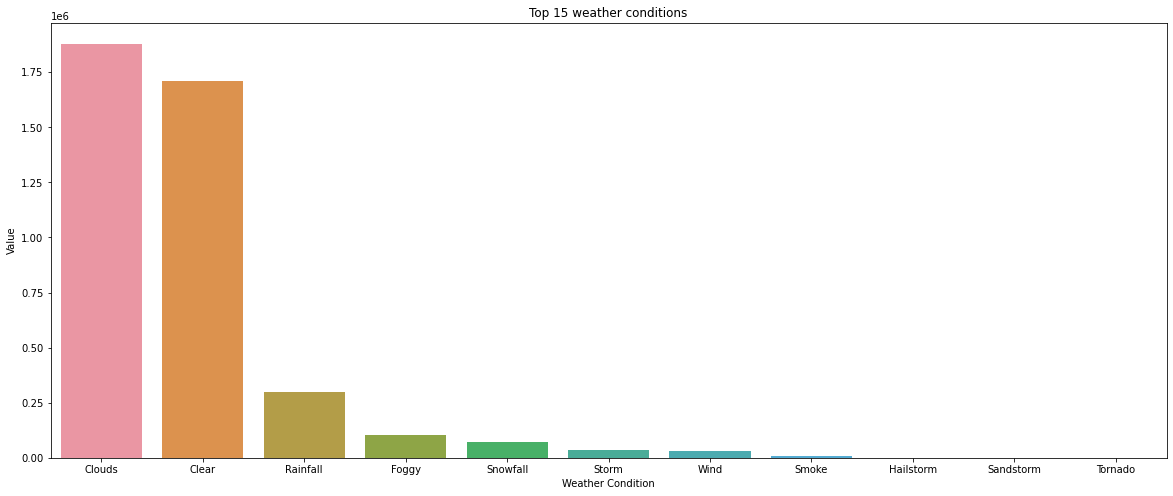
weather conditions
-
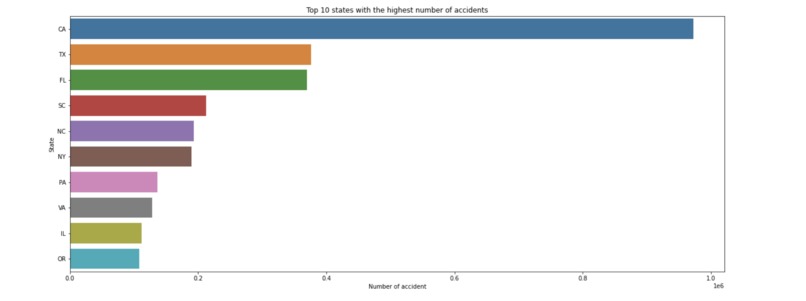
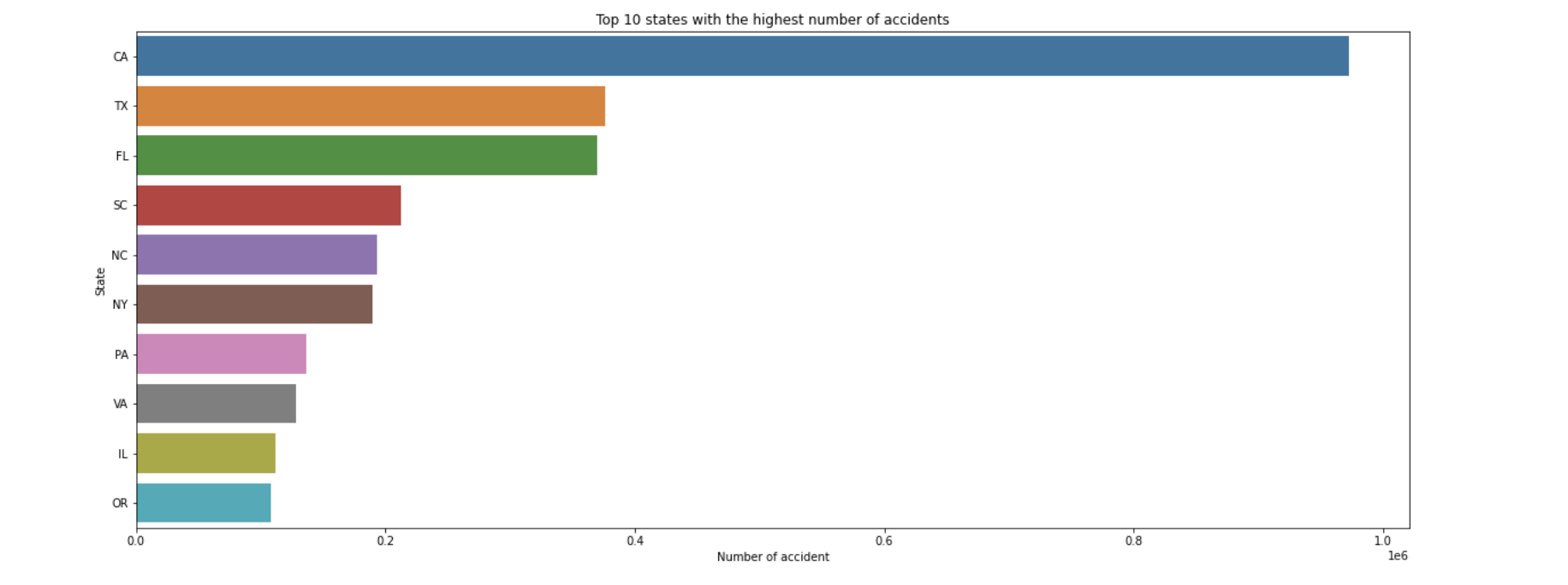
states with highest accidents
-
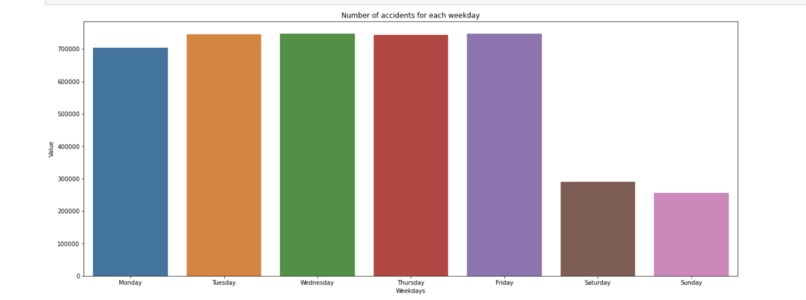
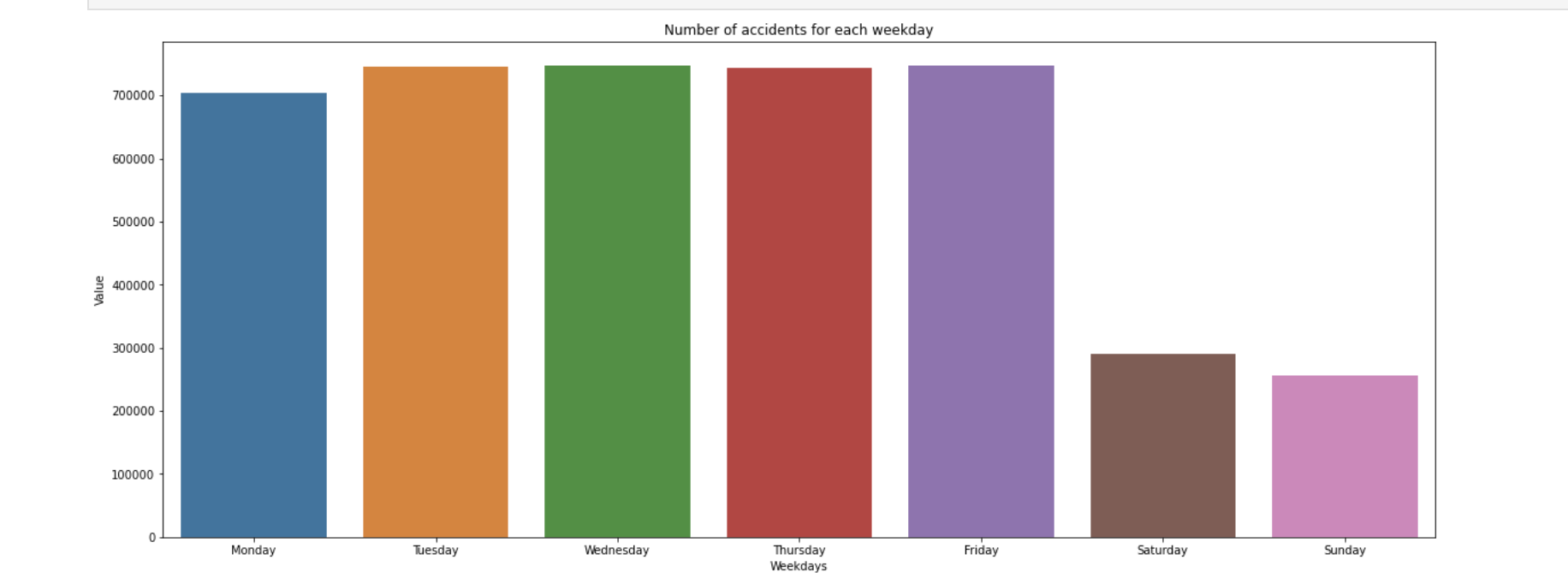
Weekdays analysis
-
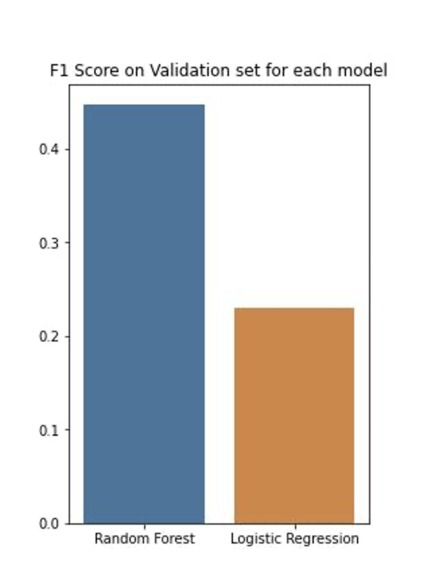
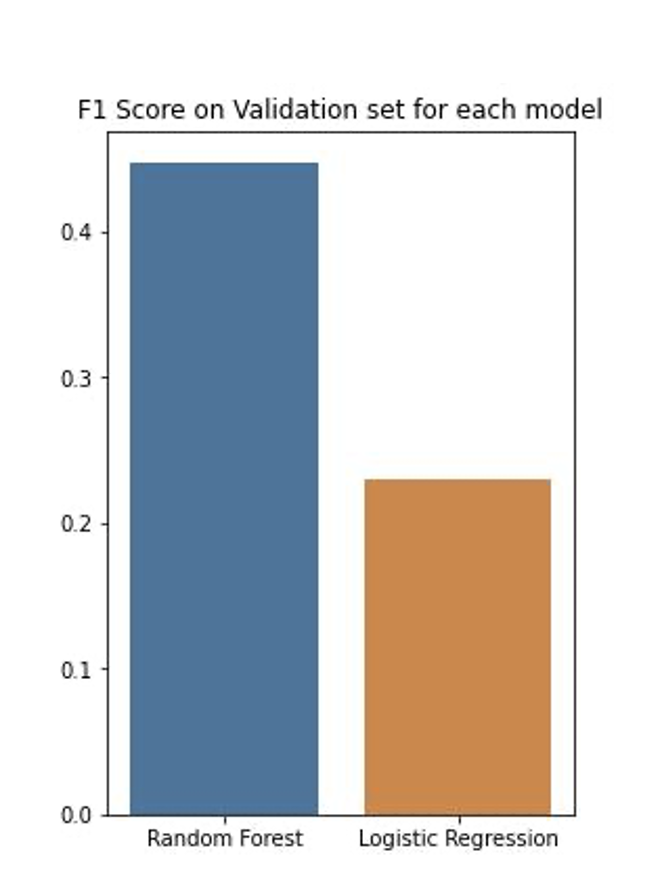
F1 Score
-
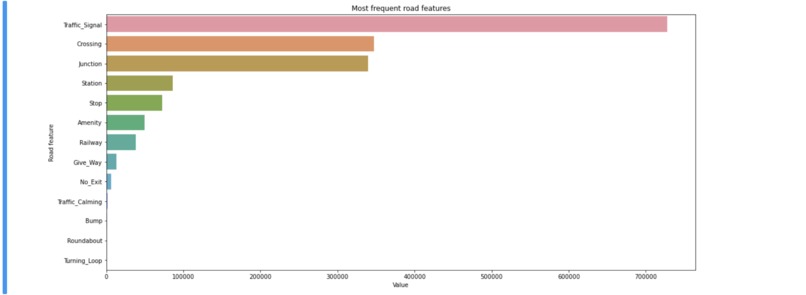
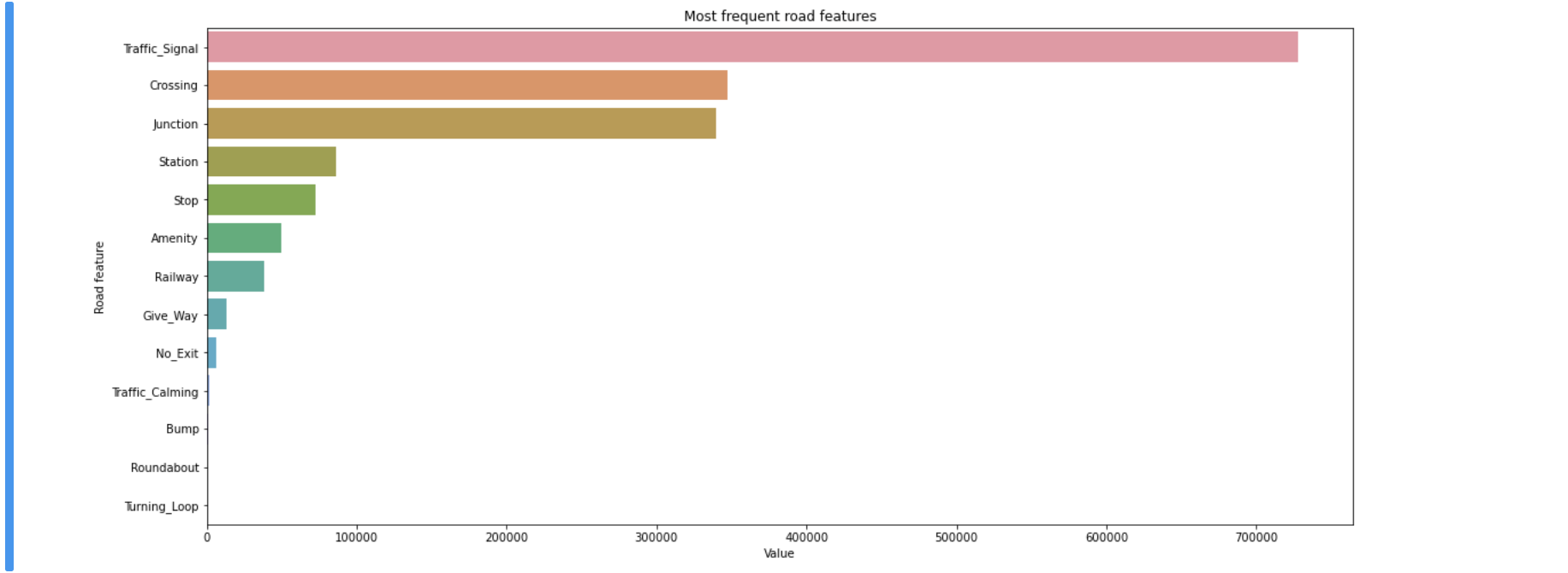
Road features
-
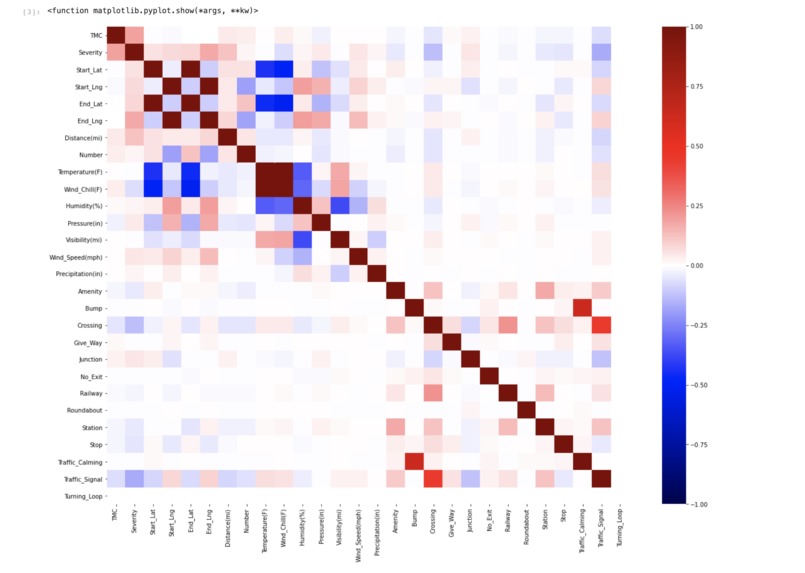
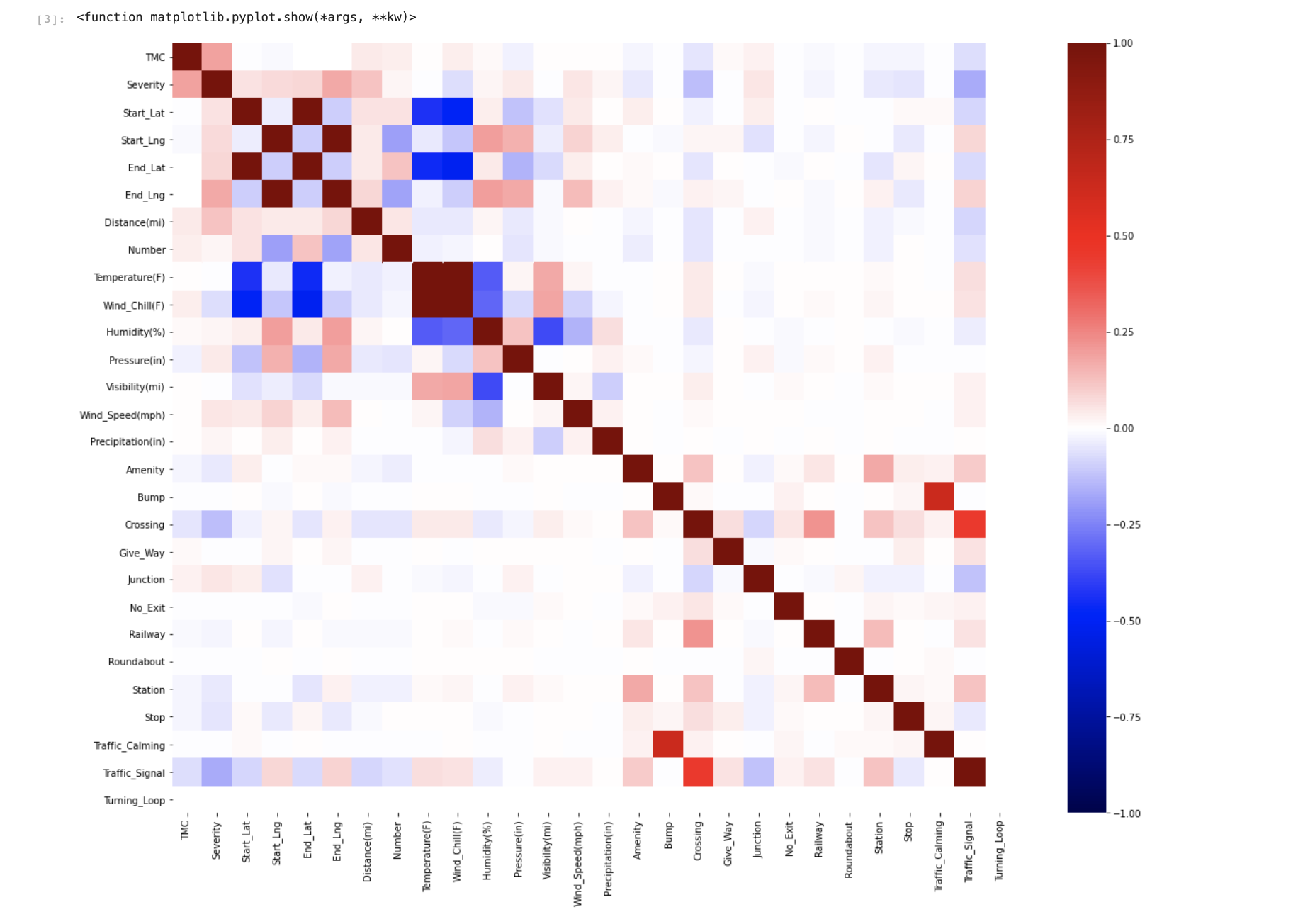
Correlation plot
-
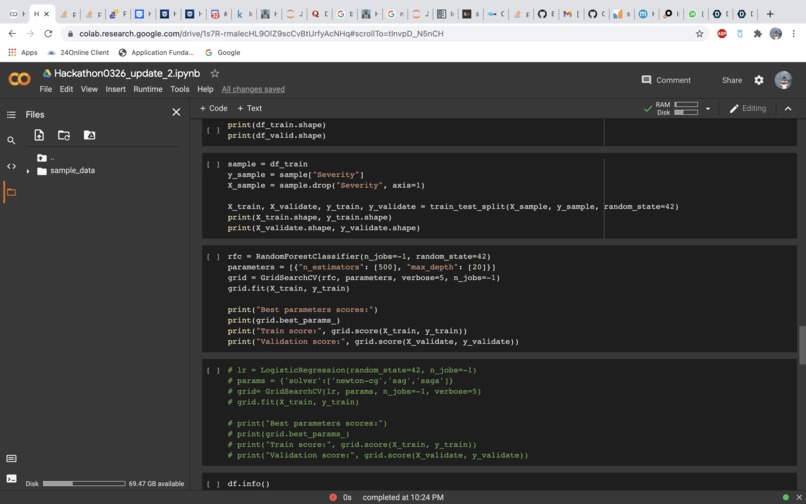
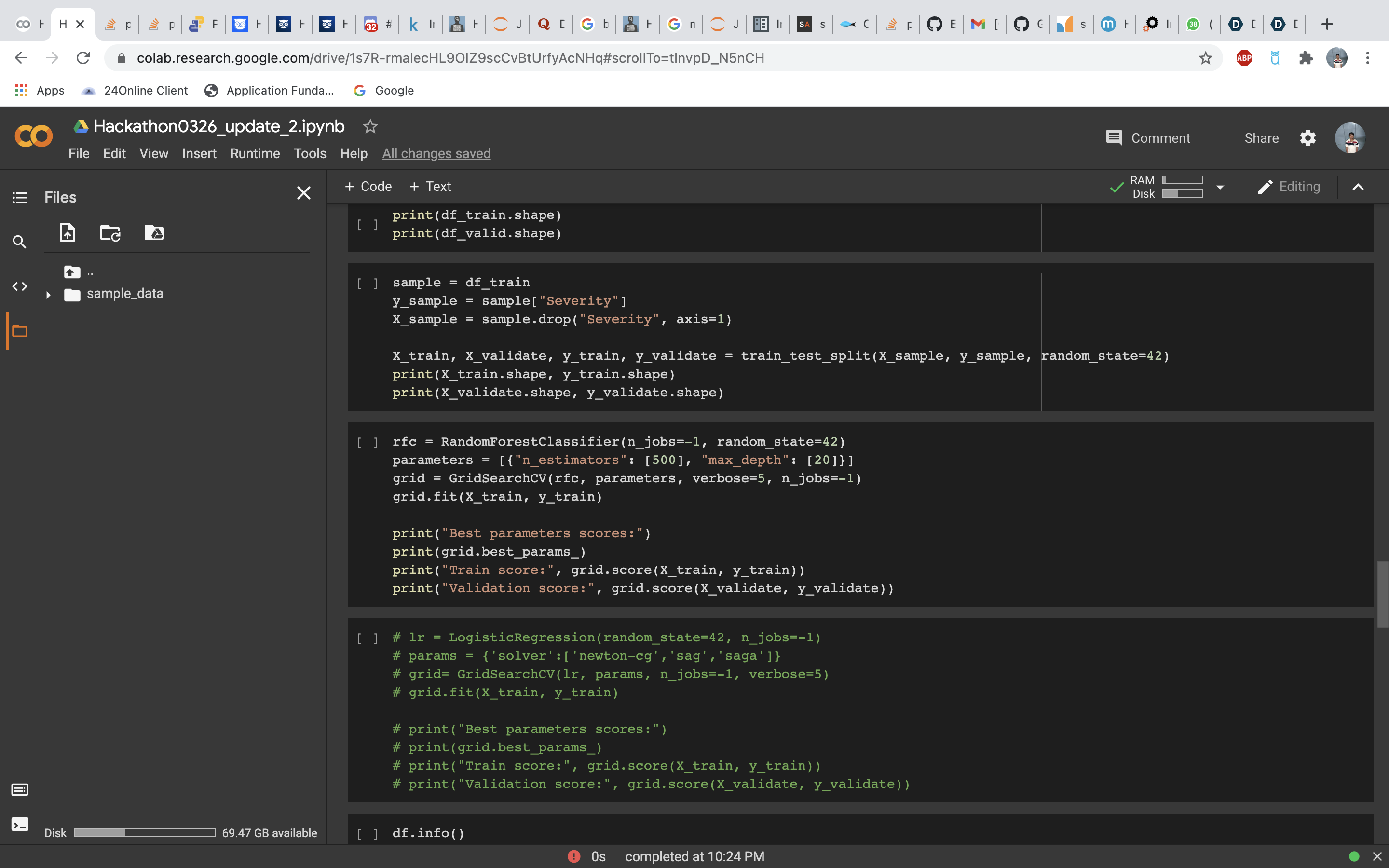
Google Colab
Inspiration
We got the inspiration to build this application while we were driving through the countryside of Texas and we witnessed a major car accident. With no streetlights, other commuters could not see the accident and it led to a major chaos. This led us to thinking that there should definitely be a medium where a person can report onsite accident on a priority basis on the severity of the accident so that appropriate assistance can be provided before emergency services can attend to the situation and it can help other drivers by avoiding that accident.
What it does
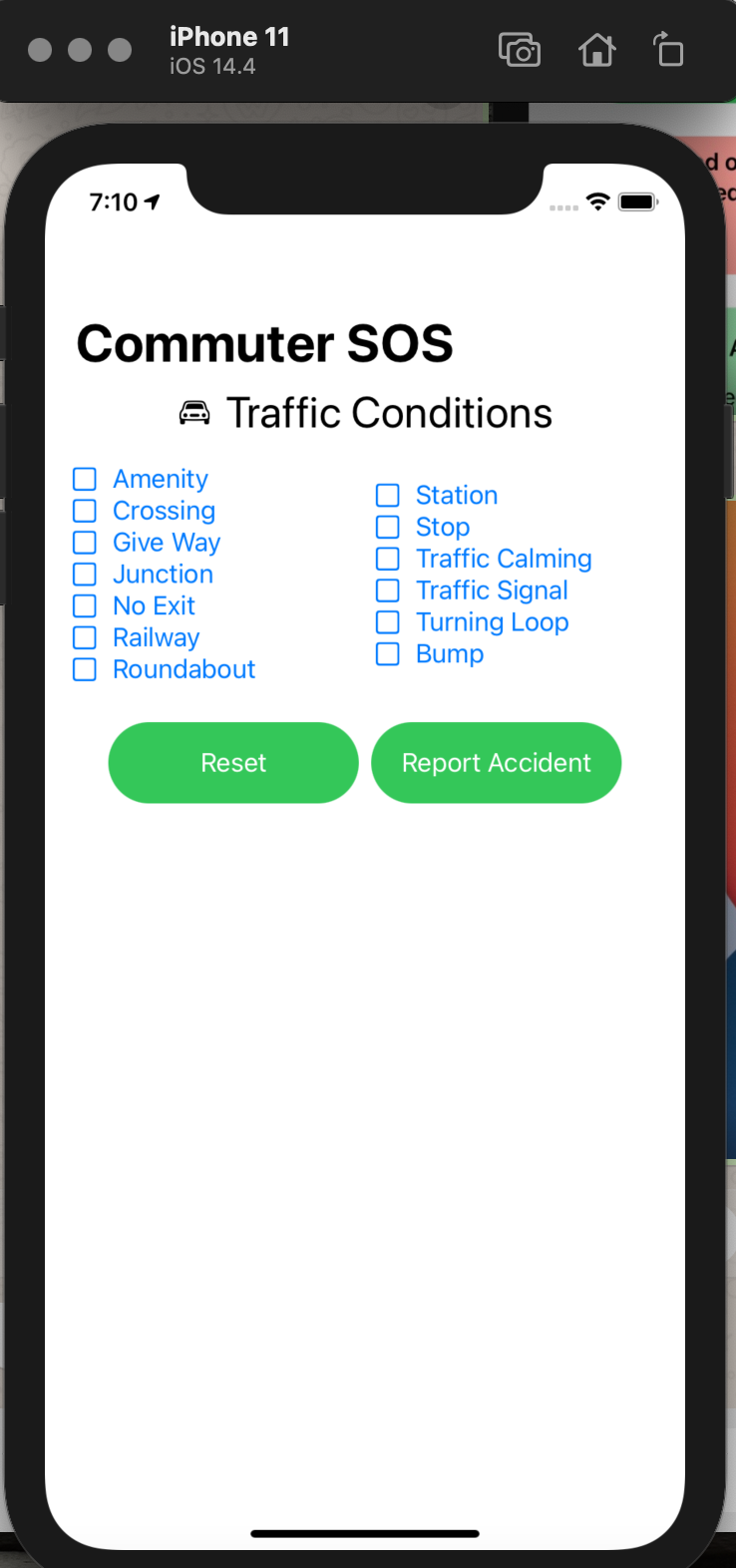
Our application is designed exactly for solving this use case. We want to help all the drivers and users by giving them exact information of the situation about the route and whether there has been an accident on the road and its severity. Thus, it would help the users in choosing whether to go through that route or not. Also, it would enable them to report any accidents nearby by generating an SOS alert and help out other people in the vicinity. They would also have the feature to report it to authorities, and our application would help in generating an urgency for the emergency services like police, fire trucks, etc. by providing them crucial details of accident like GPS location and traffic conditions, thus enabling a quicker response than calling via 911. Thus, our application aims to increase the accessibility of users by connecting them to the right resources to get appropriate help as quickly as possible and also help out other drivers on that route by informing them about the accident.
How we built it
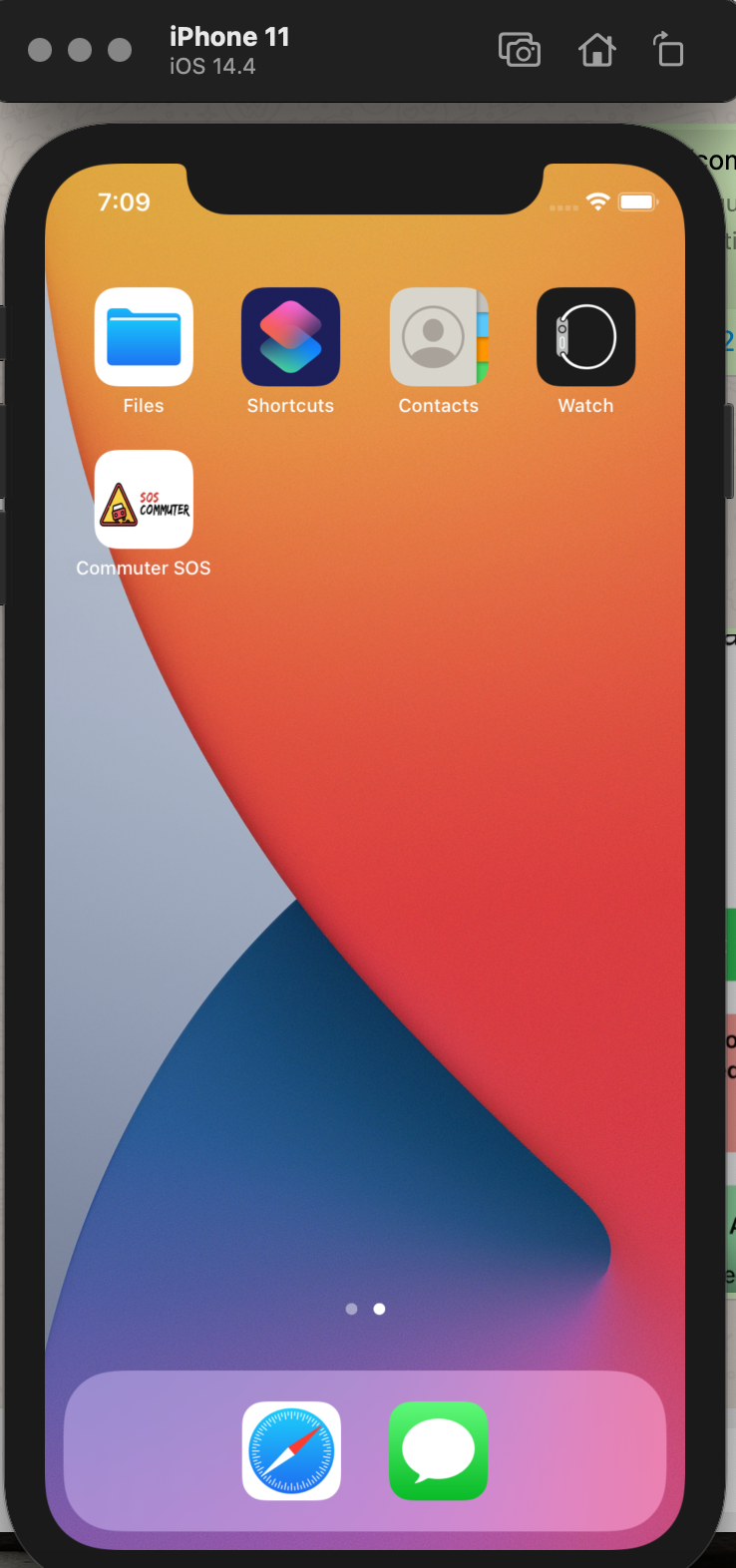
We brainstormed multiple ideas regarding what data set, algorithm and the hyper parameters to be defined to generate the accurate prediction result. We decided to use Random Forest algorithm to train our final model and generate an accuracy close to 89%. The iOS App was built using SwiftUI2. The Backend of the application was built using Flask that accepts real-time data from the app and generates prediction of severity. The weather data is fetched from open weather API
Challenges we ran into
We had to figure out the right model to use to train our dataset. Also identifying, refining and normalizing the features of the dataset was a critical part of achieving the desired accuracy.
Accomplishments that we're proud of
We were successfully able to modify our dataset into the right format so that it can be used to train the model and give us high accuracy in the prediction. We were able to run multiple classification algorithms along with their hyper parameters and determine which one is the right prediction model to be used. We were able to find the right practical use case for our dataset and develop the application to help users know the severity of the accident on the route they want to take and help them in avoiding any accident scenario.
What we learned
We got the opportunity to learn about machine learning modules and how to implement them with a real dataset. We learned how to tune the model with hyperparameters and try to generate the best accuracy possible. We also learned how to perform Exploratory Data Analysis and gain meaningful insights from dataset.
What's next for Commuter SOS
We can try to improve the accuracy of our model by using better and more complex algorithms like deep learning, XGBoost, etc. We can implement an SOS mechanism using our application where user can notify other people who are taking the same route about the severity of the accident on the road so that others can avoid taking the same route. We can integrate our application with police, fire fighter forces and ambulance to generate a high priority alert in the cases where severity is high so that emergency services can attend the site as soon as possible and help in normalizing the situation.
Built With
- flask
- google-colab
- keras
- scikit-learn
- swiftui


Log in or sign up for Devpost to join the conversation.