Inspiration
Inspiration
Every day, large quantities of food, groceries, clothes, medicines, and other essential resources are wasted, while many people struggle to access these necessities. We were inspired by the gap between available resources and the people who need them most. We realized that the lack of coordination between donors, NGOs, volunteers, and beneficiaries is a major reason for this problem. This motivated us to build a technology-driven solution that can efficiently connect all stakeholders and ensure resources reach the right people at the right time.
What It Does
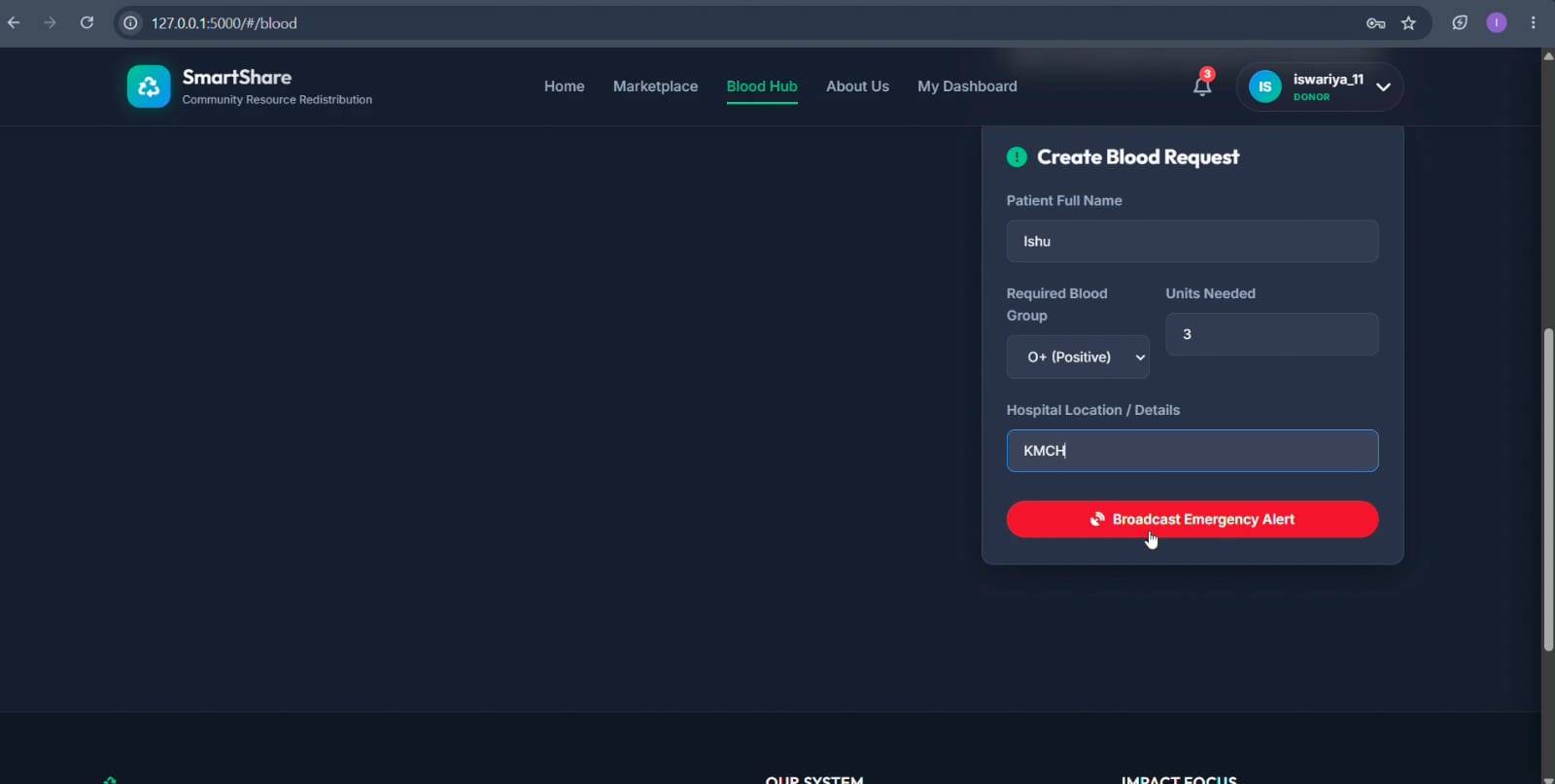
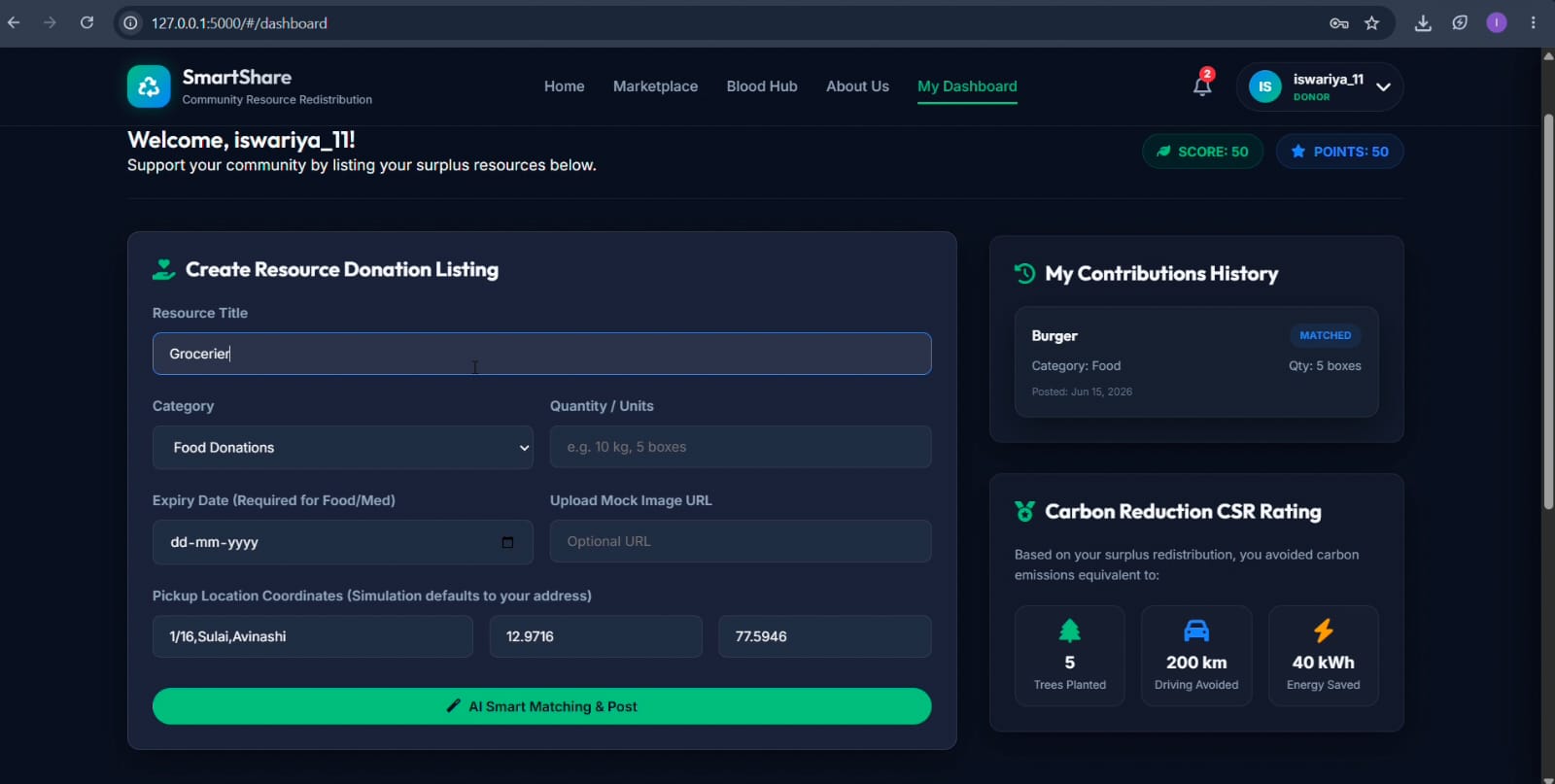
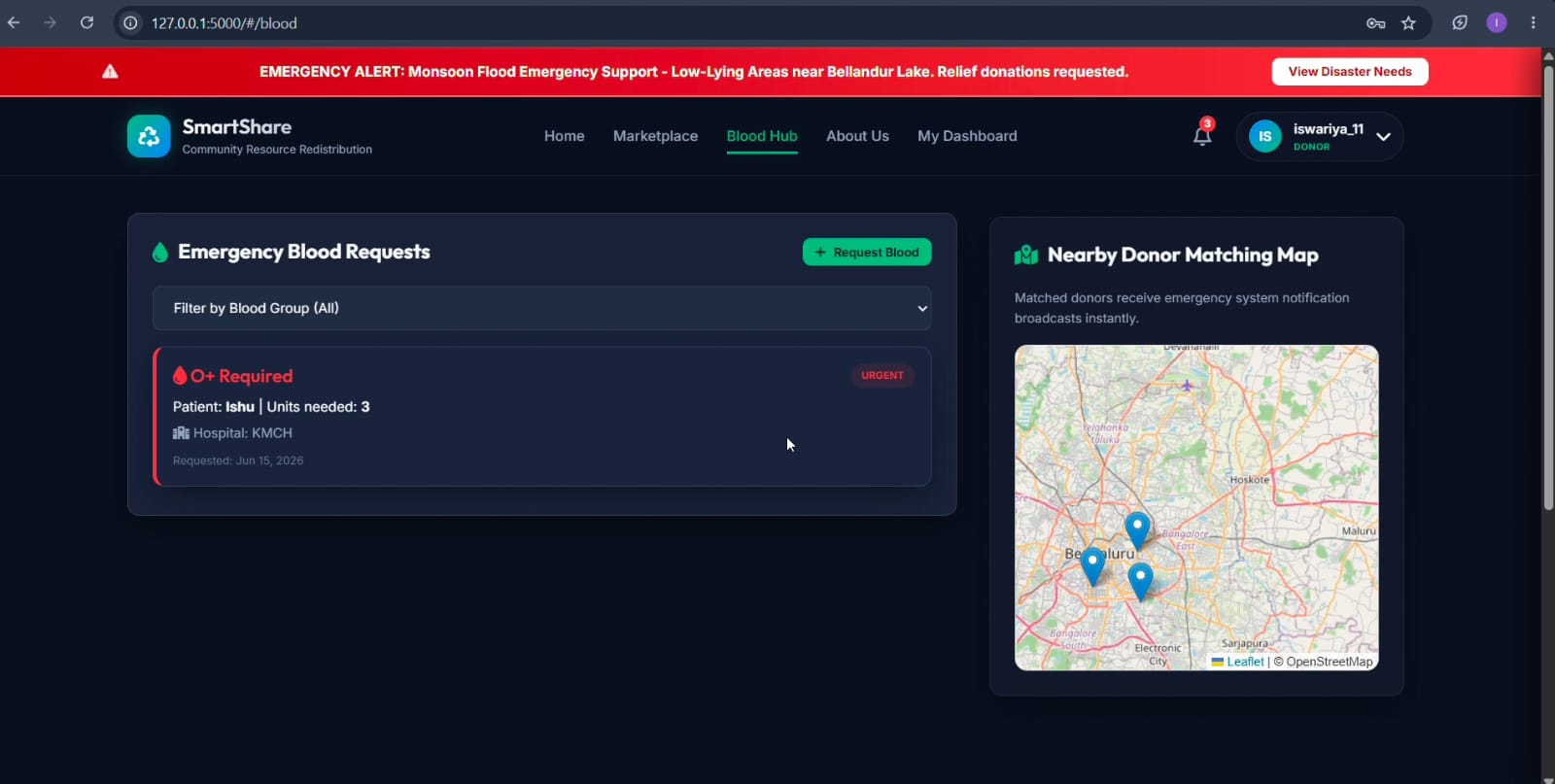
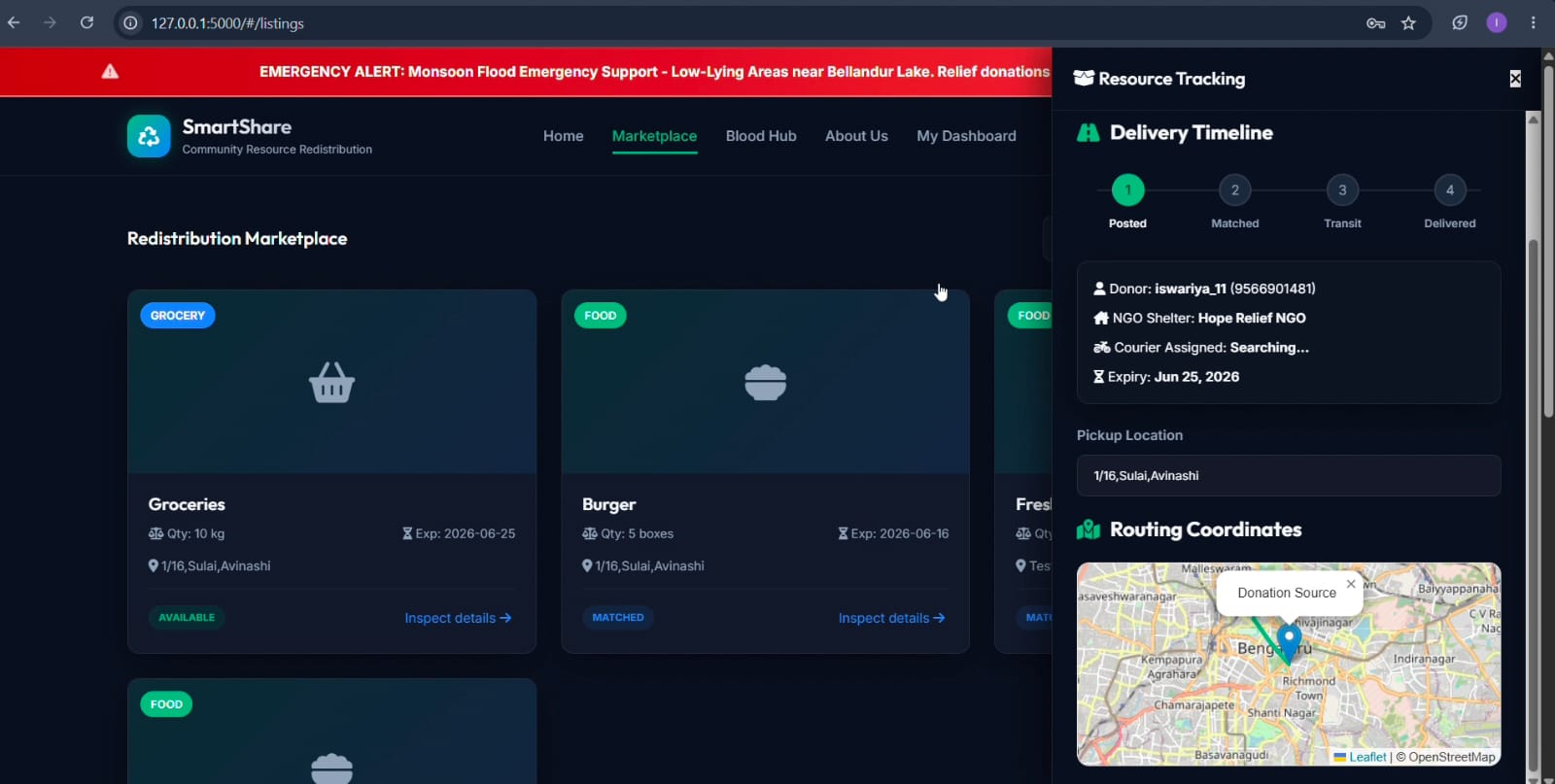
The Smart Community Resource Redistribution Platform is an AI-powered system that connects donors, NGOs, volunteers, shelters, and beneficiaries. Donors can contribute surplus food, groceries, clothes, medicines, and blood donation support through the platform. The system uses smart matching and location-based services to identify the nearest NGOs and volunteers for quick pickup and delivery. Real-time notifications, tracking, analytics, and AI-driven recommendations help reduce waste and maximize social impact.
How We Built It
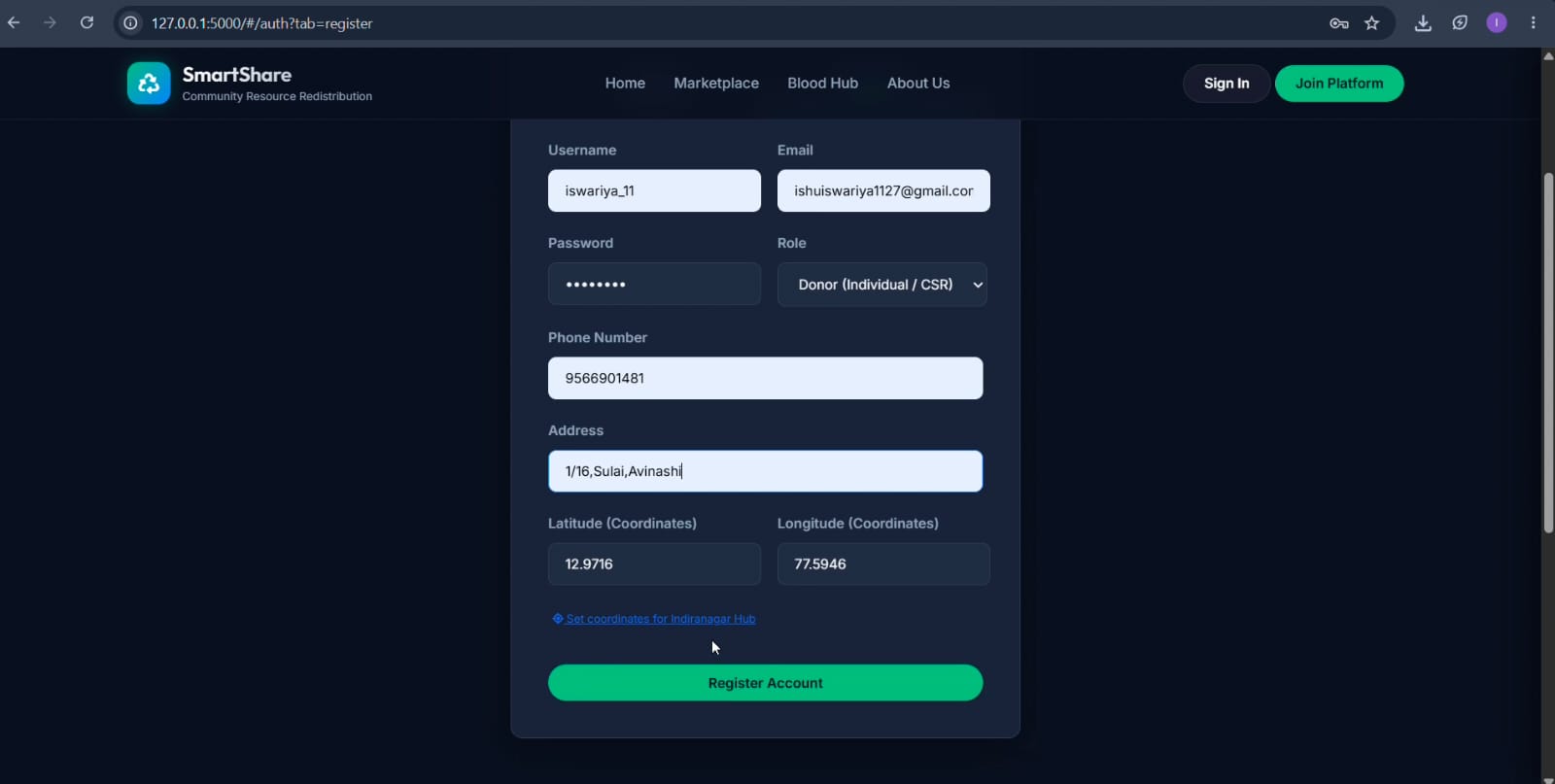
We designed the platform using a modern full-stack architecture. The frontend provides intuitive dashboards for donors, NGOs, volunteers, and administrators. The backend manages resource listings, user authentication, notifications, and tracking. AI modules are integrated for demand prediction, volunteer assignment, and impact analysis. Google Maps integration enables route optimization and location tracking, while analytics dashboards provide insights into resource utilization and social impact.
Challenges We Ran Into
One of the biggest challenges was designing a system that could handle multiple resource categories instead of focusing only on food donations. We also faced challenges in creating an efficient matching system that considers location, urgency, availability, and resource type. Ensuring scalability, transparency, and real-time coordination between different stakeholders required careful planning and system design.
What We Learned
Through this project, we learned how technology and AI can be applied to solve real-world social problems. We gained experience in system architecture, resource optimization, location-based services, data analytics, and user-centered design. Most importantly, we learned that impactful innovation comes from addressing genuine community needs.
Future Scope
The platform can be expanded to support disaster relief operations, government welfare programs, CSR initiatives, blockchain-based donation tracking, community reward systems, and smart city integrations. Our vision is to create a comprehensive resource redistribution ecosystem that minimizes waste and maximizes social impact.
