-
-
-
-
-
-
-
-
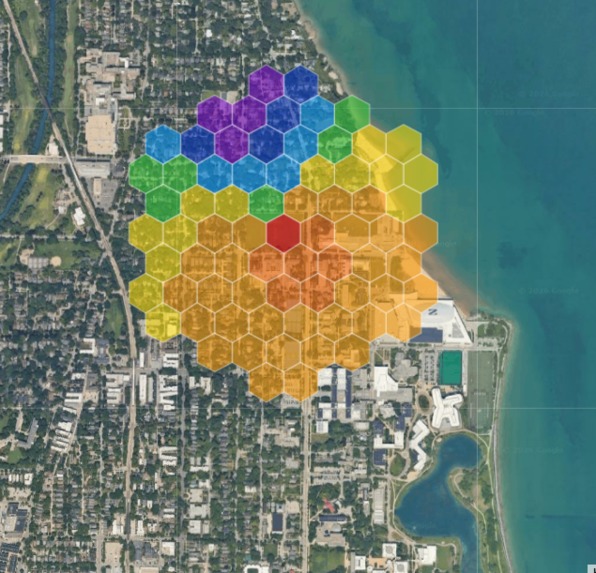
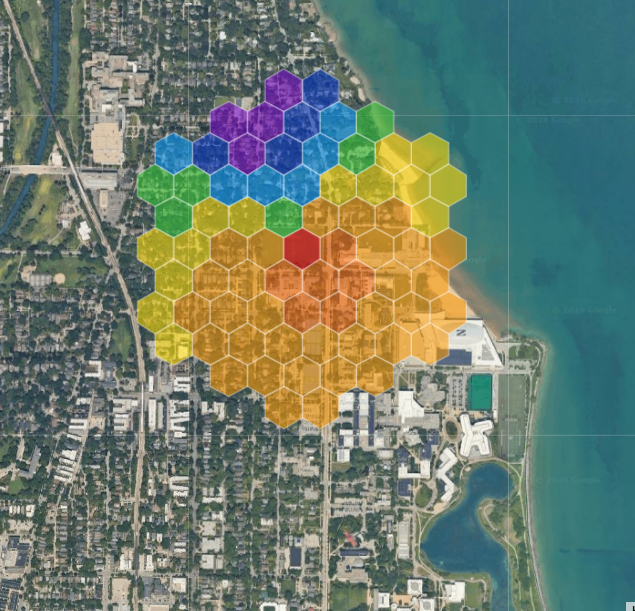
live fire prediction map
Inspiration
Recent wildfire disasters showed that people often die not just from fire, but from panic, poor coordination, and network congestion. We wanted a system that helps communities act together instead of individually — sharing real-time fire information and guiding safe evacuation paths.
What it does
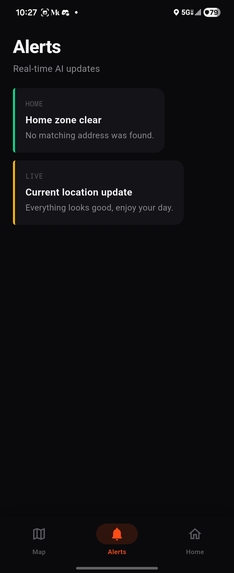
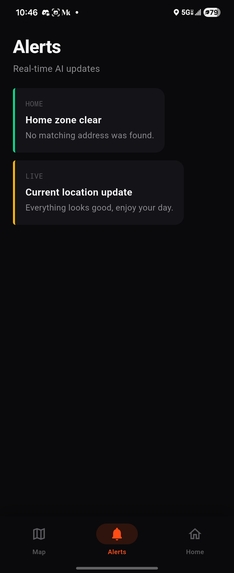
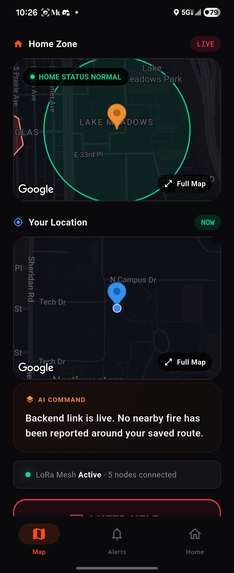
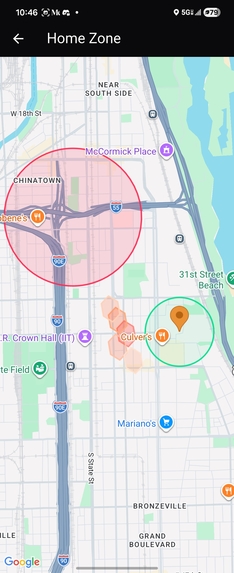
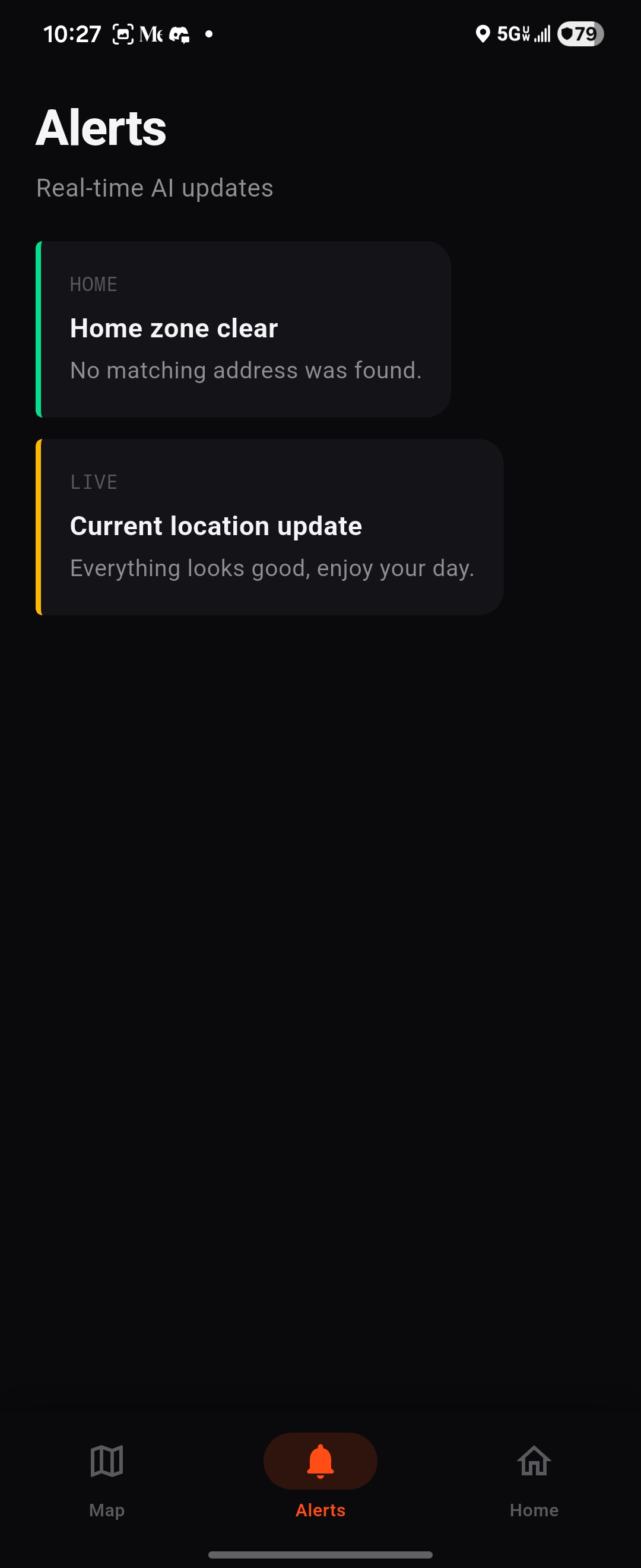
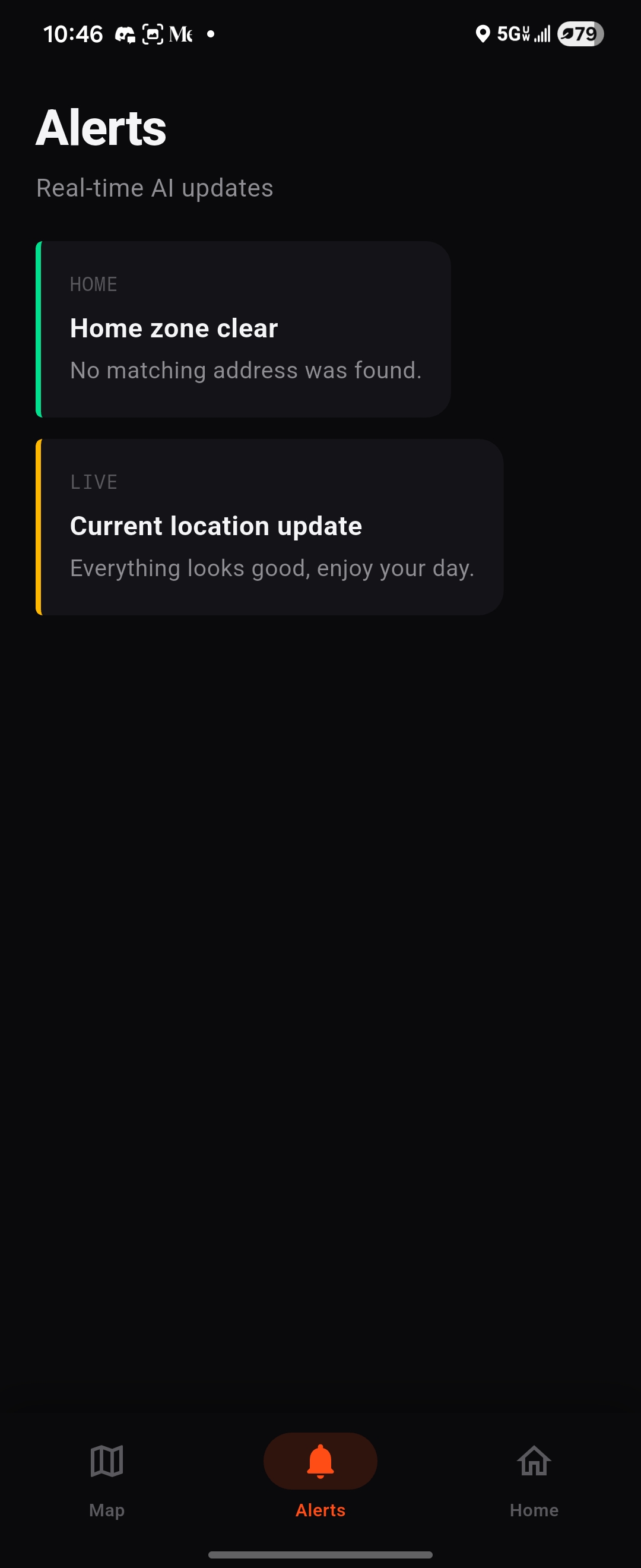
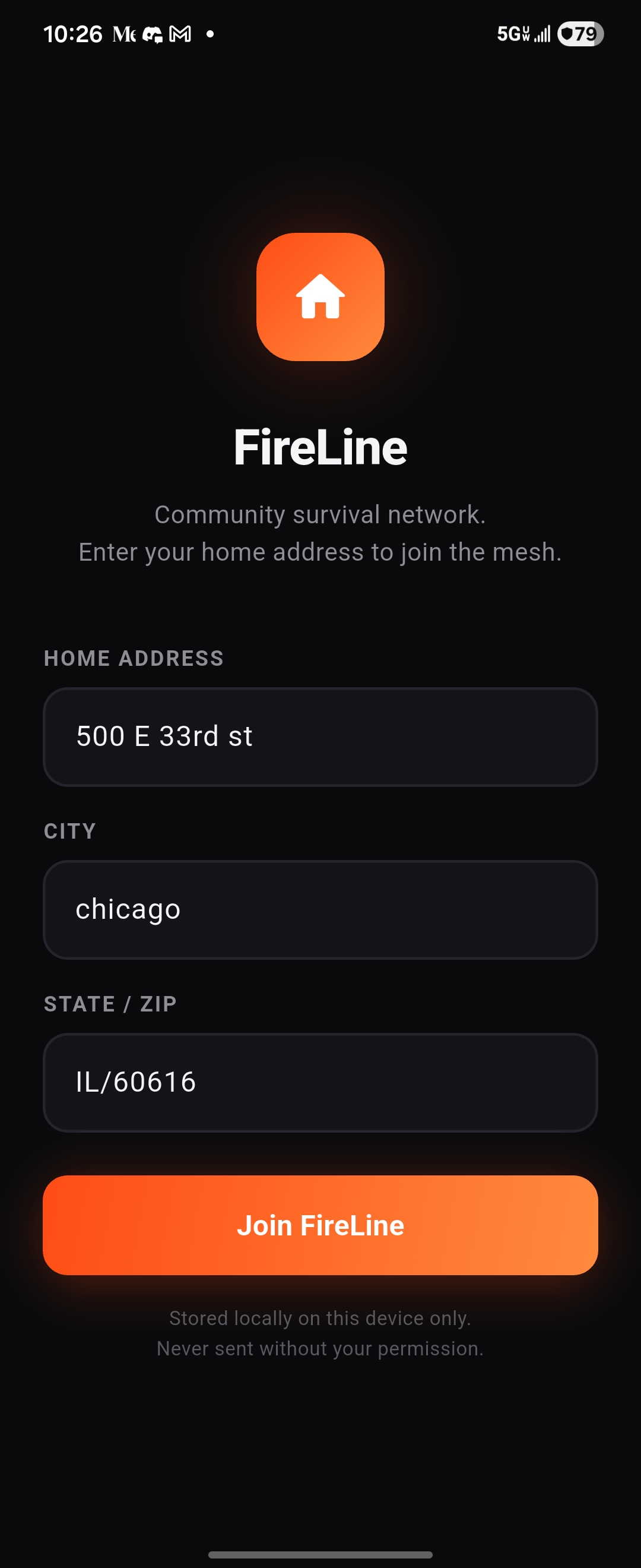
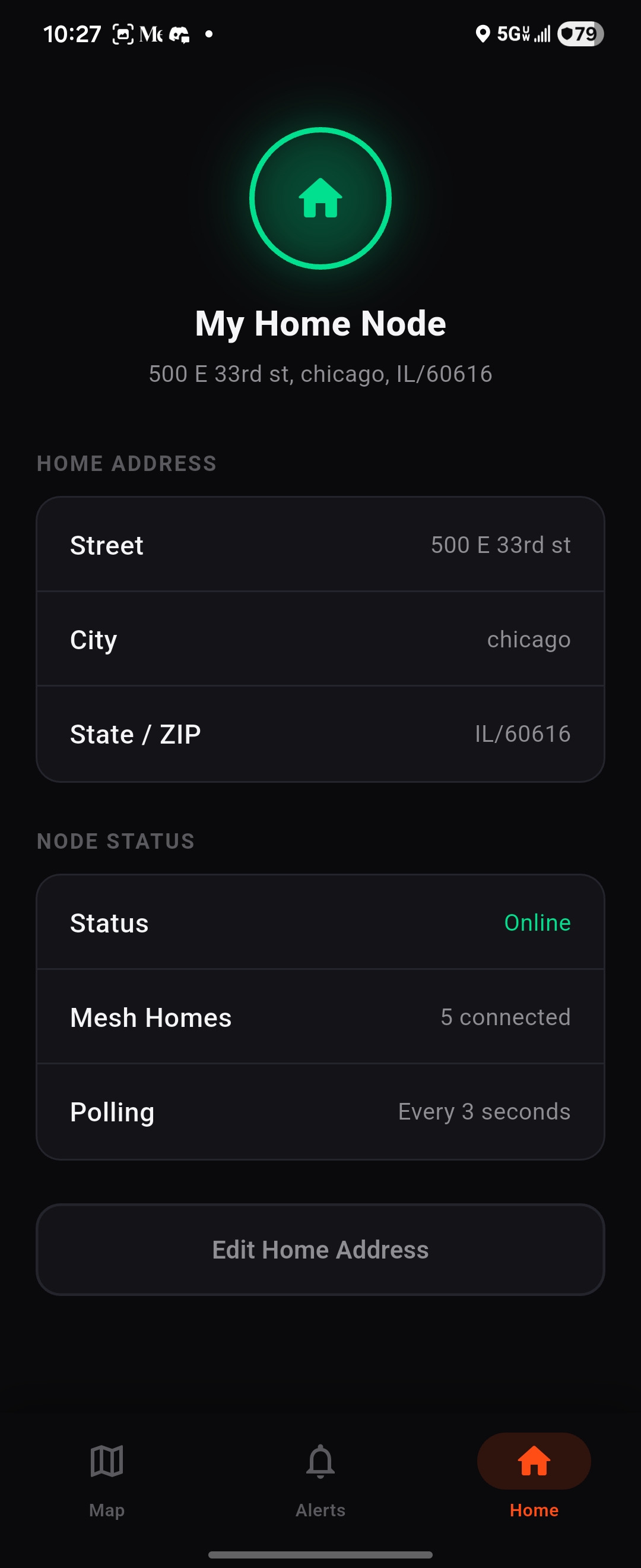
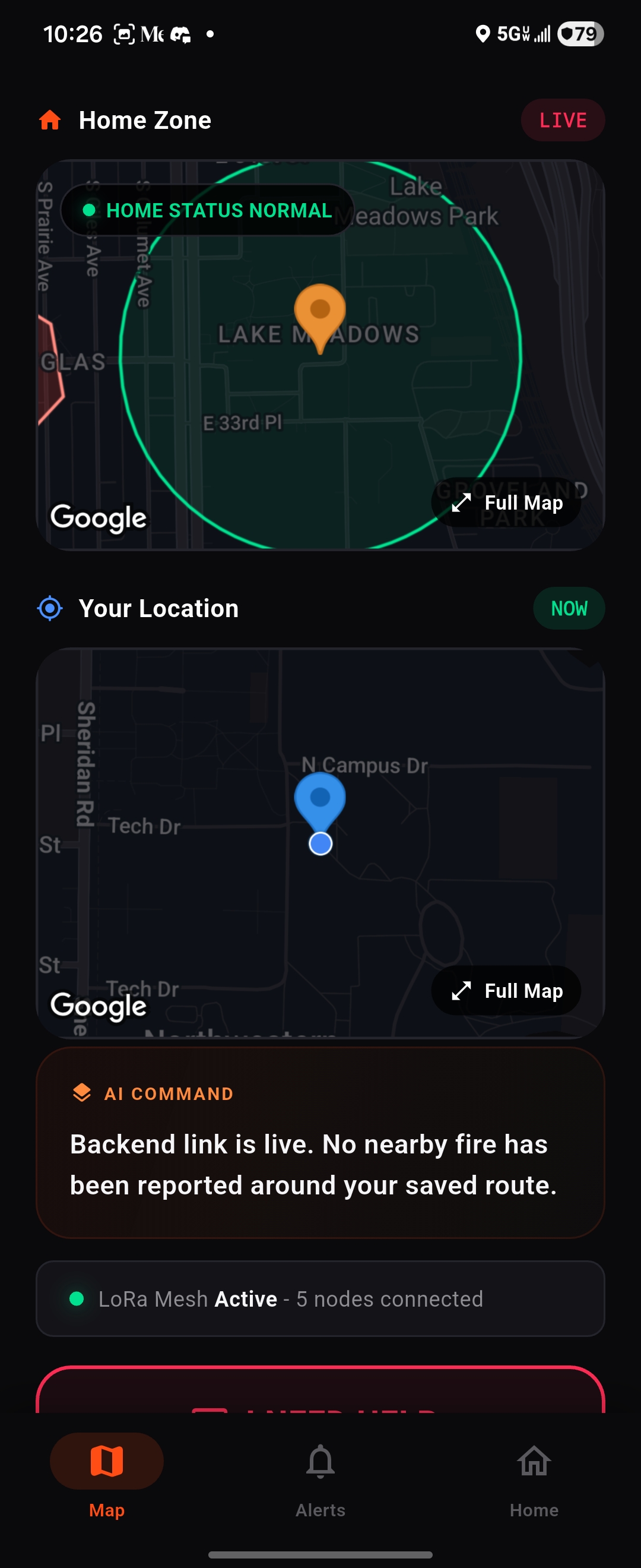
Community Survival Network is a collaborative fire-response system that connects households into a local mesh network. It detects fires, predicts their spread using a mathematical model, and guides residents to evacuate safely. The system provides a live map of fire locations, spread rate over space and time, and recommended evacuation directions that avoid moving toward danger zones. Even during network outages, neighbors receive alerts and coordinated instructions.
How we built it
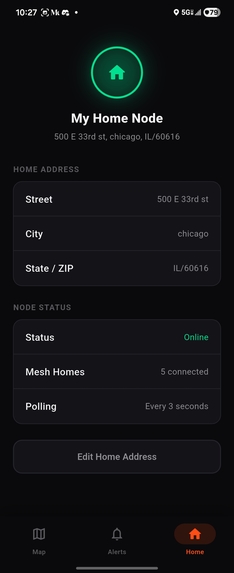
We built a decentralized mesh network using Raspberry Pi devices with LoRa communication for long-range, low-power connectivity. Each node senses environmental signals and shares data with nearby nodes. A mathematical fire-spread model predicts direction, speed, and risk zones. This information is aggregated into a live map that computes safe evacuation paths and estimated evacuation time. The system prioritizes local communication to remain functional even when internet and cellular networks fail.
Challenges we ran into:
Designing a realistic fire spread model that works with limited real-time data Handling unreliable connectivity and packet loss in mesh networking Synchronizing distributed nodes without centralized infrastructure Avoiding false positives while still detecting fire early Computing evacuation paths quickly on low-power hardware Visualizing dynamic fire spread in real time
Accomplishments that we're proud of
Built a working mesh network using Raspberry Pi + LoRa Implemented a mathematical model to predict fire spread Created a live fire map with spatial spread visualization Generated guided evacuation routes that avoid danger zones Designed a system that works without internet connectivity Demonstrated collaborative neighbor-to-neighbor alerts
What we learned
Decentralized communication is critical during disasters Simple local coordination can significantly reduce panic Fire prediction requires both sensing and modeling together Mesh networks are powerful but require careful optimization Real-time evacuation guidance is more valuable than just alerts Community-driven safety systems scale naturally
What's next for Community Survival Network
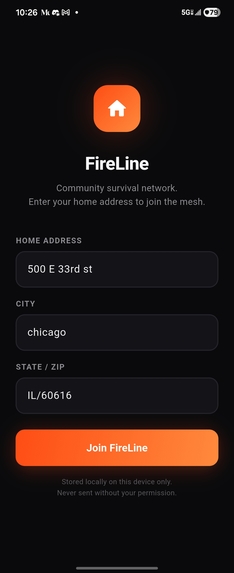
Improve fire spread model with wind, terrain, and humidity inputs Add mobile app for visualization and notifications Integrate more sensors (temperature, smoke, wind direction) Expand mesh range with relay nodes and drones Add AI-based evacuation planning for large neighborhoods Run real-world pilot in wildfire-prone communities Connect with emergency responders for coordinated action

Log in or sign up for Devpost to join the conversation.