-
-
Community_Raiders_Logo
-
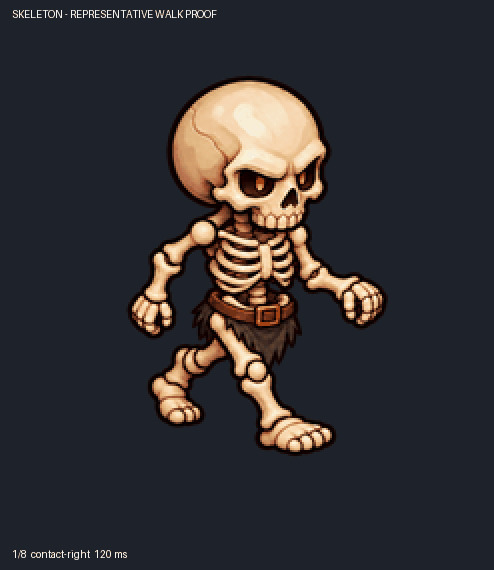 GIF
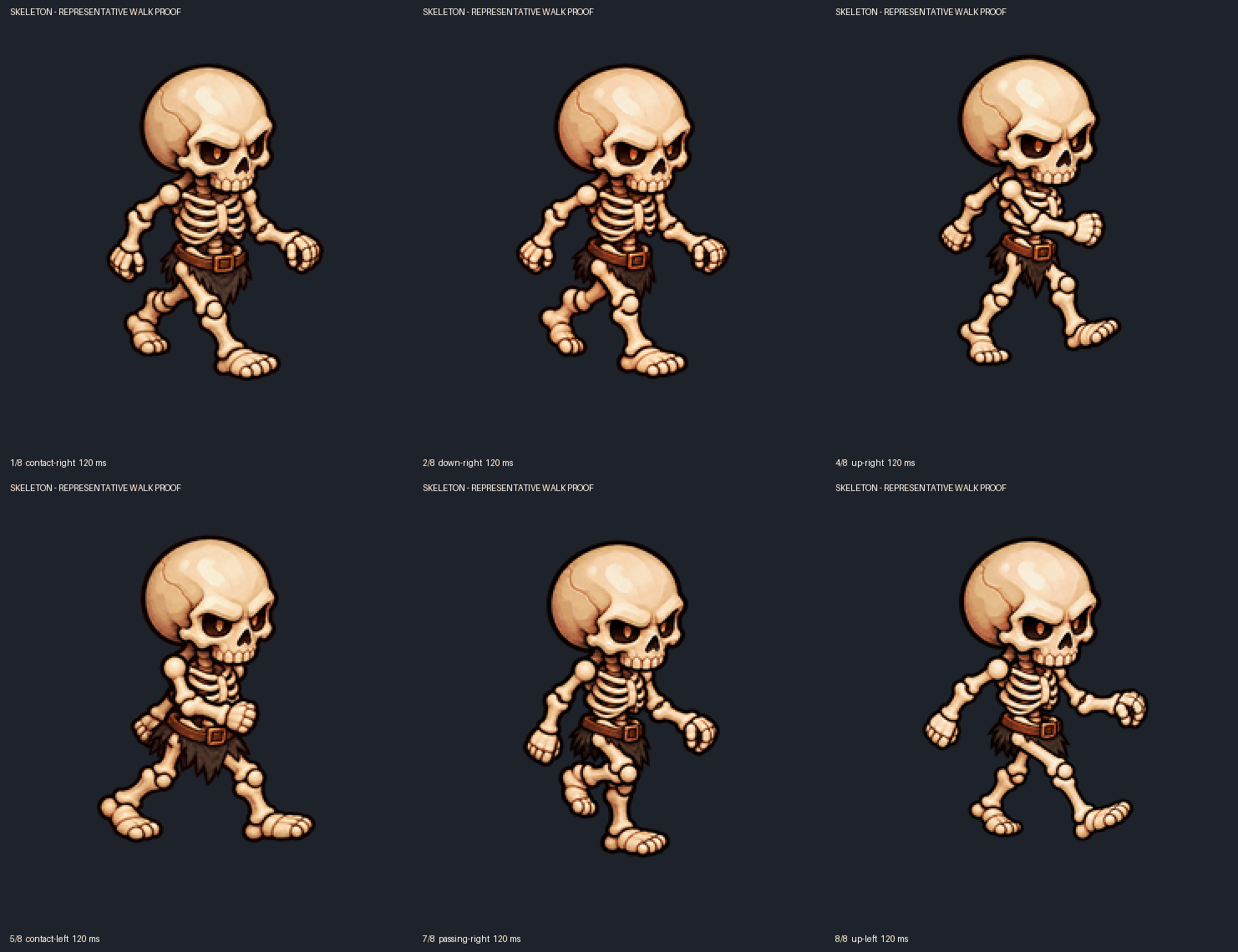
Skeleton_Enemy_Early_Animation
-
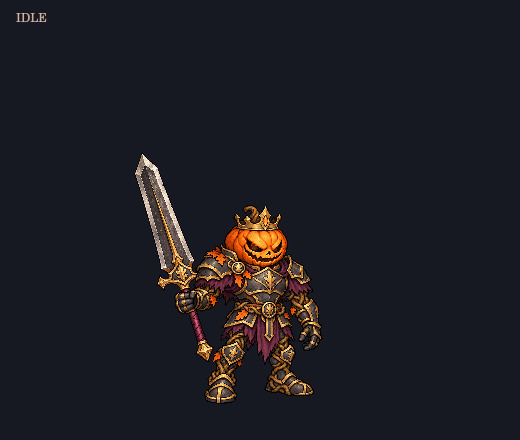 GIF
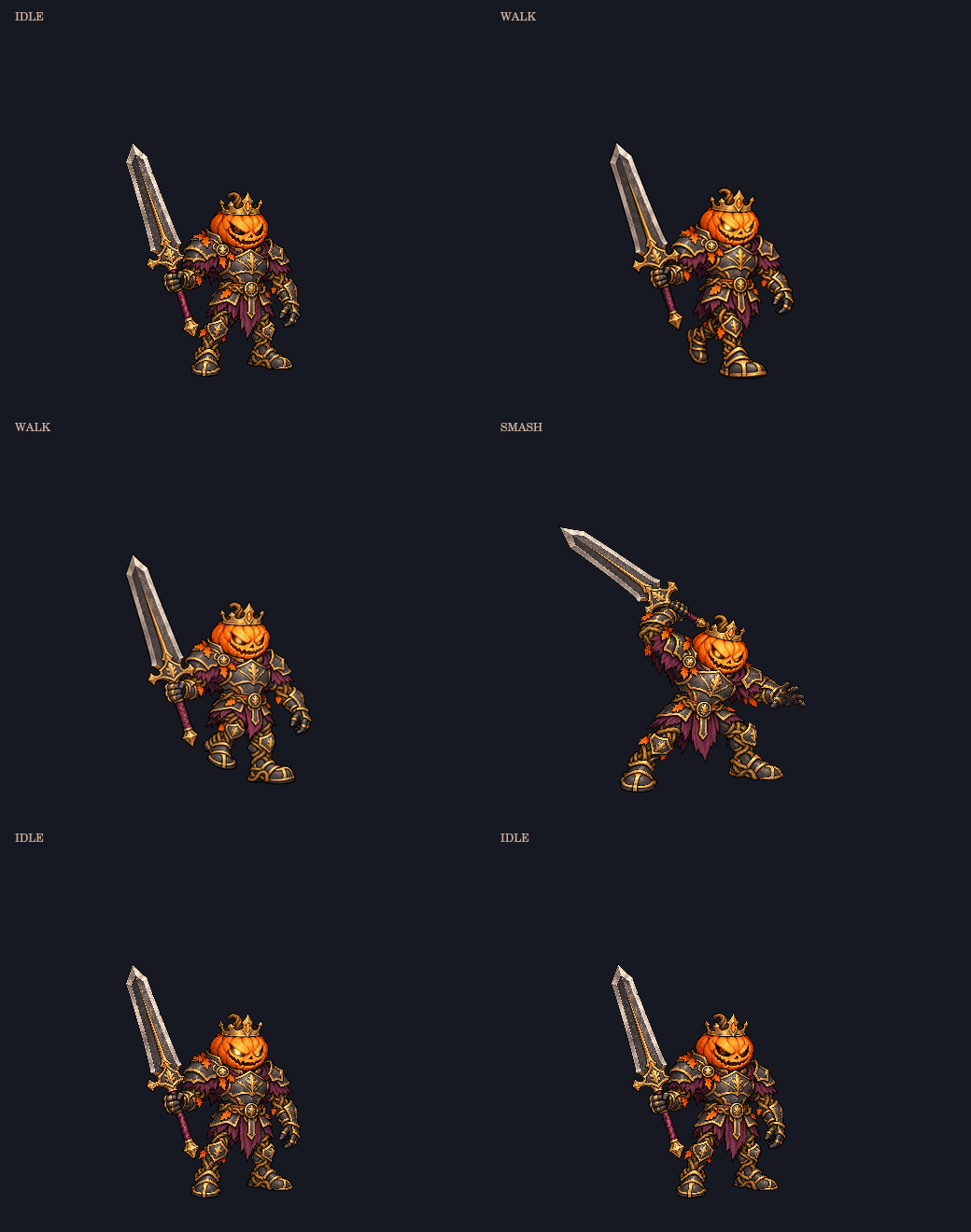
Pumpkin_King_Early_Animation
-
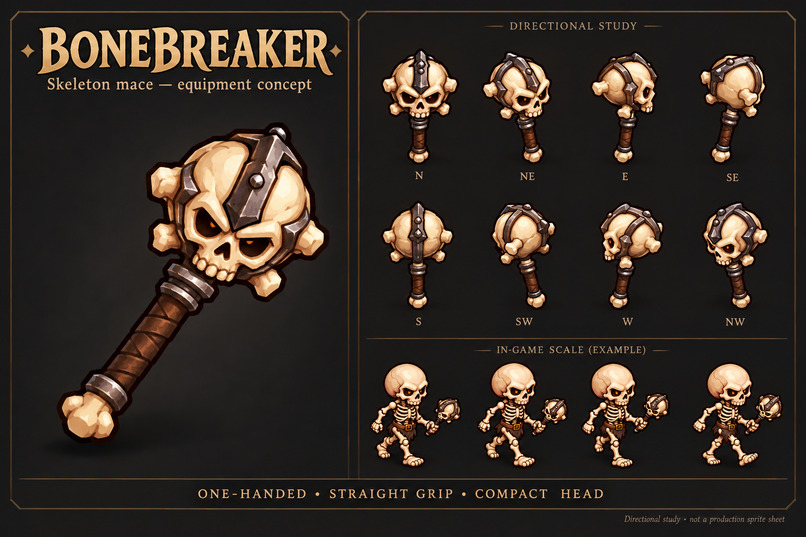
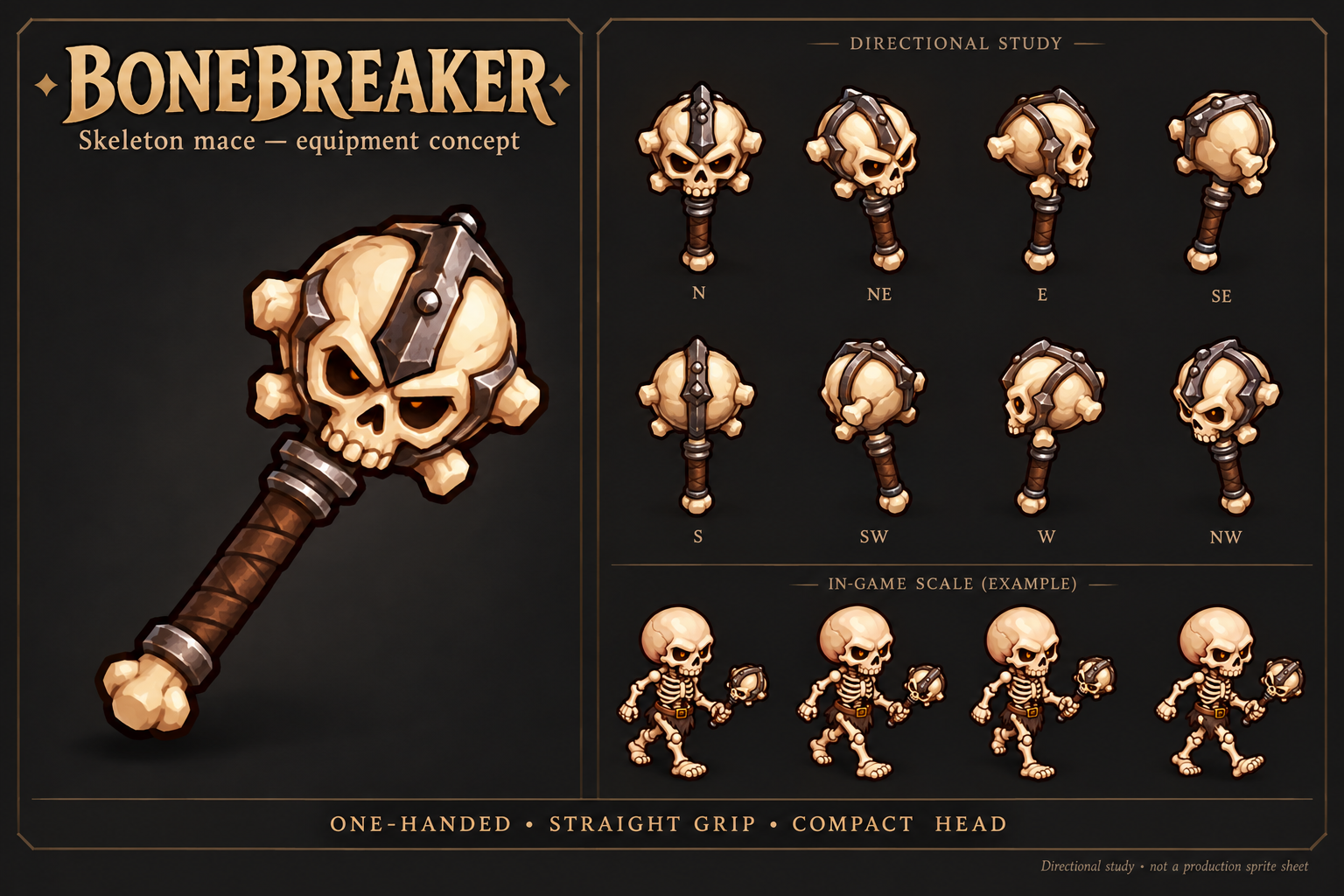
Bonebreaker_reward
-
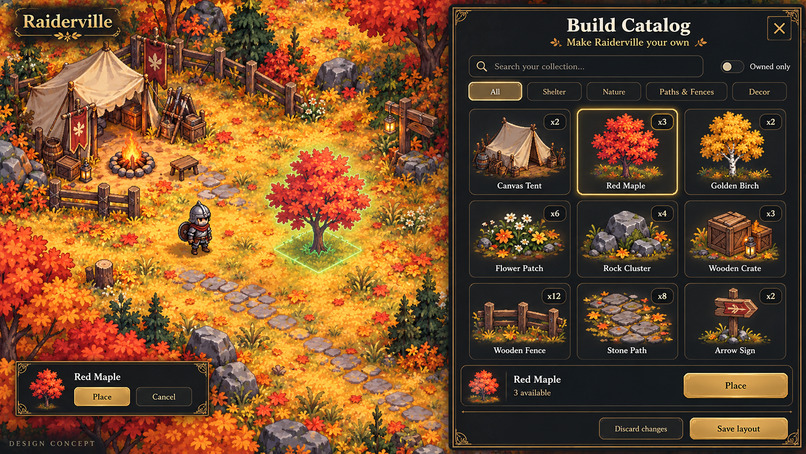
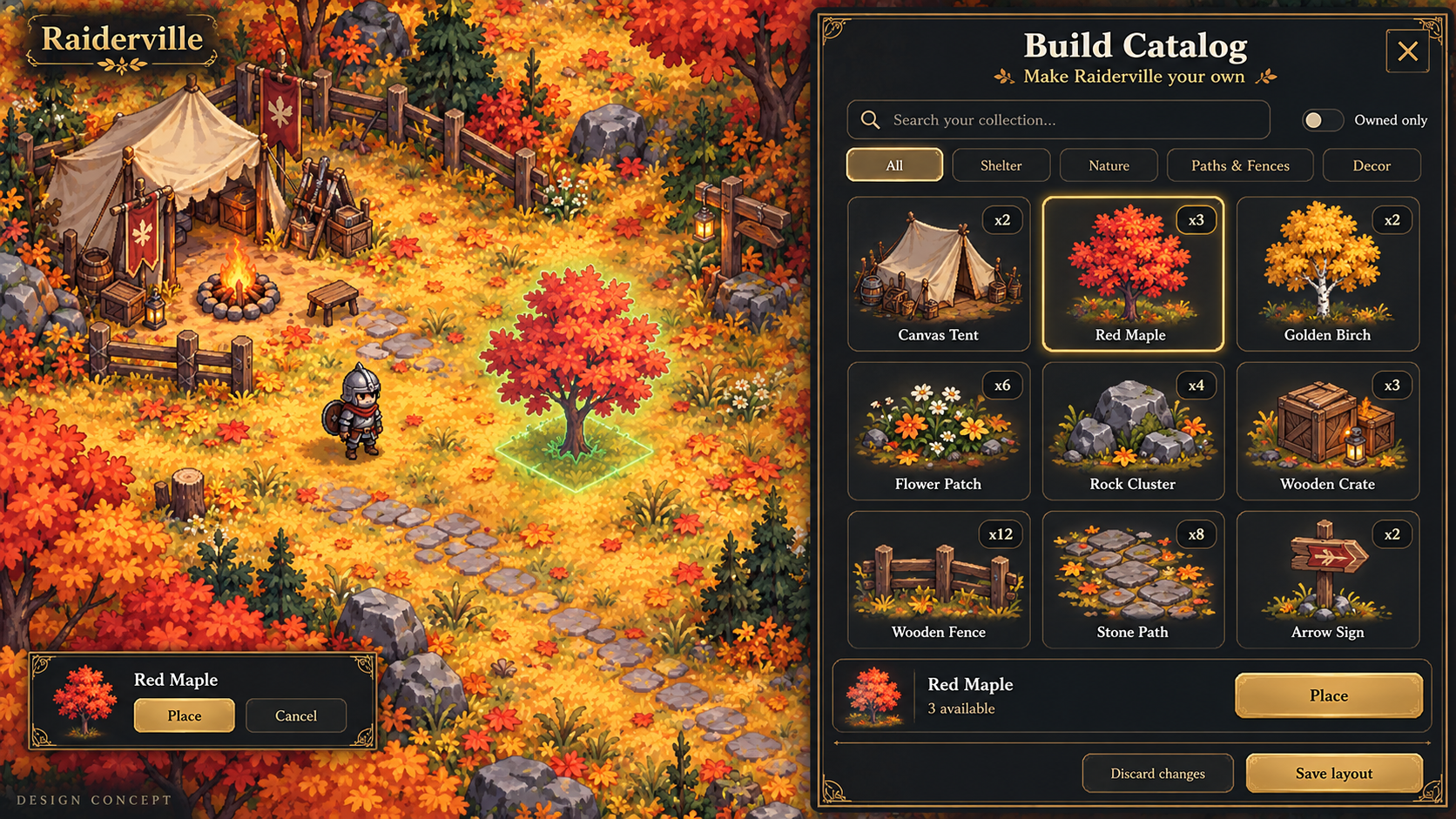
Build_Mode_Concept_Art
-
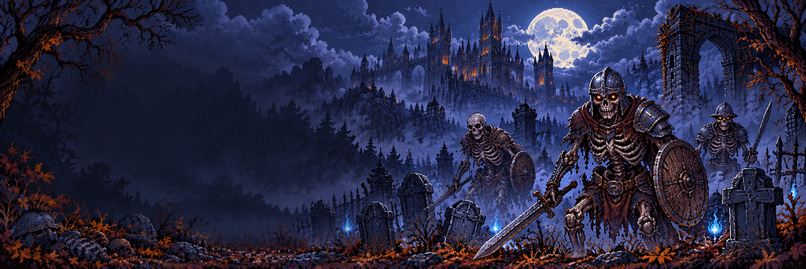
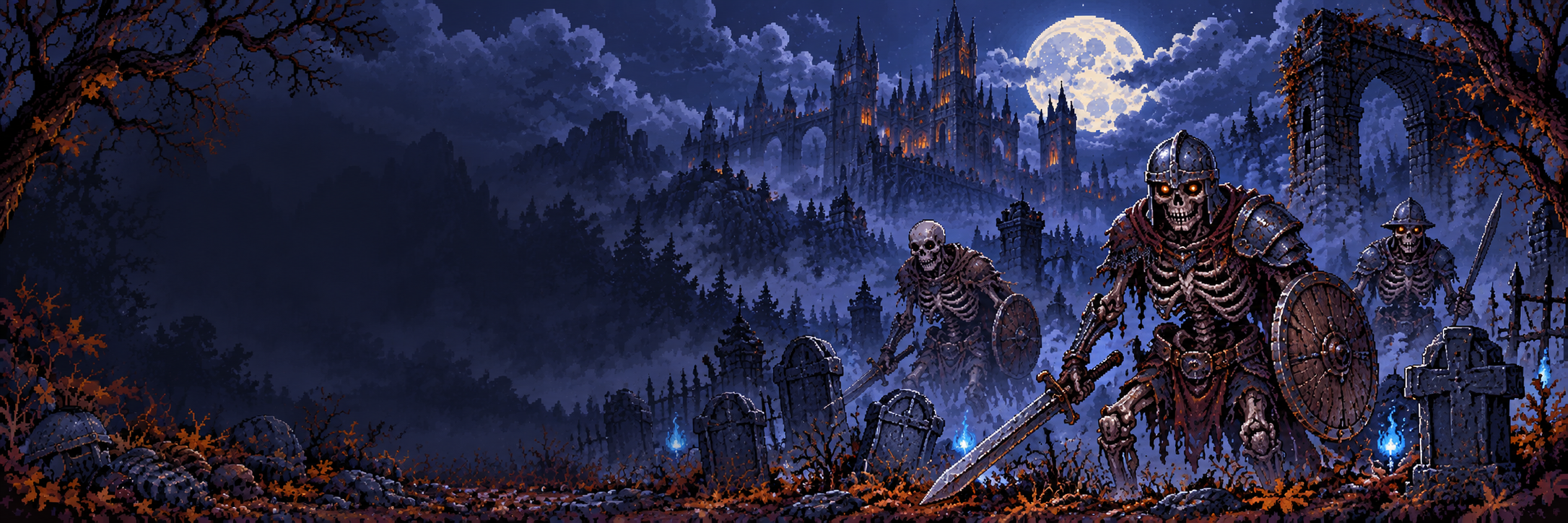
Skeleton_Encounter_Card
-
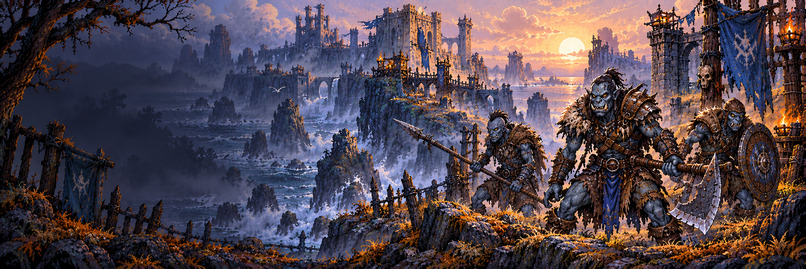
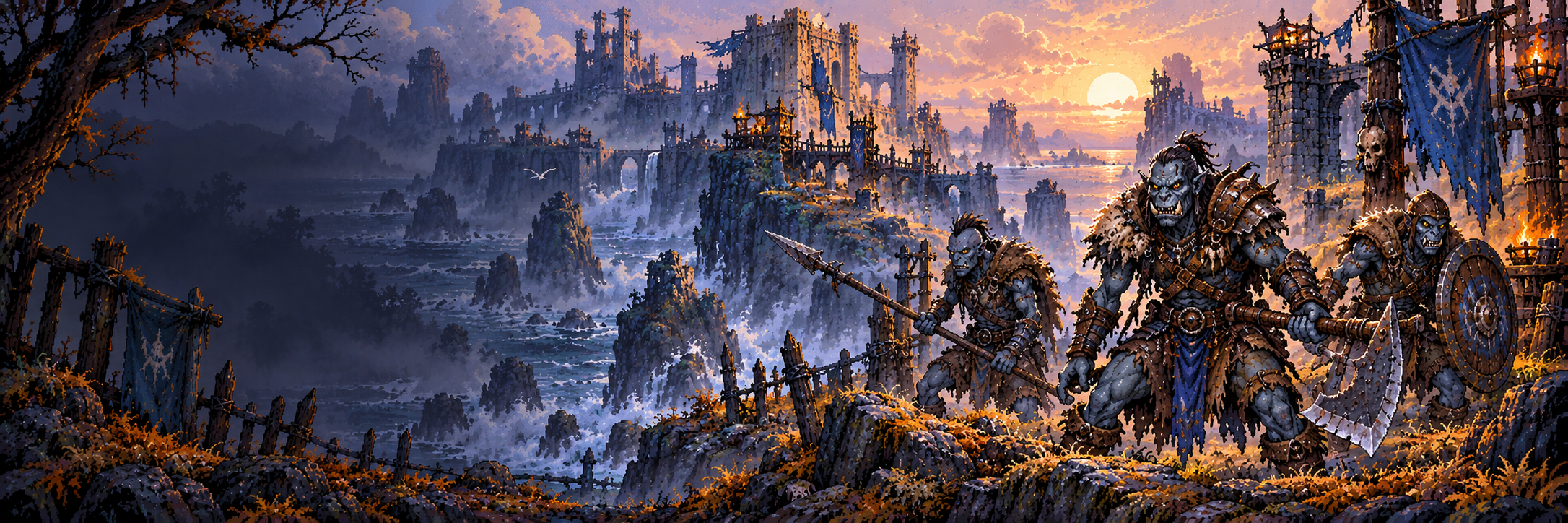
Orc_Encounter_Card
-
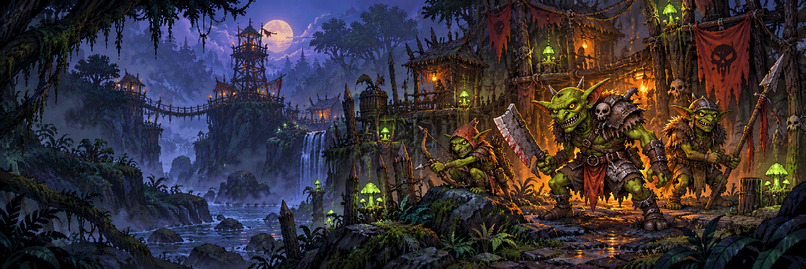
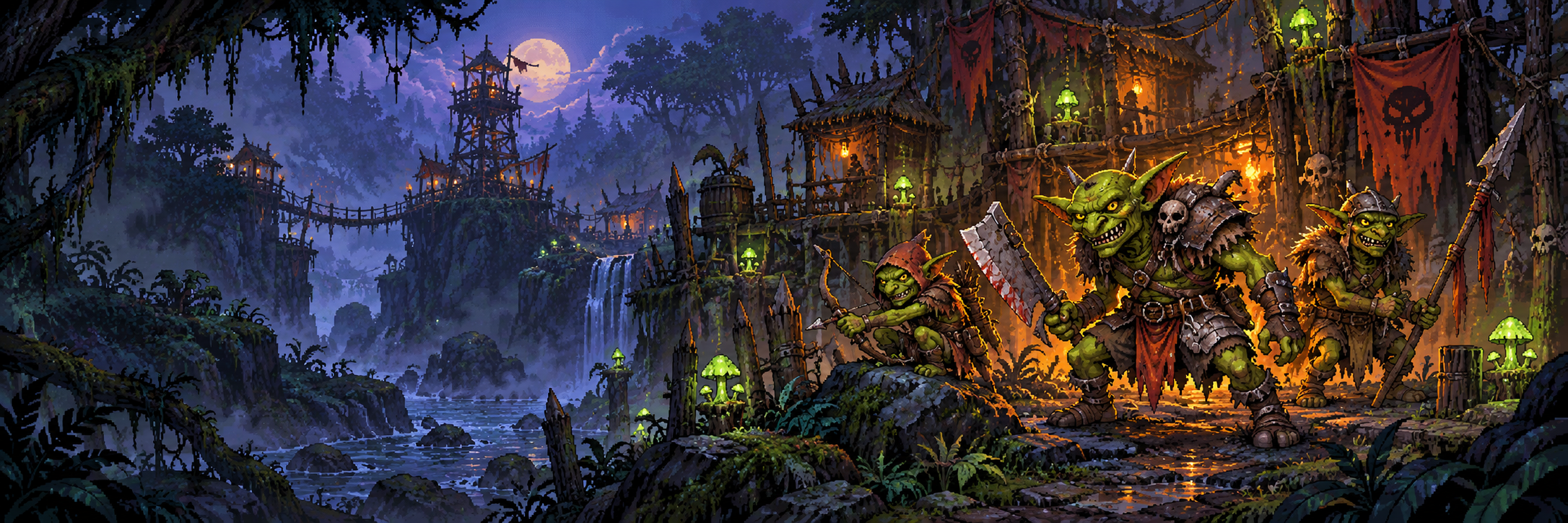
Goblin_Encounter_Card
-
Raid_Party_Logo
-
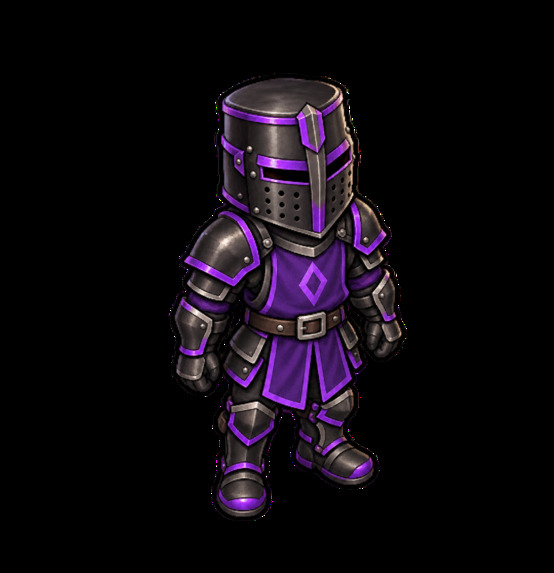
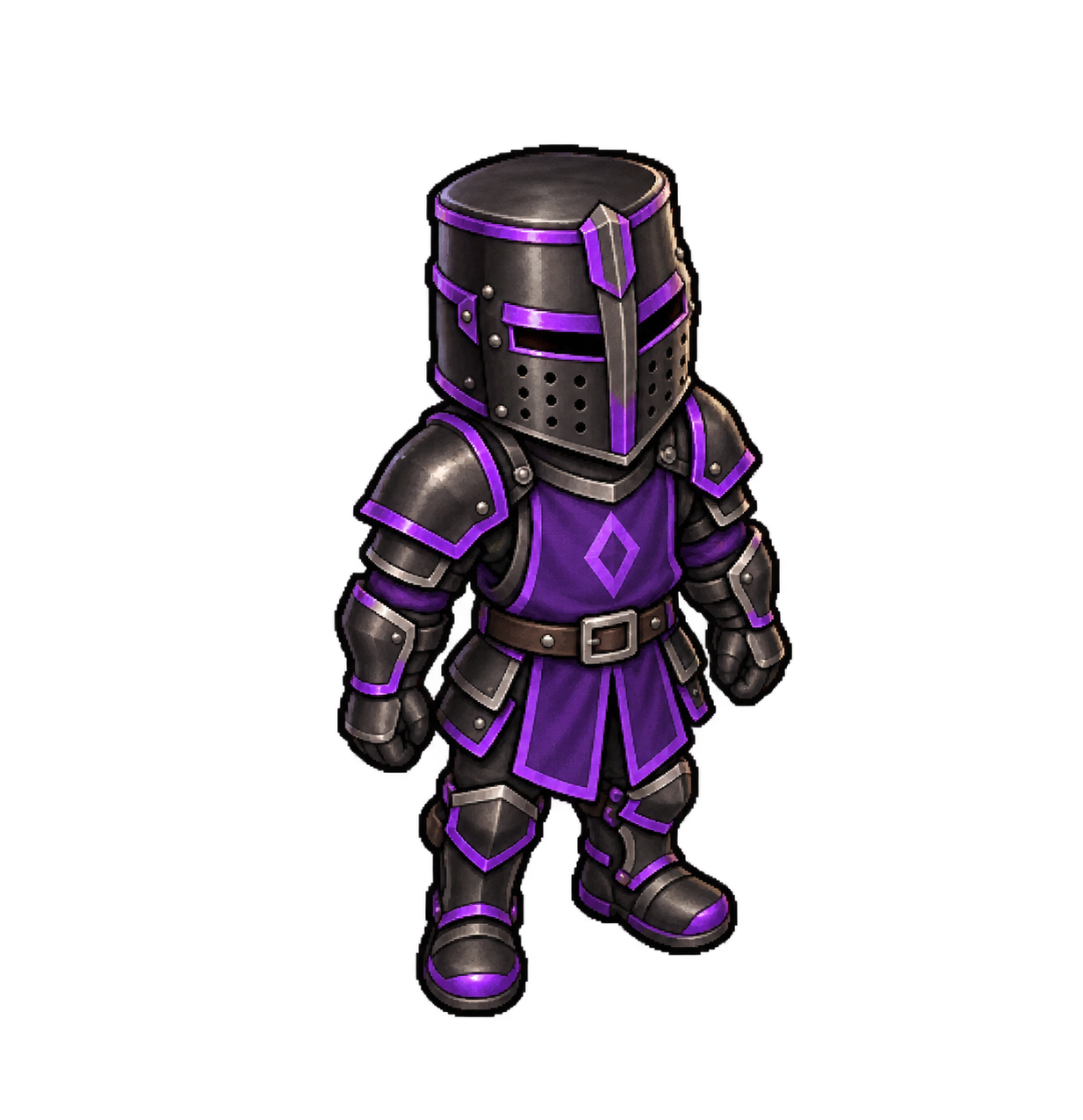
Purple_Crusader
-
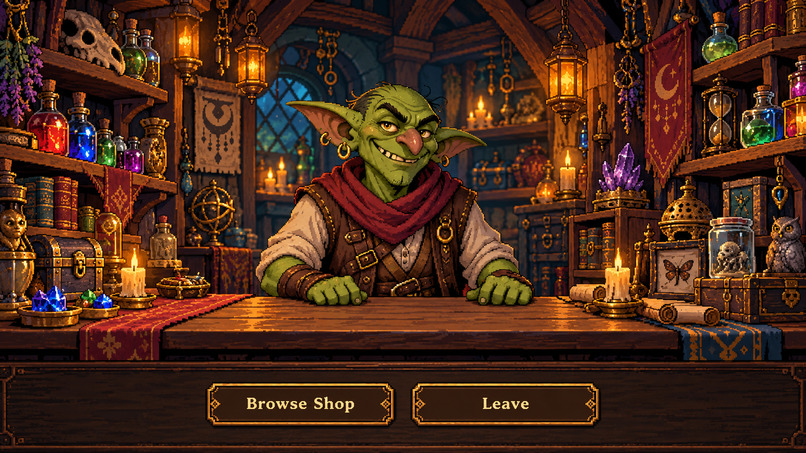
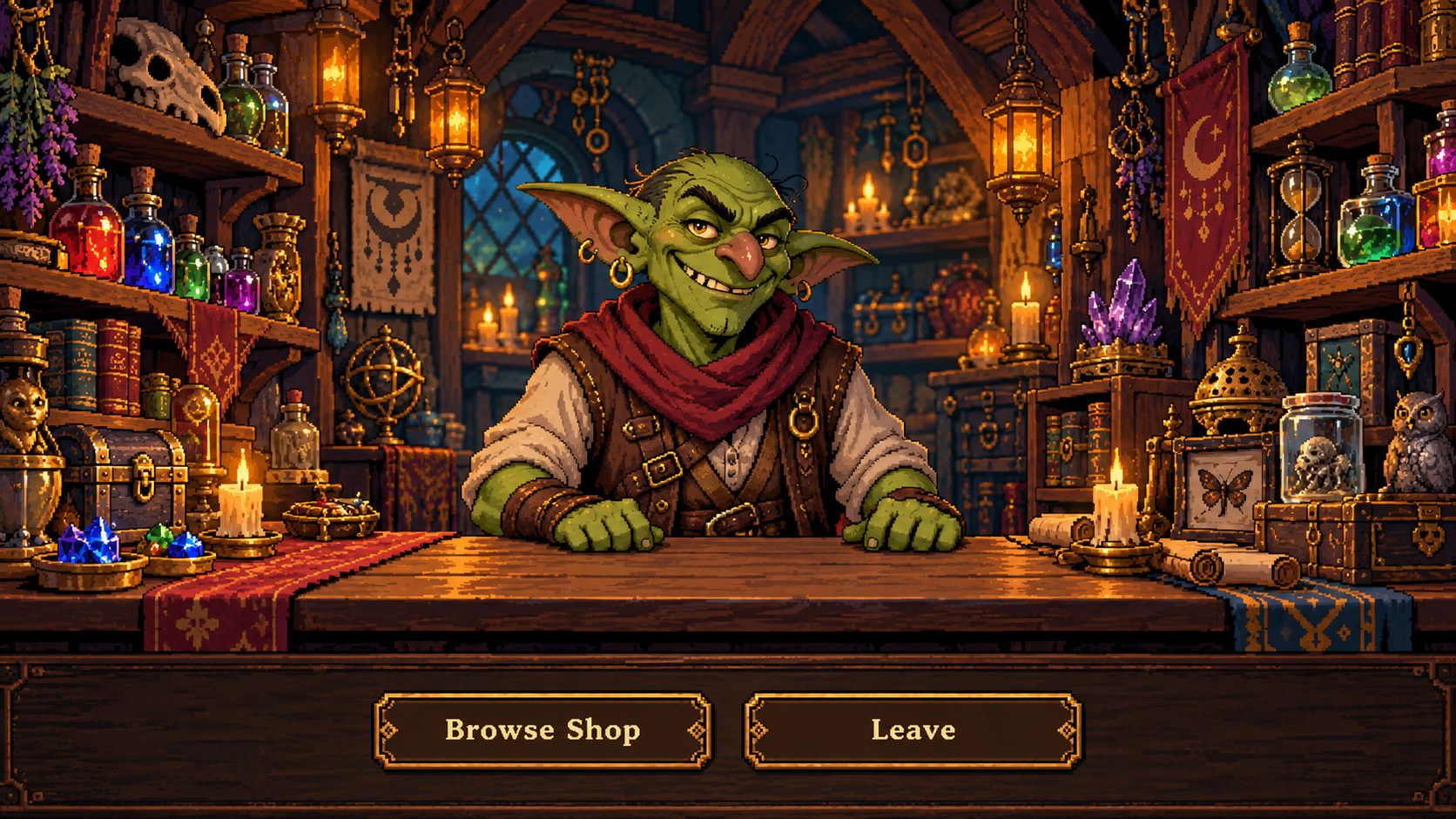
Early_Shop_Concept
-
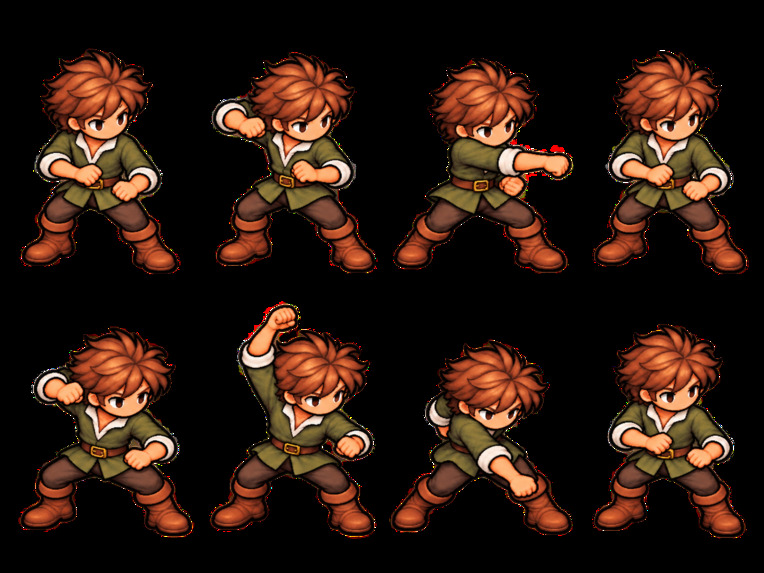
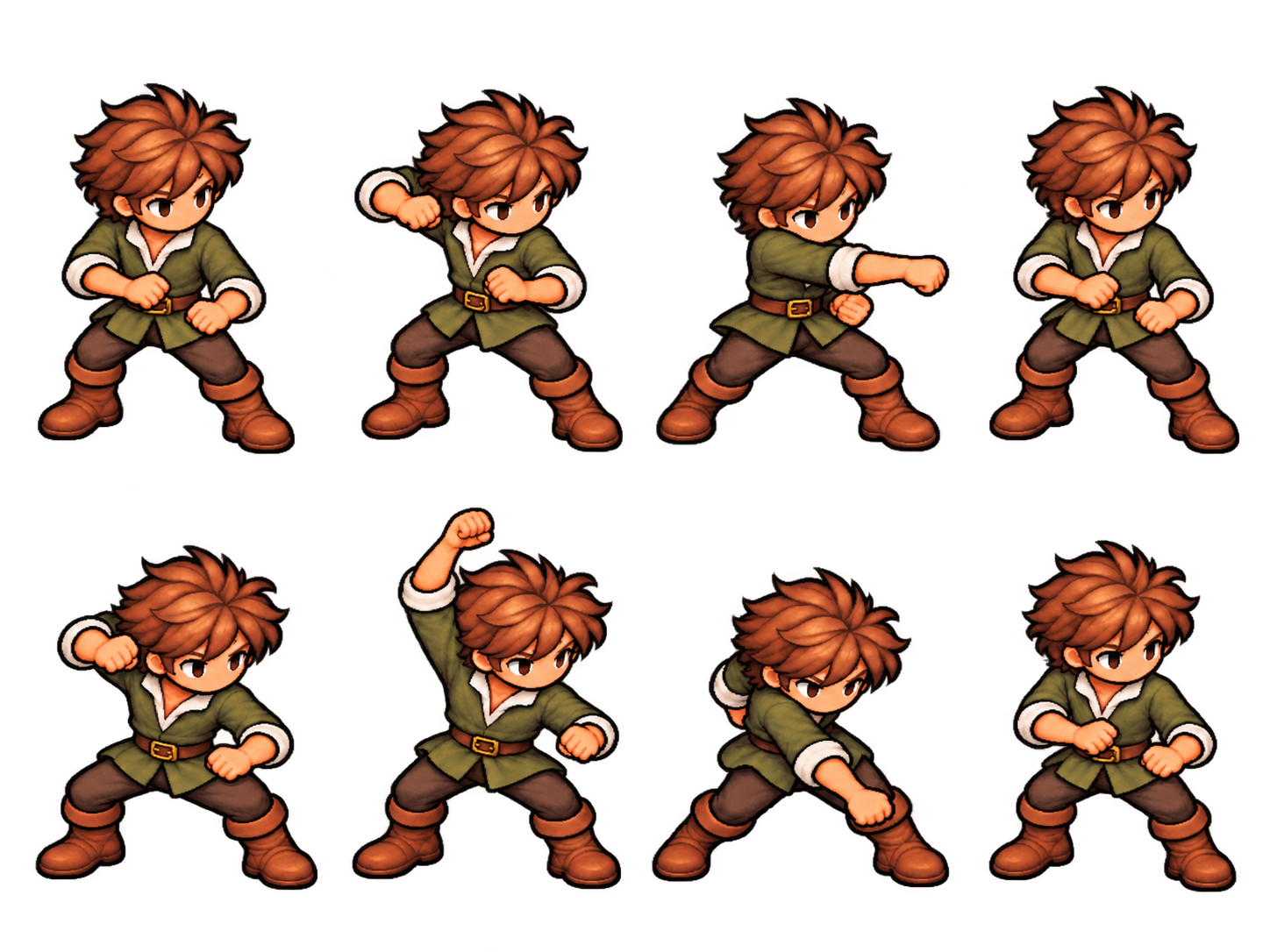
Character_Animation_Sheets
-
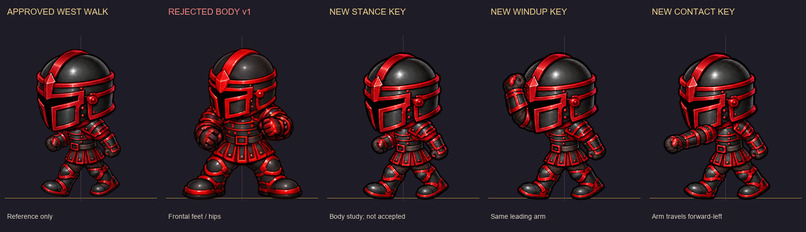
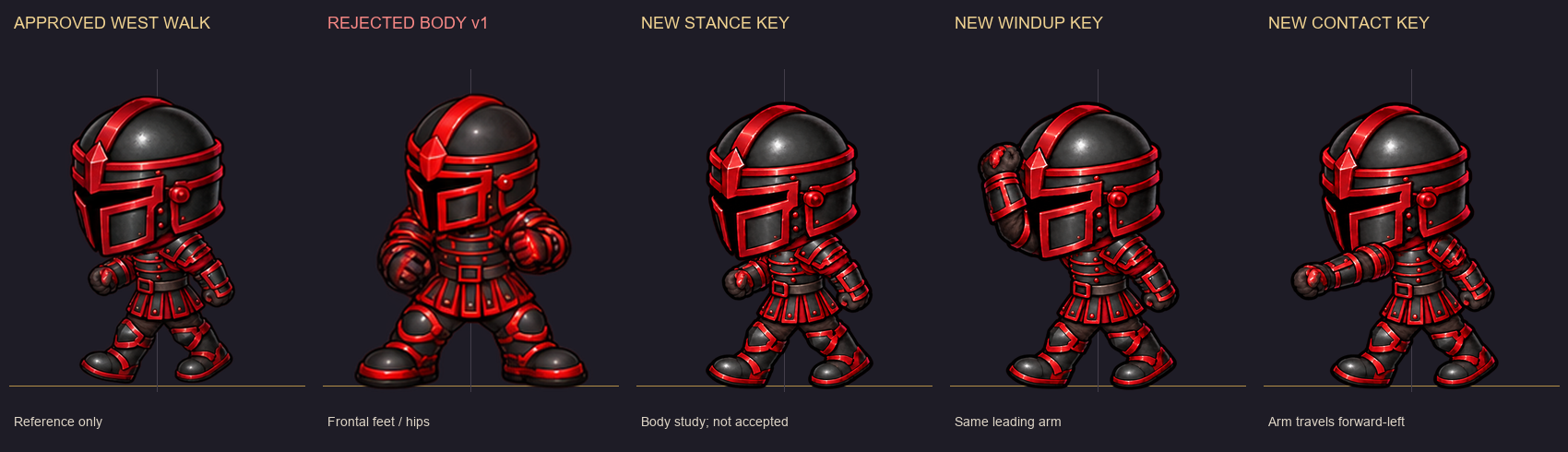
Red_Raider_Animation_Validation
-
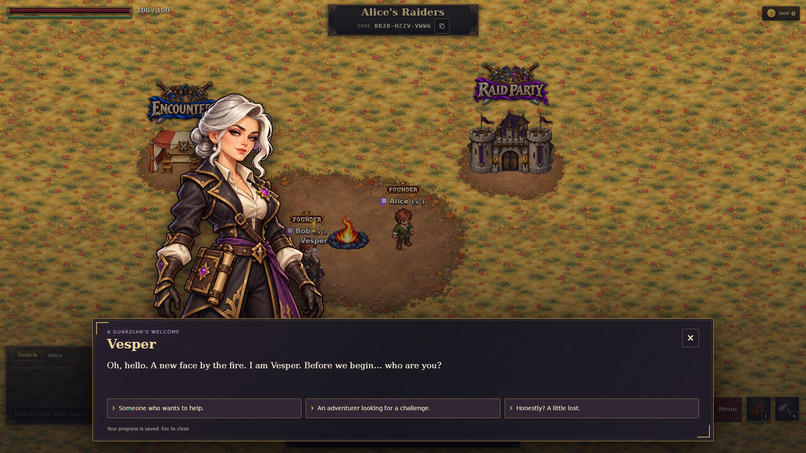
Vesper_Quest
-
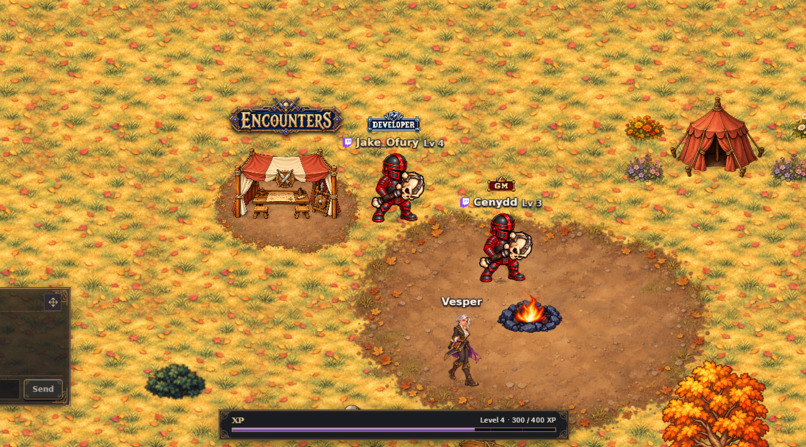
Multiplayer_Rooms
Inspiration
Every gamer always dreams of how they'd change their favorite game. Add to it, take it away, change that color or that direction, some take up modding. After coming across this hackathon on X, our team of 3 decided we would take this opportunity to create our own game that integrated directly with Twitch. A game that has meaningful systems to keep you coming back without toxic retention mechanics.
What started as a simple, show a cool dude with cool armor on the stream with loot to unlock, became so much more. We want to be the game you pull up at the start or end of stream every time. Run a quick dungeon with viewers, unlock that new seasonal item, or check out the new builder's catalog. Community Raiders gives a space for the community to grow together & achieve community milestones where every viewer gets to have meaningful contribution.
What it does
Community Raiders is a browser-based, Twitch-integrated MMORPG that transforms streaming communities into living, interactive worlds.
Players connect their Twitch accounts, create characters, and become adventurers who can participate in activities alongside their favorite streamers and fellow viewers.
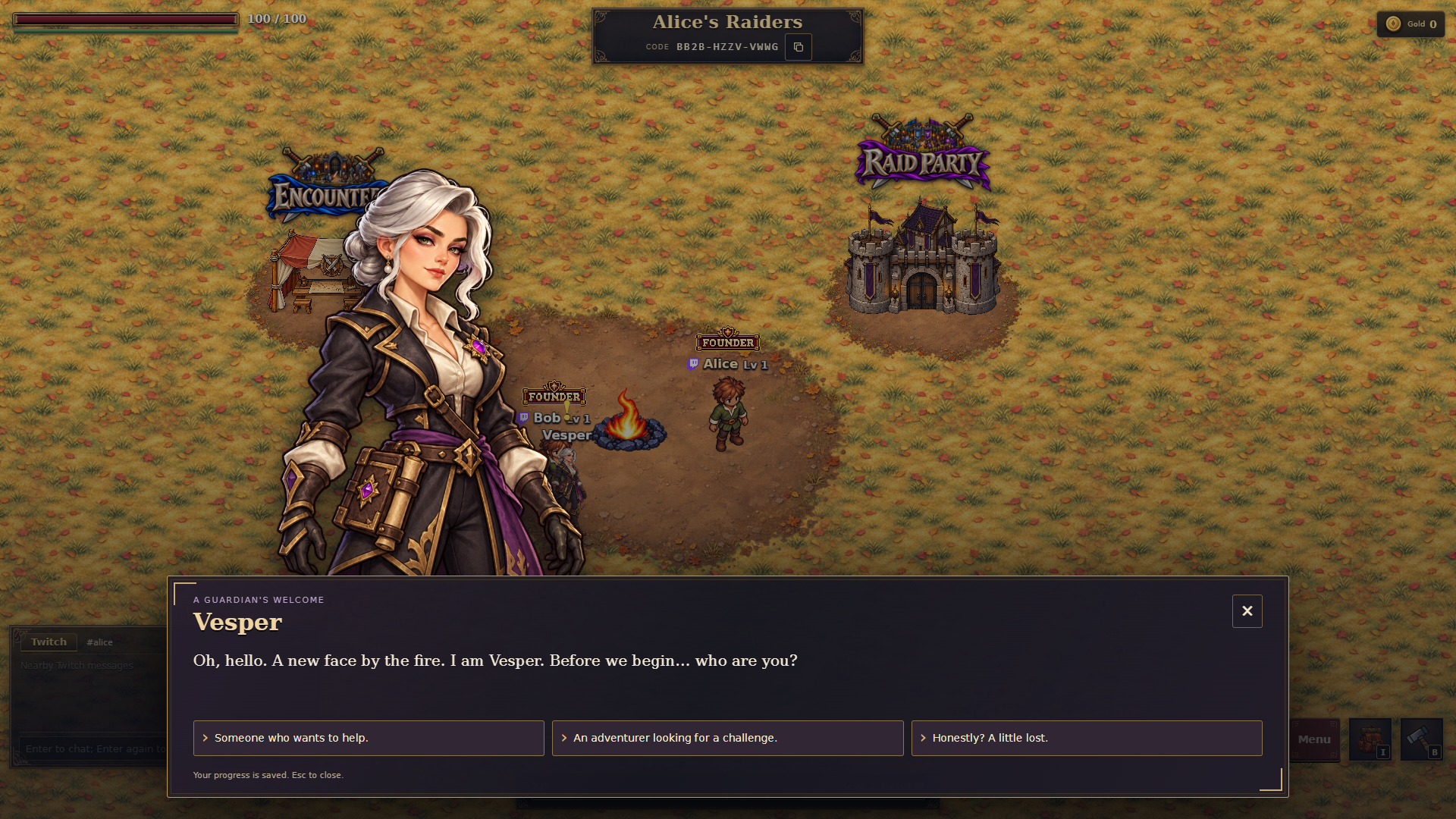
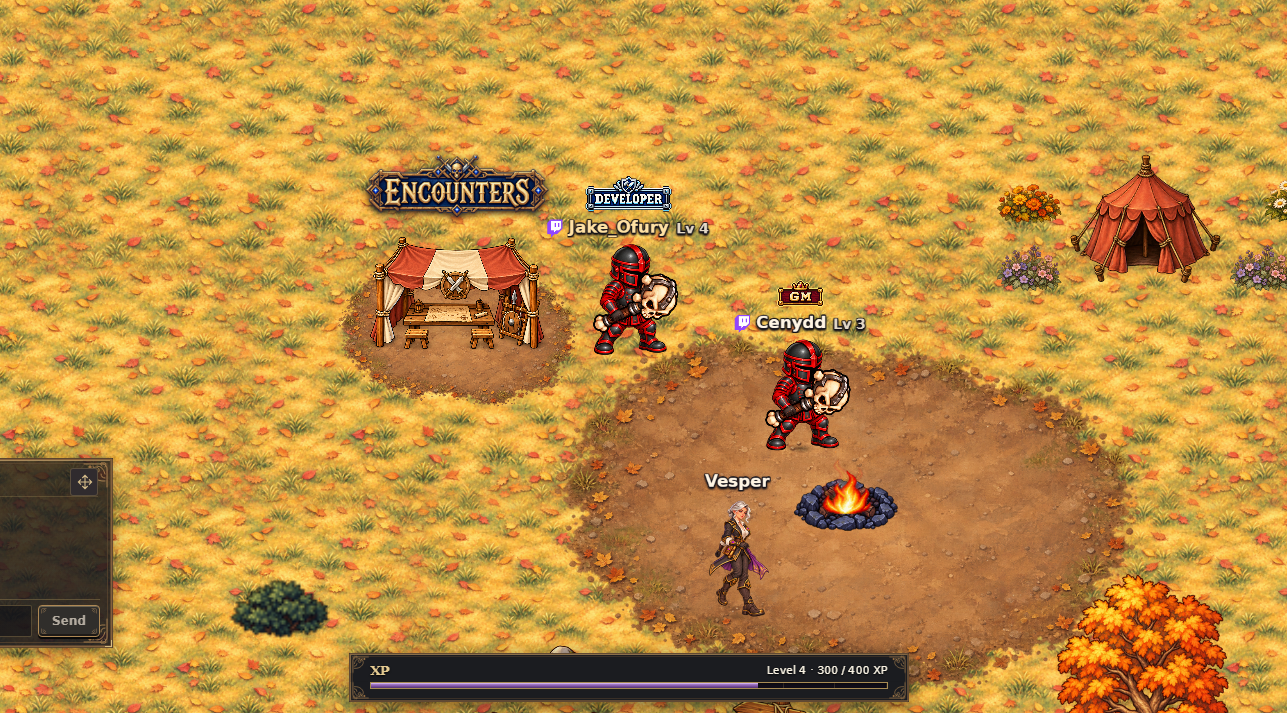
At the center of the experience is Raiderville, a shared community settlement where players can gather, socialize, customize their characters, and prepare for adventures.
Our game systems include:
🏰 Raiderville: Interactive multiplayer community spaces where adventurers gather and explore.
⚔️ Encounters: Cooperative battles against enemies such as skeletons, goblins, and orcs.
🛡️ Player-Controlled Combat: Directional sword attacks, timed three-hit combinations, stamina management, and enemy encounters.
💜 Raid Party: A community-versus-community PvP system designed around Twitch Raids, turning a familiar streaming tradition into an actual battle.
🎃 Dungeons: Cooperative adventures featuring powerful enemies and bosses, including the Pumpkin King.
🎒 Character Progression: Character customization, equipment, inventory, experience, and rewards.
💬 Twitch Integration: Connecting streamer communities, player identities, and social interactions to the game world.
Our long-term vision is an MMORPG that grows alongside its communities, where streamers and viewers aren't separated by the screen. They're adventurers in the same world.
How we built it
Community Raiders was developed as a browser-based multiplayer game, combining traditional web technologies with real-time gameplay systems, Twitch integration, custom artwork systems, and an AI-assisted development workflow.
We approached development as a collection of interconnected systems rather than a single monolithic game.
Twitch Integration
We integrated Twitch authentication to connect players with their streaming identities and laid the groundwork for community-specific game experiences. We wanted the experience to matter to viewers no matter how much they wanted to dive in. !join gets you in the party, you can edit your character & loadouts from the panel extension or you can hop in live with your favorite creator and take on challenging encounters & community challenges.
Our design incorporates Twitch's existing social mechanics, particularly Raids, into multiplayer interactions. The chat is seamlessly shared, if you message in game it will show up on twitch. If you message on Twitch, it will show up in game.
Multiplayer & Gameplay
We developed Raiderville as an interactive multiplayer environment, with character movement, player interactions, and transitions into combat encounters.
The combat system introduces directional attacks, animation timing, three-hit sword combinations, health, stamina, and enemy behavior.
Art & Animation
We created a custom fantasy pixel-art direction with detailed environments, characters, enemies, equipment, and interface elements.
Our animation work includes eight-directional character movement, combat animations, enemy movement, and equipment layering. We had to create strict standards for AI-output images to make sure that the 100s of frame images would go together nicely. We ran into one of our most difficult problems after creating a character creation & image generation workflow. After we generated around 400/600 images the images were flagged for violence in some sword fighting directions. We have to rebuild our character system to keep the equipped items outside of character art, which actually allowed us to implement other weapons much easier. It was such an interesting experience being able to pivot & demo so many different systems/flows in such a short time with Codex.
Development Workflow
We used an agent-assisted development process to divide work across gameplay, frontend systems, visual design, documentation, and testing.
A shared task-management system helped coordinate development, track revisions, and review contributions throughout the hackathon. The system allows all 3 team members & their Codex Dots access to context involved in each piece of the puzzle. This approach allowed us to work on multiple interconnected systems while maintaining a consistent creative direction.
Challenges we ran into
Generated Art & Context Trying to keep the consistency in art style across 3 different instances of Codex was difficult. When we first started nothing felt the same and always felt "just a little off" unless it was generated by our main developer's codex. We started to experiment with the task system to share context & the documentation subsite as a way to layout gameplay elements & system architecture. Then created workflows to have the main Codex Dot do a quick review to make sure it fits and return that approval in a timely way.
Accomplishments that we're proud of
We were able to create a fully online shared experience in the span of 9 days. It has gameplay that we found ourselves getting lost in, a way to customize and showcase your accomplishments & it integrates with Twitch in such a fun way.
Being able to create a secure shared space for the codex dot agents to work in was amazing. There were times that we would have a question about a feature that would be working alongside another in work feature but the team member working on it wasn't available. With the task board & setting up our agents to continually check the board, we could assign a Quest to any agent & get the context we needed.
We went from struggling to generate similar art assets on one machine to being able to all 3 generate game assets that looked, pretty good.
What we learned
So much. The Task board was a major "wow" moment for all of us. In the future using codex with something like this setup for a small team feels like such a premium setup. It's like having an always there assistant to help the team move forward regardless of where the human element is at.
What's next for ⚔️ Community Raiders ⚔️
We would love the opportunity to showcase our new game at Twitch Con & learn from others how we could improve it. We plan to take this vision all the way. We're having so much fun fighting skeletons that we can't wait to build more game systems & enemy types. I know I personally, can't wait to start working on some mage elements to the game & creating unique boss fights.
We themed a lot of what we created during this event for Halloween. We can't wait to start working on our Christmas theme. (The team has been tossing the idea of an interesting Krampus Boss Battle)
Built With
- coolify
- javascript
- phaser.js
- python


