-
-
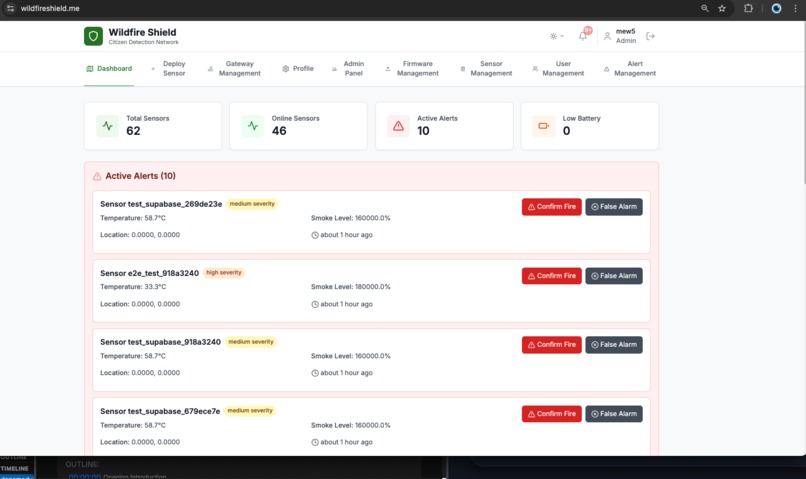
wildfireshield-bridge-alerts
-
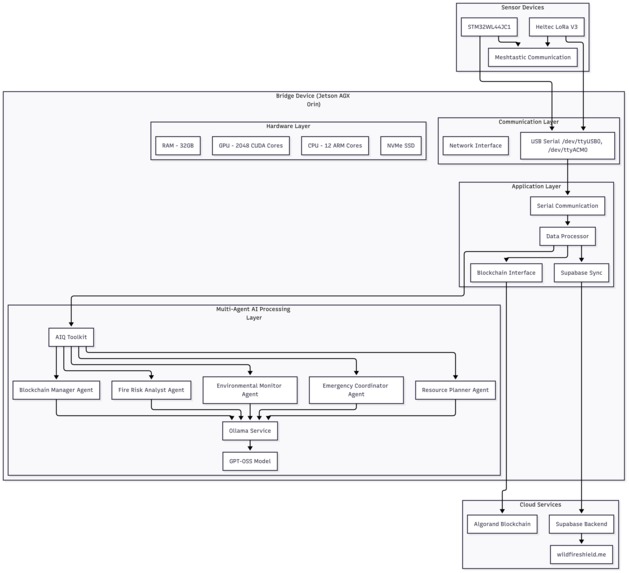
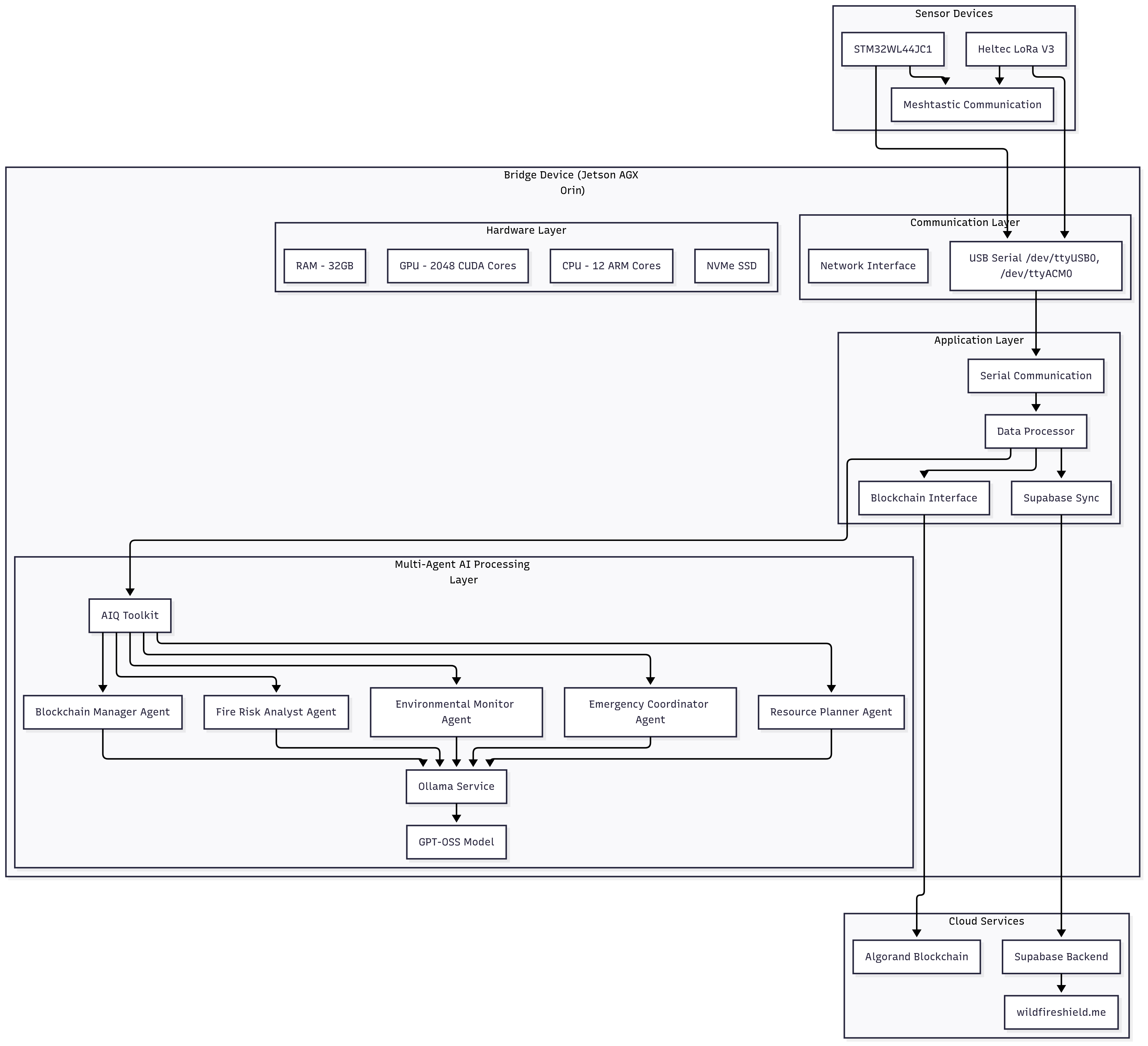
system block diagram
-
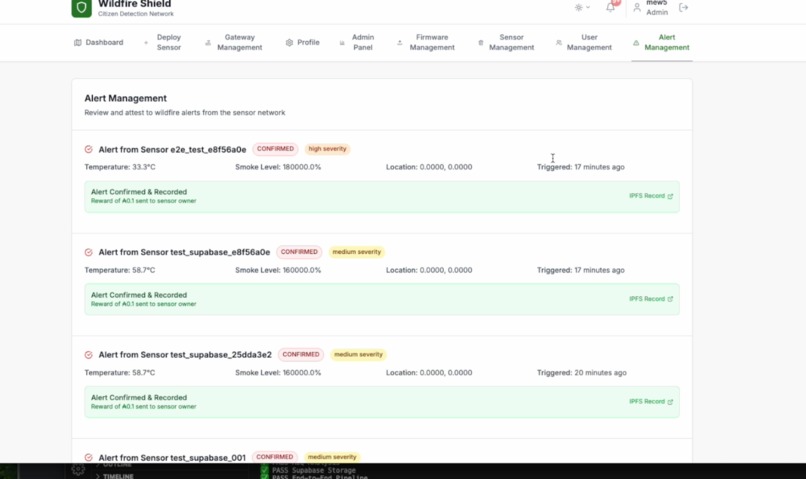
Blockchain transaction record demo
-
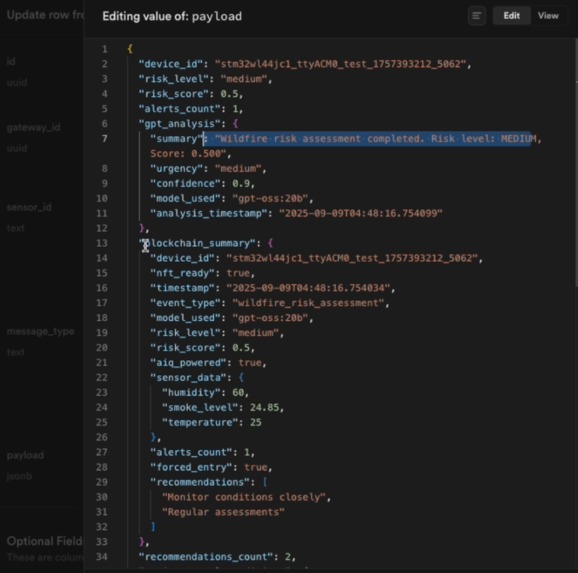
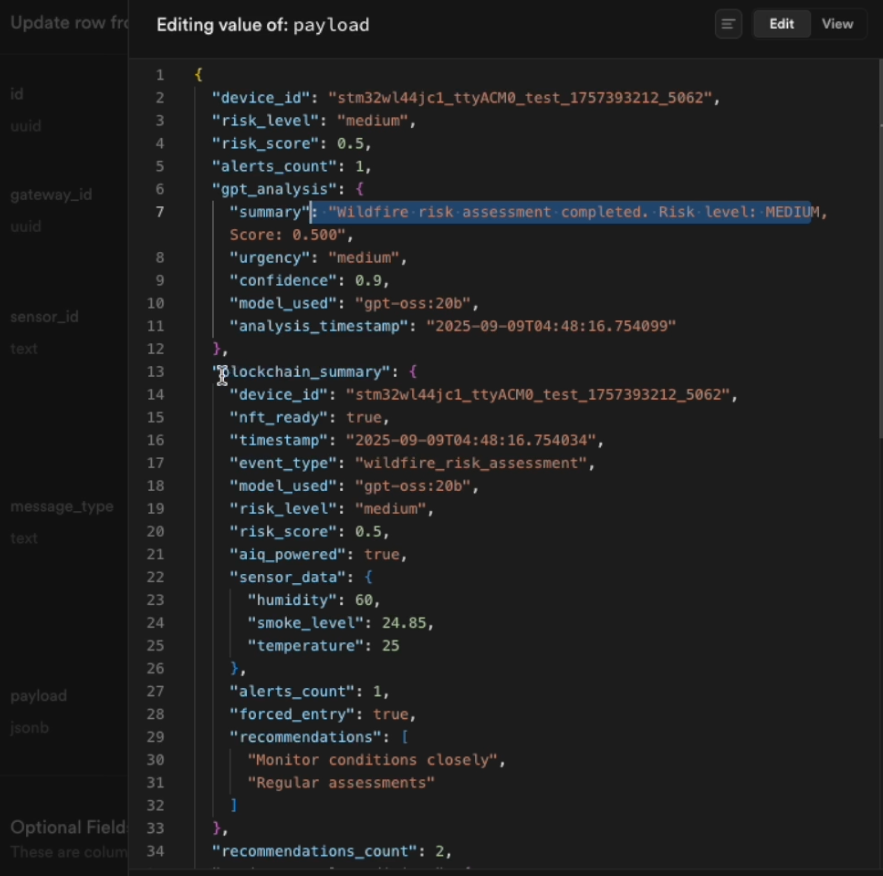
Supabase backend recording LLM generated summary for blockchain
-
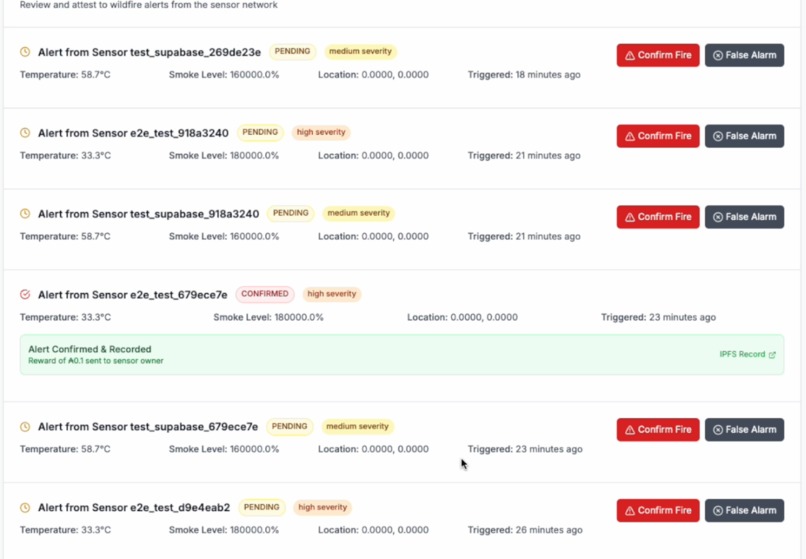
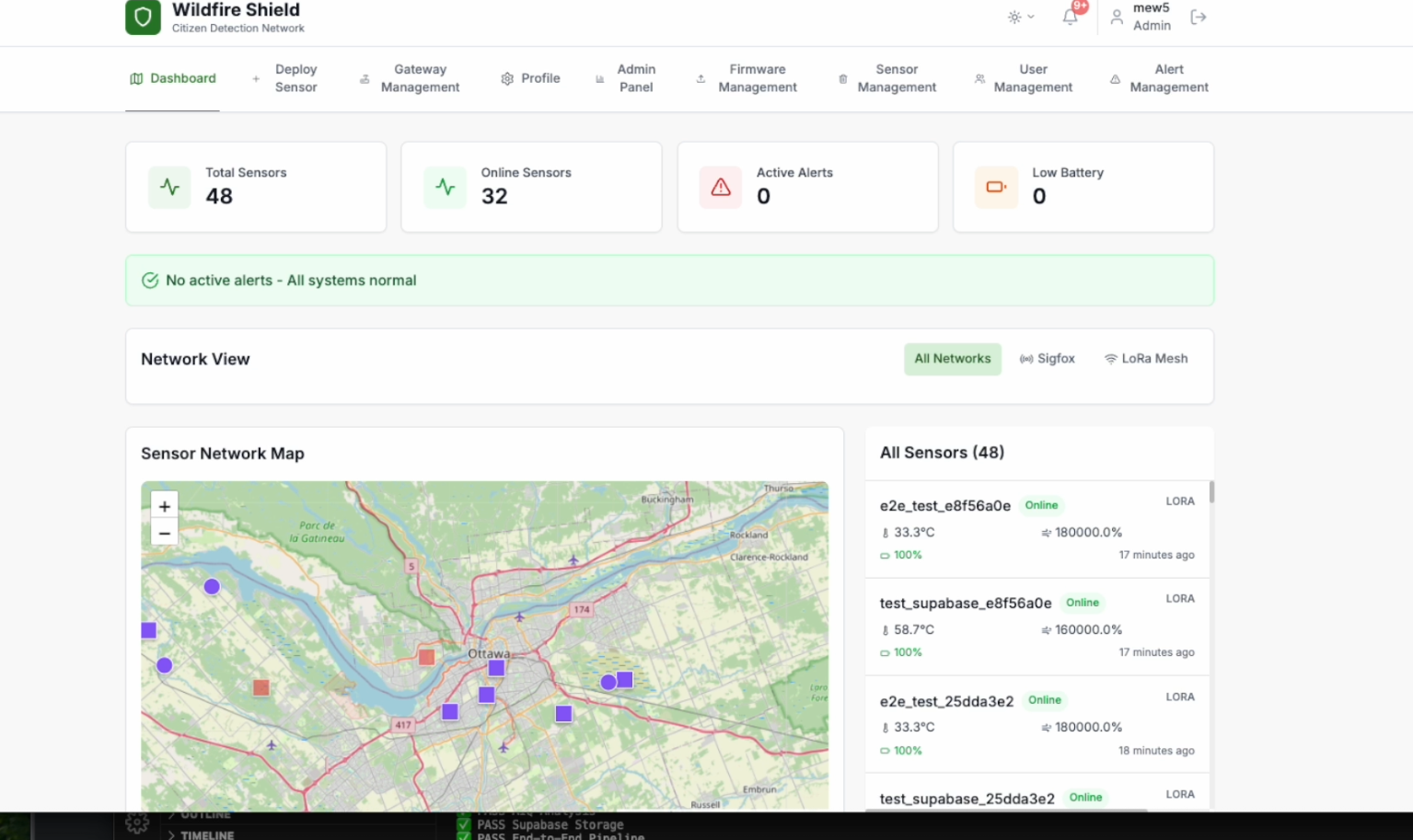
Dashboard real time sensor records
-
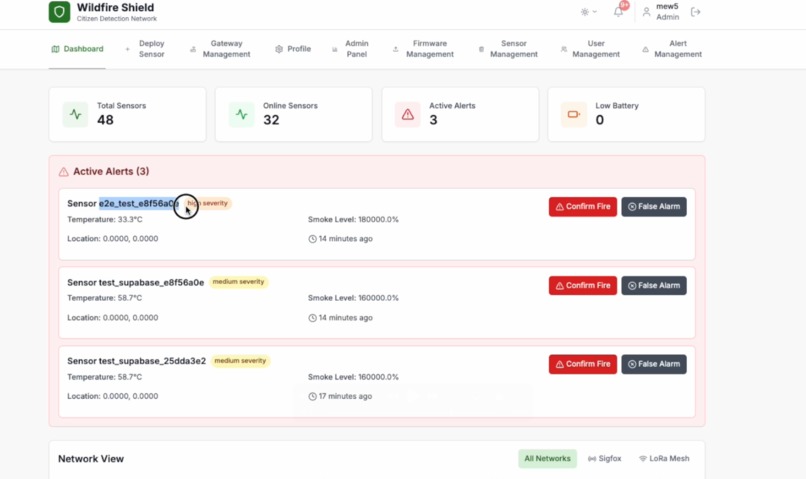
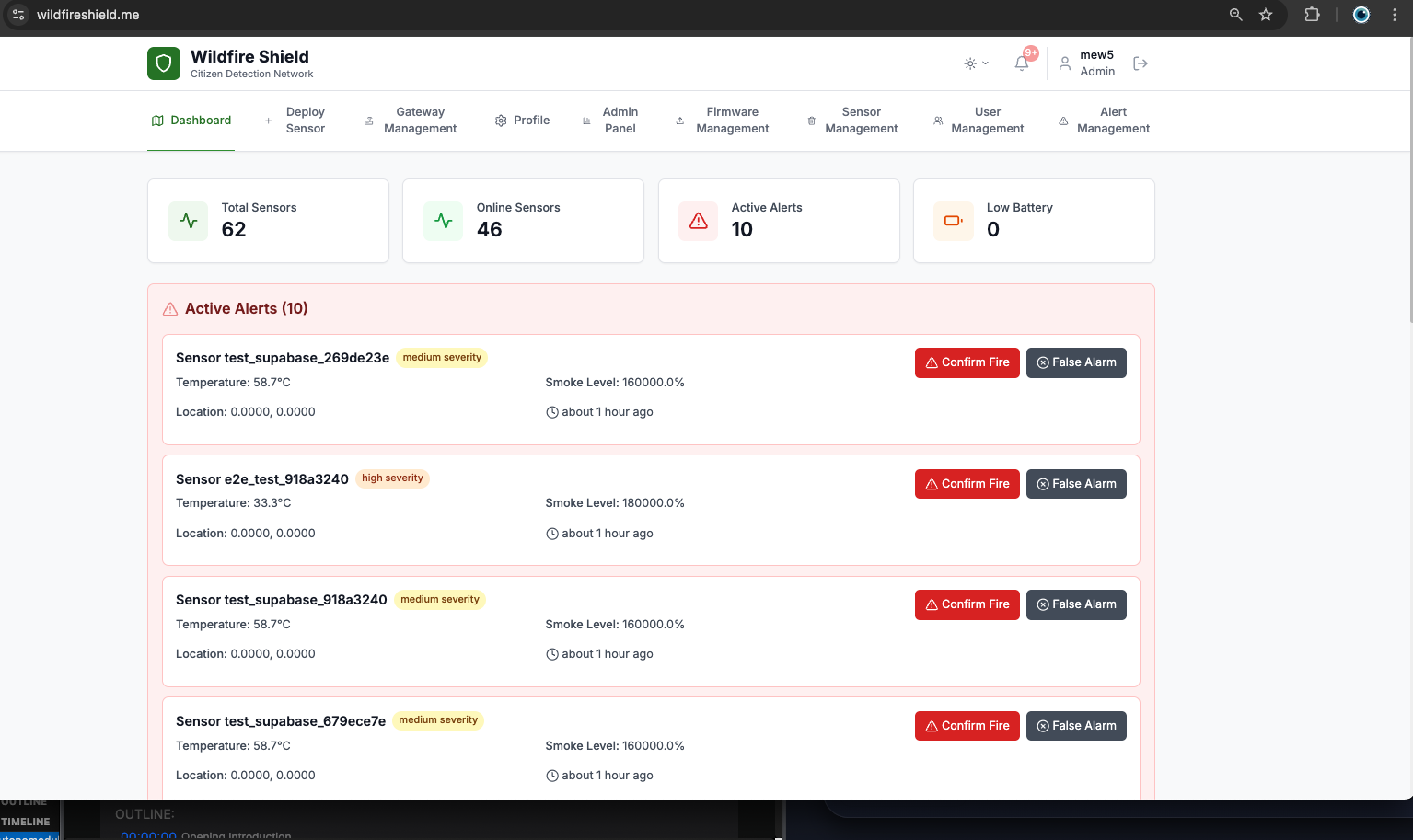
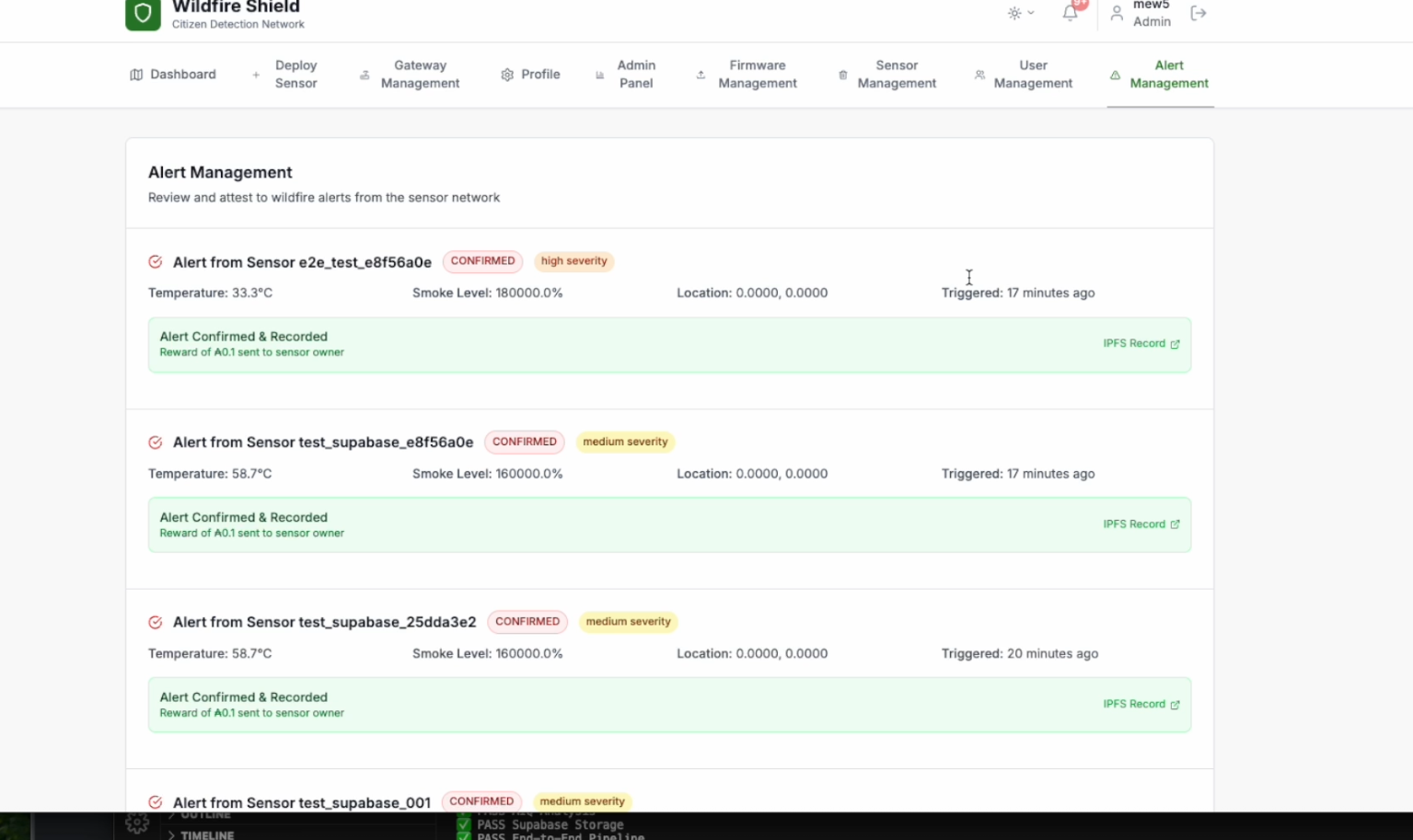
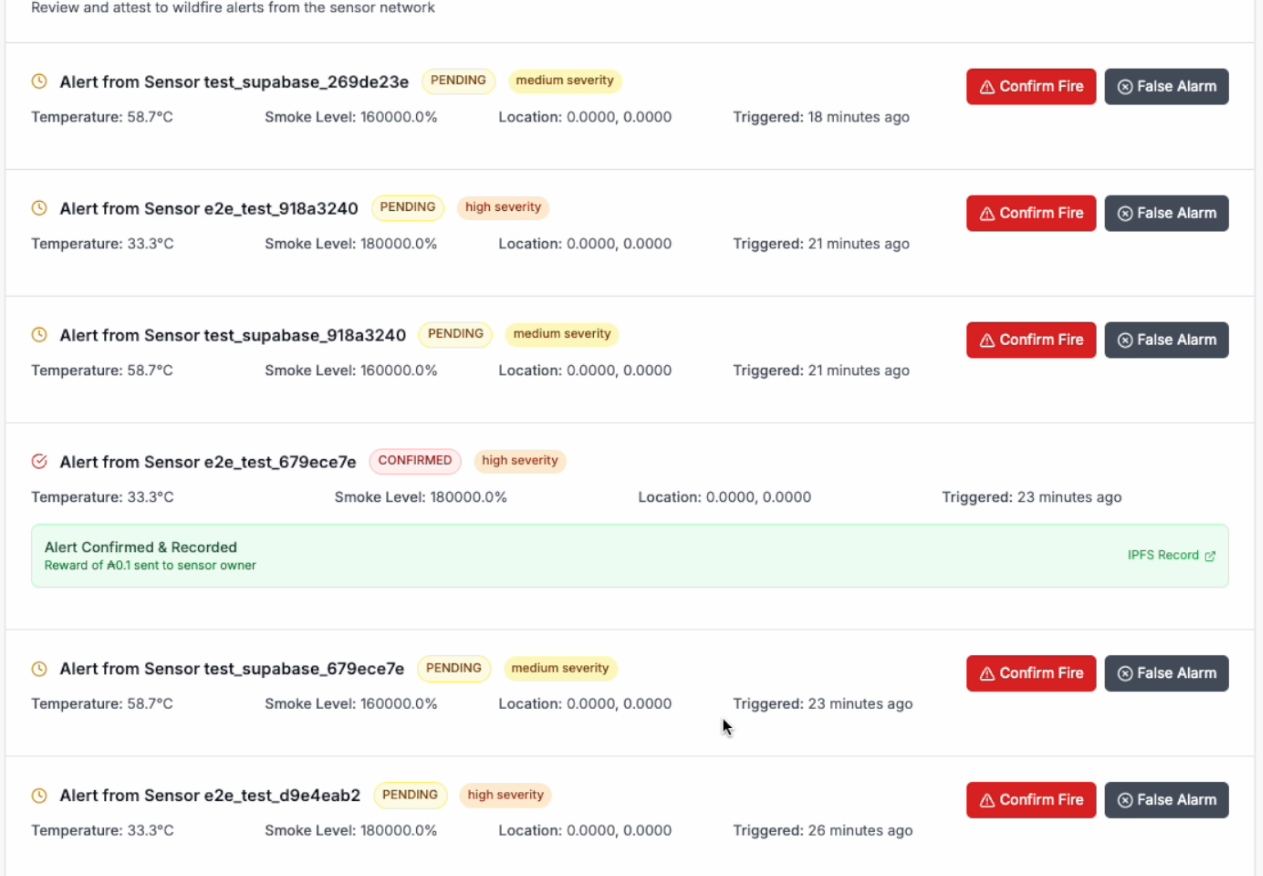
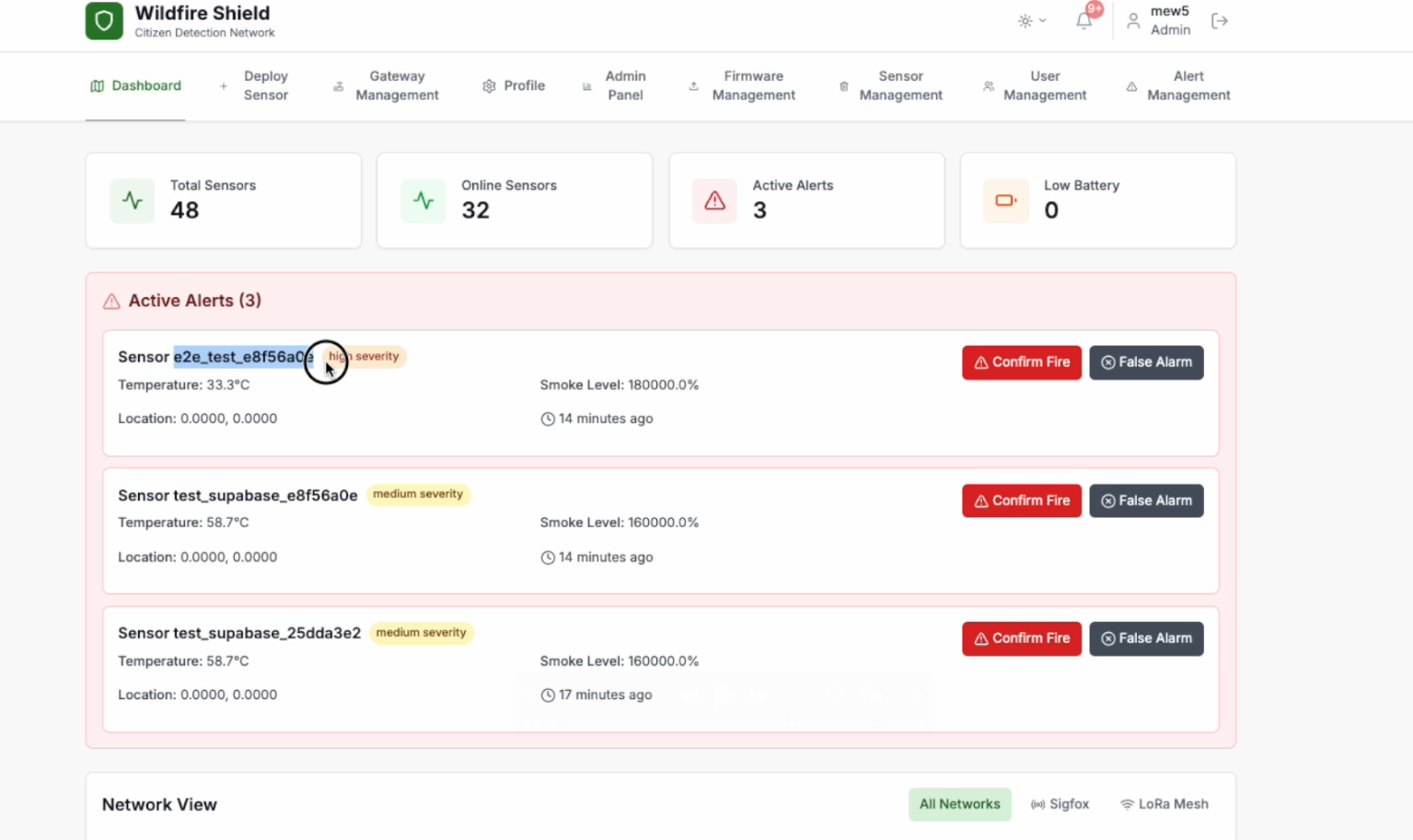
real time alerts generated by wireless sensors
-
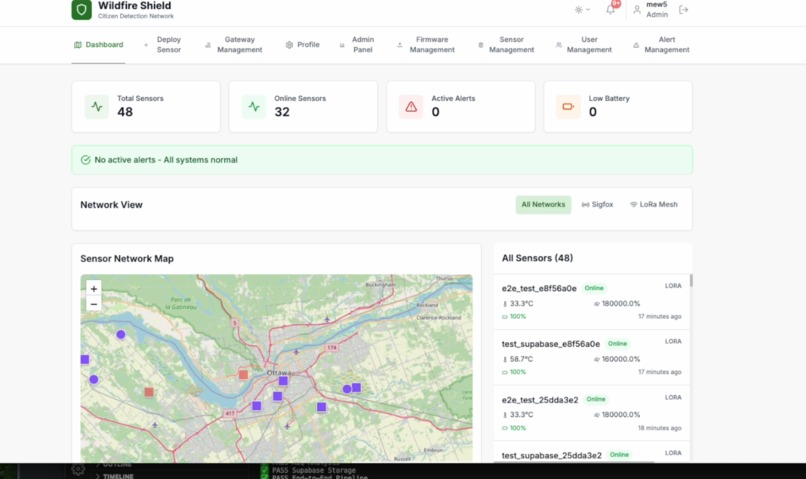
Real time map of simulated IoT sensors across a geographic location
-
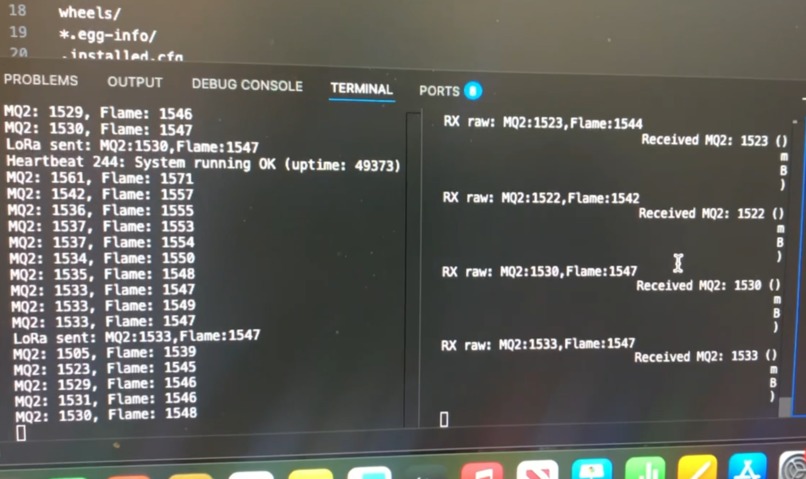
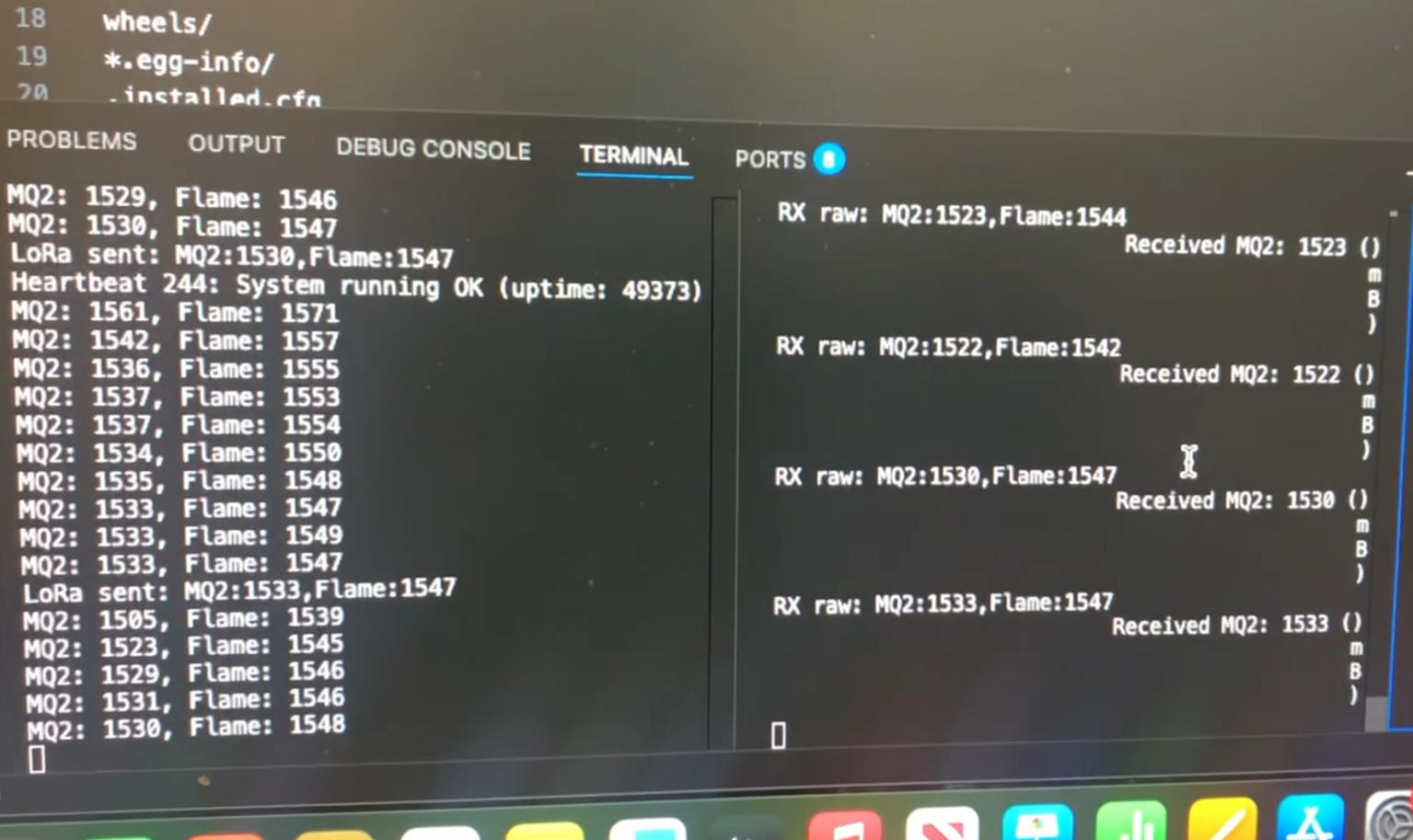
testing wireless connectivity and communication over lora
-
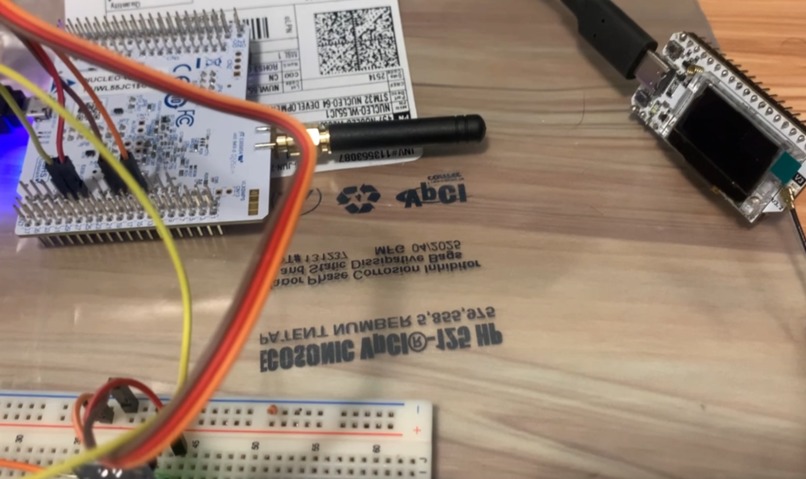
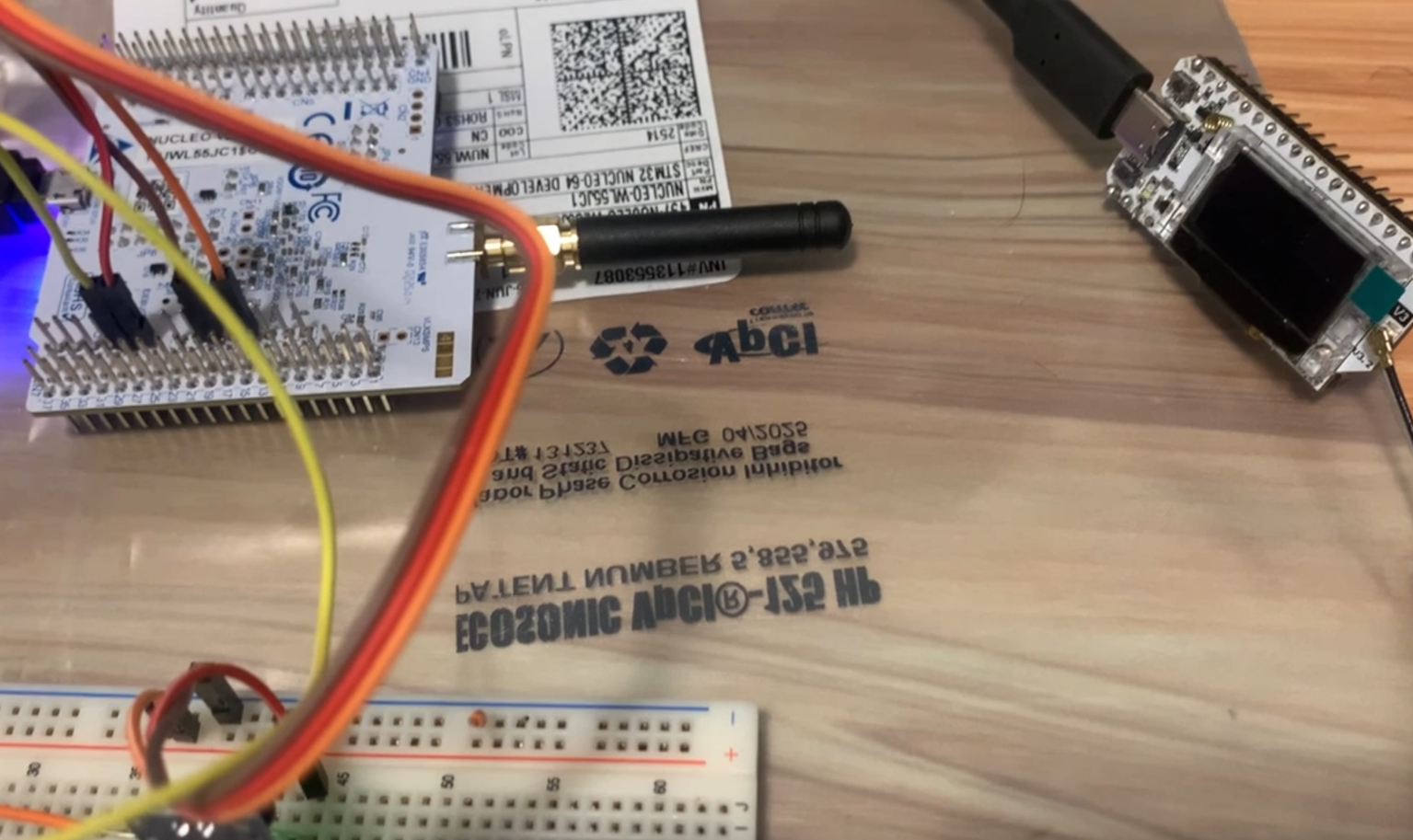
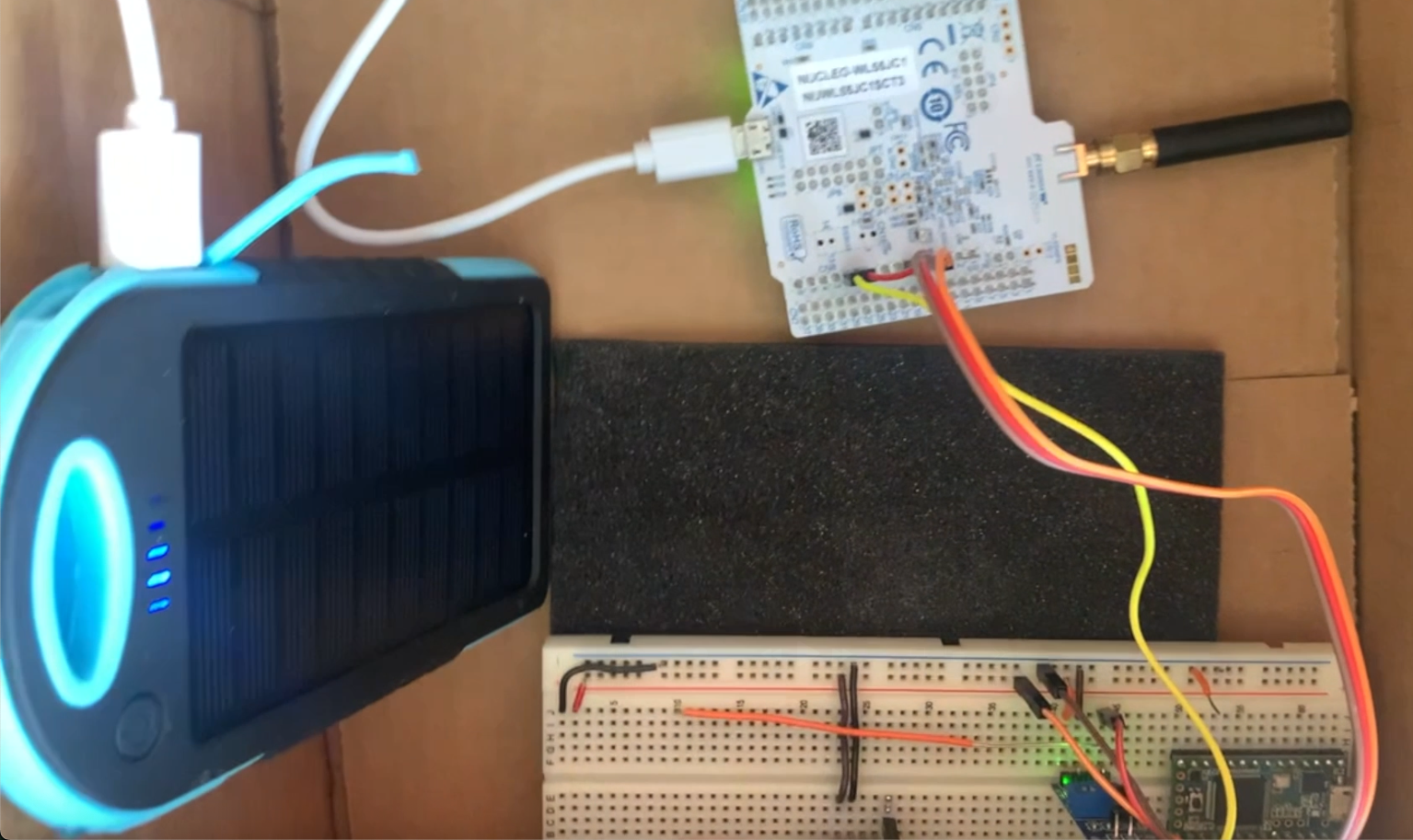
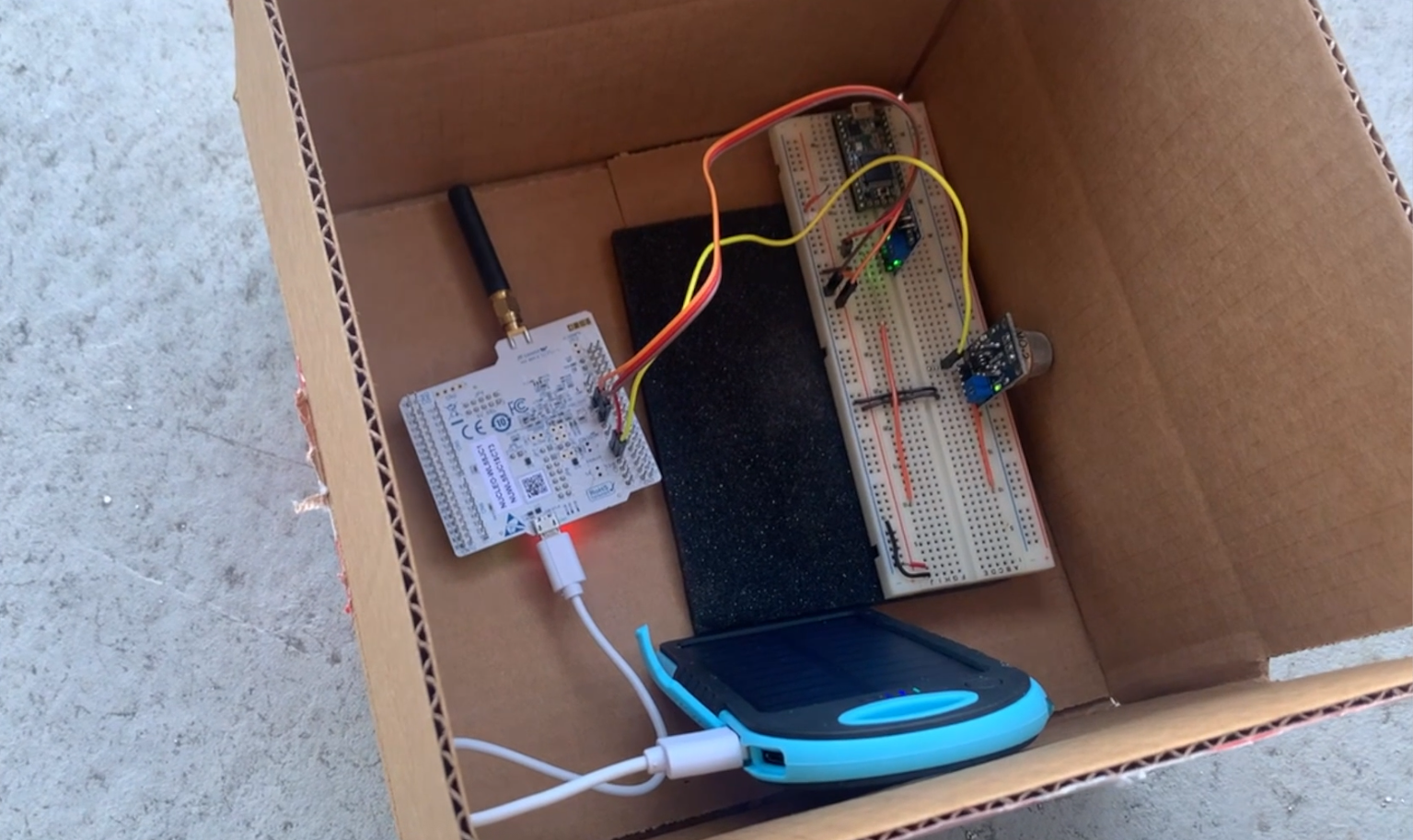
two micro controller device capable of lora wireless communication and interfacing with MQ2/Flame sensors
-
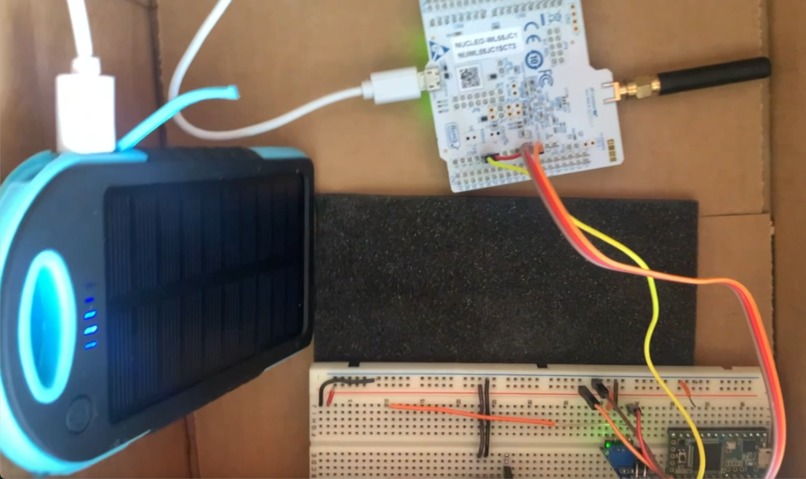
Handheld solar device close up in lora operation
-
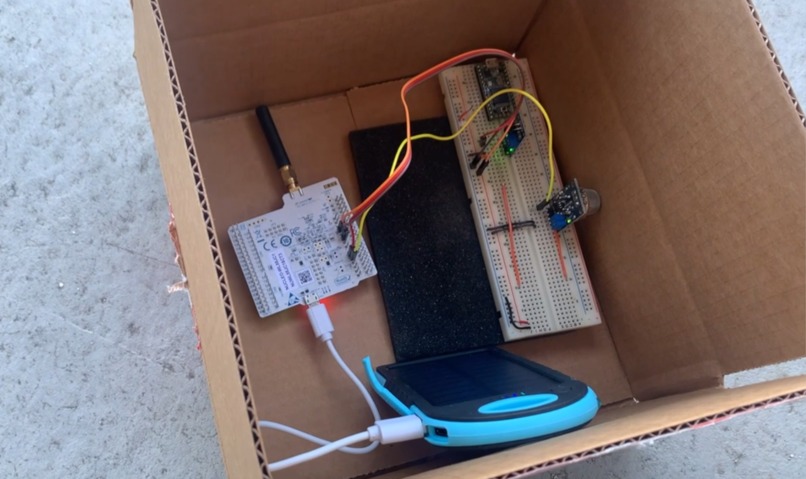
Lora+Sigfox capable IoT solar powered sensor circuit
Community-driven Wildfire Shield Bridge-Device
Inspiration On June 1st, 2025, when I was informed of the hackathon and decided to join, I was looking to work on an imminent real-world problem that's affecting myself, my community, and probably the whole world—one that could be resolved by tech and showcased in this hackathon. That's why, the next day when I was heading to downtown Toronto for an event, I was inspired by the problem and the solution that came to me right after it. That morning, the beautiful skyline of the city was shrouded in a sad gaze of haze and smoke that had reached the city from burning wildfires up in the north, increasing polluted air alerts across many Canadian cities, including my own. The feeling of helplessness in the face of such a massive environmental challenge was the direct inspiration for this project: to empower ordinary citizens with technology to become the first line of defense against wildfires.
This moment crystallized the need for a decentralized, community-driven solution where everyday people could deploy sensors in remote areas, monitor environmental conditions in real-time, and take proactive action to prevent disasters. The project evolved from a personal frustration into a vision of democratizing wildfire prevention through IoT, AI, and blockchain technology.
What it does
The Community-driven Wildfire Shield Bridge-Device is an intelligent IoT ecosystem designed to detect and prevent wildfires before they escalate. At its core:
Solar-powered STM32 sensors with MQ2 (gas/smoke) and Flame sensors are deployed in forests, powered by handheld solar devices for remote, sustainable operation. LoRa Meshtastic protocol enables long-range communication, relaying sensor data from STM32 devices to a Jetson-based bridge device connected via serial ports. Jetson bridge device hosts GPT-OSS:20b model locally via Ollama, performing AIQ (Artificial Intelligence for Quality) analysis for wildfire risk assessment, generating blockchain transaction details, and creating NFT summaries for traceability. Supabase integration allows direct posting of GPT-OSS-generated summaries to the sensor_messages table for real-time data storage. wildfireshield.me platform fetches and displays sensor readings, alerts, and blockchain tokenomics for user consumption, enabling community monitoring and incentivized participation. The system emphasizes authenticity—no hardcoded or artificial sensor values—ensuring all data comes from real serial port readings. It supports federated learning on HPC gateways connected to the Algorand blockchain, where incentivized forest guardians can earn rewards for proactive wildfire prevention.
How we built it
We built the project using a modular, edge-to-cloud architecture:
Hardware Layer: STM32WL44JC1 microcontroller with analog pins connected to MQ2 and Flame sensors, powered by solar panels for deployment in remote forests. A LoRa node (Heltec LoRa V3) acts as the receiver, connected to the Jetson Nano via serial ports (/dev/ttyUSB1 and /dev/ttyACM1). Communication Layer: LoRa Meshtastic protocol for long-distance, mesh-network data transmission, ensuring reliable connectivity in wilderness environments. Processing Layer: NVIDIA Jetson Nano as the main bridge device, running Python-based services. Key components include: Serial Manager for device detection and data reading. Sensor Preprocessing Agent to convert raw MQ2/Flame values into complete environmental data (temperature, humidity, smoke_level). Simplified AIQ Agent using GPT-OSS:20b via Ollama for risk analysis, blockchain summaries, and NFT generation.
Supabase Client for secure data storage.
AI/ML Layer: GPT-OSS:20b model hosted locally on Jetson, integrated via Ollama API for on-device inference, avoiding cloud dependencies. Blockchain Layer: Algorand integration for NFT minting and transaction details, with federated learning on HPC gateways. Frontend Layer: wildfireshield.me platform built with web technologies to visualize data from Supabase, including alerts and tokenomics dashboards. Development followed agile principles: starting with core serial communication, adding AIQ analysis, integrating Supabase, and ending with blockchain features. We used Python (asyncio for concurrency), FastAPI for APIs, and Git for version control.
Challenges we ran into
Several technical and logistical challenges tested our resilience:
Serial Port Connectivity: Initial issues with device detection on /dev/ttyUSB0 and /dev/ttyACM0 (later /dev/ttyUSB1 and /dev/ttyACM1 after reboots) required extensive debugging of permissions, baudrates, and device types. We implemented retry logic and mock data fallbacks for testing. AIQ Analysis Timeouts: GPT-OSS:20b model responses were slow on Jetson hardware, leading to 60-second timeouts. We increased timeouts to 120 seconds and added proof strings to verify authentic AI processing. Repository Size: The Git repo exceeded Bitbucket's 1GB limit due to committed virtual environments and logs. We used BFG Repo-Cleaner to remove large files and reduce size to under 100MB. Data Authenticity: Ensuring no hardcoded values required strict validation, forcing real sensor reads or test failures—balancing development needs with production safety. Blockchain Integration: Configuring Algorand NFTs and federated learning on HPC gateways demanded deep dives into decentralized technologies, with challenges in incentive mechanisms for community participation. Deployment in Remote Areas: Solar power and LoRa reliability in forests introduced environmental variables, requiring robust error handling and offline capabilities. These challenges highlighted the gap between controlled lab environments and real-world IoT deployments.
Built With
- aiq
- jetson-nano
- netlify
- nv
- openai:gpt-oss:20b
- supabase
- wildfireshield.me

Log in or sign up for Devpost to join the conversation.