-
-
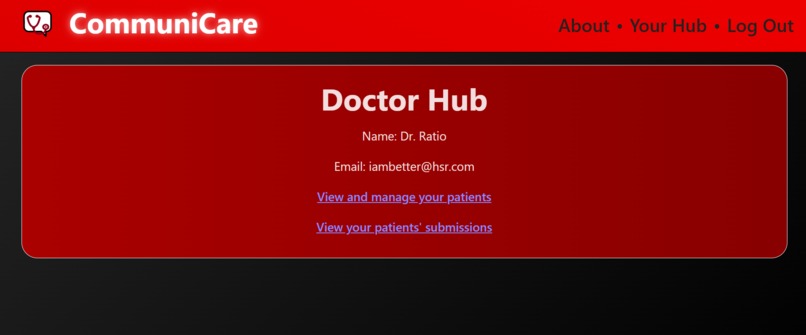
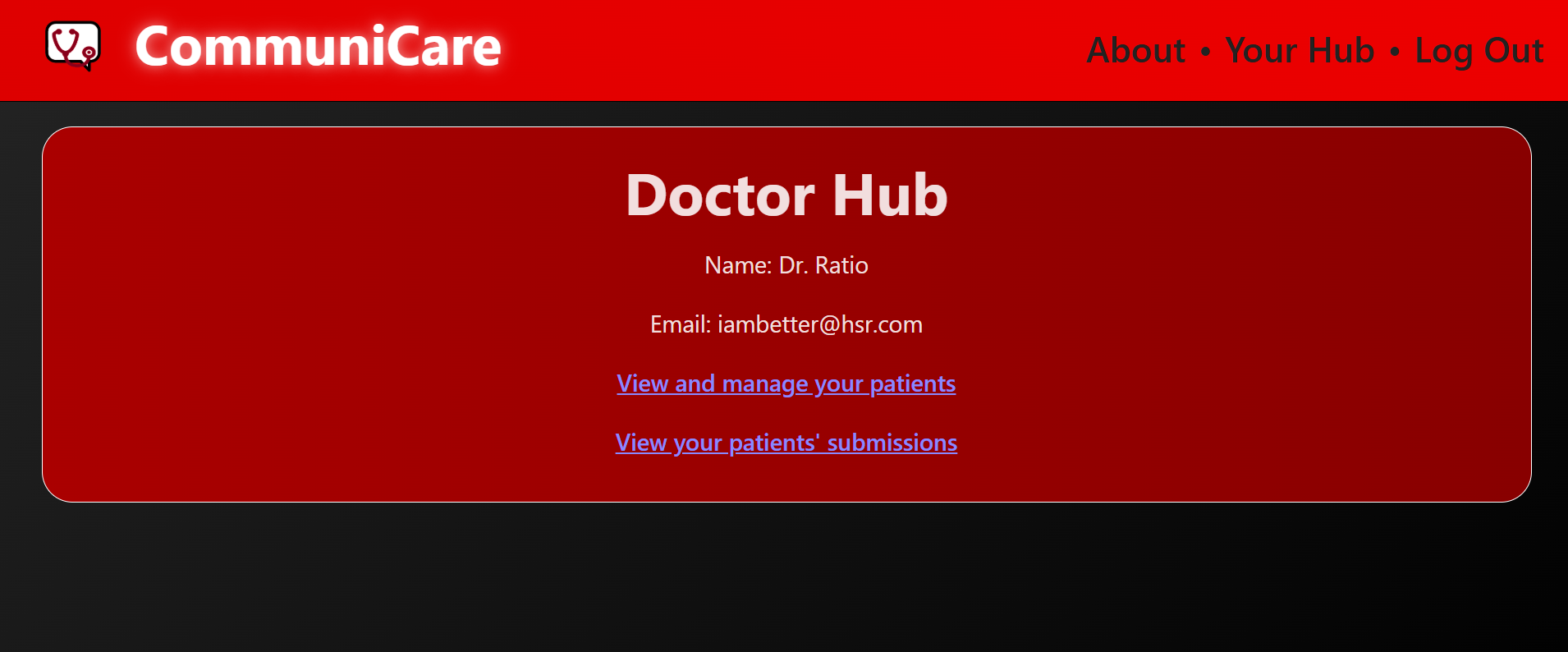
Home Page (Logged in)
-
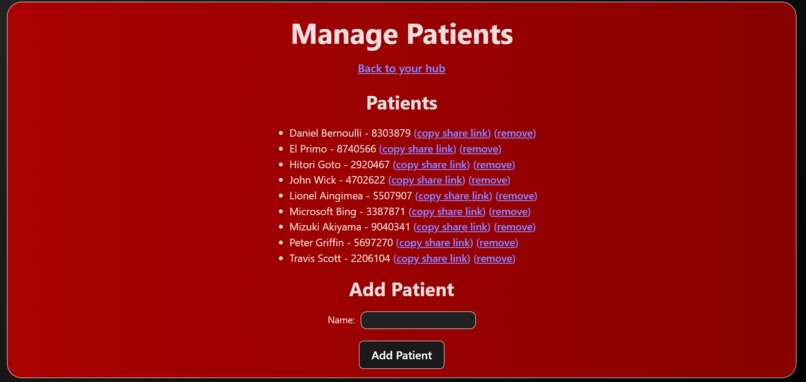
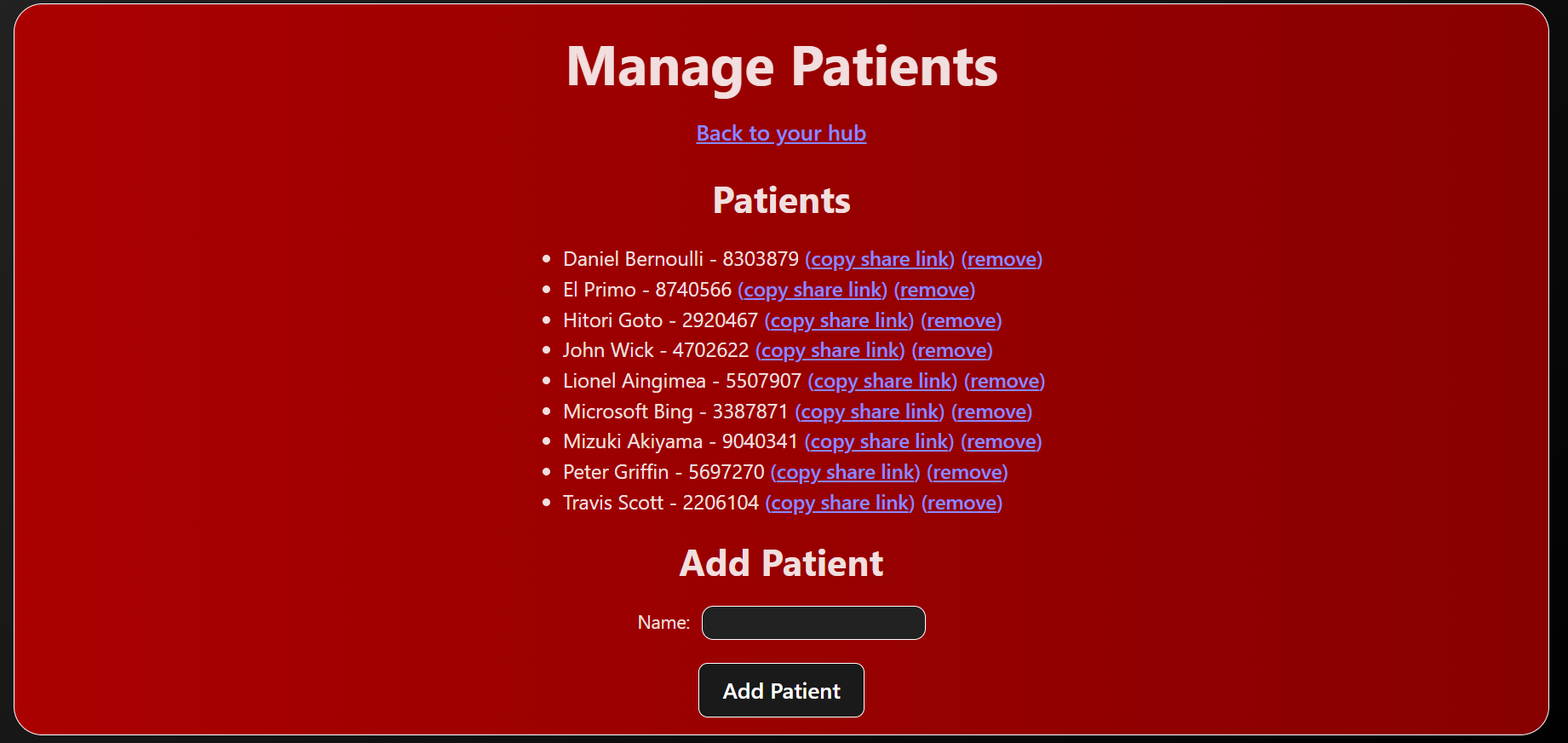
Manage Patients (Doctors only)
-
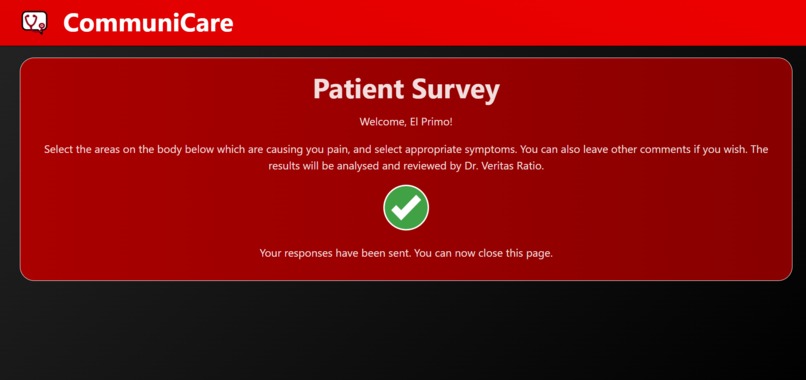
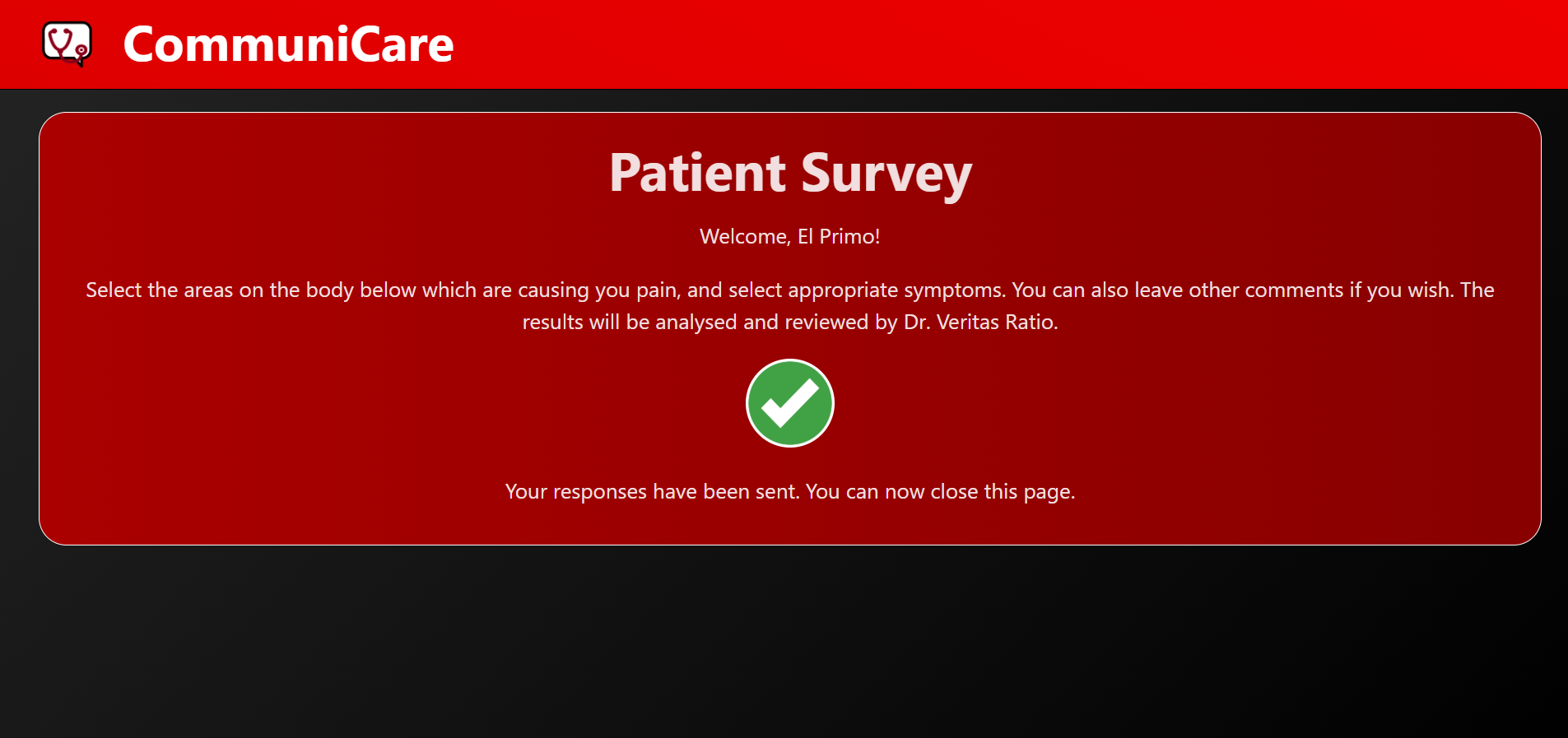
Patient Submission confirmation (Patient side)
-
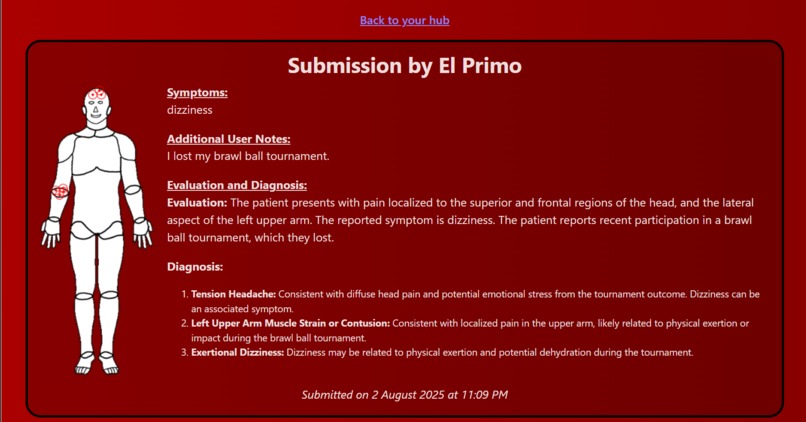
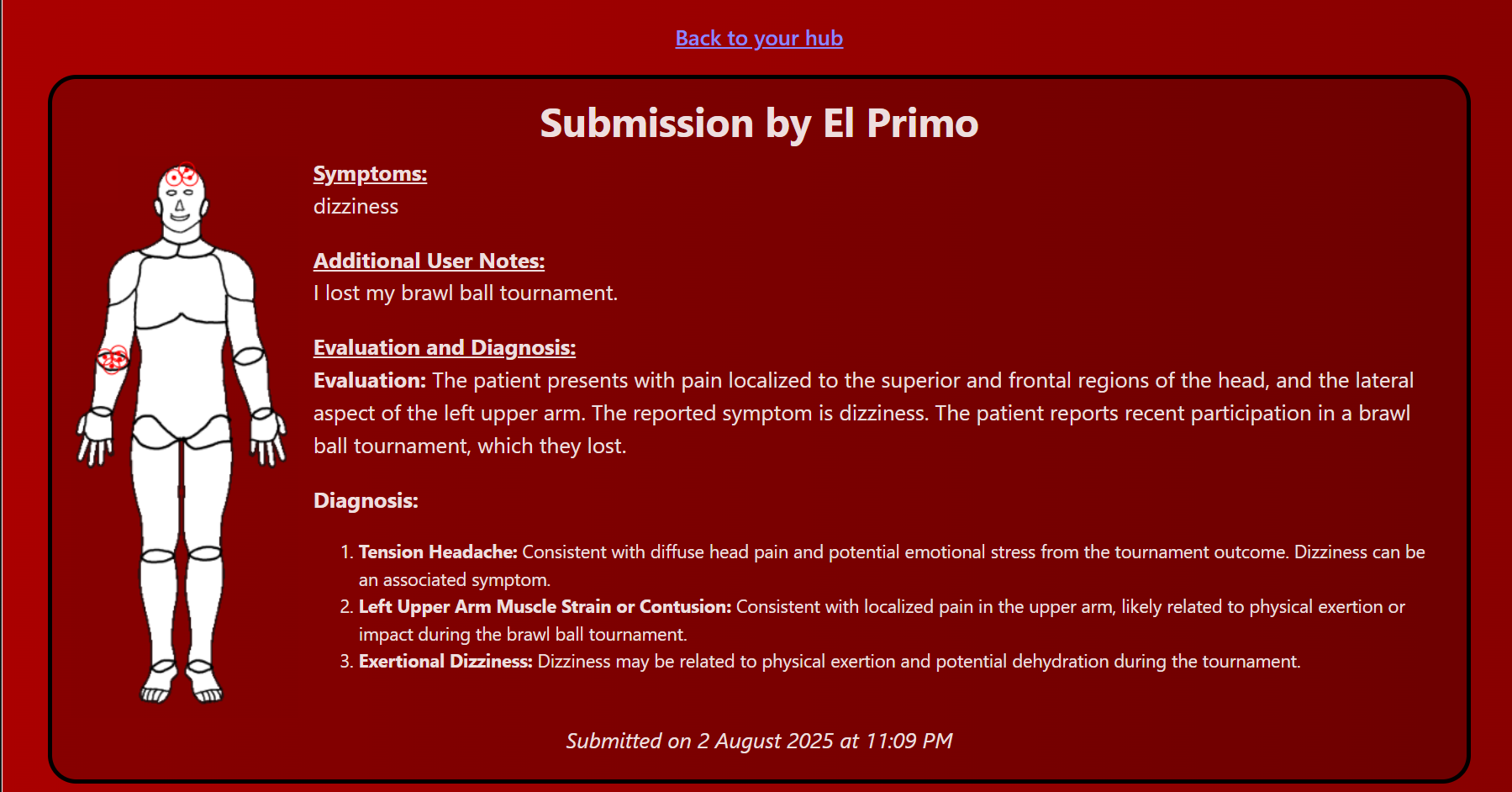
Patient Summary on doctor side (Joke submission)
-
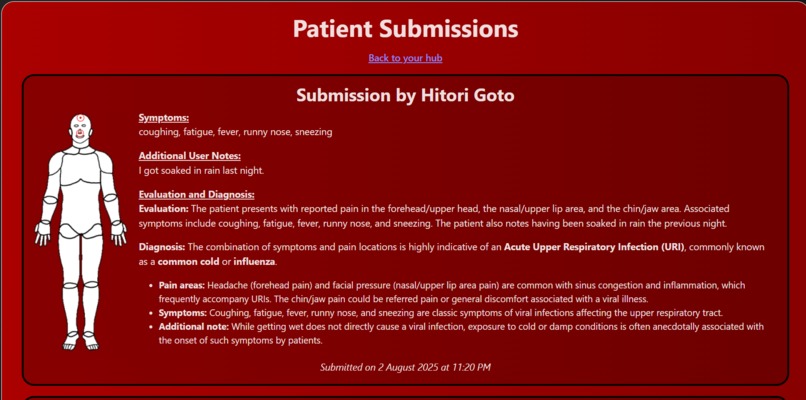
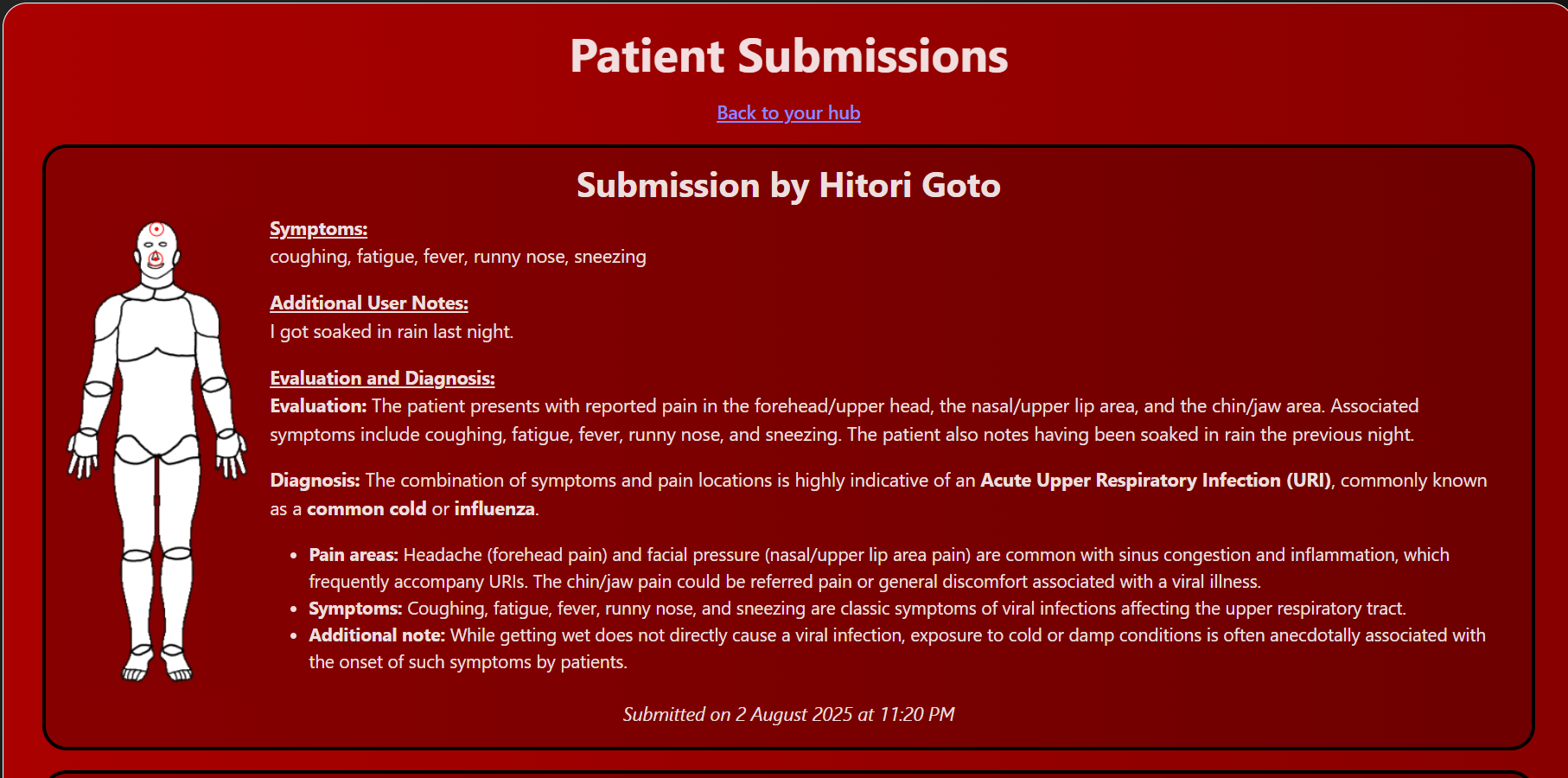
Patient Summary on doctor side (Common Cold)
-
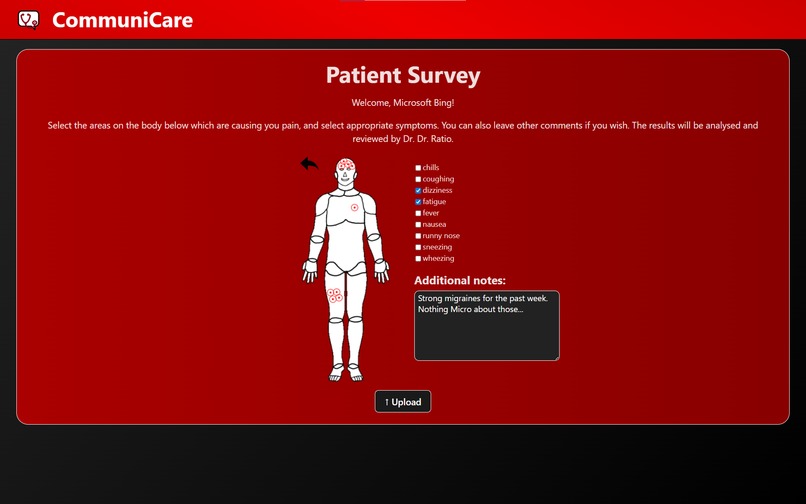
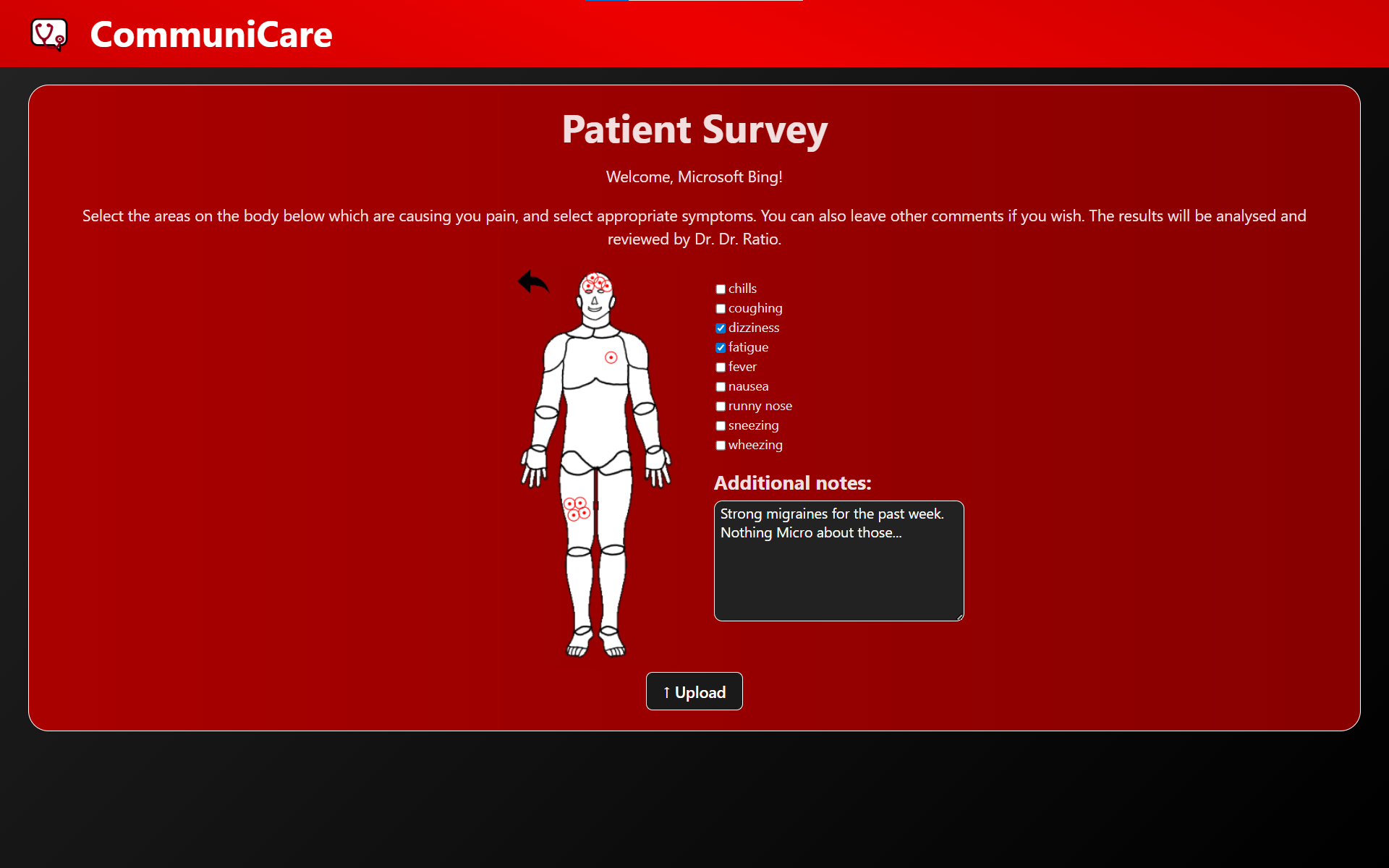
Patient Survey (Patient side)
CommuniCare: Bridging the Medical Communication Gap
Background
Recent Canadian healthcare statistics reveal significant challenges in timely access to medical appointments. The national median wait time for all referrals—including urgent cases—is 78 days (approximately 11 weeks). Disturbingly, 1 in 4 patients wait 175 days (25 weeks) or longer for their specialist appointments.
Our Inspiration
These stats highlight a critical strain on the Canadian healthcare system. The persistent imbalance in supply and demand results in widespread dissatisfaction for both parties, delayed diagnoses for patients, and overburdened medical staff. CommuniCare aims to address this issue by leveraging technology and AI to optimise appointment workflows and improve patient-doctor communication.
CommuniCare enables doctors to assign pre-appointment surveys to patients, including intuitive tools such as a clickable body map and symptom checkboxes, and thus helps patients describe their symptoms more clearly and efficiently before their visit even starts. The site analyses patient inputs using Gemini AI to generate organised and articulate summaries for physicians, which helps reduce miscommunication and enables doctors to make faster, more informed decisions.
Key Features
- CommuniCare provides a centralised database of patient details and survey submissions for availability among healthcare professionals.
- Doctors can assign surveys to patients before check-ups and visits, which are only accessible to the patient and the doctor.
- Patients use clickable body maps to indicate affected areas, improving symptom localisation.
- They also have access to a quick selection of common symptoms, such as coughing and fever, to streamline information gathering.
- Advanced AI synthesises patient input to provide detailed condition analyses before appointments, facilitating efficient diagnosis.
What's Next for Communicare?
- Integration with professional healthcare technologies and systems.
- Train AI models specifically for this task to improve clarity, reduce medical workload, and assist in smooth interactions between patients and doctors.
- Patient-friendly speech recognition tailored for patients with limited literacy or typing skills.
- Automatic translations from the patient's preferred language into accurate medical English for better diagnosis.
- Increase diagrams and images to help patients identify and communicate their symptoms better.
- Visualise symptoms through animations to assist patients in selecting the most accurate descriptions of their condition.
Difficulties Faced
- Neither of us had much experience with Gemini's text generation or image understanding API features, nor with MongoDB, but we were able to successfully leverage both technologies in the end.
- Getting the clickable body on the patient survey page to work properly took a while, and the file for that page ended up being the largest one on the frontend.
Stack
Frontend:
- React.js + TypeScript
- React Router
- Canvas API
Backend:
- Python
- Flask + JWTs
- MongoDB Atlas
- Gemini 2.5 Flash
Others:
- Krita


Log in or sign up for Devpost to join the conversation.