-
-
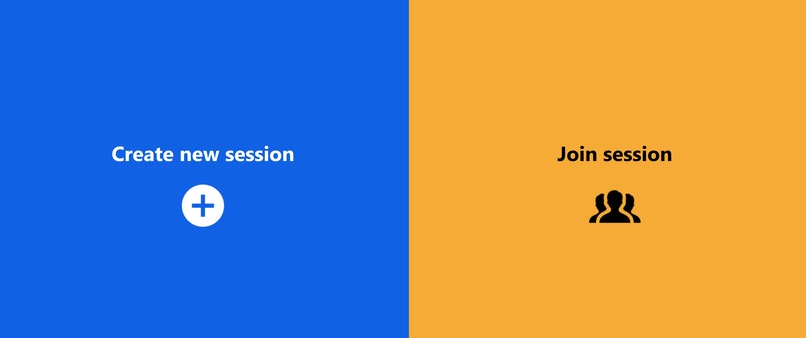
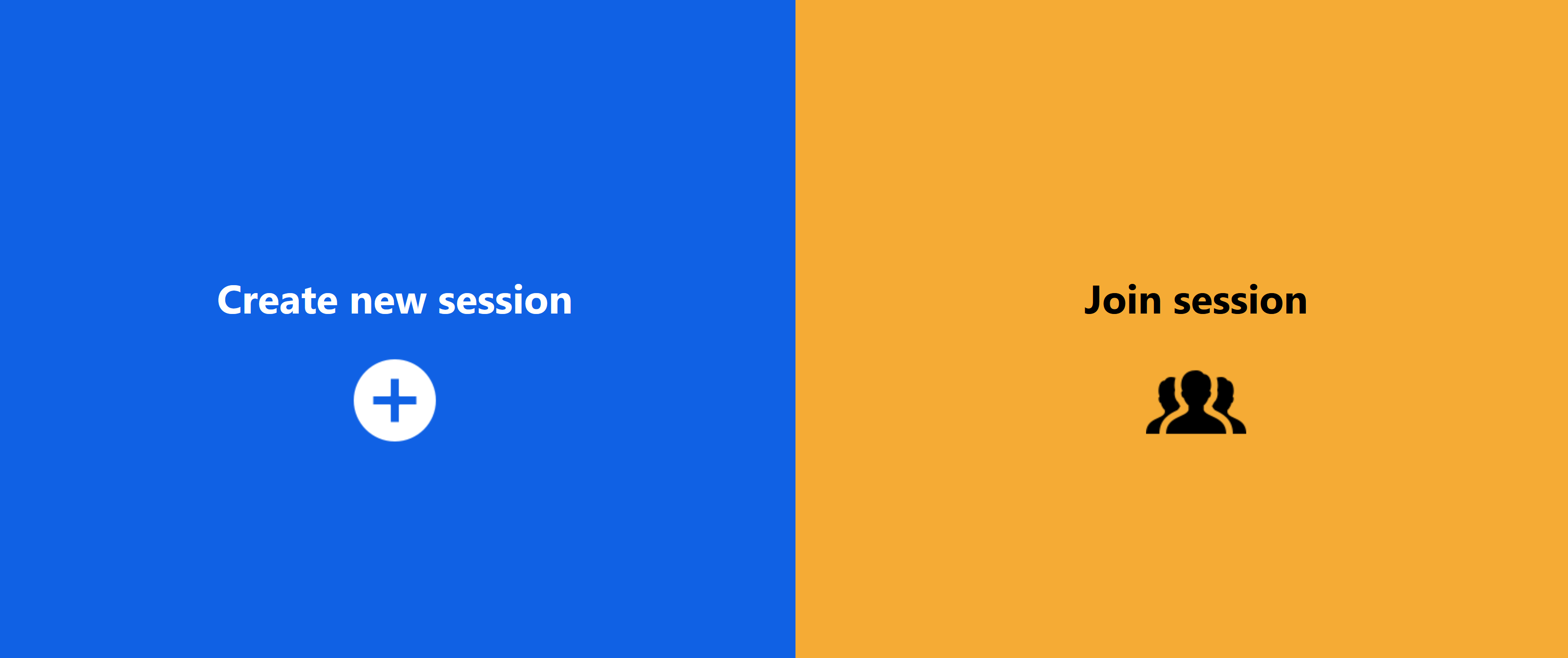
Home Screen
-
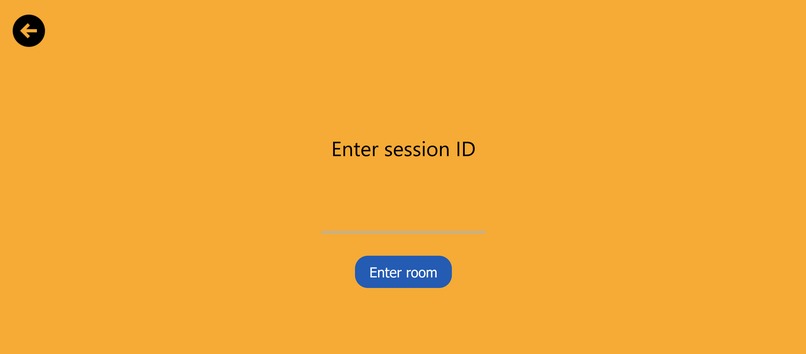
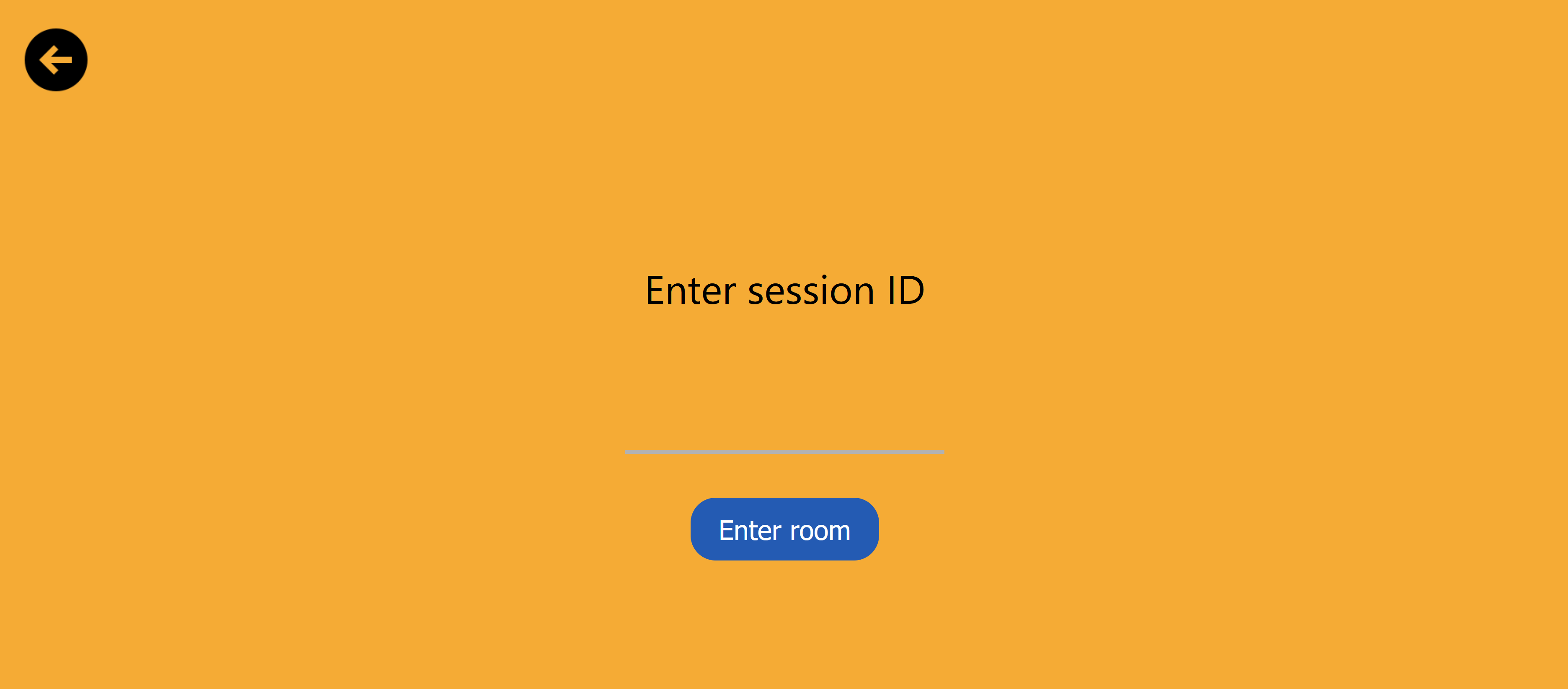
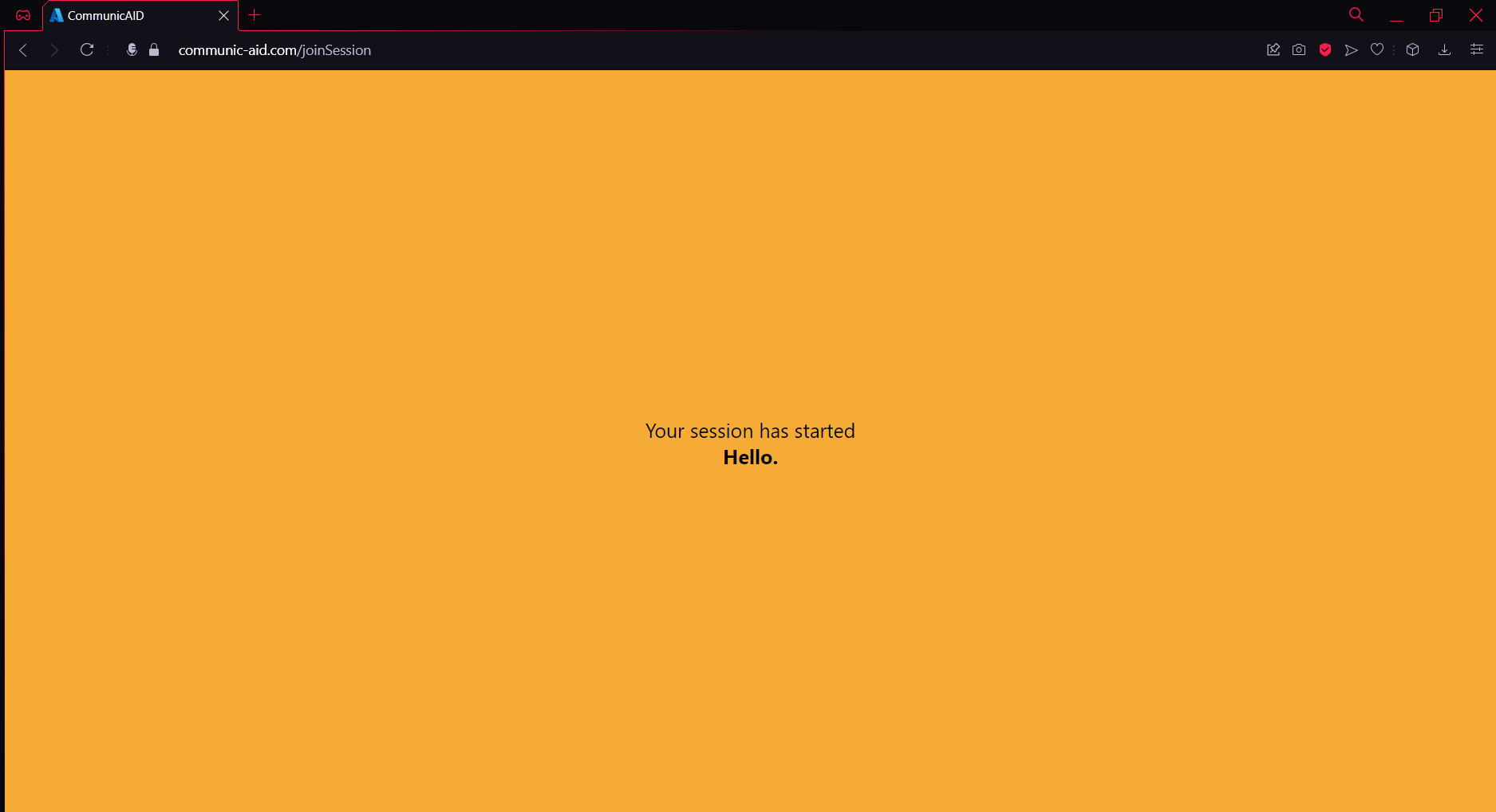
Join session Screen
-
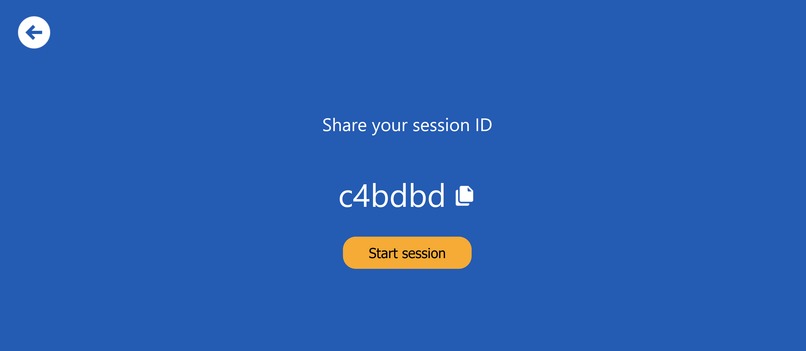
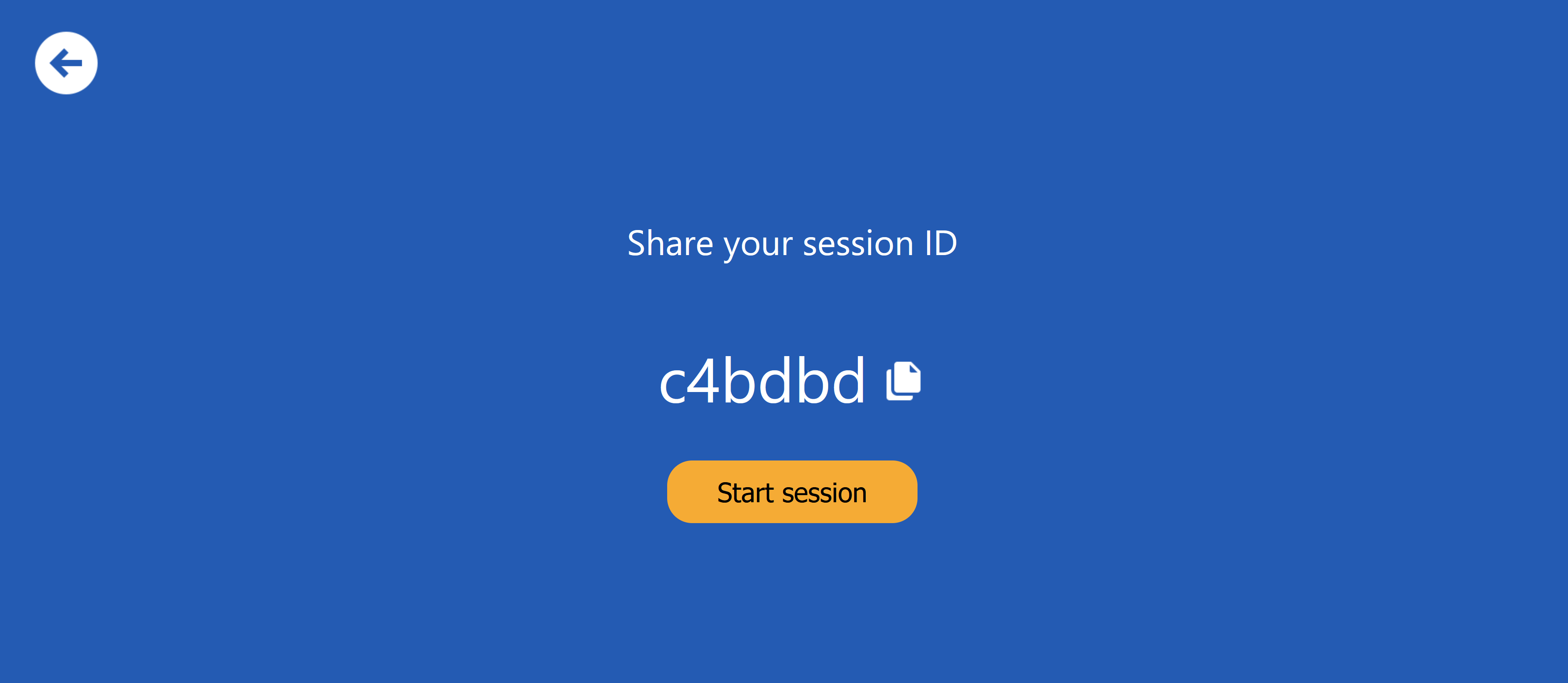
New session Screen
-
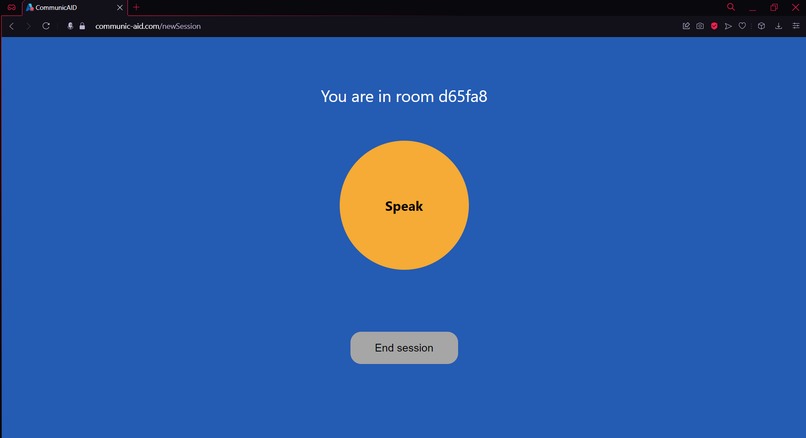
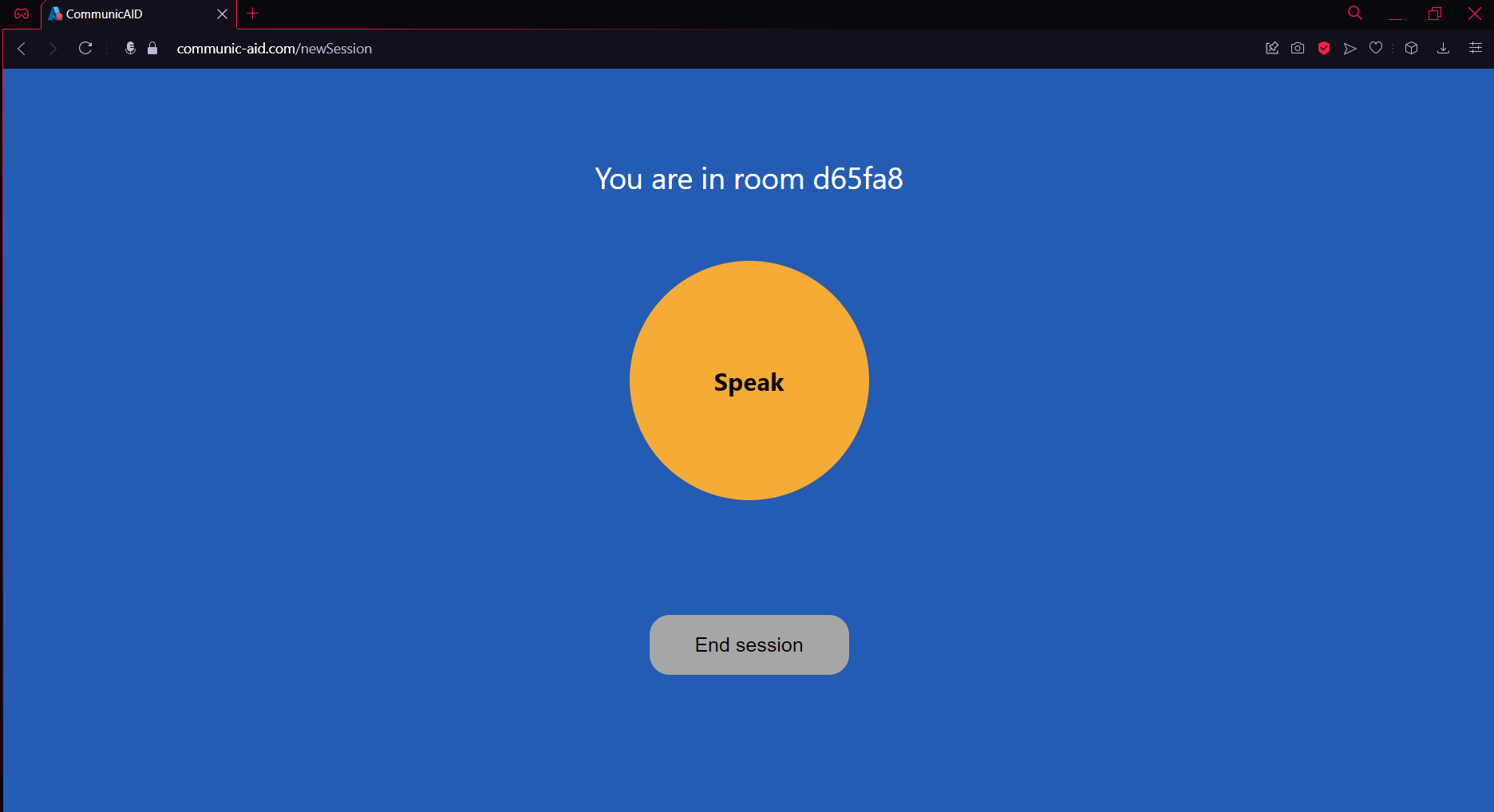
In session Screen
-
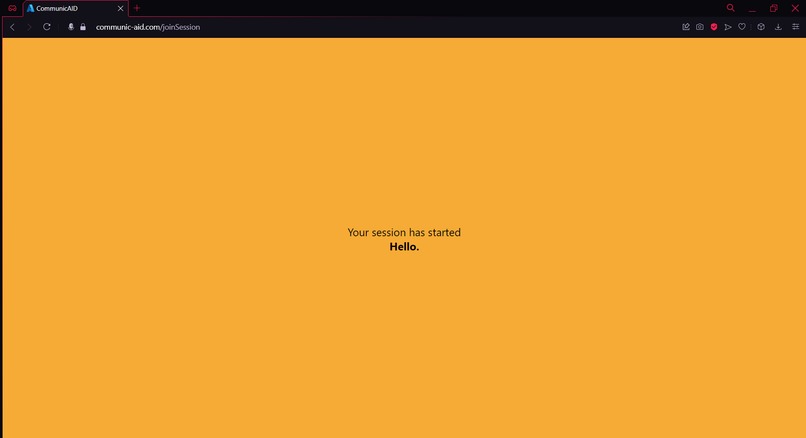
Room Screen
-
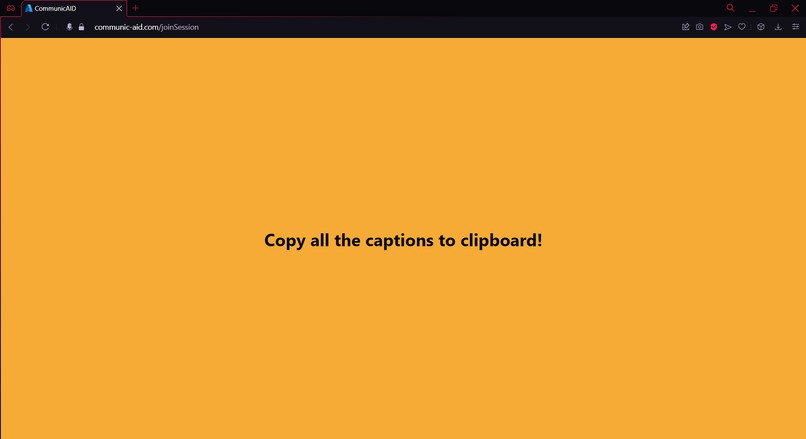
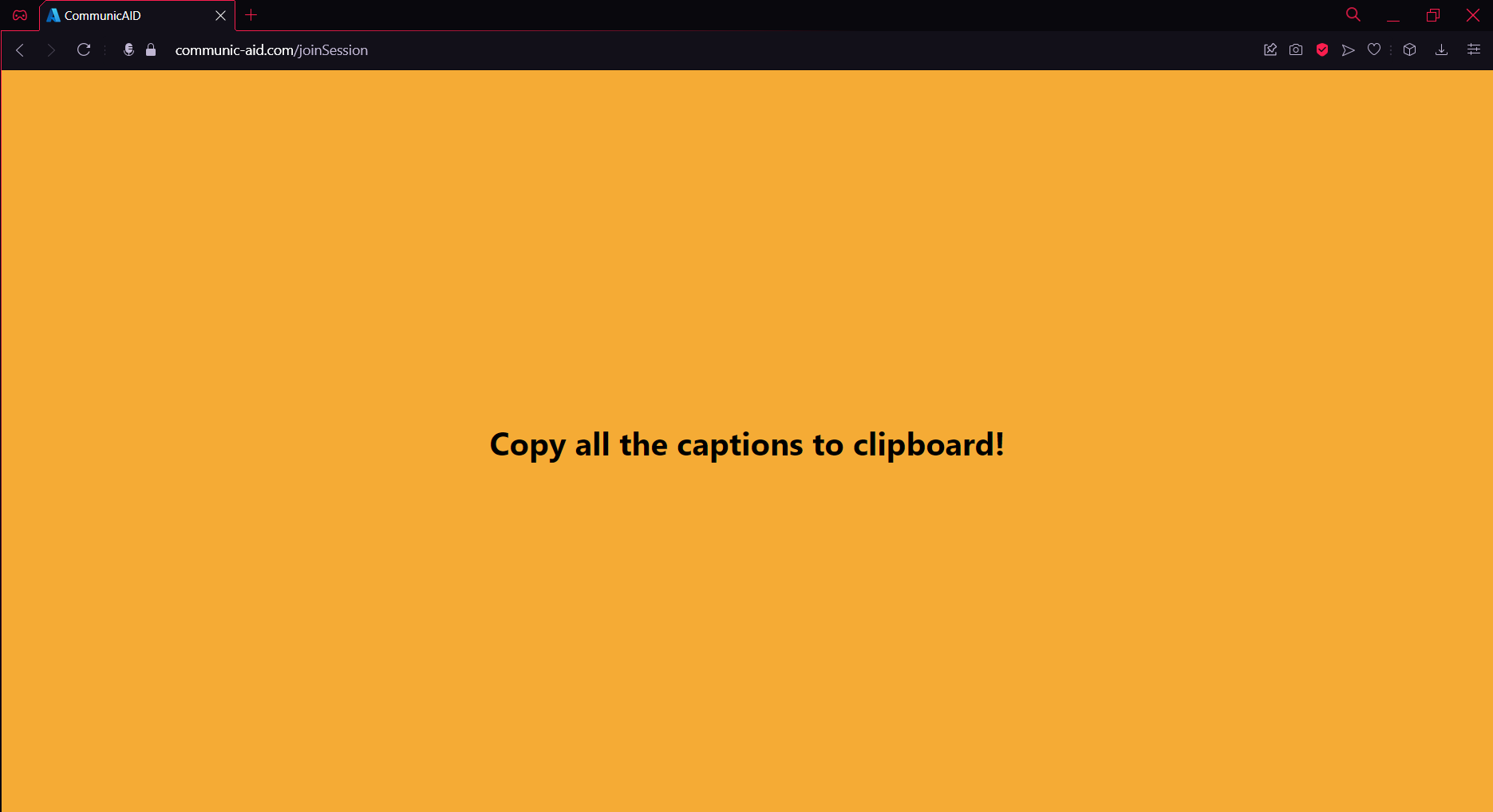
End Session screen
Inspiration
In the beginning we brainstormed to find out what would be the best project for us to create. In this session we came up with many good ideas that we finally narrowed down to two, the first one was a speech to text recognition for virtual classes and the second one a sign language translator. With this in mind our goal was to have a user to test our application with, and not knowing anyone who could speak sign language we went with the idea of doing speech to text recognition.
Problem
The lack of accesibility and inclusivity for people with hearing loss is a problem in academic environments, such as colleges and high schools in Guatemala.
What it does
It is a web application where teachers can create a session so that students can see transcribed to text what the teacher explains.
How we built it
First we thought about how we wanted the user to interact with the application. We thought of different ways to do it, like making it a desktop application, but the design evolved to a web app. This decision was made based on the idea that everyone must have access to our tool, regardless of the device. This way, we are going to allow even more people to use the app in different contexts, promoting accesibility.
Challenges we ran into
We had to learn how to use new technologies such as "Azure Cognitive Services Speech To Text" and how to implement it with javascript. Additionally we learned about socket.io for communication between clients and finally we used a virtual machine to publish the app.
Accomplishments that we're proud of
We are proud to have been able to create a useful tool that promotes accessibility for the hearing impaired in a short time. We were also able to apply AI to solve an important problem that affects many people, making it not a privilege.
What we learned
We learned a lot about the different needs of people with disabilities and the challenges they face. We also learned that with today's technology it is possible to reduce the gap in access to opportunities for people with disabilities.
What's next for CommunicAID
We have many ideas for CommunicAID to keep growing, for example to have an implementation for face-to-face classes, another could be to increase the amount of things that can be transmitted so that not only the text but also the images of the teacher explaining would be transmitted.


Log in or sign up for Devpost to join the conversation.