-
-
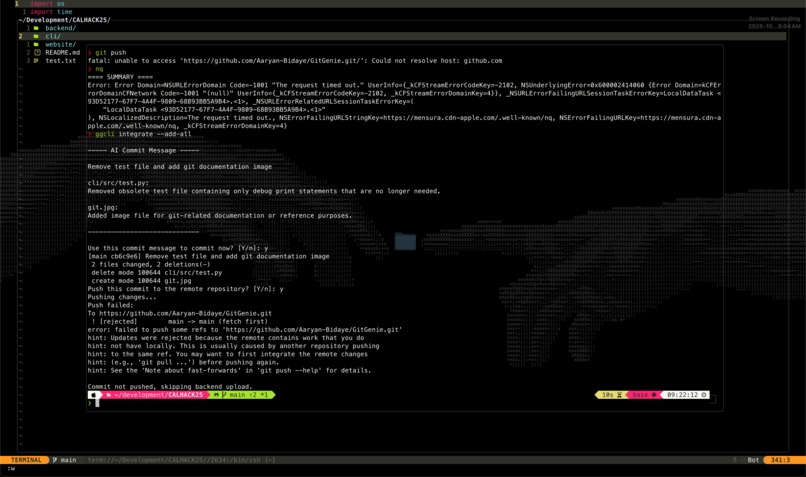
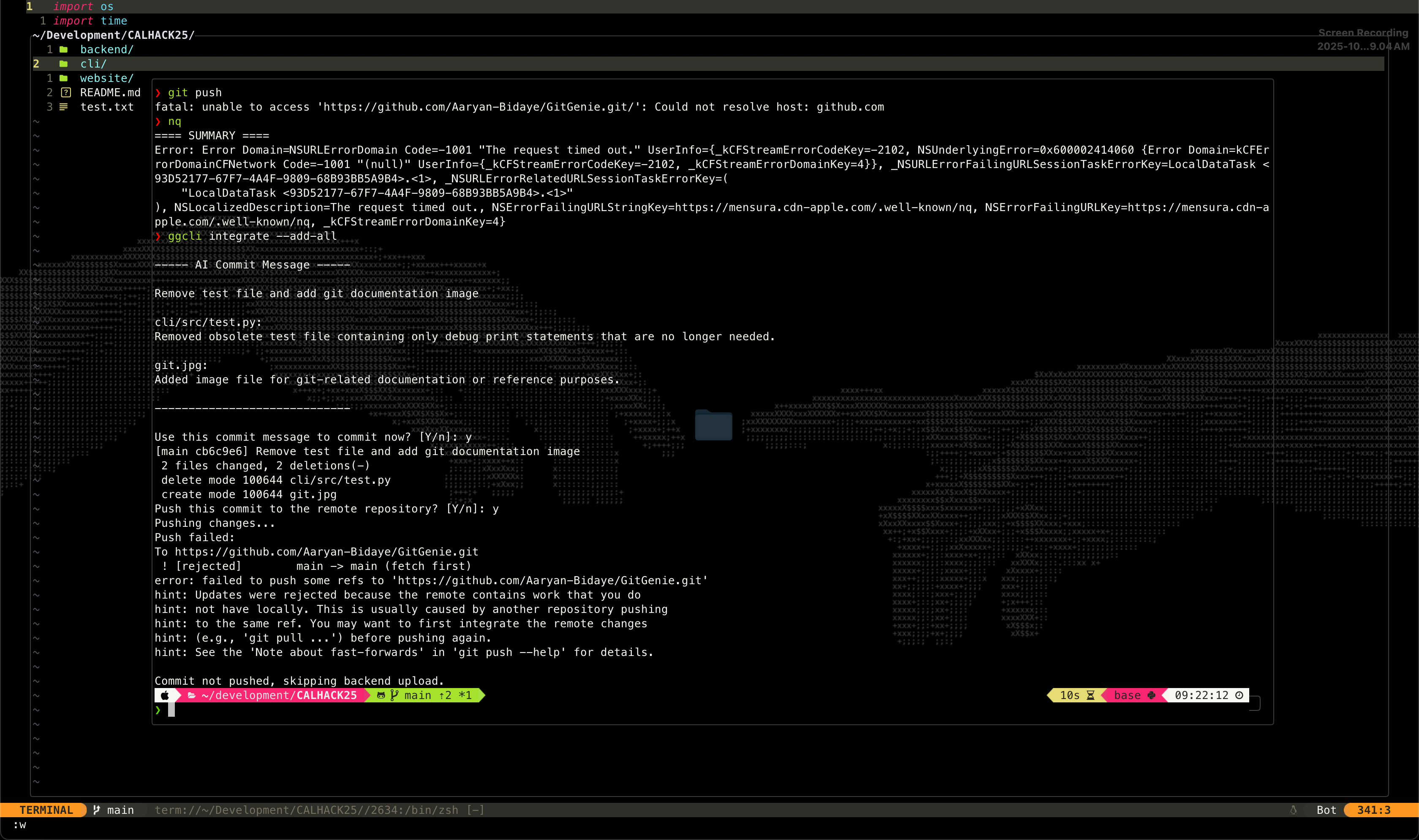
cli tool in action
-
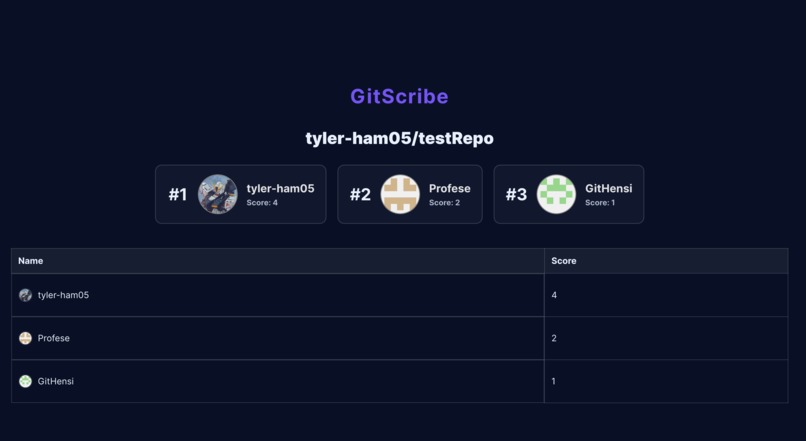
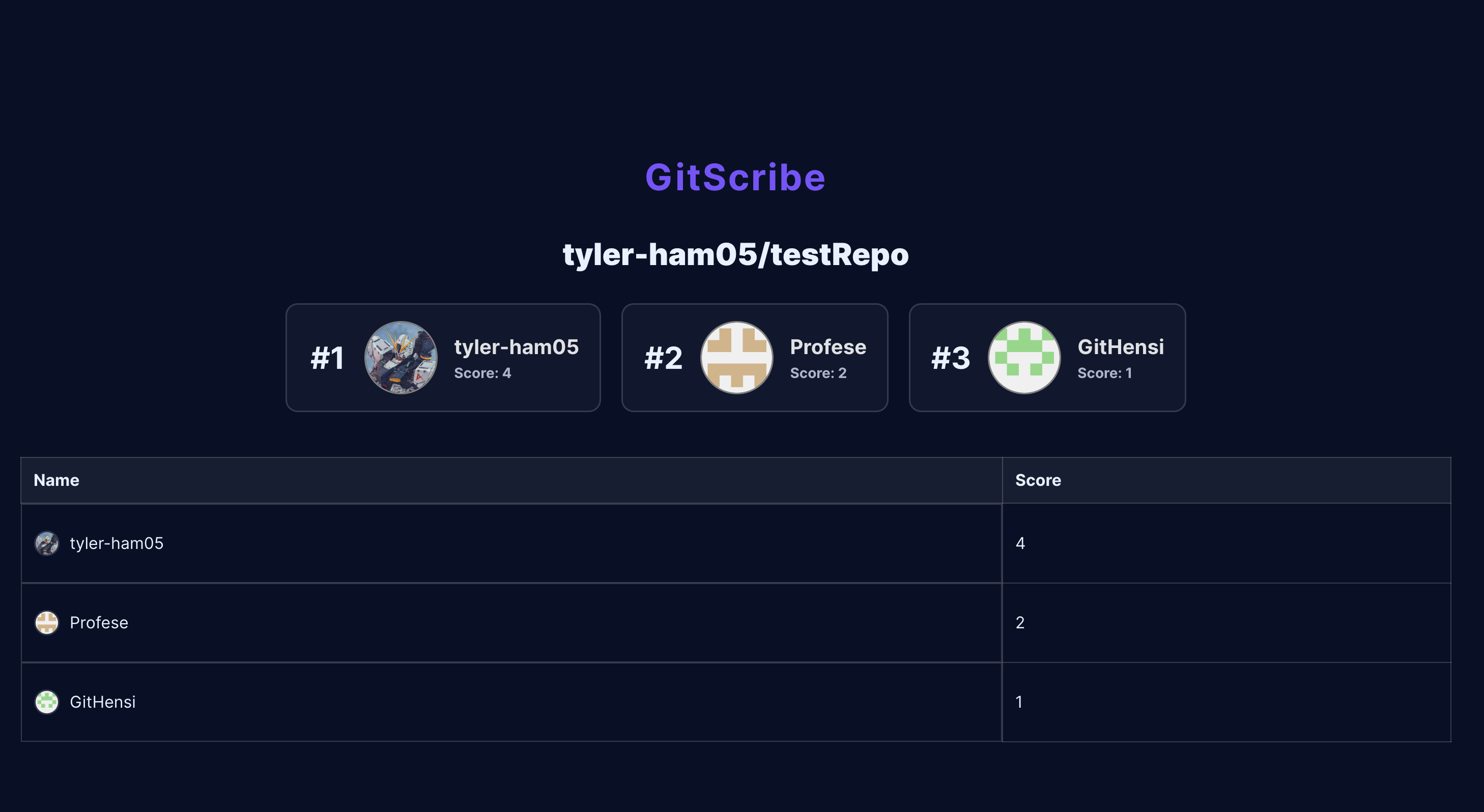
ranking commits
-
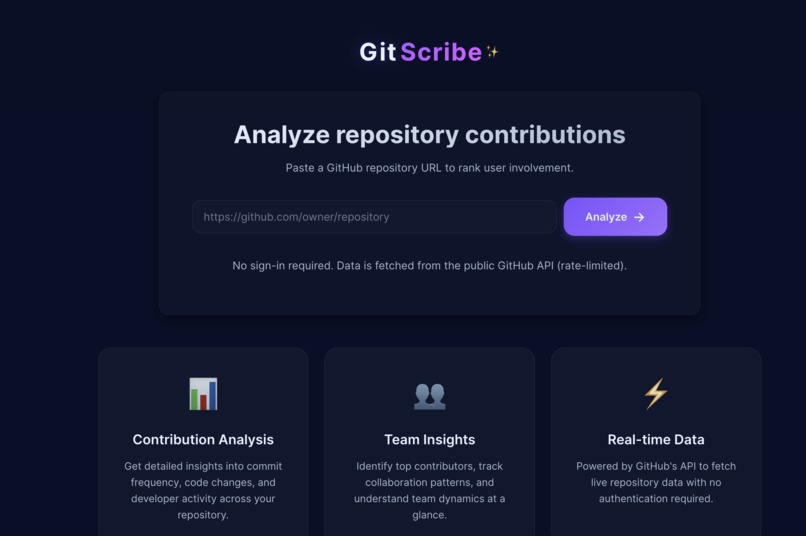
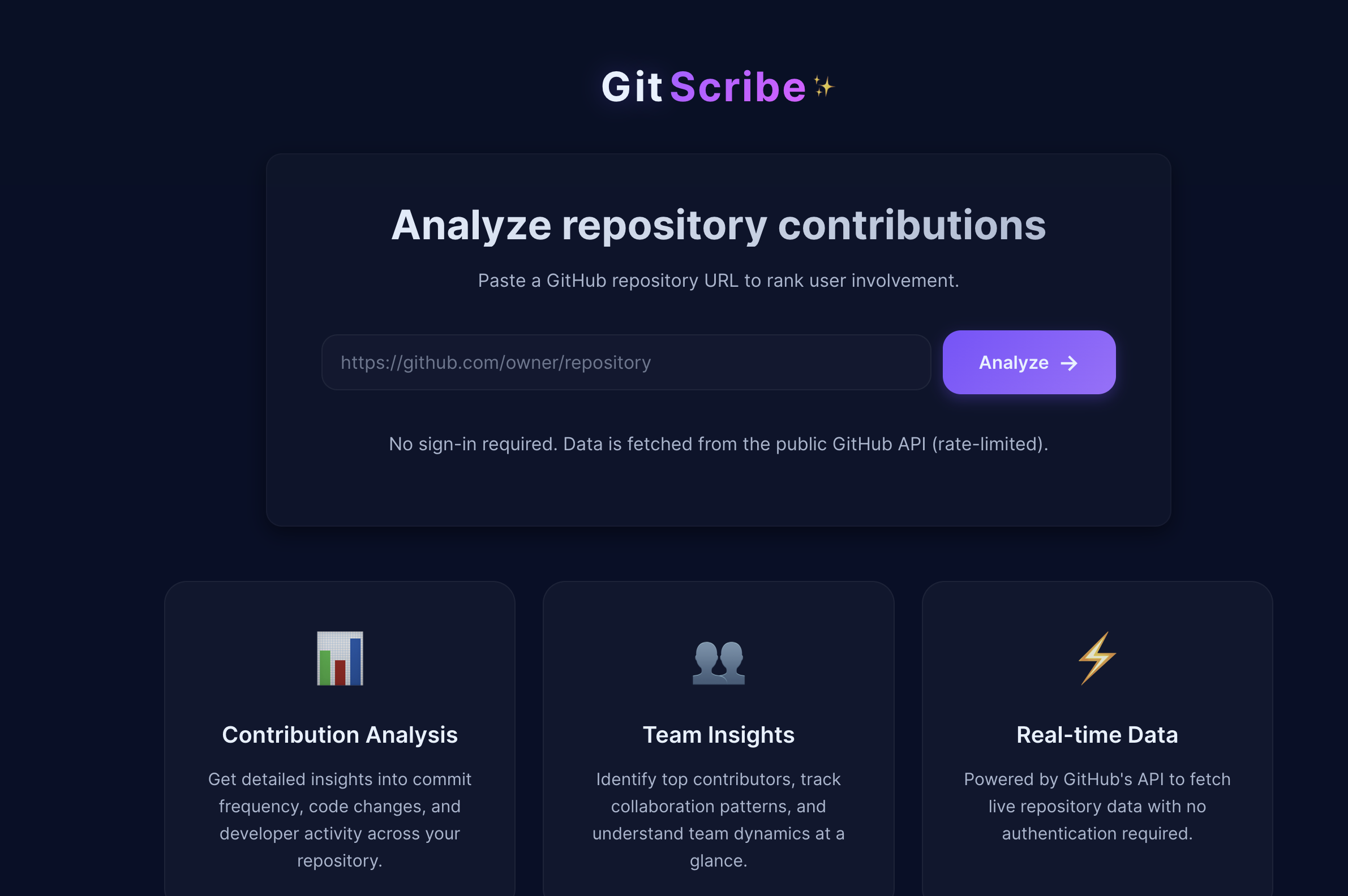
home screen
Inspiration
Maintaining quality documentation is a time consuming and difficult task and is also prone to falsification and misrepresentation which is why we wanted to automate these processes by leveraging Anthropic's AI capabilities.
What it does
Our tool uses Claude to analyze changes in a repo and create commit messages and documentation that accurately reflect the content and impact of the changes. By inputting the repo url our tool also analyzes all contributions to highlight top contributors based on the number of quality commits.
How we built it
We used the MERN stack to develop the website, and utilized the Agentic SDK to handle our LLM API calls. The commit cli was developed in Python which also interfaced with MongoDB, our database, and anthropic's claude to produce commit messages, code evals, and comprehensive documentation.
Challenges we ran into
We were having trouble managing the database in a way that didn't interfere with the various API calls that we had through the project. We also had trouble getting structured output from Claude API calls. However, we were eventually able to achieve consistent structured output through a workaround. Same issues plagued the cli until a way to manage api_keys properly was found.
Accomplishments that we're proud of
This is a tool we would actually use in our workflow and we learned new skills that will contribute to our professional development
What we learned
For some of our team we learned how to create command line interfaces and manage APIs, for others we learned how to use React and front-end development principles
What's next for GitGenie
Making it scalable for larger repos, and optimization of our algorithms and data structures . Additionally, it would be cool to create custom classification network or a custom AI agent to better classify commits.


Log in or sign up for Devpost to join the conversation.