-
-
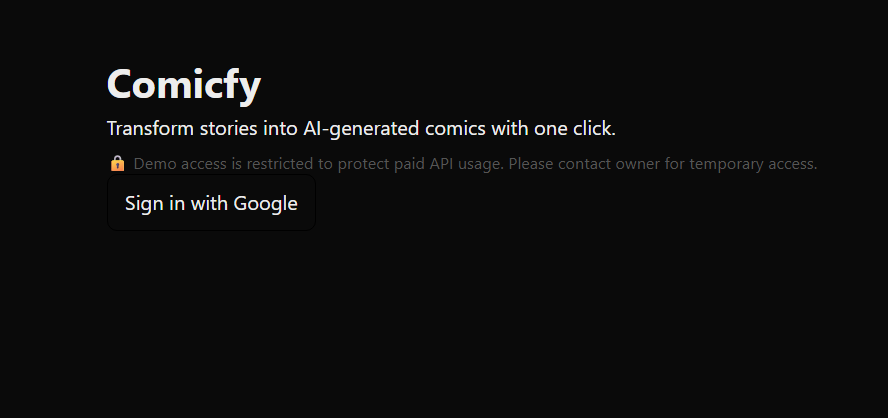
Home Page
-
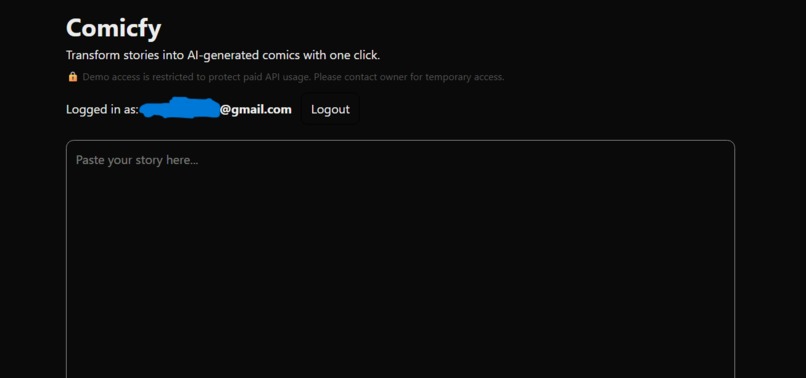
Sign in with Google
-
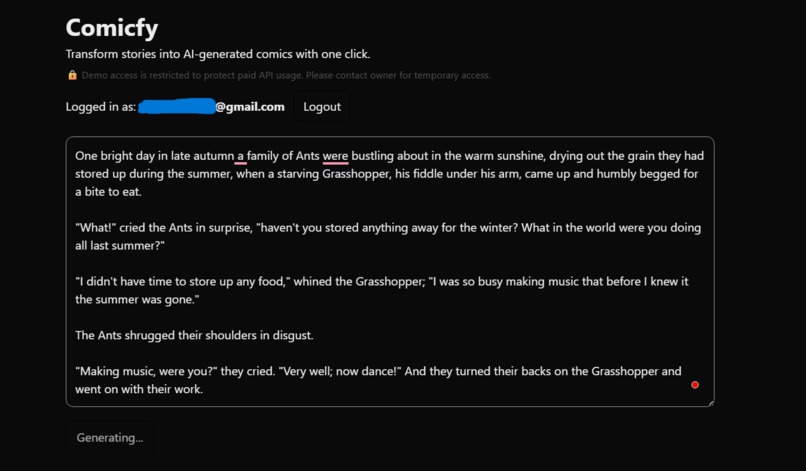
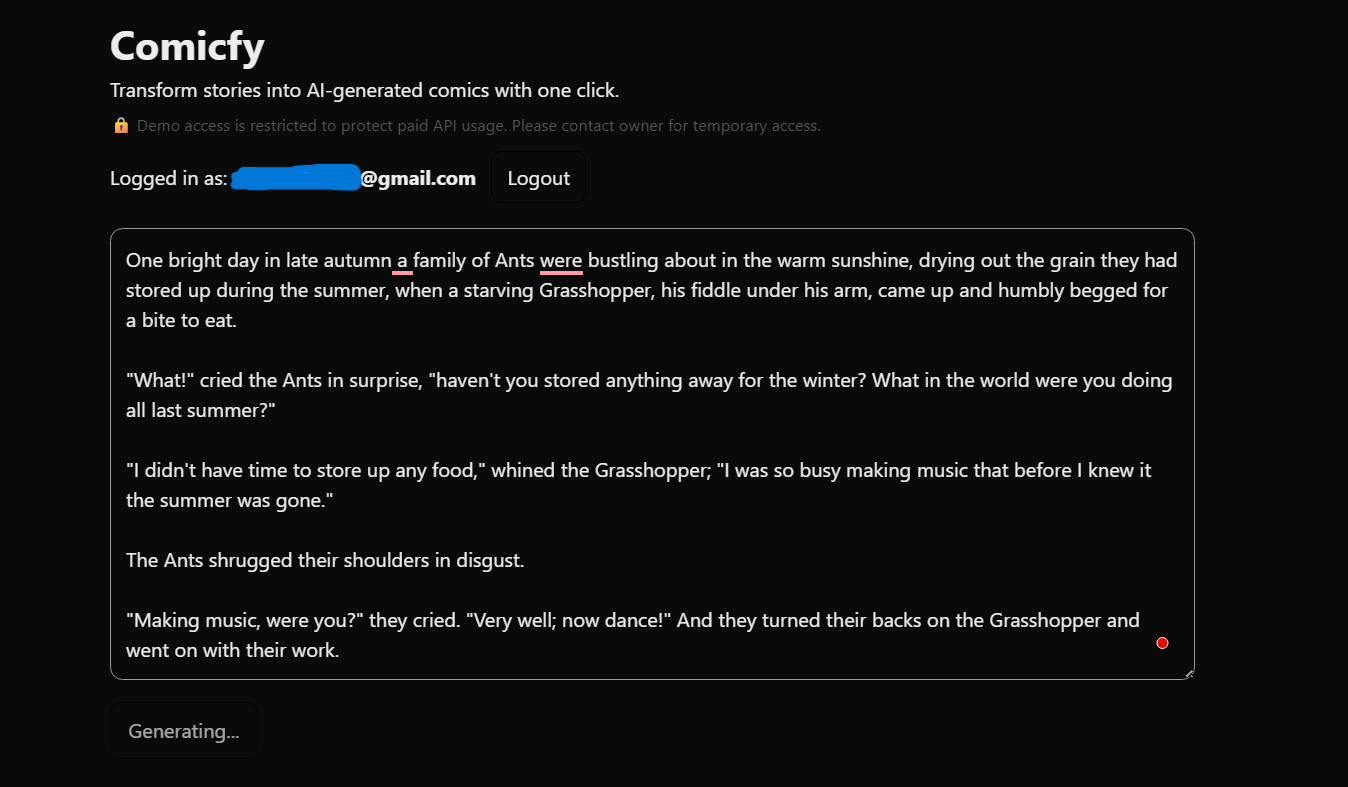
sample story 1 - The ants and grasshopper
-
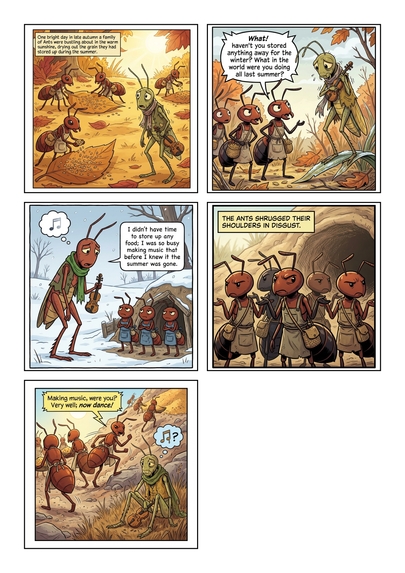
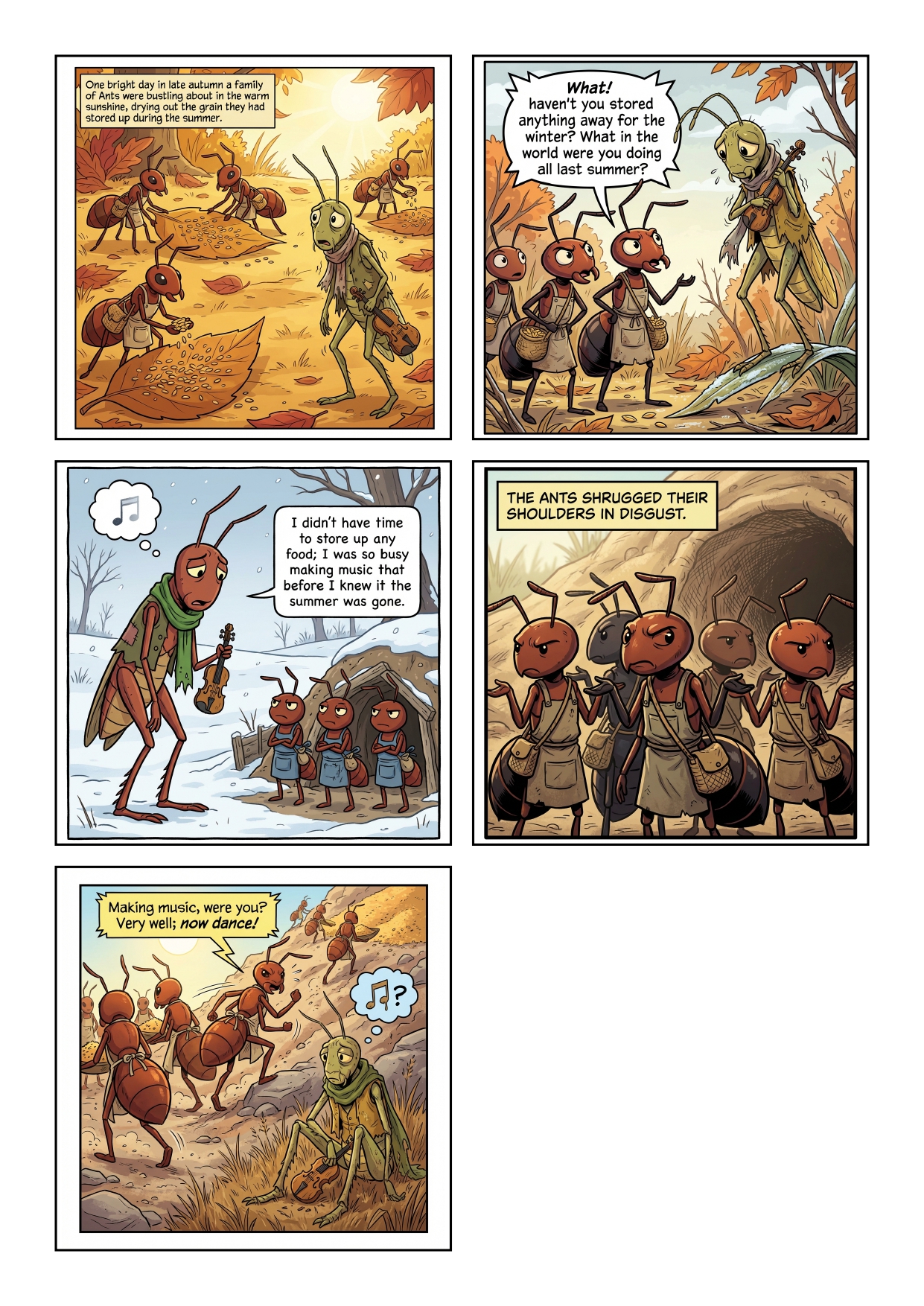
sample output 1 - The ants and grasshopper
-
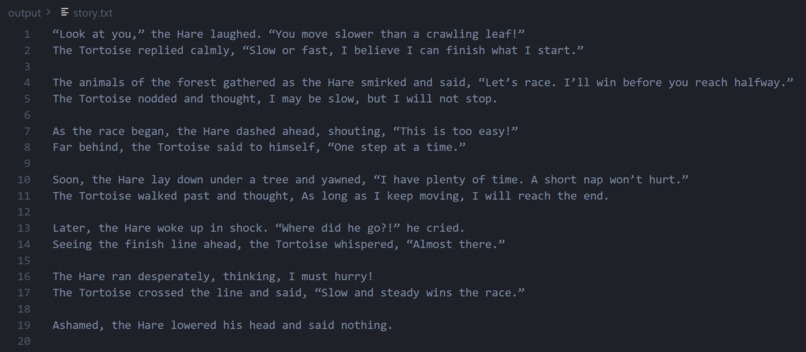
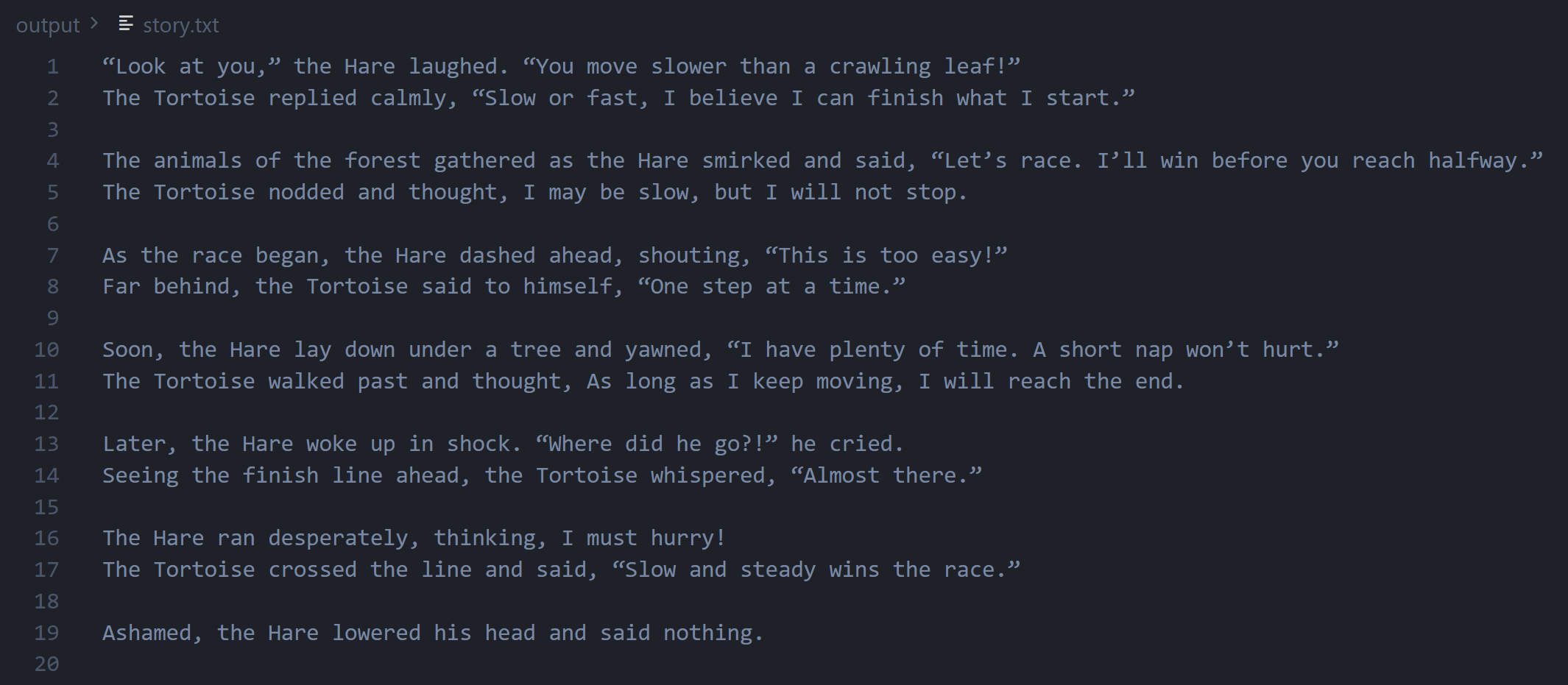
sample story 2 - Tortoise and hare story
-
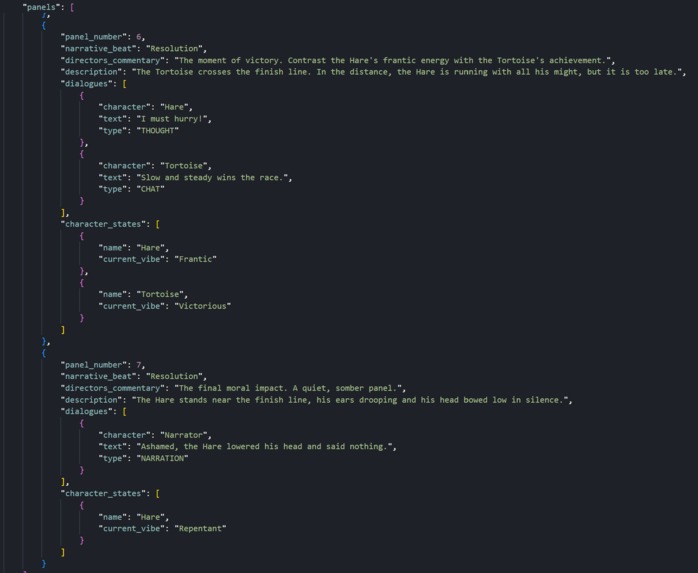
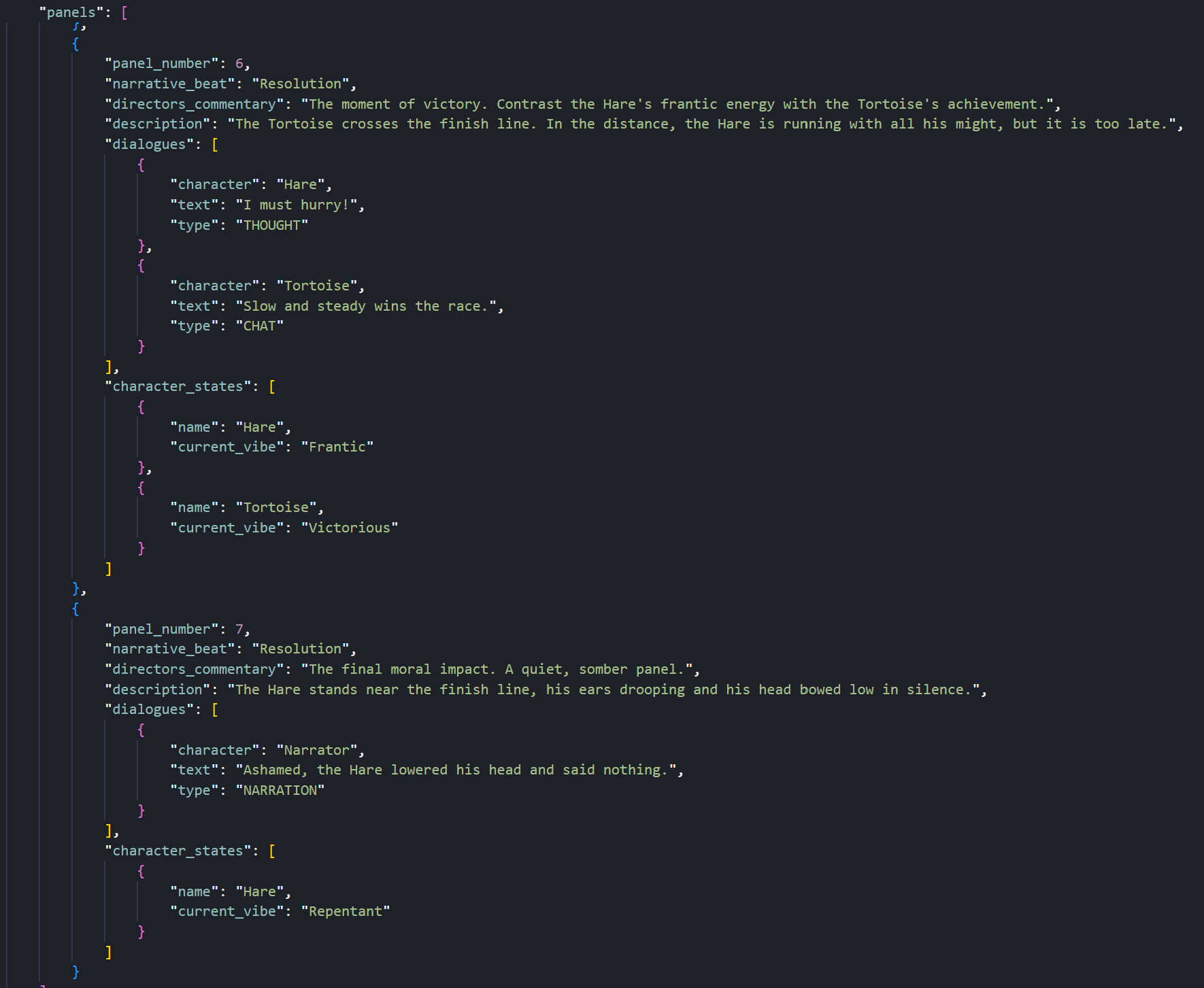
snippet of the director's json - The tortoise and the hare story.
-
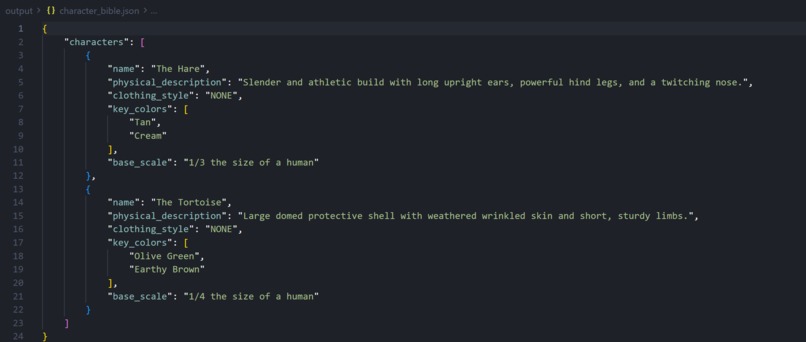
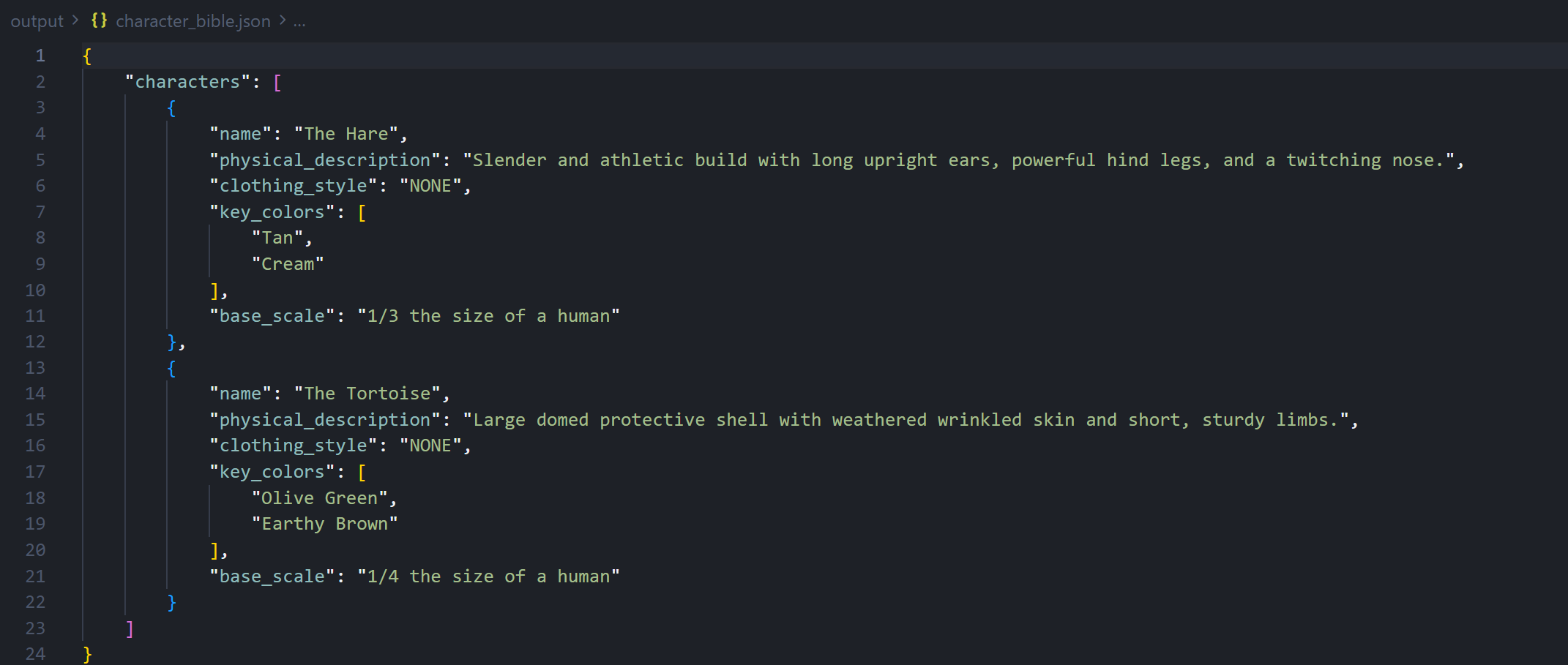
snippet of the character bible - The tortoise and hare
-
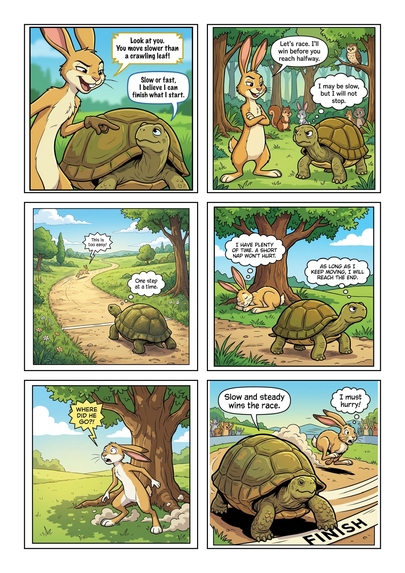
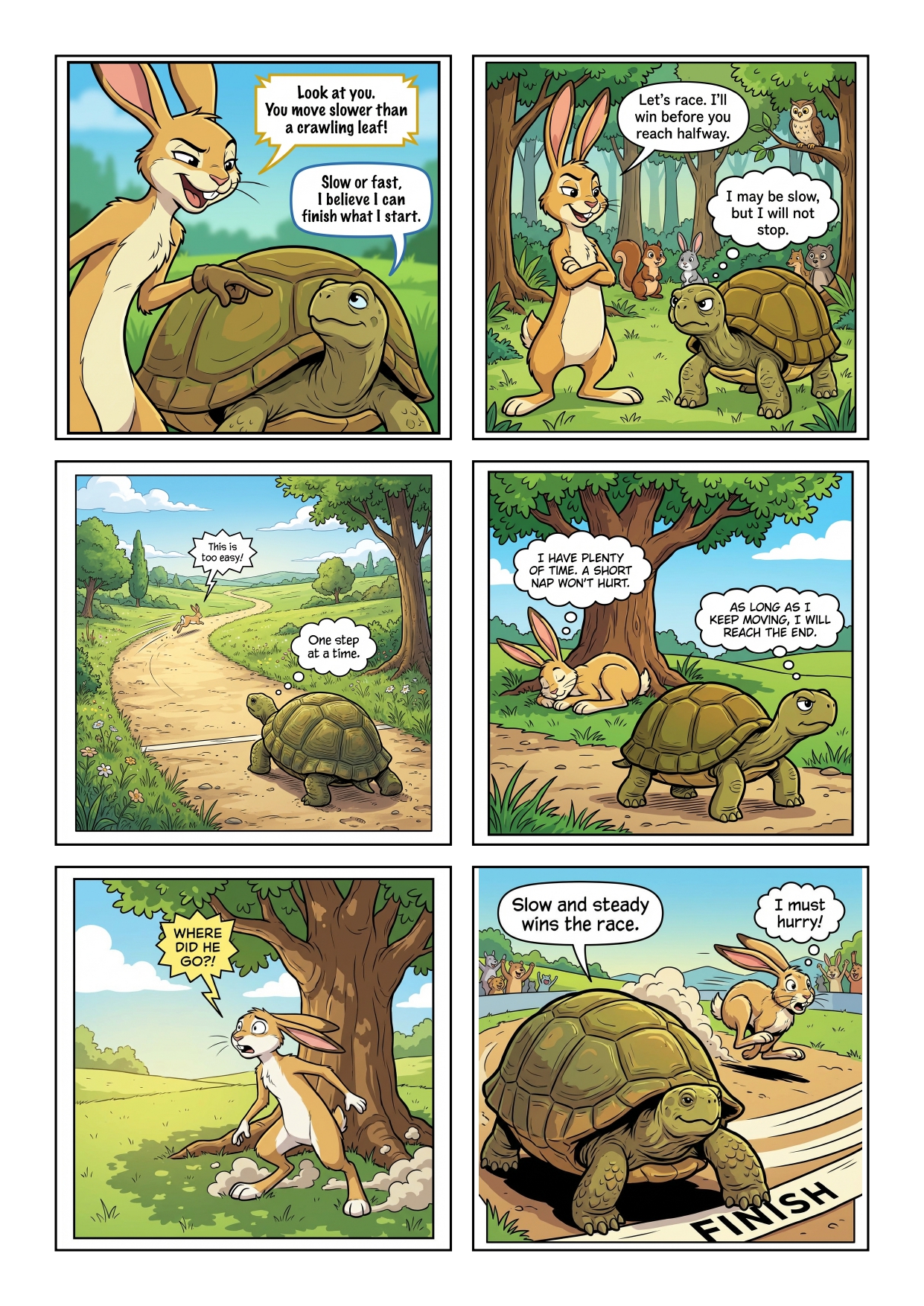
sample output 2 - tortoise and hare (page 1)
-
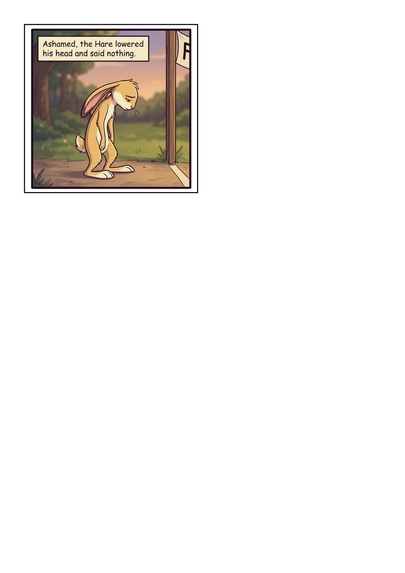
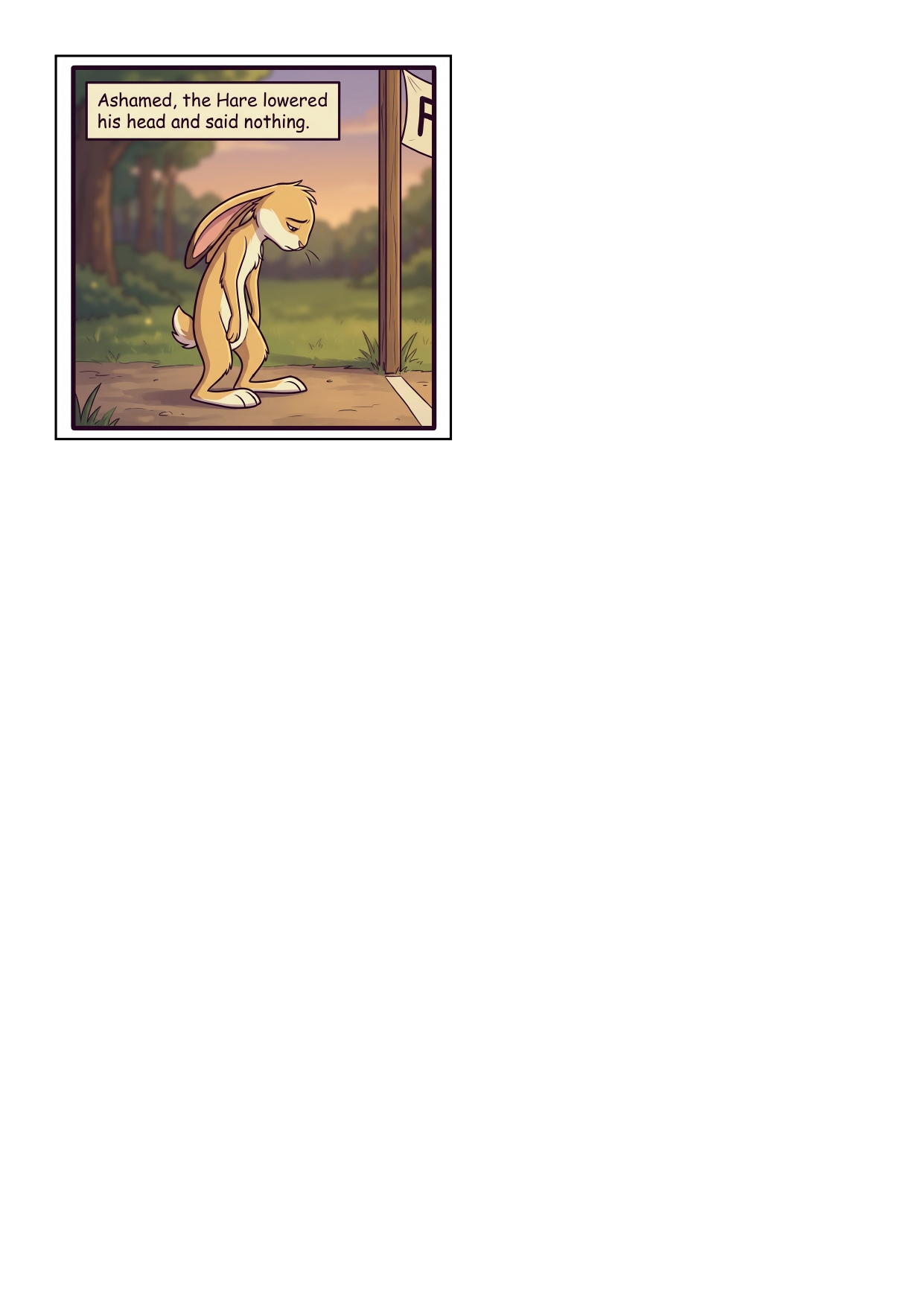
sample output 2 - tortoise and hare (page 2)
Inspiration
Storytelling is one of the oldest and most powerful forms of human expression. However, transforming a written story into a visual comic requires artistic skills, time, and multiple specialized tools. Many writers, students, and creators have great ideas but lack the resources to visualize them.
What it does
I built Comicfy to bridge this gap — to make comic creation accessible to anyone with a story, using AI as a creative assistant.
How I built it
Comicfy is an end-to-end AI pipeline that converts plain text stories into illustrated comic books:
1. Story Analysis (Director Module)- The input story is analyzed using gemini-3-flash-preview model to extract narrative beats, scenes, dialogues, and character states.
2. Character Design (Stylist Module)- A structured “character bible” is generated to ensure visual consistency across panels.
3. Image Generation (Artist Module)- Each panel is generated by gemini-3-pro-image-preview model (Nano Banana), based on scene context and character profiles.
4. Document Assembly (Publisher Module)- Generated panels are organized and exported into a multi-page PDF comic.
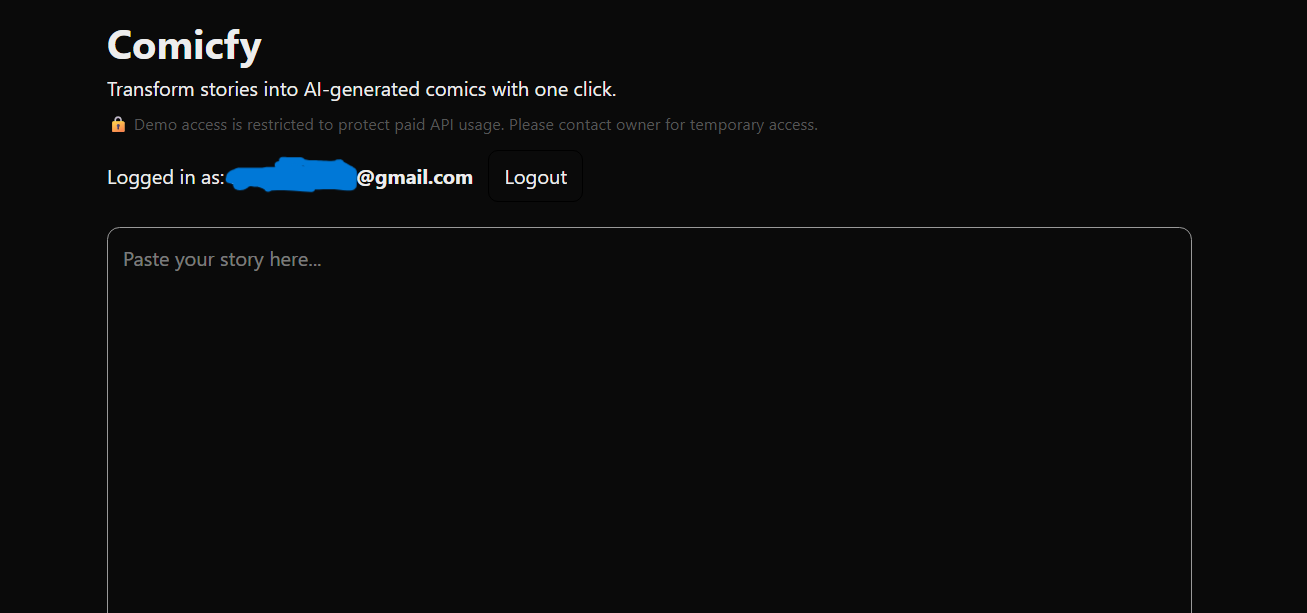
Web Platform A secure web interface with Google authentication allows users to submit stories, view real-time generation progress, and download the final comic. The system is modular and scalable, allowing each stage to evolve independently.
Challenges I ran into
Some major challenges included:
- Preventing character drift across multiple panels.
- Preserving narrative continuity throughout the story.
- Handling intermittent failures in AI image generation.
- Managing API costs by balancing the level of depth in story.
- Implementing secure authentication for a public-facing demo
Accomplishments that I'm proud of
What I'm proud of:
- Built a complete end-to-end AI pipeline that transforms written stories into illustrated comic books without manual intervention.
- Successfully integrated multiple generative models for story analysis, character design, and image creation into a unified workflow.
- Managed to achieve consistent character representation across multiple comic panels using a structured character bible.
What I learned
Through this project, I gained hands-on experience in:
- Designing multi-stage AI pipelines.
- Structuring AI outputs using pydantic schemas for reliability.
- Maintaining visual consistency across generative outputs.
- Integrating authentication and secure APIs.
- Deploying full-stack AI applications on cloud platforms
- Optimizing Ai prompts and System instructions (most important).
What's next for Comicfy
Future improvements include:
- A progress bar to render on front-end.
- Custom art styles.
- Fine-tuned level of depth (the number of panels to generate).
- support for hand-written text to comic generation.
- Mobile Application.


Log in or sign up for Devpost to join the conversation.