-
-

LOGO
-
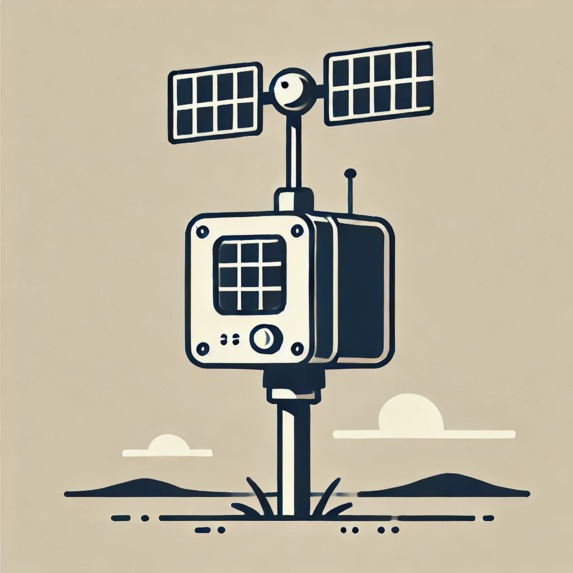
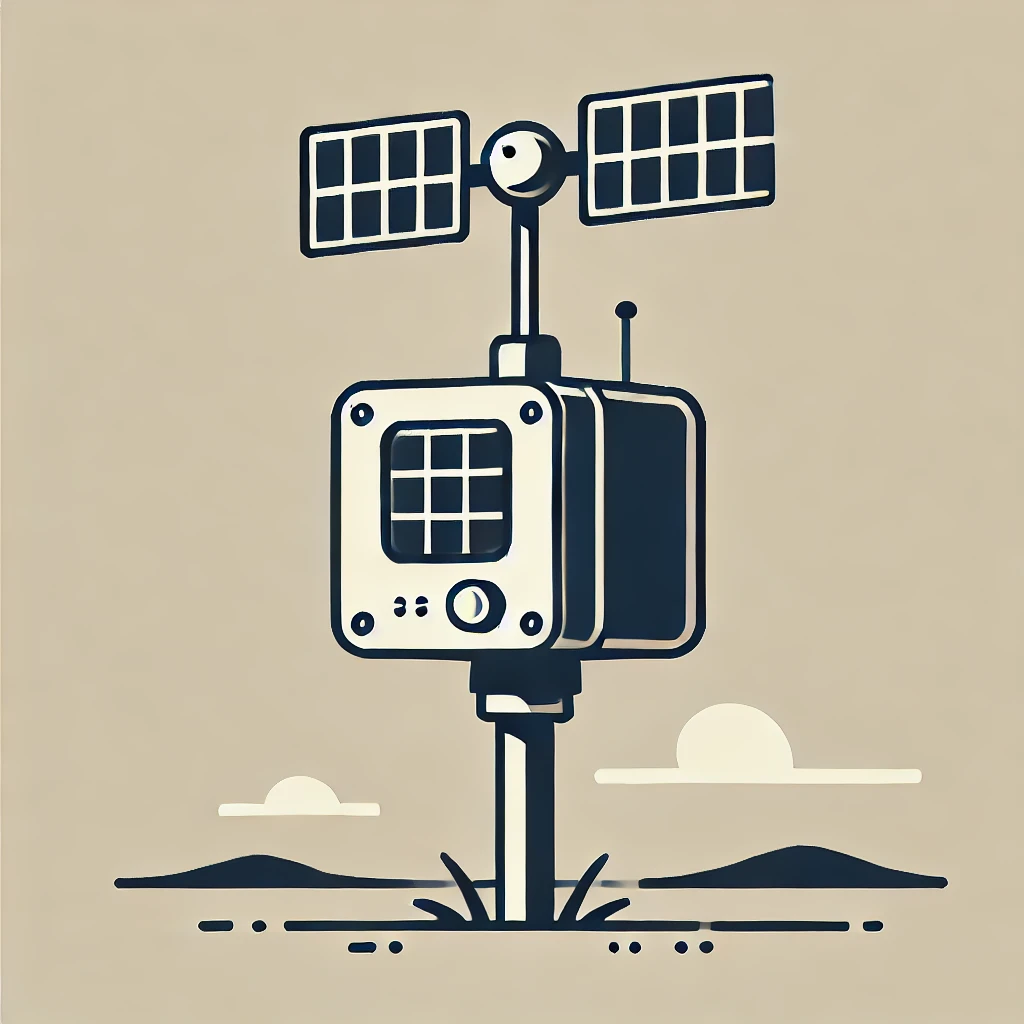
LoRaWAN base station

Inspiration
The inspiration behind our project came from the significant communication barriers in remote Indigenous communities in Australia. These regions often lack traditional telecommunication infrastructure, making it difficult for residents to access vital services and maintain everyday communication. We were motivated to find a solution that could bridge this digital divide using LoRaWAN technology, providing a reliable, low-cost, and low-power communication network.
What it does
Our solution deploys mini LoRaWAN signal stations that create a long-range, low-power communication network in remote areas. This network allows people to send messages, share essential data, and receive critical updates, even in places with no access to traditional cellular or internet infrastructure. The system is designed to support basic communication needs and emergency services with minimal maintenance.
How we built it
We built the project by first designing the LoRaWAN network architecture, selecting energy-efficient hardware components, and developing the necessary software to ensure long-range communication. After that, we prototyped and tested mini signal stations that could be deployed manually in remote areas. We also configured the system to operate on minimal power and incorporated renewable energy options like solar to ensure sustainability.
Challenges we ran into
One of the biggest challenges was ensuring the system could operate with limited access to power in remote areas. We had to design an energy-efficient solution that could run continuously in environments with harsh weather conditions and minimal maintenance. Additionally, we faced challenges in optimizing the network to ensure reliable communication over long distances with limited infrastructure.
Accomplishments that we're proud of
We are proud to have developed a scalable solution that can provide much-needed communication infrastructure in remote areas. Our system is energy-efficient, cost-effective, and adaptable to different geographical and environmental conditions. We successfully tested the system in real-world conditions, ensuring it can reliably serve remote communities.
What we learned
Throughout the project, we learned a lot about the unique challenges faced by remote communities and how to tailor technology to meet their specific needs. We also gained valuable experience in designing energy-efficient, low-maintenance communication systems and overcoming the logistical difficulties of deploying technology in remote areas.
What's next for Comet
The next step for Comet is to expand the deployment of our mini LoRaWAN signal stations in more remote regions and refine the technology to support additional services like remote monitoring and emergency alerts. We also plan to explore partnerships with local organizations and governments to scale the solution and address connectivity gaps in other underserved regions around the world.
Built With
- amazon-web-services
- arduino
- c
- lorawan
- python
- python-frameworks:-arduino
- raspberry-pi


Log in or sign up for Devpost to join the conversation.