-
-

com-ant
-
-
-



Inspiration
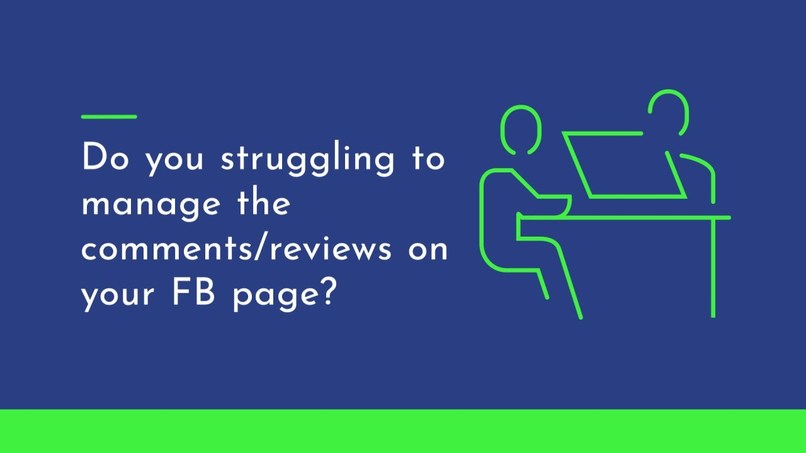
The most important factor in the communication is "quick and opt response". Nowadays, people mostly trust a thing(Product, company or person) based the comments and responses on the social media. But think from owner of the page perspective, due to the volume of comments it is very tough for the owner of the page to analyse and response back for every comments in the page.
What it does
A small product demo - https://youtu.be/hJdlDpT0zqc
com-ant (pronounced as comment) is a customizable bot ant. This can be included in any Facebook page to monitor the message/comment, analyse and response back based on the context. The highly negative comment will be notified to owner to take care immediately. As well it will give you the insight chart based on the categories of the comment. (Positive, Negative or Neutral).
How I built it
This bot built using;
- messenger sdk - for communication
- node js - middle layer
- wit.ai - for sentiment analysis
Challenges I ran into
- As this is first time working on messenger sdk, it was little difficult to understand about the overall design to incorporate the sdk and wit.ai into Node js. But the material available in Facebook for developers page lead the better way.
Accomplishments that I'm proud of
- Bot development that make the communication in a better way.
- Let owner of the page know which comment to be taken care first to stop impacting their reputation on public.
What I learned
- The overall architecture built for between Facebook page and Messenger.
- wit.ai a cool NLP partner.
What's next for com-ant (pronounce as comment or communication ant)
- Make it customizable for every business page in Facebook.
- Include analysed data into dashboard with better visual representation.
- Improve the accuracy of the predictions of the bot.
Please note, as this bot still not yet deployed on any cloud host, tested through ngrok and working demo uploaded as video file. - https://youtu.be/LdAVVpp2zb4

Log in or sign up for Devpost to join the conversation.