-
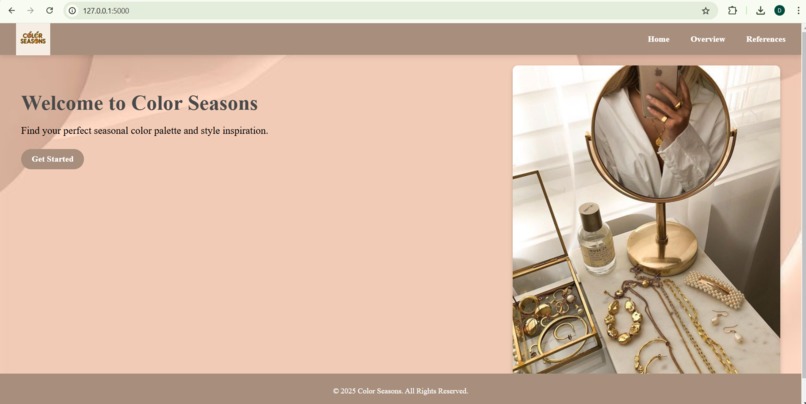
Homepage
-
-
-
-
-
-
-
-
-
-
-
-
-
Inspiration
The idea for Color Seasons was inspired by the desire to bring the art and science of seasonal color analysis into the digital age. With the growing emphasis on inclusivity and accessibility in technology, we wanted to create a tool that empowers individuals to explore their unique color palettes in a user-friendly way. By leveraging AI and computer vision, we sought to make the process of discovering personal style effortless and fun.
Our project is particularly aligned with the Hack McWiCS theme of empowering women in computer science. Seasonal color analysis has historically been a tool for personal empowerment, often popularized by women theorists and practitioners. This inspired us to blend tradition with technology, creating a platform that is both innovative and rooted in history.
What it does
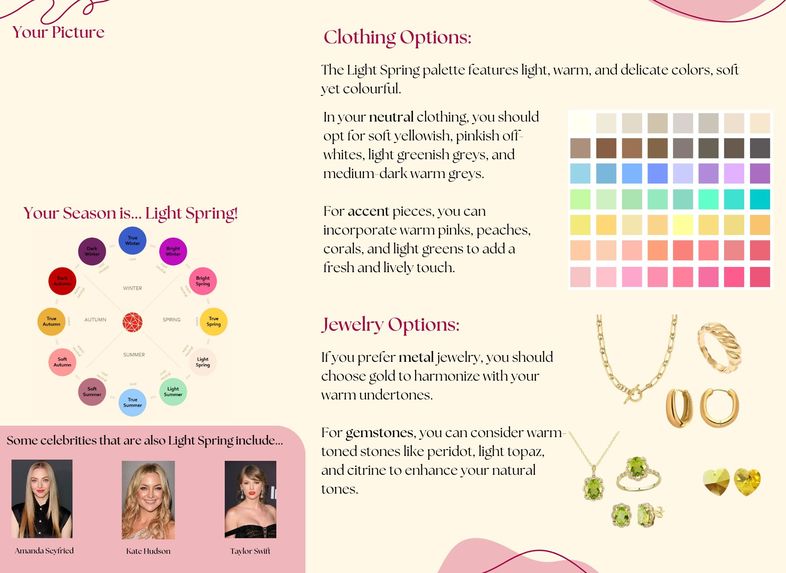
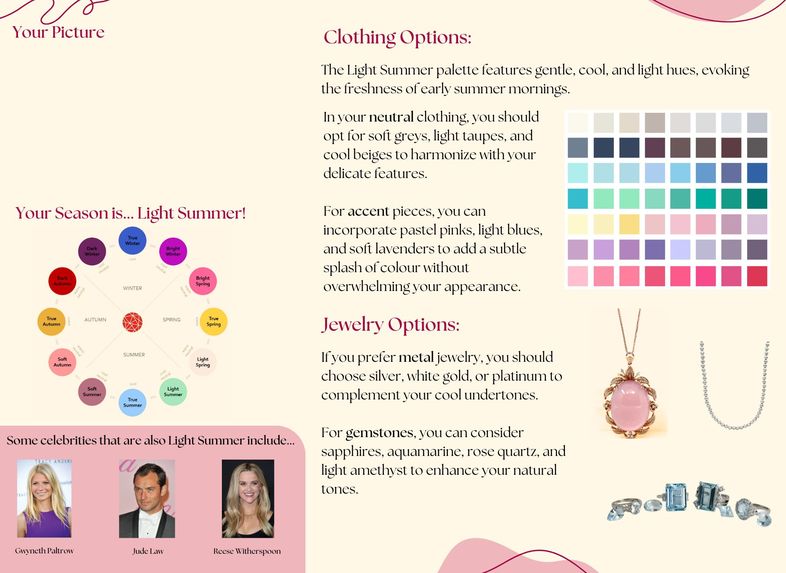
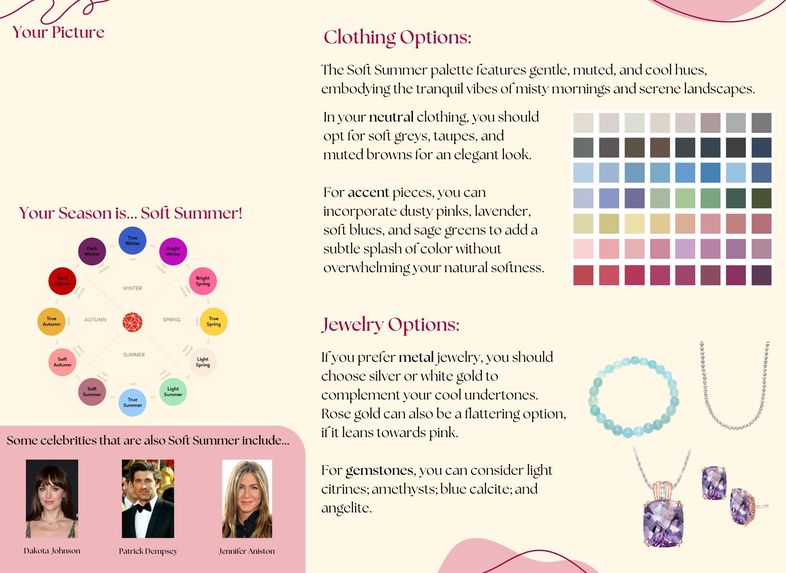
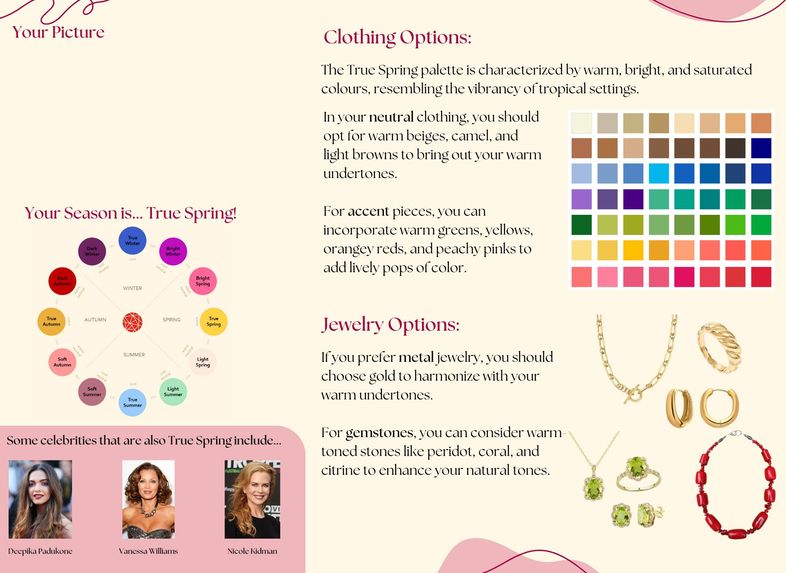
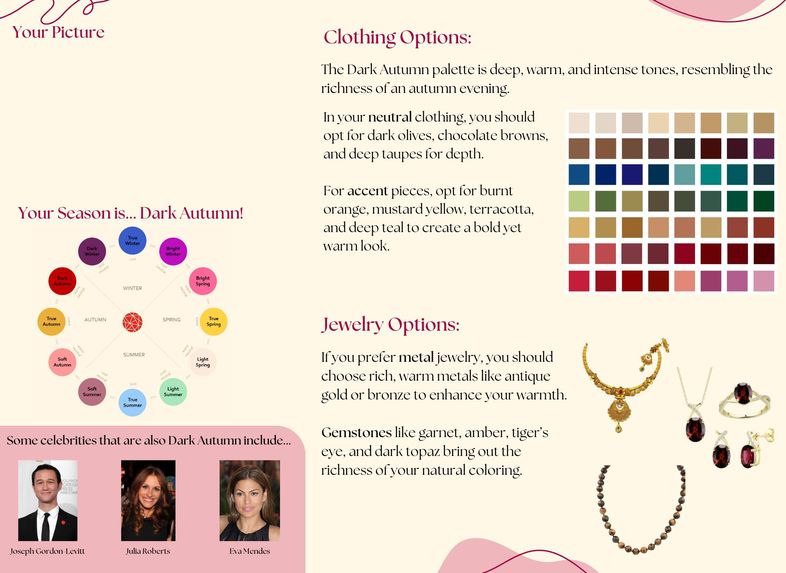
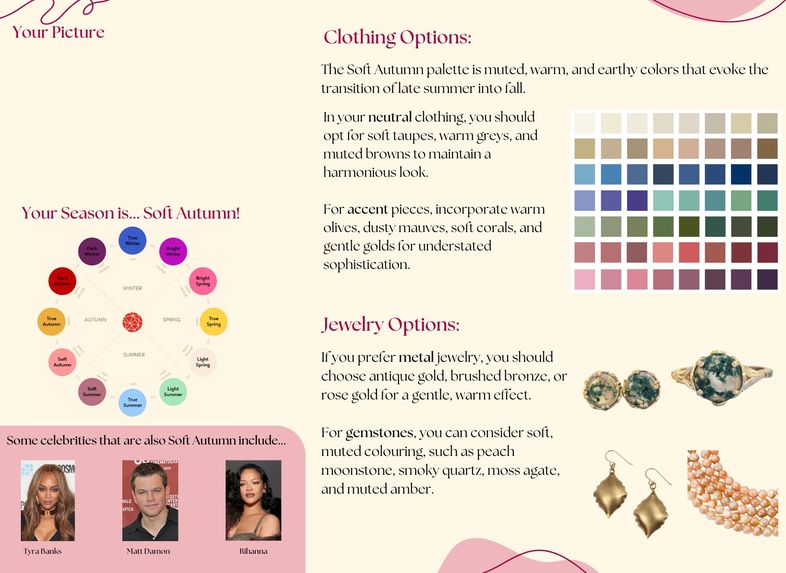
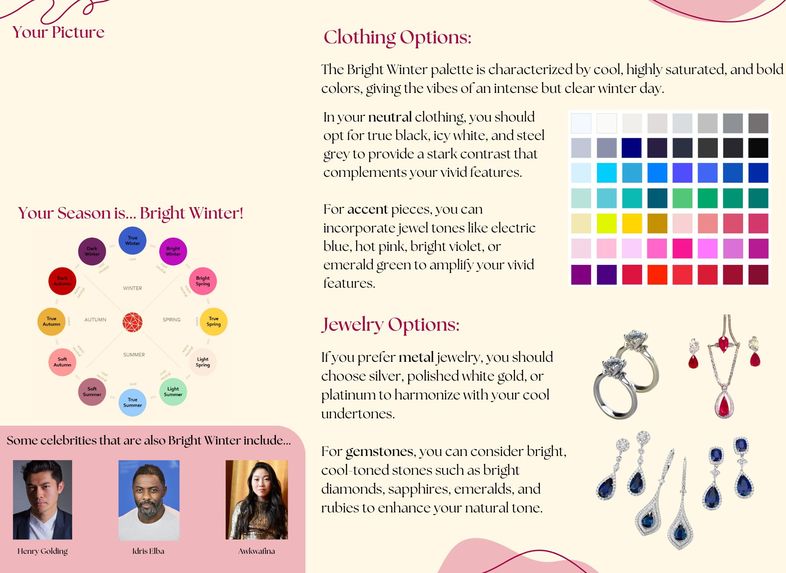
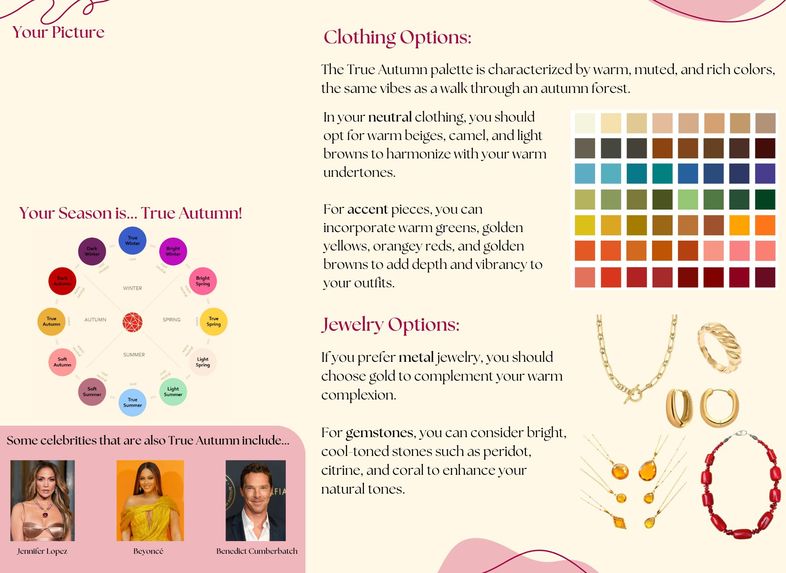
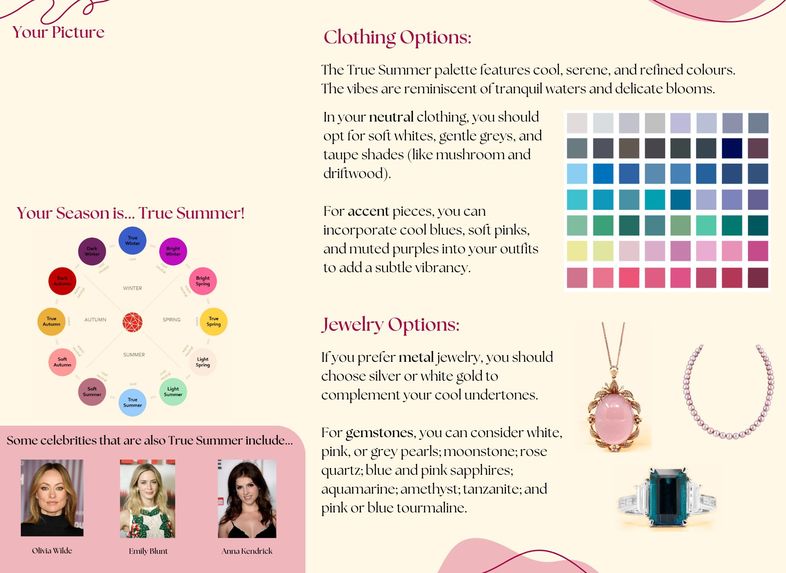
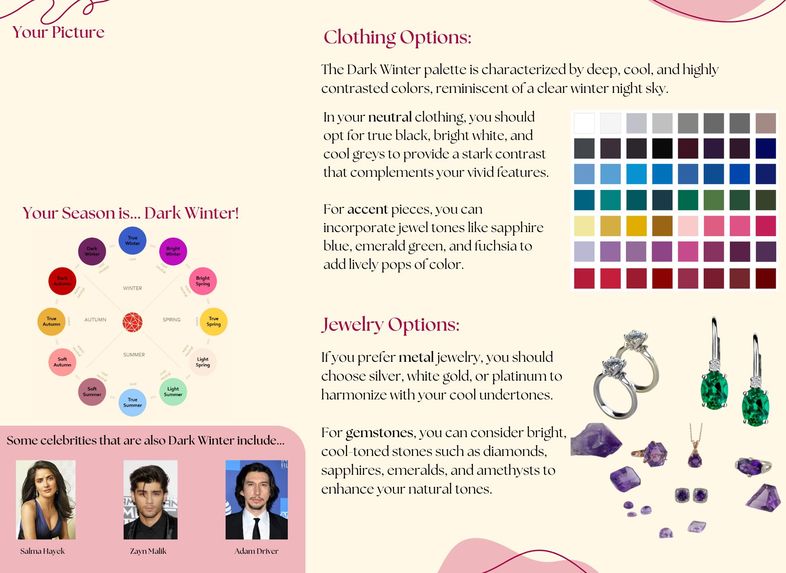
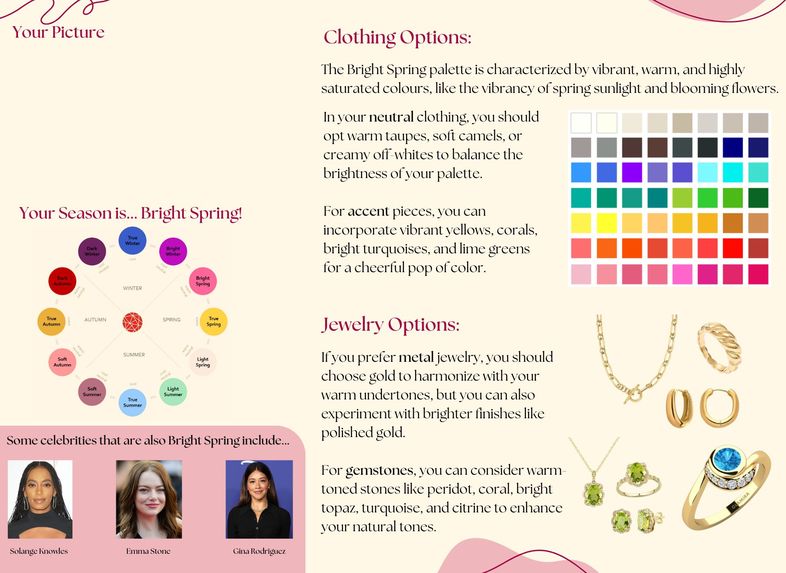
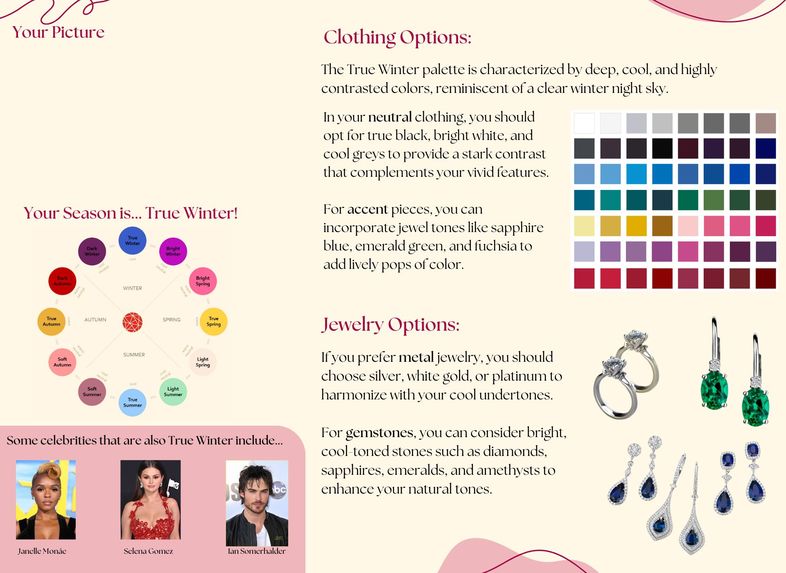
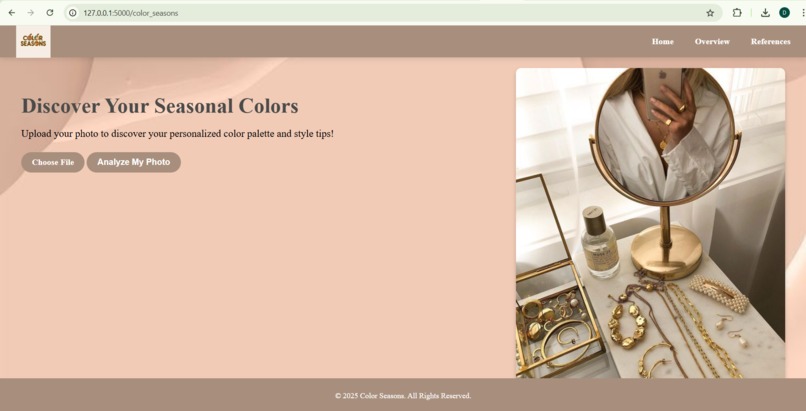
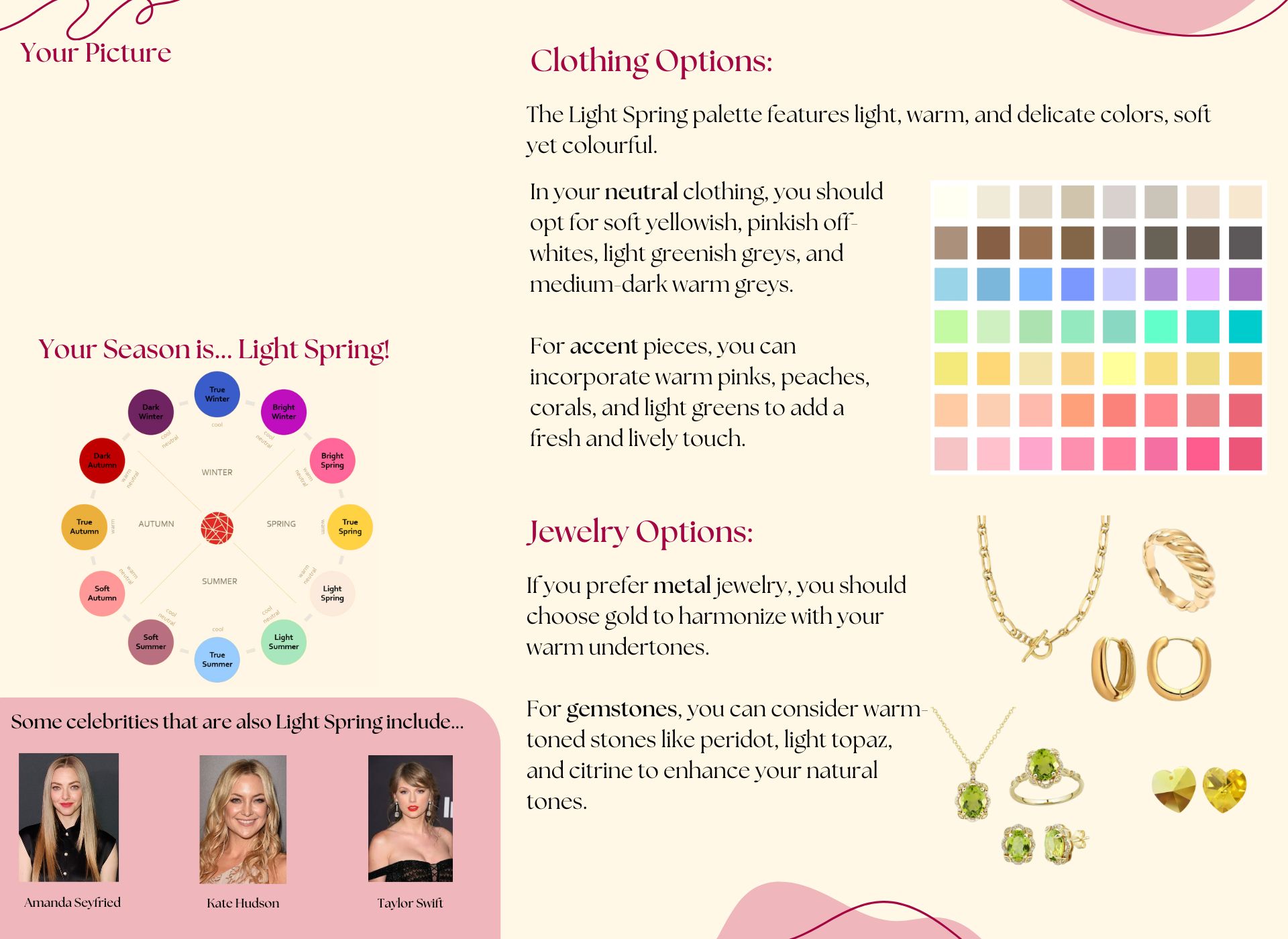
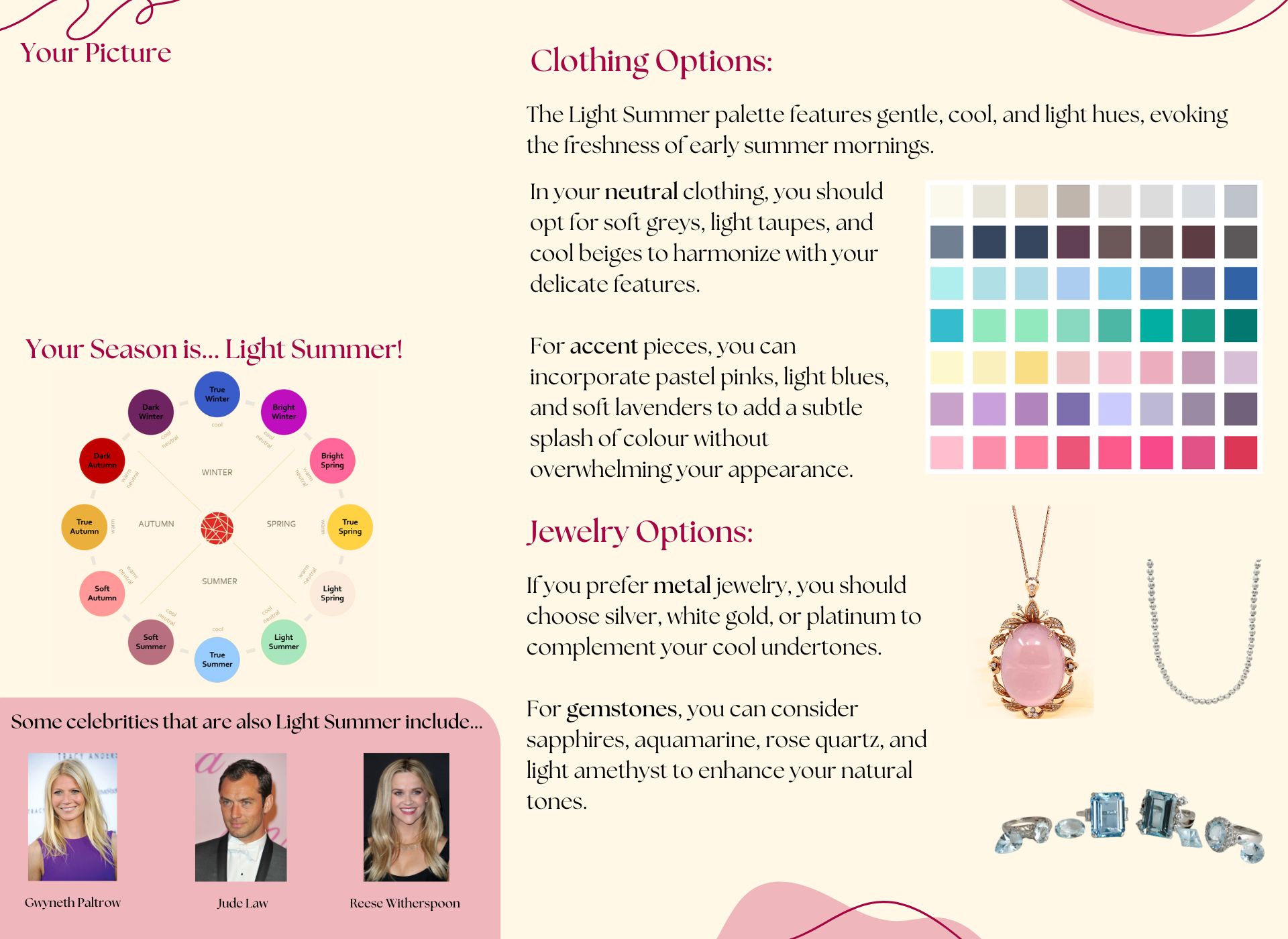
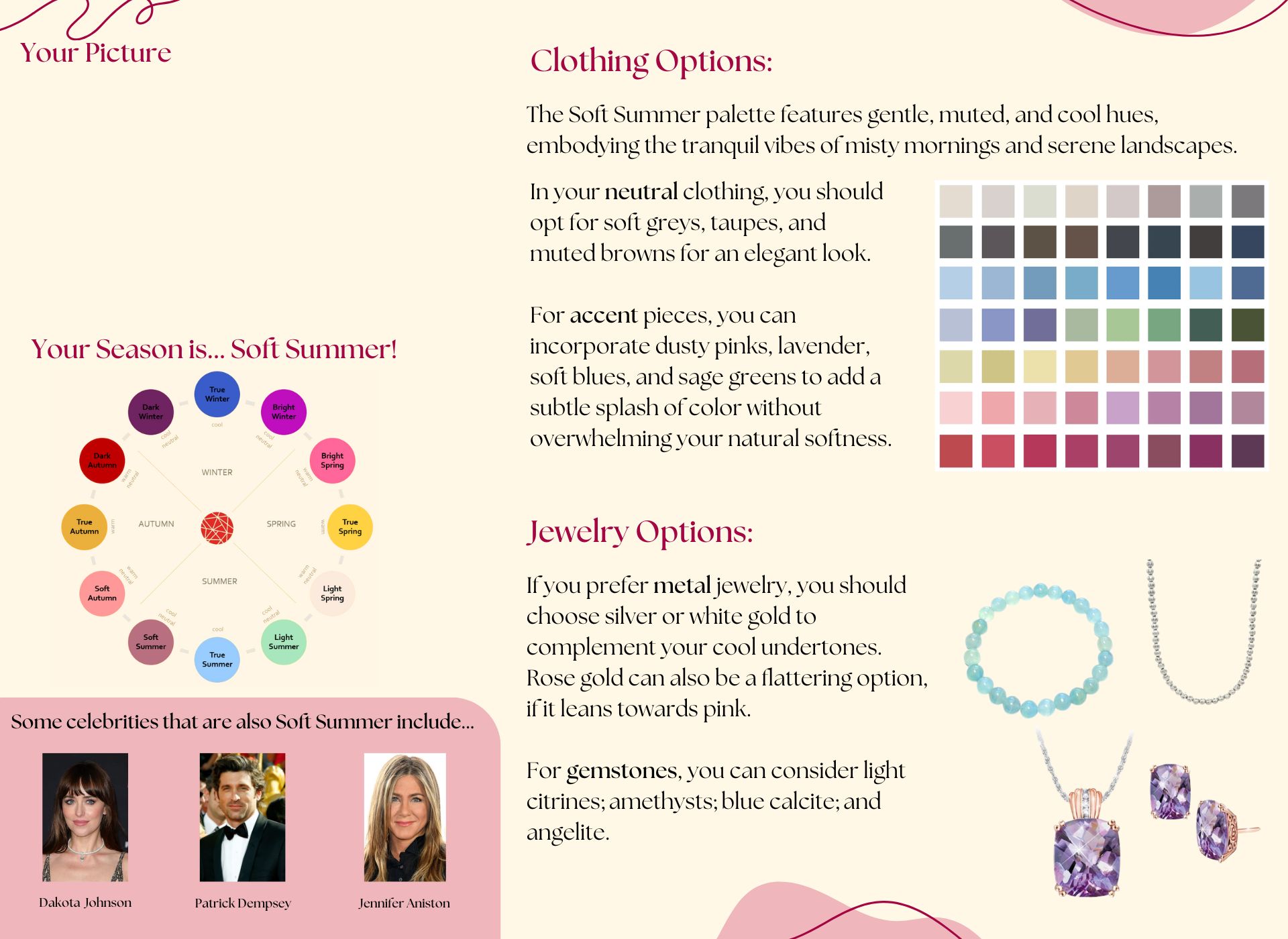
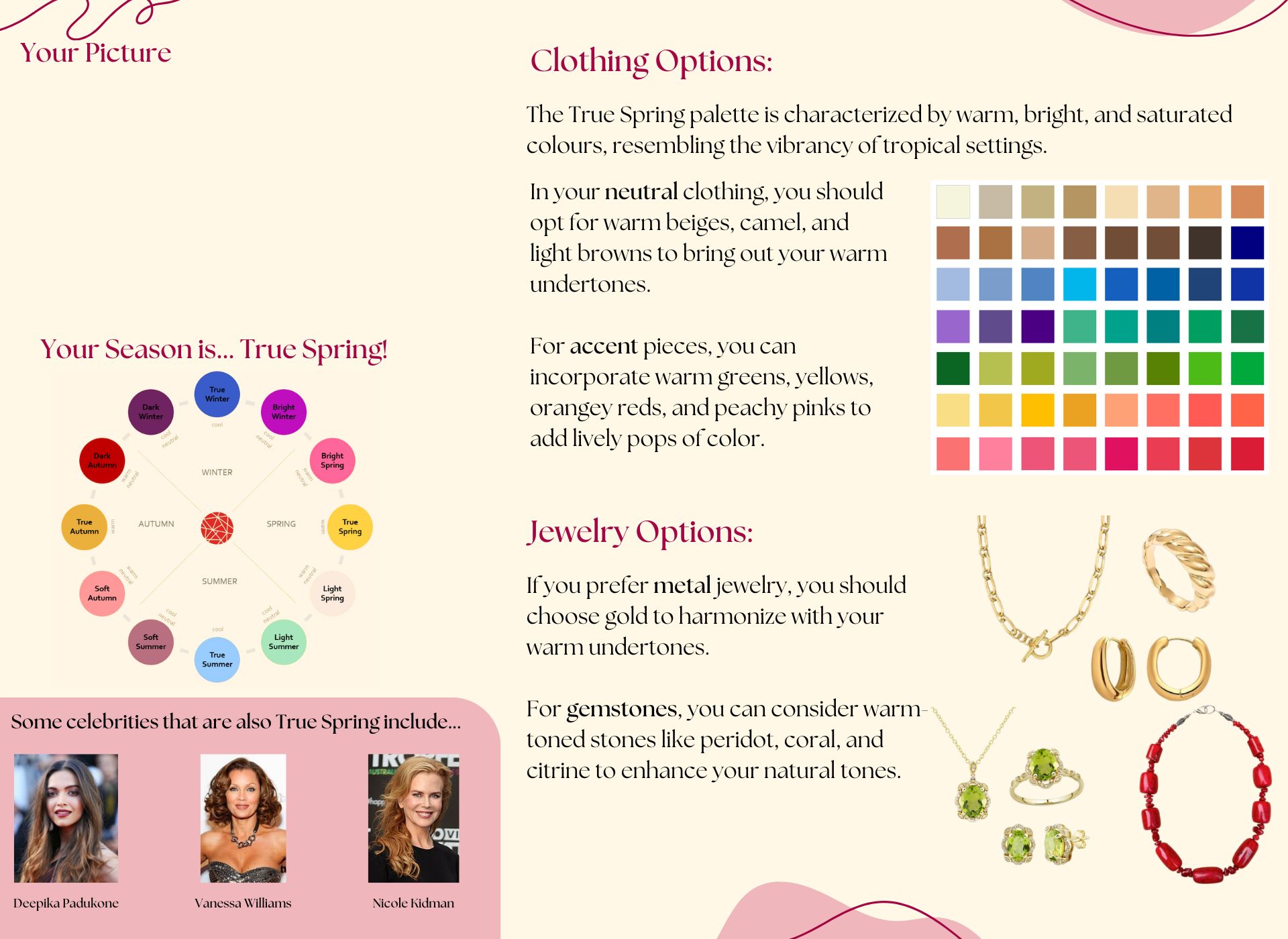
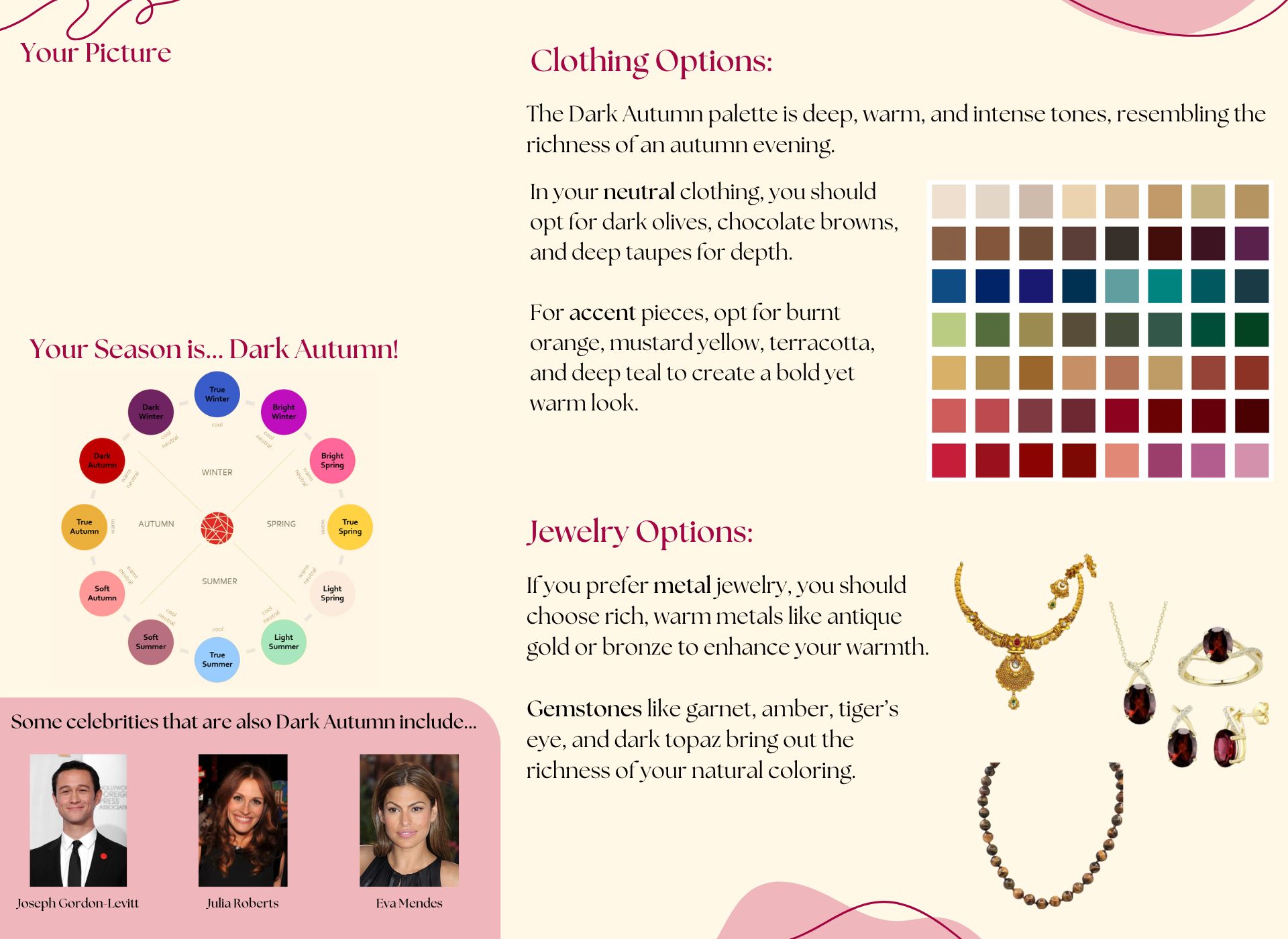
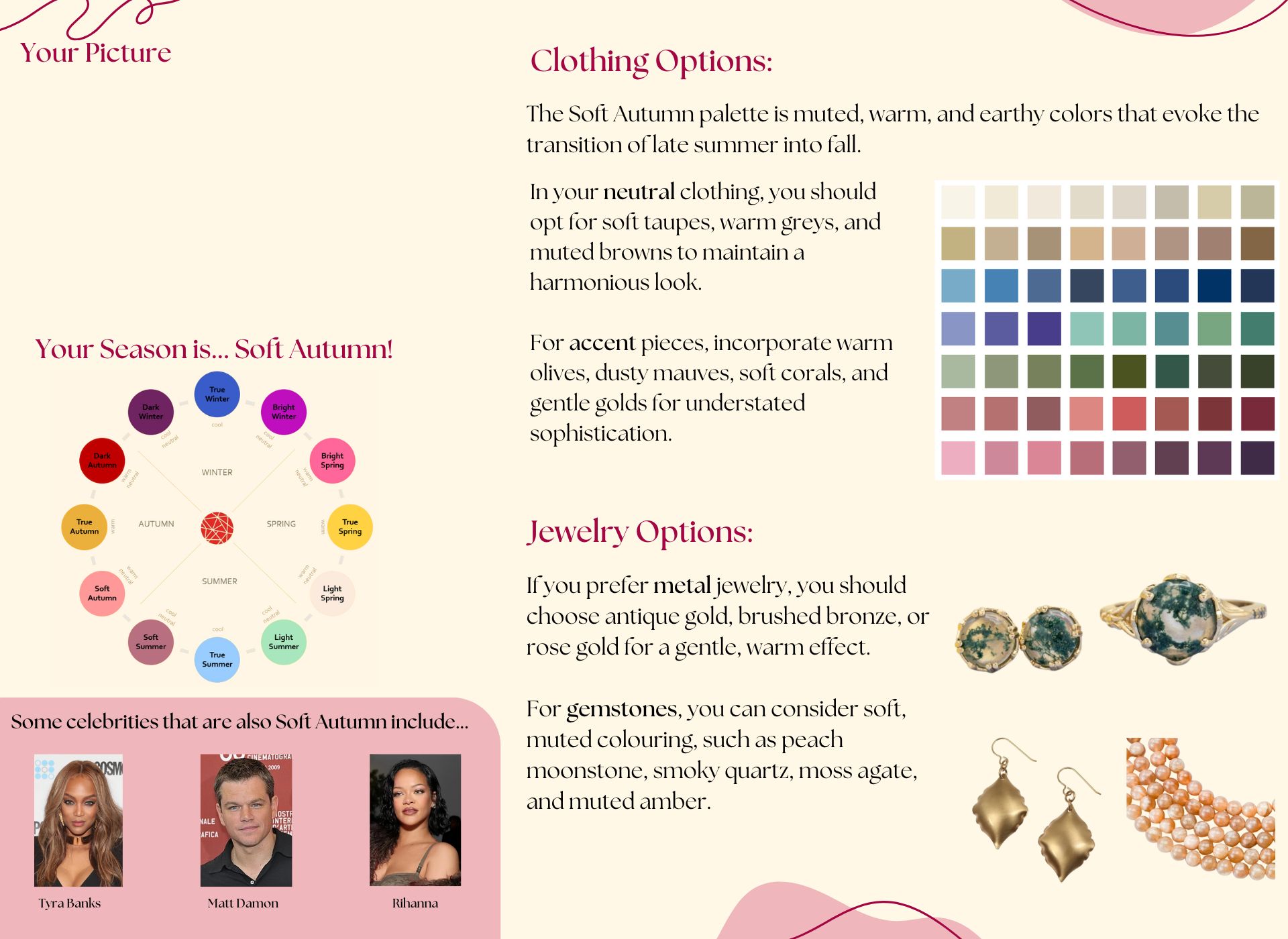
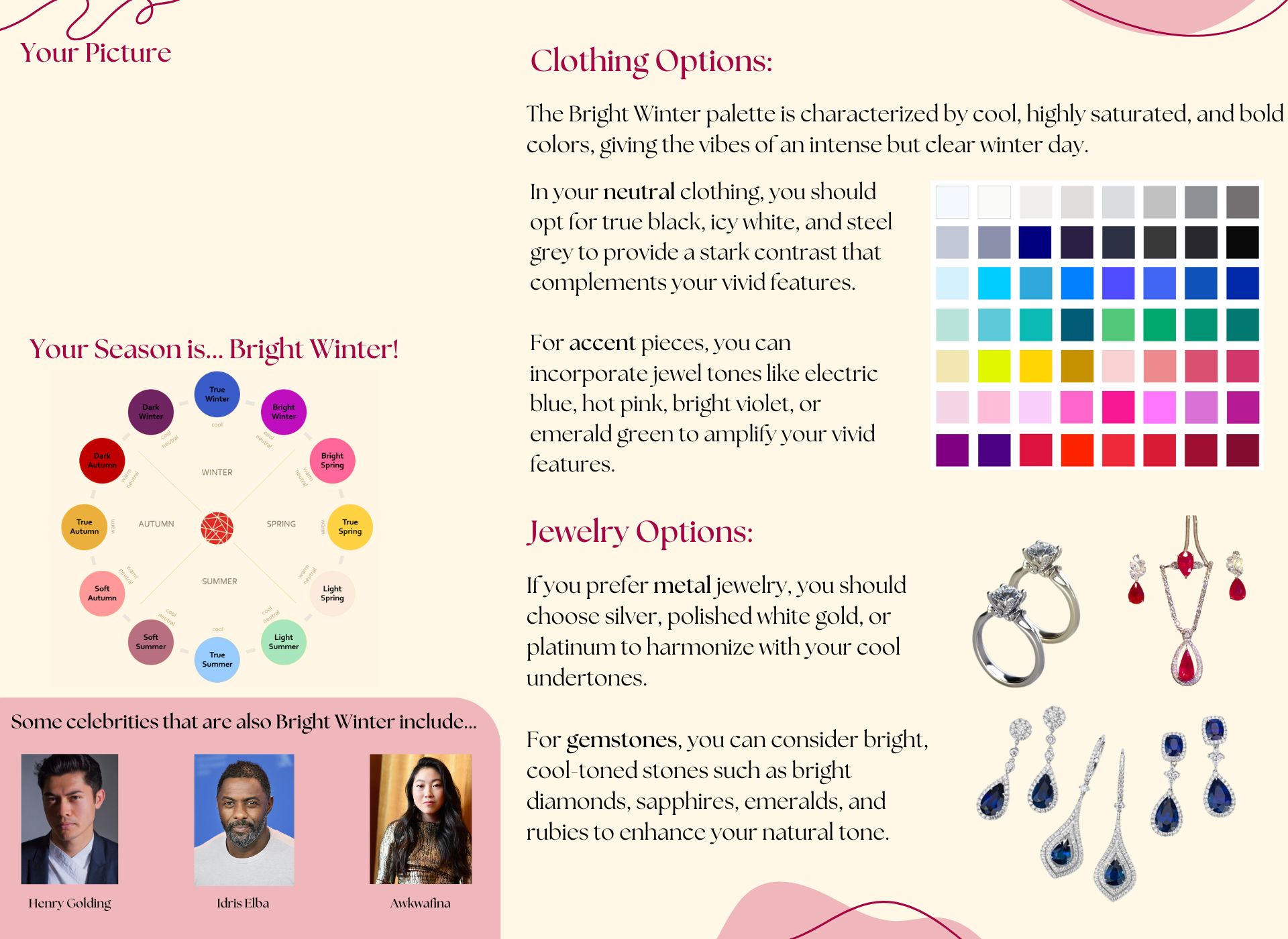
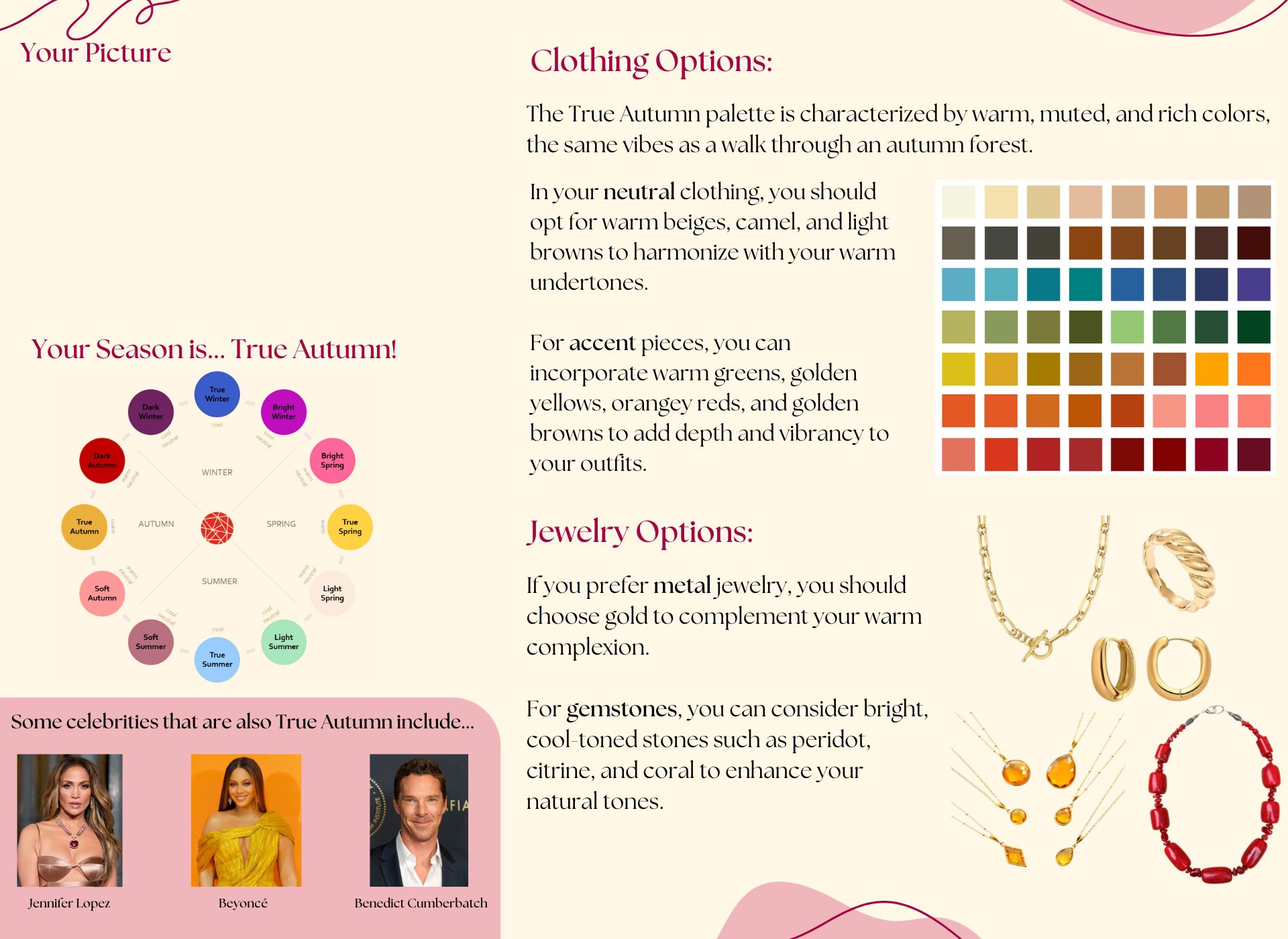
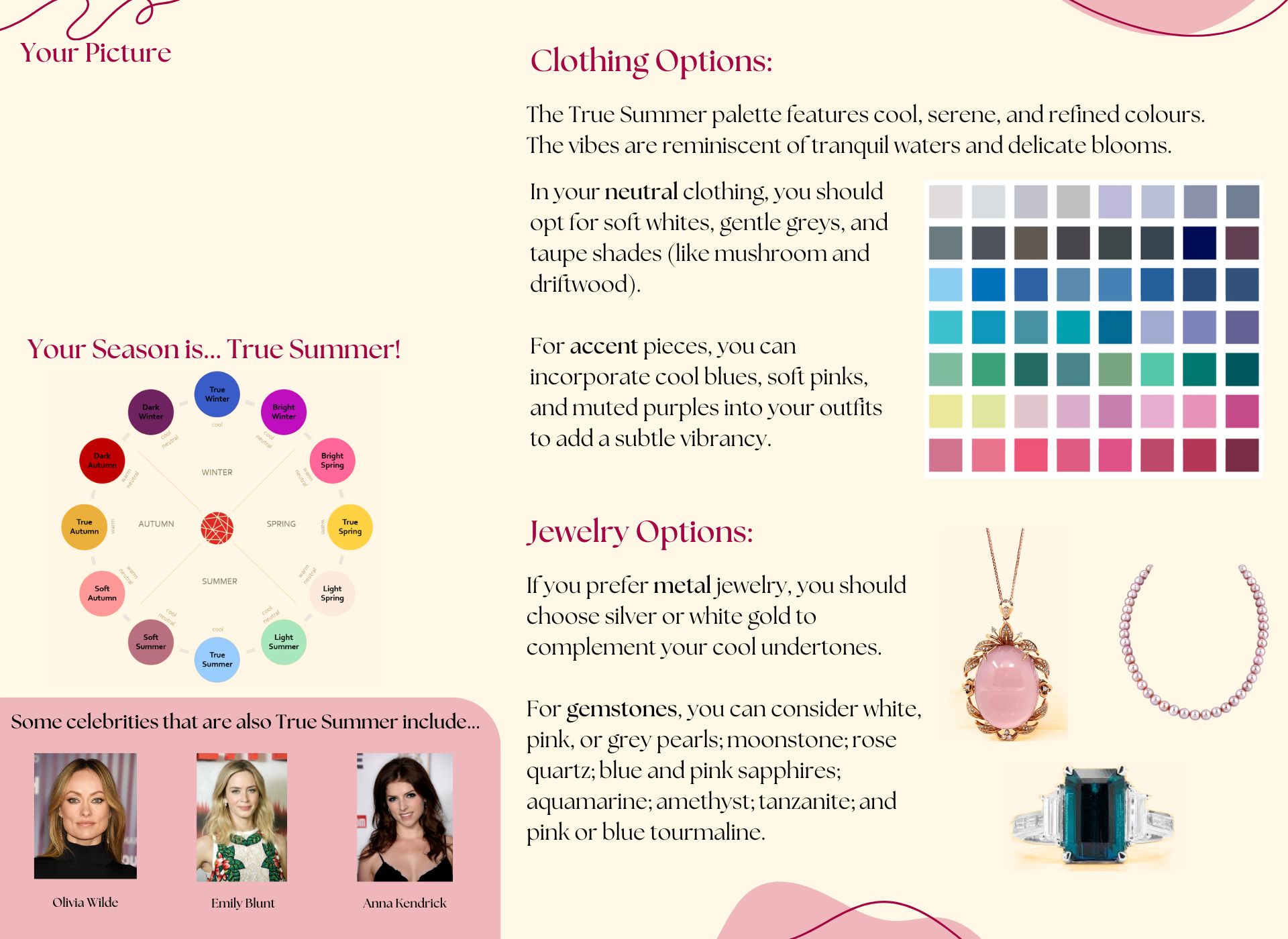
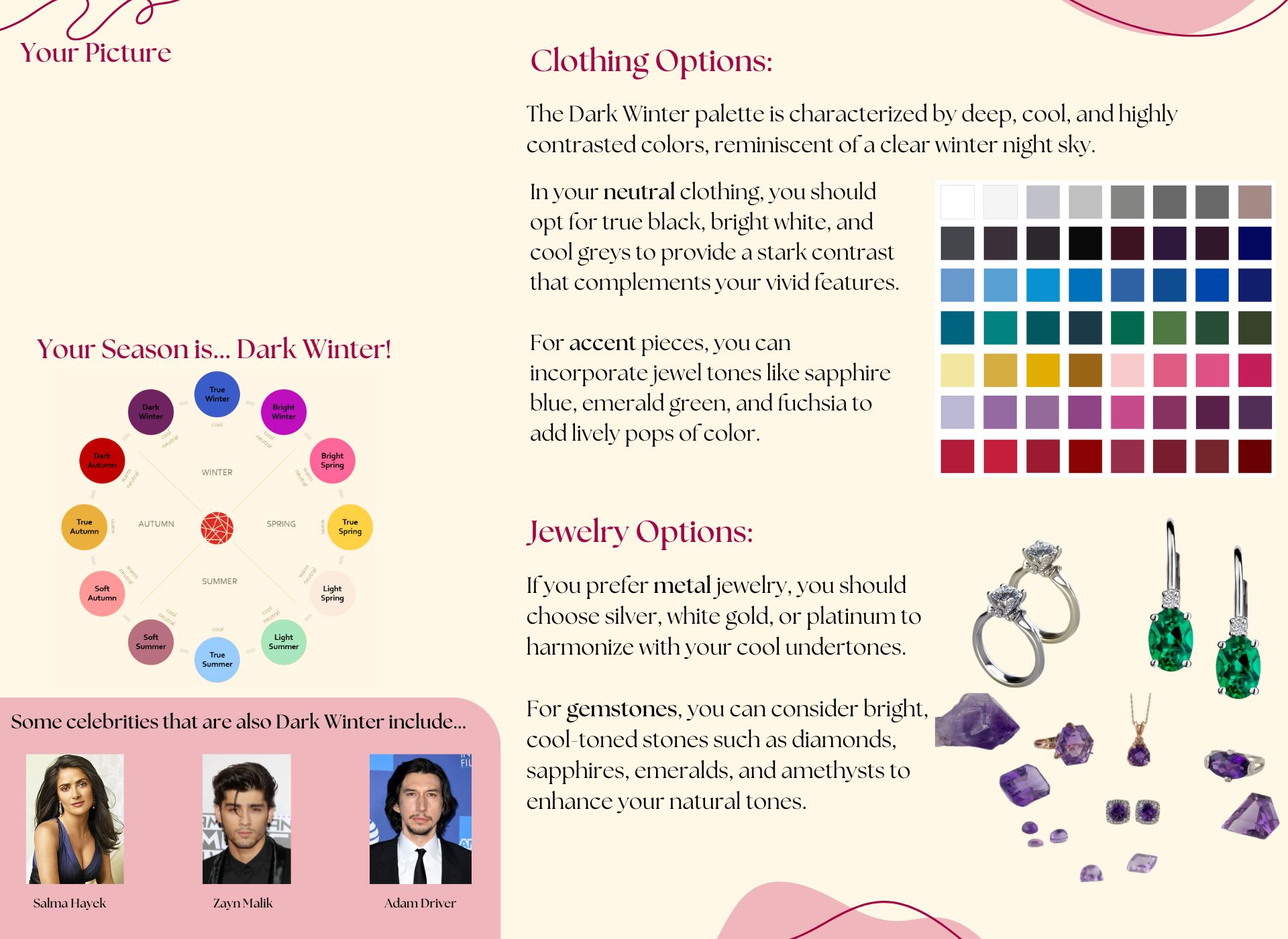
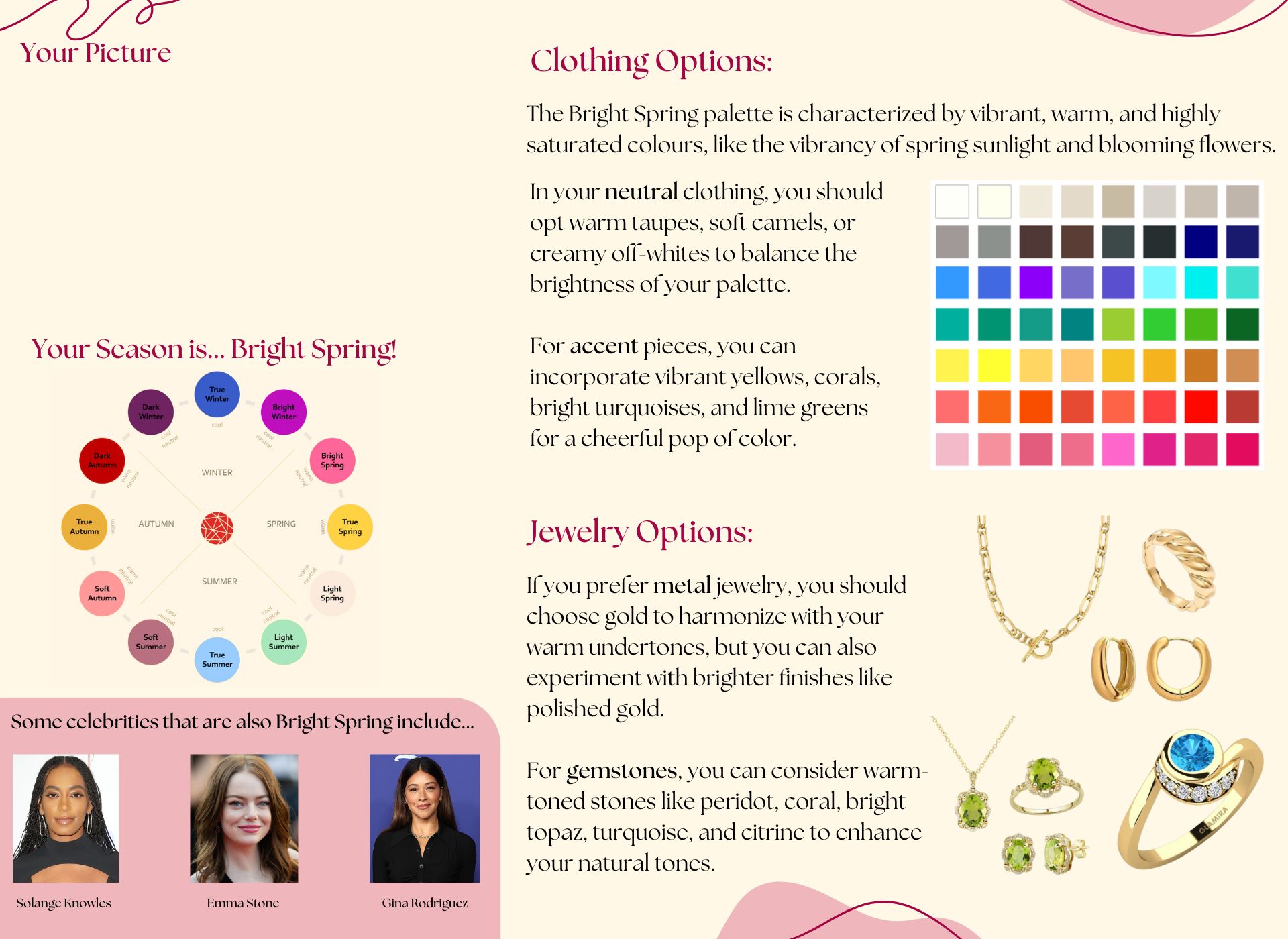
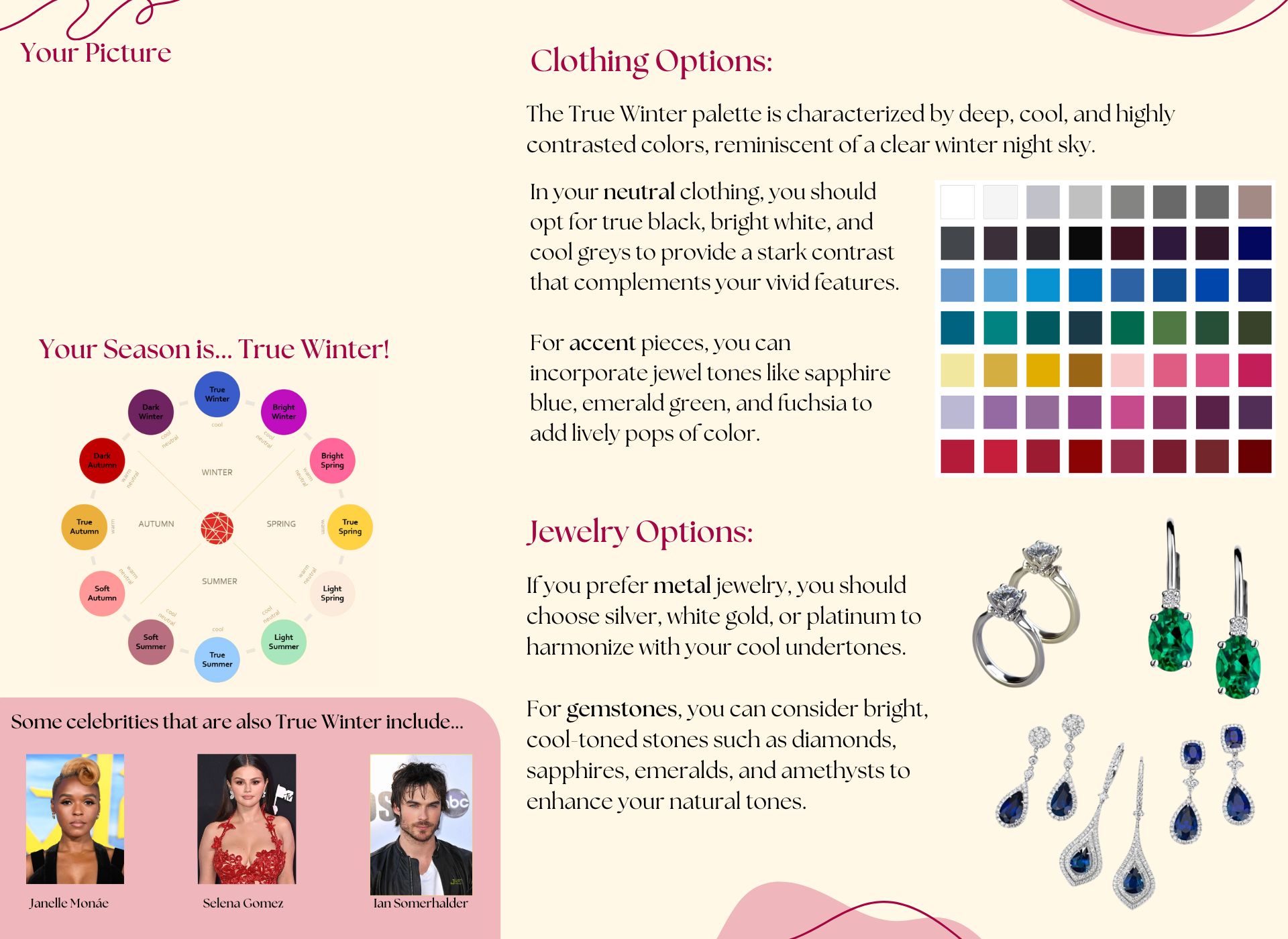
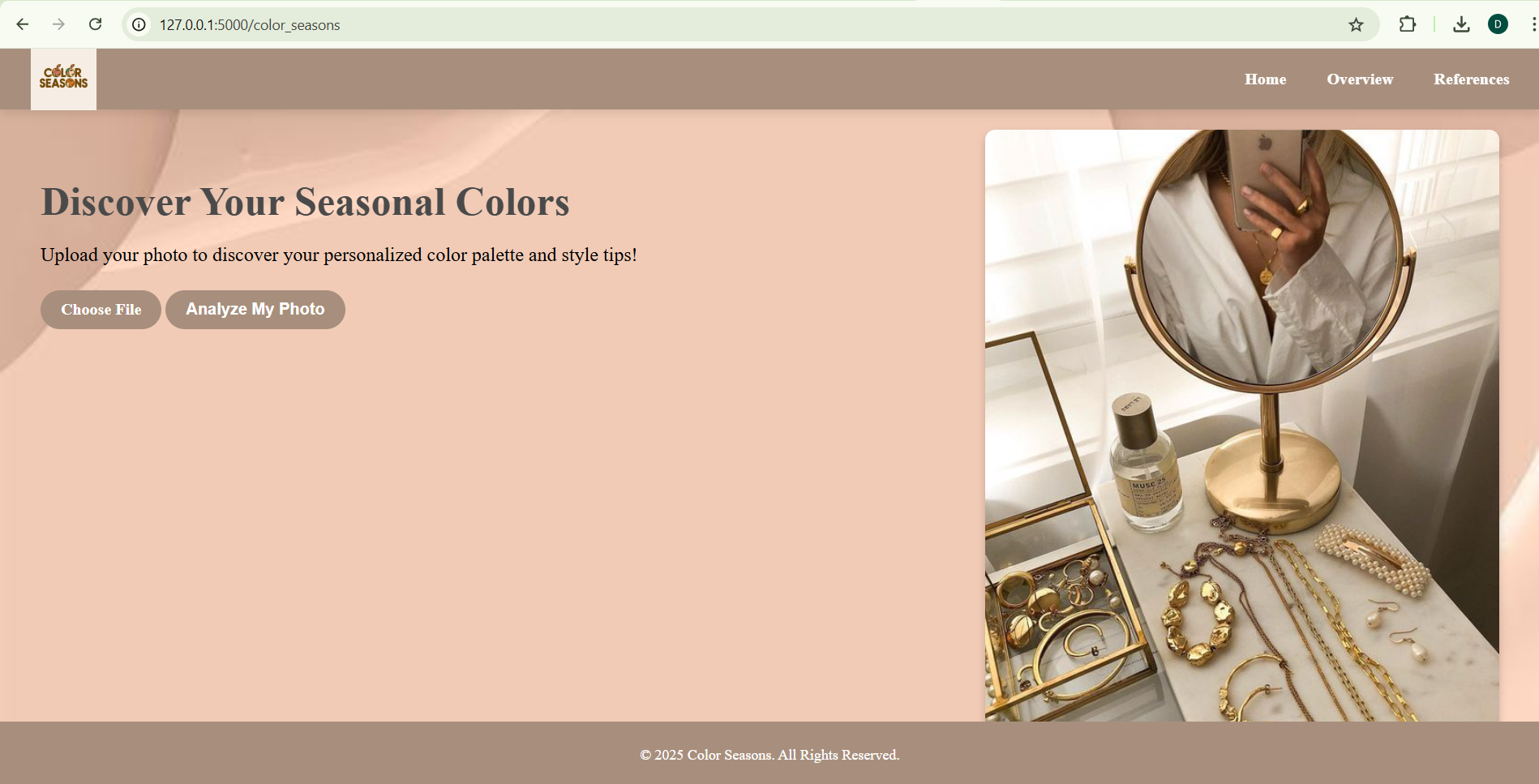
Color Seasons is an AI-powered platform that analyzes an uploaded photo to determine a user's seasonal color palette based on their natural complexion. It generates a personalized PDF that includes:
- Suggested color palettes for clothing and accessories.
- Styling tips tailored to the user's season.
- Celebrity examples for added inspiration.
How we built it
We utilized a variety of technologies to create Color Seasons:
- Backend: Python with Flask to handle requests and implement AI-based skin tone analysis using
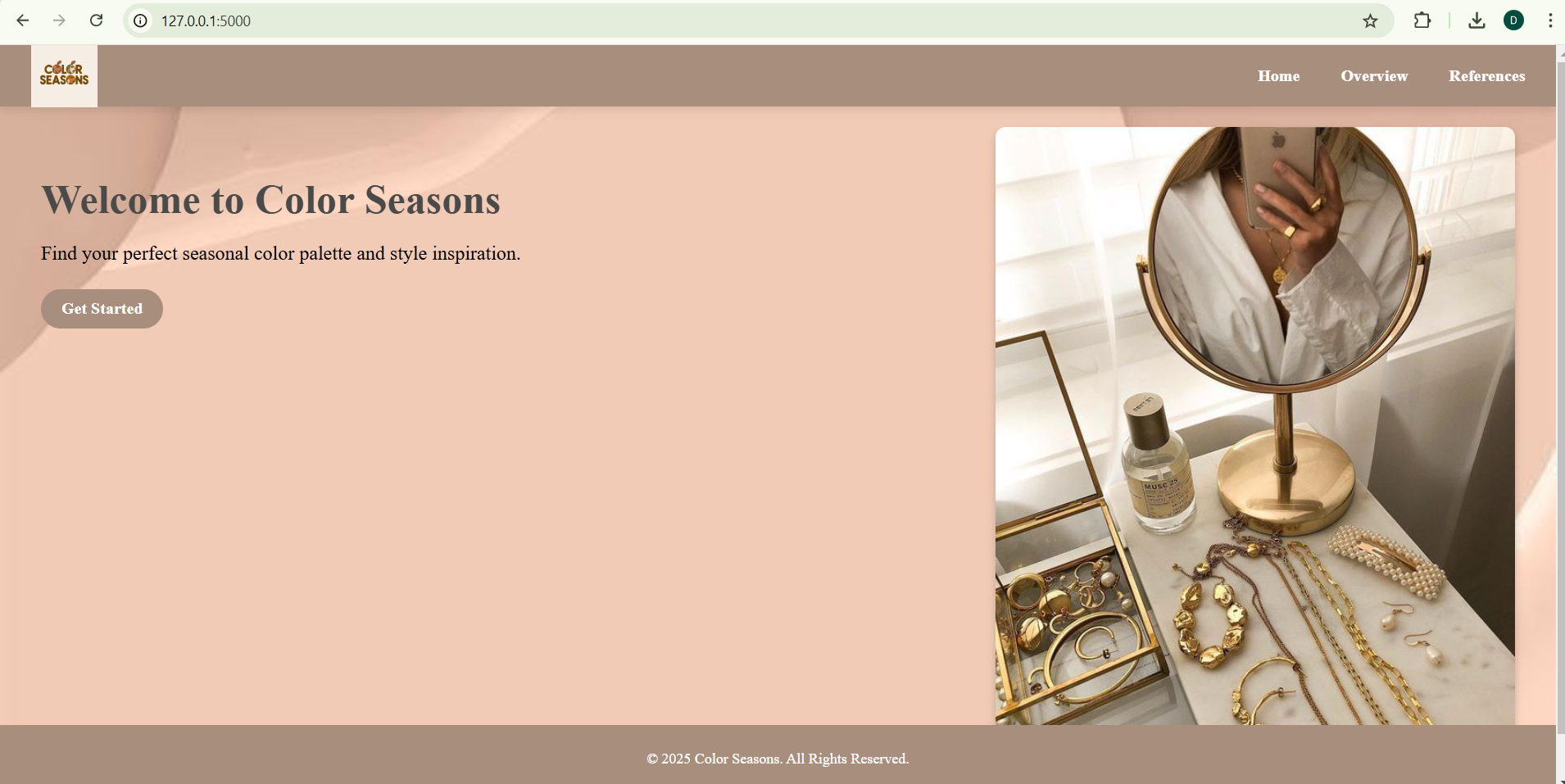
face_recognitionand clustering algorithms like K-Means. - Frontend: HTML, CSS, and JavaScript for an intuitive user interface with styled buttons and responsive layouts.
- PDF Generation: Libraries like
PyPDF2andReportLabto overlay user-uploaded images onto pre-designed seasonal templates. - Error Handling: Built-in validation for file uploads and error messages for invalid files or images without detectable faces.
- Deployment: Flask's lightweight server for a seamless demo experience.
Challenges we ran into
- Face Detection: Handling edge cases where images lacked detectable faces or had non-standard lighting conditions.
- PDF Overlays: Aligning user images with specific locations in pre-designed PDF templates required significant testing and adjustments.
- Time Constraints: Implementing a robust and visually appealing platform within the limited hackathon timeframe.
- User Experience: Designing an interface that is both accessible and aesthetically pleasing while ensuring technical functionality.
Accomplishments that we're proud of
- Successfully integrating AI to perform accurate seasonal color analysis in real time.
- Designing a dynamic PDF generation system that creates visually appealing, user-specific styling guides.
- Creating a user-friendly and visually engaging interface that reflects the theme of the hackathon.
- Building robust error handling to enhance the user experience for non-standard cases.
What we learned
- The power of blending creativity with technology to solve real-world challenges.
- Advanced usage of AI tools like
face_recognitionand clustering techniques. - Managing frontend-backend integration effectively to deliver a cohesive experience.
- The importance of balancing innovation with accessibility to create an inclusive platform.
What's next for Color Seasons
- Advanced AI Integration: Improve the accuracy of seasonal analysis by incorporating deep learning models for skin tone and facial structure detection.
- Global Reach: Add multilingual support and localized styling tips for users across the world.
- Real-Time Previews: Enable users to try on virtual palettes and preview results before generating their PDF.
- Partnerships: Collaborate with fashion and beauty brands to provide direct shopping links for recommended colors and styles.
- Accessibility: Develop a mobile-first version of the platform to ensure usability on all devices.
- Social Empowerment: Partner with women-led initiatives to promote confidence and self-expression through personalized styling.

Log in or sign up for Devpost to join the conversation.