-
-

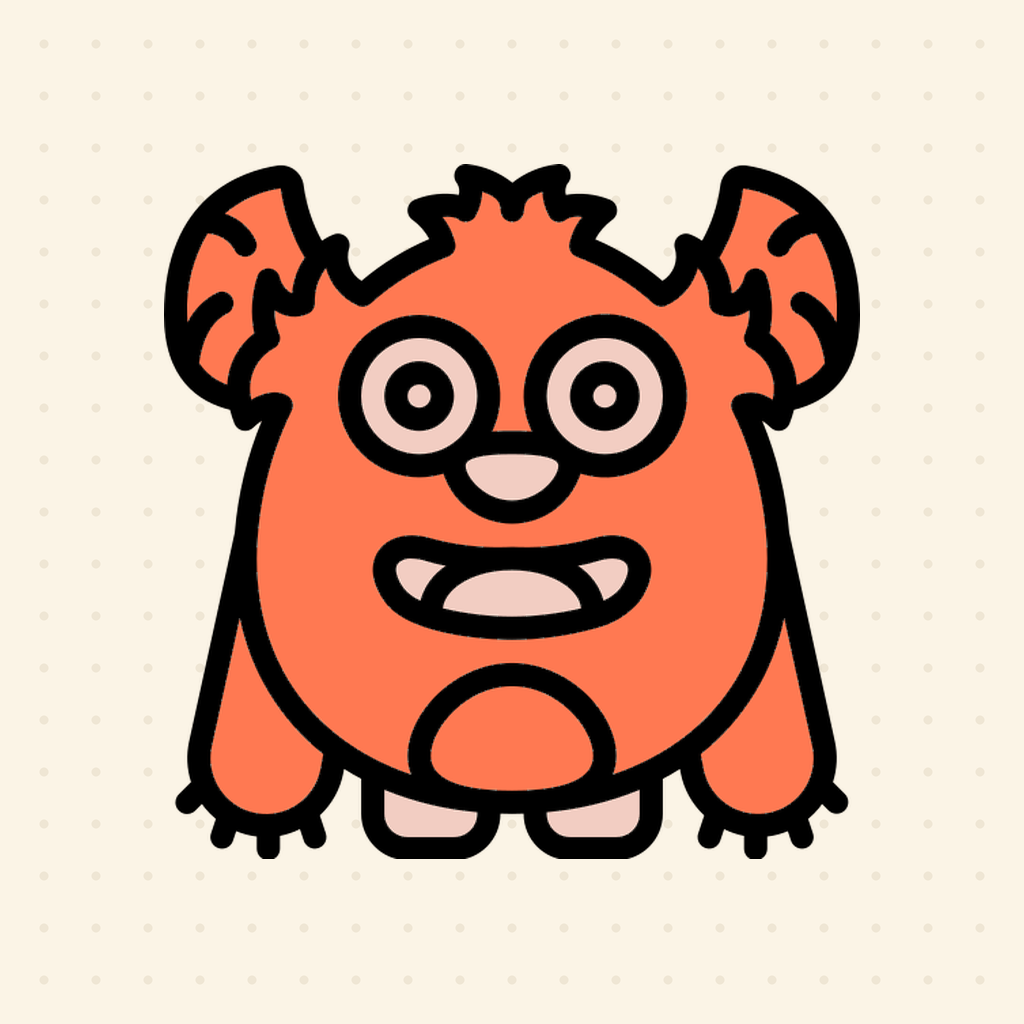
app launcher icon
-
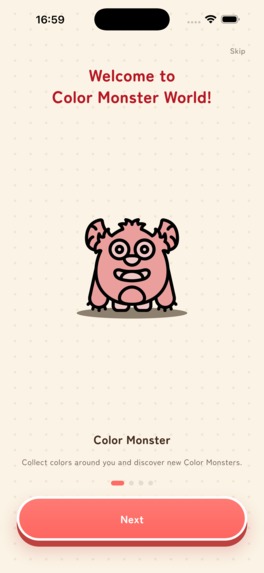
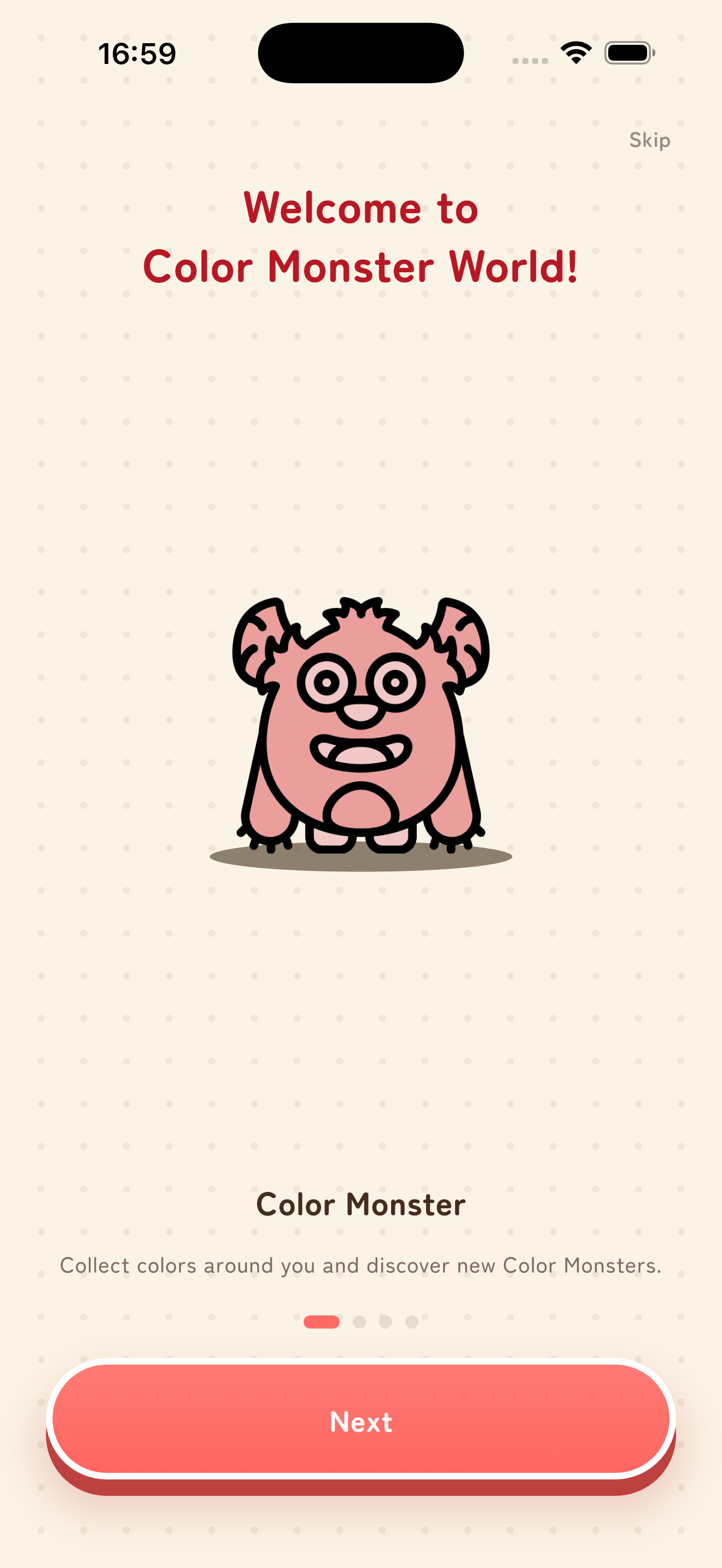
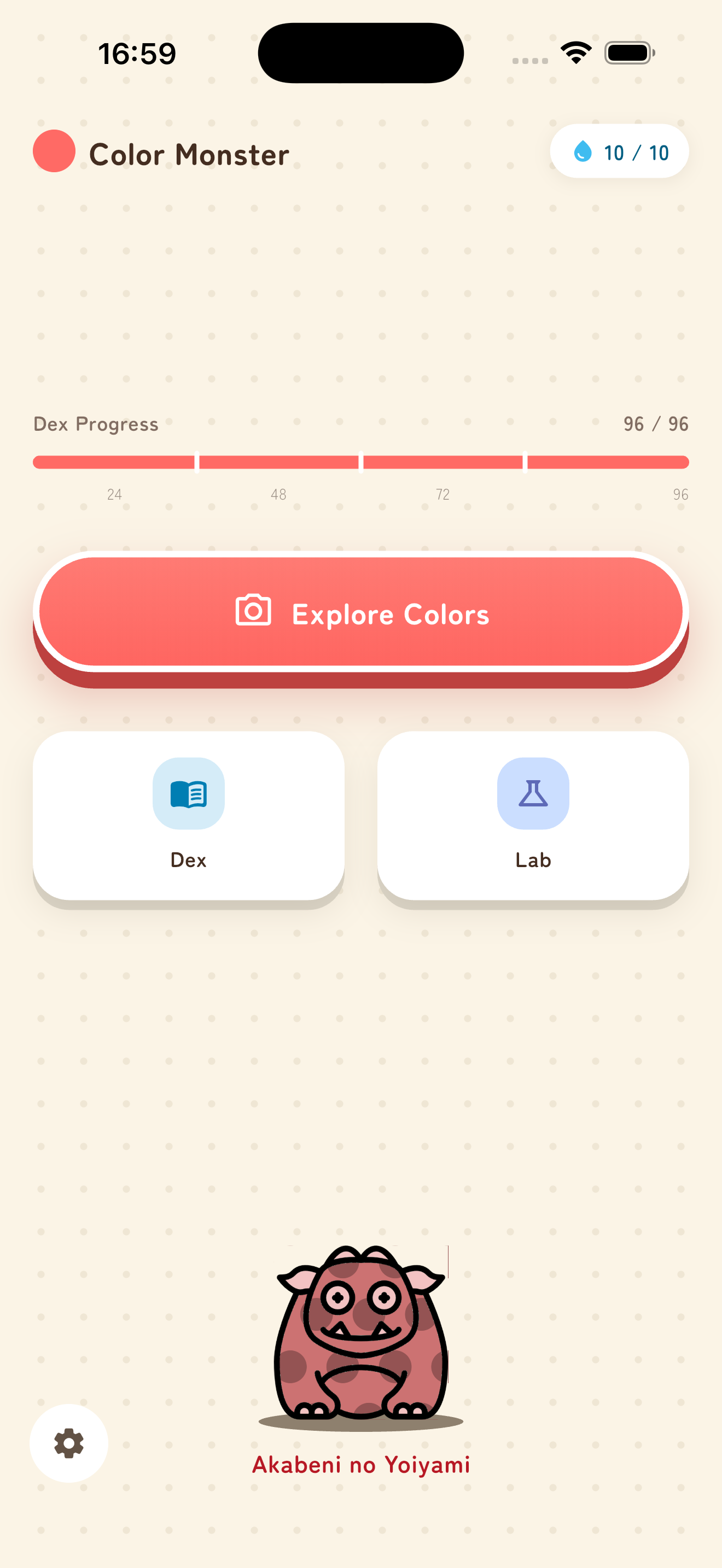
Welcome to color monsters
-
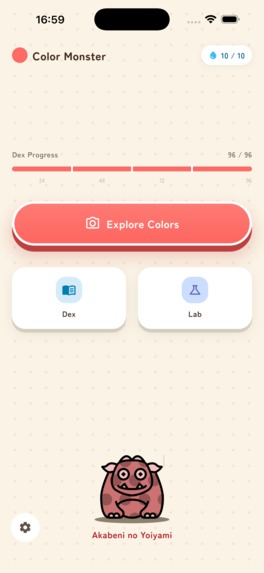
Home screen
-
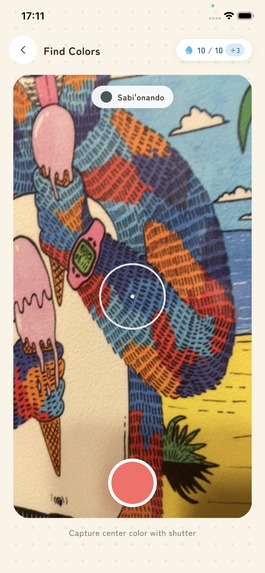
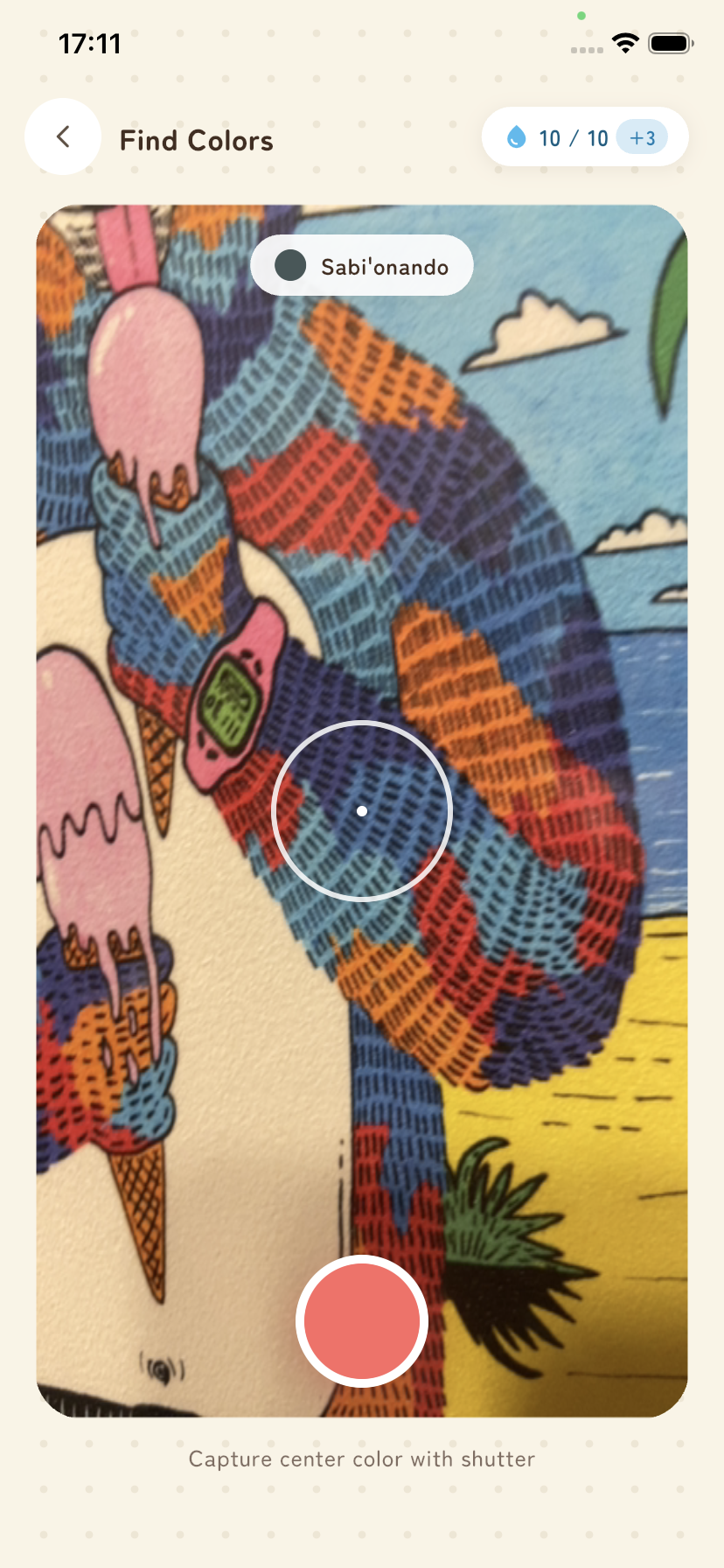
Camera screen to get new colors.
-
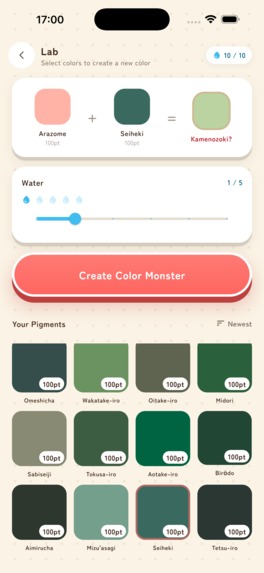
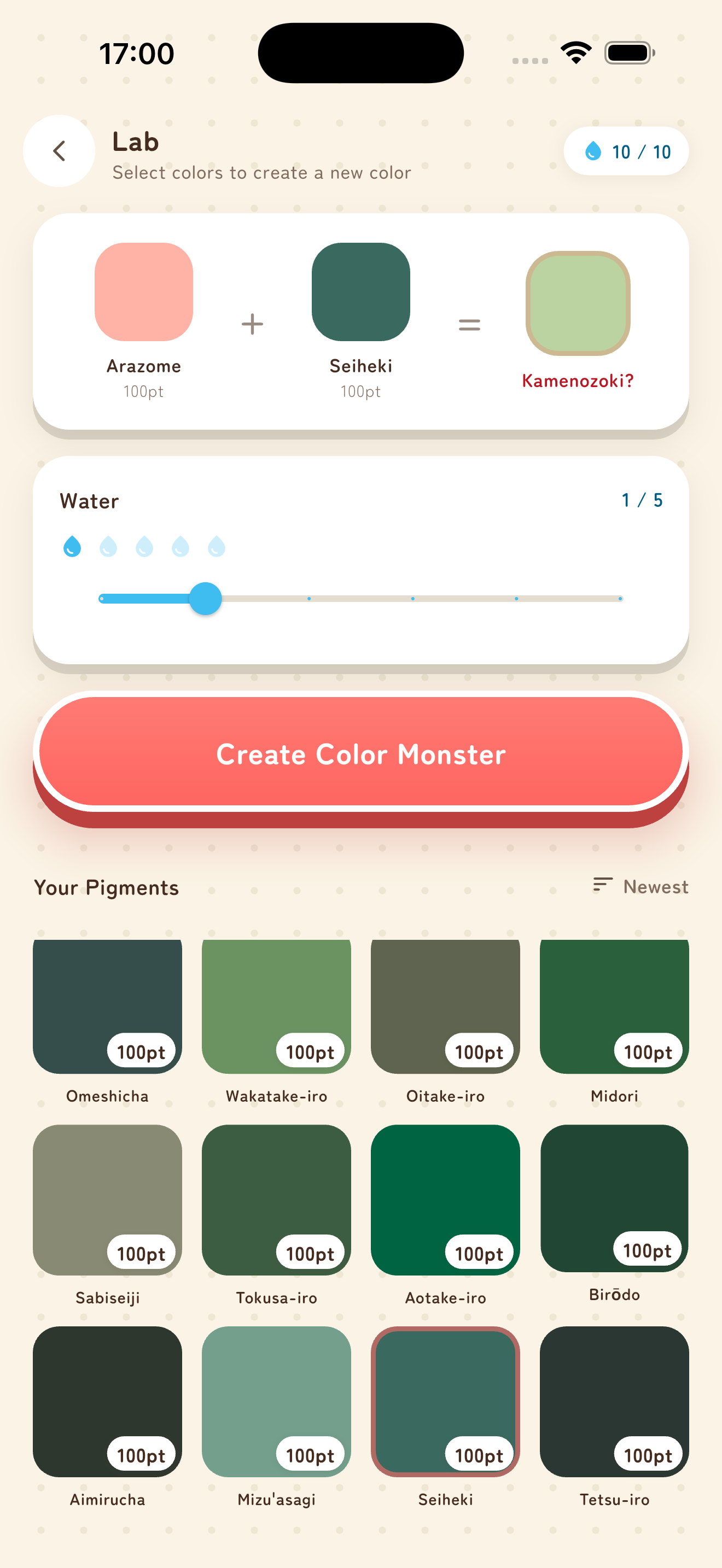
Lab screen ot mix two colors and water.
-
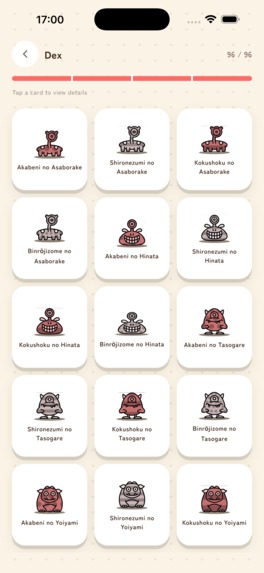
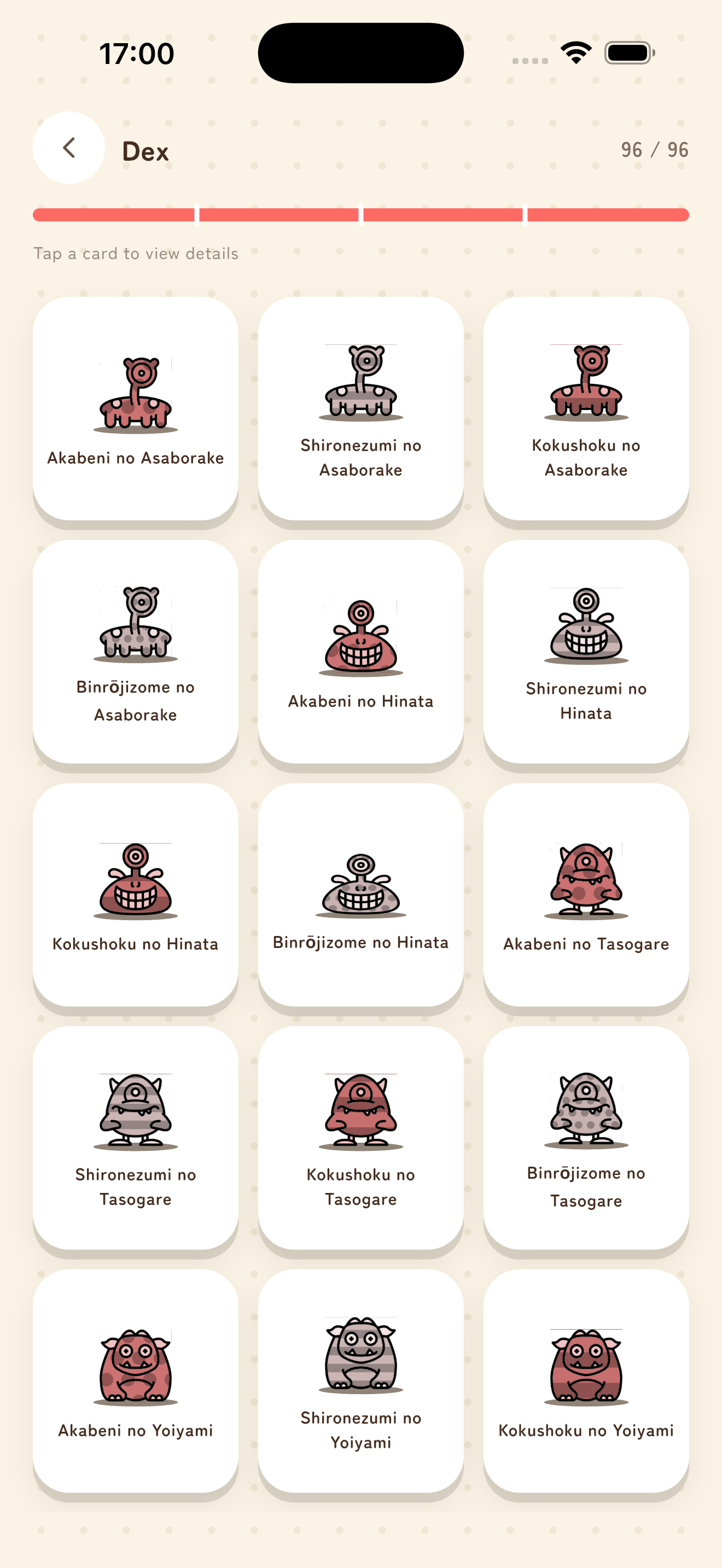
Zukan(illustrated encyclopedia)
-
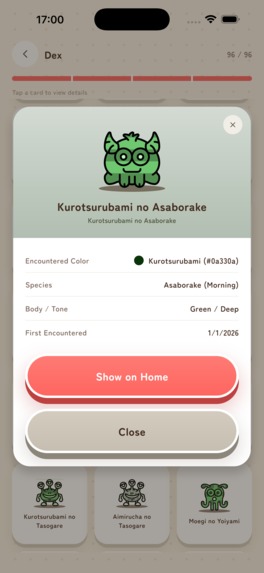
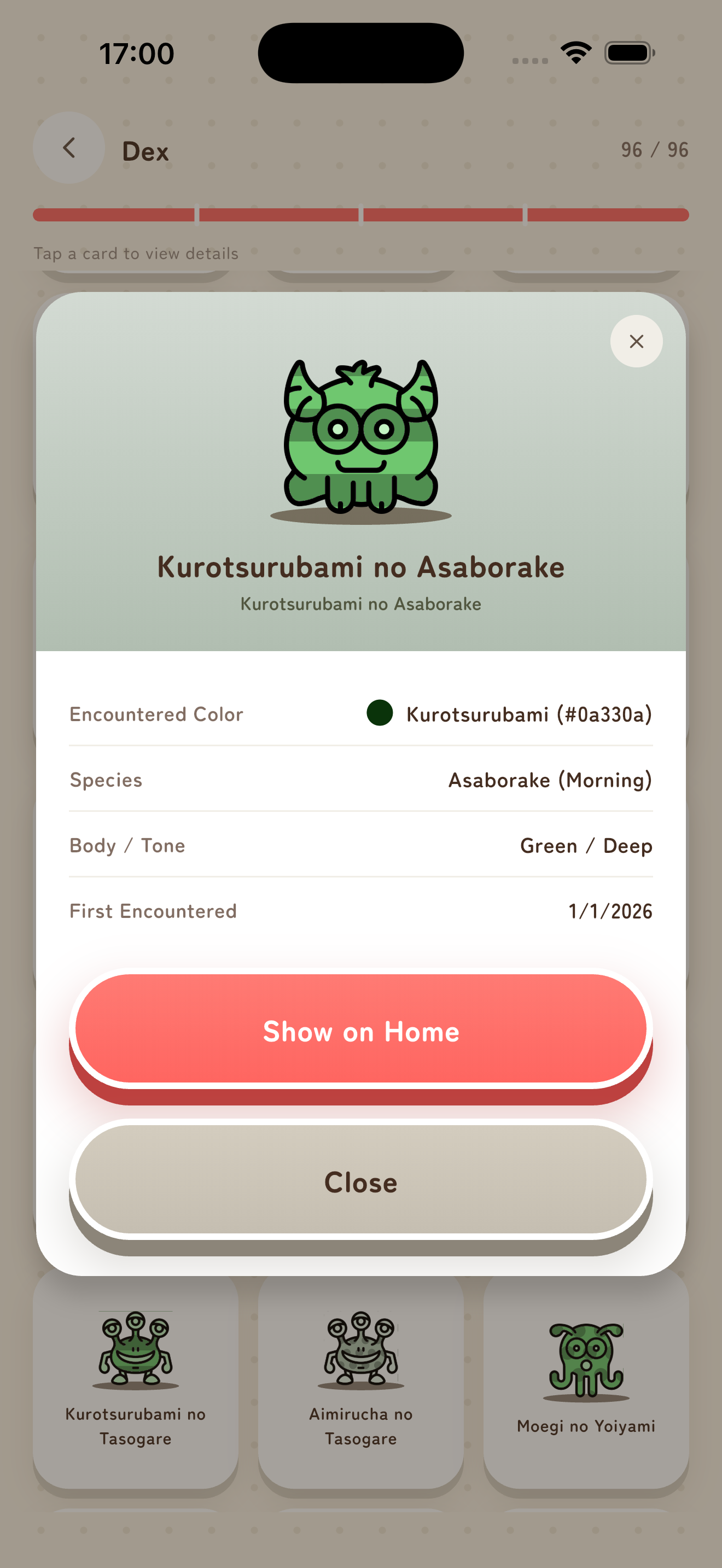
Details of monsters.
Inspiration
The motivation behind this project is very personal:
I wanted to create something that I could play together with my children.
I wanted them to notice colors in the world around them, learn about colors naturally, feel the beauty and variety of colors, and become completely absorbed in discovering new things.
Children naturally encounter colors everywhere — the blue of the sky, the green of a leaf, the color of a building, or the orange of a sunset. I wanted to turn that simple act of noticing the world into something playful and memorable.
This led to a simple question:
What if the real world itself could become part of the game?
That idea became Color Monsters: Color Hunter — a game where players discover colors in the real world and turn them into unique creatures.
What it does
Color Monsters: Color Hunter turns an everyday walk into a small adventure.
📸 Collect colors Use your camera to capture interesting colors you discover in the real world. Captured colors are stored as paint that you can use later.
🎨 Mix colors Combine two collected colors in the Lab and add water to create a new mixture.
👾 Discover monsters The mixture gives birth to a unique Color Monster. Collect it in your encyclopedia and try to discover all 96 species.
The same colors can produce different monsters depending on the time of day. Morning, daytime, evening, and night can each lead to different species and expressions.
There are no complicated controls or rules. The core experience is simply:
Find → Collect → Mix → Discover → Collect
The goal is to make everyday outings feel like a color-hunting adventure.
How we built it
This project was built as a solo project over approximately one month.
The app was built with Flutter and is available on both Android and iOS.
The camera is used to capture colors from the real world, which are then stored as paint. The Lab combines collected colors and uses the resulting mixture, together with the time of day, to determine which Color Monster is created.
A major focus was the visual design of the monsters. I carefully designed their patterns, color combinations, and the effects they produce when they are born, so that discovering a new monster feels exciting and rewarding.
For monetization, RevenueCat is used to manage purchases of water, the in-game resource required for mixing colors. RevenueCat is also used for rewarded-ad-related functionality, allowing players to obtain additional water by watching ads.
Challenges we ran into
The biggest challenge was balancing simplicity and replayability.
The game needed to be immediately understandable, while still giving players reasons to keep exploring after their first few discoveries.
The 96 Color Monsters, time-of-day variations, color-mixing system, and visual differences were designed to create that sense of discovery without making the core gameplay complicated.
Another challenge was building the entire experience as a solo developer within a limited timeframe. Rather than trying to implement every possible feature, I focused on the smallest version that could deliver the core experience: discovering a color in the real world, transforming it through mixing, and seeing a new monster appear.
Designing the monsters was also an important challenge. Since the moment a monster appears is the reward for the player's actions, its patterns, colors, and birth effects needed to make that moment feel special.
Accomplishments that we're proud of
I'm especially proud that the core idea of turning real-world colors into collectible creatures became a complete playable experience within a short development period.
I'm also proud of the attention given to the monsters themselves. Their patterns, color combinations, expressions, and birth effects were carefully designed so that players can look forward to seeing what appears next.
The 96-species collection and time-of-day variations also give the simple color-mixing mechanic more depth. The same colors can lead to different discoveries depending on when they are mixed, encouraging players to experiment and come back at different times.
Most importantly, I built the project around an experience I would genuinely enjoy sharing with my children: going outside, noticing colors together, and discovering what kind of monster those colors can create.
What we learned
One of the biggest lessons from building this project was that a simple game loop can create a surprisingly large design space.
The basic interaction is only collecting colors and mixing them, but adding factors such as time of day, different monster species, visual variations, and collection completion creates reasons to keep exploring.
I also learned the importance of considering monetization as part of the product experience rather than treating it as something to add at the very end.
Using RevenueCat for in-app purchases and rewarded-ad-related functionality gave me an opportunity to think about how monetization can fit naturally into gameplay while keeping the core experience accessible.
What's next for Color Monsters
The next major step is bringing Color Monsters to iOS, making the experience available to more players.
I also want to expand the world of Color Monsters beyond the MVP.
Potential future features include:
- More Color Monster species and variations
- A Collector Rank system that reflects your collection progress
- Deeper color-mixing mechanics
- More ways to interact with and care for collected monsters
- AR features that bring Color Monsters into the real world
- Friend and collection-sharing features
- Trading Color Monsters with other players
The core idea will remain the same:
Go outside. Discover a color. Create something you have never seen before.

Log in or sign up for Devpost to join the conversation.