-
-
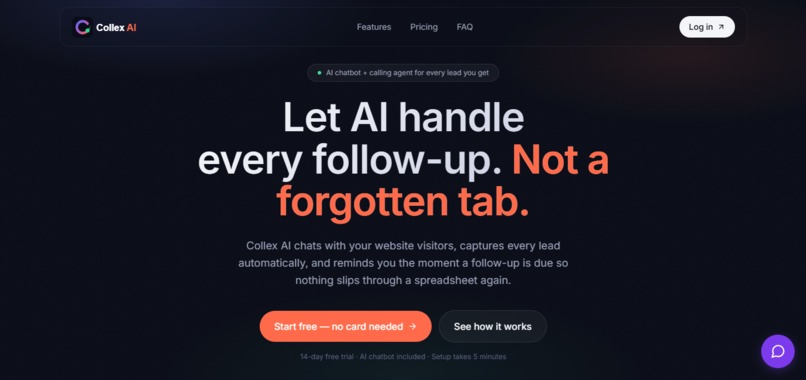
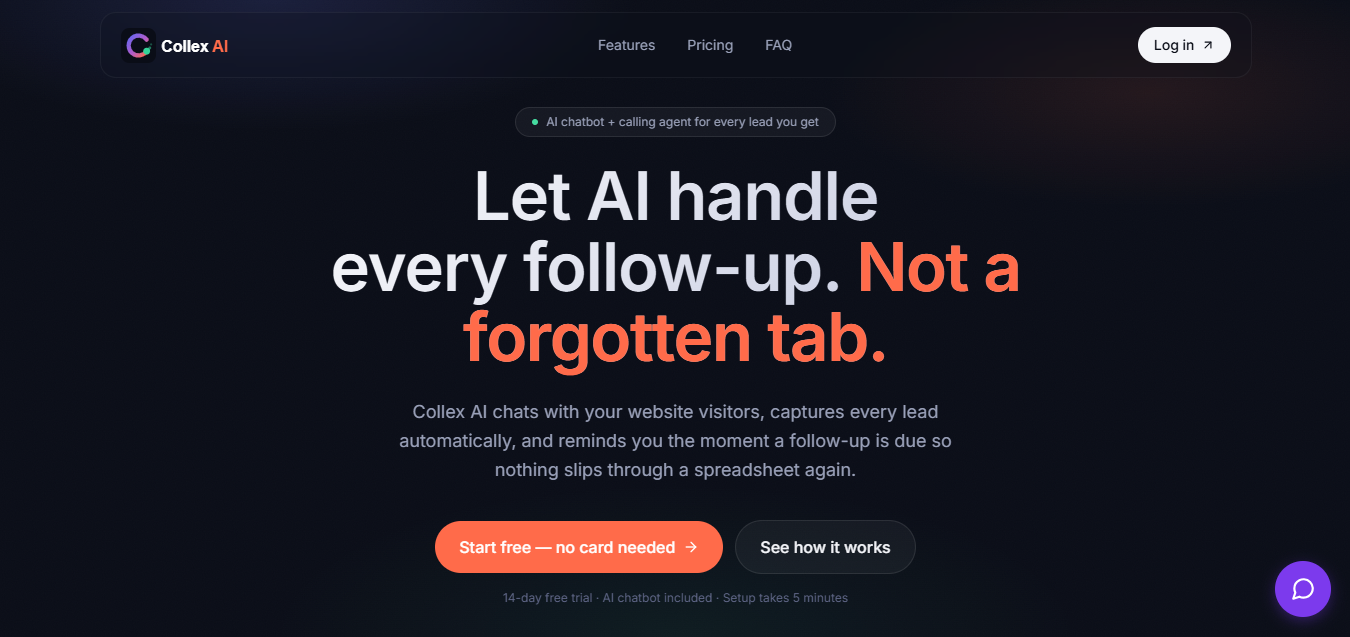
Landing page
-
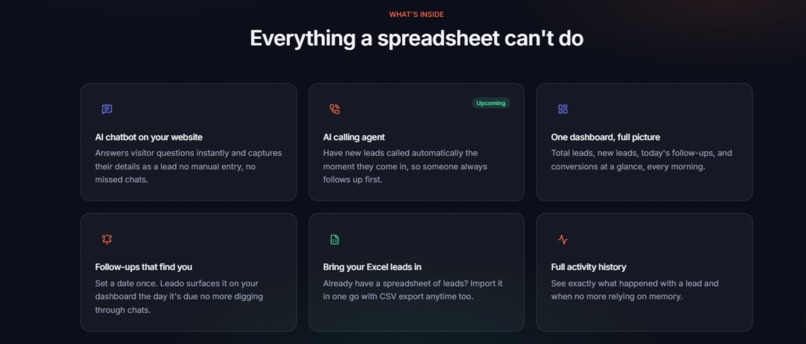
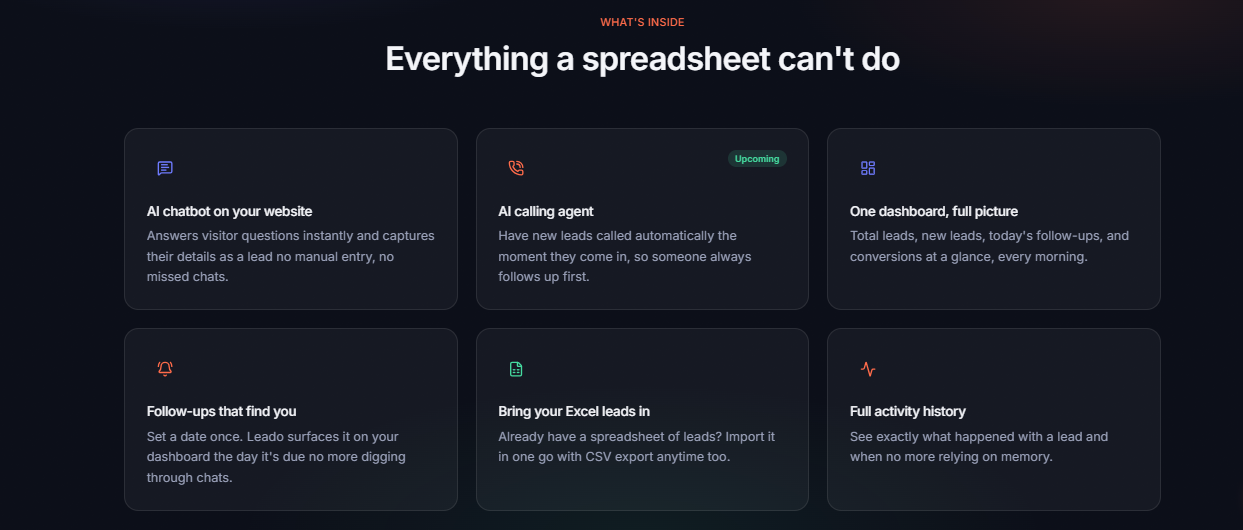
Features section
-
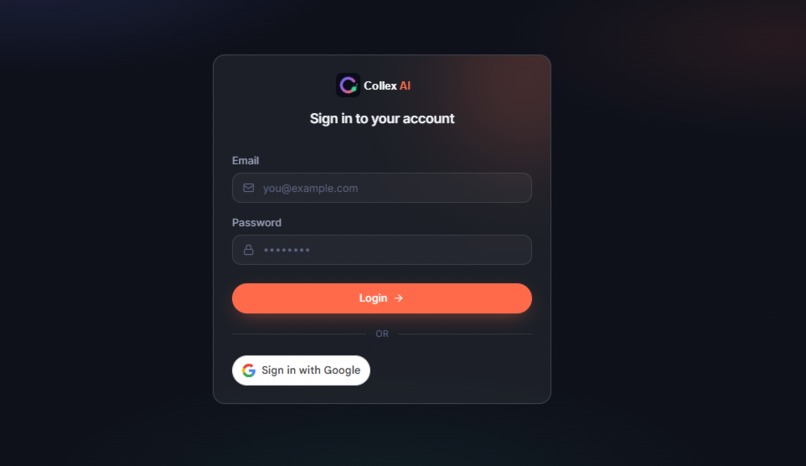
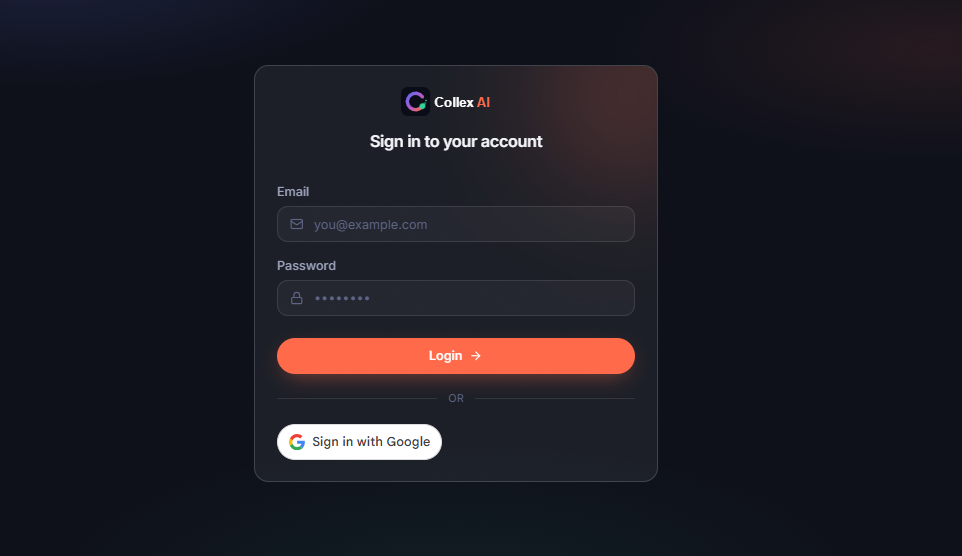
Login page
-
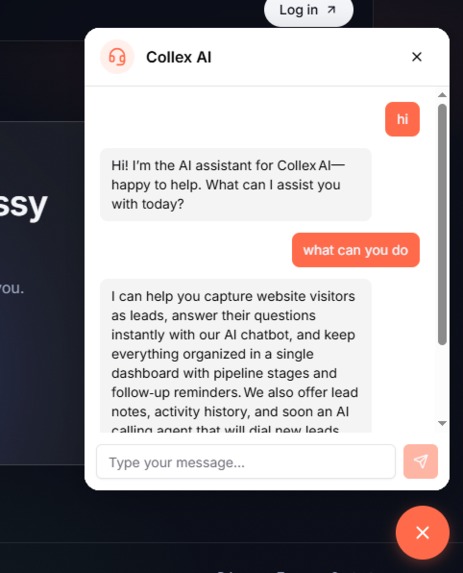
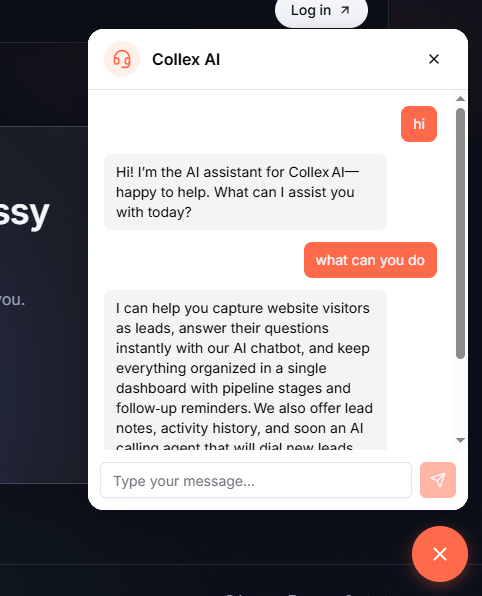
Chat bot interface
-
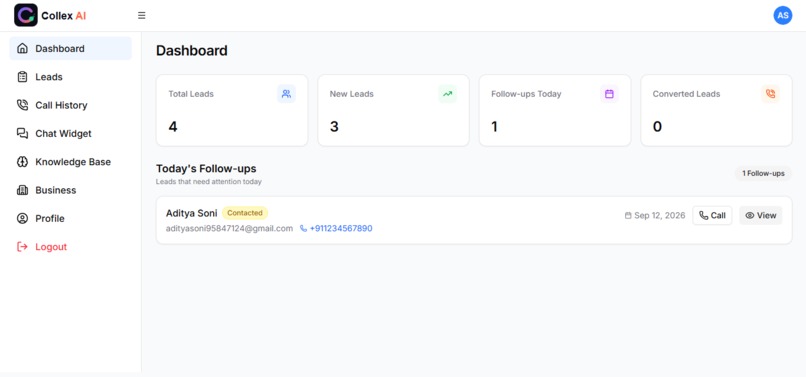
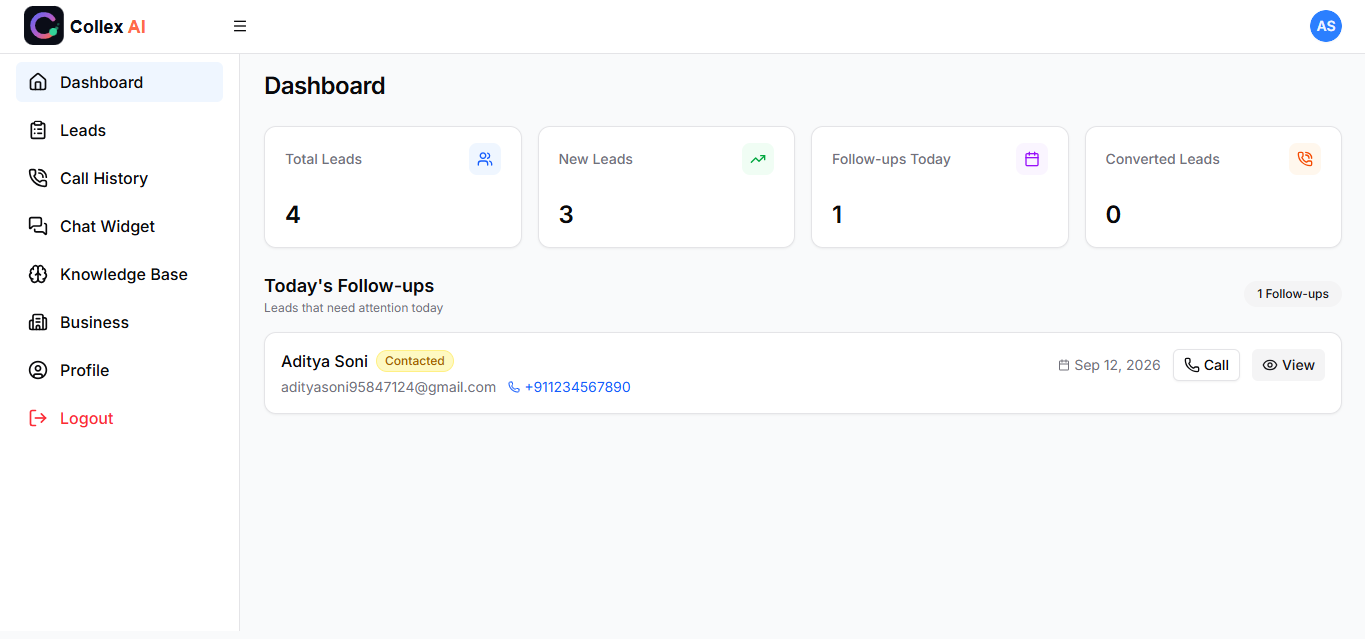
Dashboard
-
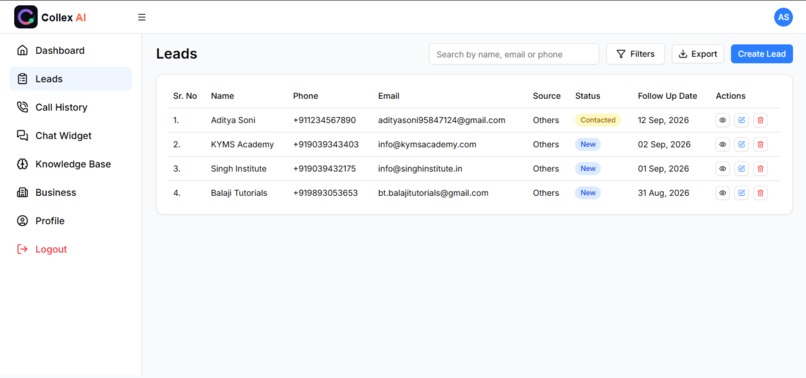
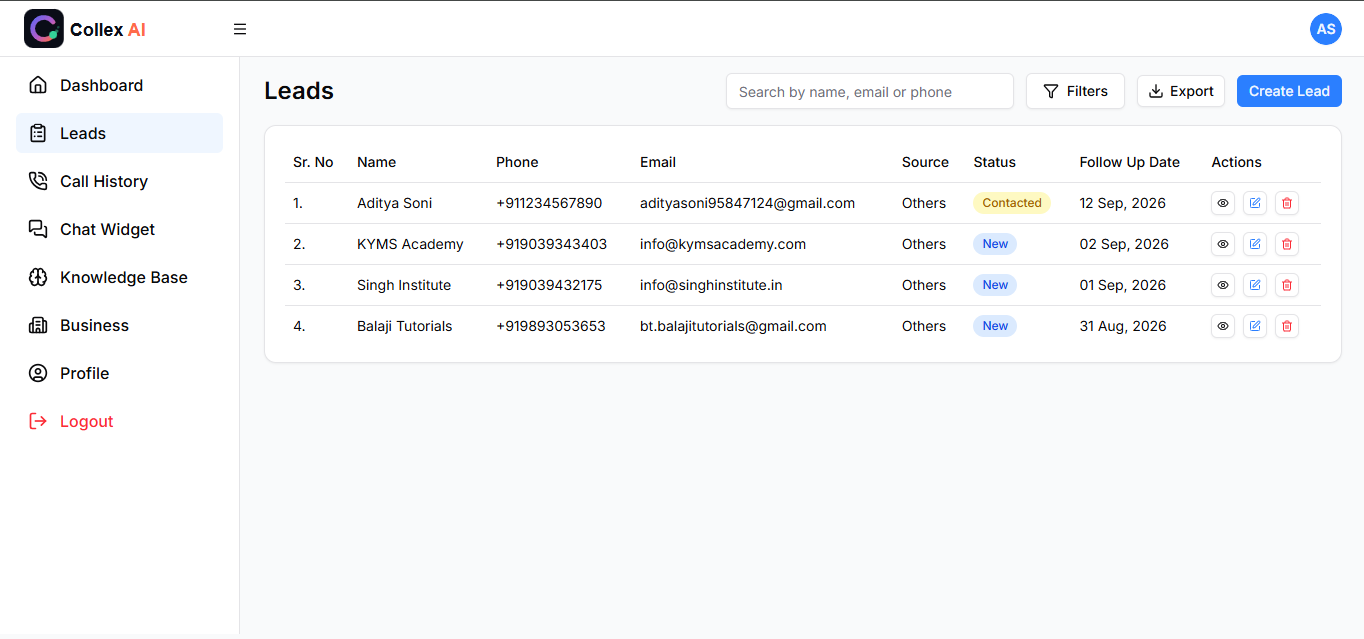
List of your leads
-
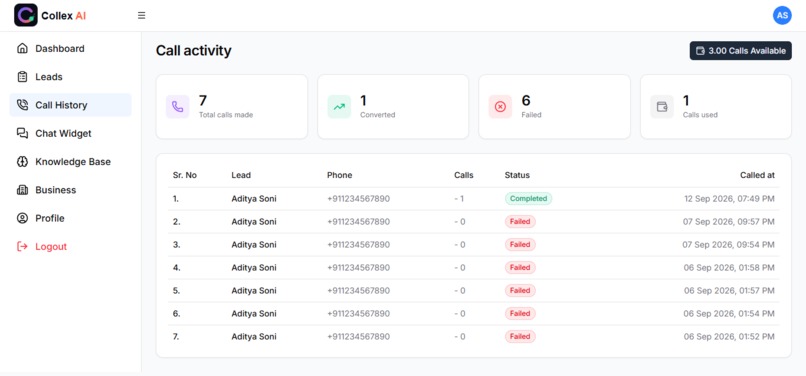
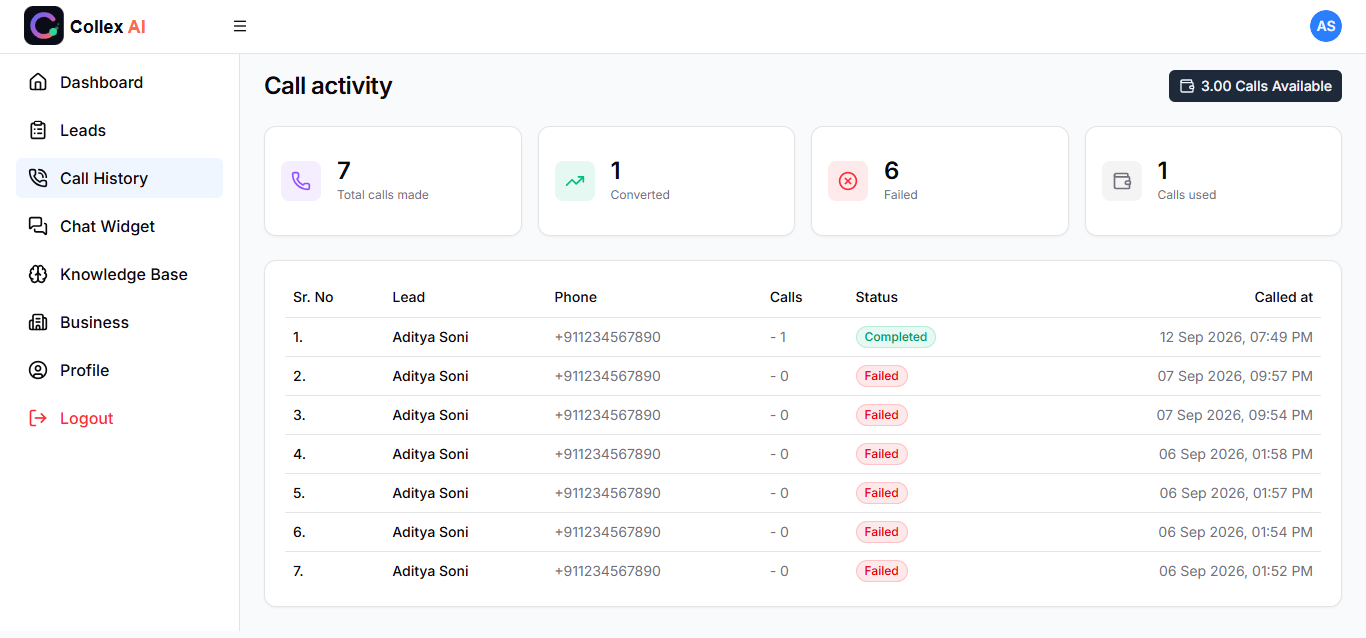
Call histories
-
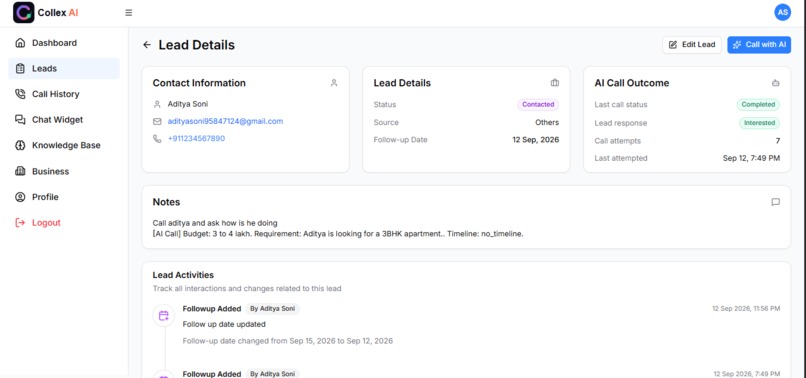
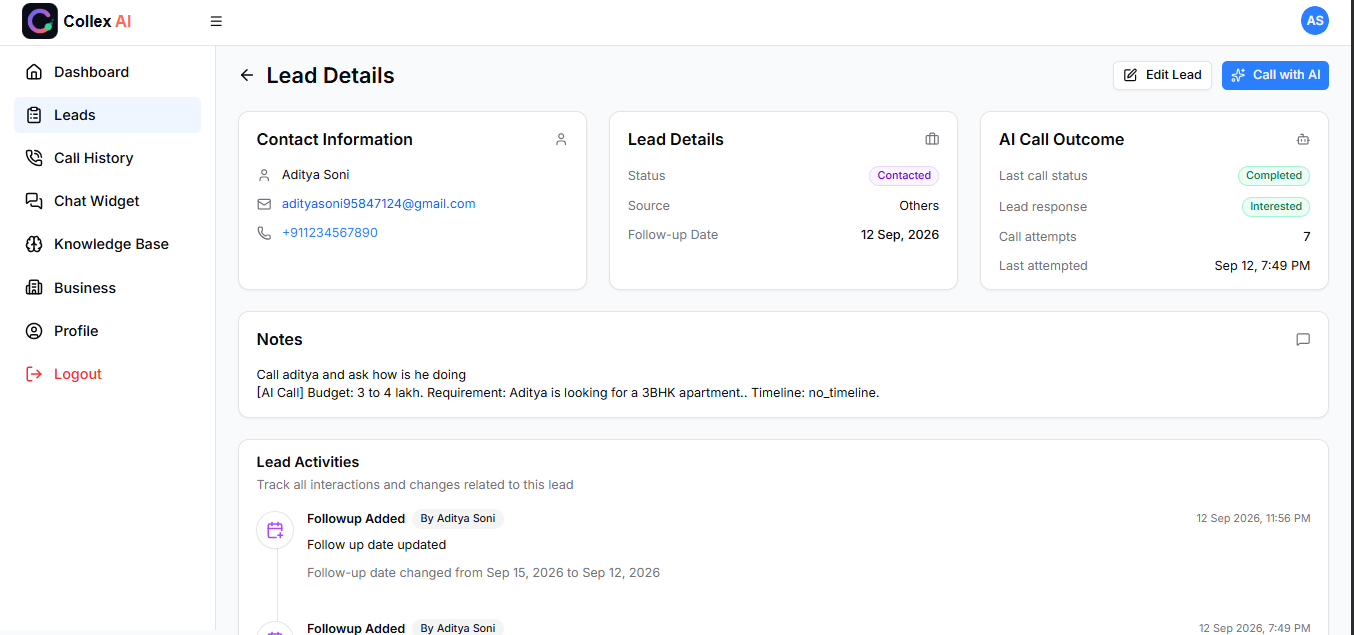
Lead details page
Inspiration
Leads go cold fast. A form fill or a signup is only valuable if someone follows up within the first few hours but most small teams either follow up too late, or follow up inconsistently, with no reliable way to decide which leads are actually worth chasing further. We wanted to see what happens when the follow-up call itself becomes the qualification step, instead of a human guessing beforehand who's "hot" and who isn't.
CALL-E made this possible: instead of just automating a script, we could let an actual phone conversation happen, and use what was said not a form field to decide the next action.
What it does
Collex AI takes a new lead and turns it into a personalized outbound call:
- It pulls relevant context about the lead using retrieval (RAG), so the call script references what that specific lead actually cares about instead of reading a generic pitch.
- That personalized script becomes a CALL-E task, and CALL-E places the call.
- When CALL-E returns a structured result interest level, objections, what was actually said - Collex AI reads it and automatically classifies the lead as hot, warm, or lost.
- Hot leads get flagged for immediate follow-up, warm leads get scheduled for a later touchpoint, and lost leads close the loop so no one wastes time calling them again.
The result: a lead follow-up call-agent where the classification comes from the conversation itself, not a form or a guess.
How we built it
- A Next.js app for lead intake, dashboards, and reviewing call outcomes.
- A retrieval step that builds lead-specific context before generating each call script, so calls stay personalized rather than templated.
- CALL-E as the calling layer we send a generated task and receive back a structured result we can parse programmatically.
- A classification step that maps CALL-E's structured result into hot/warm/lost, driving what happens next for that lead.
- For the hackathon submission specifically, we trimmed the project down into a standalone, dry-run-by-default app (
apps/typescript/collex-ai) with fixture leads, so it can be run and reviewed without a database or real credentials.
Challenges we ran into
- Getting the call script generation to actually use retrieved lead context, rather than defaulting to a generic pitch, took a few iterations of prompt and retrieval tuning.
- Turning CALL-E's structured call result into a reliable hot/warm/lost decision meant handling ambiguous or partial responses gracefully instead of assuming every call ends cleanly.
- Packaging the project for the hackathon repo meant separating the core call-agent logic from our full app (database, auth, dashboards) so it could run safely and reproducibly in dry-run mode for reviewers.
Accomplishments that we're proud of
- A working end-to-end loop: lead in, personalized call out, structured result back, classification decided automatically.
- A dry-run mode that lets anyone try the core flow with zero setup no real phone numbers, no credentials, no database.
What we learned
- Letting the model react to the CALL-E's structured result instead of pre-deciding qualification with guesswork was the biggest quality lever in the whole project.
- Designing for a public, credential-free demo path early on made both testing and submission far easier than we expected.
What's next for Collex AI
- Expanding classification beyond hot/warm/lost into finer-grained next-best-actions.
- Supporting multi-touch follow-up sequences, not just a single call per lead.
- Deeper CRM integrations so classified leads route straight into a sales team's existing pipeline.
Built With
- call-e
- css
- google-gmail-oauth
- groq
- javascript
- langchain
- langgraph
- mongodb
- next.js
- node.js
- rag
- razorpay
- schadcn
- tailwind
- vector-search
- vercel


Log in or sign up for Devpost to join the conversation.