-
-
Onepager
-
1
-
2
-
3
-
4
-
5
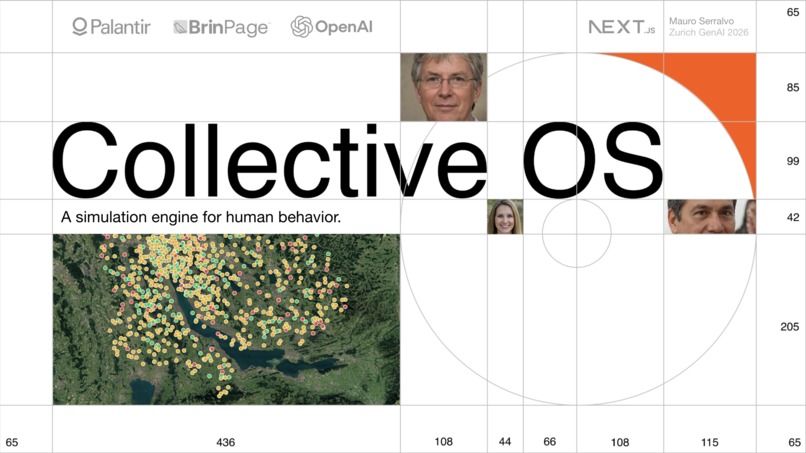
Collective OS
One Pager:
https://drive.google.com/file/d/1xecdFt3Ty81mK1rFsI7VwWKsV4LetsRS/view?usp=sharing
Demo Passcode:
2714
Inspiration
Hi, I'm Mauro Serralvo, a computer science student and software engineer from Spain.
After winning 1st place at the Nokia x GSMA Open Gateway Hackathon in Barcelona, I wanted to push further and take on a different kind of challenge. This time, I decided to build something entirely on my own.
Throughout my short 19 years of life, I've noticed something: companies are obsessed with data. And they should be. Because data is almost magical. With enough data and the right questions, you can start predicting the future, or at least get very close.
That's where Collective OS comes in.
With the recent advances in AI models, large-scale simulations of human behavior are now possible in ways that weren't before.
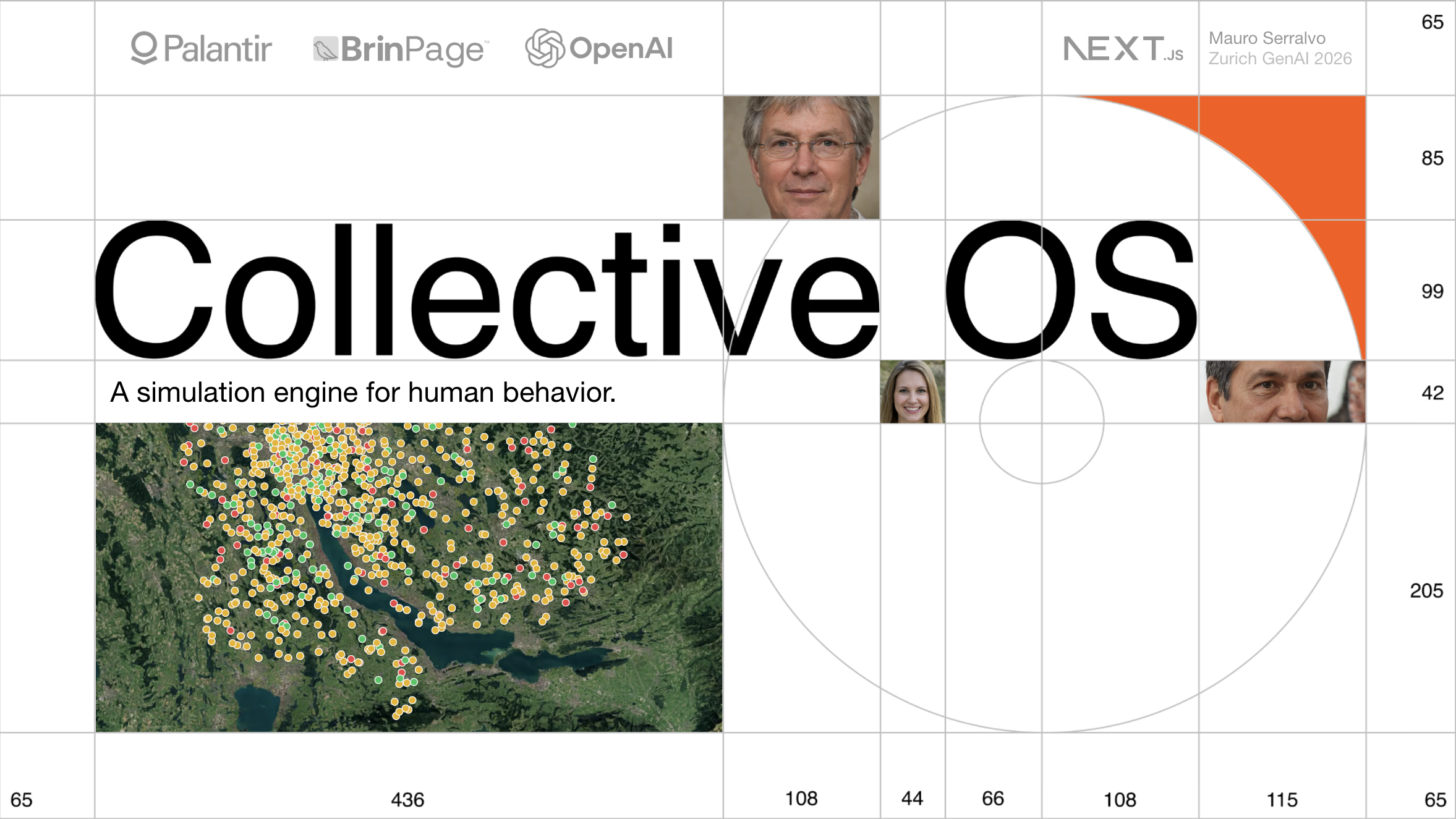
Collective OS is a simulation engine for human behavior.
What it does
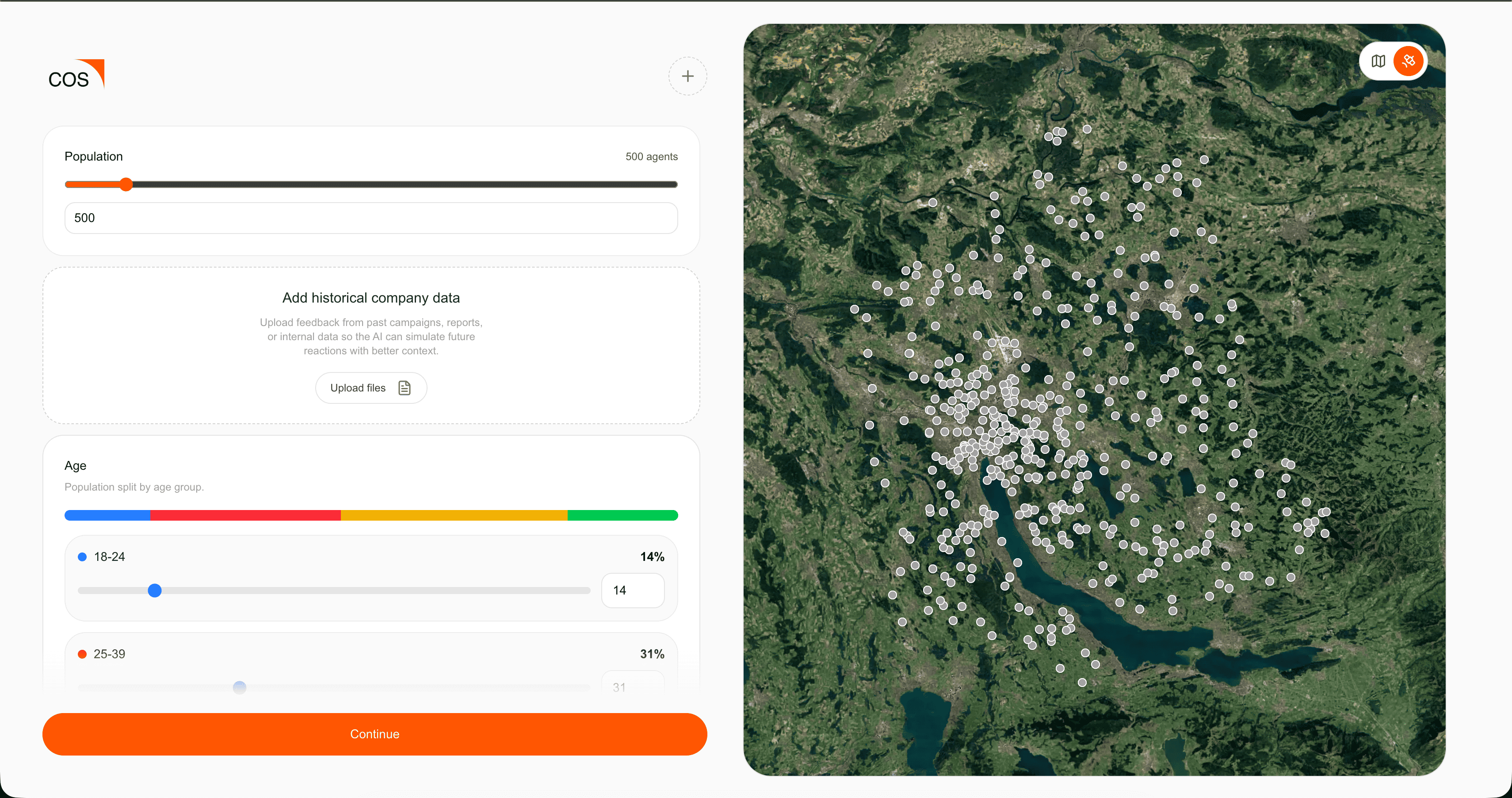
Collective OS is a simulation platform that models how synthetic populations react to events.
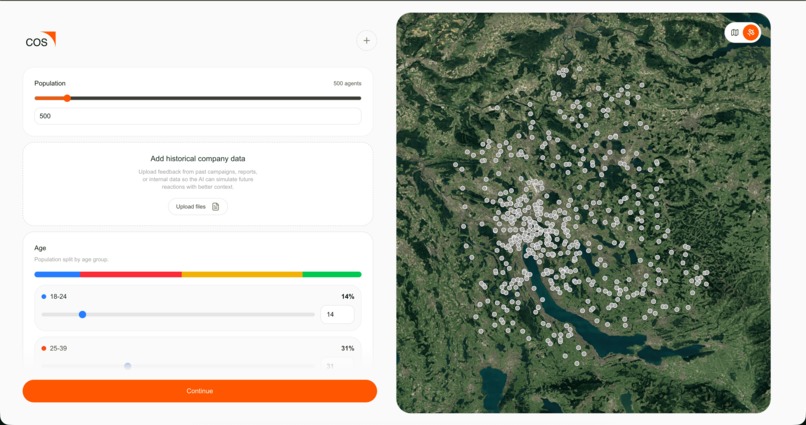
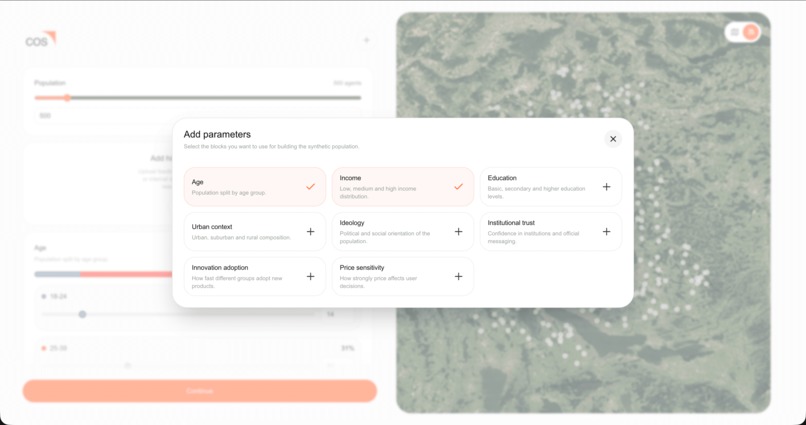
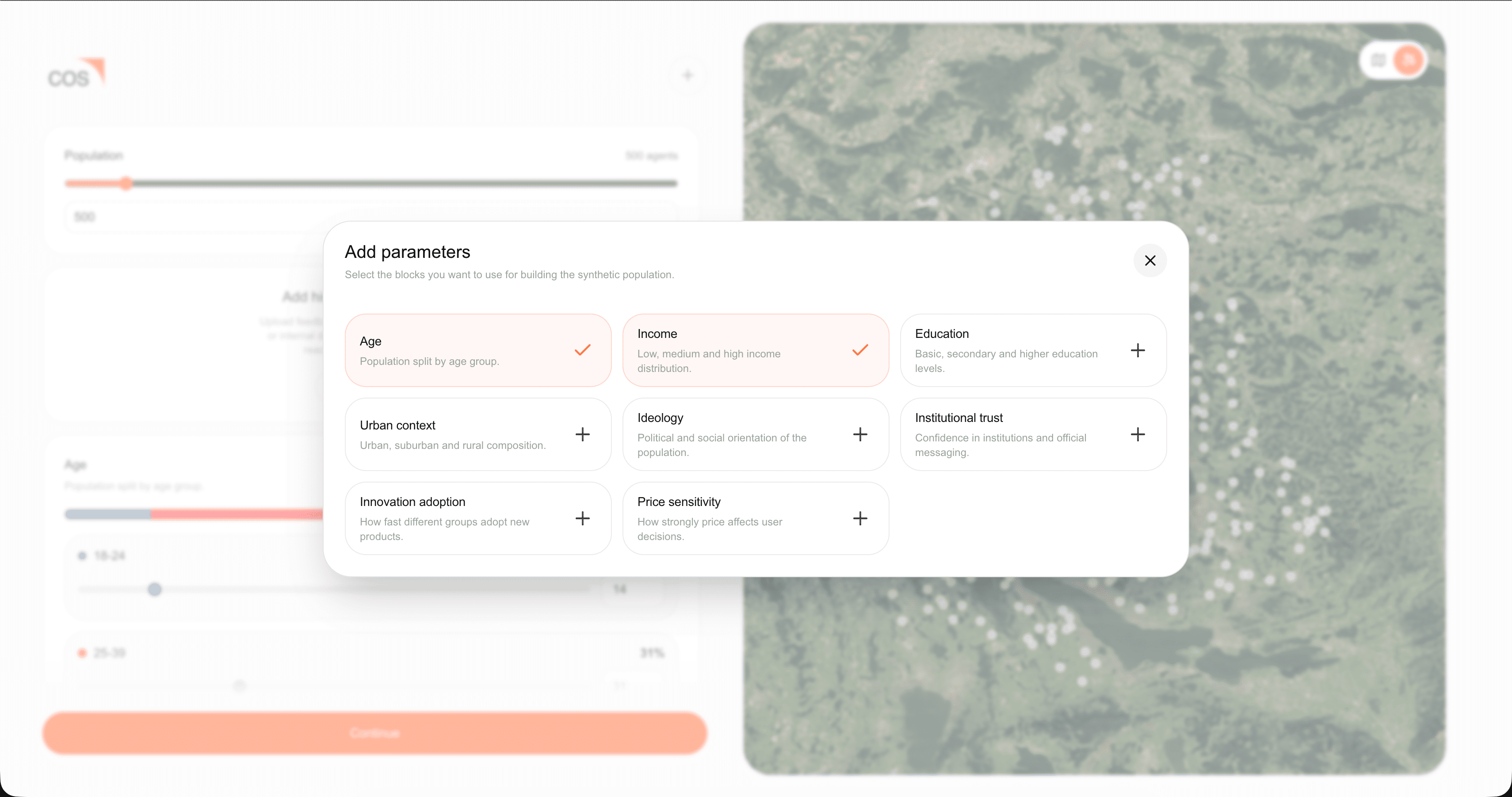
Users define a population by selecting parameters such as:
• age
• income
• ideology
and many additional configurable traits.
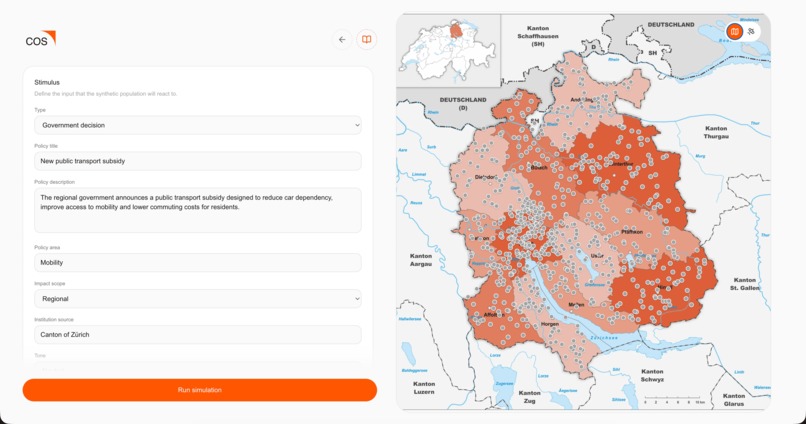
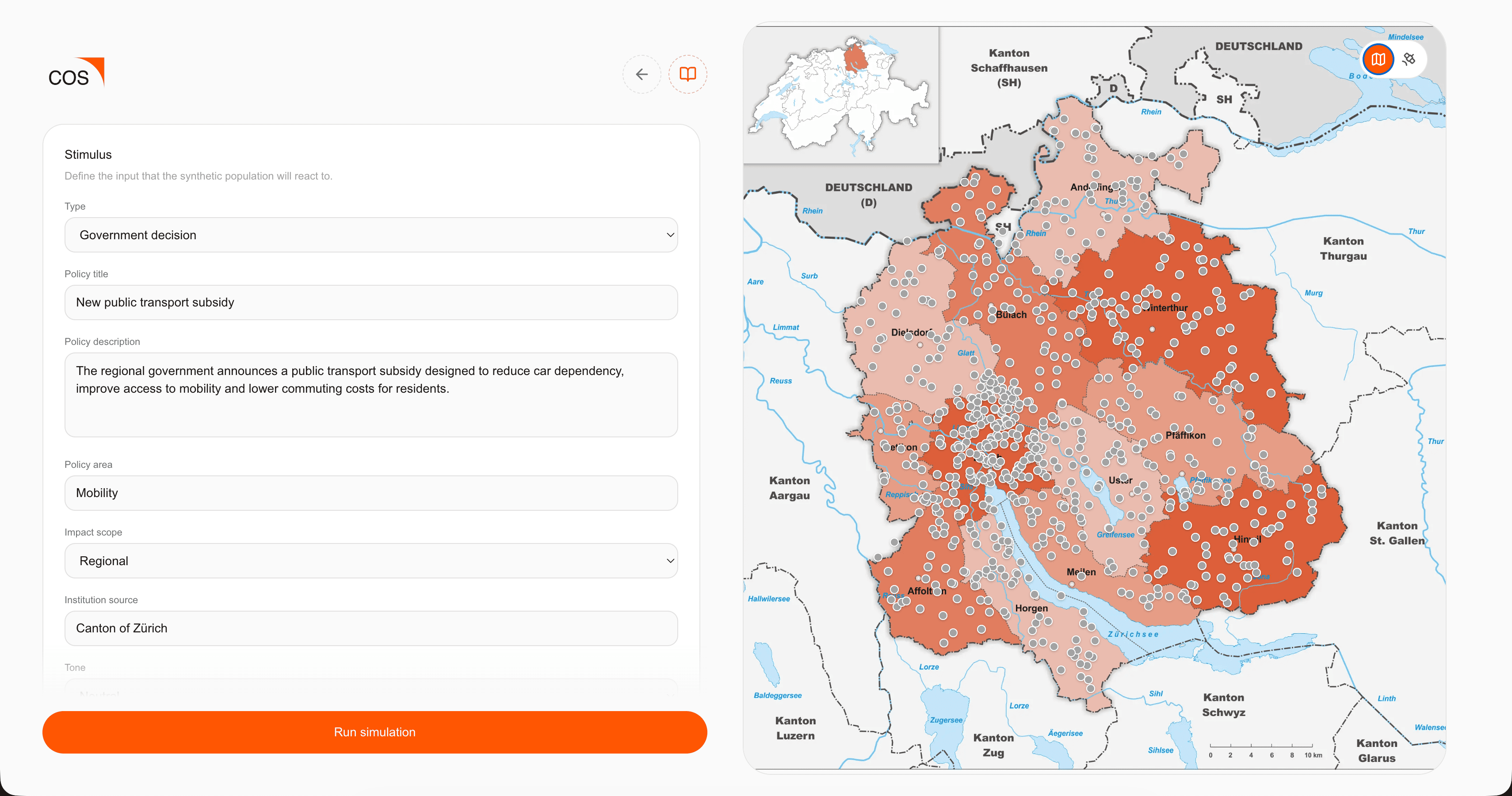
Once defined, users introduce a stimulus such as:
• product launches
• political campaigns
• public decisions
The system dynamically adapts the simulation depending on the stimulus type, exposing different inputs and outputs depending on the scenario.
Collective OS generates a synthetic population between 500 and 5000 individuals, each simulated using AI.
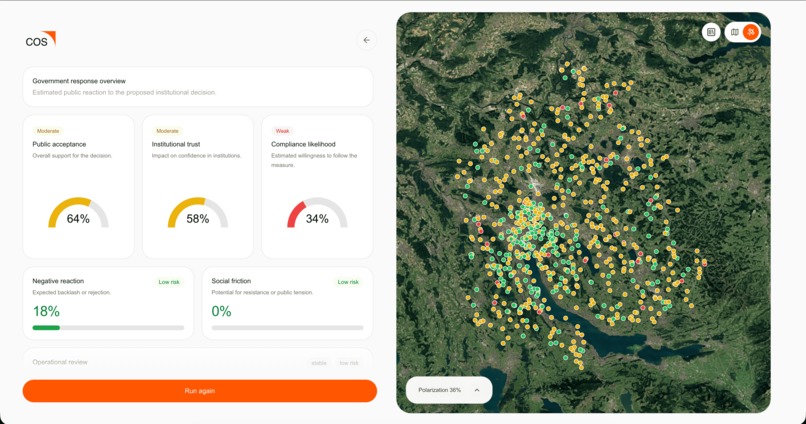
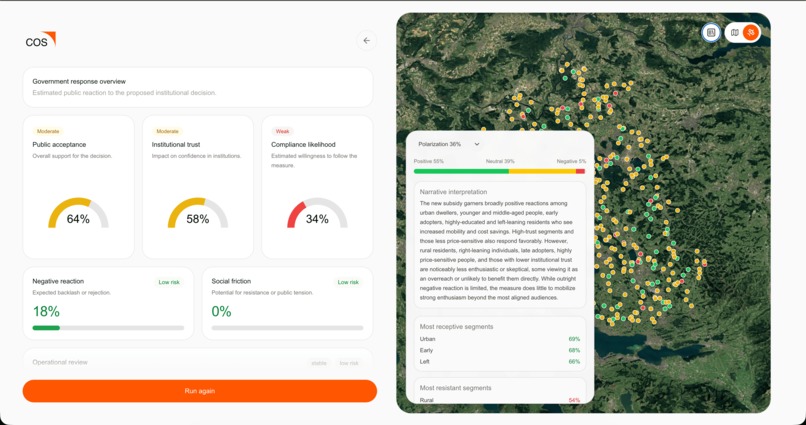
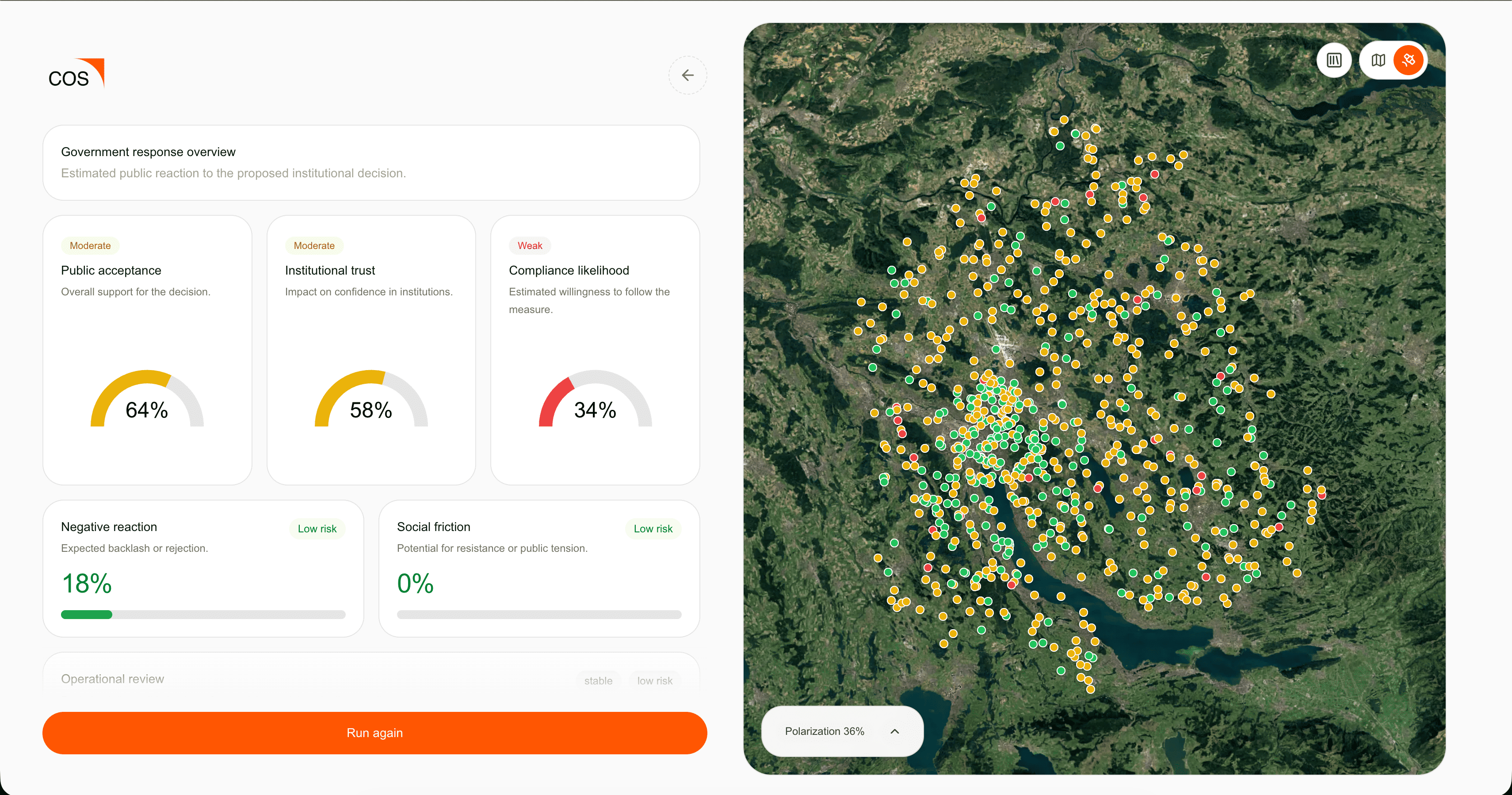
The system simulates how each individual reacts and aggregates results into metrics such as:
• acceptance rate
• purchase intent
• trust impact
• virality
• negative reaction
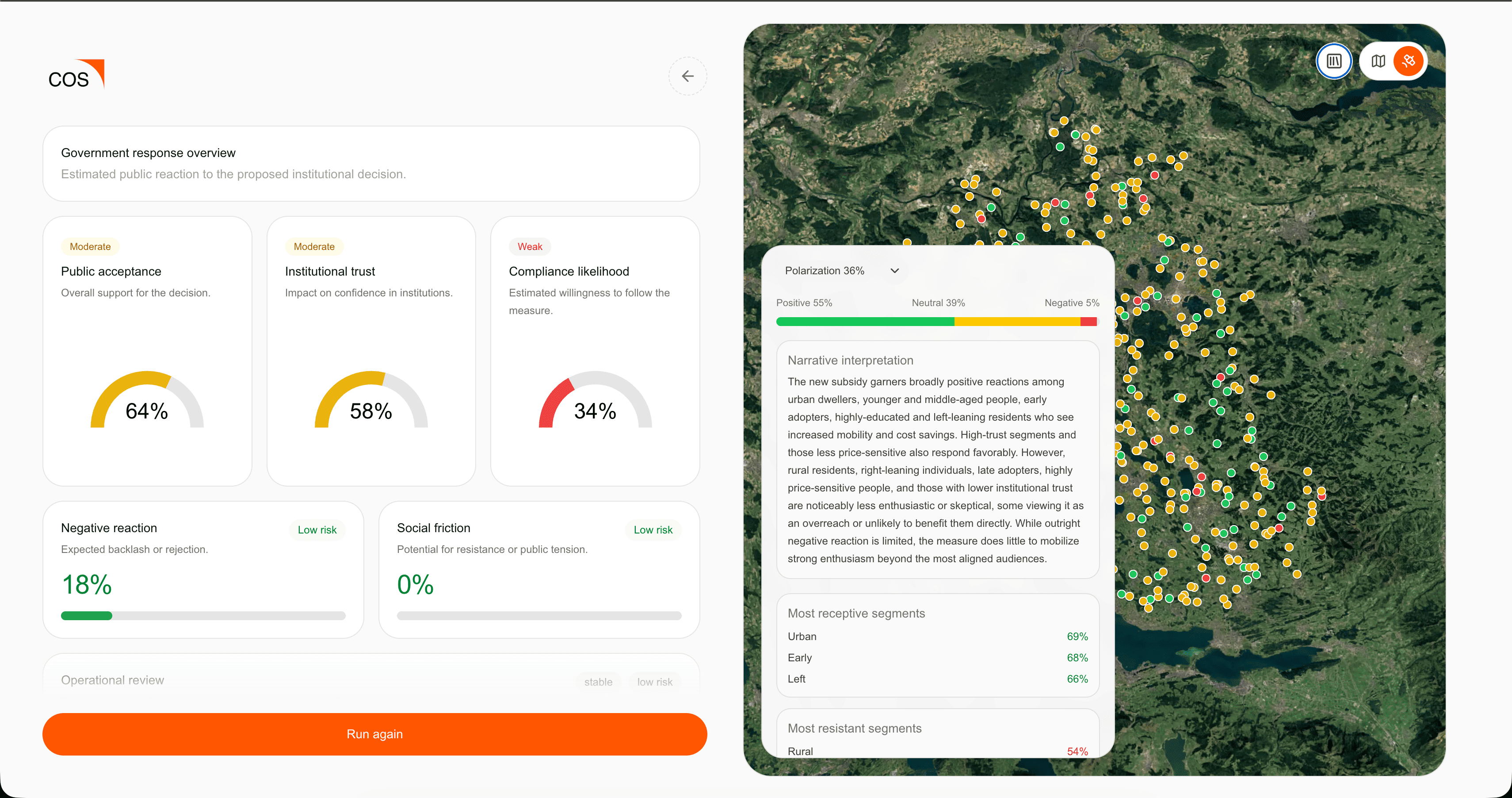
The output adapts dynamically depending on the type of simulation, meaning different scenarios generate different insights.
Users can also inspect individuals directly, hover over them, and understand their reasoning.
To improve realism, companies can also upload contextual data such as previous campaigns or internal feedback, allowing simulations to become more accurate over time.
Demo access
To access the demo:
2714
(This passcode is required to run simulations in the demo environment)
How I built it
Collective OS was built using:
• Next.js
• React
• TypeScript
• Tailwind CSS
• Python
• OpenAI API
• Brinpage
• Palantir
The system architecture includes multiple layers:
Simulation Layer
AI-generated behavioral modeling of synthetic individuals
Analysis Layer
Segment-based aggregation and structured outputs
Validation Layer
A Brinpage AI agent validates simulation outputs and improves consistency
Operational Layer
Palantir is used for structured operational validation and consistency checks
I also built:
• modular parameter blocks
• dynamic scenario inputs
• simulation trace system
• geographic visualization of Zürich
• contextual company data uploads
Challenges I ran into
The biggest challenge was designing a system that produces structured, interpretable, and meaningful outputs.
A simulation platform like this can easily become chaotic if results are not properly structured or explained.
To address this, I introduced:
• segment-level analysis
• individual reasoning
• deterministic aggregation
• validation layer
Another challenge was balancing flexibility and clarity. I wanted the system to feel powerful, but still understandable in seconds.
Accomplishments that I'm proud of
I'm most proud of translating an abstract idea into a working product.
Turning an abstract concept into a working product in just a few days was one of the most rewarding parts of this project.
Instead of building another chatbot, I created a structured simulation system powered by AI.
I'm also proud of building:
• explainable outputs
• structured simulation pipeline
• dynamic population modeling
• geographic visualization
What I learned
This project reinforced that AI products need structure, not just models.
The real value comes from:
• inputs
• structure
• explainability
• usability
I also learned how to turn an abstract idea into a working system quickly.
What's next for Collective OS
Future improvements include:
• learning from previous simulations
• company profiles and historical data
• cultural and demographic diversity modeling
• improved population realism
• reduced cultural bias from LLMs
Current language models often reflect US-centric assumptions. Future versions of Collective OS would introduce culturally diverse population modeling.
The long-term vision is to create a decision-support platform that allows organizations to test decisions before deploying them in the real world.
Built With
- brinpage
- nextjs
- openai
- palantir
- react
- tailwind
- typescript
- vercel


Log in or sign up for Devpost to join the conversation.