-
-
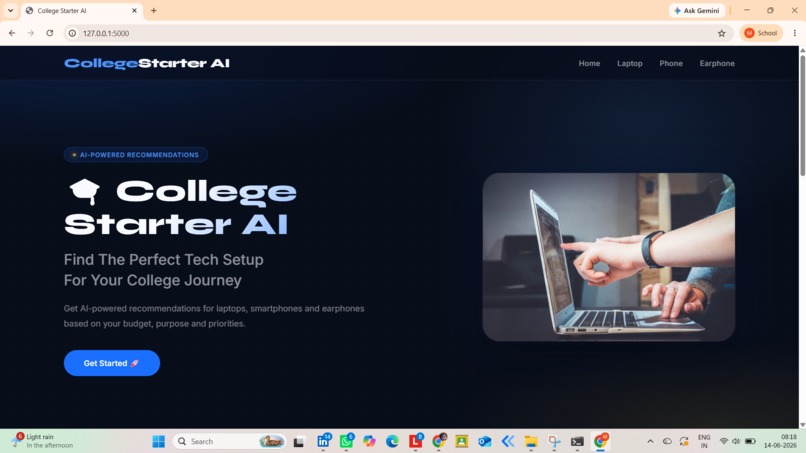
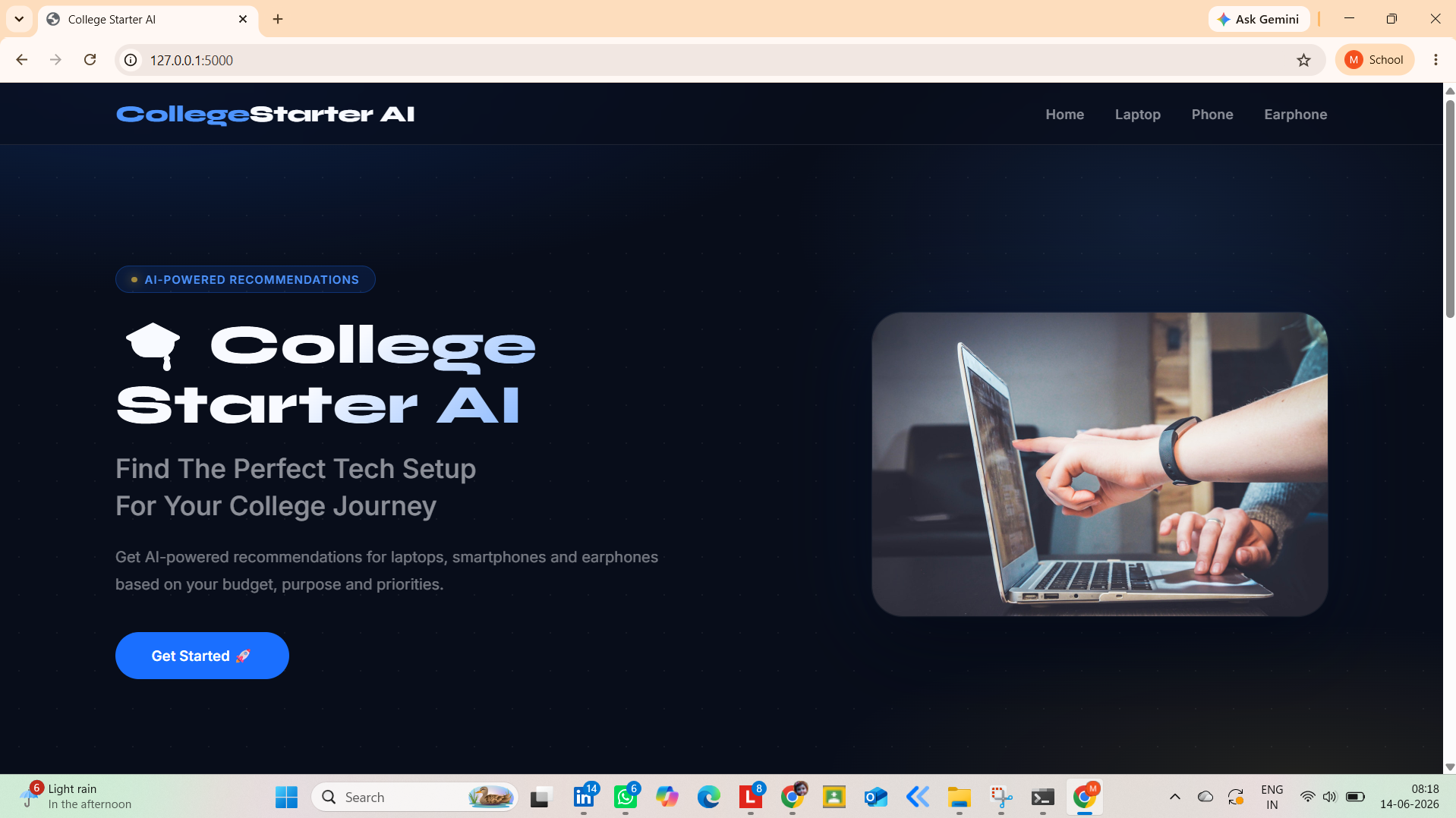
Landing page showcasing AI-powered gadget recommendations for students.
-
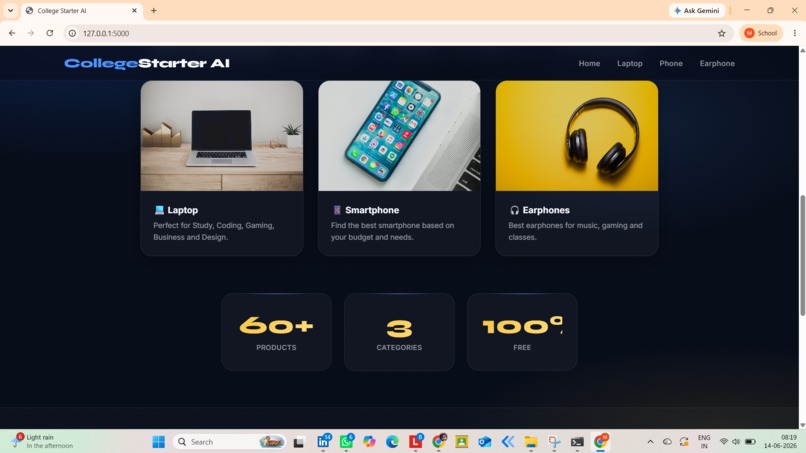
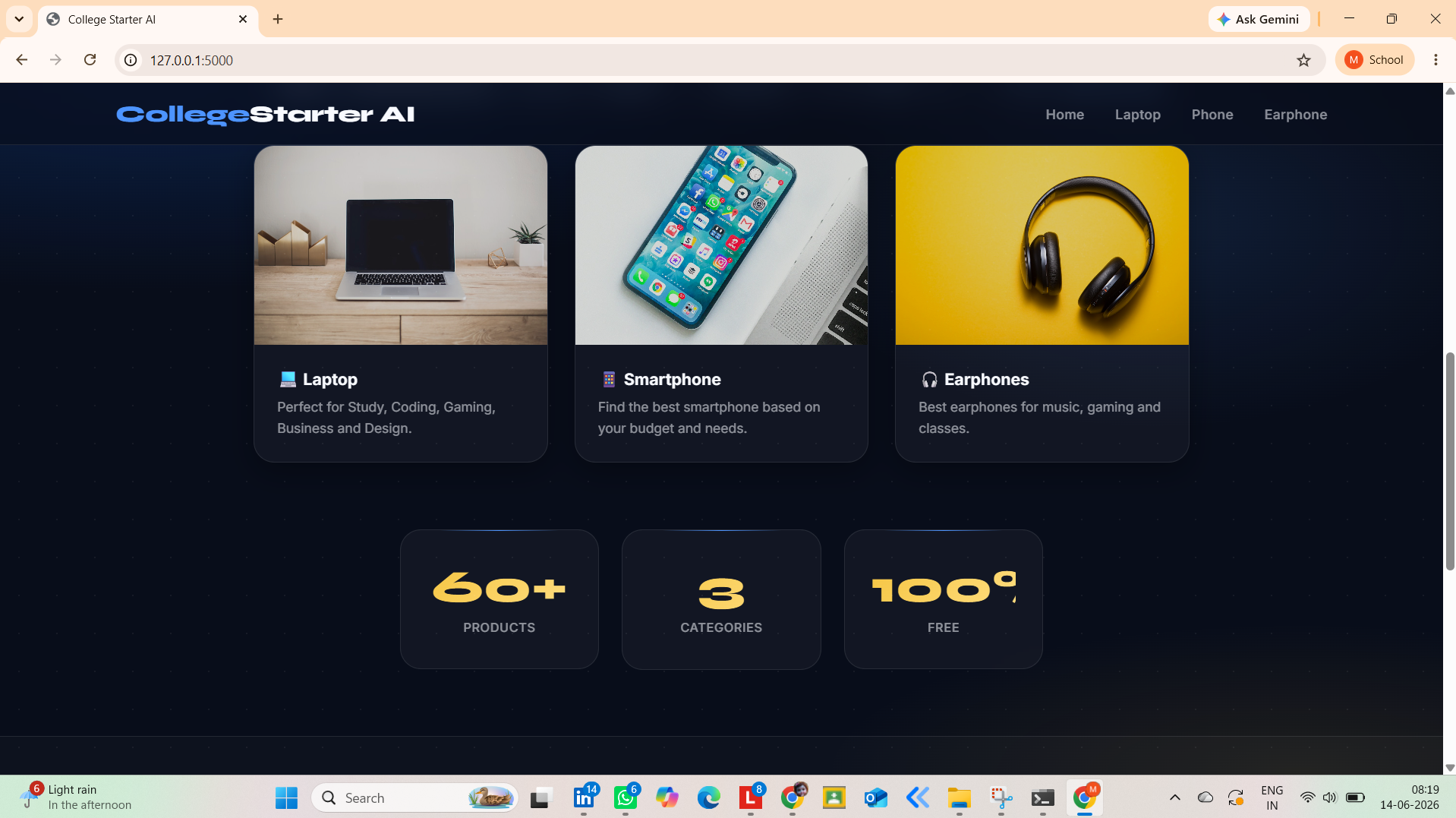
Combined recommendation dashboard helping students choose the right gadgets within their budget.
-
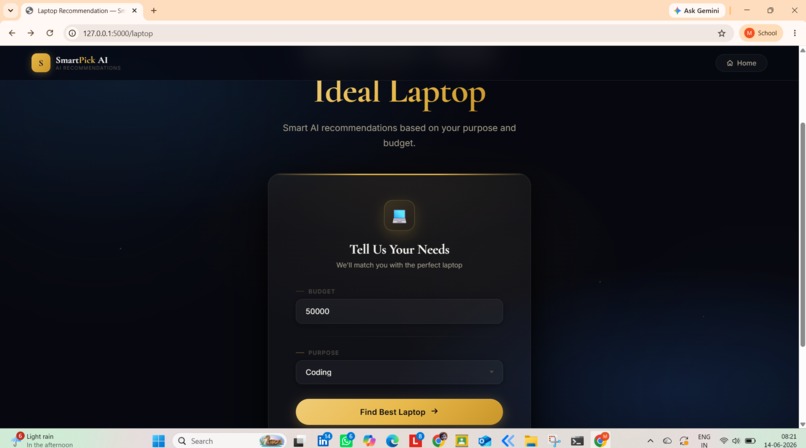
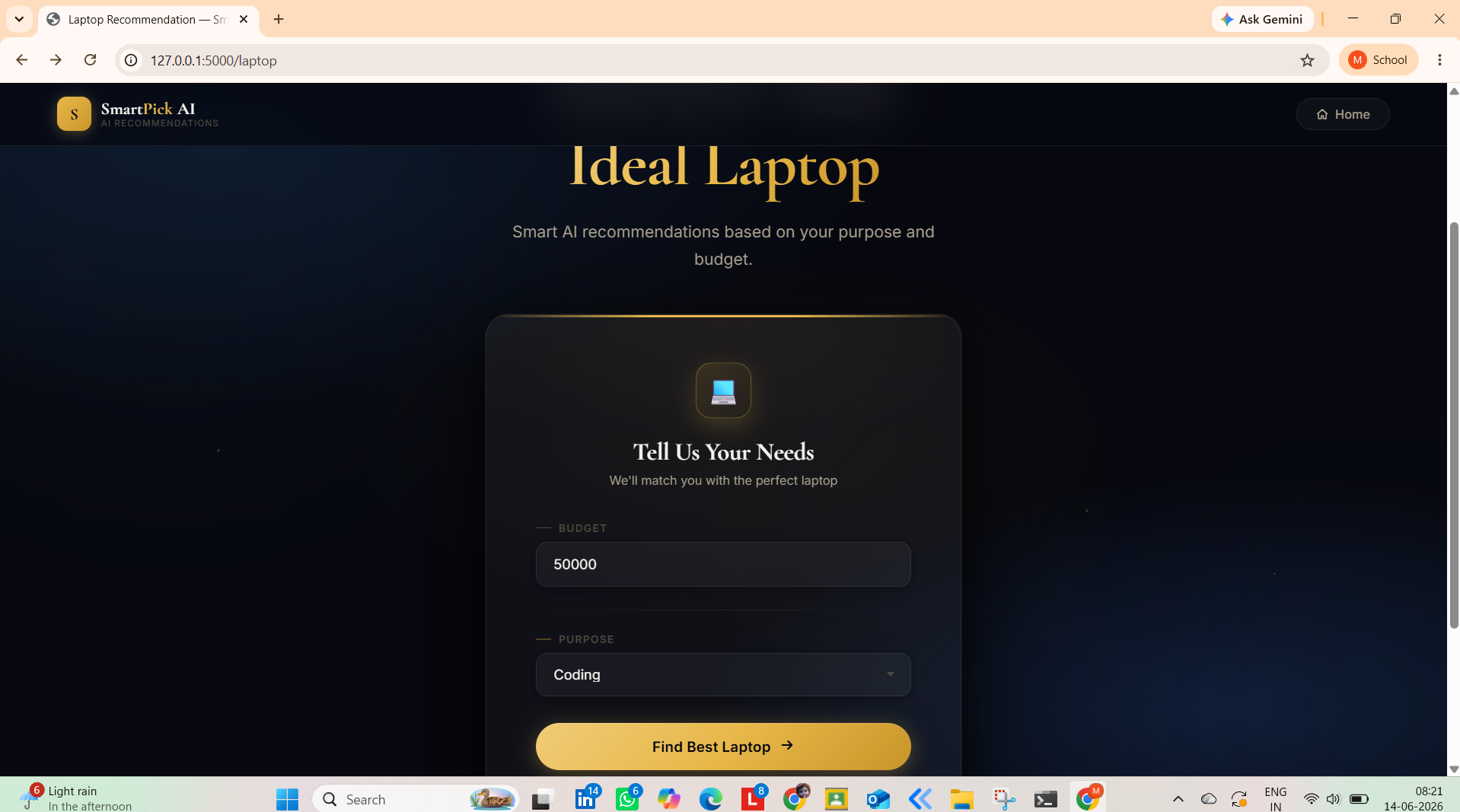
Users select their budget and purpose to find the most suitable laptop.
-
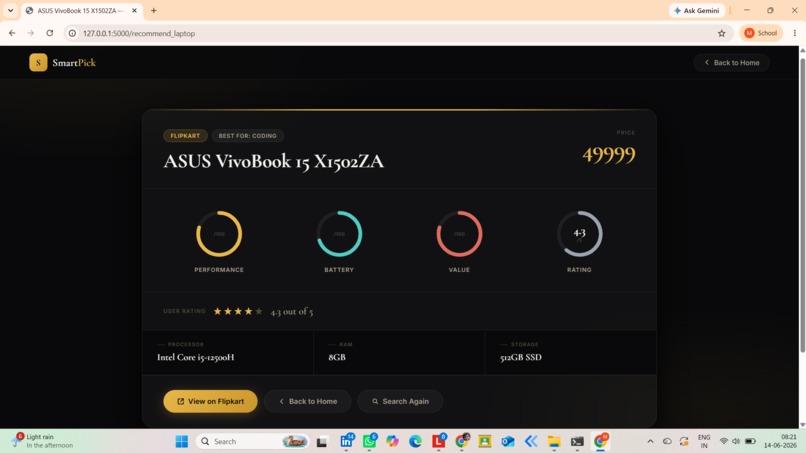
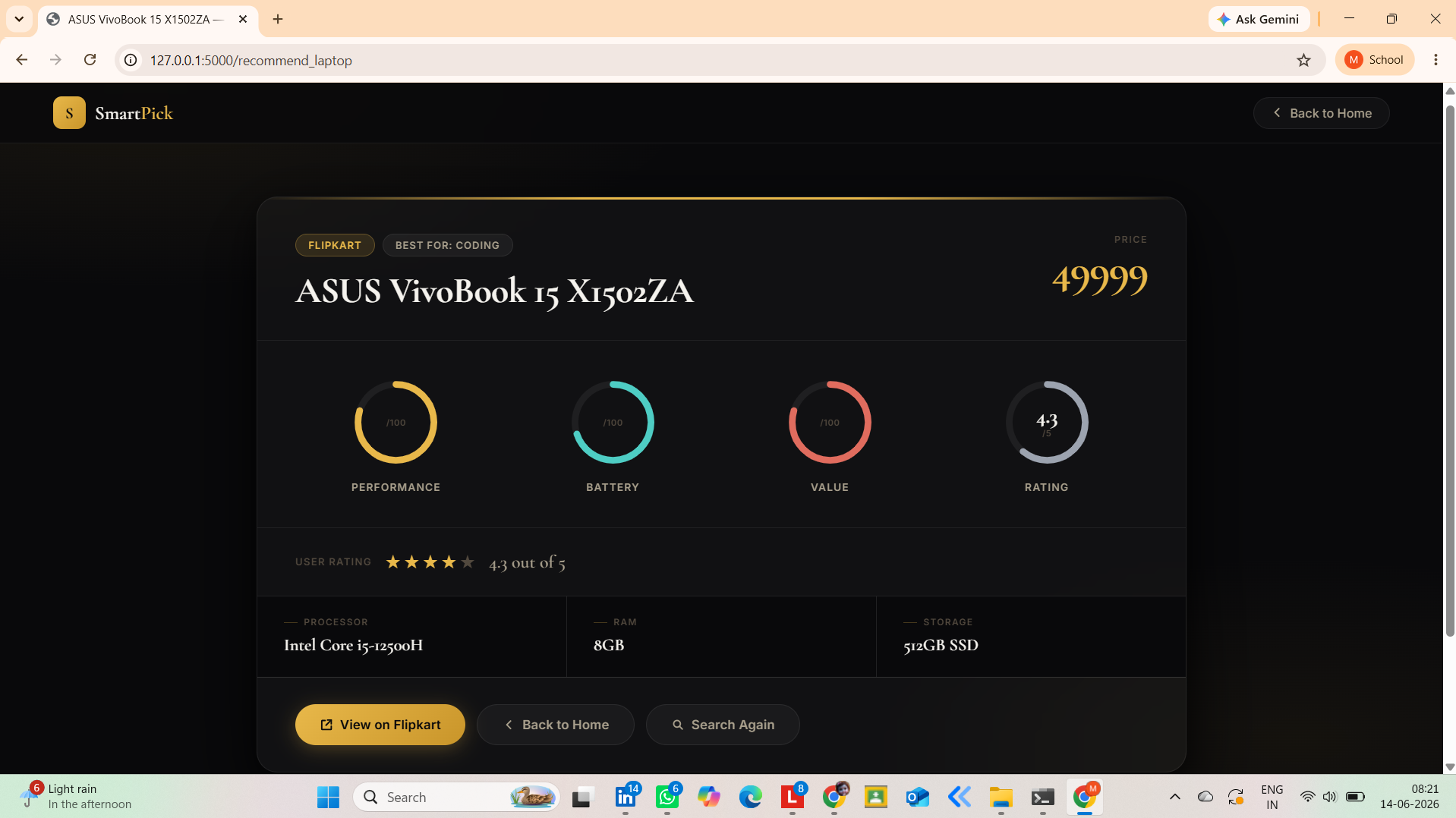
Premium result page displaying the best laptop recommendation with detailed specifications and scores.
-
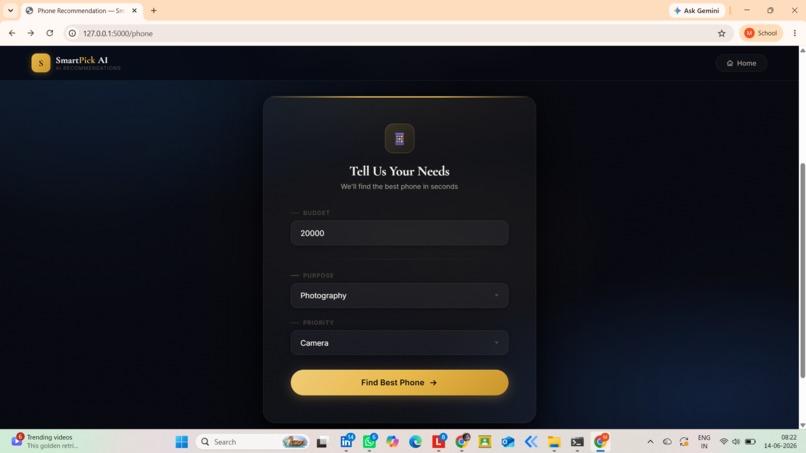
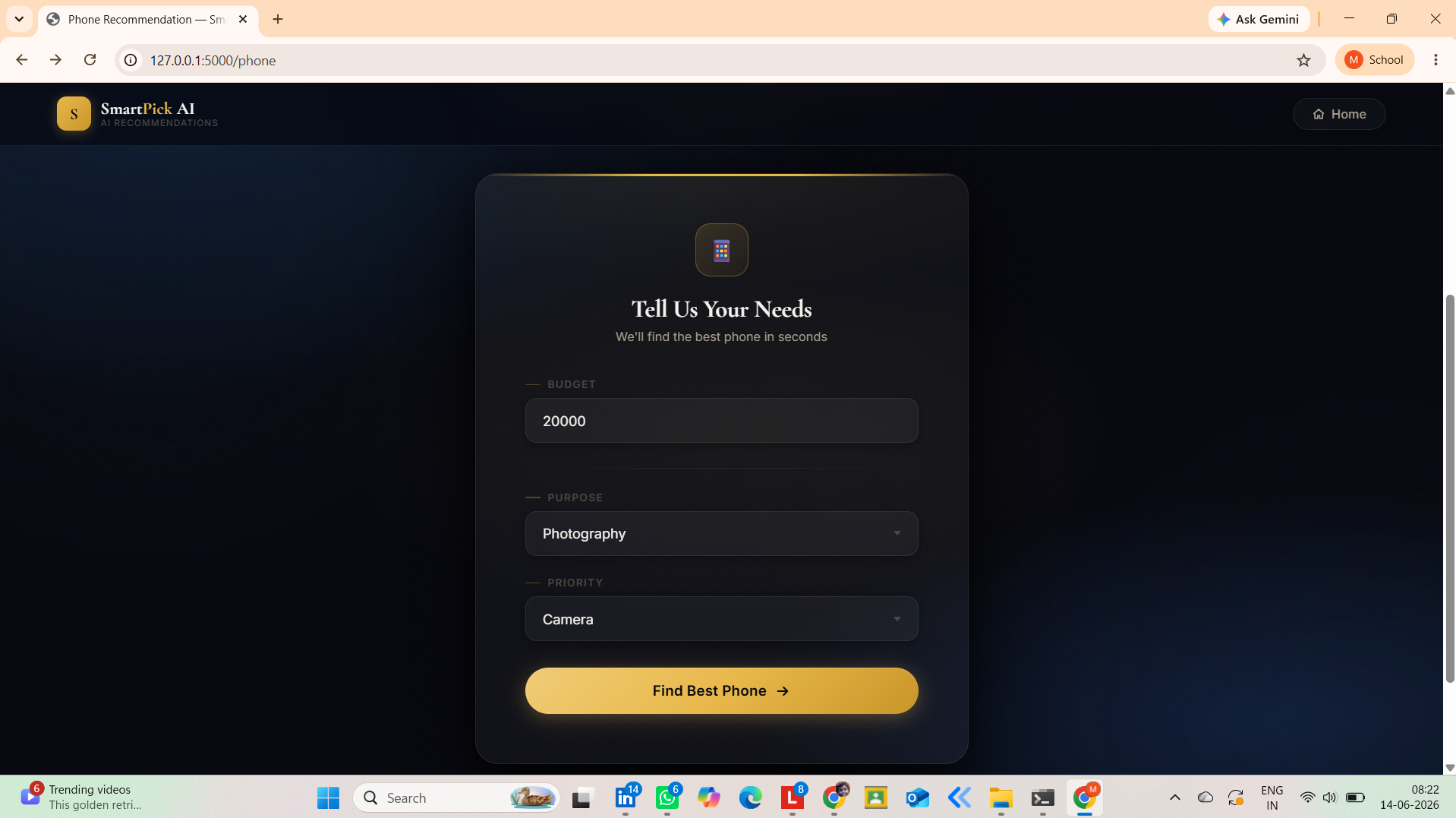
AI-powered smartphone recommendation form based on user preferences.
-
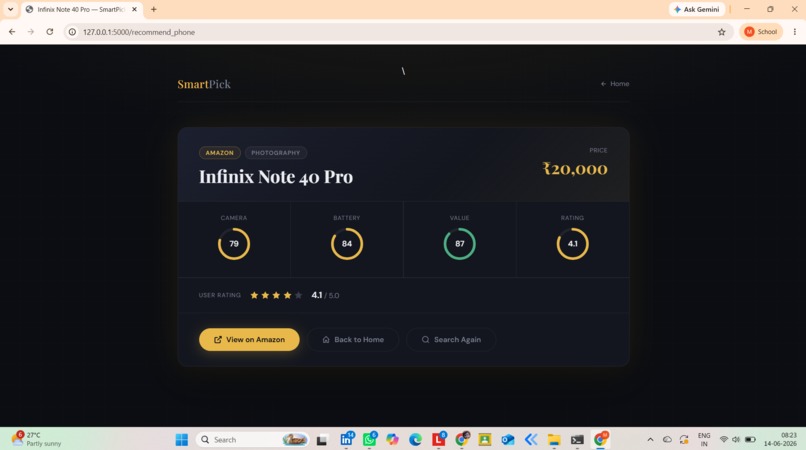
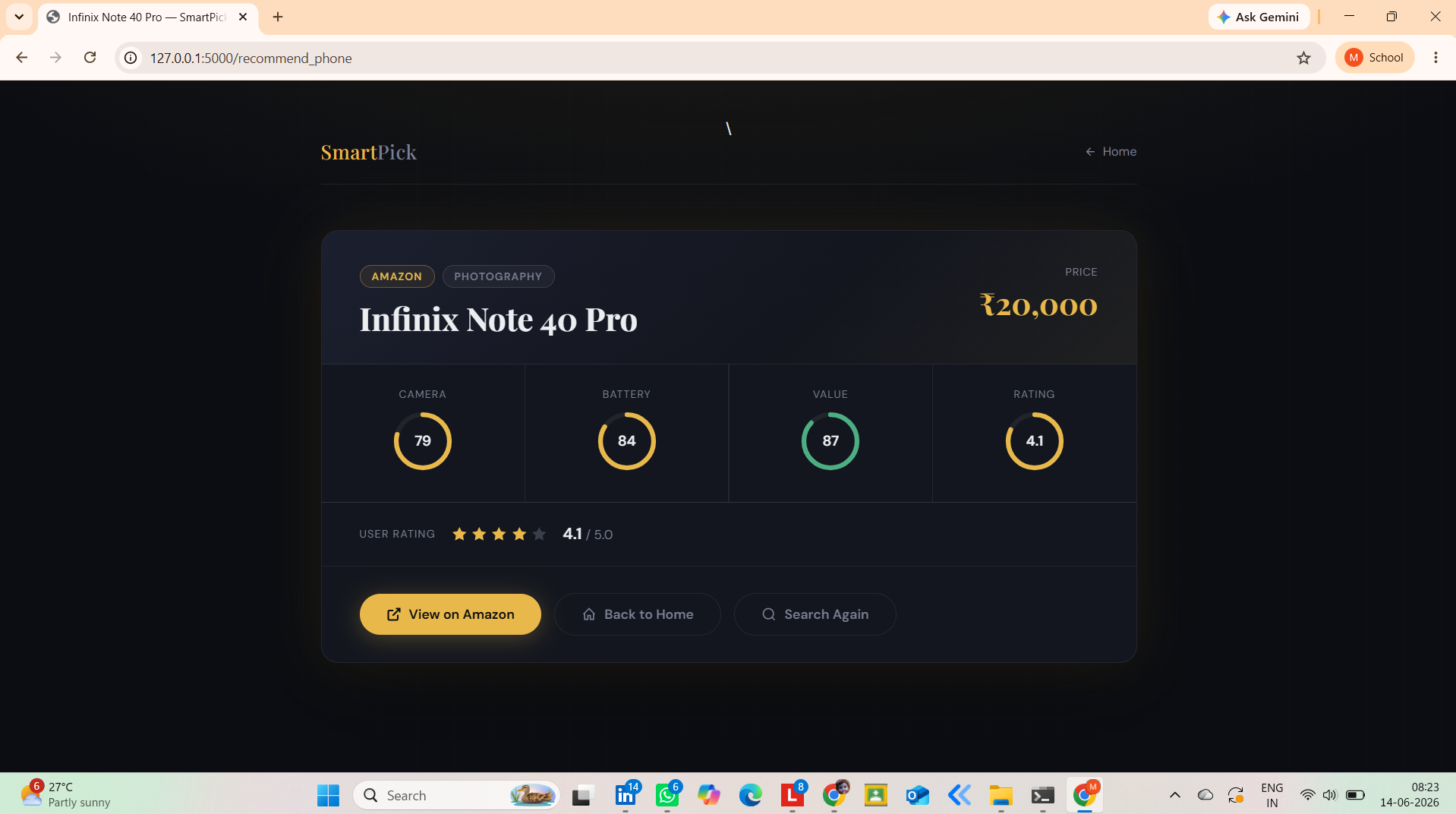
Intelligent smartphone recommendation with camera, battery, value, and rating insights.
-
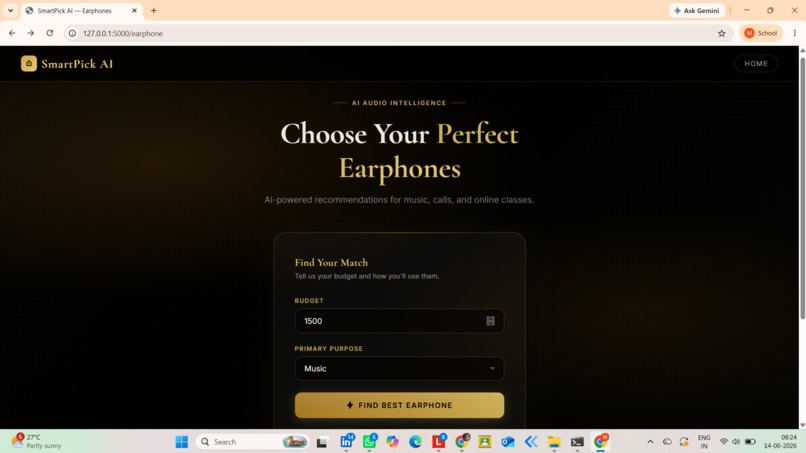
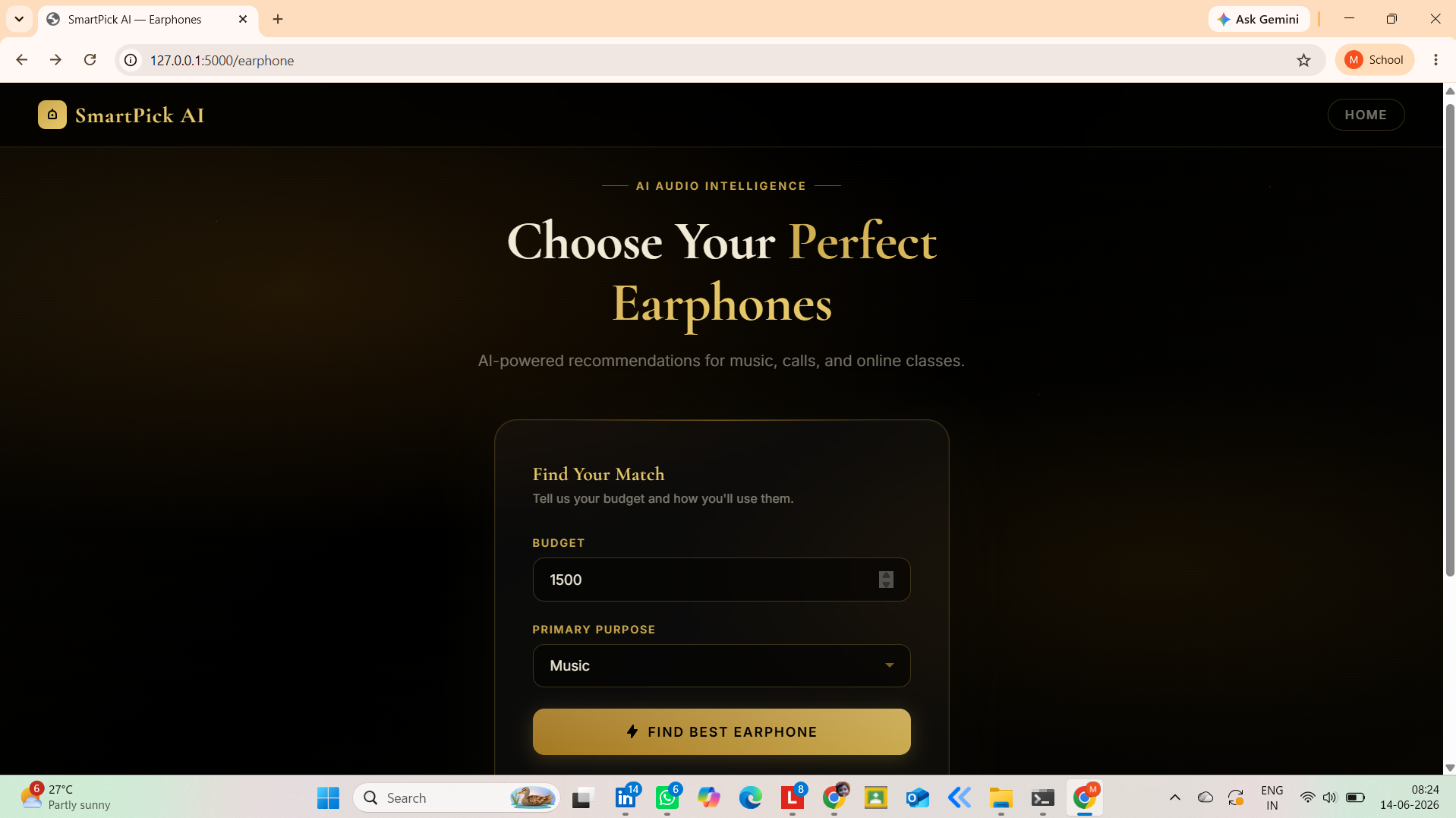
Personalized earphone recommendation system for music, gaming, and online classes.
-
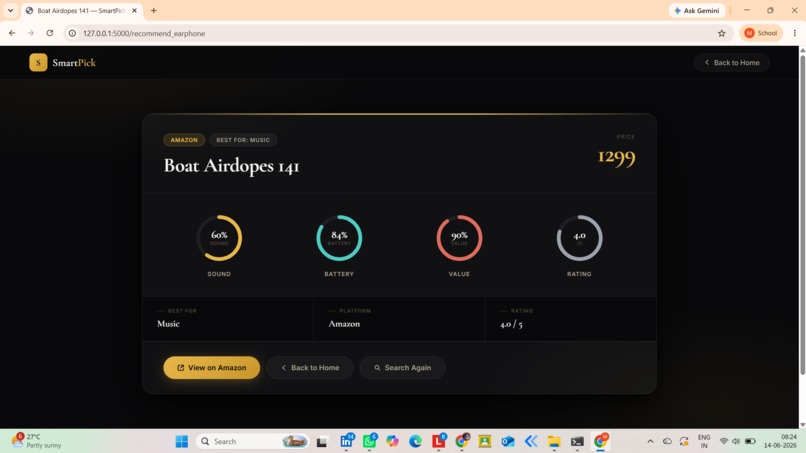
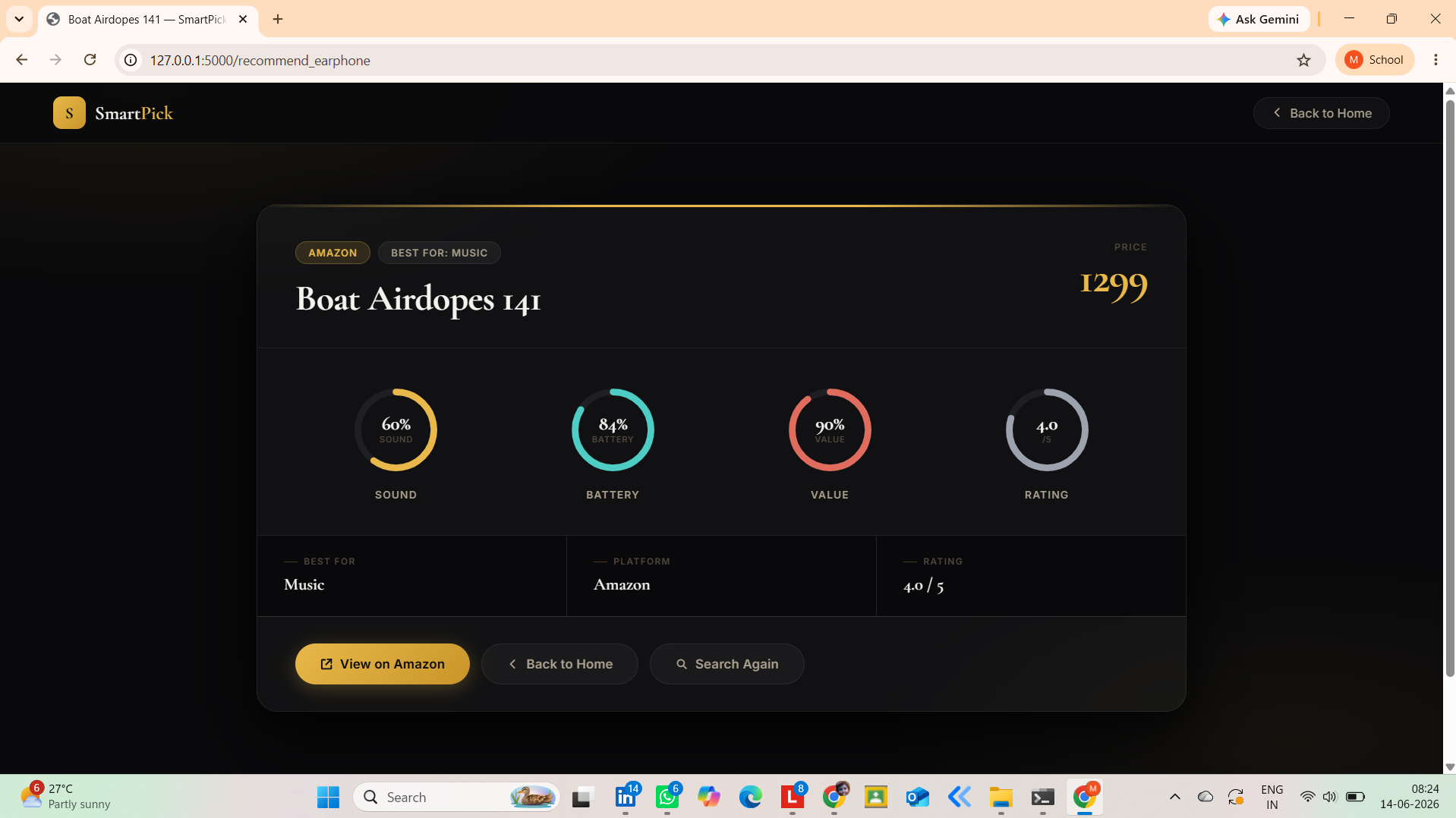
Best earphone recommendation based on sound quality, battery life, and value score.
## Inspiration
The idea for College Starter AI came from a conversation I had with a few of my classmates right before the academic year began. Almost everyone was stressing about which laptop to buy, whether a particular phone was worth the price, or which earphones would last through long study sessions — all on a tight student budget. The frustrating part wasn't the lack of options; it was the overwhelming number of them. Comparison websites were cluttered, YouTube reviews were biased, and most recommendation tools weren't built with students in mind. That's when I decided to build something specifically for college students — a tool that takes two simple inputs, budget and purpose, and cuts straight to the best available options. No noise, no sponsored results, just honest recommendations.
## How we built it
The entire application is built on a Flask backend with Python handling all the core logic. Product data for laptops, smartphones, and earphones is stored in CSV files, each structured with attributes like price, brand, specifications, purpose tags, and purchase URLs.
Pandas is used to load these datasets and apply dynamic filtering based on user input. Once filtered, a scoring algorithm ranks the remaining products by assigning weights to different attributes depending on the selected purpose — for instance, RAM and processor speed are prioritized for programming use cases, while display quality and battery life are weighted higher for media or general use.
The frontend is built with HTML5 and CSS3, with separate templates for each product category. Flask's routing system connects the form inputs on the frontend to the filtering and ranking logic on the backend, and the results are rendered dynamically using Jinja2 templates.
## What's next for Collage Stater Ai
There's a lot of room to grow. The immediate priorities are:
- AI-powered recommendations using machine learning to improve ranking accuracy based on user behavior and preferences
- User accounts so students can save their preferences, bookmark products, and revisit past recommendations
- Live product data by integrating e-commerce APIs to replace static CSV files with real-time pricing and availability 4.More product categories such as tablets, monitors, keyboards, and other college essentials 5.A comparison mode that lets users view two products side by side before making a final decision


Log in or sign up for Devpost to join the conversation.