Inspiration
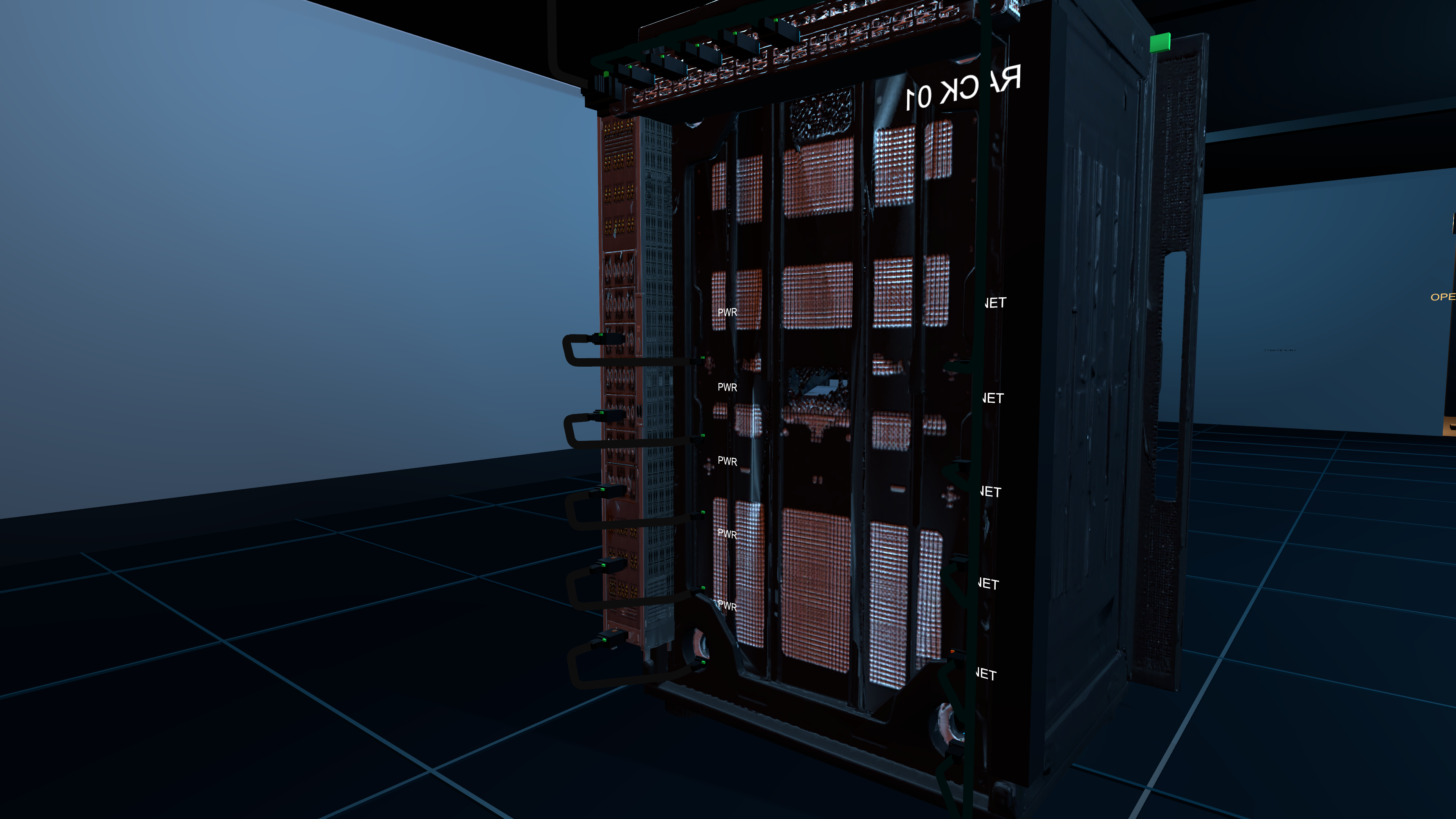
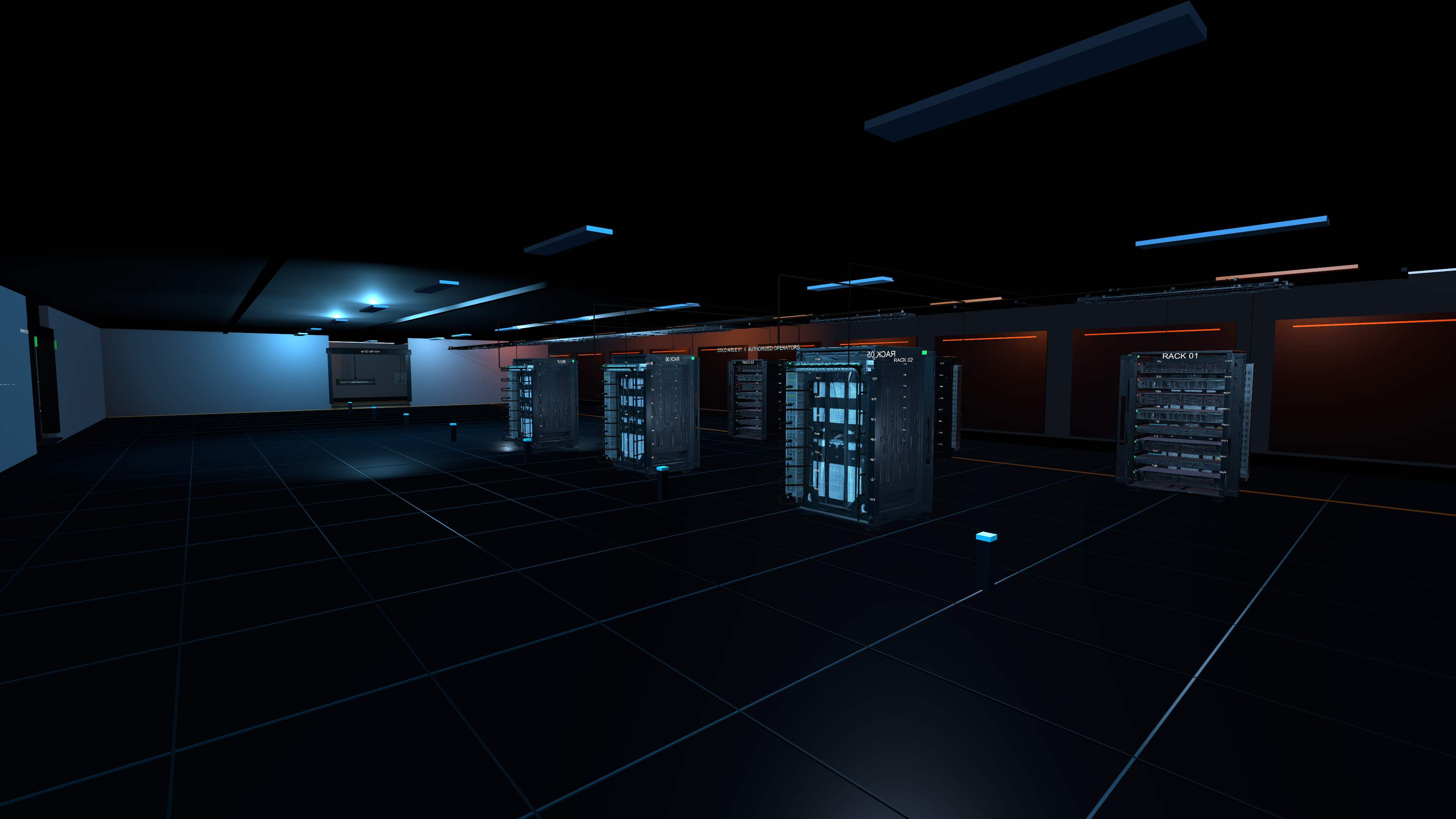
Most management games hide infrastructure behind menus. We wanted the player to stand inside the business they are building: carry the hardware, see each connection, understand why capacity is gone, and feel the room change as the company grows. The project combines the clarity of a tycoon game with the physical satisfaction of a first-person simulator.
What it does
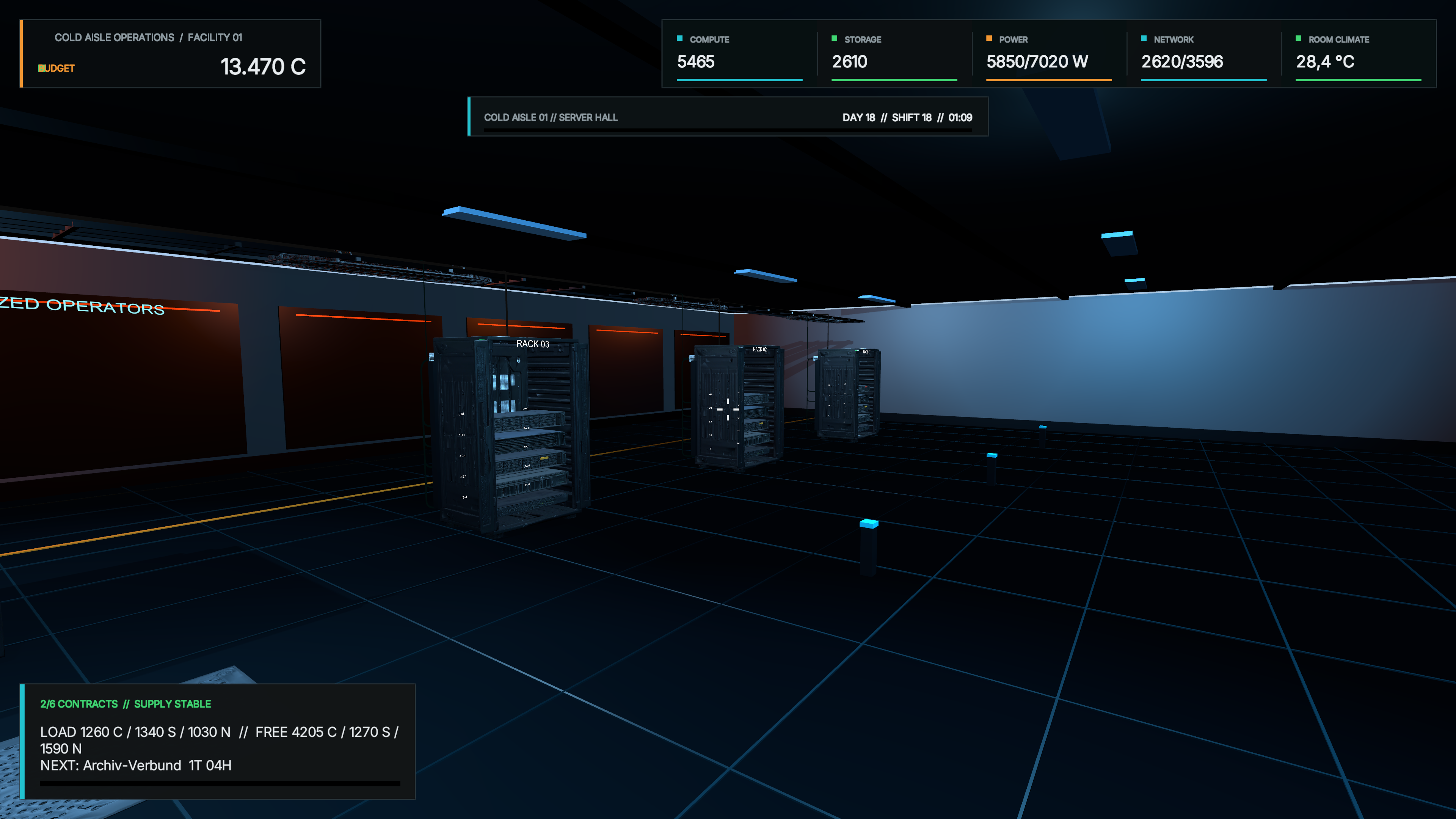
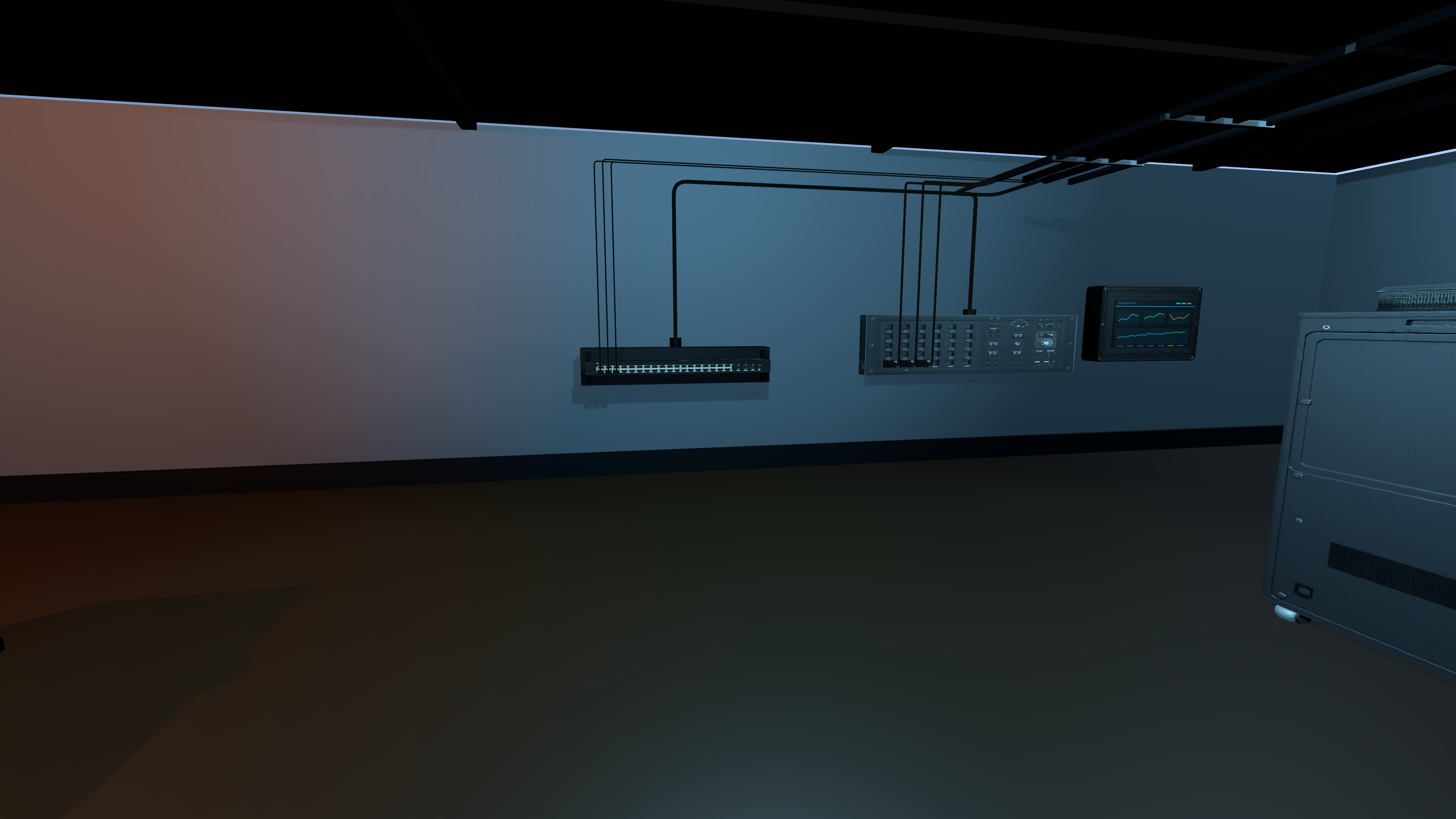
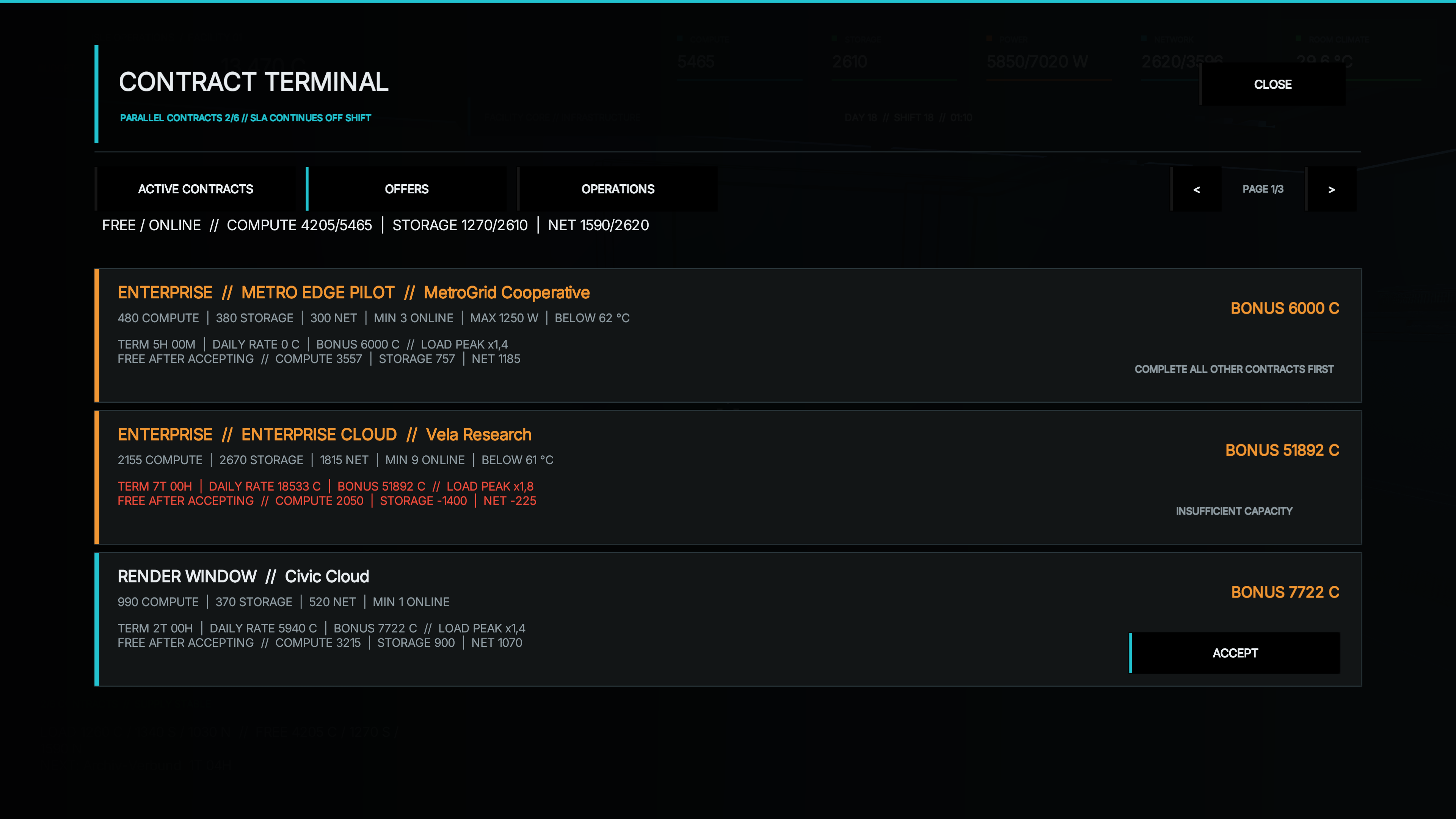
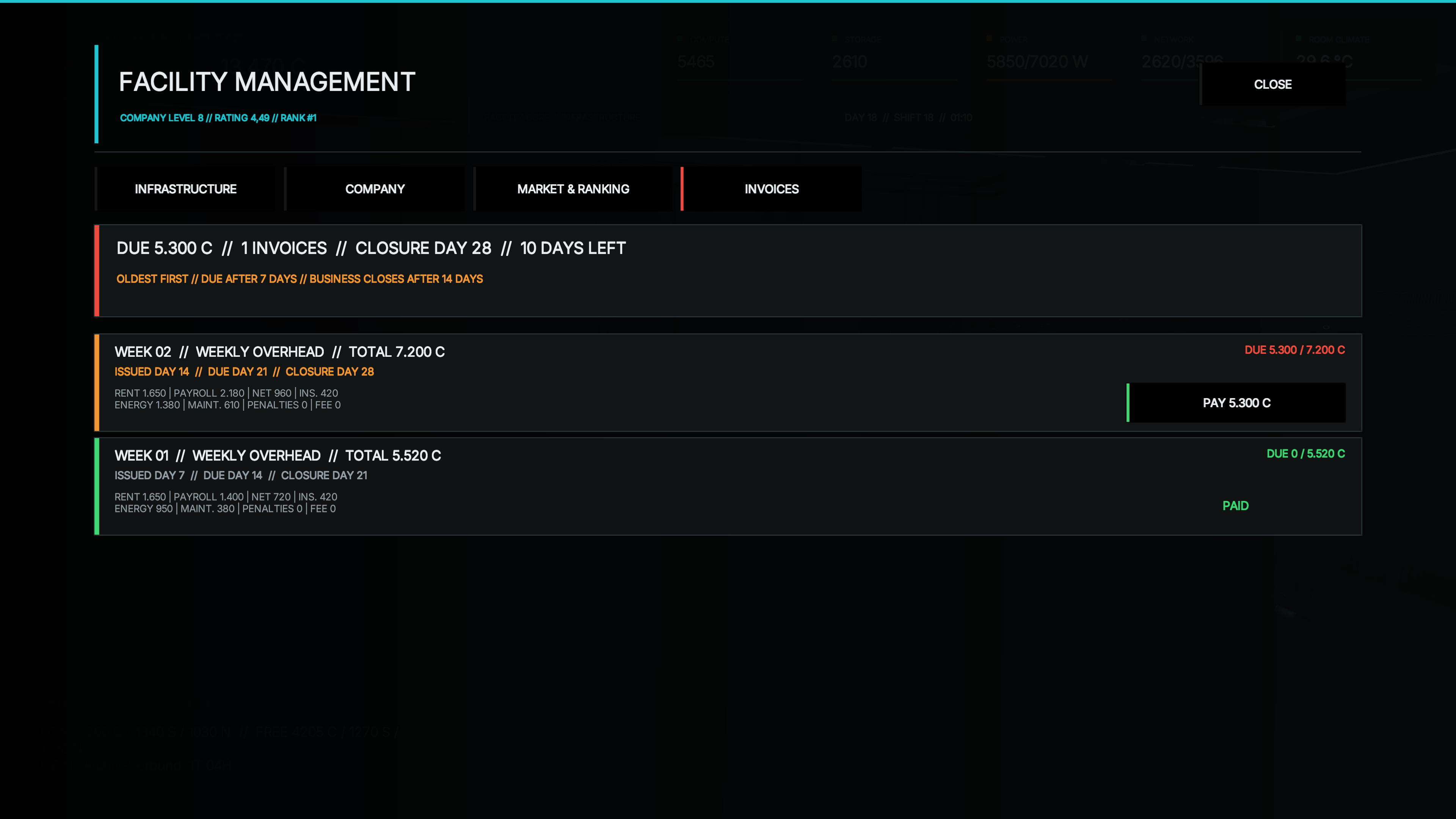
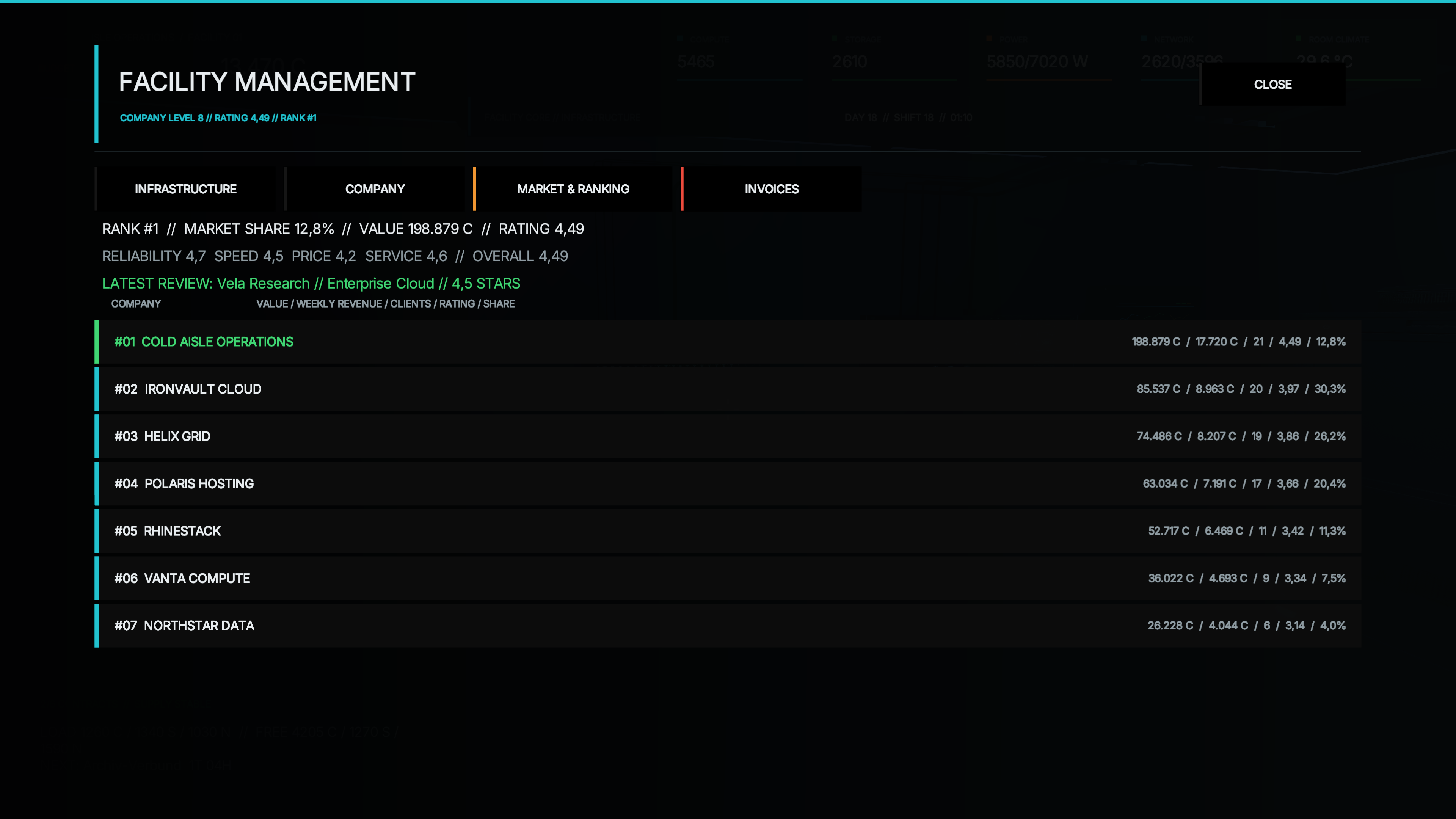
Players buy racks, servers, GPUs, power distribution, networking, and cooling; receive deliveries; place equipment; and connect real power and network endpoints. They can run several multi-day contracts at once, but every contract reserves compute, storage, and bandwidth. Heat, overloads, incidents, customer ratings, invoices, weekly costs, competitors, and long-term company value turn the physical server room into a business simulation.
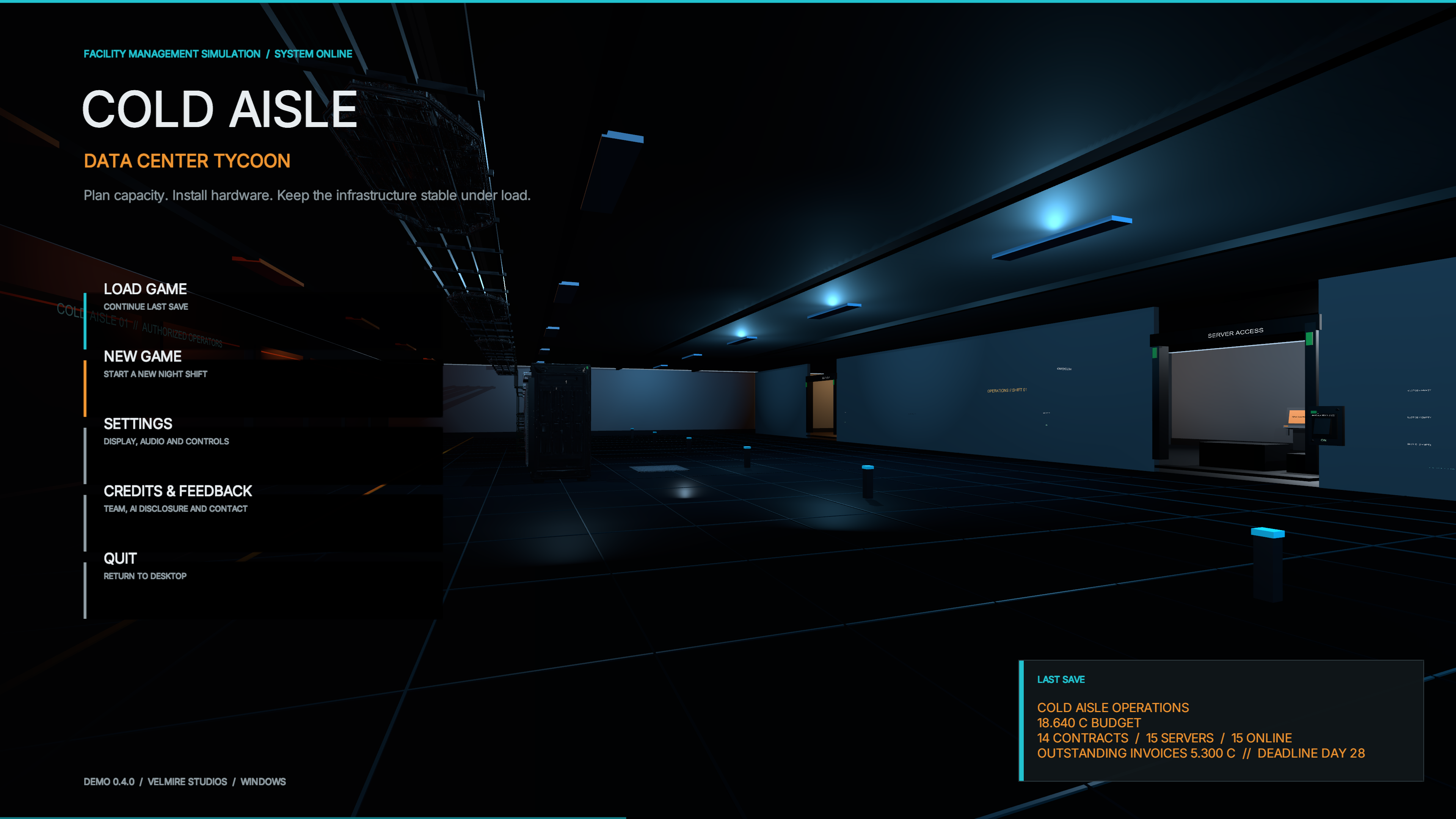
The demo includes a guided first shift, a large walkable facility, timed logistics, free rack placement, dynamic cable routing, hardware assembly, six interface languages, resolution-aware UI from low resolutions through 4K and ultrawide, and encrypted local saves with integrity protection.
How we built it
The project was built in Unity 2022.3 LTS through an unusually close human-and-Codex loop. Oliver Wesendonk defined the product, created or supplied the licensed visual and music assets, played every iteration, and used screenshots to identify tiny spatial and usability problems. Codex with GPT-5.6 Sol inspected the Unity project, implemented and refactored C# systems, integrated generated FBX assets, centralized facility geometry, created dynamic cables and placement rules, expanded localization, hardened saves, automated Windows builds, and ran deterministic smoke checks.
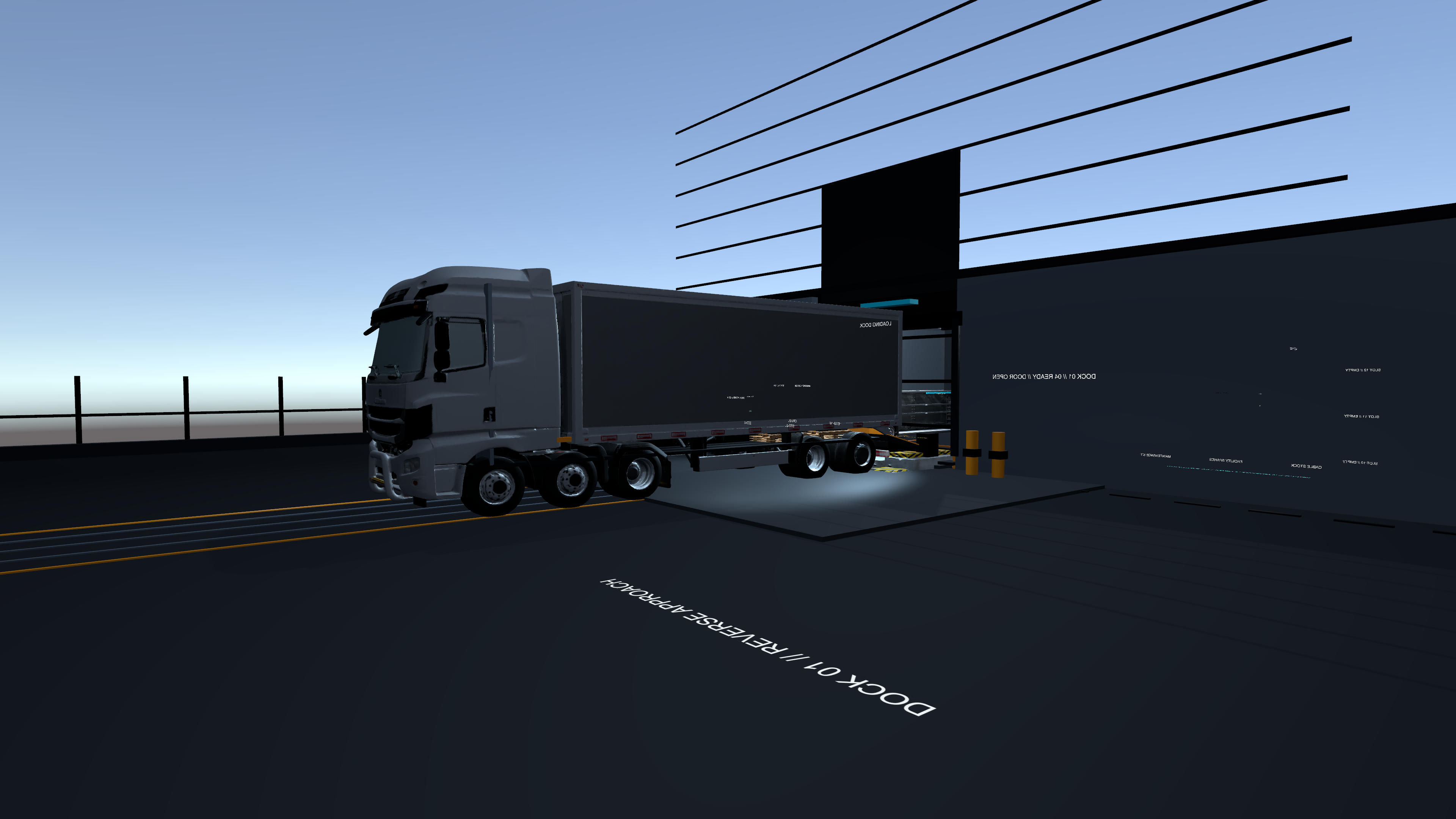
The prototype existed before Build Week. During the challenge window we meaningfully extended it with the production loading-dock flow, larger maintainable layout, free infrastructure placement, dynamic cable recalculation, connector/status polish, tutorial recovery, display calibration, additional localization, release branding, and stronger automated validation. Timestamped source hashes and Codex session evidence are included for judges.
Challenges we ran into
Generated 3D assets do not arrive with gameplay semantics. A forklift may look correct but have merged wheels, an unexpected pivot, or only one usable fork mesh. A cable can be logically connected yet float a few centimeters outside a photographed port. High-resolution UI can also expose problems invisible at 1080p. The hard part was turning visual feedback into reusable geometry and ownership rules instead of accumulating one-off offsets.
Accomplishments that we're proud of
- Visible cable count and occupied ports follow the actual server state.
- Relocated racks and utilities rebuild plausible wall, floor, and ceiling routes.
- Contracts reserve shared capacity and create meaningful operational tradeoffs.
- A single small Unity scene generates and validates a large playable facility.
- The build supports six languages and a broad range of displays.
- Automated smoke tests cover the complete business and infrastructure loop.
What we learned
AI collaboration becomes far more useful when the human keeps strong taste and tests the result relentlessly. Codex was fastest when it could inspect concrete evidence, while Oliver's repeated visual criticism prevented technically valid but unconvincing solutions from surviving. The result is not a one-prompt game; it is a sustained design and engineering conversation captured in a single primary Codex session.
What's next
The full version roadmap adds deeper negotiated contracts, expanded warehouse and forklift gameplay, staff with physical workplaces and needs, larger multi-floor facilities, renewable power, an AI-product business line, and an opt-in online company leaderboard. The demo deliberately holds some of that content back while we gather player feedback.

Log in or sign up for Devpost to join the conversation.