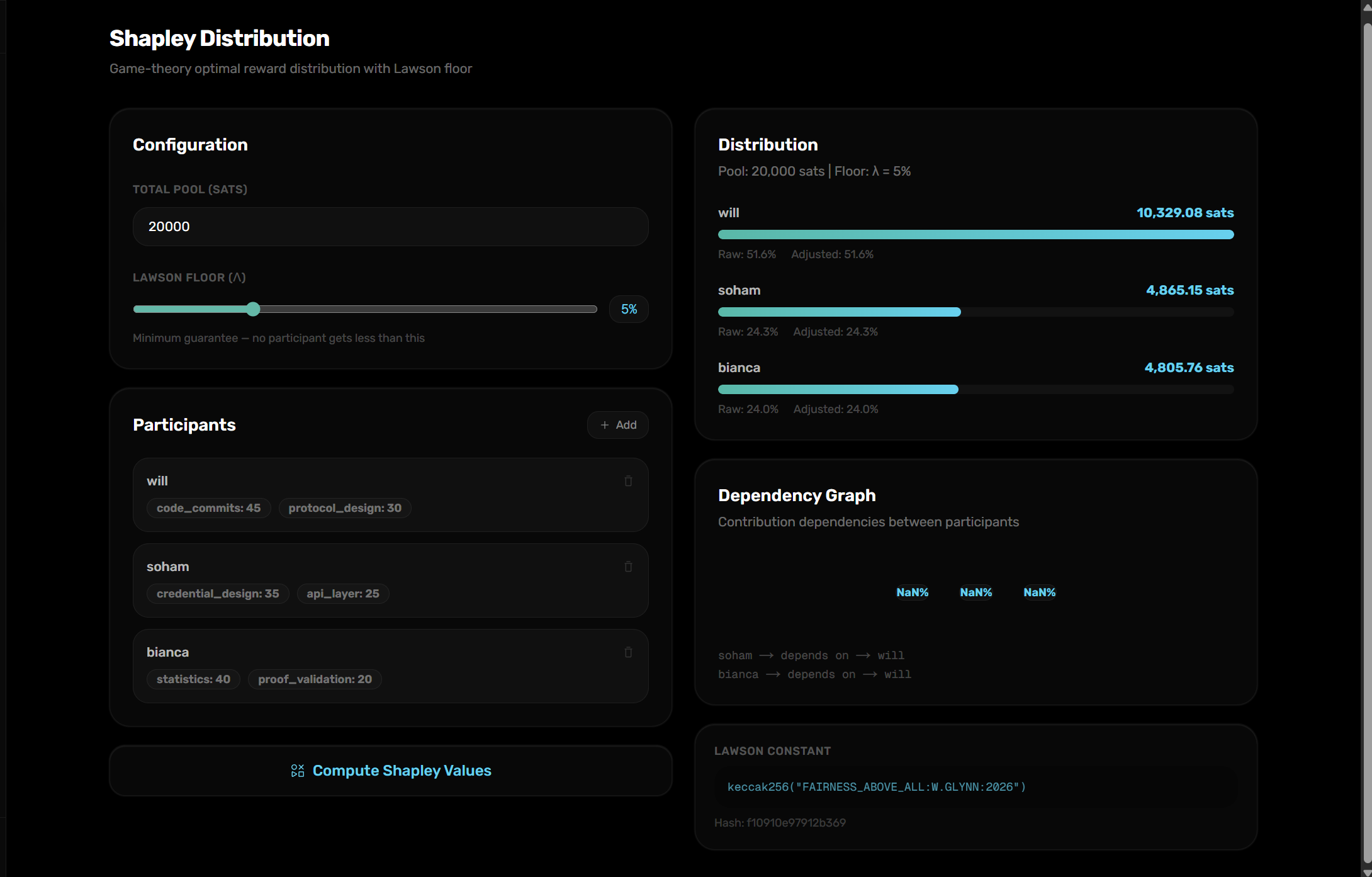
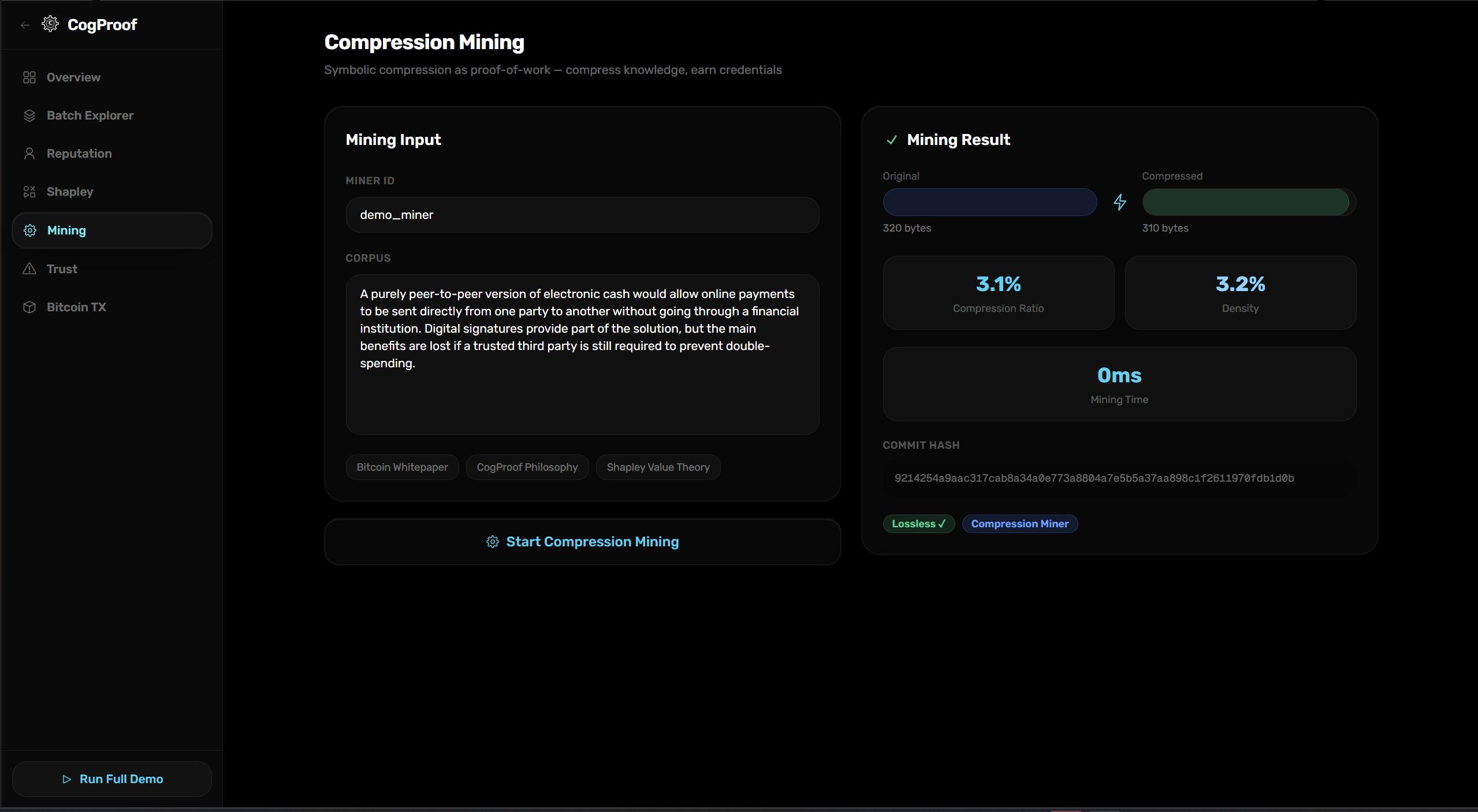
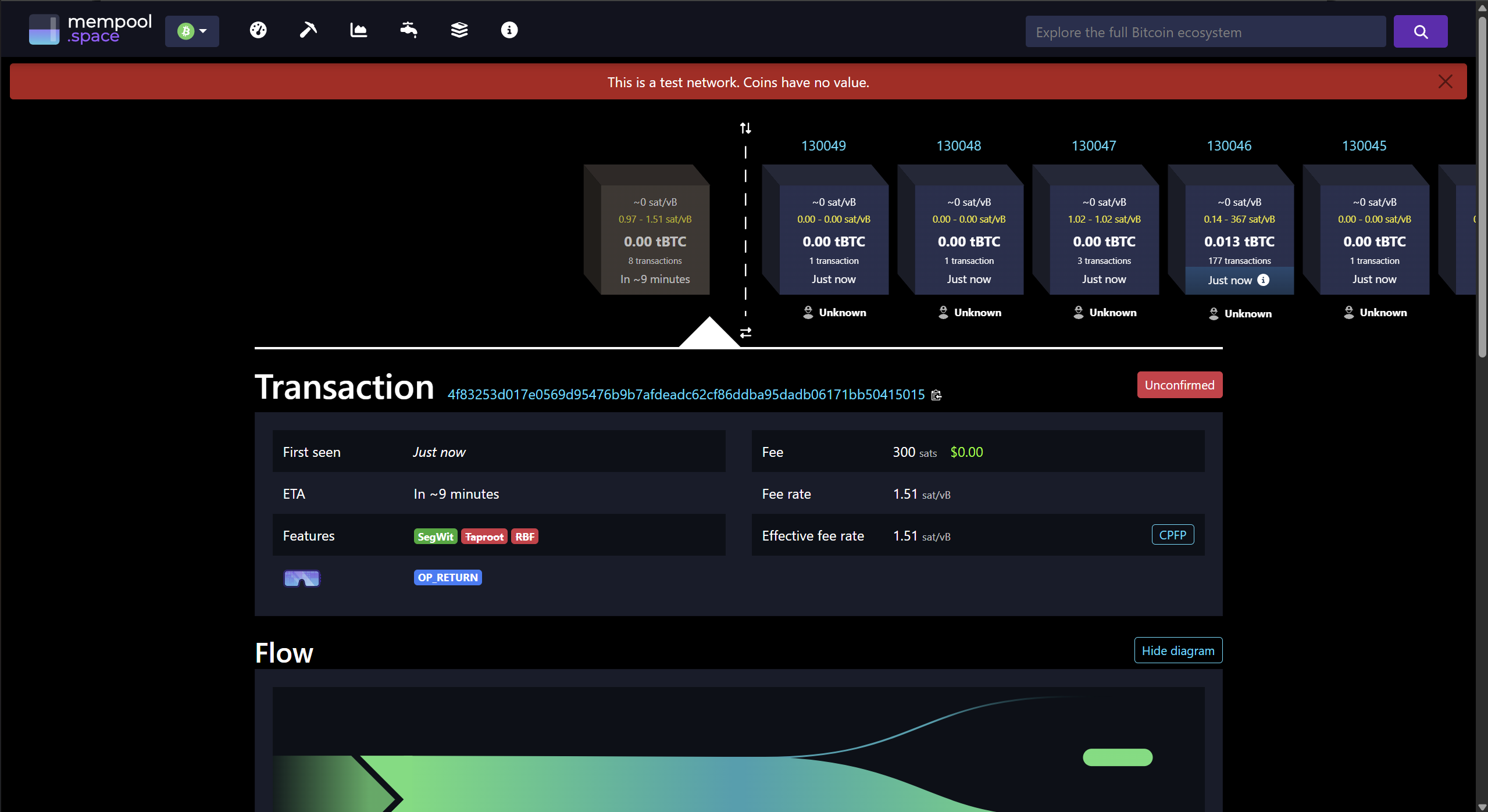
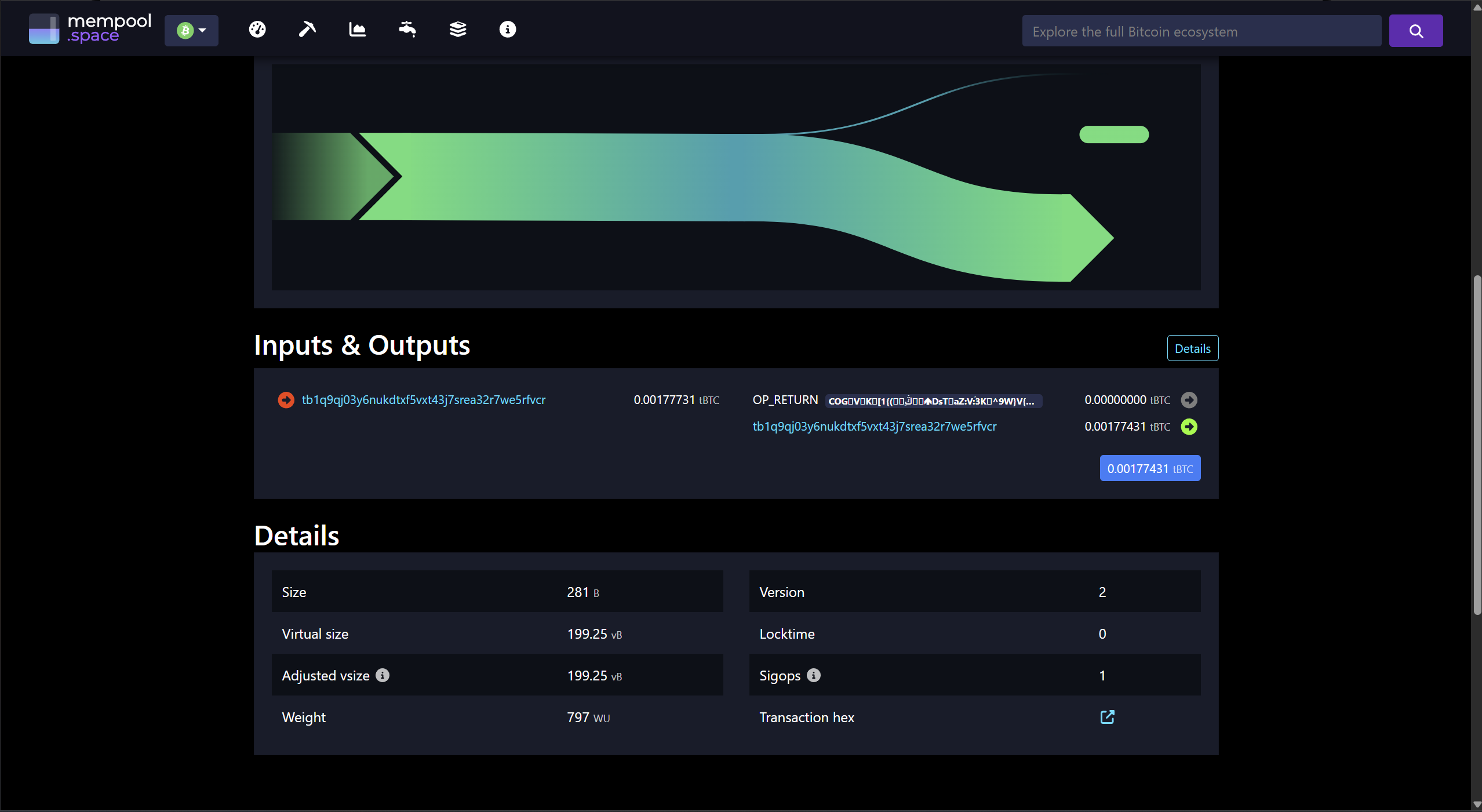

Inspiration: We wanted to address a trust gap in modern DEXs where you are forced to trust the platform or the individual solvers to execute your trades honestly. In many intent-centric architectures, solvers have the power to exploit users through front-running, sandwich attacks, or simply failing to provide the best execution. We believe that trust should be earned through verifiable history, not assumed by default.
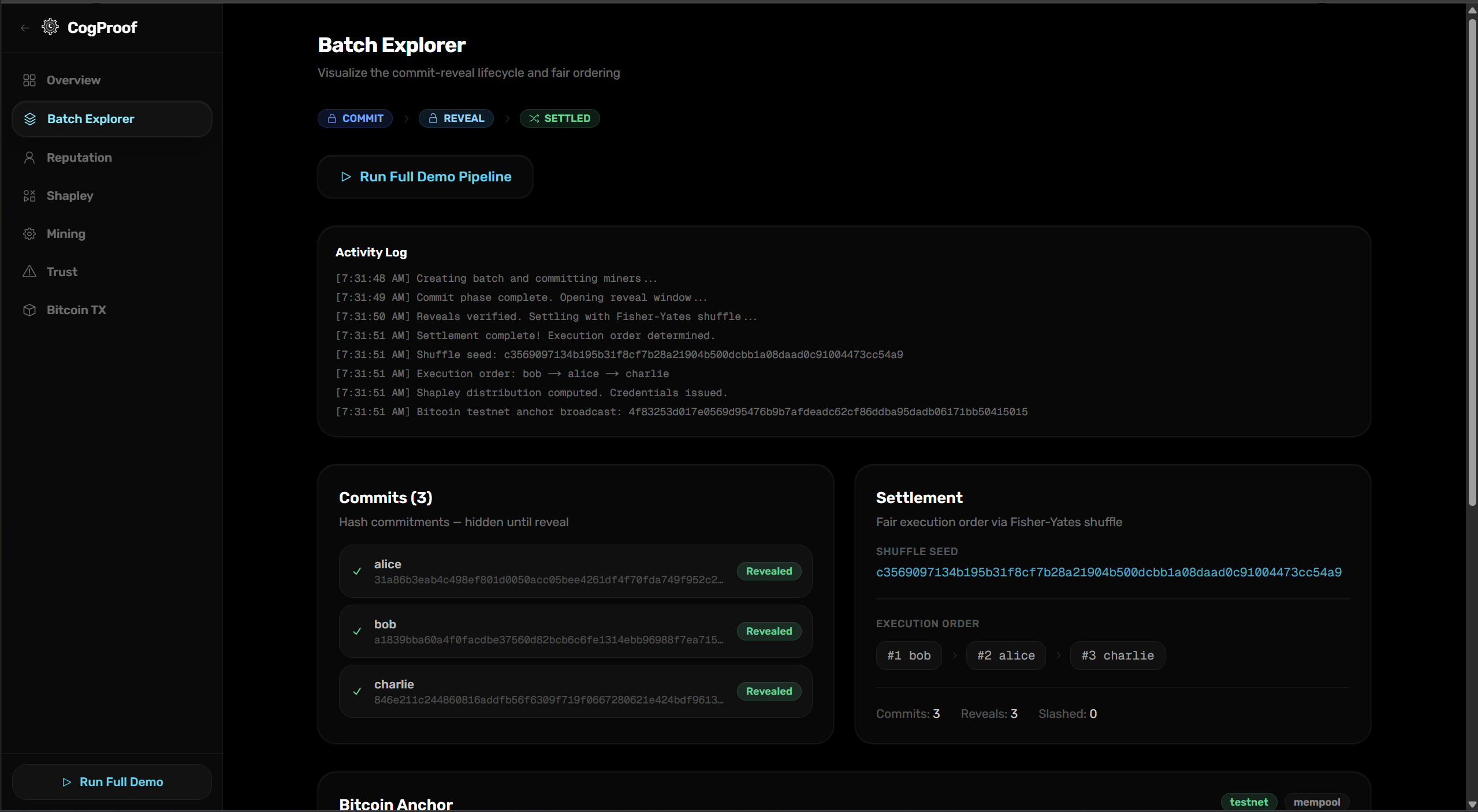
What it does: Cogproof establishes an unfakeable solver reputation that is anchored in on-chain verifiable proofs. Instead of relying on a centralized scoring system, Cogproof tracks solver performance—such as execution quality, speed, and reliability—and records it using zero-knowledge proofs or cryptographic commitments. This allows users and protocols to choose solvers based on a transparent, immutable track record, effectively creating a "credit score" for the decentralized liquidity layer.
How we built it: Smart Contracts: Built using Solidity to manage the reputation registry and escrow mechanisms.
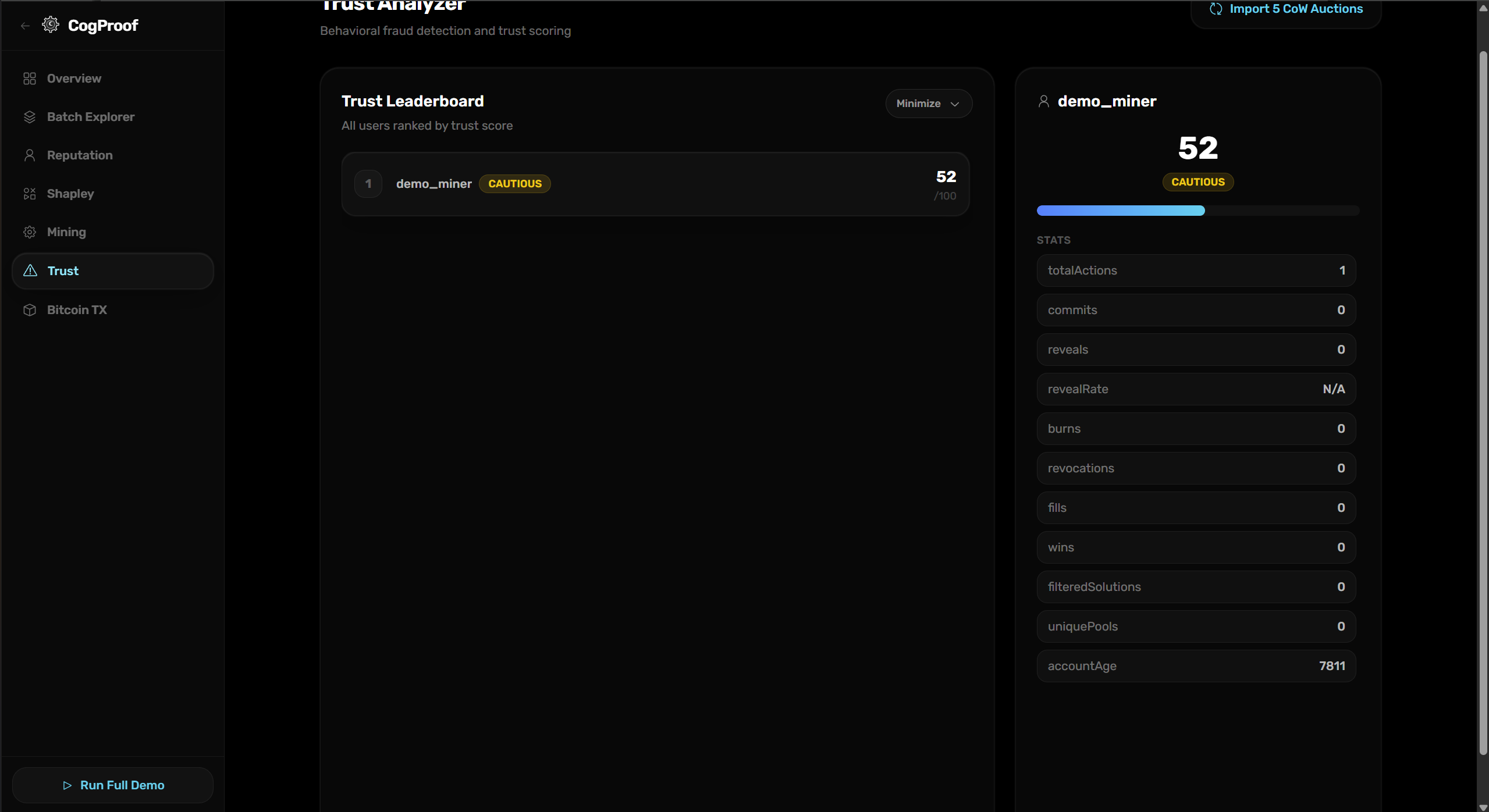
Reputation Engine: Developed a logic layer that calculates scores based on transaction success rates and slippage data.
Data Indexing: Used The Graph or custom indexers to pull historical execution data from the blockchain to verify solver claims.
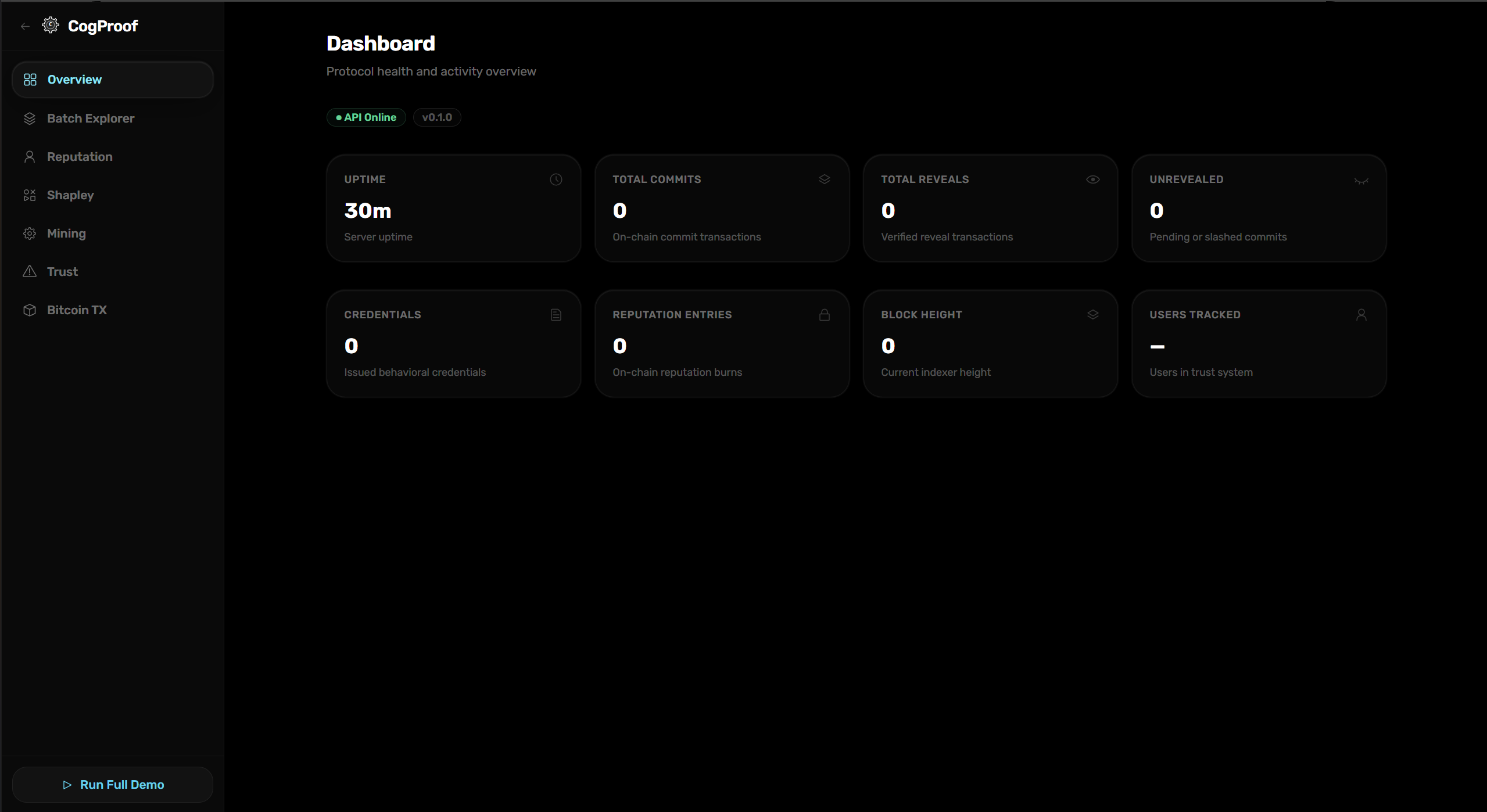
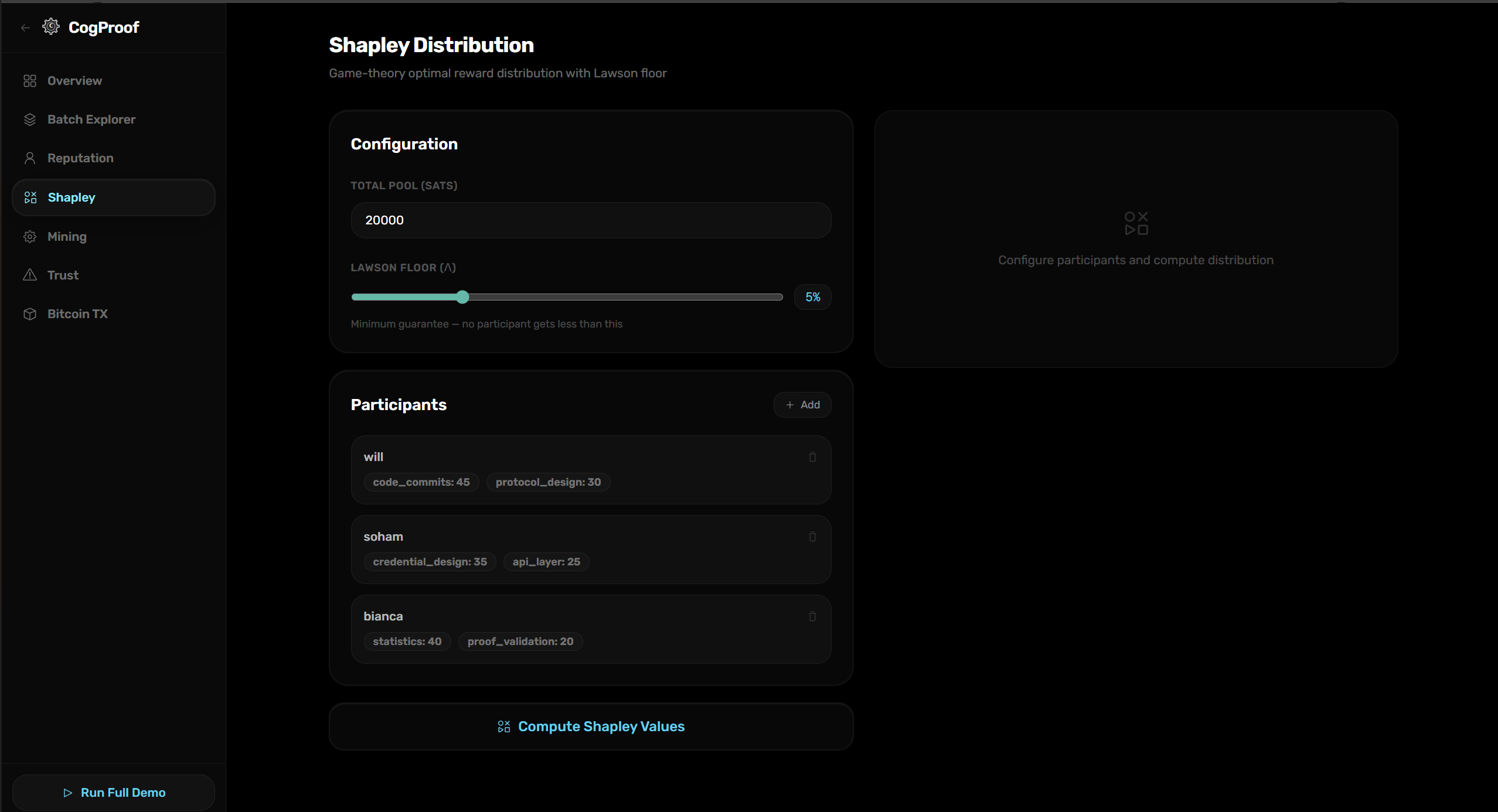
Frontend: A React-based dashboard that allows users to view solver rankings and for solvers to manage their cryptographic identities.
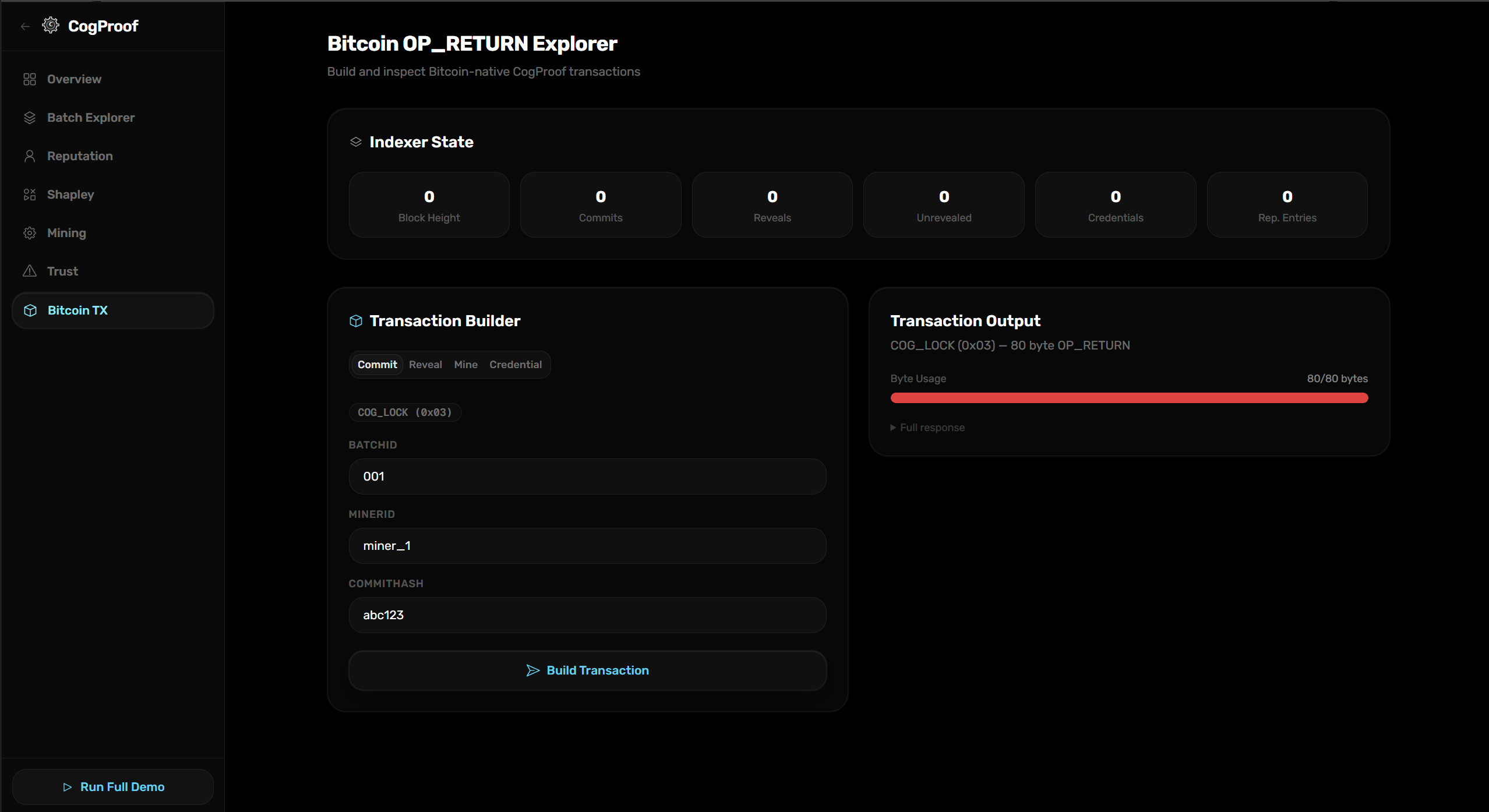
Verification: Integrated with protocols like Sign Protocol or reclaim to attest to off-chain performance data and bring it on-chain securely.
Challenges we ran into: One of the biggest hurdles was preventing Sybil attacks. If a solver’s reputation drops, they could easily create a new wallet and start fresh. We had to implement "Skin in the Game" mechanics, requiring solvers to stake assets that are slashed if they act maliciously. Additionally, processing high-frequency trade data to update reputation scores without incurring massive gas fees required significant optimization of our on-chain data structures.
Accomplishments that we're proud of: Trustless Architecture: We successfully created a system where the reputation of a solver can be verified by any third party without needing to trust the Cogproof team.
Seamless Integration: Developing a modular API that allows existing DEX aggregators to plug into our reputation score with minimal code changes.
Low-Latency Verification: Implementing a lightweight proof system that ensures reputation updates don't lag behind the fast-paced trading environment.
What we learned: We learned that identity in DeFi is more about behavior than biometrics. While "Proof of Personhood" is useful, "Proof of Performance" is often more valuable for financial protocols. We also gained deep insights into the trade-offs between on-chain transparency and the privacy of a solver's proprietary trading strategies.
What's next for Cogproof: Dynamic Staking: Introducing tiered staking where higher reputation allows solvers to put up less collateral.
Cross-Chain Reputation: Expanding the protocol to track solver performance across multiple chains (Arbitrum, Optimism, Base) to create a unified global solver profile.
AI-Driven Risk Assessment: Integrating machine learning models to predict solver reliability based on emerging market conditions.
Built With
- node.js
- react
- sign-protocol
- solidity
- tailwind-css
- the-graph
- typescript


Log in or sign up for Devpost to join the conversation.