-
-
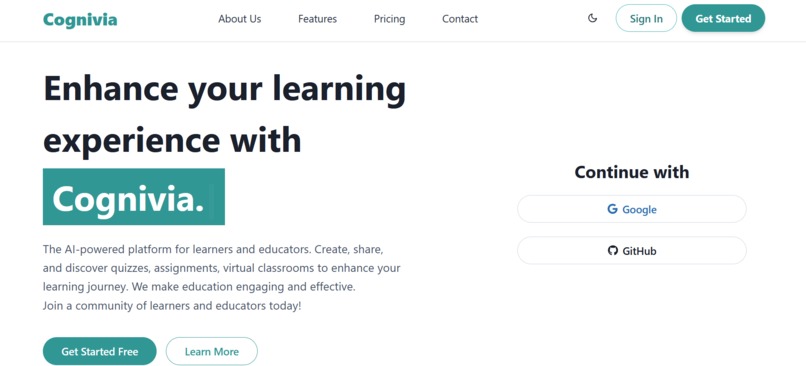
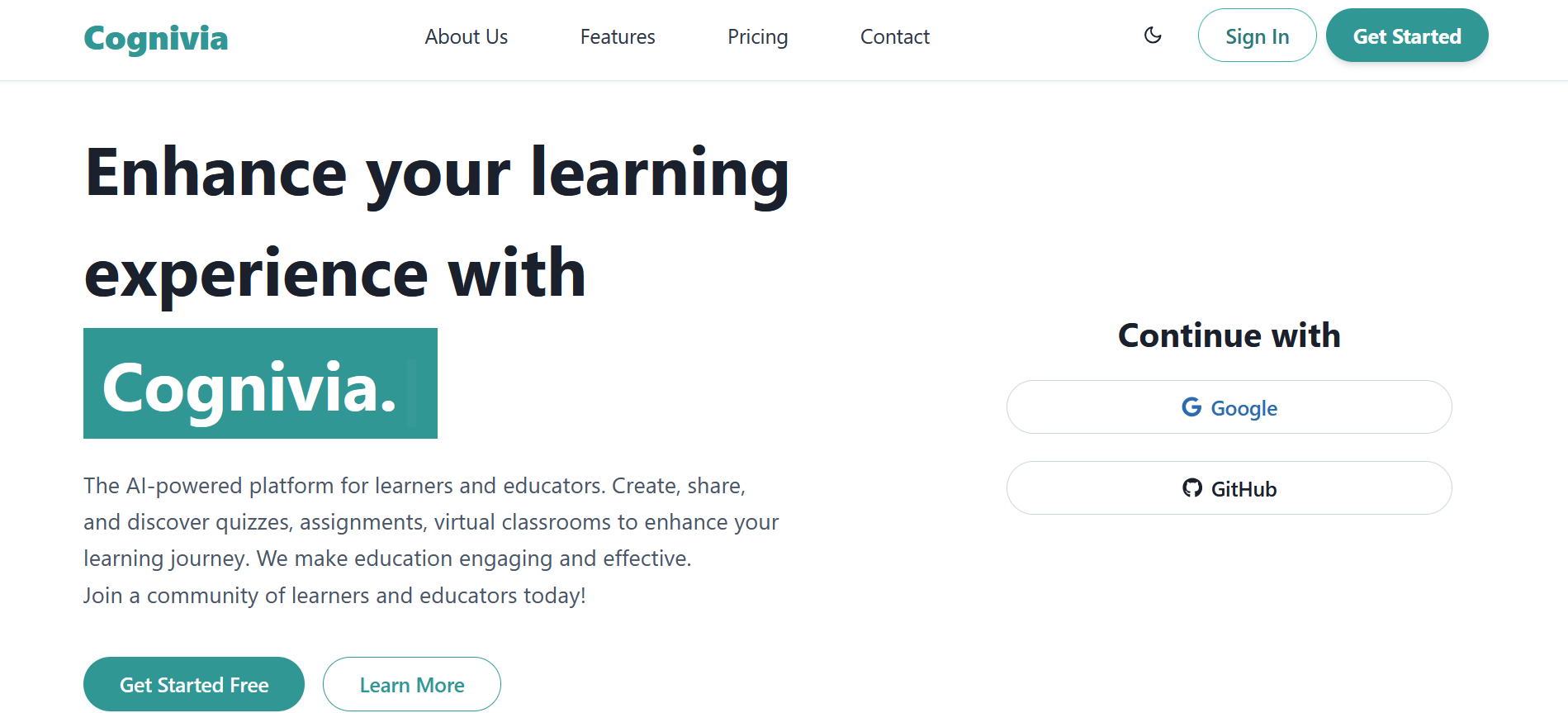
Cognivia - Homepage
-
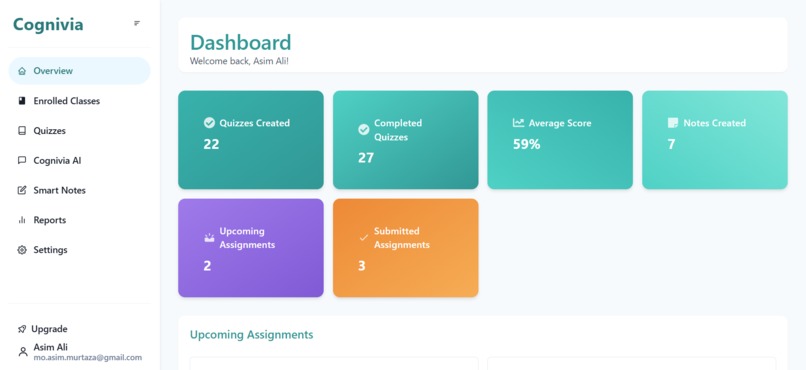
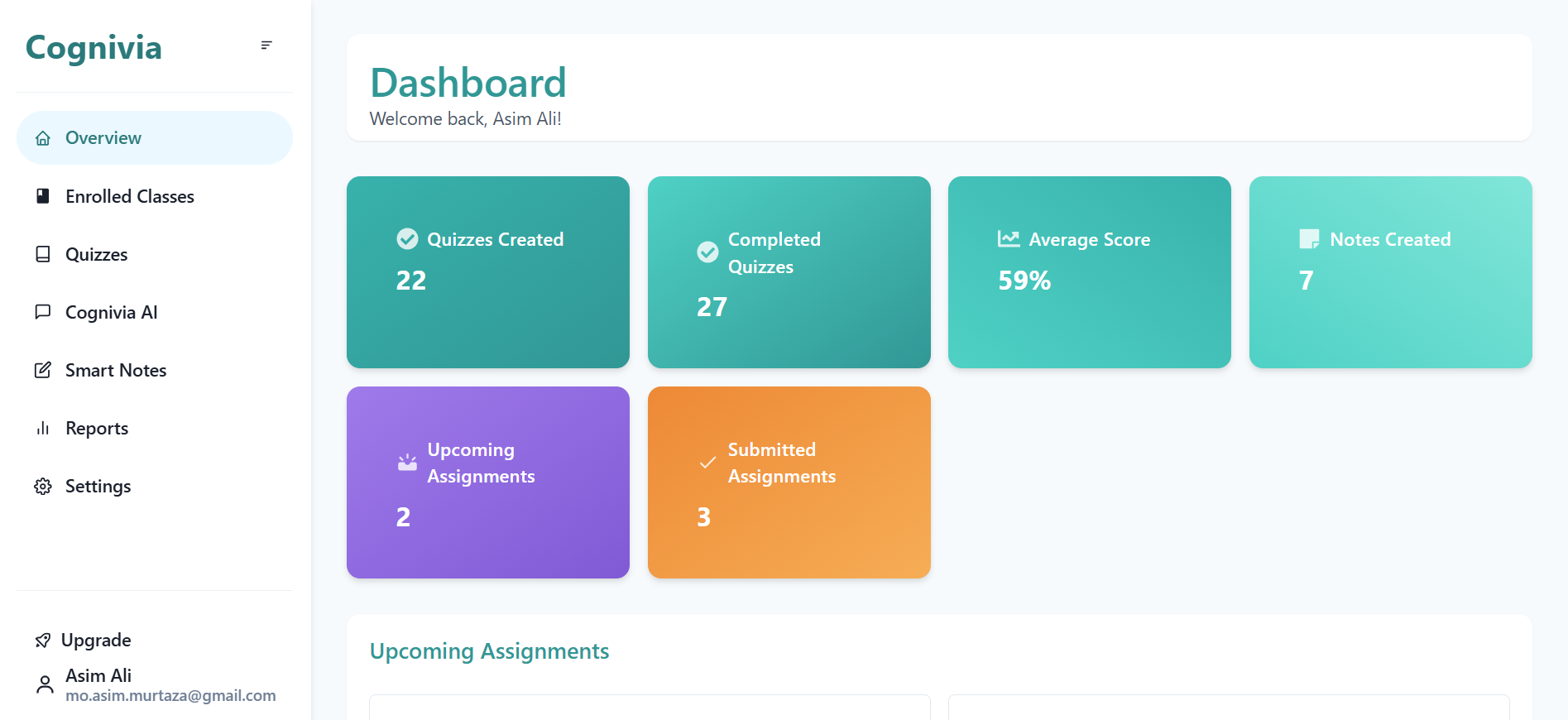
Cognivia - Student Dashboard
-
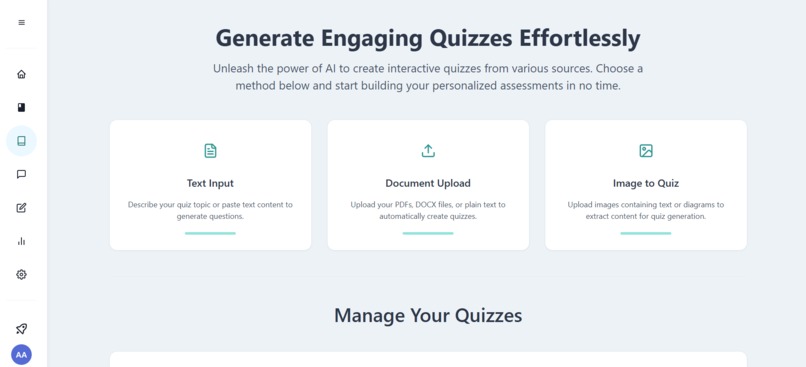
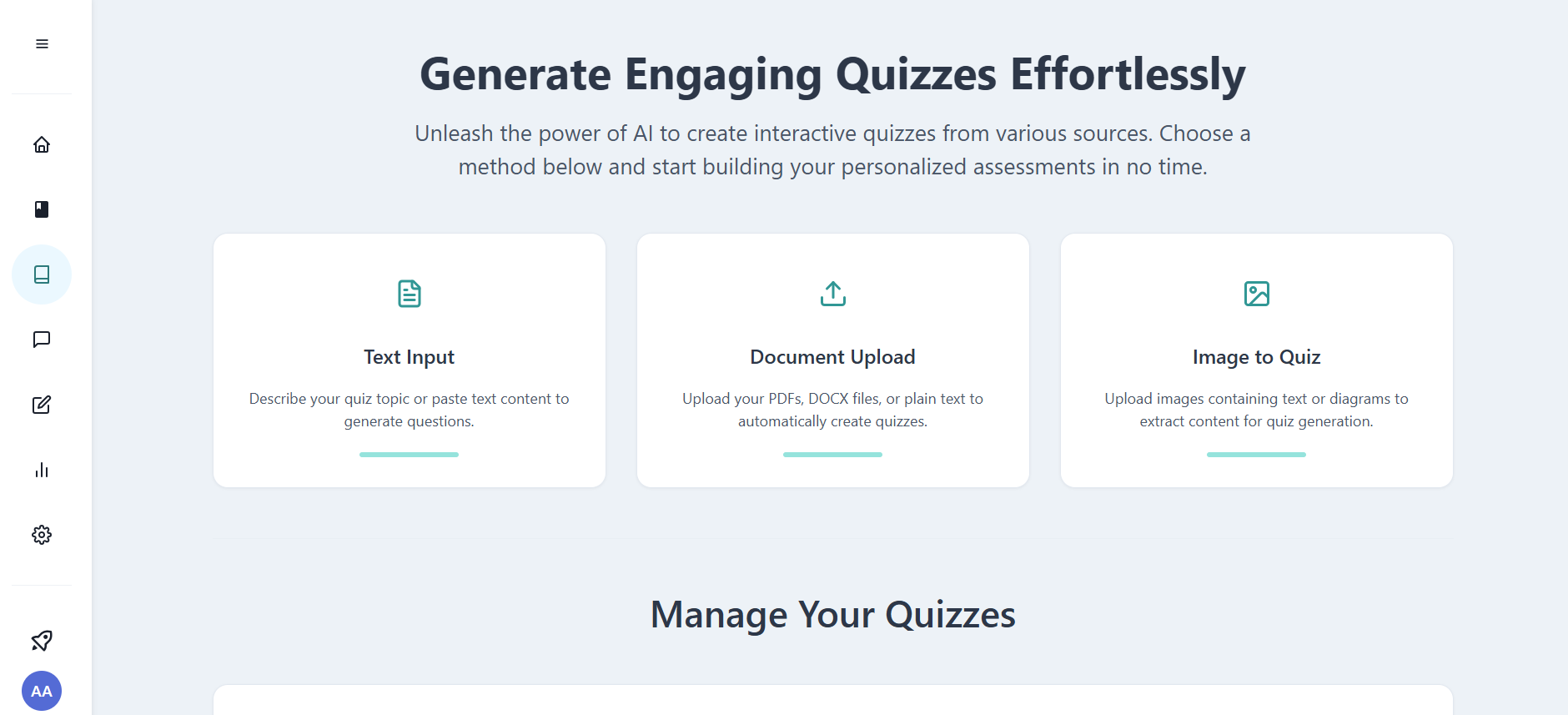
Cognivia - Student Dashboard - Quiz Module
-
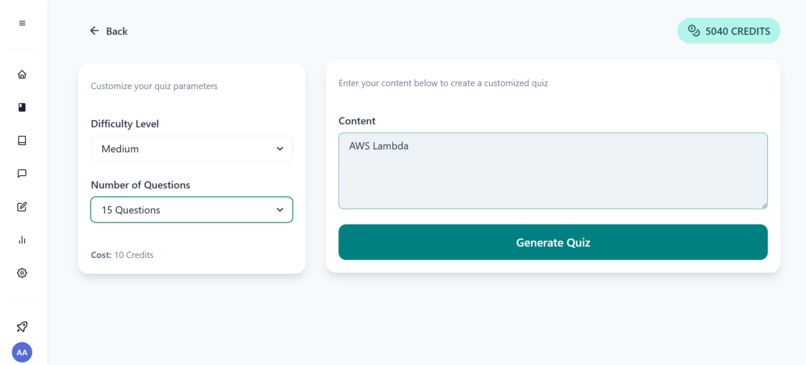
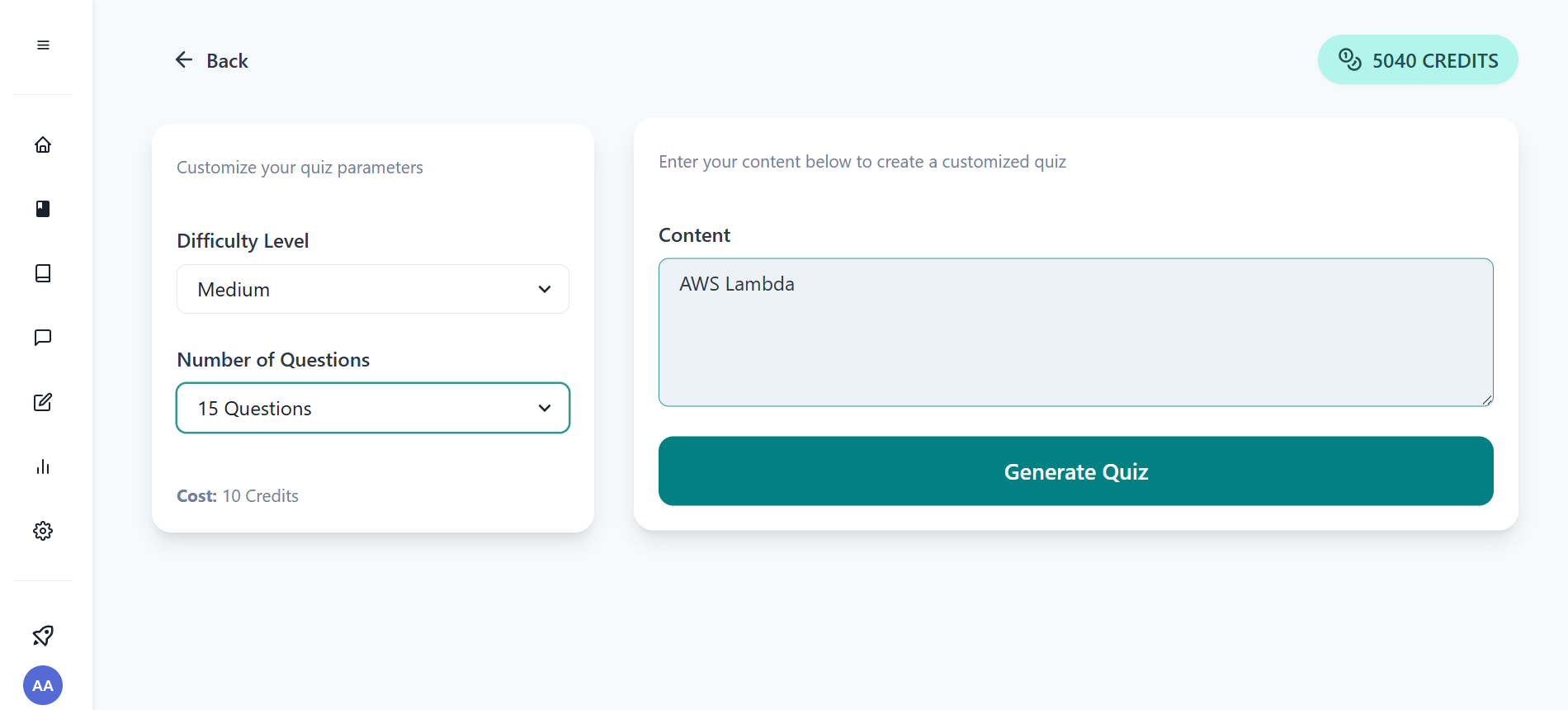
Cognivia - Student Dashboard - Quiz Module - Quiz Prompt
-
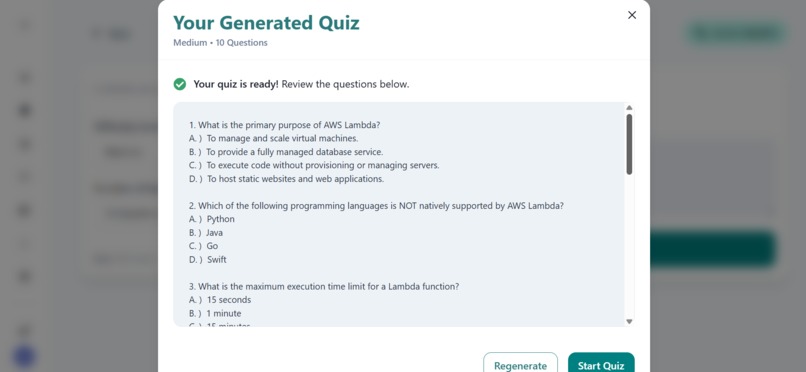
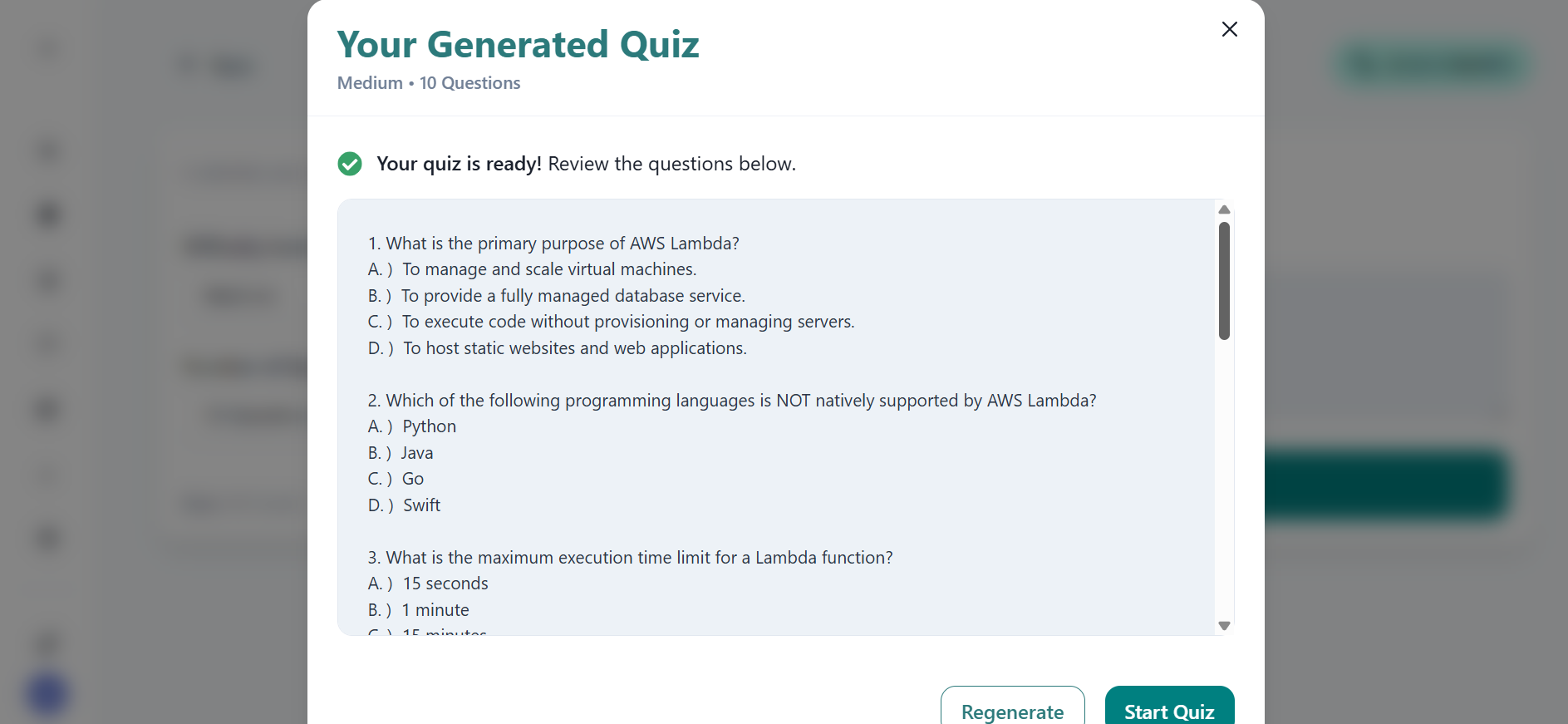
Cognivia - Student Dashboard - Quiz Module - Generated Quiz
-
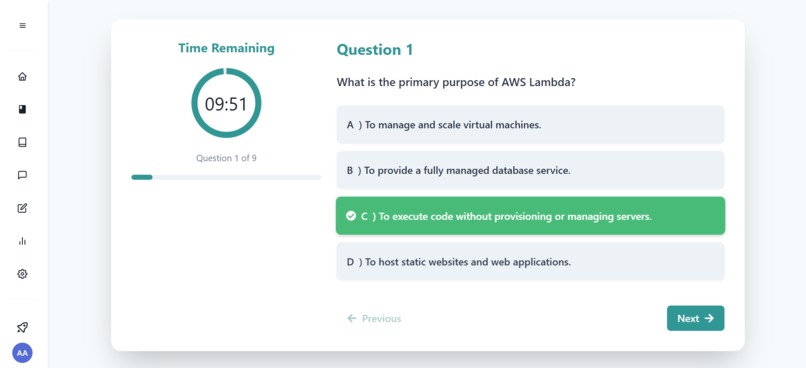
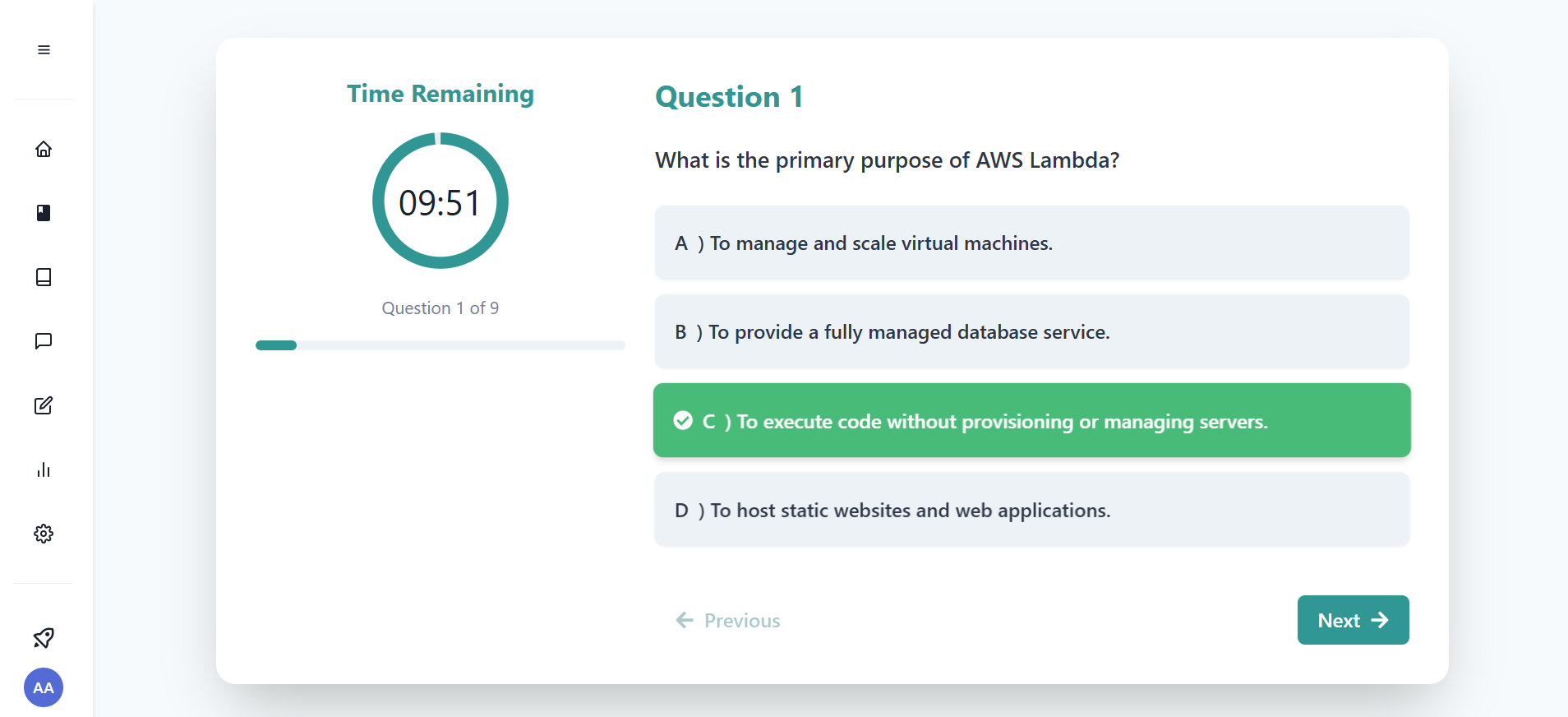
Cognivia - Student Dashboard - Quiz Module - Quiz Start
-
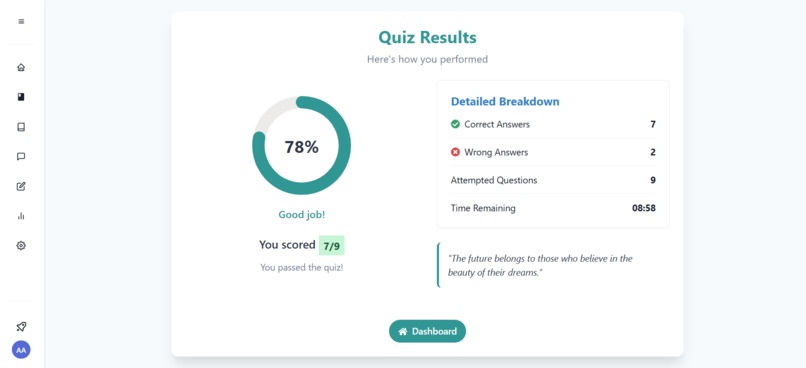
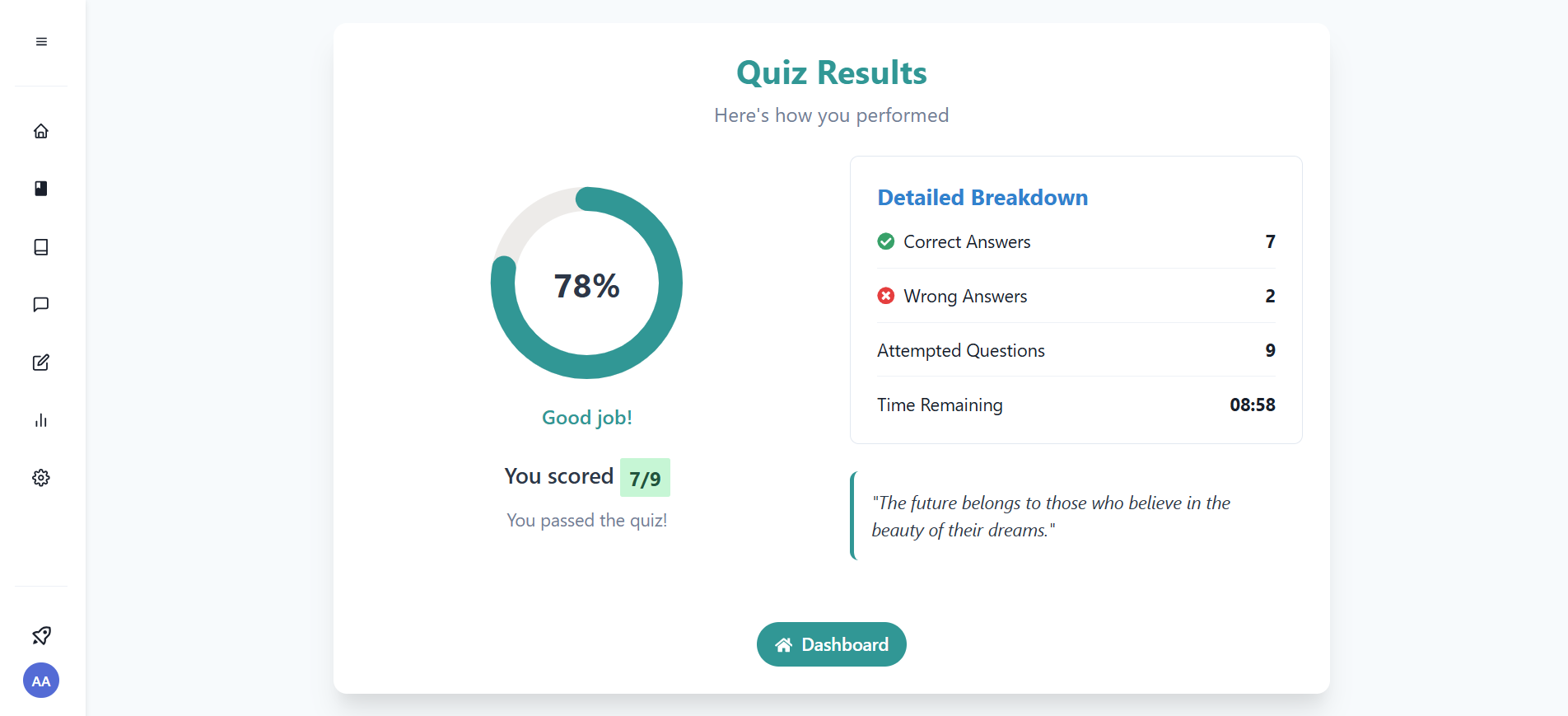
Cognivia - Student Dashboard - Quiz Module - Quiz Score
-
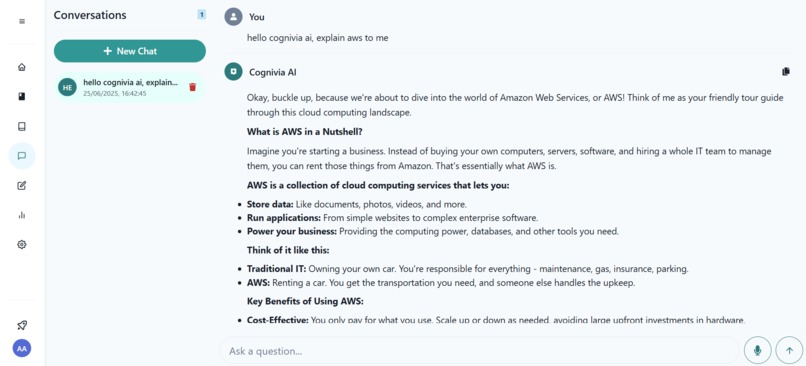
Cognivia - Student Dashboard - AI Chatbot Module
-
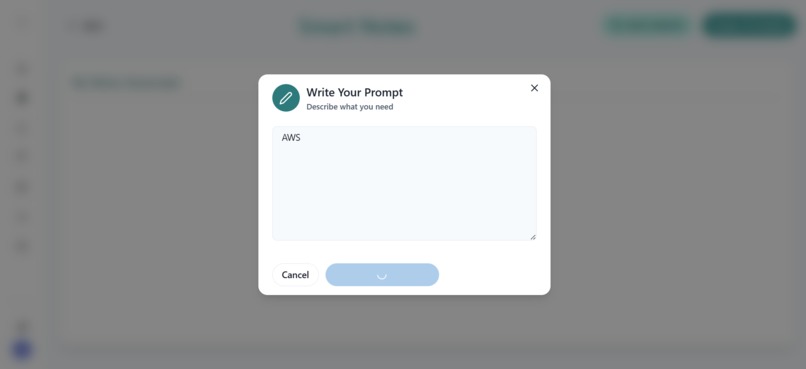
Cognivia - Student Dashboard - AI Notes Module - Notes Input Prompt
-
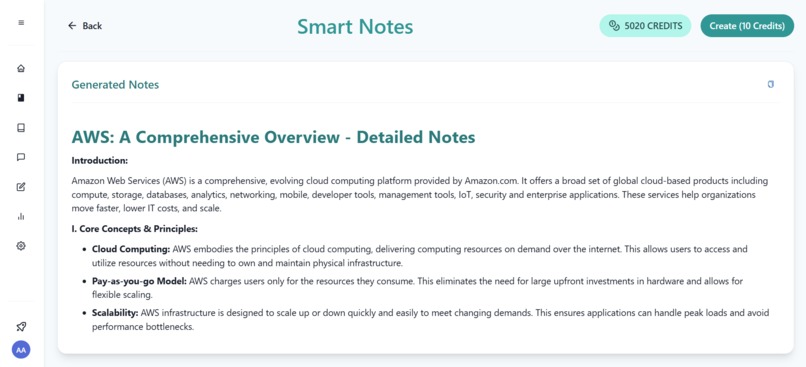
Cognivia - Student Dashboard - AI Notes Module - Generated Notes
-
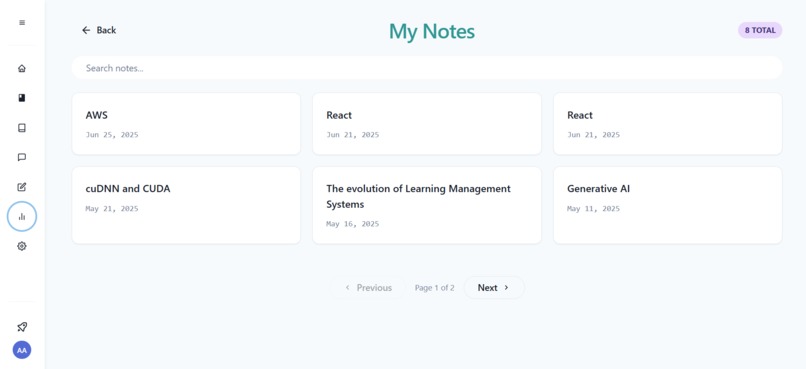
Cognivia - Student Dashboard - AI Notes Module - Manage Notes
-
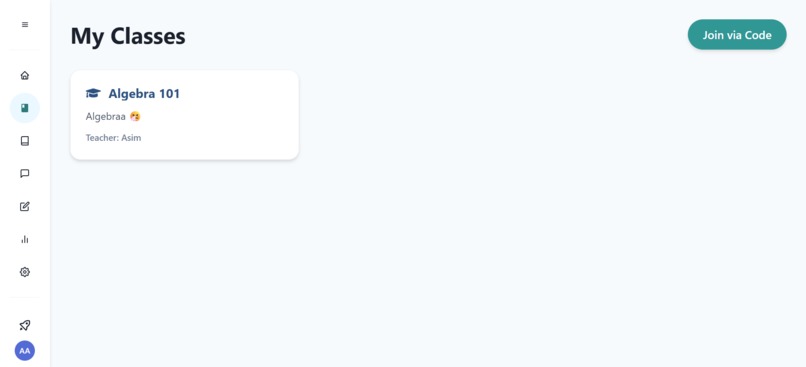
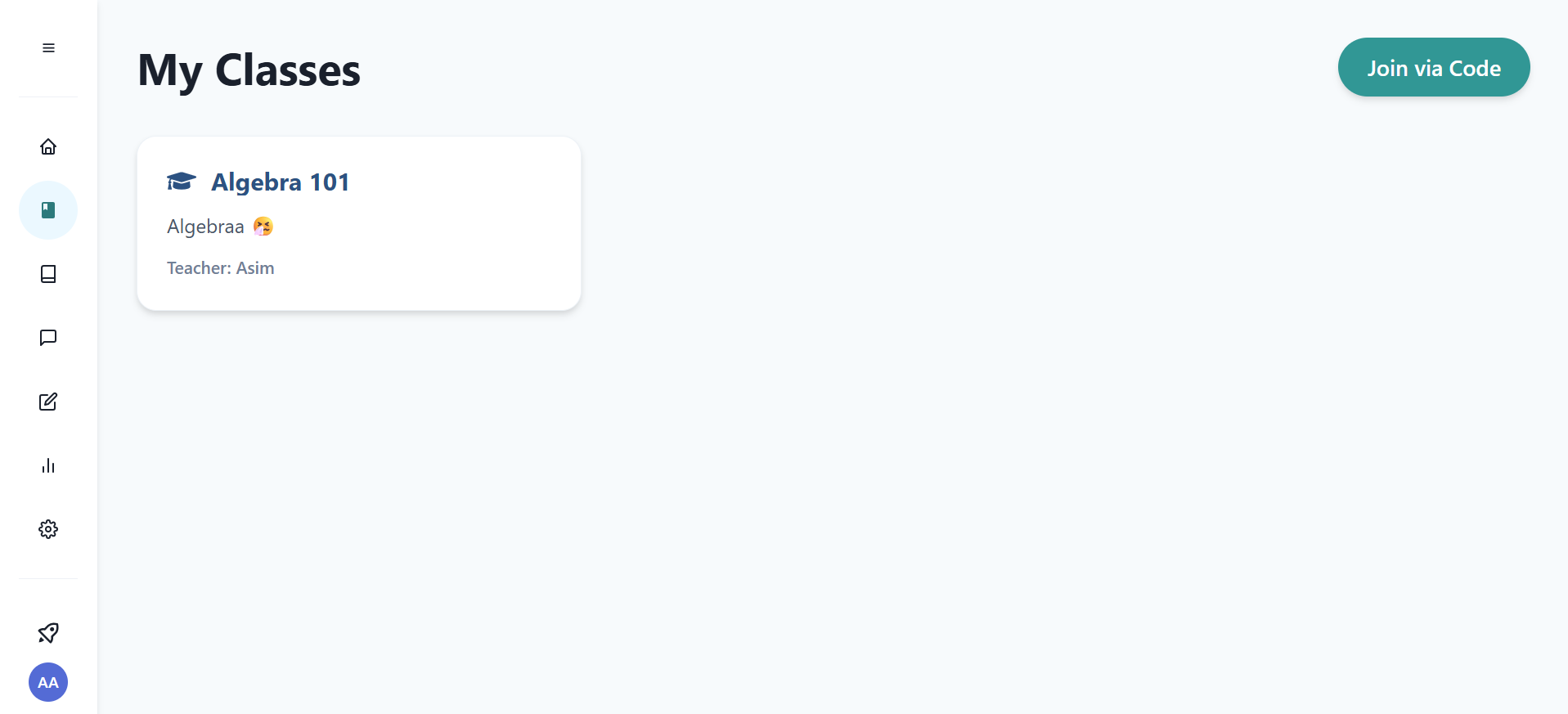
Cognivia - Student Dashboard - Classes Module
-
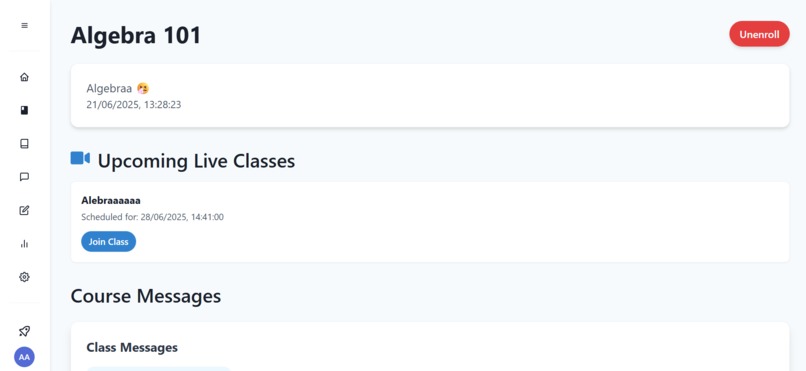
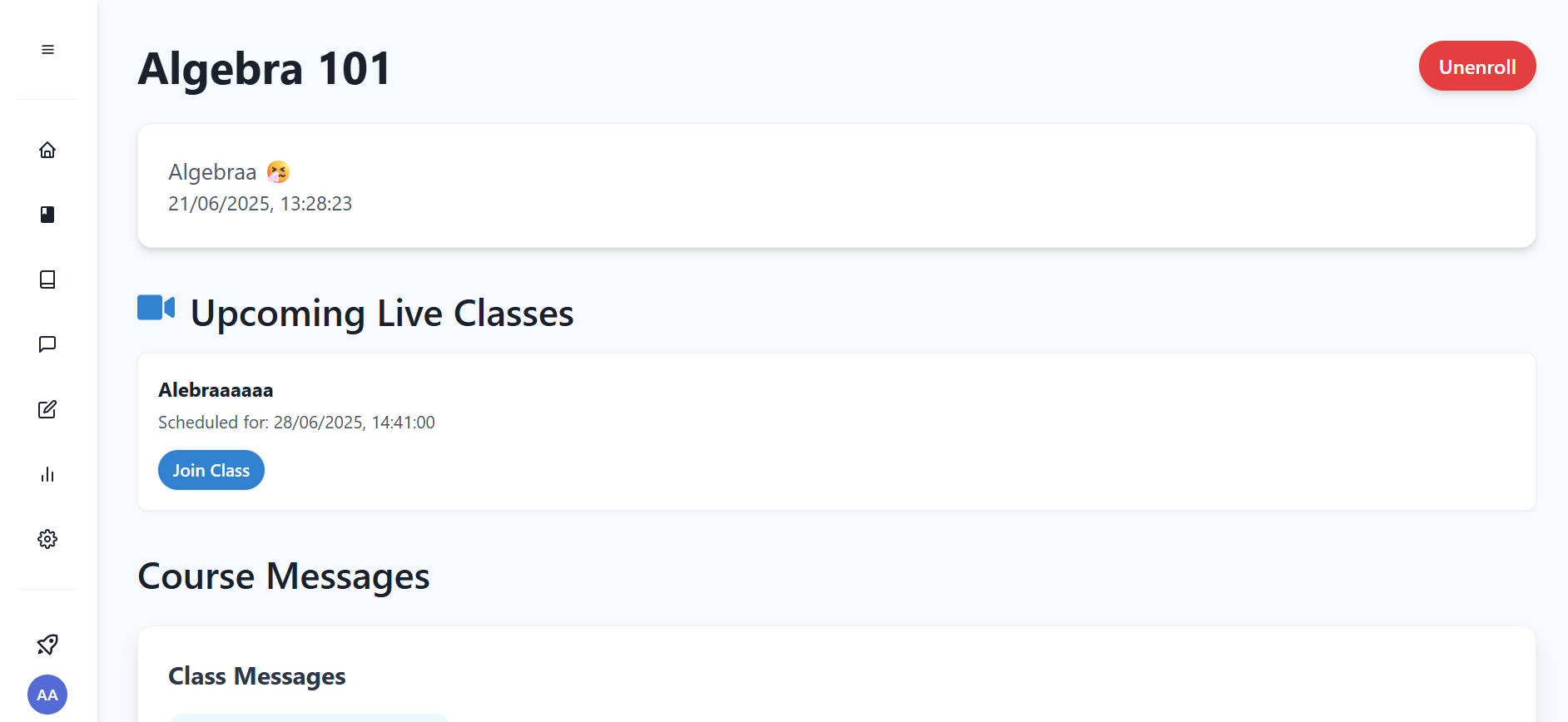
Cognivia - Student Dashboard - Classes Module - View Class
-
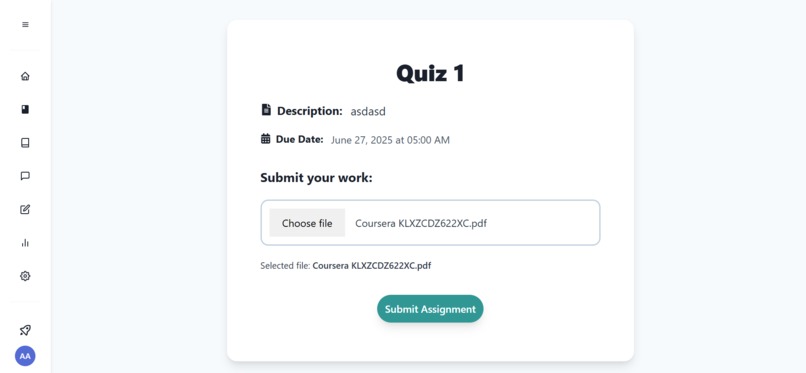
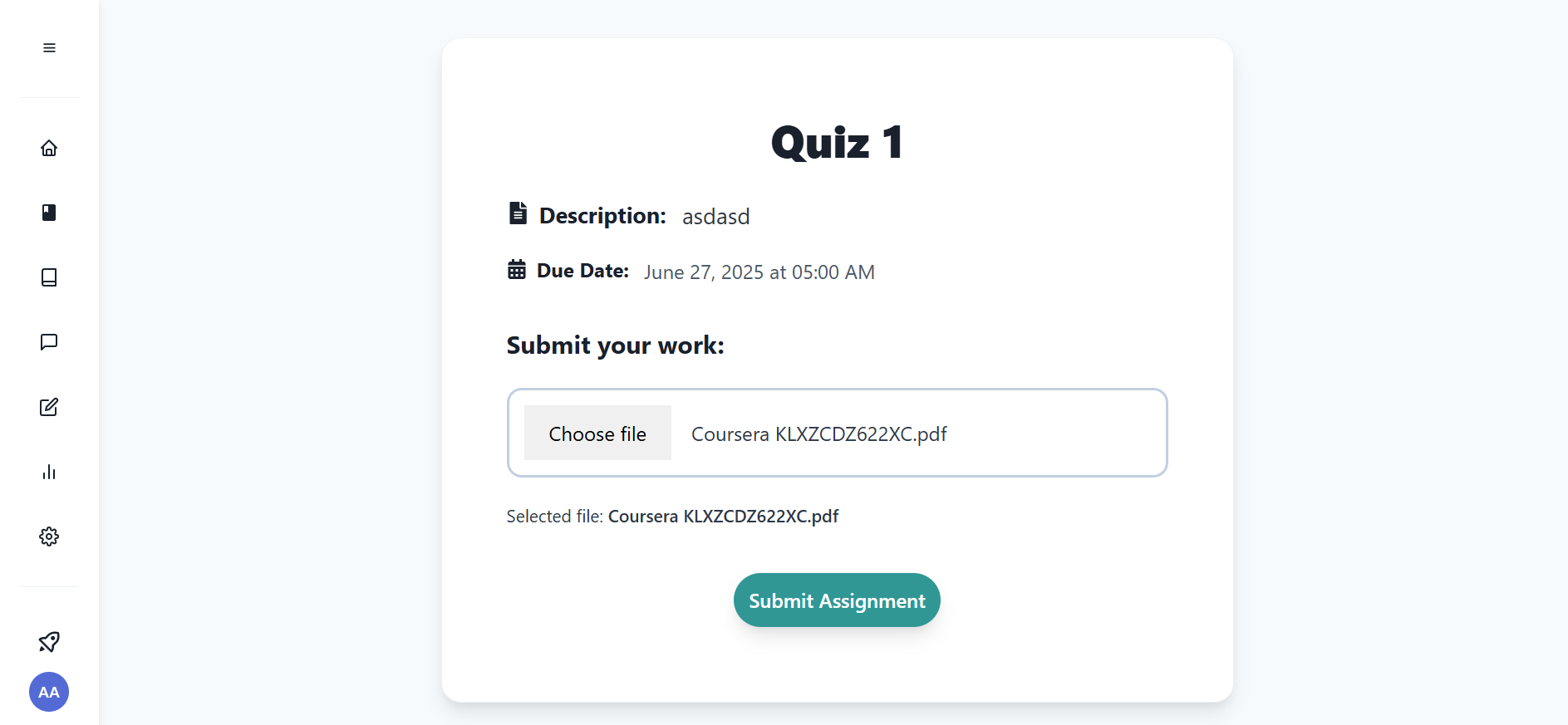
Cognivia - Student Dashboard - Classes Module - Assignment Submission
-
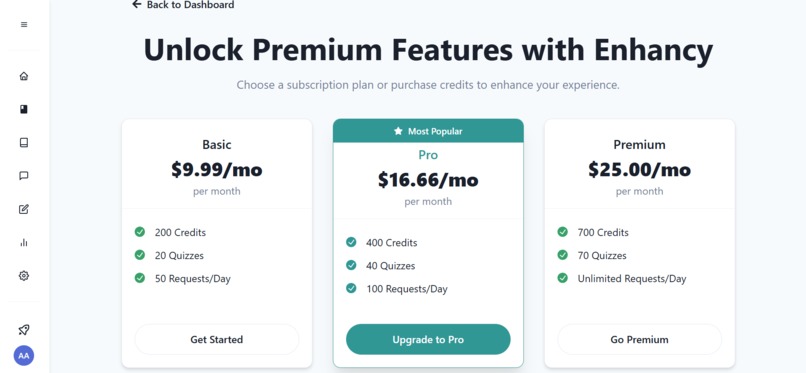
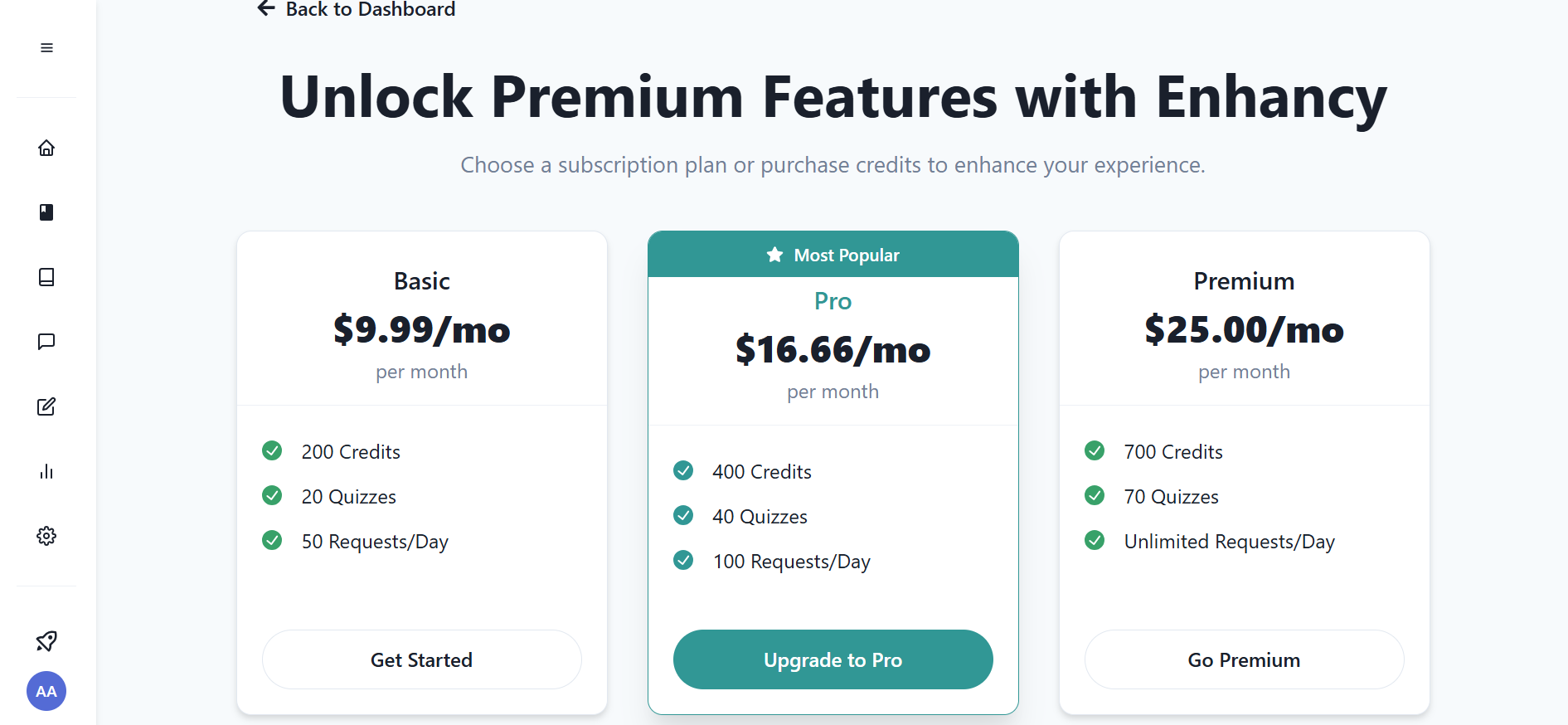
Cognivia - Student Dashboard - Pricing Module
-
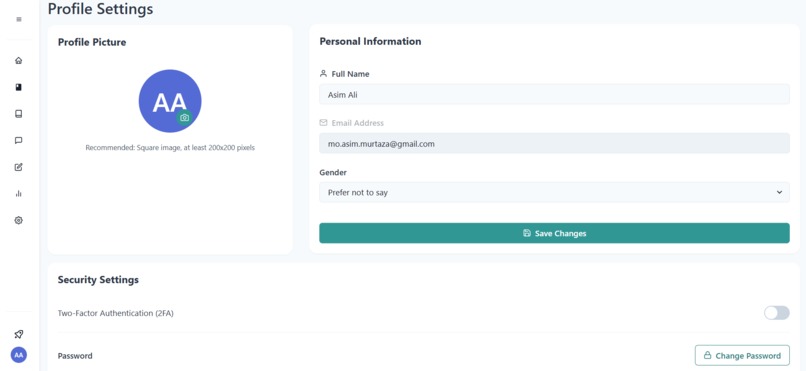
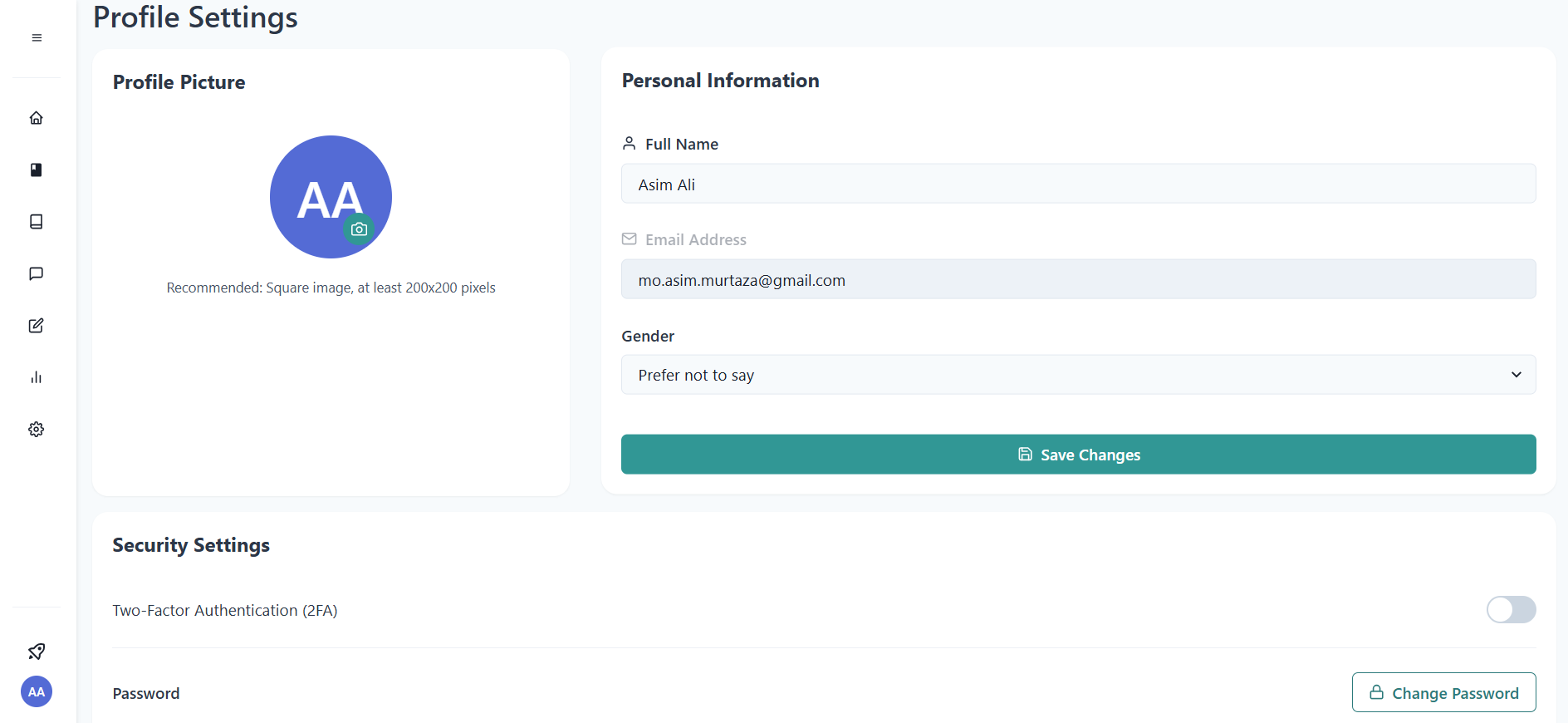
Cognivia - Student Dashboard - Profile Management
-
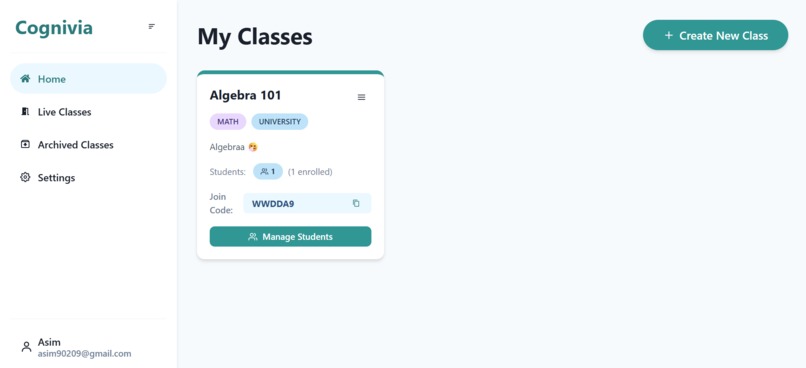
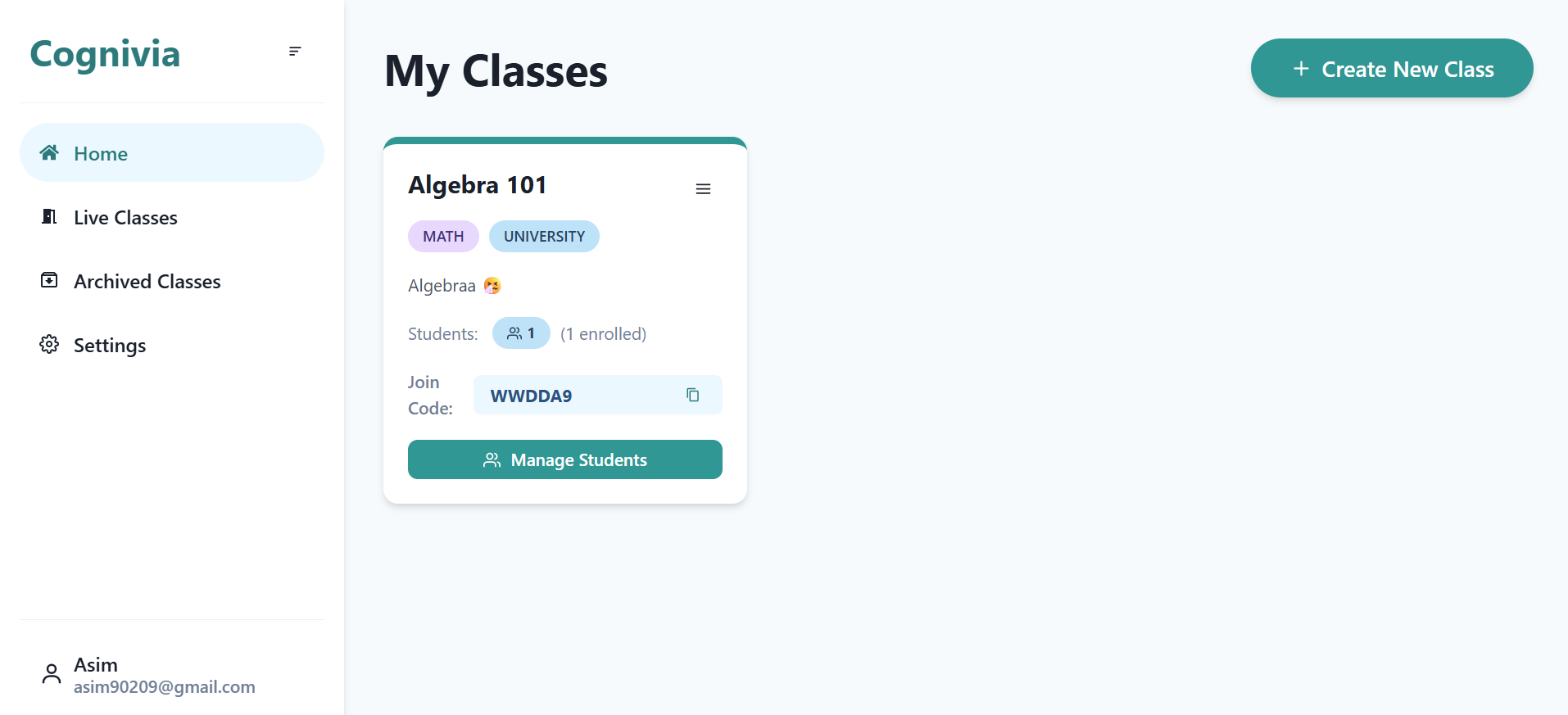
Cognivia - Teacher Dashboard - Classes Module
-
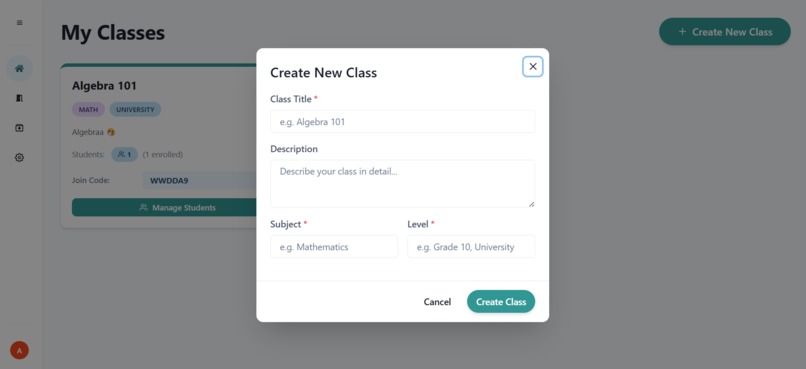
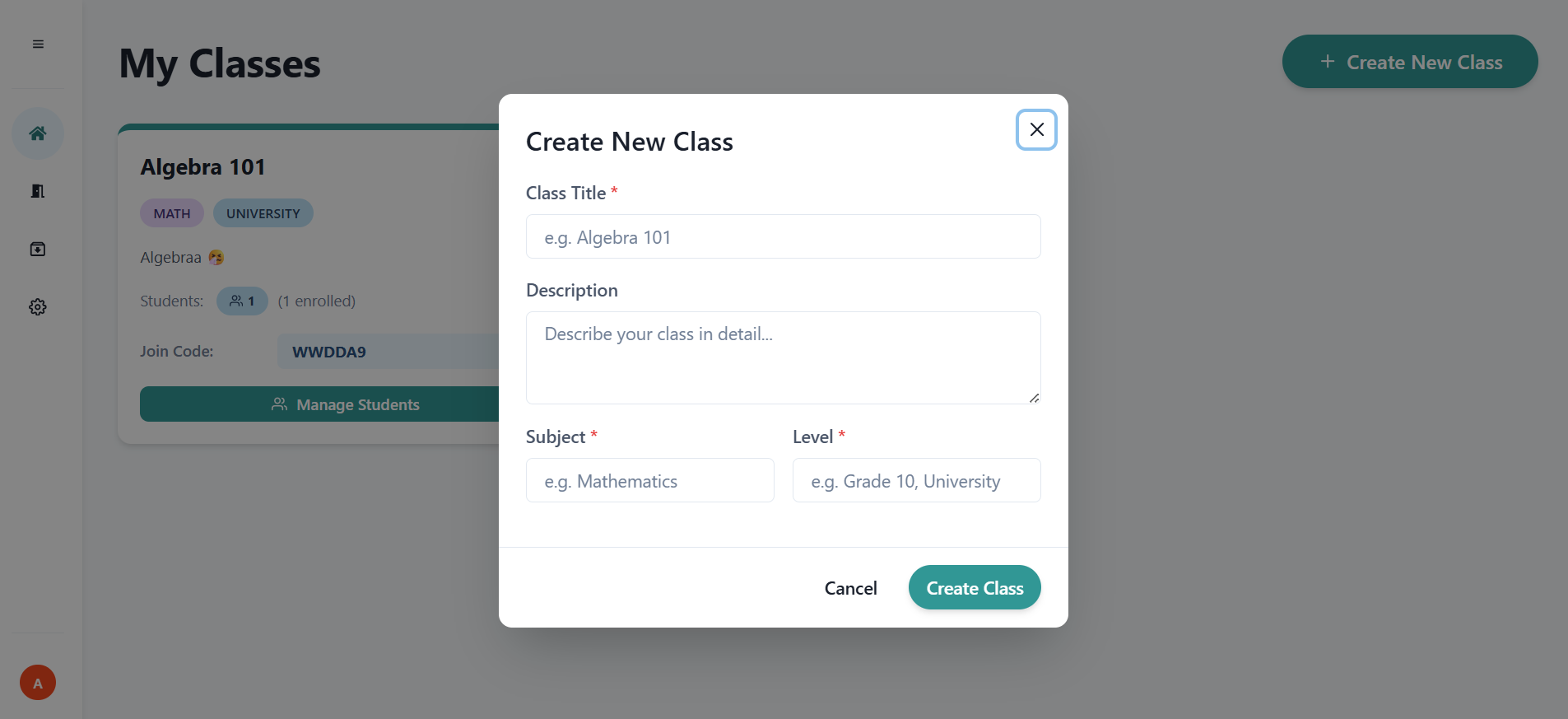
Cognivia - Teacher Dashboard - Classes Module - Create New Class
-
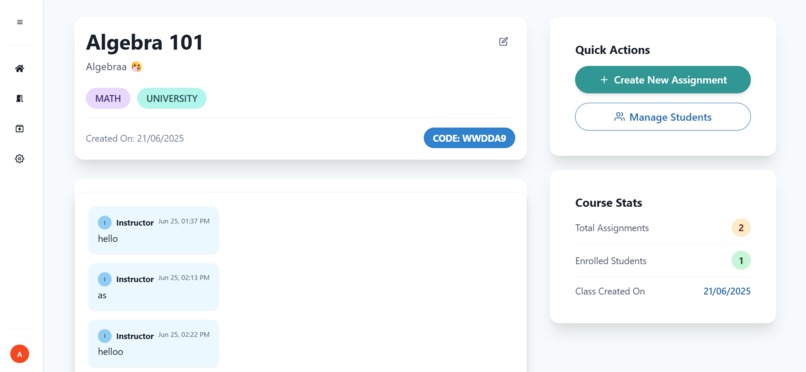
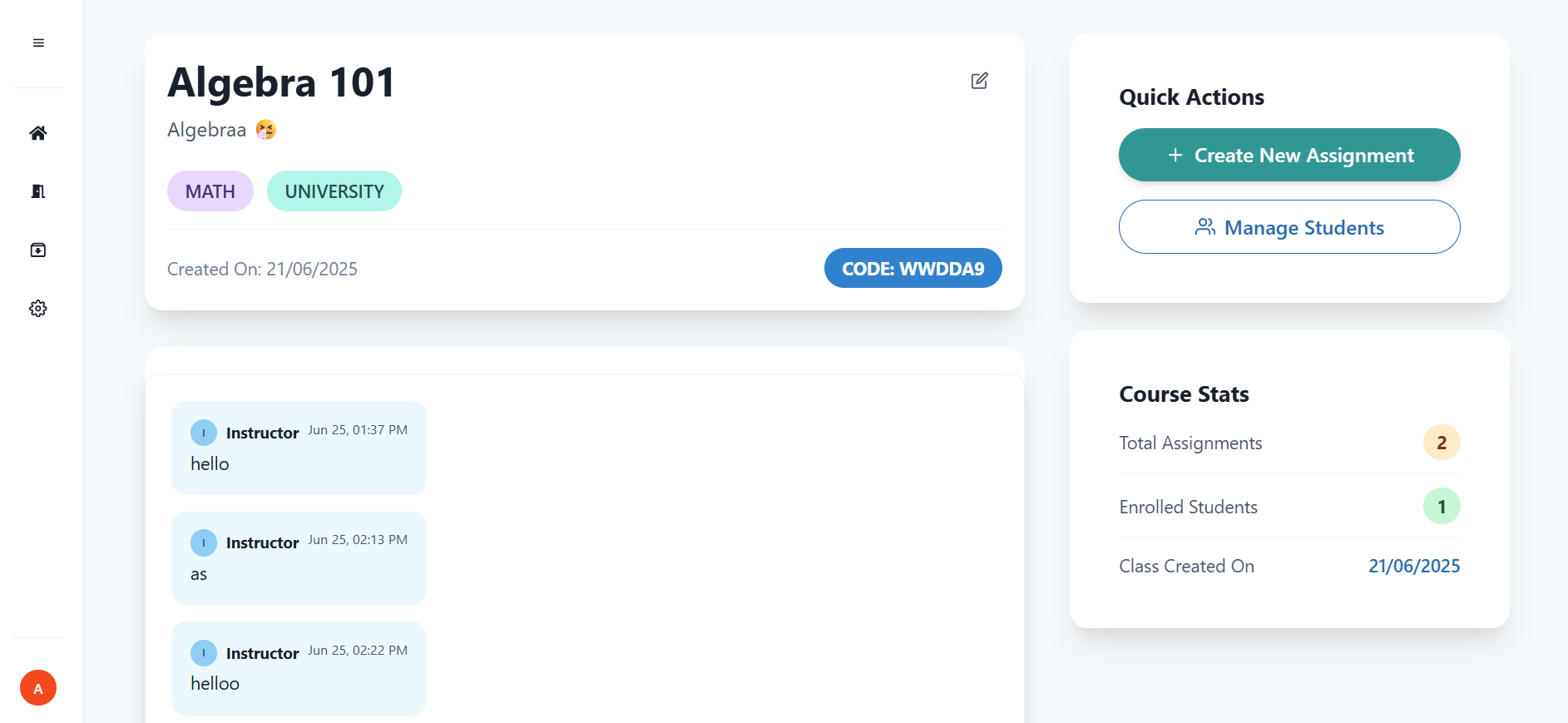
Cognivia - Teacher Dashboard - Classes Module - View Class
-
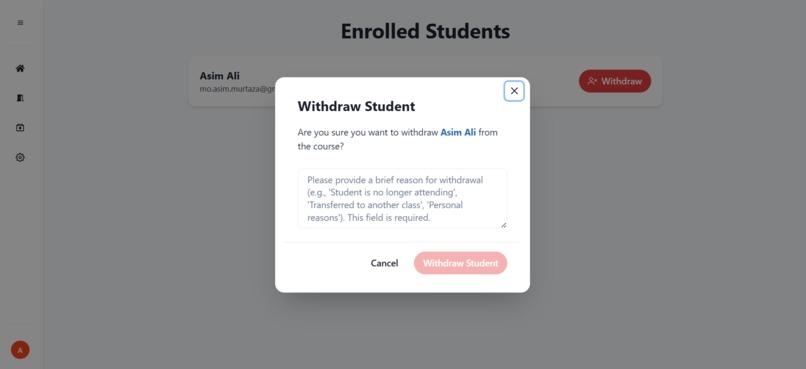
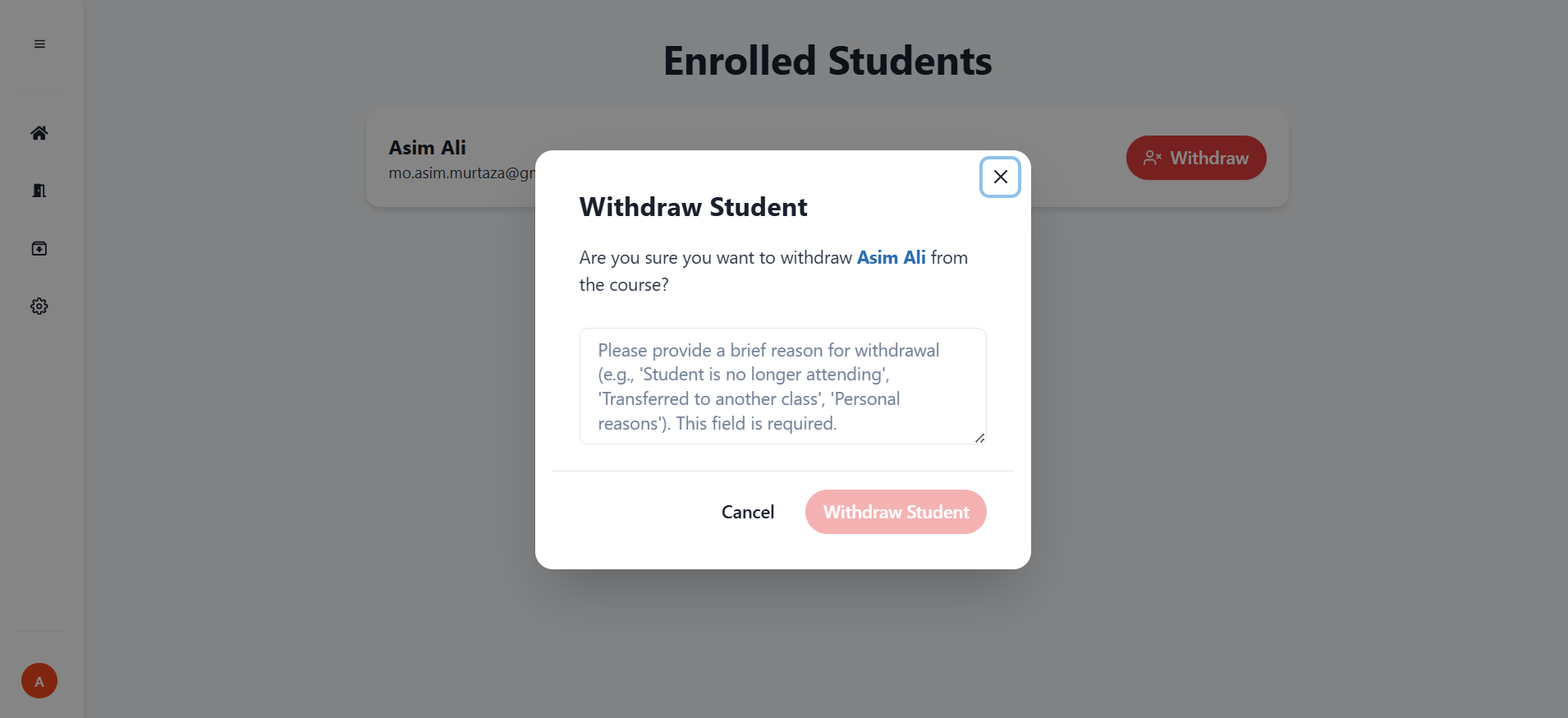
Cognivia - Teacher Dashboard - Classes Module - Manage Enrolled Students
-
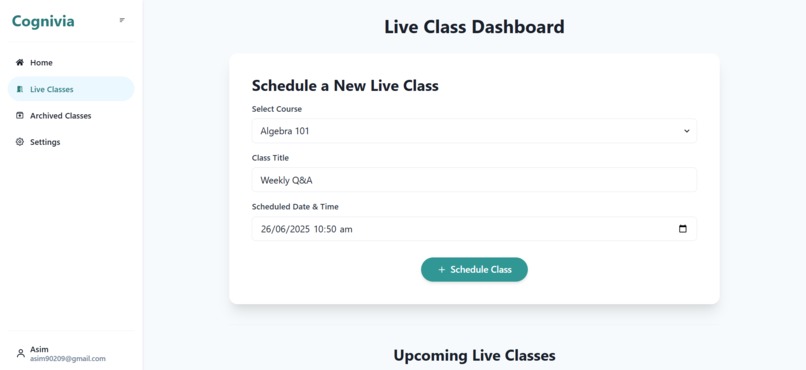
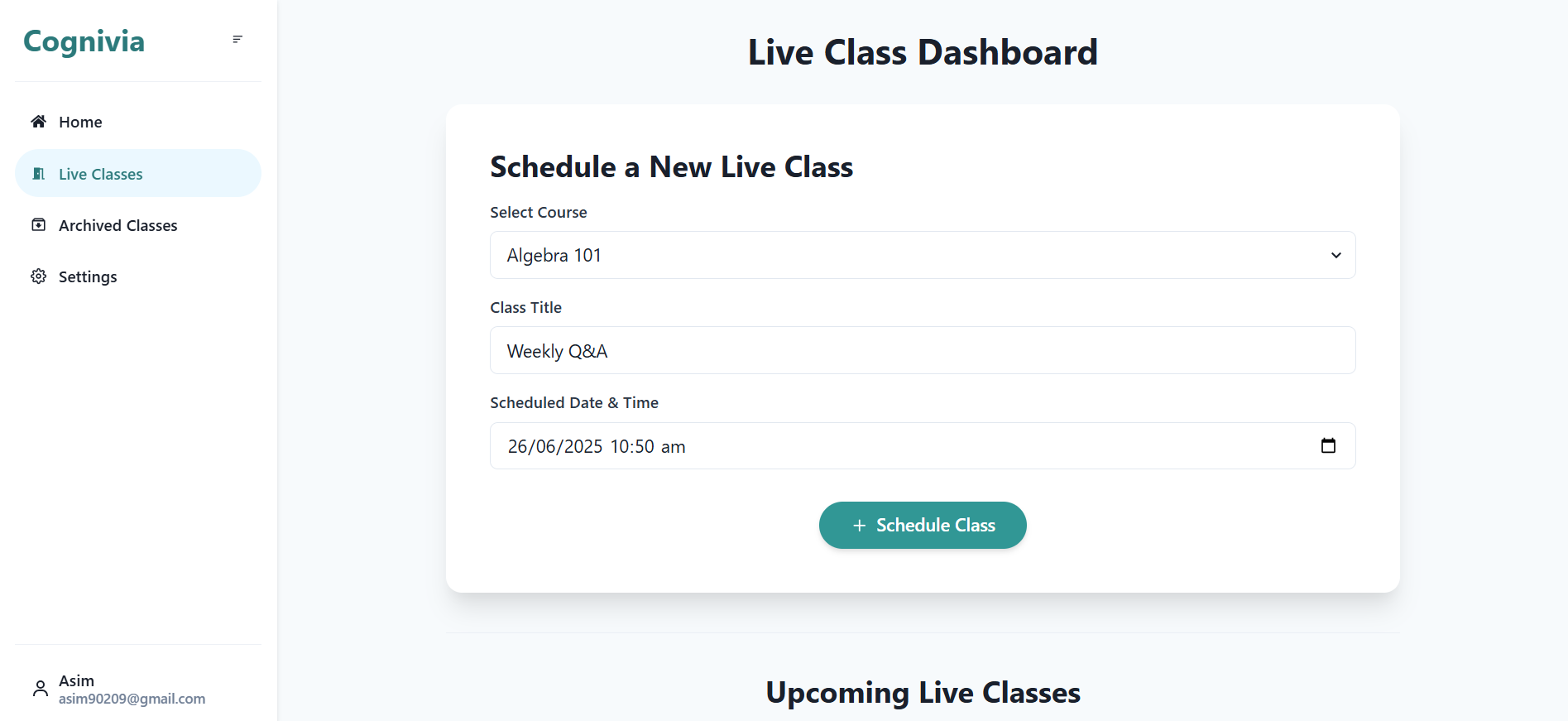
Cognivia - Teacher Dashboard - Live Classes Module - Schedule Live Session
Inspiration
The genesis of Cognivia stems from a critical observation of the evolving educational landscape: the increasing disparity between conventional pedagogical approaches and the transformative potential of artificial intelligence. Our team identified a significant pain point where educators dedicate extensive time to material preparation, while students often contend with generalized content that fails to address individual learning nuances. Our collective vision was to engineer a platform that could:
- Streamline and automate time-intensive administrative and content creation tasks for teachers.
- Deliver highly personalized and adaptive learning experiences tailored to each student's needs.
- Seamlessly integrate human instructional expertise with the power of AI assistance.
- Consolidate disparate educational tools into a cohesive and integrated ecosystem.
What it does
Cognivia stands as an advanced AI-powered educational platform meticulously engineered to redefine the teaching and learning paradigm. It offers a comprehensive suite of functionalities designed to empower both educators and students:
For Teachers:
- Comprehensive Class Management: Robust tools for creating, organizing, and overseeing multiple classes.
- Student Management: Efficient enrollment, tracking, and management of students within their assigned classes.
- Assignment & Announcement System: Intuitive interfaces for creating, distributing, and managing assignments, coupled with a robust announcement system to keep students informed.
- Live Class Scheduling: Integrated functionality to schedule and manage live virtual classroom sessions, facilitating real-time interaction.
For Students:
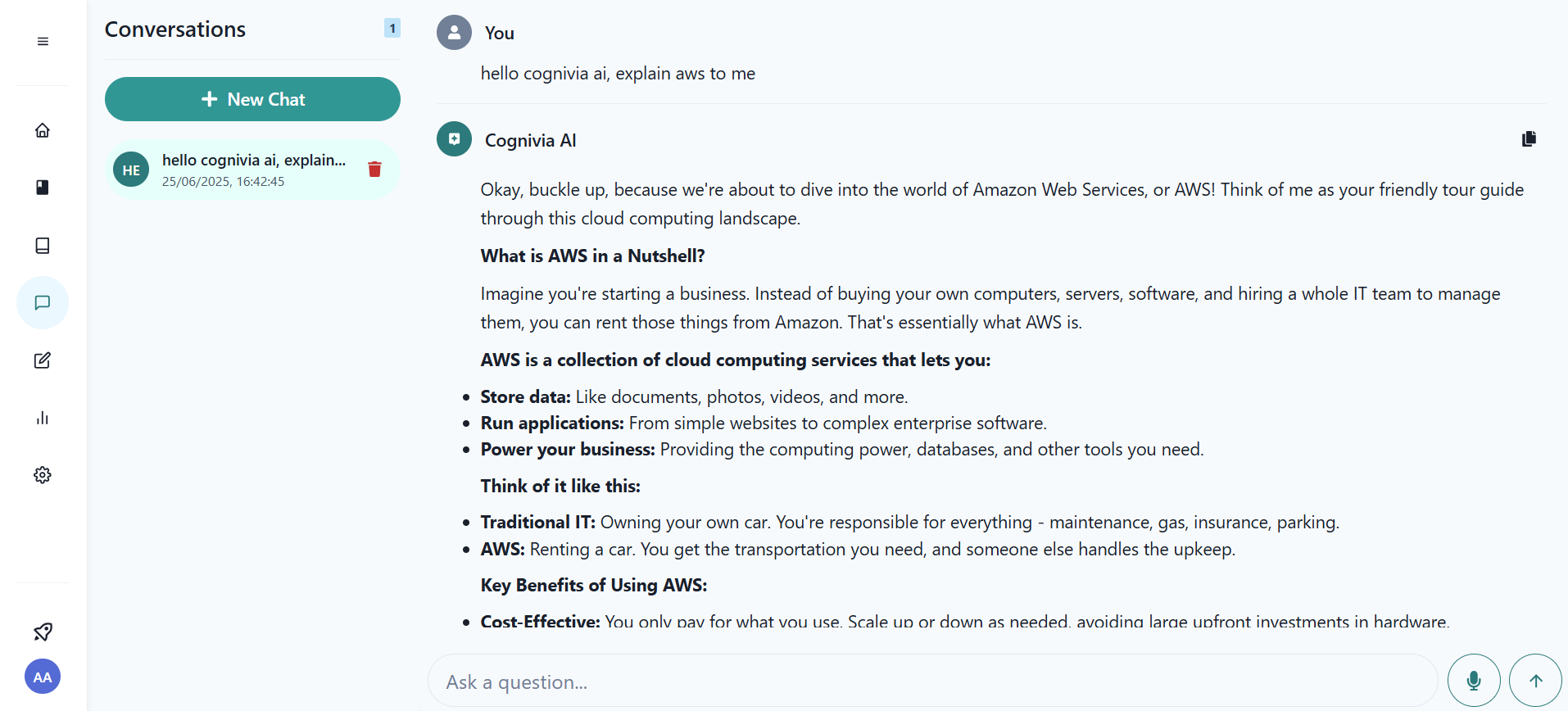
- Personalized AI Tutor (Cognivia Chatbot): An intelligent, conversational AI assistant providing 24/7 support for concept clarification, explanations, and guided learning.
- Adaptive AI-Generated Quizzes: Dynamic quiz generation tailored to individual student performance and learning levels, offering personalized assessment and practice.
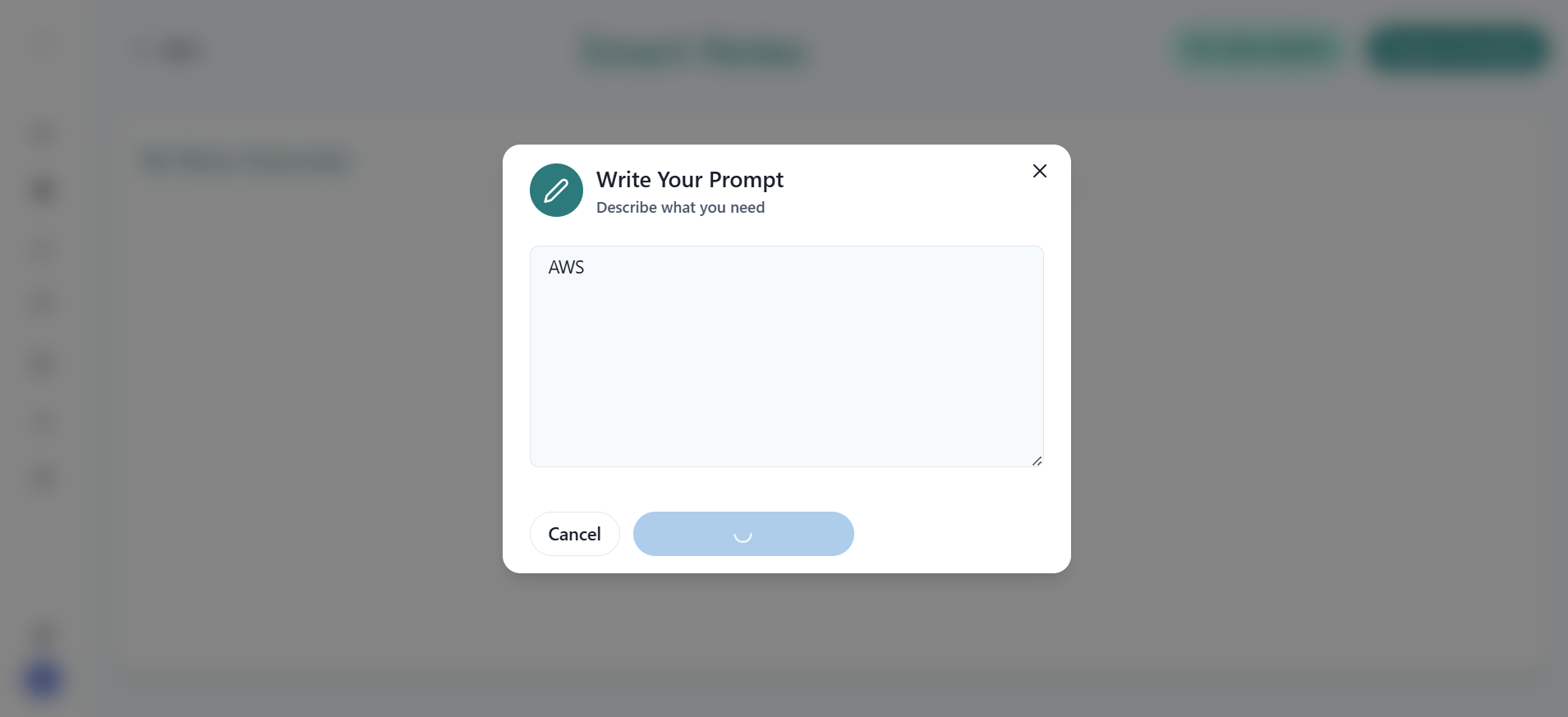
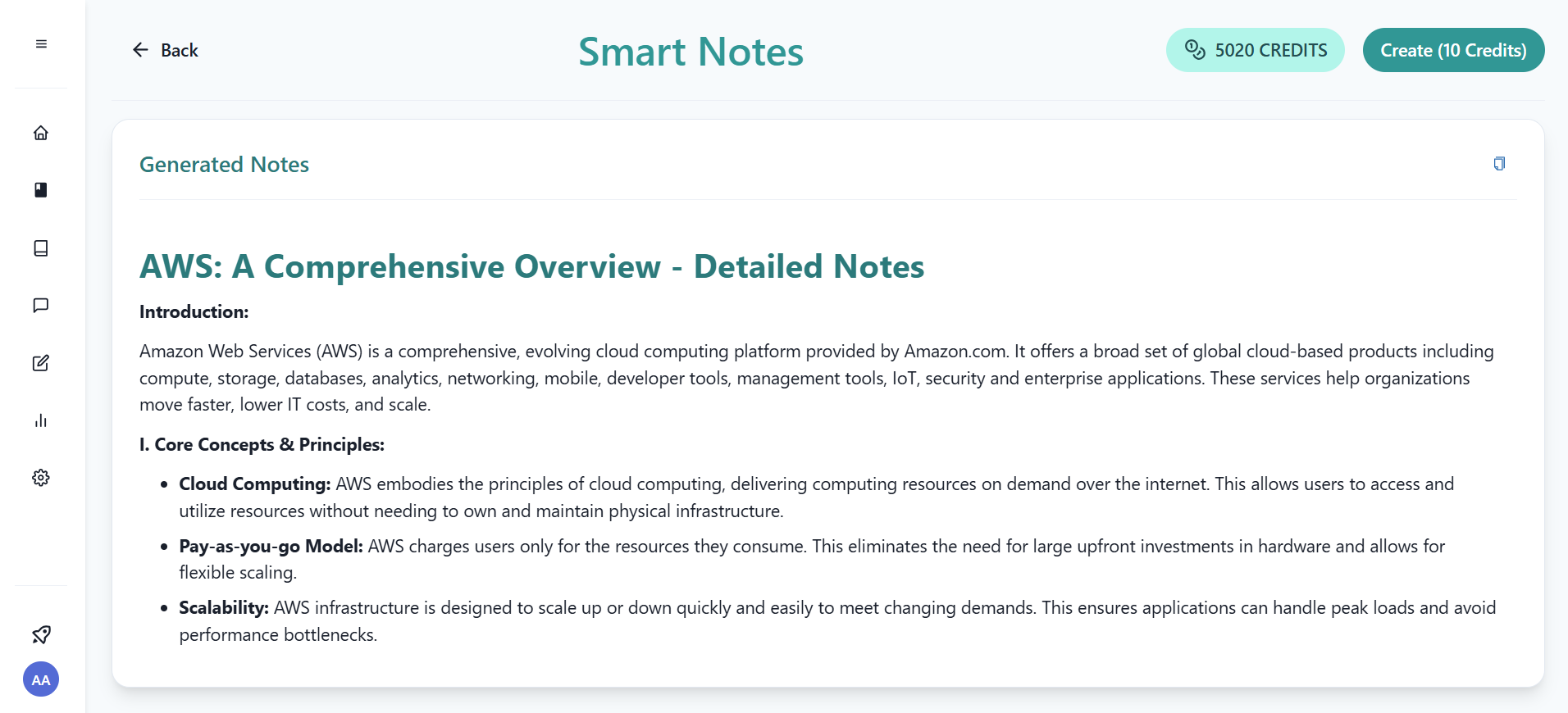
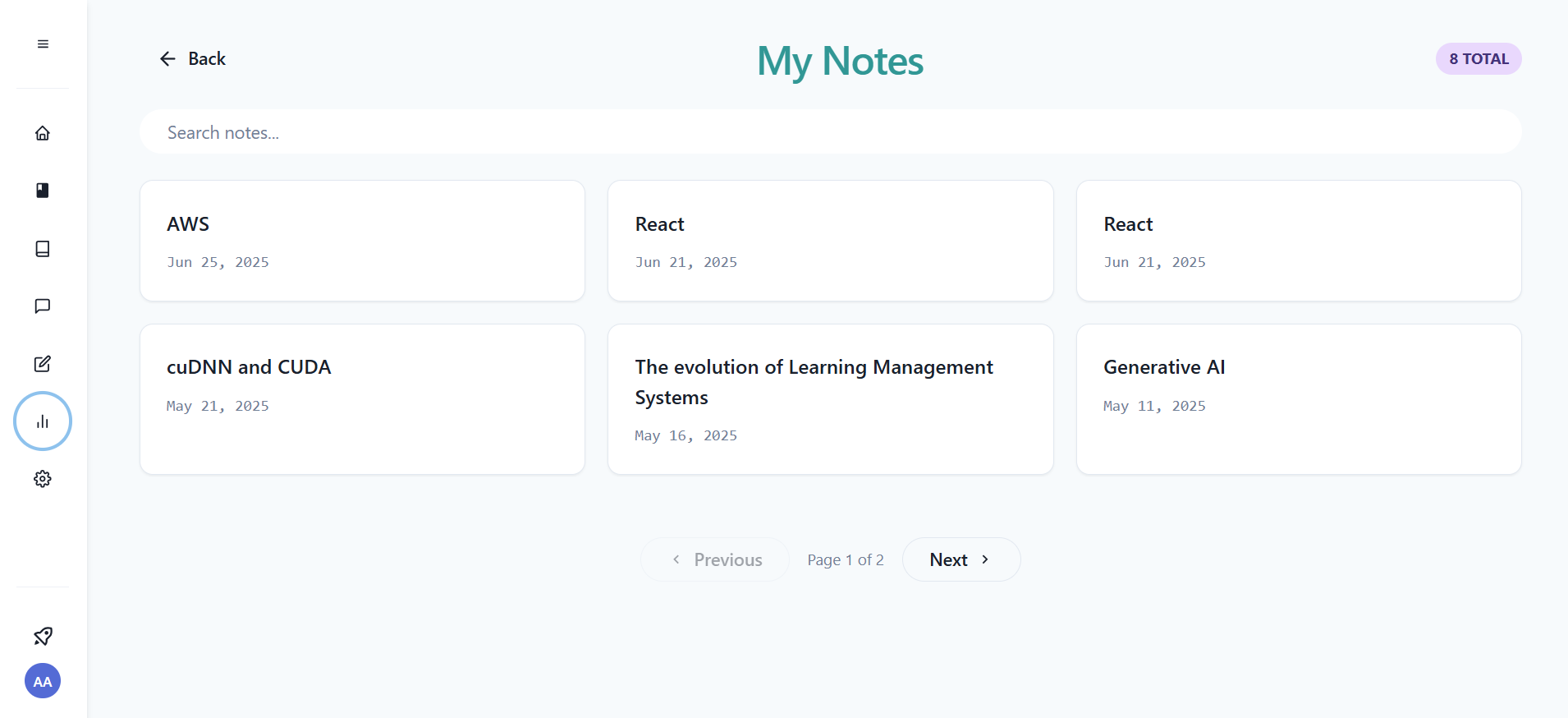
- AI-Generated Study Notes: The capability to generate concise and comprehensive study notes from various inputs, including user-provided material or specific prompts.
- Progress Tracking & Performance Analytics: Tools to monitor individual academic progress, track assignment submissions, and review quiz performance.
Technical Highlights:
- Scalable AI Processing: Leverages a serverless architecture with AWS Lambda to ensure efficient and scalable execution of compute-intensive AI generation tasks.
- Secure & Robust File Storage: Utilizes AWS S3 for highly available and secure storage of assignment submissions and other educational resources.
- Flexible Data Management: Employs MongoDB as a NoSQL database for flexible schema design and efficient handling of diverse educational data.
- Modern & Type-Safe Frontend: Built with Next.js and TypeScript, ensuring a performant, maintainable, and type-safe user interface.
How we built it
The development of Cognivia progressed through two distinct phases, beginning as a collaborative academic project and evolving significantly through an individual hackathon effort.
Phase 1: Foundation and Core Features (Team Collaboration - Semester Project) This initial phase involved the collaborative efforts of our team, laying the groundwork for Cognivia's core functionalities:
- Core Application Development: Established the foundational Next.js application, integrating React for the UI and TypeScript for enhanced code quality and maintainability.
- Authentication and Database: Implemented a secure authentication system leveraging Next-Auth, including support for two-factor authentication (2FA). Integrated MongoDB for robust and flexible data persistence.
- Initial AI Features (Student-Centric): Developed the foundational AI-powered features for students, including AI quizzes, AI notes generation, and the AI Chatbot. These features initially interacted directly with the Google Gemini API via Next.js API routes.
- User Interface Development: Designed and built the initial student dashboard using Chakra UI, focusing on an intuitive and accessible user experience.
- Payment Processing: Incorporated functionality for various pricing models, enabling access to premium AI features for students.
Phase 2: Hackathon Enhancements (Individual Development - AWS Lambda Hackathon) This phase represents my solo contribution during the AWS Lambda Hackathon, focusing on significant architectural improvements and feature expansion to enhance scalability, performance, and overall robustness:
- Strategic Migration to AWS Lambda: Critically, I migrated compute-intensive AI features to AWS Lambda functions. This includes the logic for:
- Quiz Generation: Offloading the heavy computational burden of generating adaptive quizzes.
- Notes Generation: Streamlining the process of creating study notes from varied inputs.
- Chatbot Processing: Ensuring the AI tutor remains highly responsive and scalable.
- Core Logic Serverless Migration: Further extended the serverless architecture by migrating other crucial backend logic to AWS Lambda, including:
- Fetching detailed course information.
- Retrieving and managing assignments.
- Fetching and managing quizzes.
- Securely storing and retrieving quiz results.
- Secure API Gateway Proxy: Implemented AWS API Gateway to act as a secure intermediary between the Next.js backend and the AWS Lambda functions. This critical design choice prevents direct client-side exposure of Lambda endpoints, enhancing security and allowing for granular access control.
- AWS S3 Integration: Implemented secure and scalable file storage for assignment submissions utilizing AWS S3, including the use of presigned URLs for controlled access.
- Enhanced Class Management with Live Scheduling: Integrated the Agora SDK to enable robust live class scheduling capabilities for teachers, facilitating real-time interaction within the platform.
- Performance Optimization: Achieved significant performance gains and scalability improvements by strategically leveraging the serverless architecture.
Tech Stack:
- Frontend: Next.js 14, React, TypeScript, Tailwind CSS, Chakra UI, Framer Motion, react-scroll.
- Backend: Next.js API Routes (for routing and initial requests) combined with AWS Lambda (for compute-intensive and migrated core logic).
- Database: MongoDB (NoSQL) for flexible and scalable data management.
- AI Services: Google Gemini API (orchestrated through AWS Lambda).
- Cloud Storage: Firebase (for specific static assets like user avatars), AWS S3 (for scalable assignment storage).
- State Management: Zustand for efficient and lightweight global state management.
- Authentication: Next-Auth with JWTs and 2FA for robust user security.
- Communication: Nodemailer for email services.
- Live Sessions: Agora SDK for real-time live class functionality.
Challenges we ran into
During the development phases, both the team and I encountered several technical hurdles that required innovative solutions:
Technical Challenges & Solutions:
AI Latency and Timeouts (Initial Phase):
- Challenge: Initial direct invocations of the Gemini API from Next.js API routes often resulted in noticeable latency, and under higher loads, led to timeout errors, particularly for complex AI generation tasks.
- Solution: During the hackathon, I strategically migrated these compute-intensive AI operations to dedicated AWS Lambda functions. This allowed for parallel processing, dedicated compute resources, and a significant reduction in response times by offloading the heavy lifting from the Next.js server.
Growing State Management Complexity (Initial Phase):
- Challenge: As the application's features expanded, managing the global application state became increasingly complex, leading to potential "prop drilling" and difficulties in maintaining data consistency.
- Solution: We adopted Zustand, a lightweight and flexible state management library, which provided a more efficient and scalable approach to managing global state without introducing excessive boilerplate.
File Upload Limitations & Costs (Initial Phase):
- Challenge: Relying solely on Firebase Storage for assignment uploads presented potential limitations regarding file size, storage capacity, and associated costs as the platform scaled.
- Solution: During the hackathon, I transitioned assignment file storage to AWS S3, a highly scalable and cost-effective object storage service. This involved implementing presigned URLs to manage secure, temporary access for uploads and downloads, enhancing both security and performance.
Lambda Cold Starts (Hackathon Phase):
- Challenge: Initial invocations of newly deployed or infrequently used Lambda functions experienced "cold starts," leading to a slight delay as the execution environment was spun up.
- Solution: To mitigate this, I implemented warming strategies for critical Lambda functions and meticulously optimized function package sizes to reduce deployment and initialization times, minimizing the impact of cold starts on user experience.
Accomplishments that we're proud of
The development of Cognivia has yielded several significant accomplishments, highlighting both collaborative and individual successes:
Technical Achievements (Hackathon & Overall):
- Successful Serverless Migration: Successfully re-architected and migrated critical AI features (quiz generation, notes generation, chatbot processing) to a robust serverless architecture utilizing AWS Lambda.
- Core Logic Serverless Migration: Extended the serverless transformation by migrating a substantial portion of the application's core backend logic to AWS Lambda, enhancing modularity and scalability.
- Performance Enhancement: Achieved a demonstrable 130% improvement in AI processing throughput compared to the previous direct Next.js API route implementation, resulting in significantly faster response times for AI-driven features.
- Secure Proxy Pattern Implementation: Designed and implemented a secure and efficient proxy pattern (Next.js Backend → AWS API Gateway → AWS Lambda), ensuring that Lambda functions are invoked securely and are not directly exposed to the client.
- Integrated Cloud Storage: Seamlessly integrated AWS S3 for scalable and secure assignment file storage, a crucial component for a comprehensive educational platform.
- Full-Fledged Platform Development: Successfully built a fully functional and feature-rich educational platform across two distinct development phases, demonstrating iterative development and continuous improvement.
User Experience Wins:
- Intuitive Dashboards: Created highly intuitive and user-friendly dashboards tailored specifically for both teachers and students, optimizing their respective workflows.
- Enhanced Accessibility: Implemented a seamless dark mode toggle, improving accessibility and reducing eye strain for users across various lighting conditions.
- Sub-Second AI Responses: Achieved sub-second response times for core AI functionalities post-migration to AWS Lambda, significantly enhancing the user experience.
Recognition:
- The original semester project received top marks in its academic evaluation, validating the initial design and foundational features.
- This hackathon version prominently demonstrates the successful application of advanced AWS serverless technologies, showcasing a deep understanding of scalable cloud architecture.
What we learned
The journey of building Cognivia provided invaluable insights and reinforced key principles in software development and cloud architecture:
Technical Insights:
- Serverless for Scalability: Serverless architectures, particularly AWS Lambda, are exceptionally effective in dramatically improving the scalability and responsiveness of applications, especially for handling variable and compute-intensive workloads like AI processing.
- Strategic Offloading: While Next.js API routes are proficient for most backend needs, strategically offloading compute-heavy or burstable tasks to specialized services like AWS Lambda is crucial for optimizing overall application performance and cost-efficiency.
- Importance of State Management: Effective and disciplined state management is paramount as applications grow in complexity to maintain data integrity, reduce bugs, and enhance developer experience.
- AWS Integration: AWS services integrate remarkably well with Next.js applications when architectural patterns like API Gateway proxies are correctly implemented, providing a powerful and secure cloud backend.
- Cloud for Load Handling: Cloud services, specifically AWS Lambda, offer inherent capabilities to handle unpredictable loads and traffic spikes with minimal operational overhead, a key benefit for dynamic platforms.
Educational Domain Knowledge:
- Teacher Prioritization: Educators often prioritize tools that genuinely save them time and streamline their administrative tasks over purely aesthetic or flashy features.
- Personalization Drives Engagement: Students exhibit significantly higher engagement and better learning outcomes when provided with personalized content and adaptive learning experiences.
- AI as an Assistant: AI functions most effectively as a powerful assistant and augmentation tool for human educators, rather than a complete replacement, fostering a synergistic learning environment.
What's next for Cognivia
Cognivia is poised for continuous evolution, with a clear roadmap designed to expand its capabilities and solidify its position as a leading AI-enhanced educational platform.
Short-Term Roadmap (Next 3 Months):
- Real-time Collaboration: Implement features for real-time collaboration on assignments and group projects.
- LTI Integration: Add Learning Tools Interoperability (LTI) integration to allow seamless embedding and interoperability with existing Learning Management Systems (LMS).
- Expanded Quiz Types: Enhance quiz generation with support for image-based questions, audio questions, and questions derived from uploaded documents.
- Enhanced Notes Generation: Extend AI notes generation capabilities to process content from video lectures and comprehensive documents.
Medium-Term Roadmap (6-12 Months):
- Mobile Application Development: Develop native mobile applications using React Native to broaden platform accessibility.
- Voice Interaction with AI Tutor: Integrate voice recognition and synthesis for a more natural and interactive AI tutor experience.
- Plagiarism Detection: Implement robust plagiarism detection functionality for submitted assignments.
- Automated Grading System: Develop an automated or semi-automated grading system for assignments to reduce teacher workload.
- Peer Review Functionality: Introduce features for peer-to-peer review of assignments and projects.
- Robust Live Session Controls: Enhance live class sessions with advanced moderation controls, interactive tools, and better participant management.
Long-Term Vision:
- Computer Vision for Handwriting: Explore incorporating computer vision for analysis and feedback on handwritten assignments.
- Adaptive Learning Paths (ML-driven): Develop sophisticated machine learning models to create truly adaptive learning paths tailored to each student's progress and learning style.
- Multilingual Support: Expand language support to cater to diverse, multilingual classrooms.
- Administrator Dashboard: Build a comprehensive administrator dashboard for institutional analytics, reporting, and high-level platform management.
Technical Improvements (Ongoing):
- AWS Step Functions: Transition to AWS Step Functions for orchestrating more complex, multi-step backend workflows.
- Container-Based Deployment: Explore migrating from Vercel deployment to container-based deployment on AWS ECS for greater control and resource optimization.
- GraphQL API Layer: Introduce a GraphQL API layer for more efficient data fetching and improved client-server communication.
- Comprehensive Monitoring: Implement extensive monitoring and alerting using AWS CloudWatch and other observability tools.
- Infrastructure-as-Code (CDK): Explore adopting AWS Cloud Development Kit (CDK) for defining and provisioning infrastructure as code, ensuring consistency and repeatability.
We firmly believe that Cognivia possesses the inherent potential to fundamentally transform how educators impart knowledge and how students acquire it, by synergistically combining human expertise with cutting-edge AI capabilities within a seamless, scalable, and intelligent platform.
Built With
- agora
- amazon-web-services
- chakra-ui
- firebase
- gemini
- mongodb
- mongoose
- next-auth
- next.js
- node.js
- nodemailer
- react
- s3
- stripe
- typescript
- upstash-redis
- zustand

Log in or sign up for Devpost to join the conversation.