Inspiration
Cognitive Lens was inspired by my experience with ADHD. While I’ve learned to manage mine, I’ve seen friends and other neurodivergent people struggle with environments that expect everyone to learn, focus, and process information the same way.
We wanted to build something different: an interface that adapts to the person instead of forcing the person to adapt to the interface.
What it does
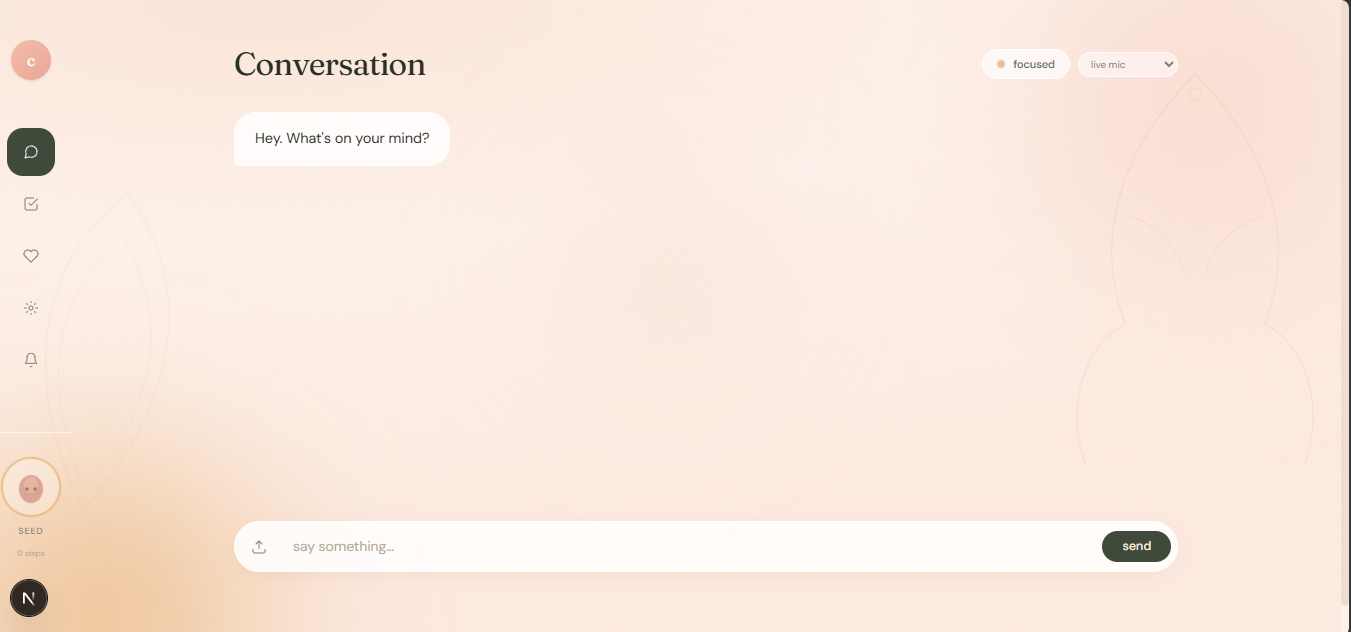
Cognitive Lens is an adaptive AI learning interface designed for neurodivergent learners.
It can:
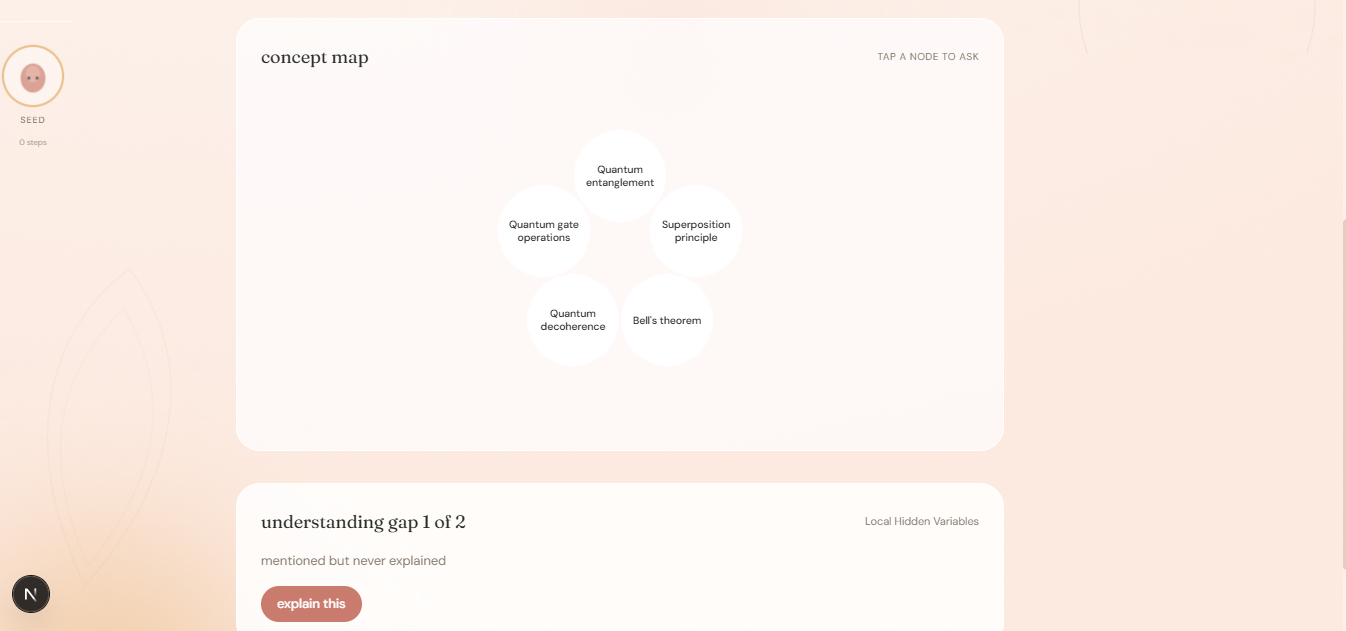
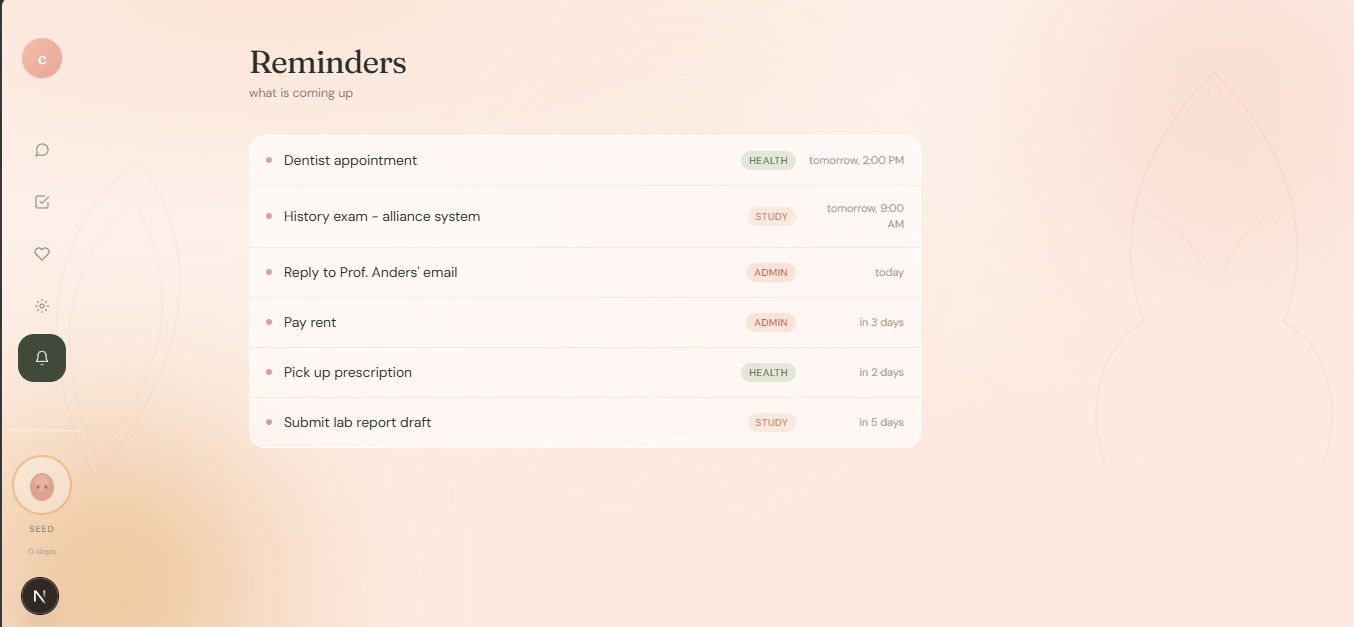
Analyze complex information and break it into manageable concepts. Identify gaps in a learner’s understanding. Guide the learner through those gaps instead of simply giving an answer. Adapt the workspace and presentation of information. Use Environmental Intelligence to consider environmental conditions that may affect the learning experience. Provide accessibility features such as adjustable typography, high contrast, and read-aloud functionality.
The goal is to make learning feel less like fighting the interface and more like having the interface work with you.
How we built it
We built Cognitive Lens using Next.js, TypeScript, Tailwind CSS, Supabase, and AI APIs.
The architecture combines several components:
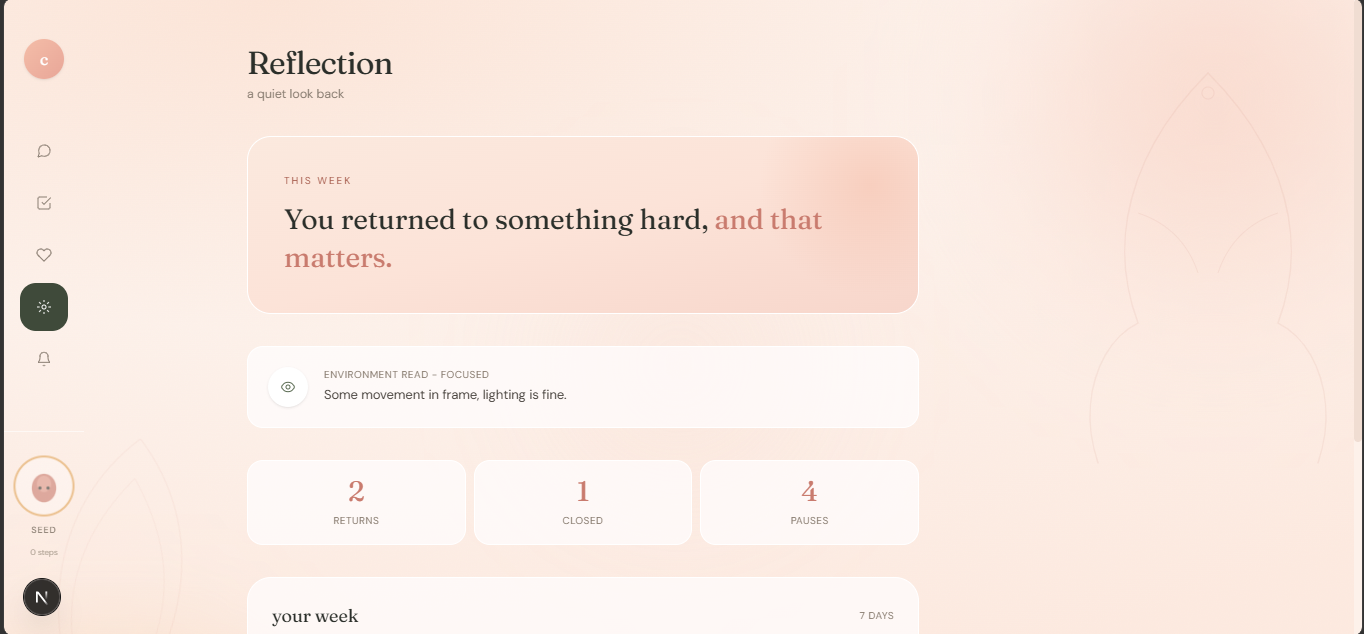
Document Intelligence for processing uploaded information. Cognitive Engine for analyzing concepts, reasoning gaps, and learner needs. Adaptive Workspace for dynamically changing how information is presented. Environmental Intelligence for incorporating environmental signals into the experience. Browser accessibility tools including text-to-speech, typography controls, and visual accessibility settings. A modular AI architecture designed to support model routing, allowing different tasks to use different AI models. Challenges we ran into
One of our biggest challenges was building with free AI models and limited API resources.
Rate limits, context limitations, inconsistent outputs, and model capability differences became especially difficult when multiple AI systems needed to work together.
This pushed us to think beyond simply calling an LLM. We needed to build an architecture capable of routing tasks intelligently between models and handling failures gracefully.
With additional funding, one of our priorities would be integrating stronger models from providers such as Anthropic and OpenAI, while building a more sophisticated routing layer that chooses the most appropriate model for each task.
Accomplishments that we're proud of
Our biggest accomplishment is that Cognitive Lens became a working end-to-end system rather than just an idea.
We built and connected the cognitive analysis pipeline, document and image processing, knowledge-gap detection, adaptive workspace, environmental intelligence, accessibility features, and AI orchestration into a single product.
More importantly, we demonstrated the core idea behind Cognitive Lens:
AI shouldn't only generate information. It should adapt the way information is experienced.
What we learned
We learned that building adaptive AI is much more complicated than connecting an application to an LLM.
Model selection, routing, context management, rate limits, reliability, UI design, and environmental signals all affect the final experience.
We also learned that the model is only one part of an intelligent system. The real value comes from how intelligence is orchestrated around the person using it.
What's next for Cognitive Lens
Our long-term vision is to turn Cognitive Lens into an adaptive operating system for neurodivergent people.
We want to expand beyond laptops into phones and eventually smart-home environments, using connected devices, sensors, lighting, notifications, audio, and other environmental controls.
The ultimate goal is simple:
Make the technology around a person adapt to how they think, focus, and experience the world.
Built With
- accessibility
- adaptive
- ai
- artificial
- assistive
- computer
- css
- education
- generative
- intelligence
- interfaces
- language
- learning
- machine
- natural
- neurodiversity
- next.js
- processing
- supabase
- tailwind
- typescript
- vision


Log in or sign up for Devpost to join the conversation.