Inspiration
We were inspired by the daily struggles of dyslexic learners who deal with difficulty in reading fluency, handwriting interpretation, and organizing study materials. Existing tools like Notion and Evernote simply digitize notes but don’t assist with comprehension. We wanted to build something that doesn’t just store notes— but transforms them into accessible, structured, and dyslexia-friendly learning resources.
What it does
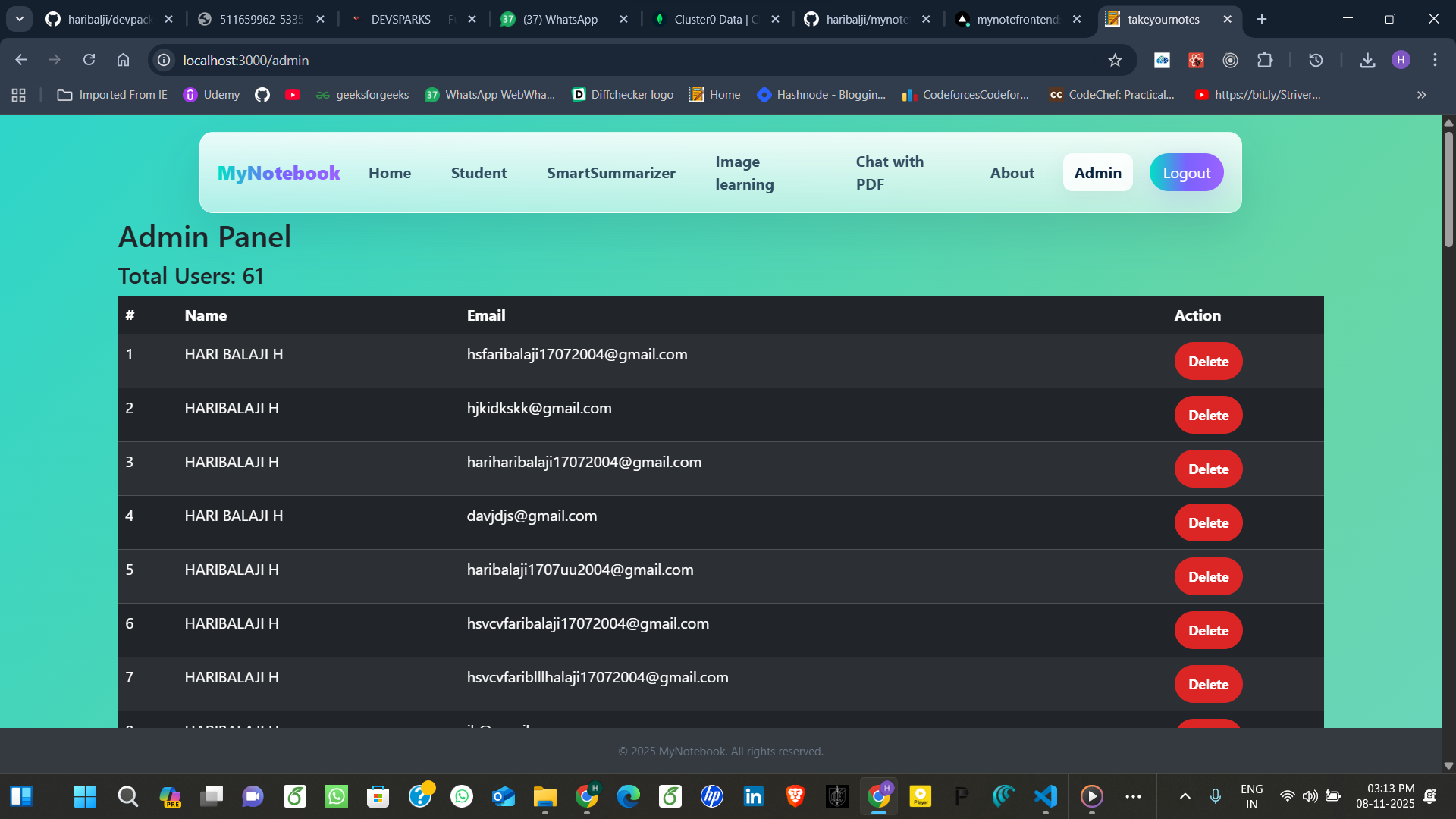
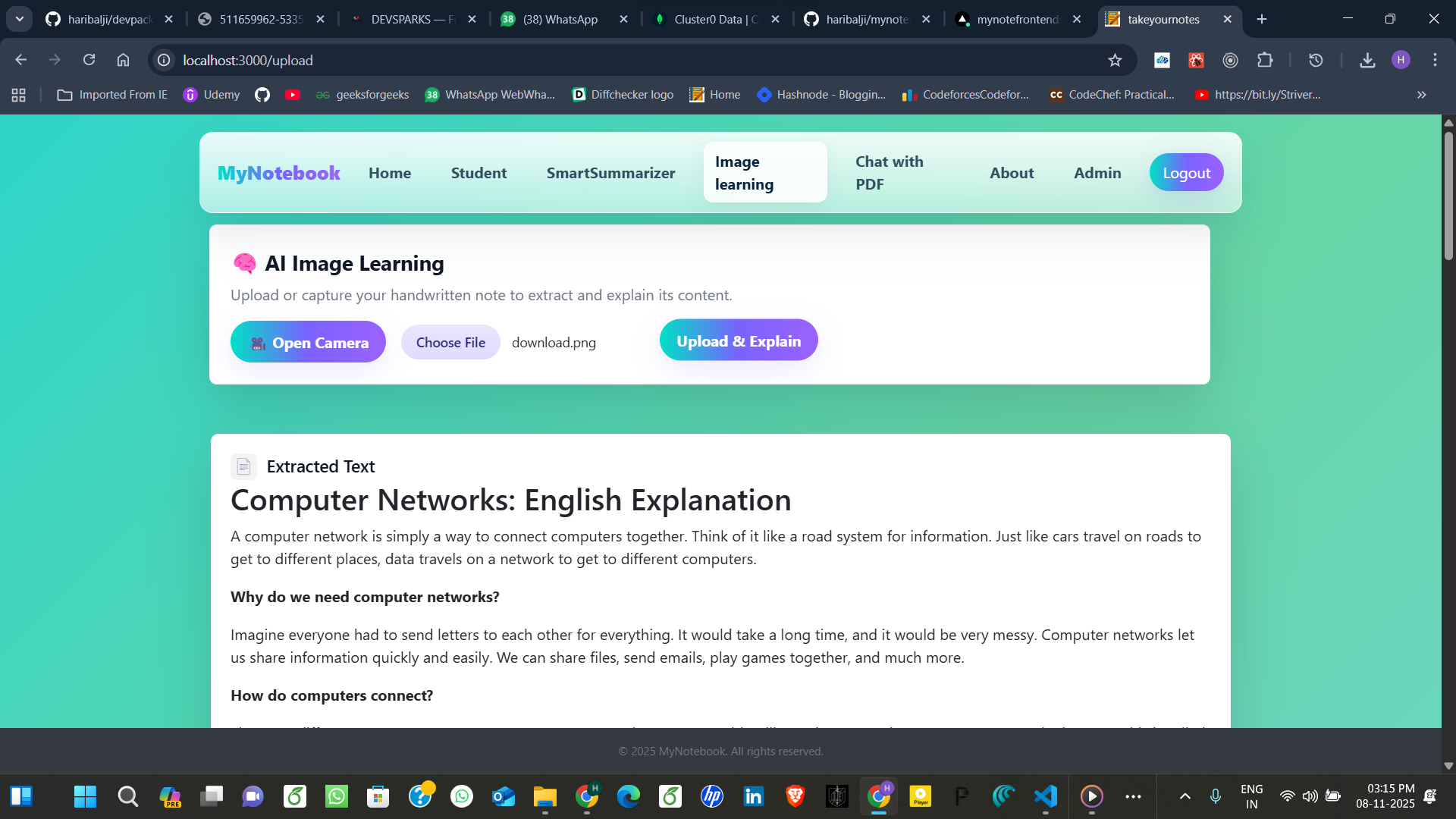
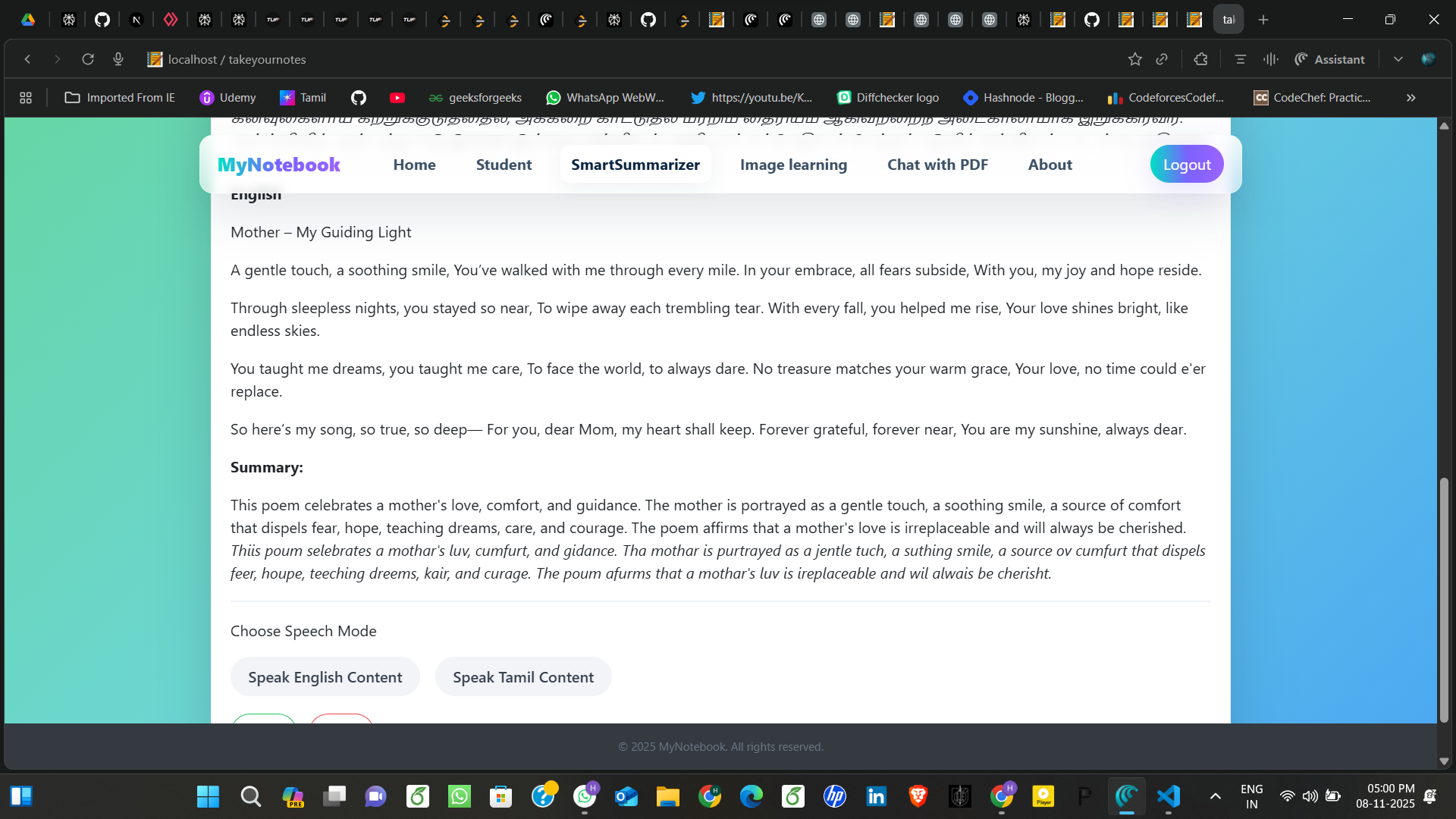
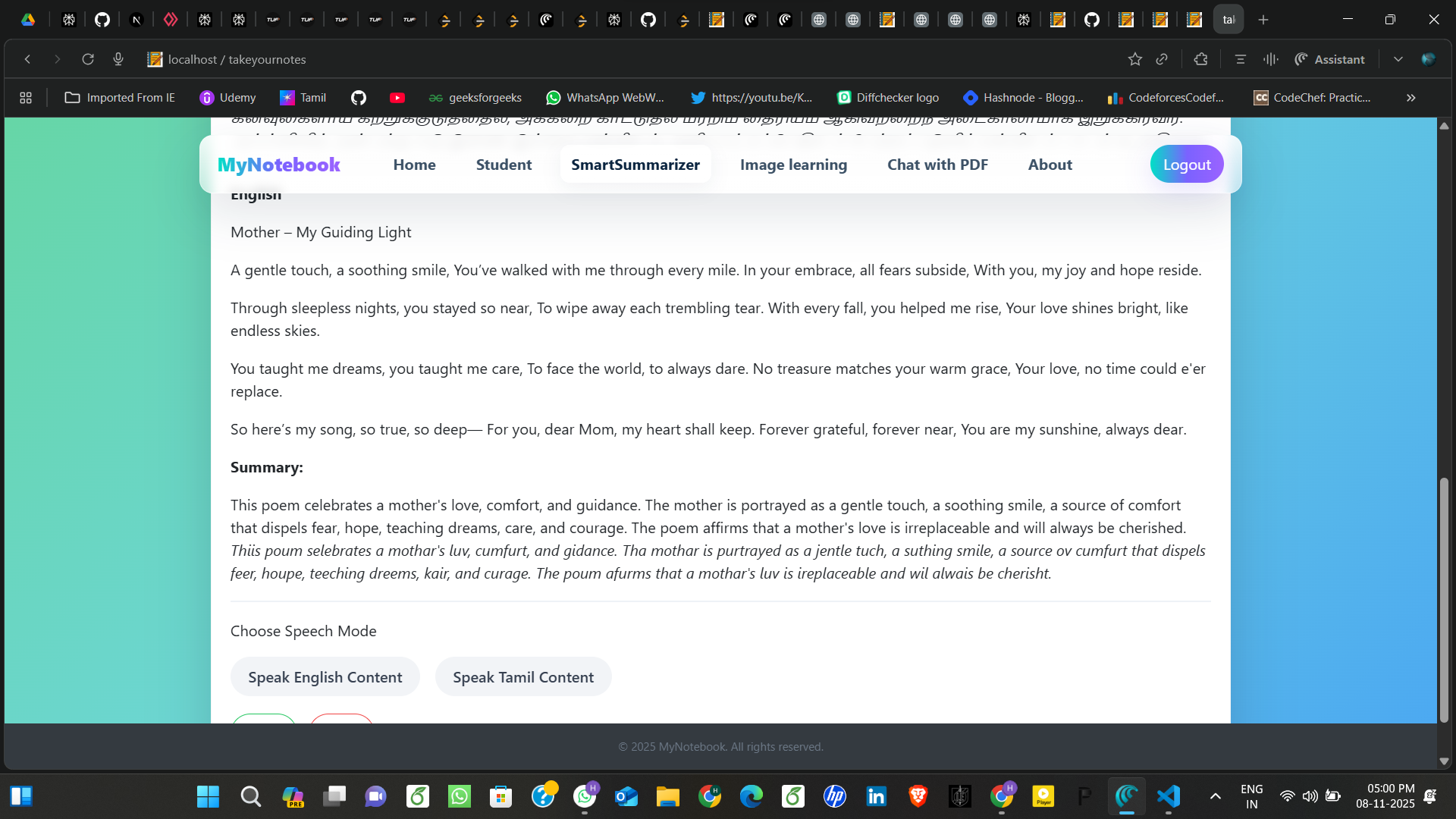
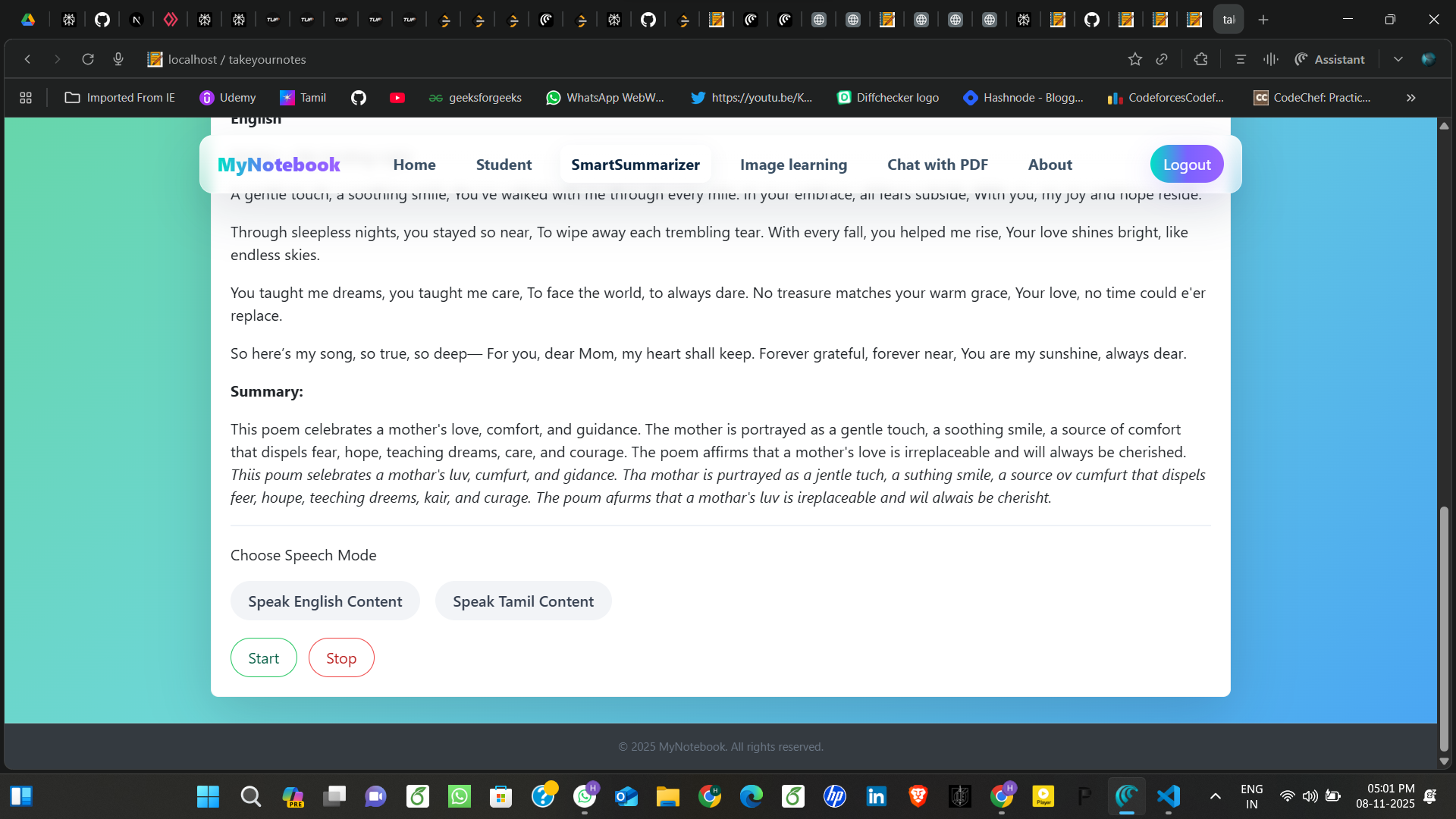
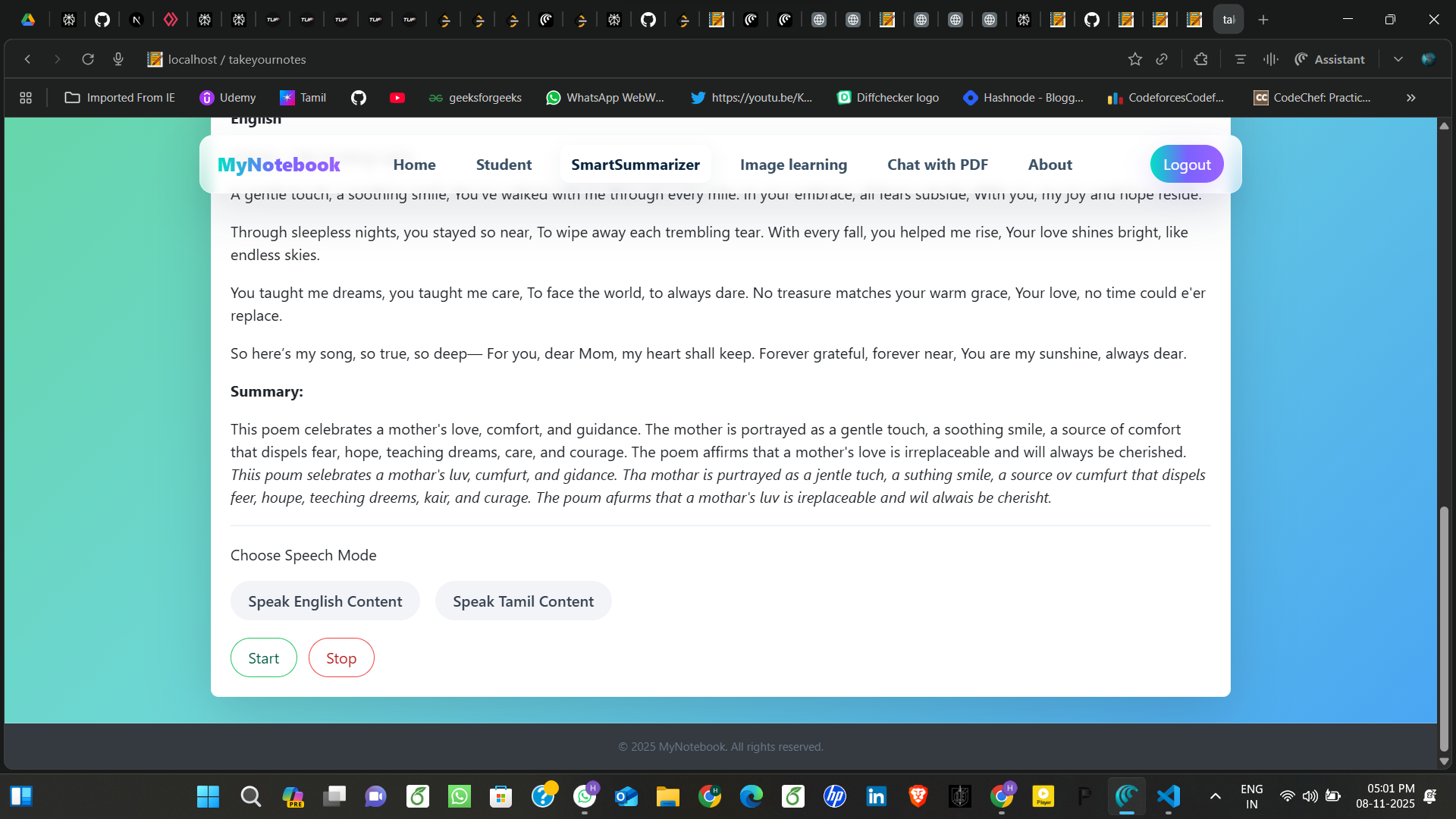
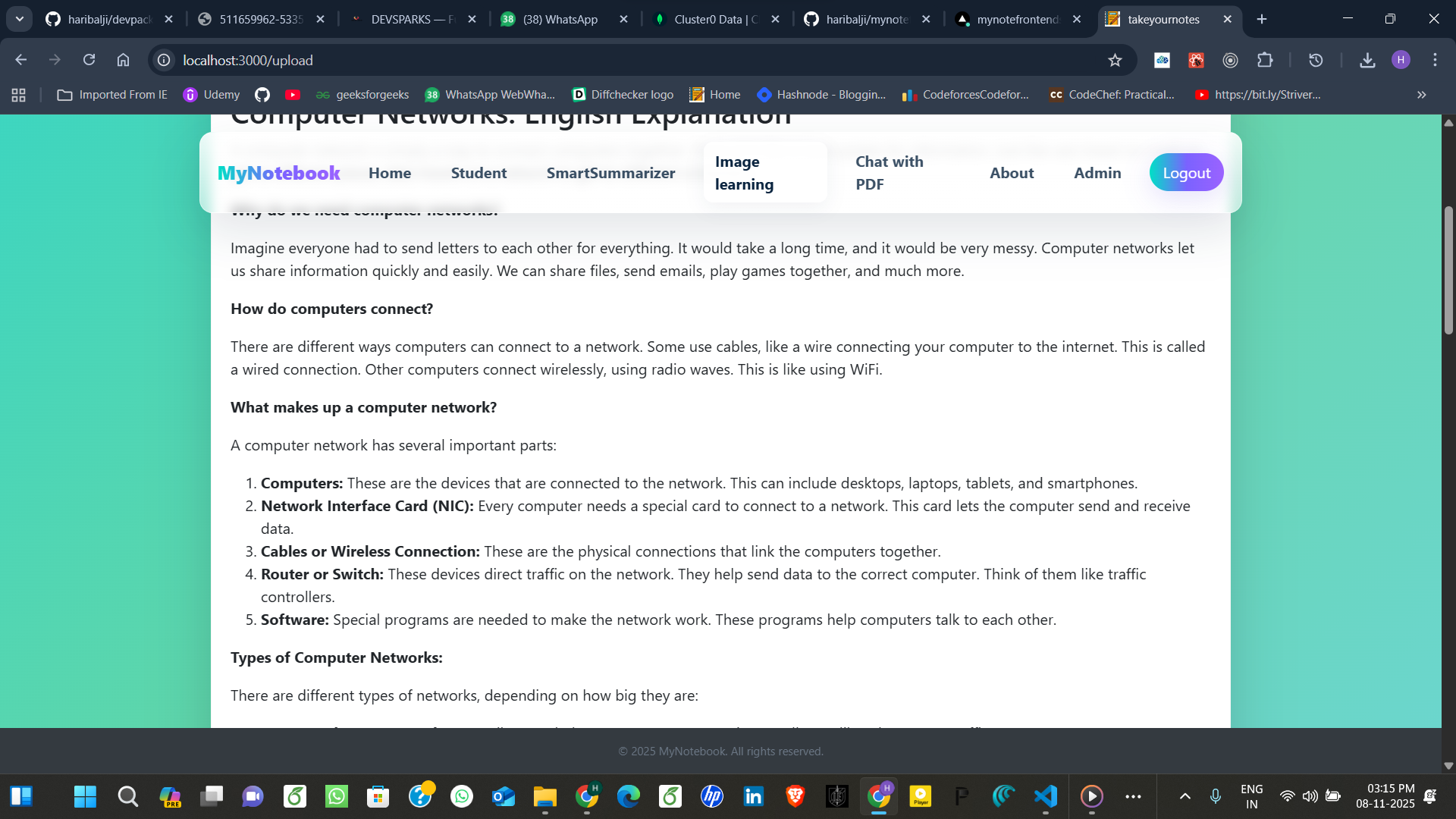
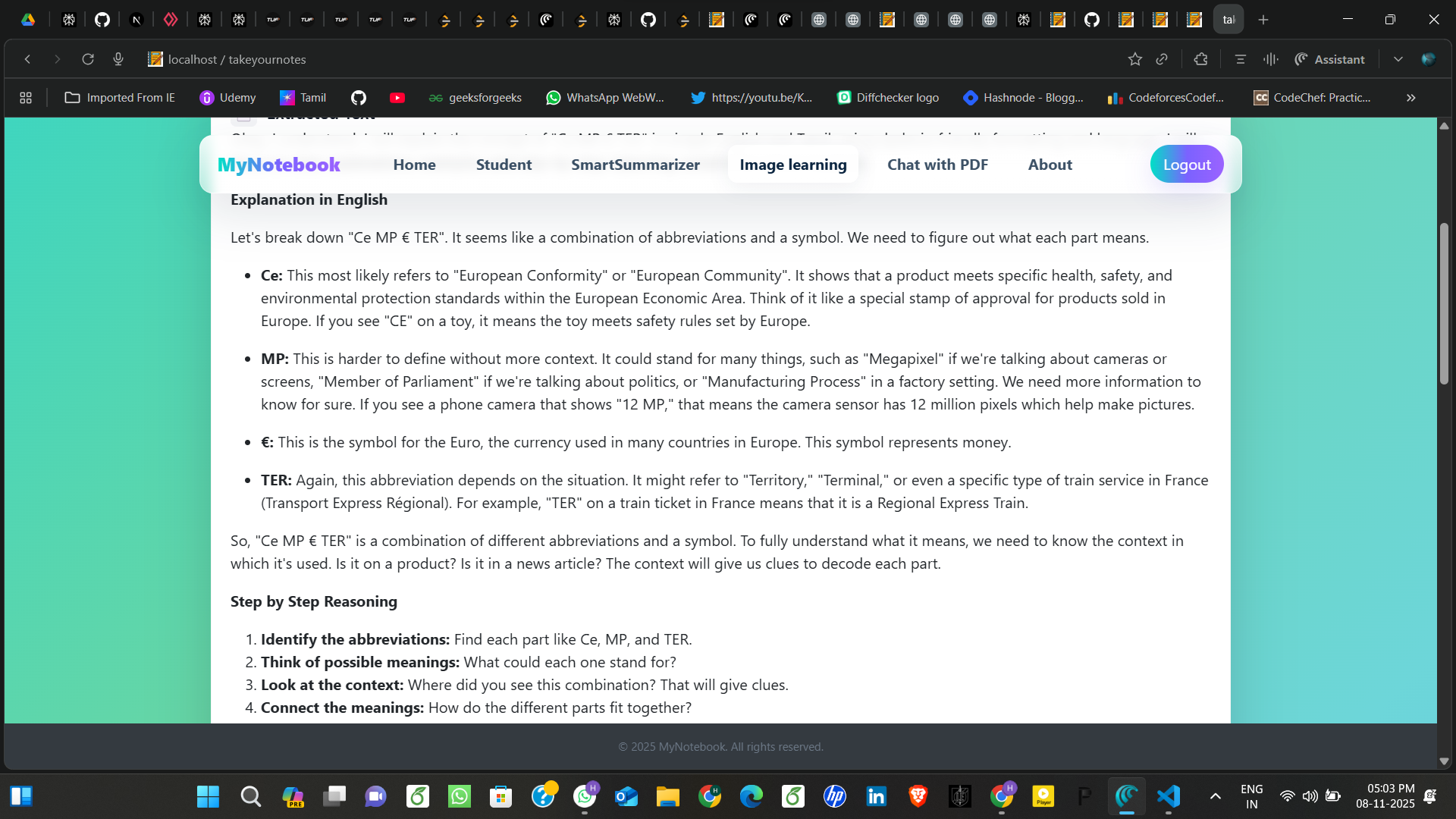
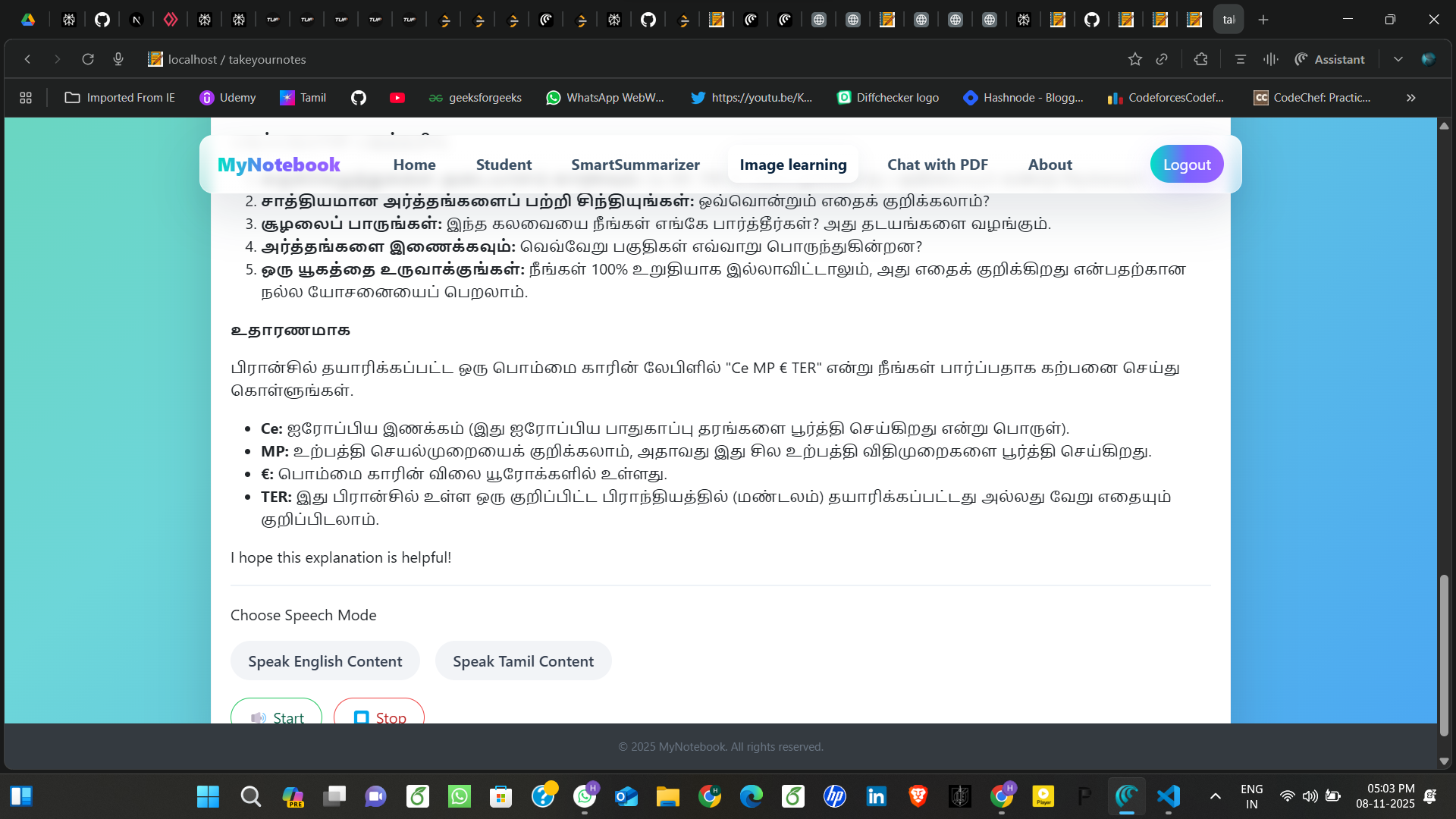
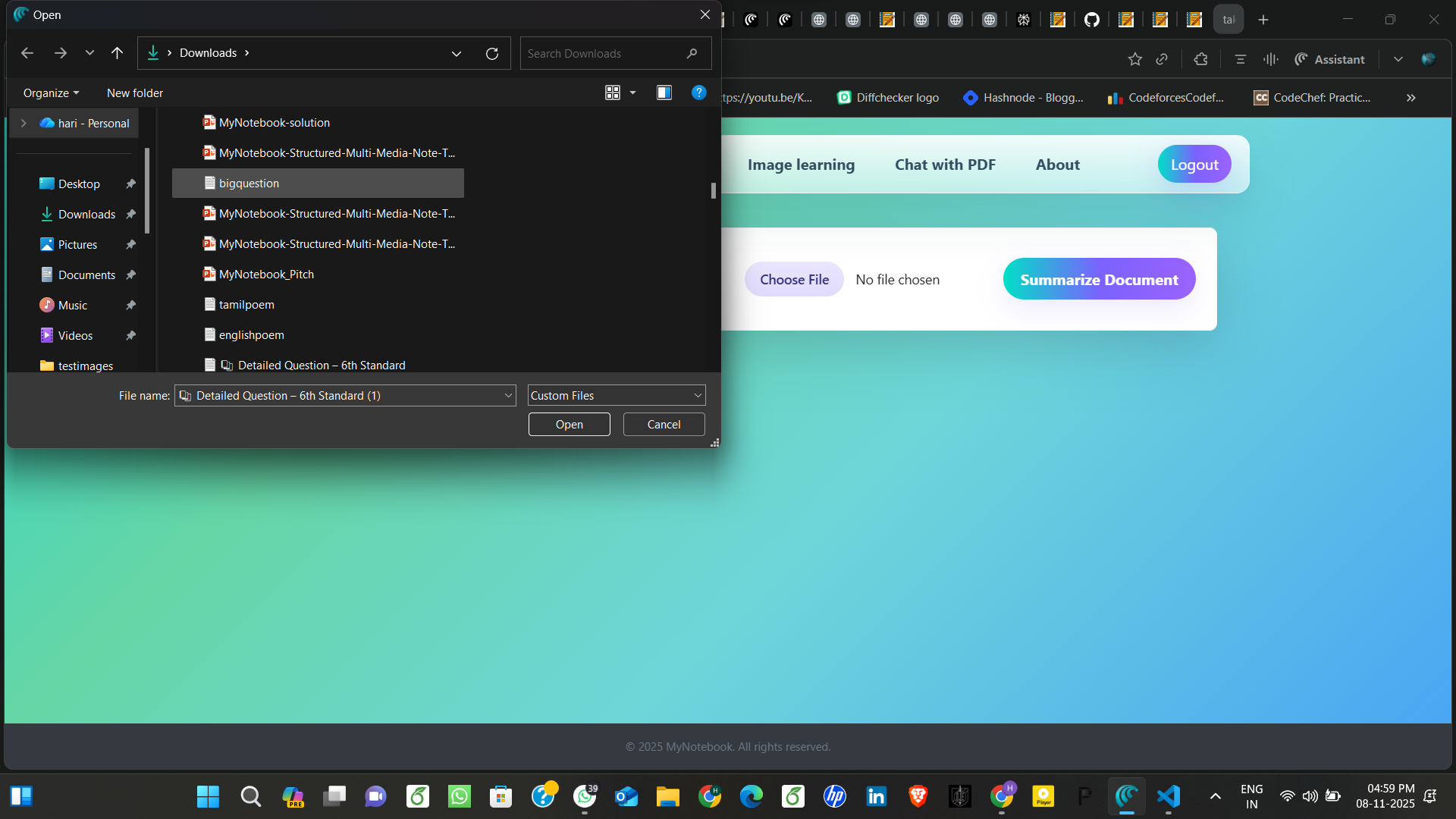
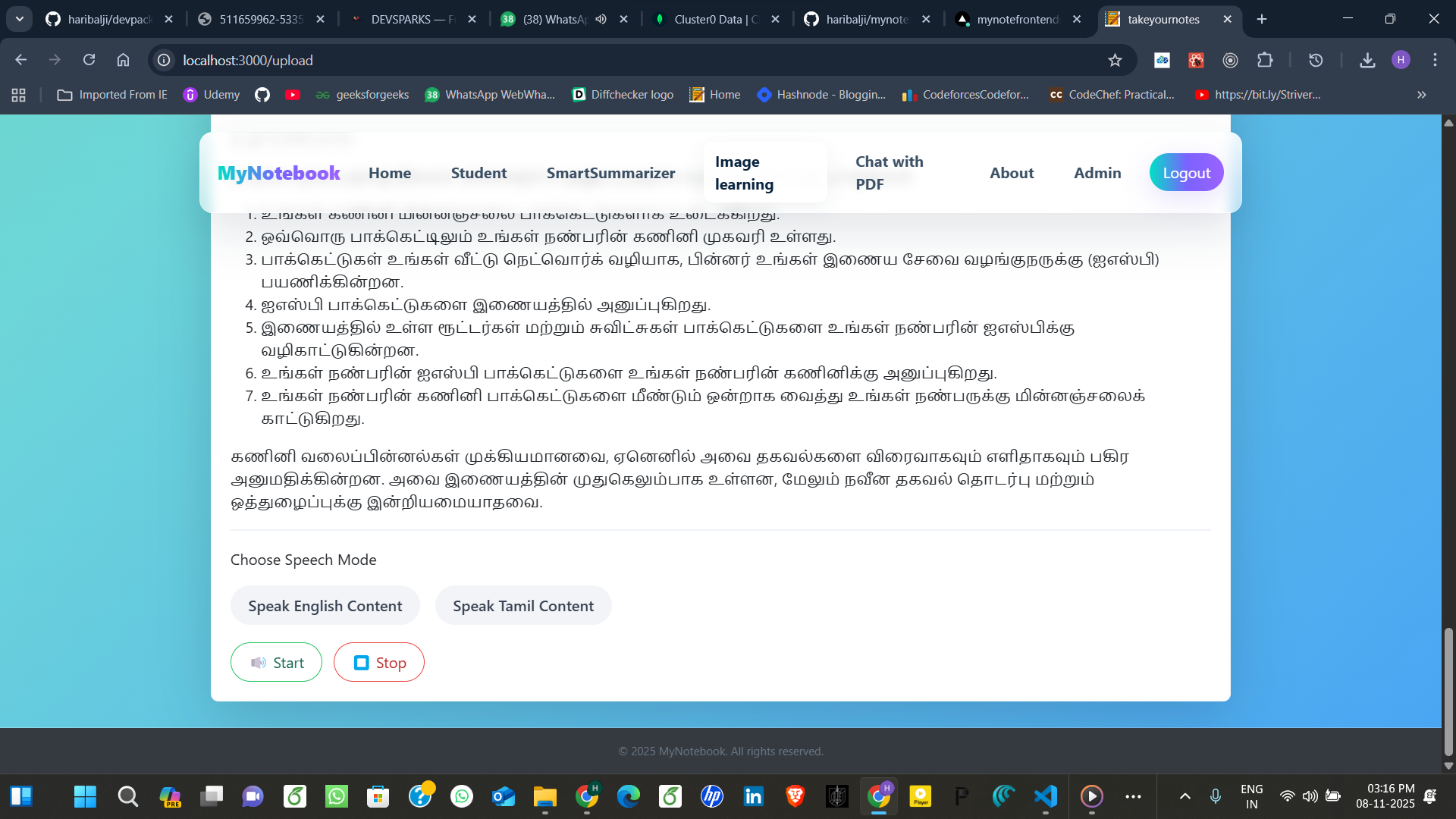
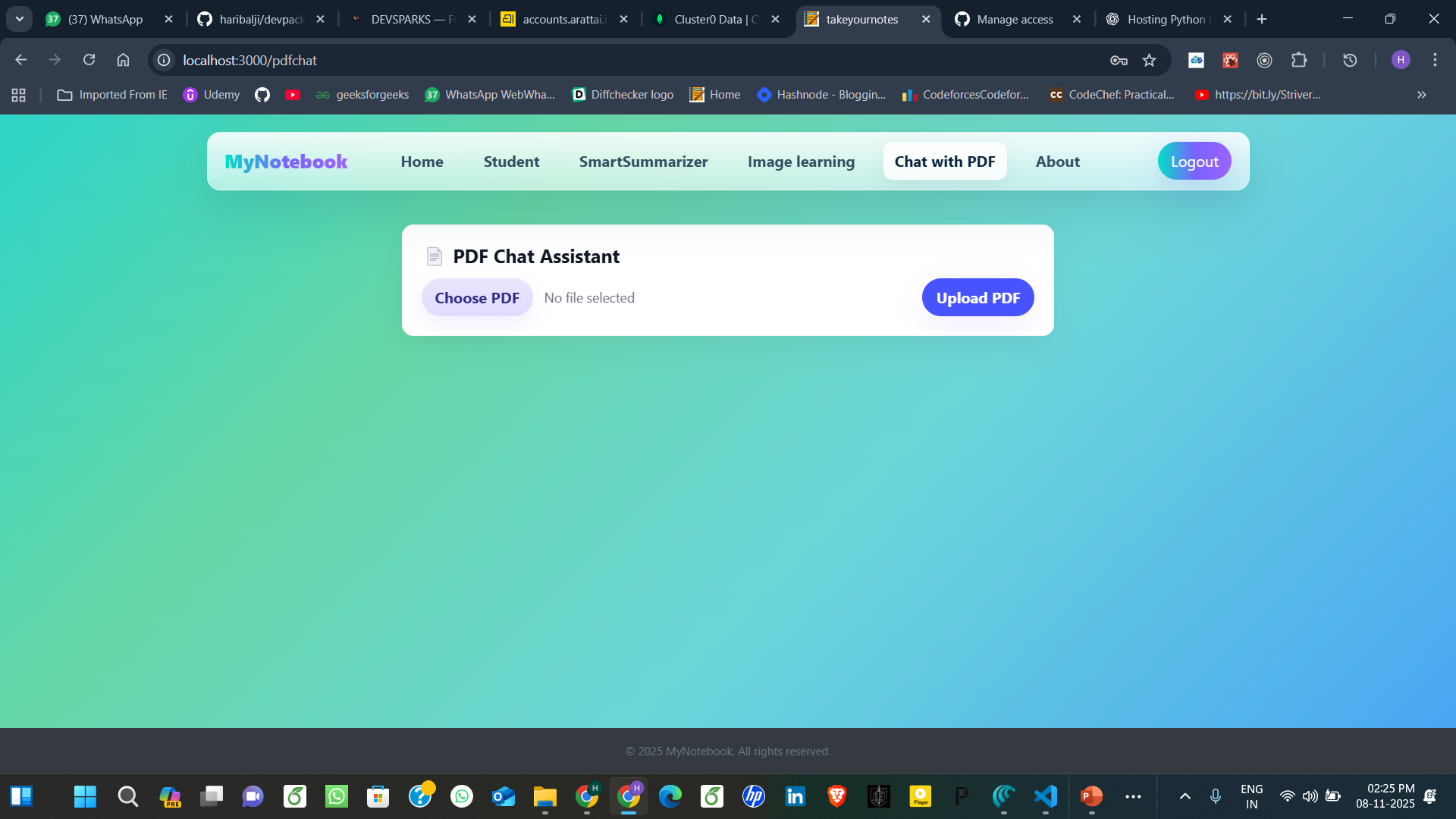
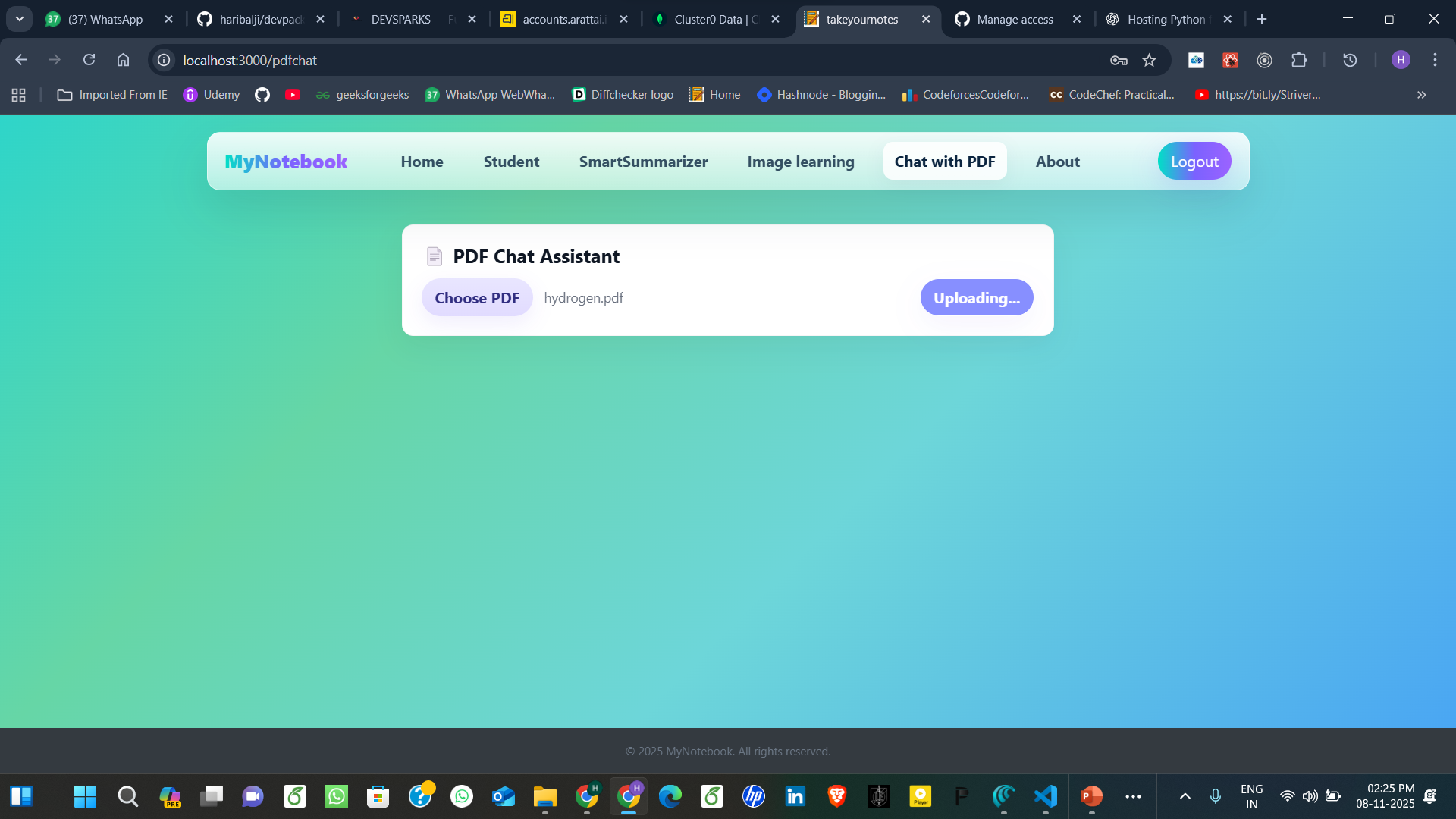
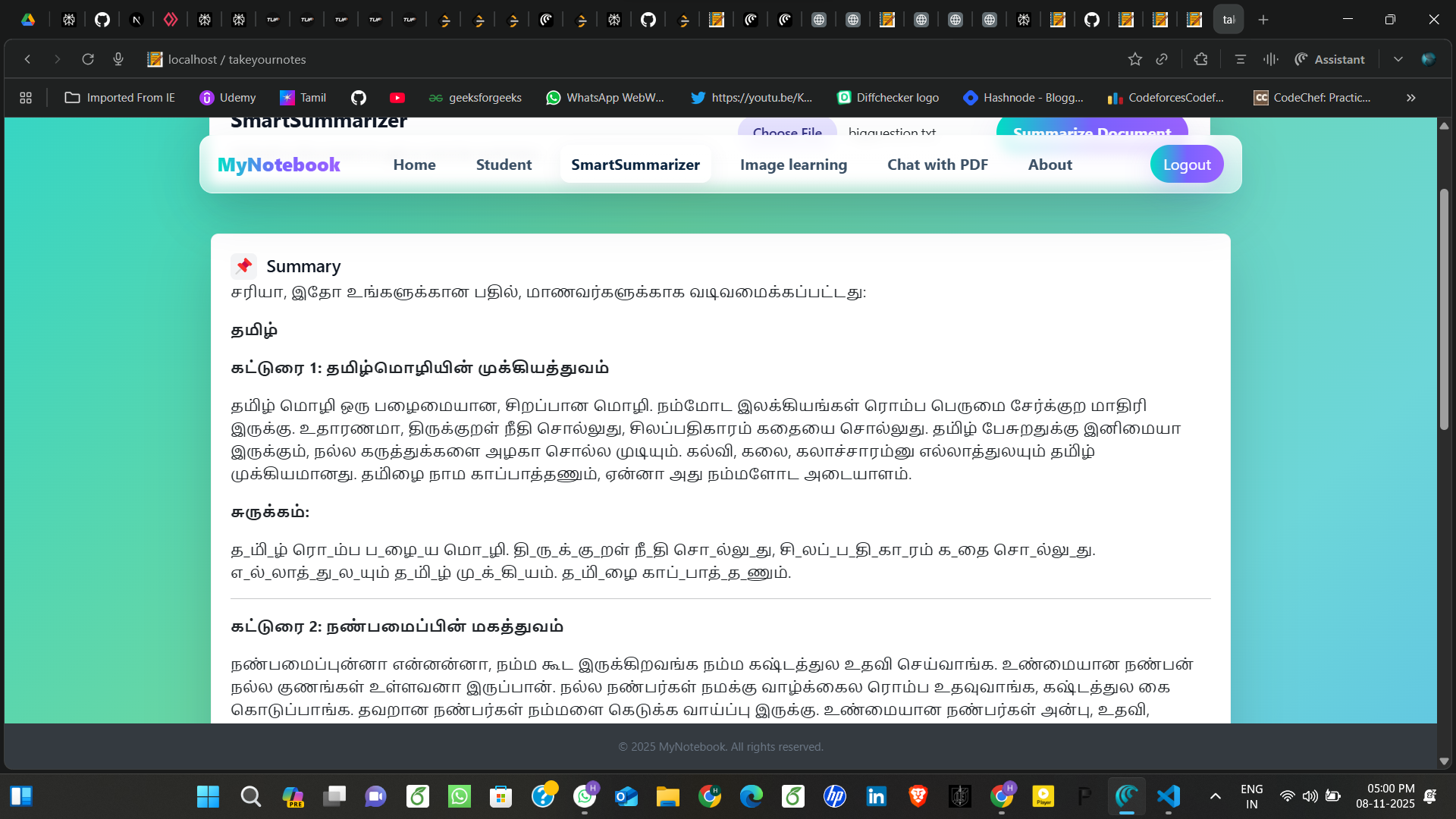
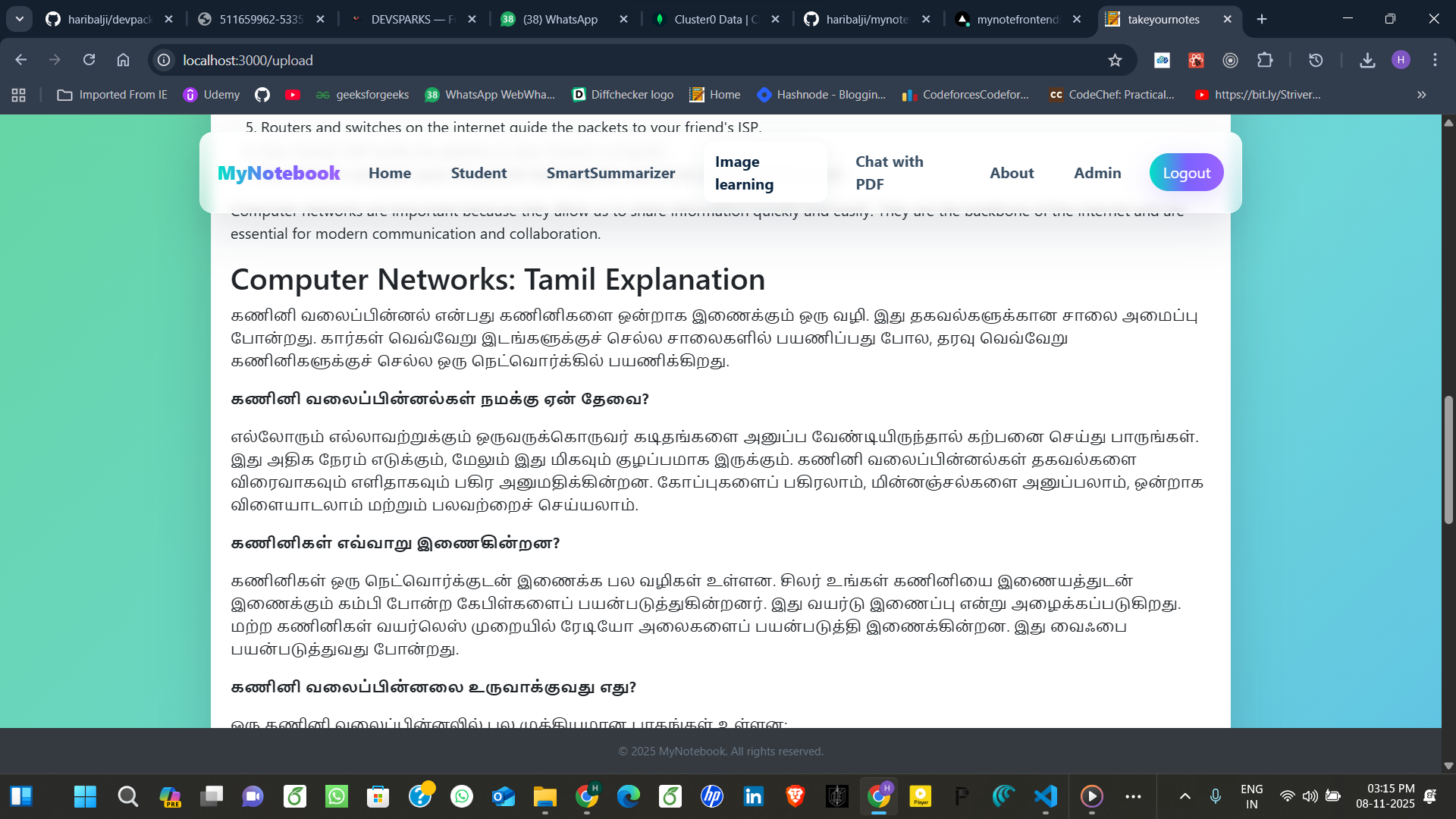
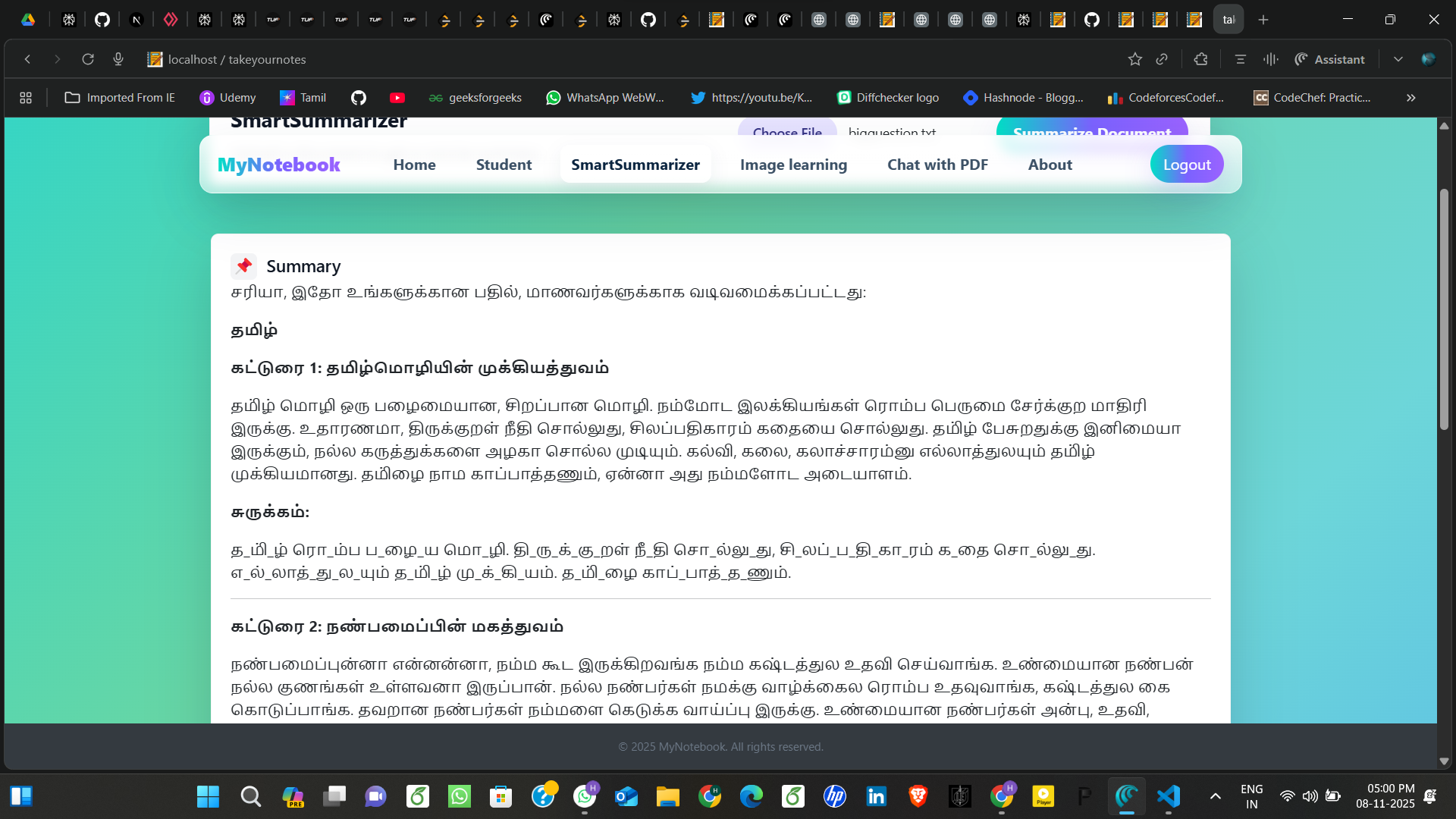
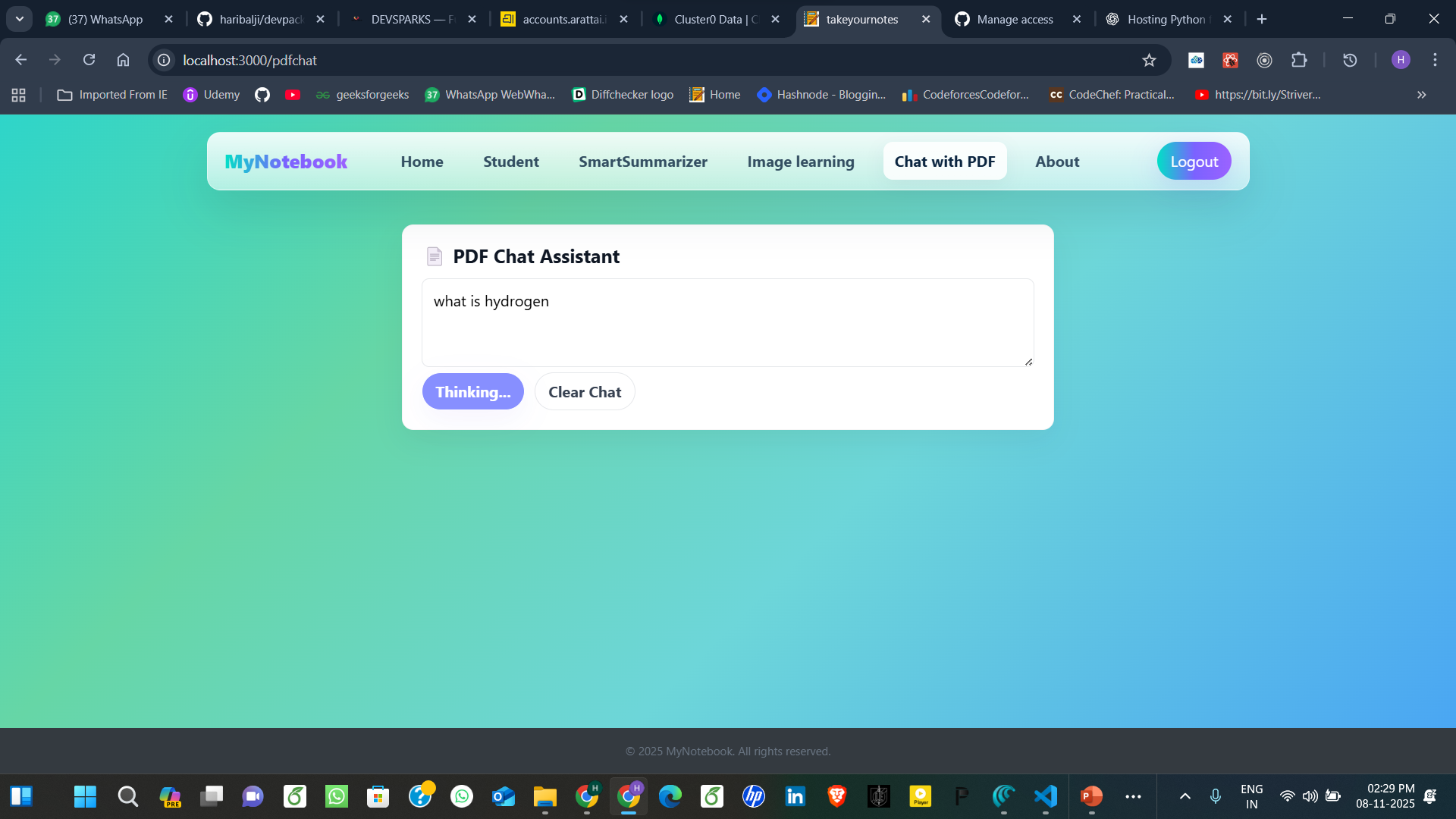
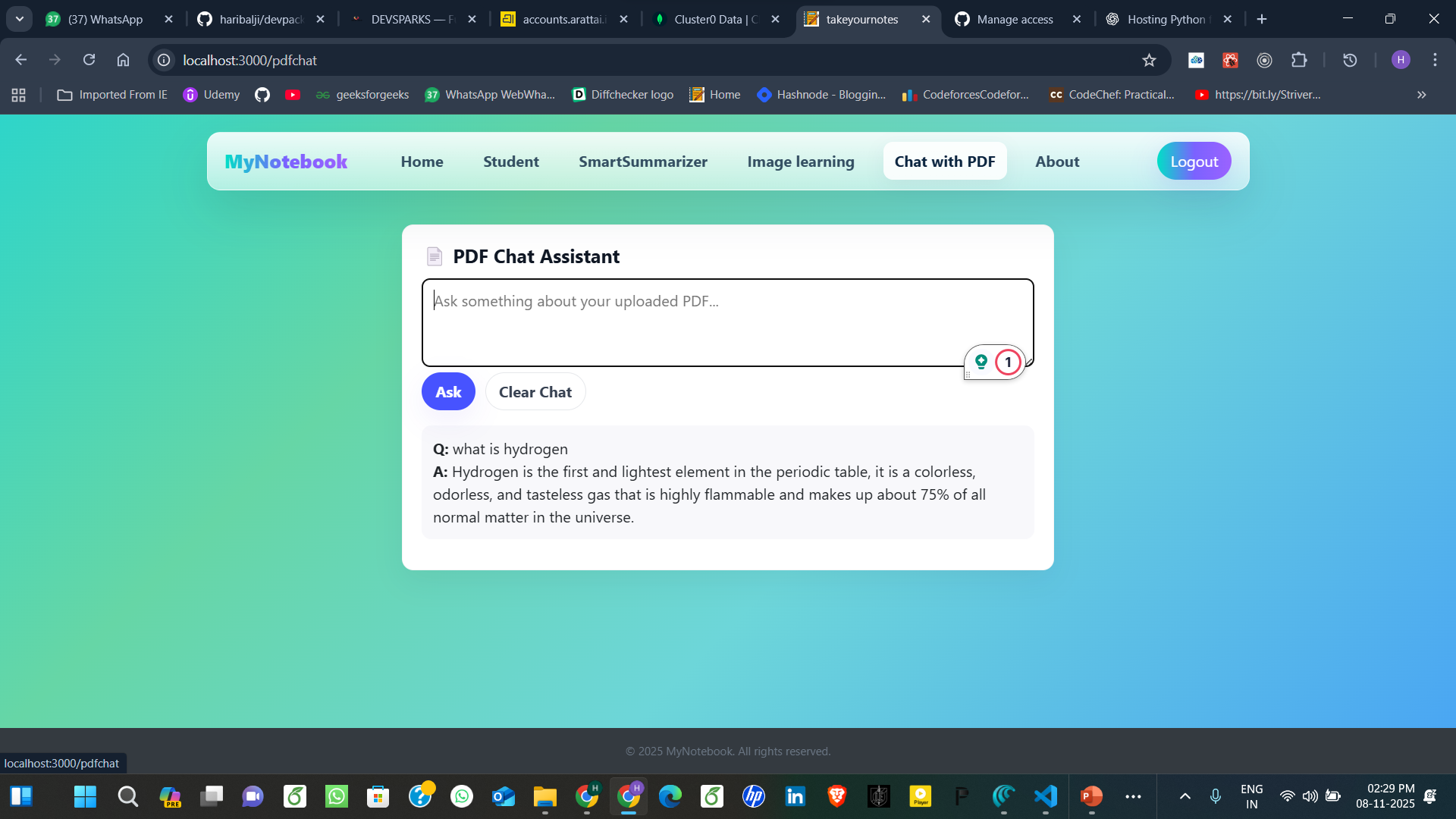
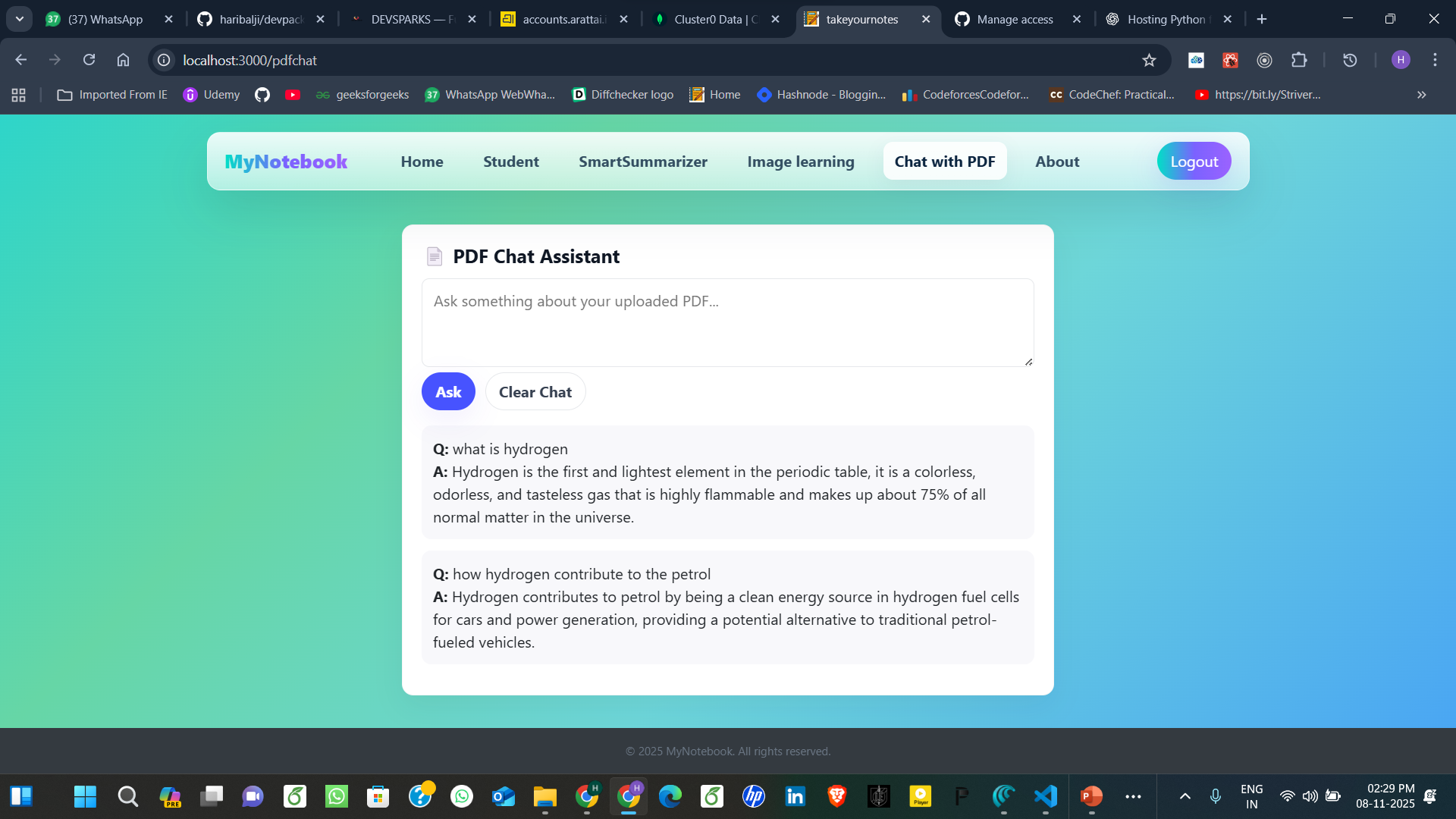
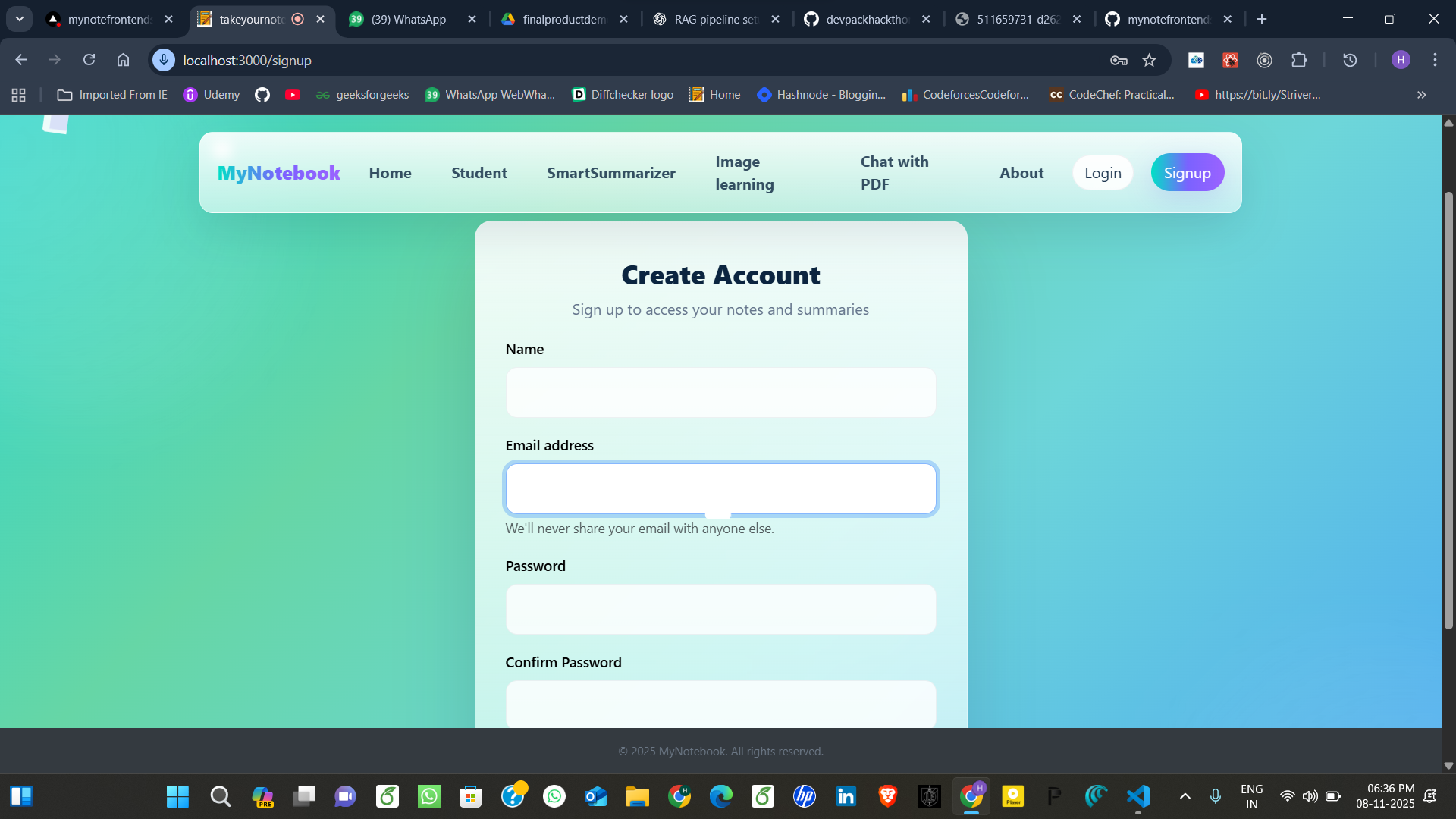
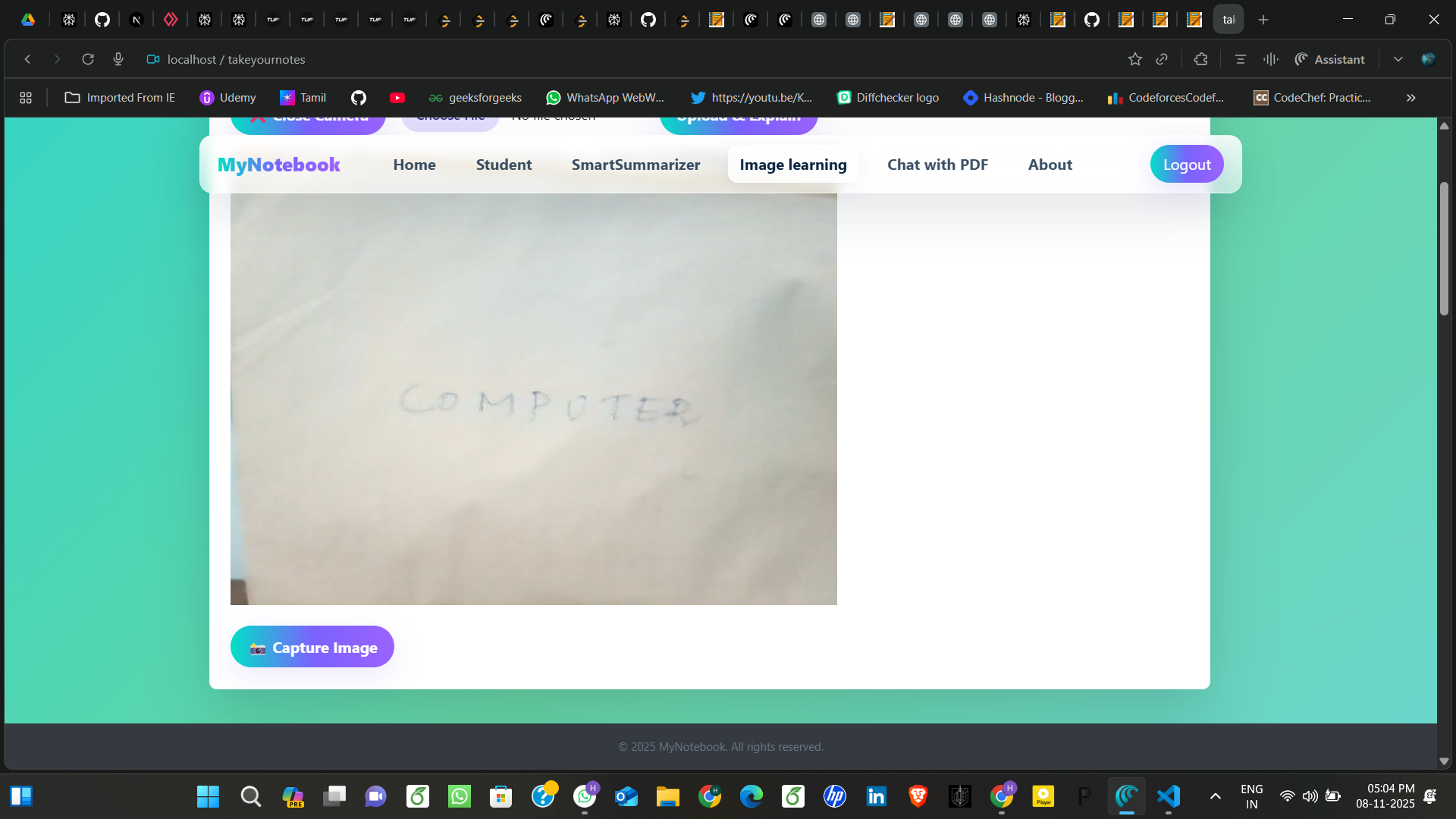
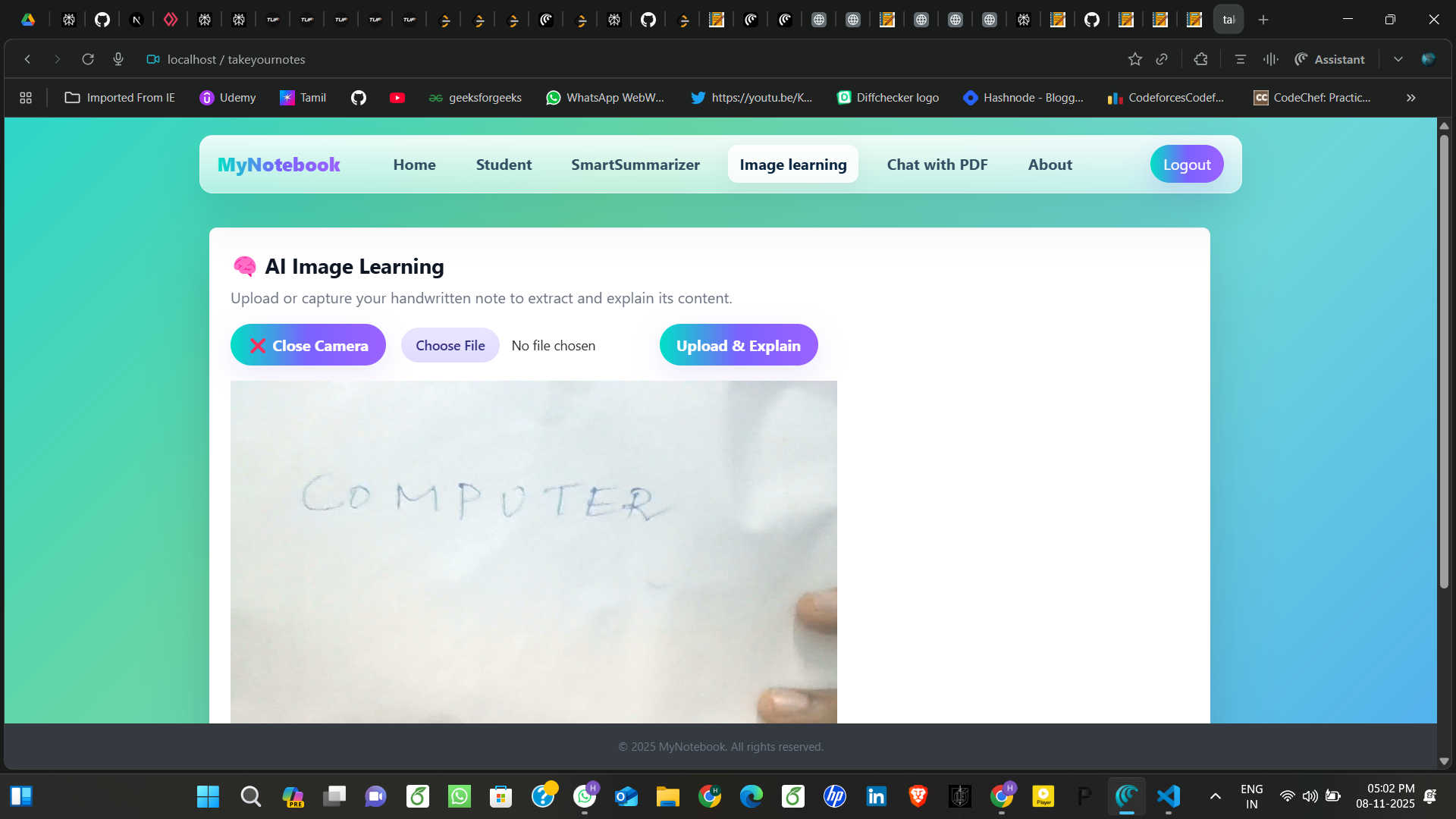
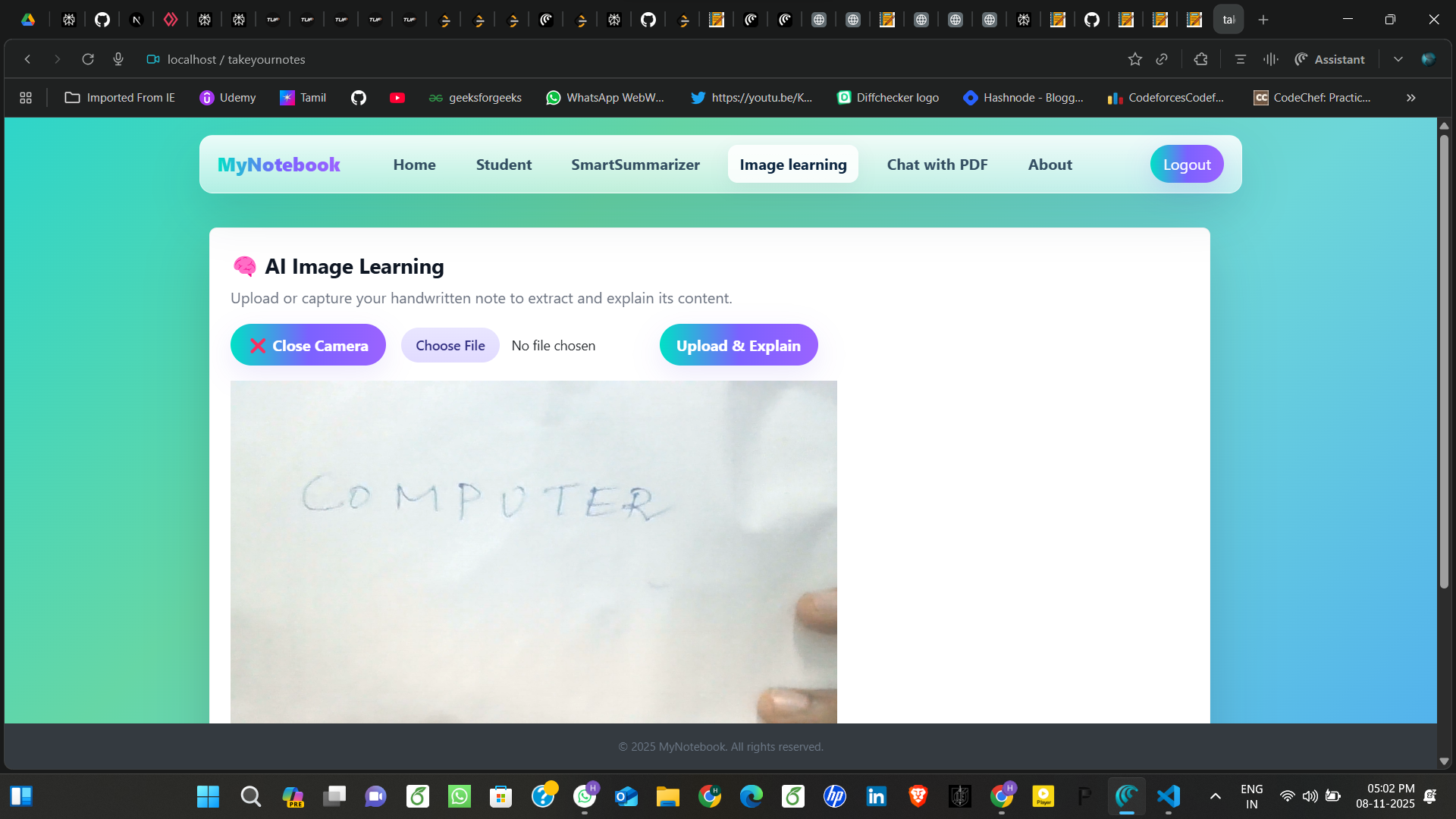
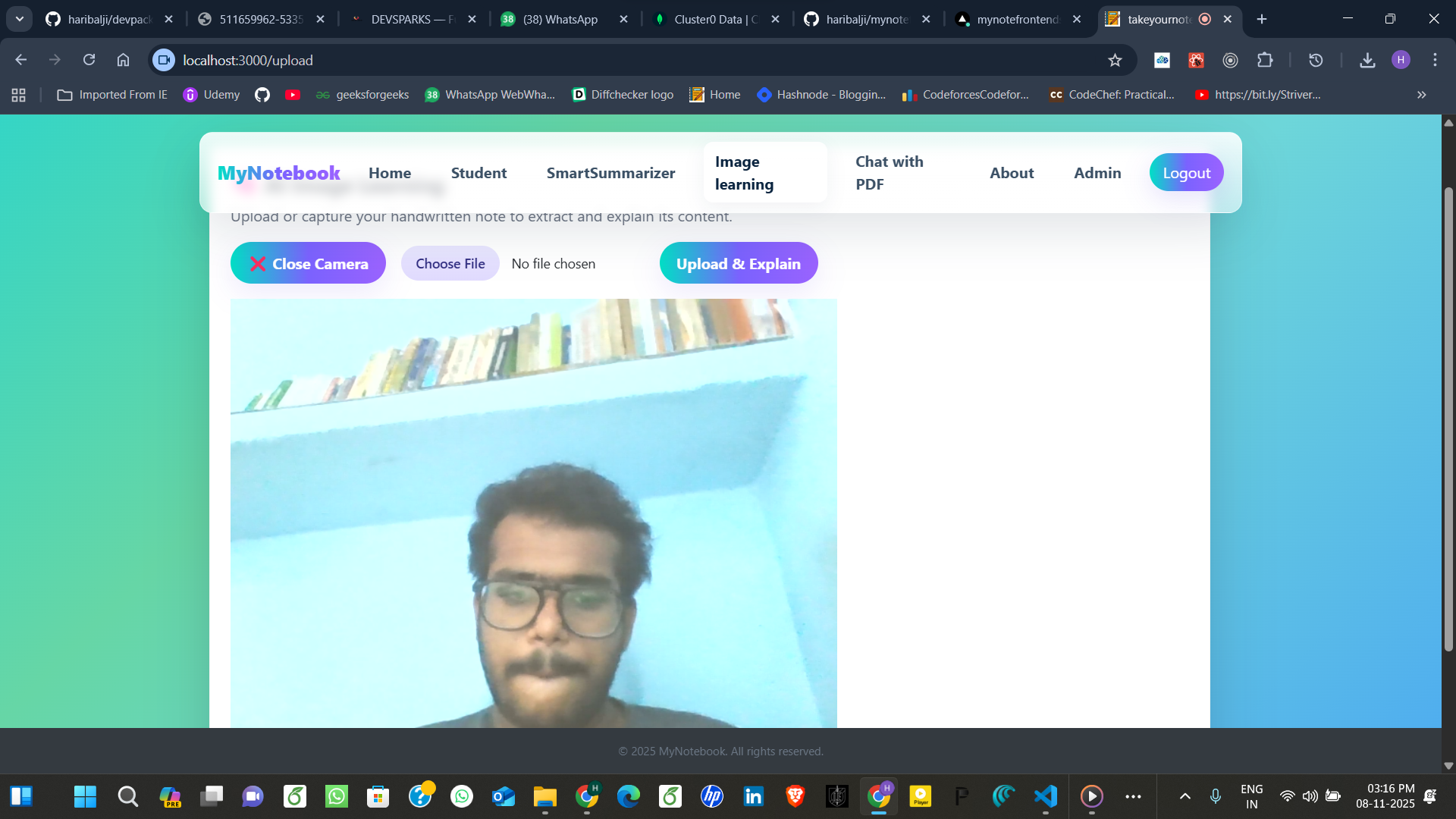
Our platform provides an end-to-end AI system that helps dyslexic learners study with ease: -Handwritten OCR (CRNN-CTC) to convert handwritten notes into clear digital text -Smart Subject + Chapter Organization using metadata -Bilingual Summaries (Tamil & English) using Gemini 2.5 Flash -RAG-based Q&A System for doubt-clearing from the student’s own notes -Optional text-to-speech for audio learning Overall, it turns messy handwritten notes into a structured, searchable, and interactive study companion.
How we built it
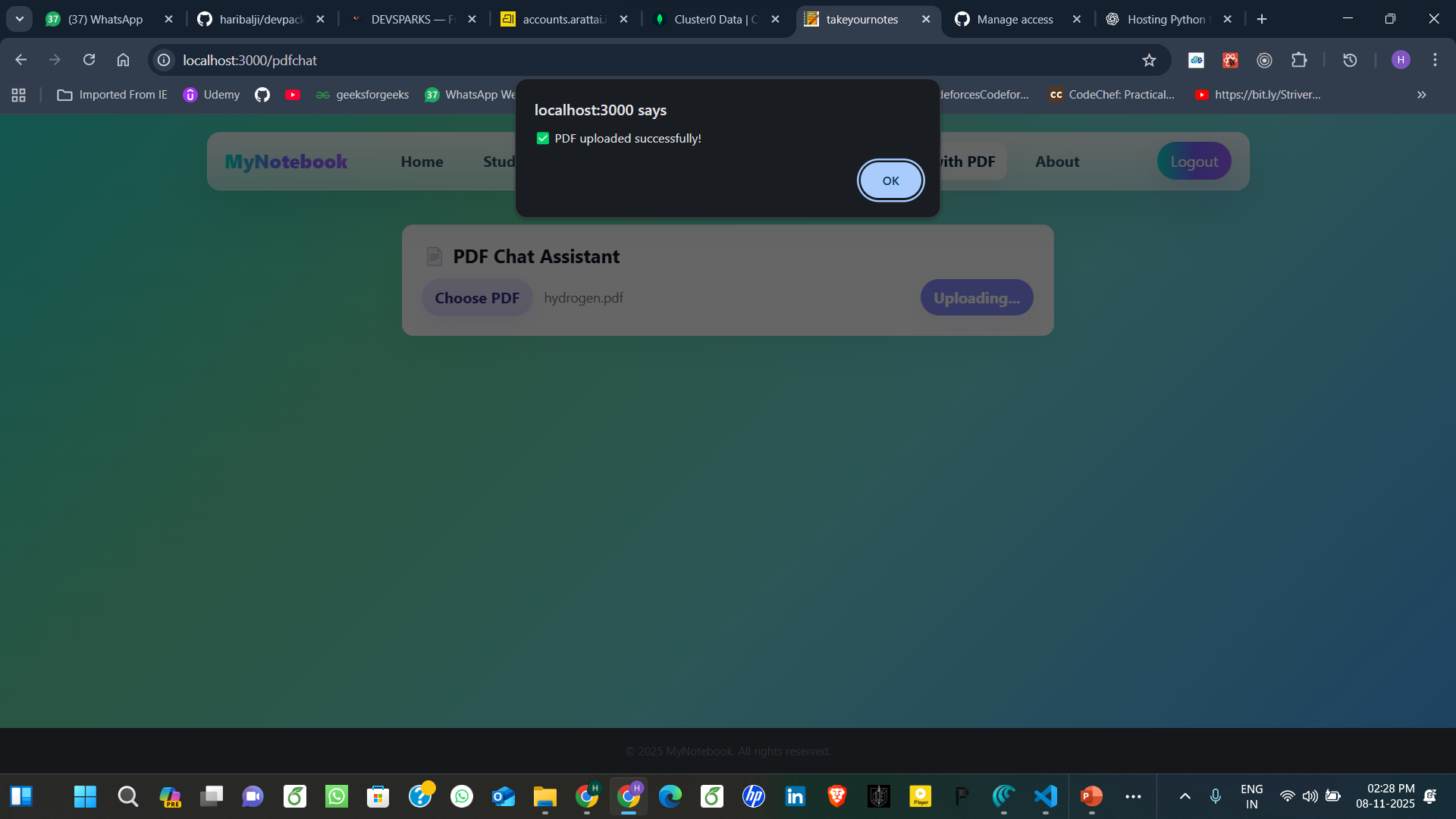
-Preprocessed handwritten note images and built a CRNN-CTC OCR pipeline -Stored extracted text in MongoDB with subject/chapter metadata -Created a Gemini bilingual summarizer optimized for dyslexic readability -Fine-tuned the meta-lambda-3-1-8B-Instruct embedding model Implemented FAISS vector search + LLaMA generator for RAG Q&A
Challenges we ran into
-Handling highly varied handwriting from students -Achieving accurate OCR with slanted or inconsistent spacing -Reducing hallucinations in the RAG pipeline -Ensuring Tamil summaries remain accurate, clear, and student-friendly -Fine-tuning embeddings to improve retrieval relevancy -Each challenge forced us to optimize our architecture and improve reliability.
Accomplishments that we're proud of
-Built a working end-to-end RAG Q&A system tailored for education -Developed bilingual dyslexia-friendly summaries -Successfully fine-tuned an embedding model for academic notes -Created a realistic and scalable AI system that can truly improve accessibility -Achieved accurate handwritten OCR, which is one of the toughest tasks in this domain
What we learned
We gained hands-on knowledge in:
-OCR pipelines and CRNN-CTC decoding -Embedding fine-tuning and semantic retrieval -RAG architecture and hallucination control -Building accessible learning tools for neurodiverse learners -Designing metadata-driven note management systems Most importantly, we learned how to make AI useful instead of just “impressive.”
What's next for Cognitive Hurdles In Note Management For Dyslexic Learners
-Mobile Capture App for real-time OCR + instant summaries
- OpenAI Sora Integration to turn notes into short educational videos
- Adaptive Learning Insights personalized for dyslexic learning patterns
- Improved multimodal RAG combining text + diagrams + handwriting
- Expand support for more Indian languages

Log in or sign up for Devpost to join the conversation.