-
-
Logo Cognition Indew
-
-
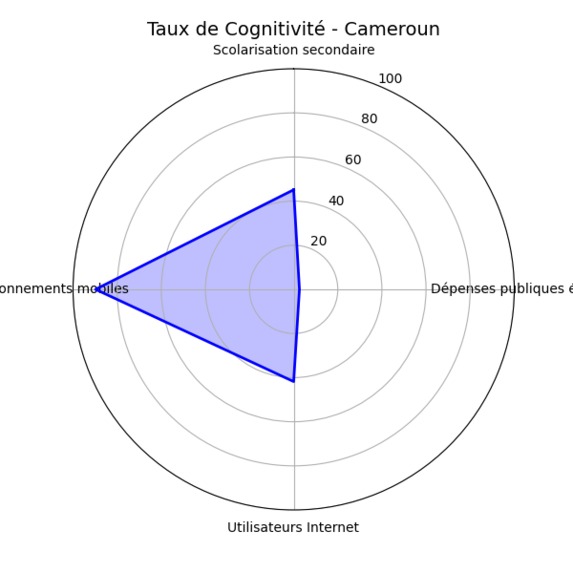
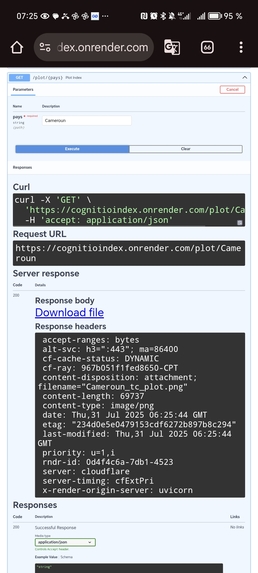
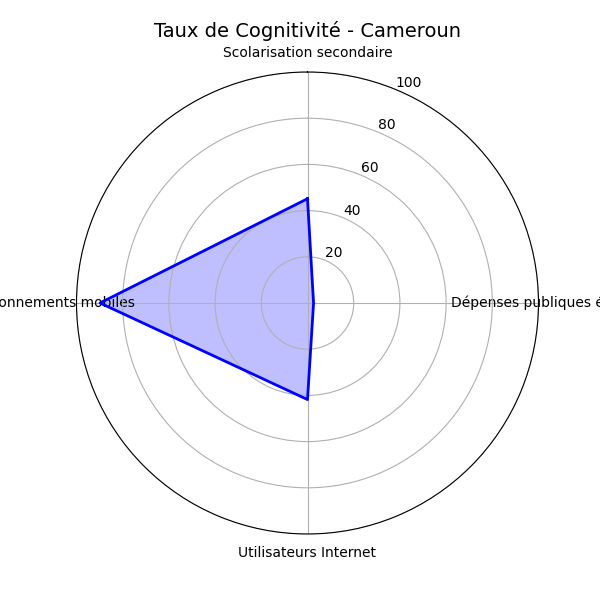
Demo plot
-
-
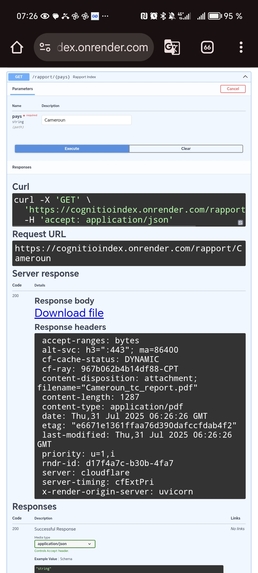
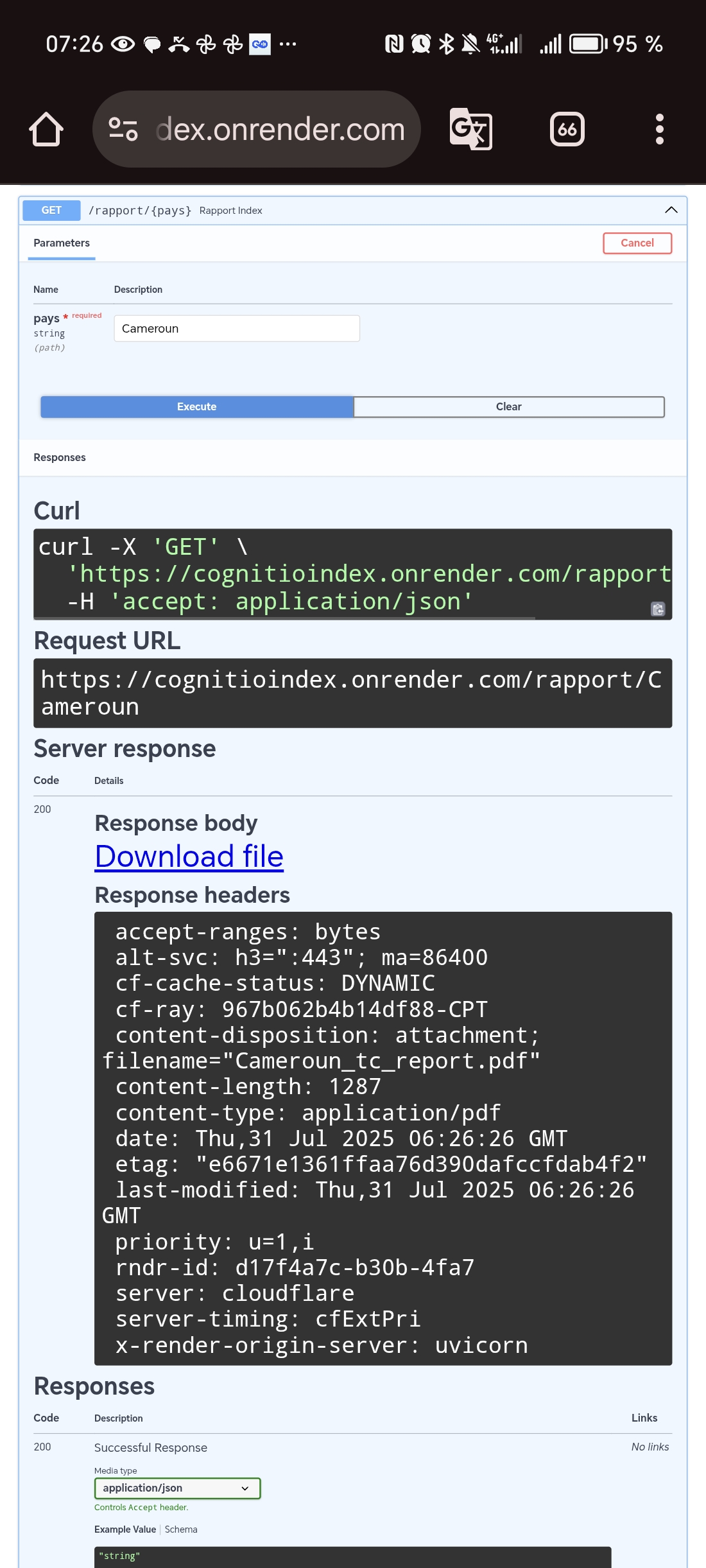
Report demo
-
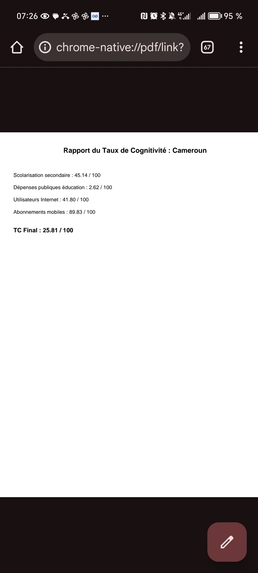
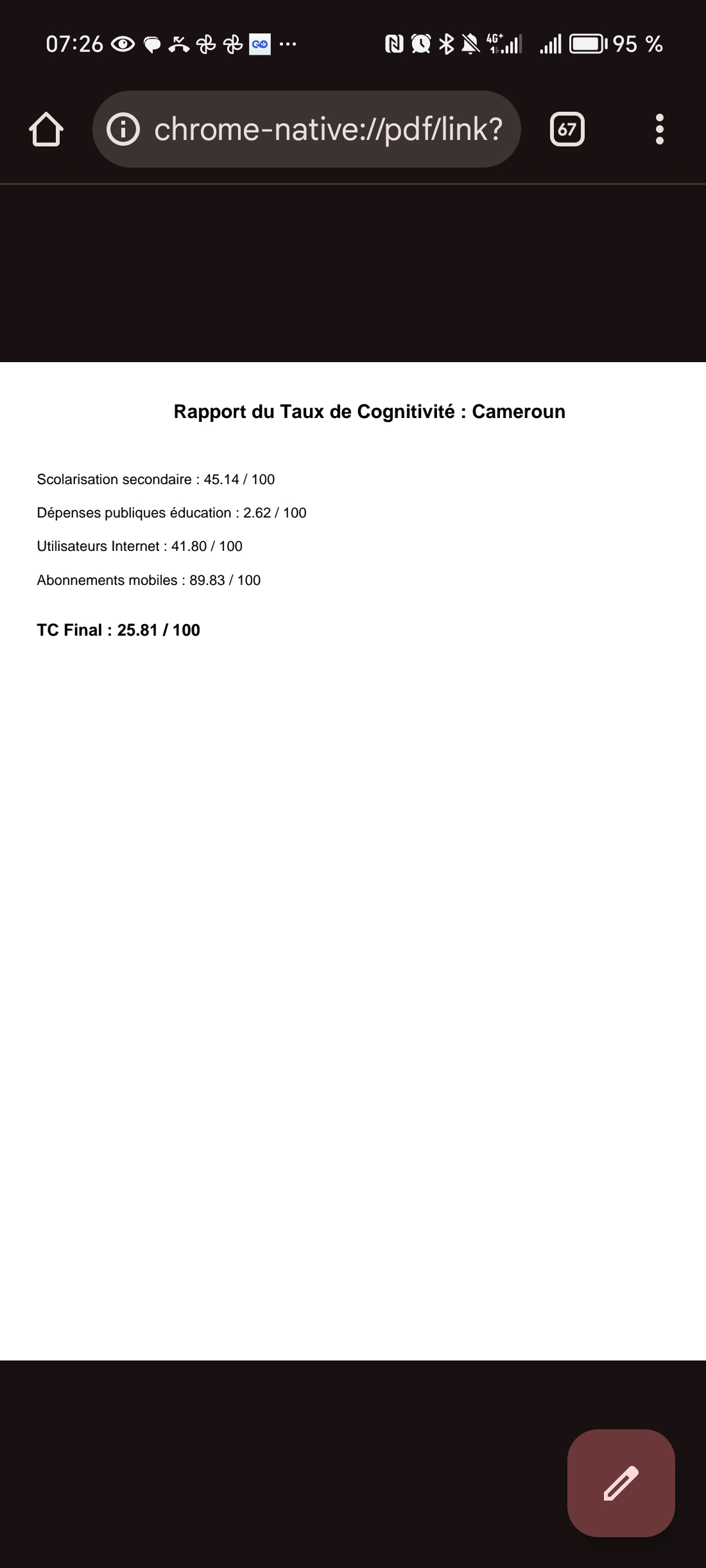
Report generated
-
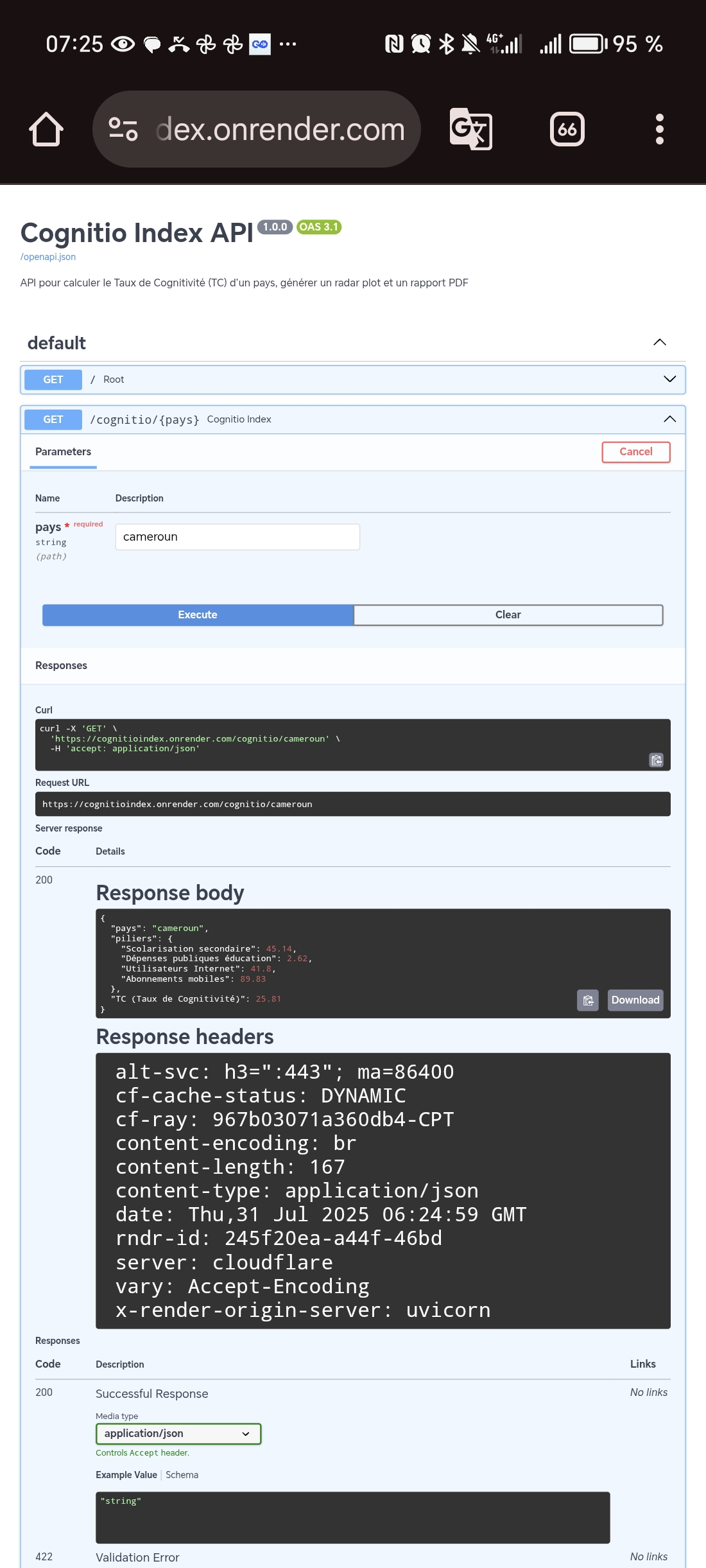
Demo


🧠 CognitIO Index – Measuring AI’s Real Impact on Human Cognition
🚀 Inspiration
While AI is expanding across Africa, we realized a critical gap:
What if we could measure the value of an AI system by how much it empowers the human brain — not just by its accuracy or ROI?
CognitIO Index was born from this idea.
It’s the first African-based cognitive impact indicator that evaluates how an AI:
- Improves human decision-making
- Boosts comprehension and autonomy
- Stimulates structured thinking and strategic actions
- Truly transforms user capabilities, especially in low-resource or informal settings
This is essential for AI for good, AI for Africa, and AI that matters.
💡 What it does
CognitIO Index is a dynamic cognitive scoring system that:
Analyzes AI use cases across five cognitive impact levels:
- \textbf{Informative} – basic info or alerts
- \textbf{Structuring} – organizes user thought or decision flow
- \textbf{Strategic} – helps compare, choose, or act
- \textbf{Adaptive} – responds to context and feedback
- \textbf{Transformational} – creates new cognitive habits or perspectives
Scores AI systems with a weighted formula based on actual user interaction
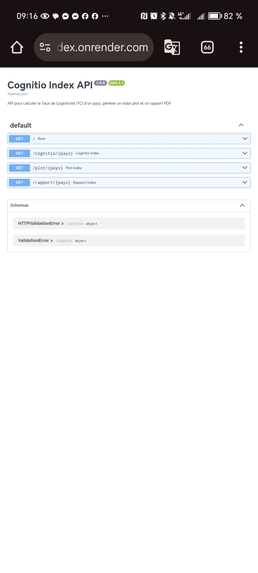
Works as a simple API or framework to evaluate existing AI (bots, assistants, platforms)
Generates feedback to AI developers for more \textit{human-centered intelligence}
🛠️ How we built it
Researched African cognitive dynamics, informal learning patterns, and practical decision-making
Designed a 5-level CognitIO framework based on:
- Neuroscience
- Behavioral learning theories
- Socio-digital usage in African rural/urban contexts
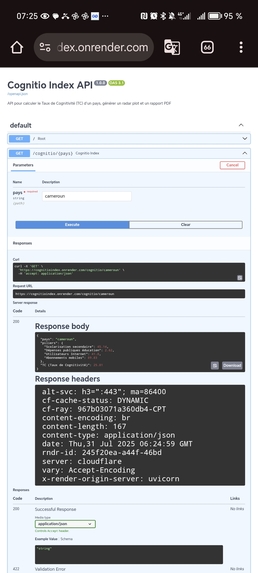
Created an early prototype of a scoring API (Python + FastAPI)
Applied it to real use cases like \textbf{SheAgroIA} (Telegram AI assistant for rural women farmers)
Built a simple interface to visualize evolution of the cognitive score over time
⚠️ Challenges we ran into
Turning abstract cognitive principles into concrete, quantifiable metrics
Avoiding academic bias while ensuring scientific credibility
Adapting the scoring to very low-tech interactions (voice, basic text, zero interface)
Handling diverse user profiles: semi-literate, multilingual, culturally distinct
🏅 Accomplishments that we're proud of
Created the \textbf{first African cognitive impact index} tailored to local realities
Designed a usable scoring API that integrates into any AI pipeline
Successfully tested it with MVPs targeting:
- Agriculture (SheAgroIA)
- Health (CareIA, in progress)
- Education (PyMini, in progress)
Built an impact-first approach that redefines how we evaluate AI in Africa
📚 What we learned
\textbf{AI impact is not about being smart, but about making others smarter}
Cognitive empowerment can be tracked — and should be
Scalable impact starts with how people think, decide, and grow
Africa needs metrics that reflect its own cognitive value systems, not imported KPIs
