Inspiration
The inspiration behind CogniPlay came from the idea of making cognitive testing both fun and accessible through engaging puzzle games. We wanted to break away from traditional cognitive assessments by introducing interactive games that would appeal to users of all ages while still providing valuable insights into their cognitive health.
What it does
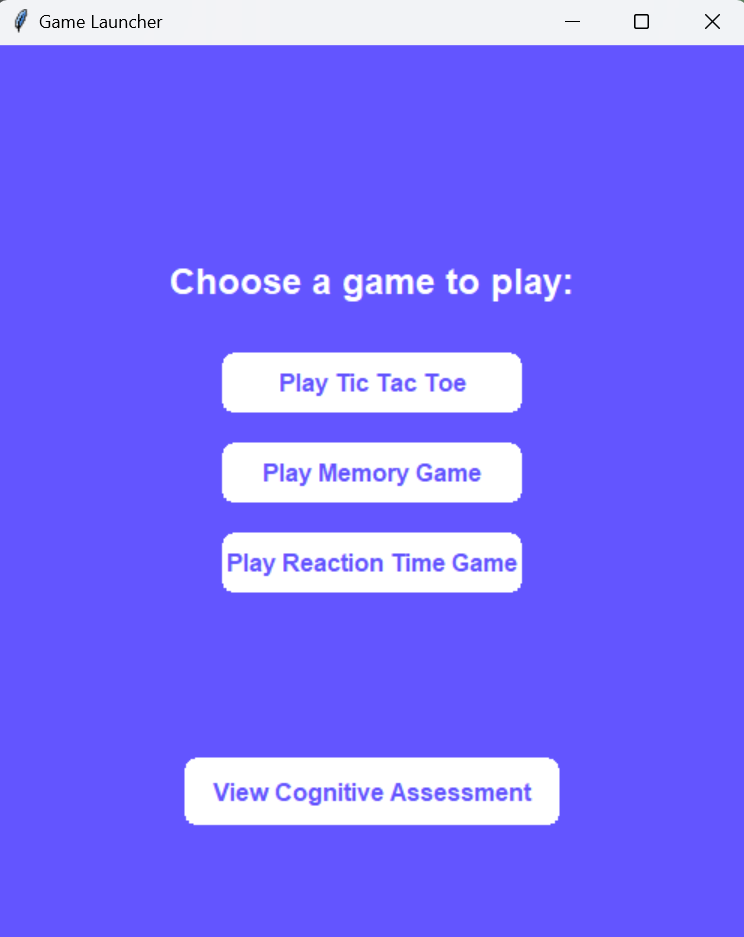
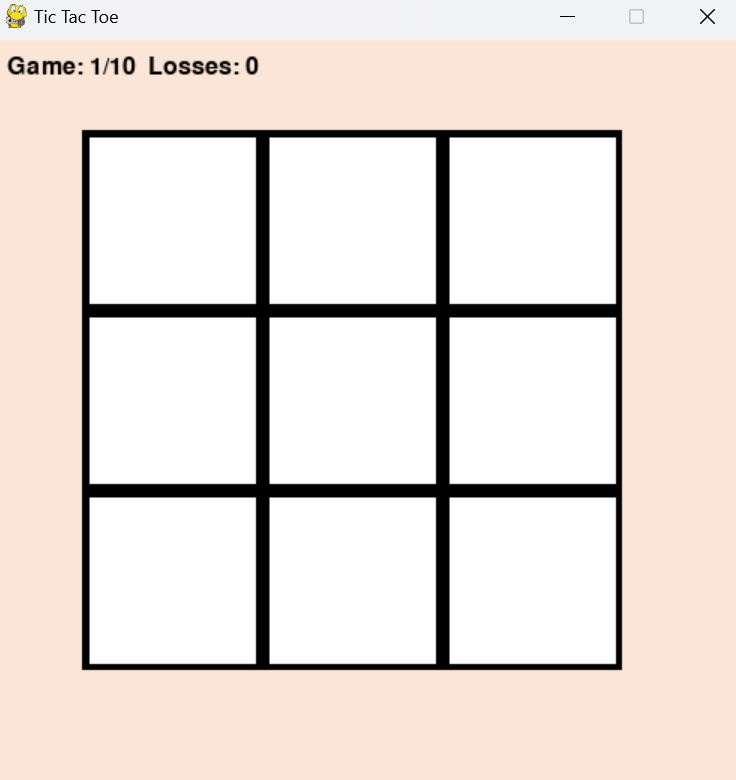
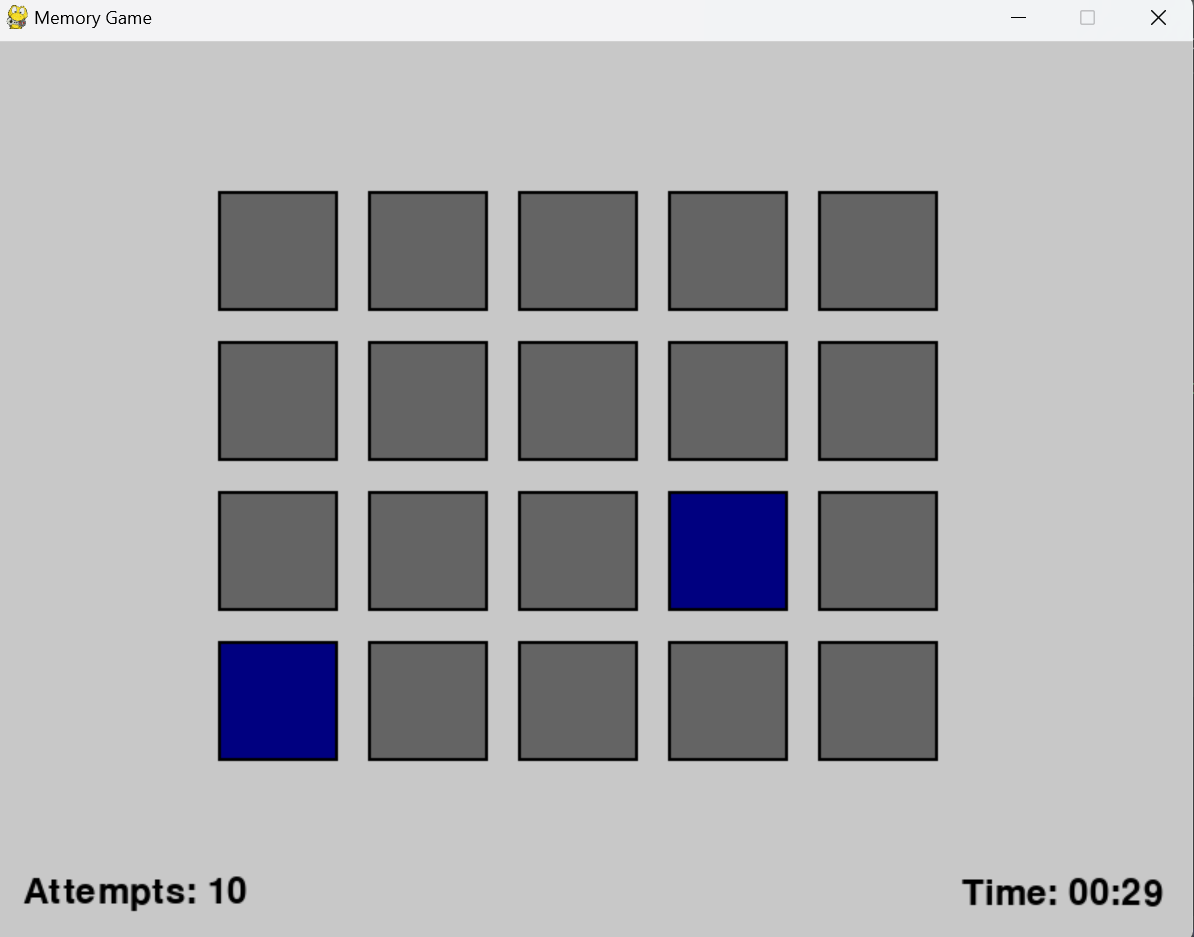
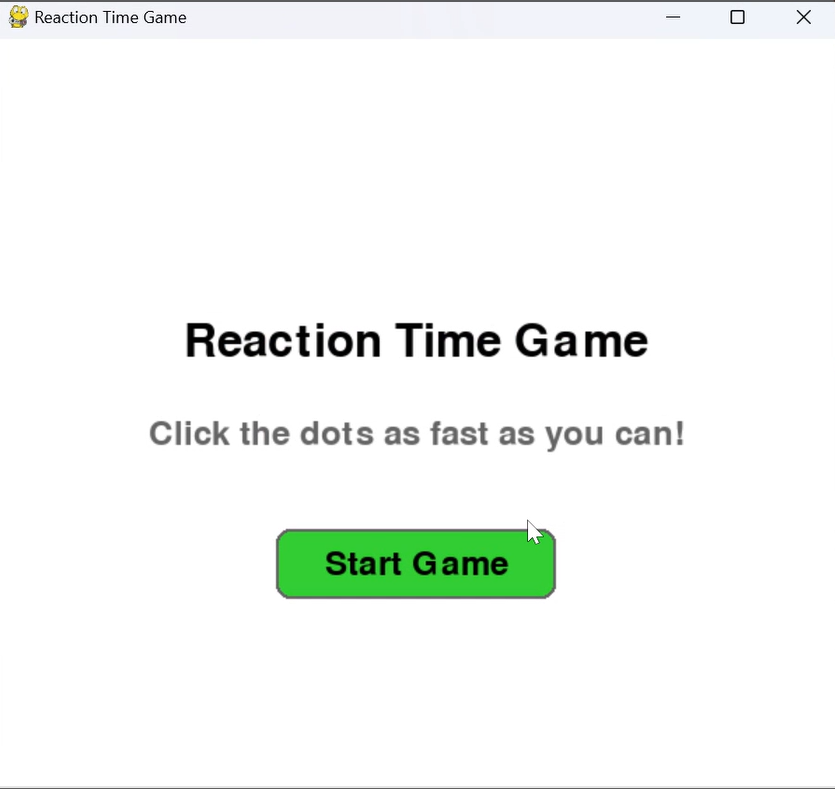
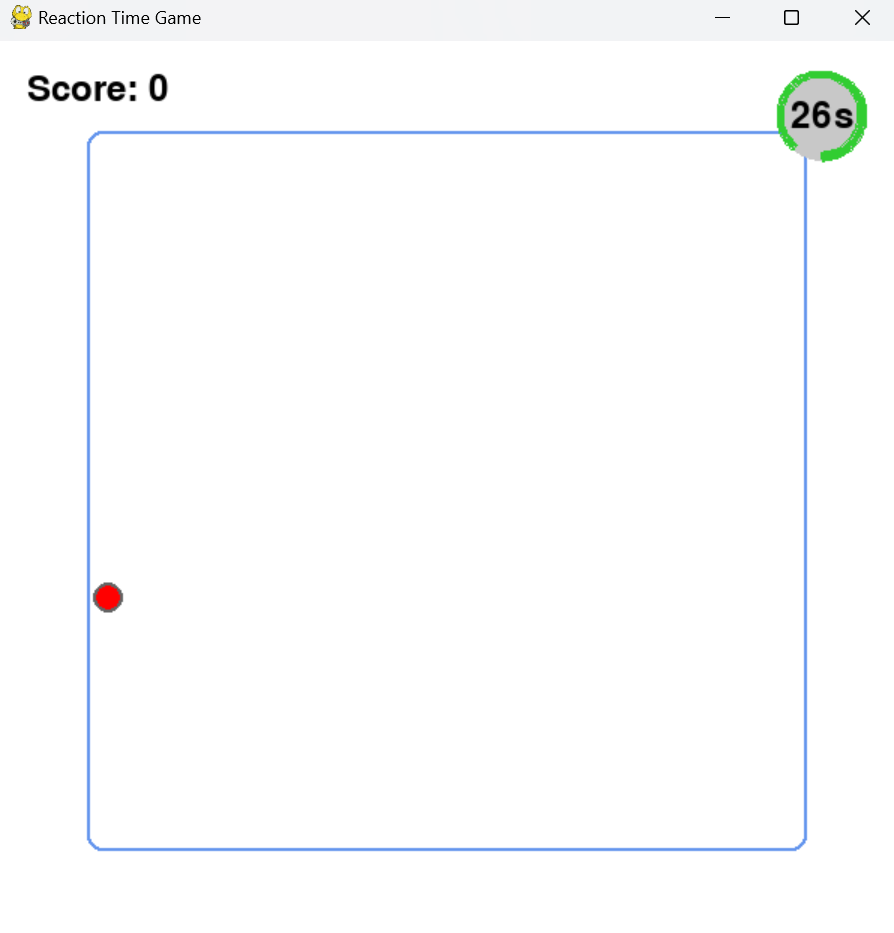
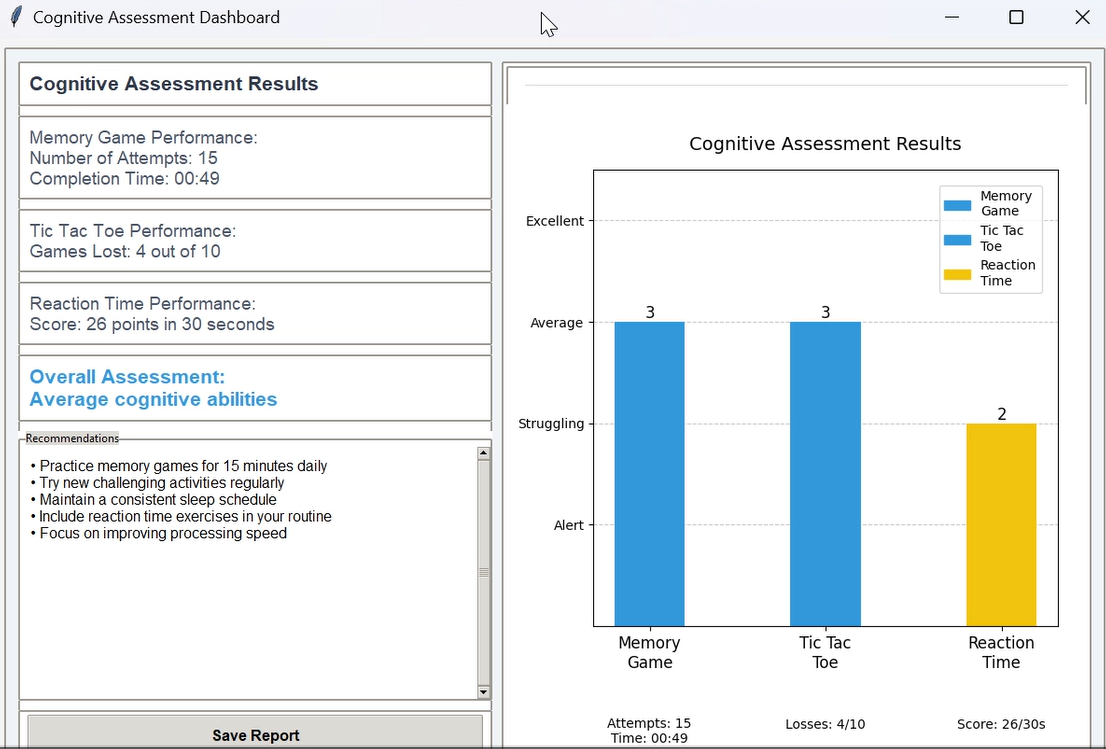
We offer a suite of mini-games, including color-matching tests, Tic-Tac-Toe, and click-speed challenges, to assess various cognitive abilities like memory, problem-solving, and reaction time. After completing the games, users receive a comprehensive report that outlines their cognitive efficiency across these domains, along with personalized recommendations for improvement.
How we built it
We developed CogniPlay using Python and the Tkinter library for the user interface. The memory game tracks user attempts and timing, Tic-Tac-Toe monitors strategic losses, and the reaction time test captures speed data. Game results are analyzed and compiled into a detailed report in JSON format, providing users with actionable feedback on their cognitive performance.
Challenges we ran into
One major challenge was balancing game difficulty with cognitive assessment accuracy. We needed the games to be engaging but still rigorous enough to provide meaningful data. Additionally, integrating the game logic and ensuring a smooth user experience across multiple games in the interface required careful coordination of design and functionality.
Accomplishments that we're proud of
We are particularly proud of the report generation feature, which gives users clear insights into their cognitive abilities based on their game performance. In terms of future applications, aside from the generation of an individual patient's report, we also keep track of all user data in a csv file to train a machine learning model to better classify these cognitive conditions. We hope this information will be greatly beneficial to hospitals.
What we learned
Through developing CogniPlay, we learned the importance of balancing fun and assessment. Creating engaging games that also serve as effective cognitive tests taught us a lot about game design and data-driven analysis. Additionally, we honed our skills in user interface design and JSON data management for tracking and reporting patient health.
What's next for CogniPlay
Next steps for CogniPlay include expanding the range of games to cover more skills, such as spatial reasoning and verbal fluency, and incorporating AI for personalized feedback. We hope to advance our classification system through a ML model and be a useful program / cognition test in hospitals across the nation.

Log in or sign up for Devpost to join the conversation.