-
-
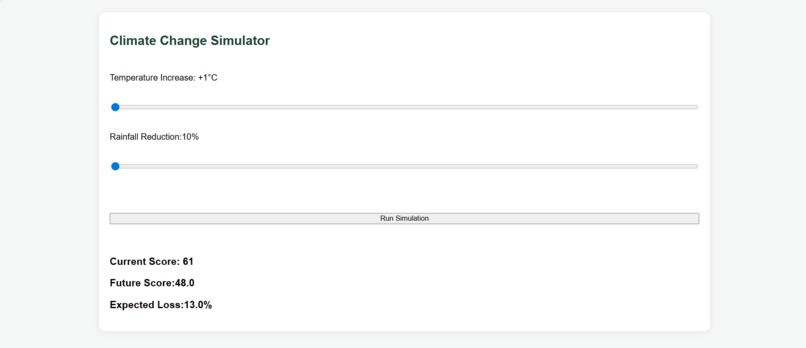
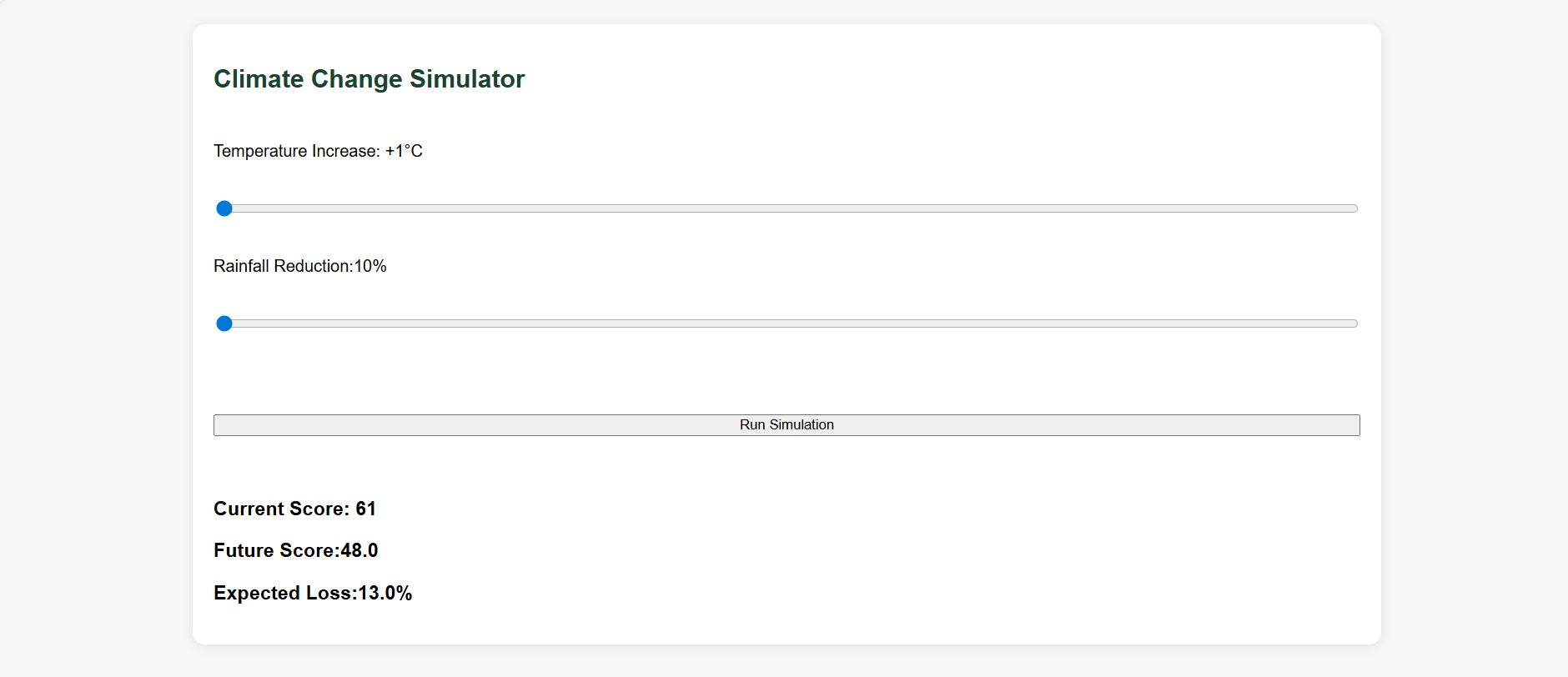
Simulation module demonstrating how climate variables influence biodiversity health and ecosystem stability.
-
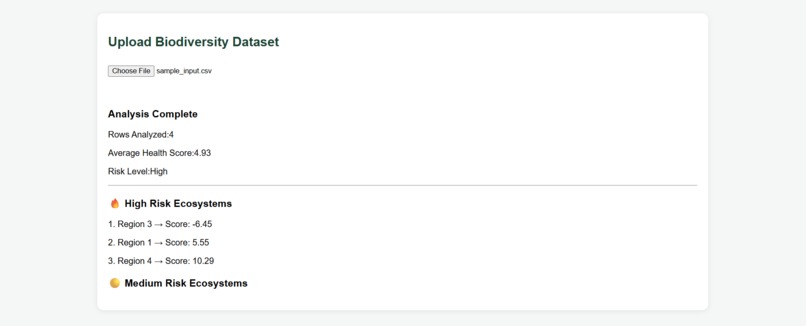
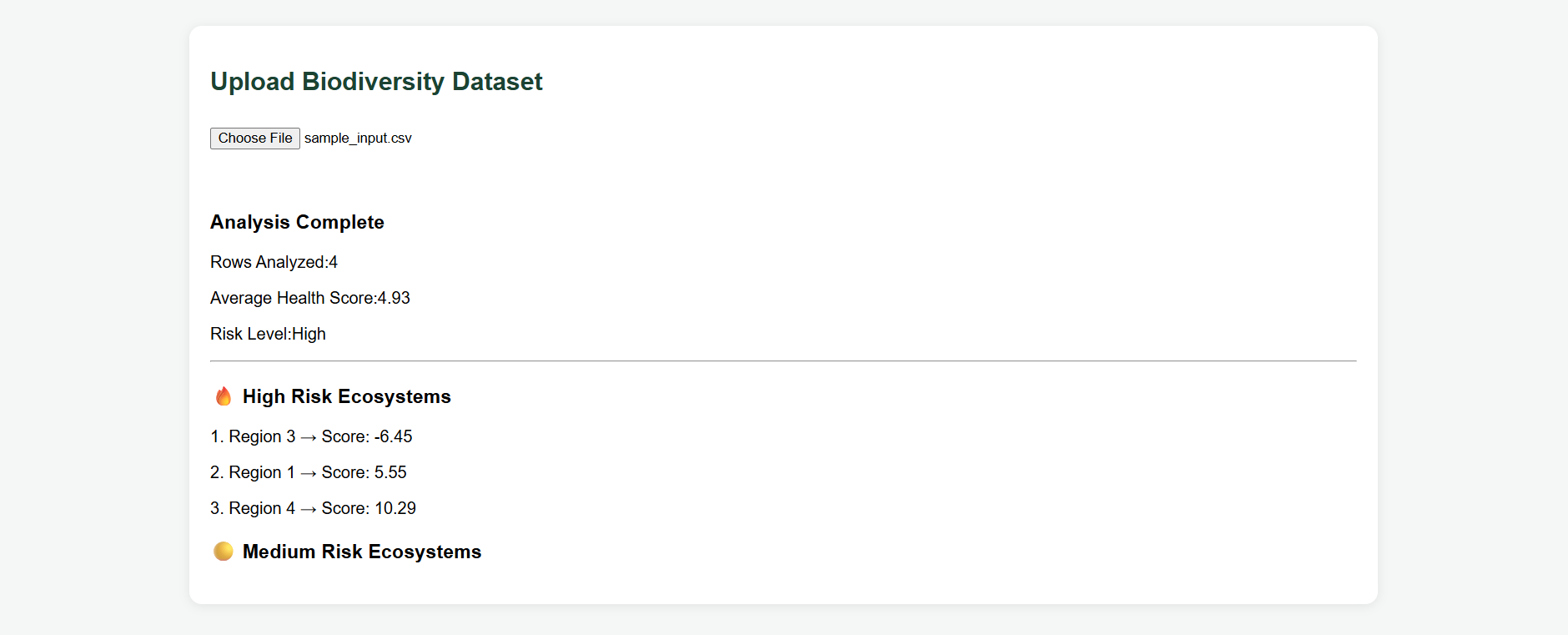
Comprehensive regional assessment showing biodiversity indicators, ecological trends, and conservation priorities.
-
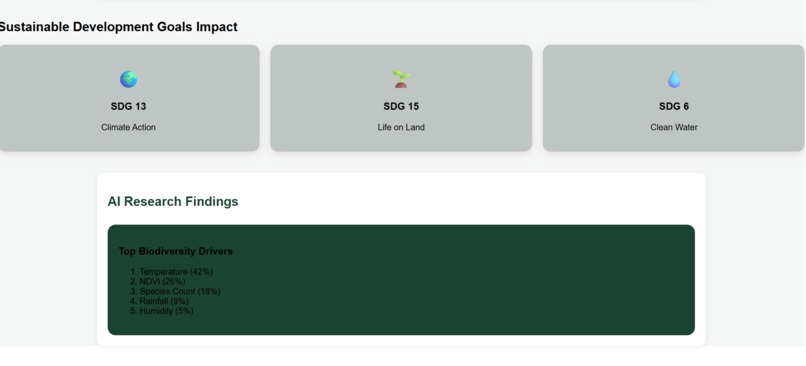
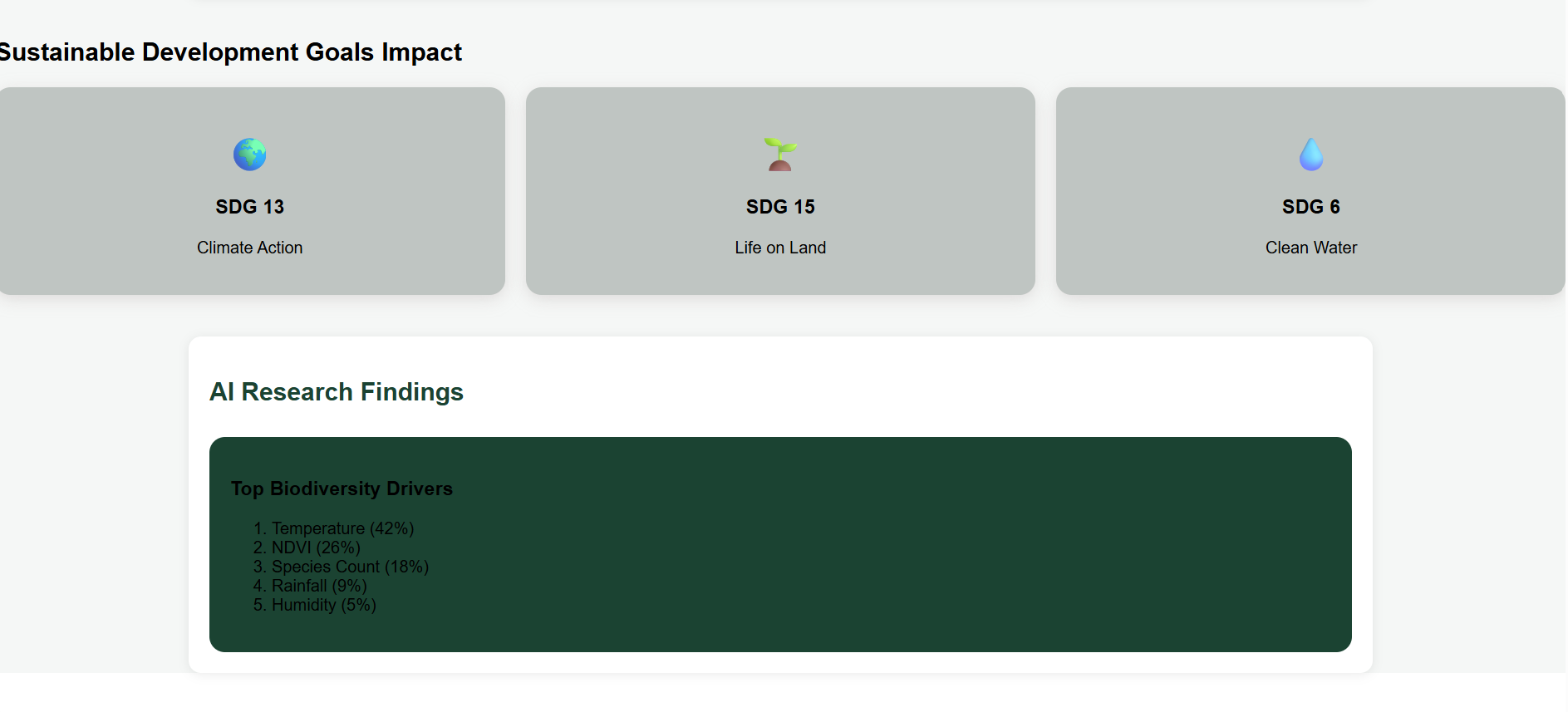
Alignment with United Nations Sustainable Development Goals, supporting Climate Action, Life on Land, and Water Sustainability.
-
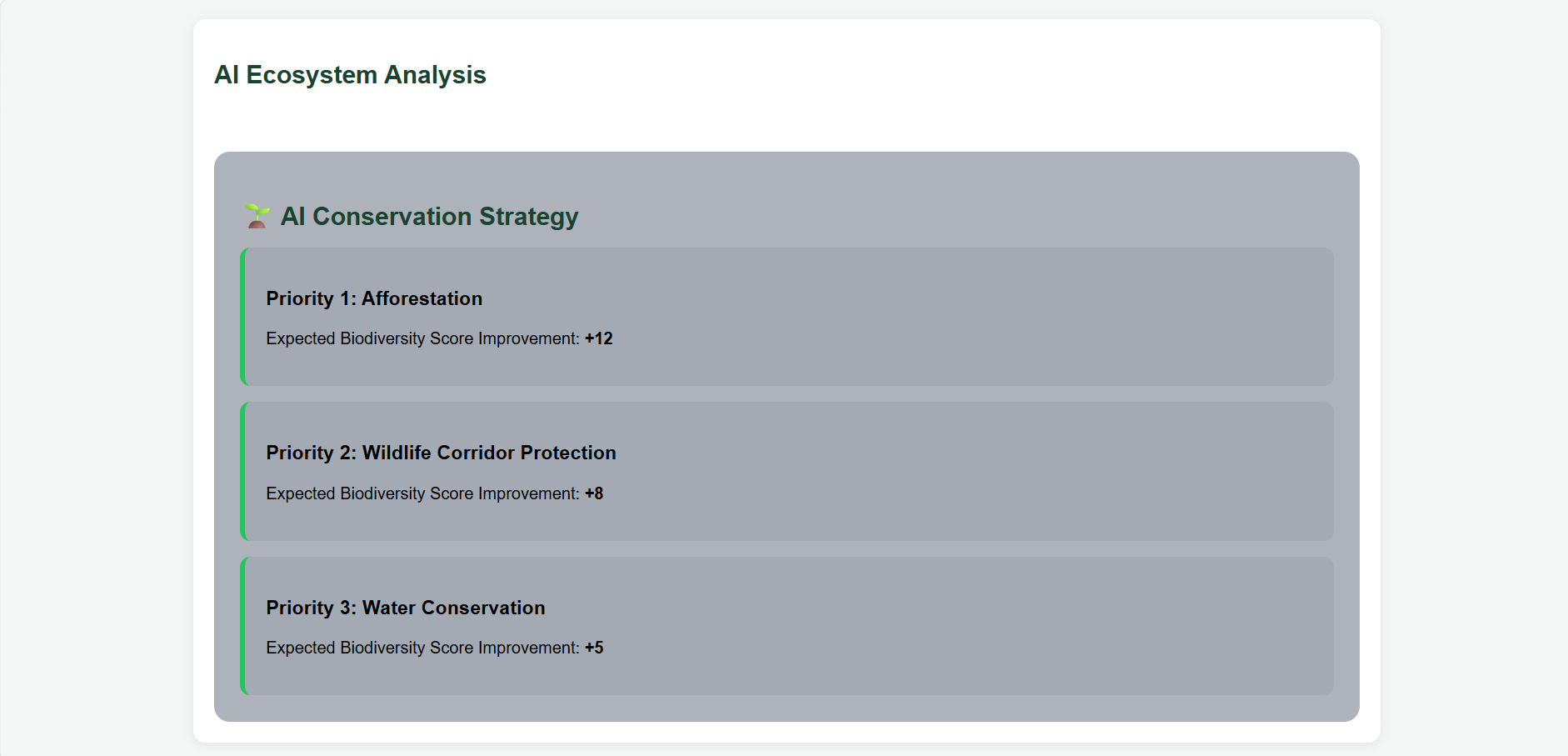
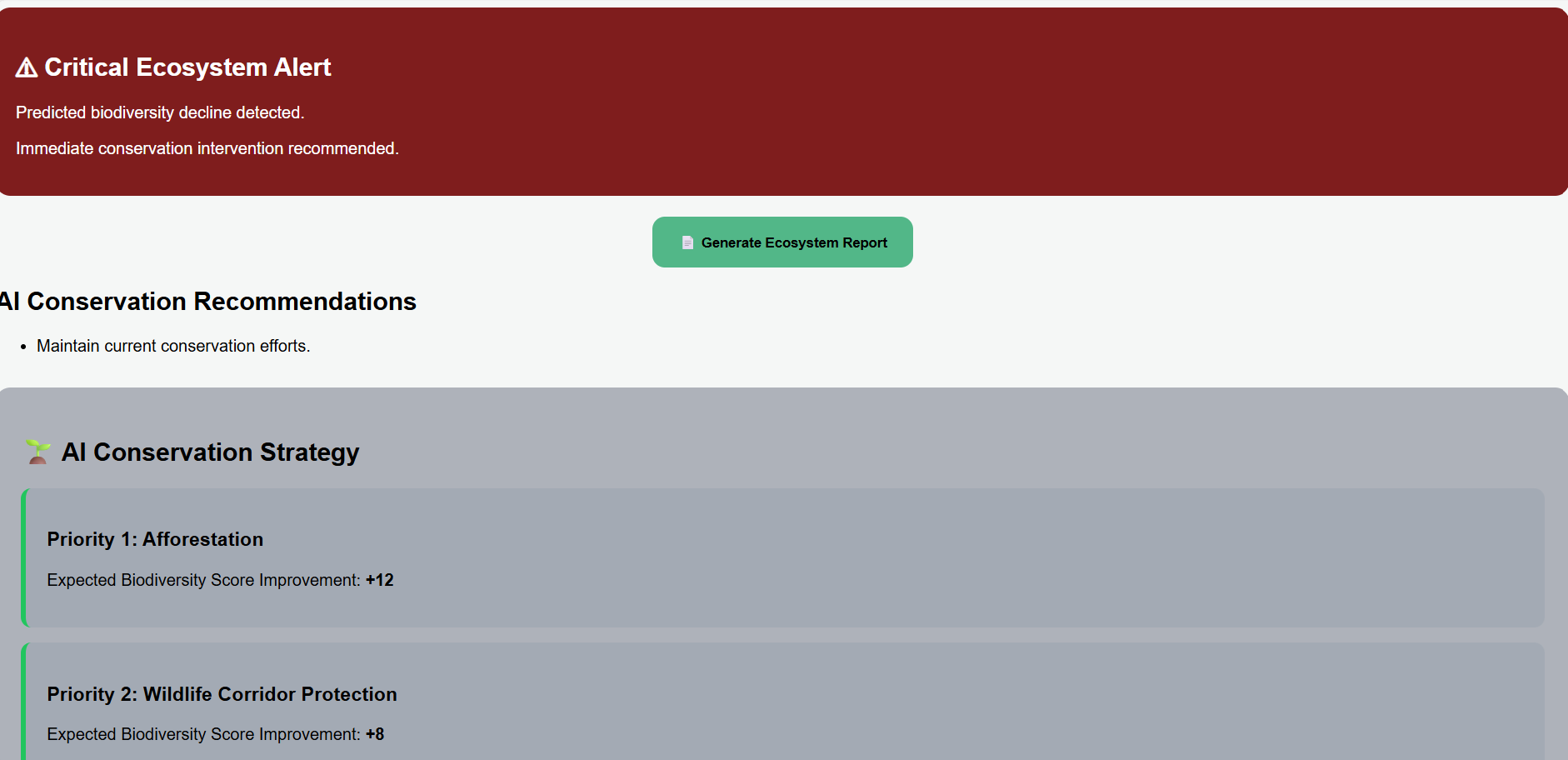
AI-generated conservation strategies designed to improve ecosystem resilience and biodiversity sustainability.
-
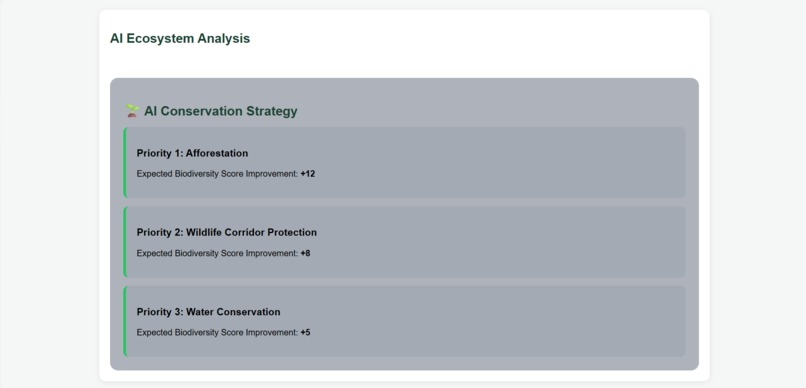
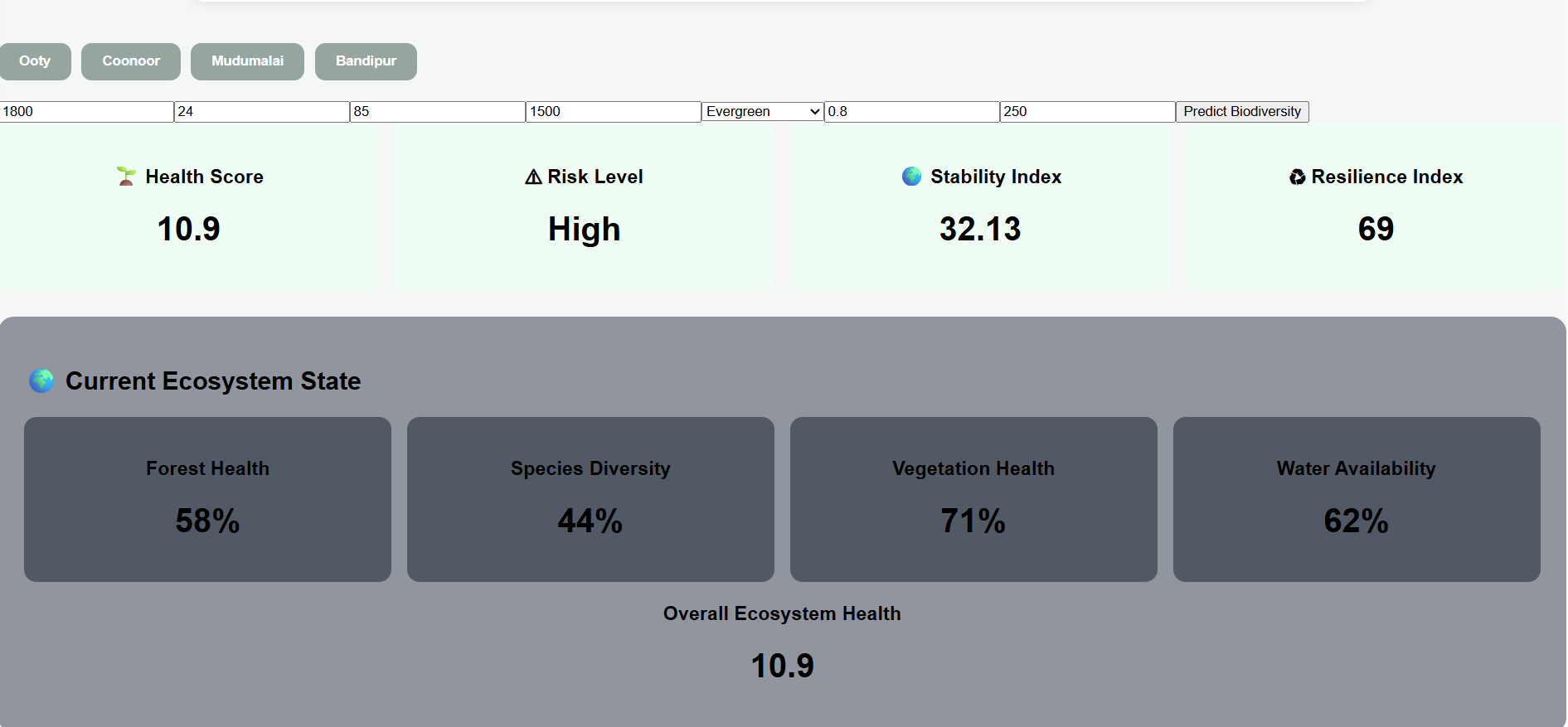
AI-powered ecosystem analysis dashboard presenting biodiversity health scores and environmental performance metrics.
-
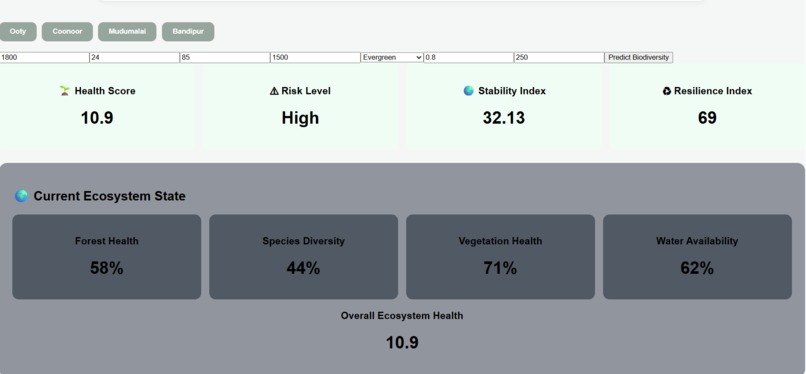
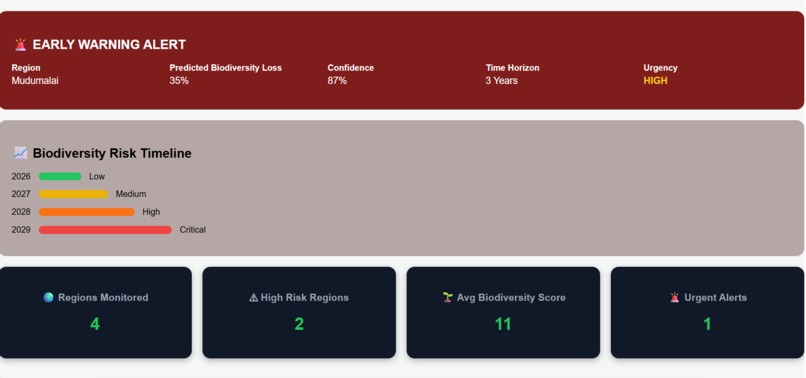
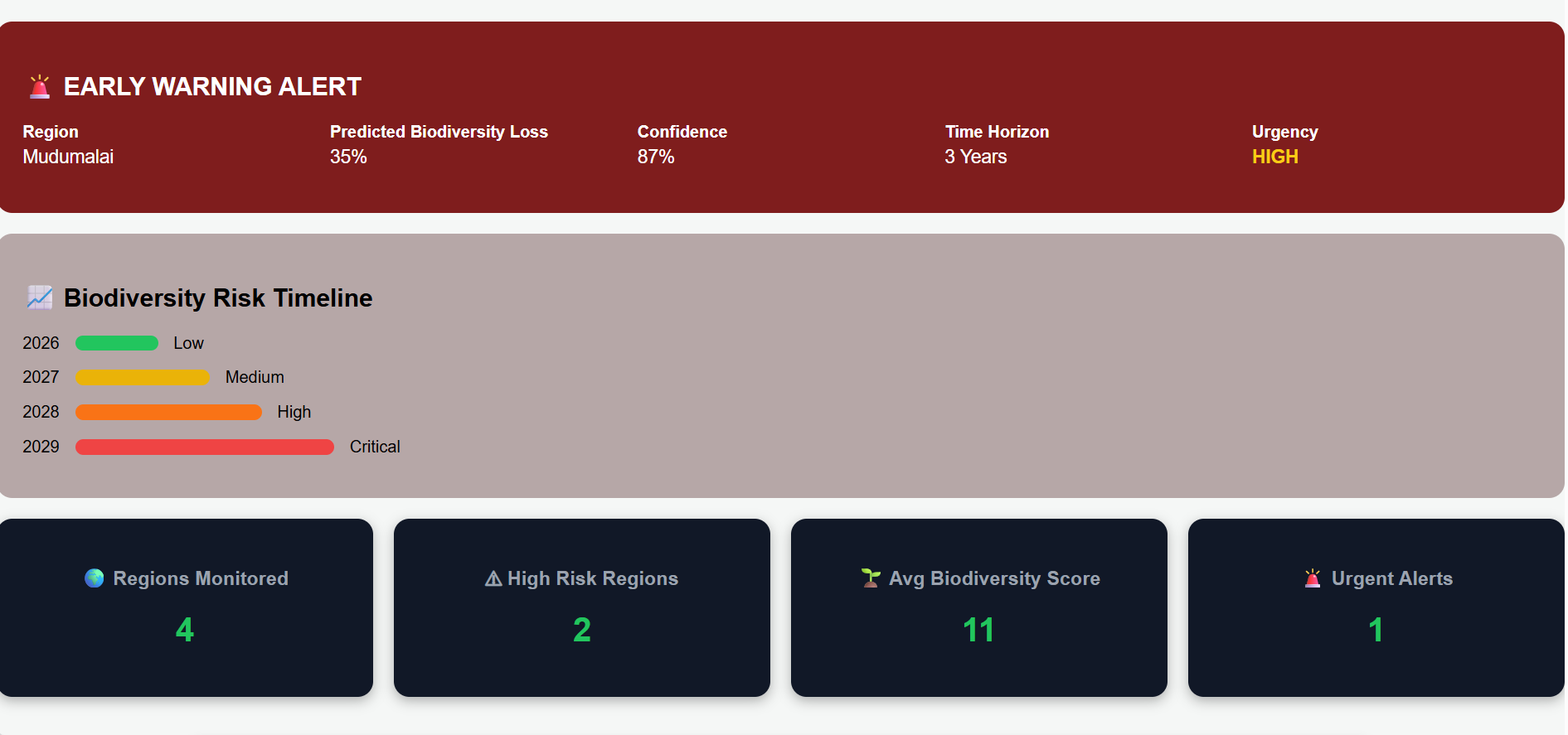
Early warning system identifying potential biodiversity decline and generating risk-based ecosystem alerts.
-
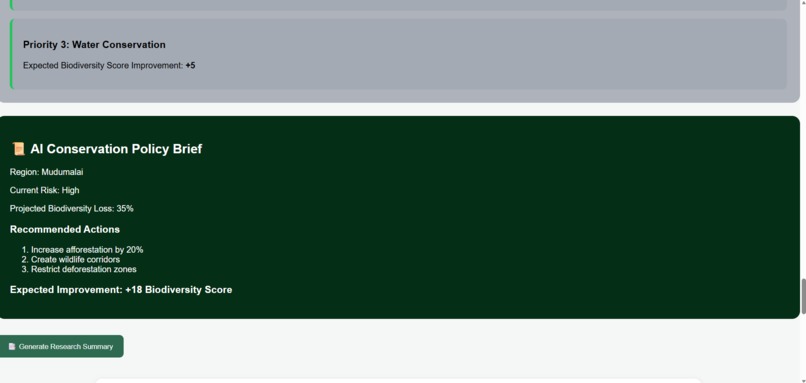
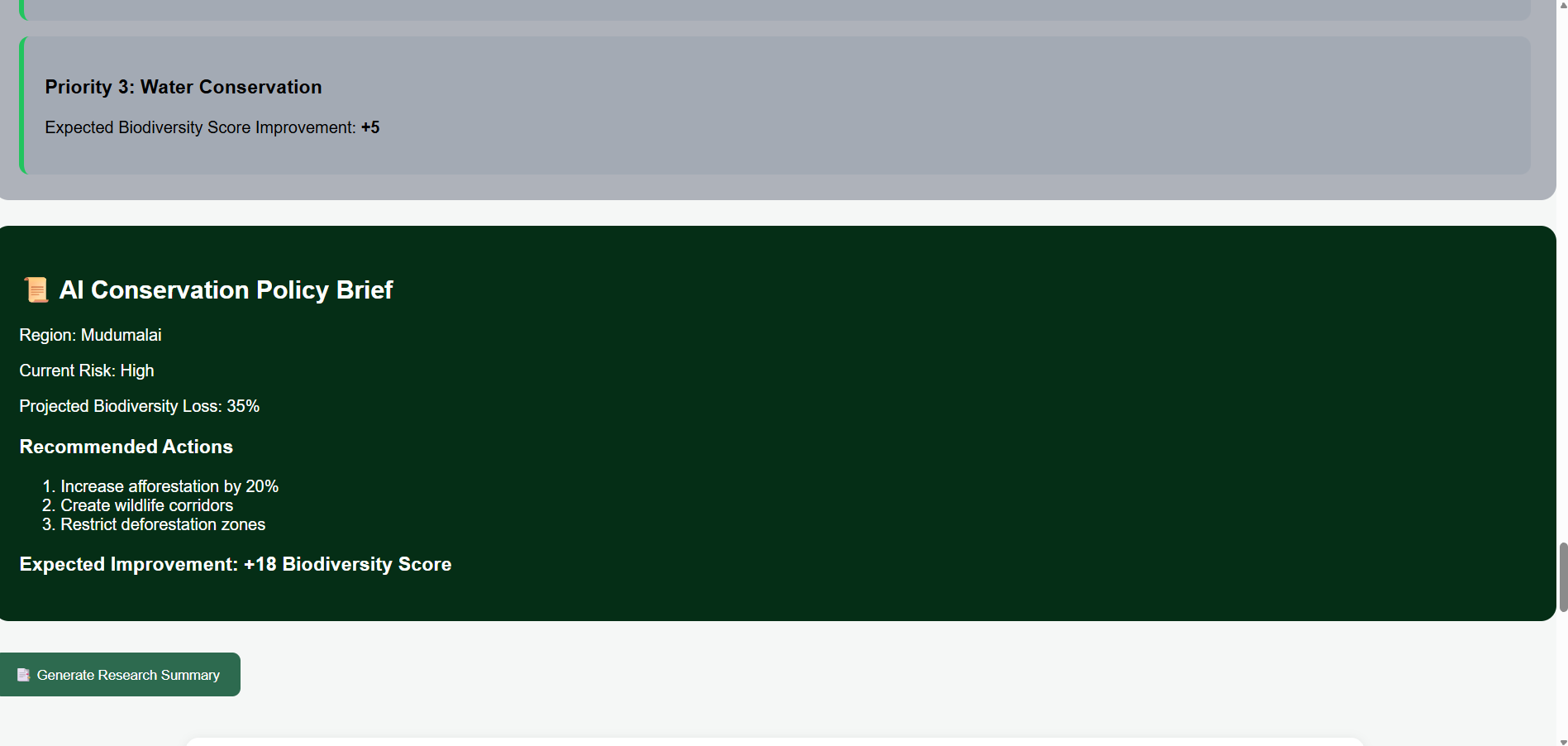
Executive summary reports providing concise biodiversity intelligence for decision-makers and stakeholders.
-
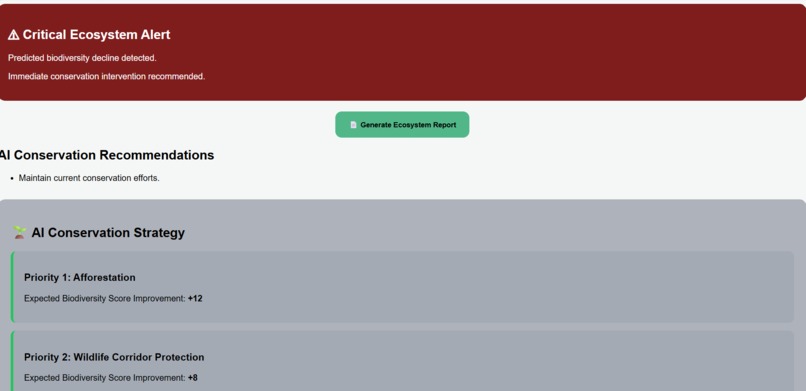
Automated report generation feature producing detailed biodiversity assessments and conservation insights.
-
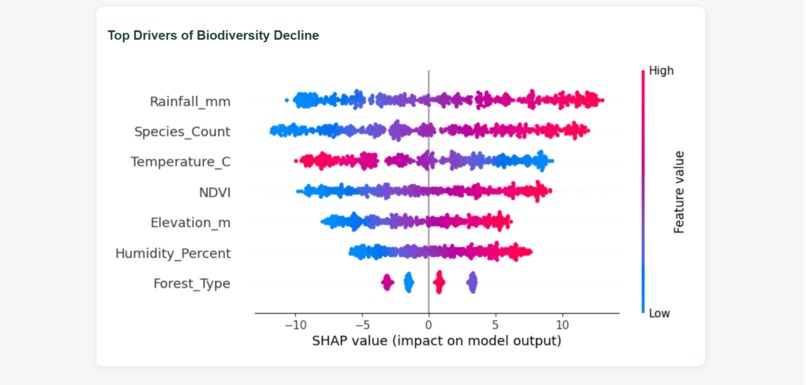
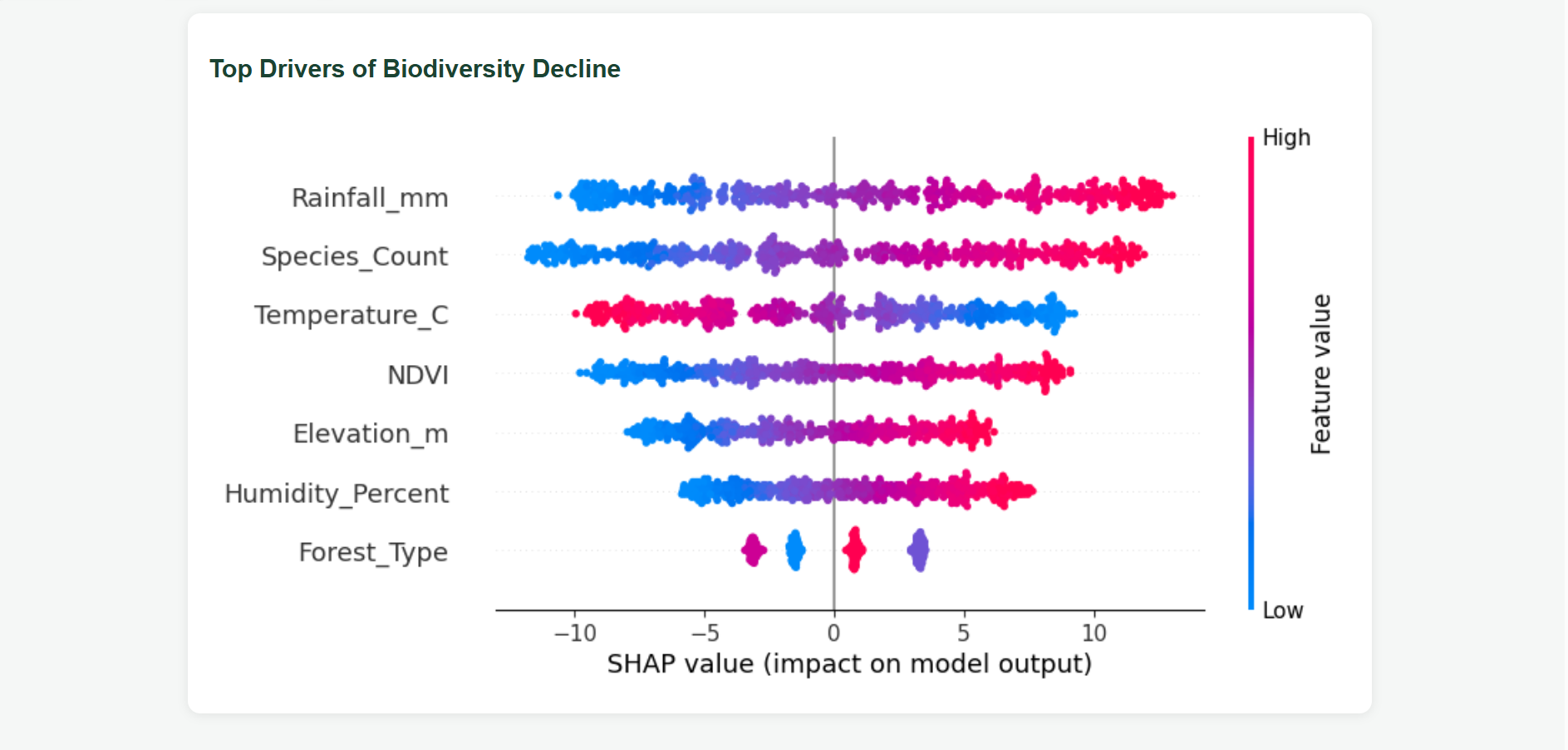
Explainable AI visualizations revealing the most influential environmental factors affecting biodiversity predictions.
-
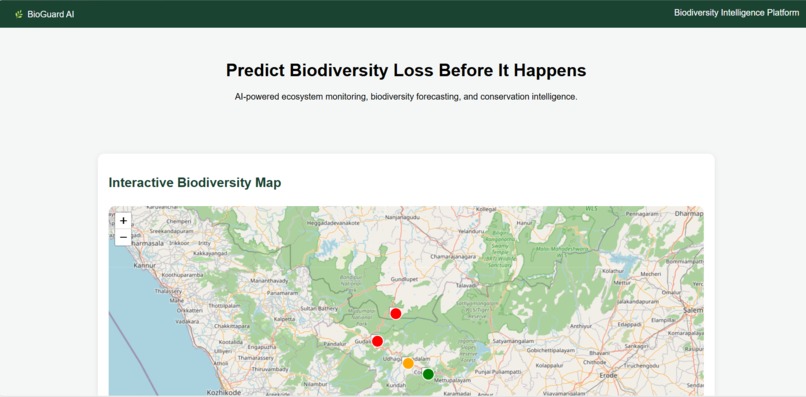
BioGuard AI dashboard providing a centralized biodiversity intelligence platform for ecosystem monitoring and conservation planning.
-
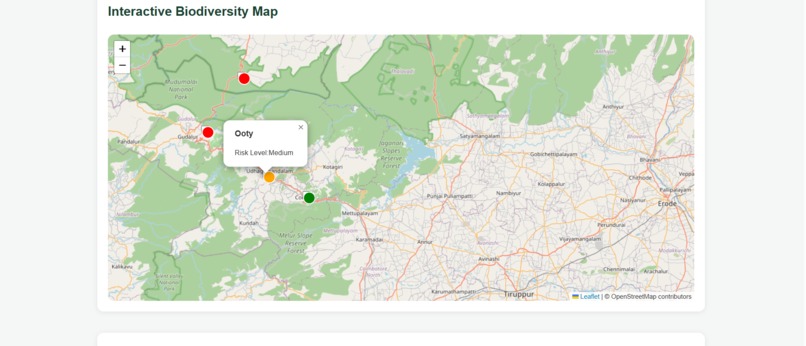
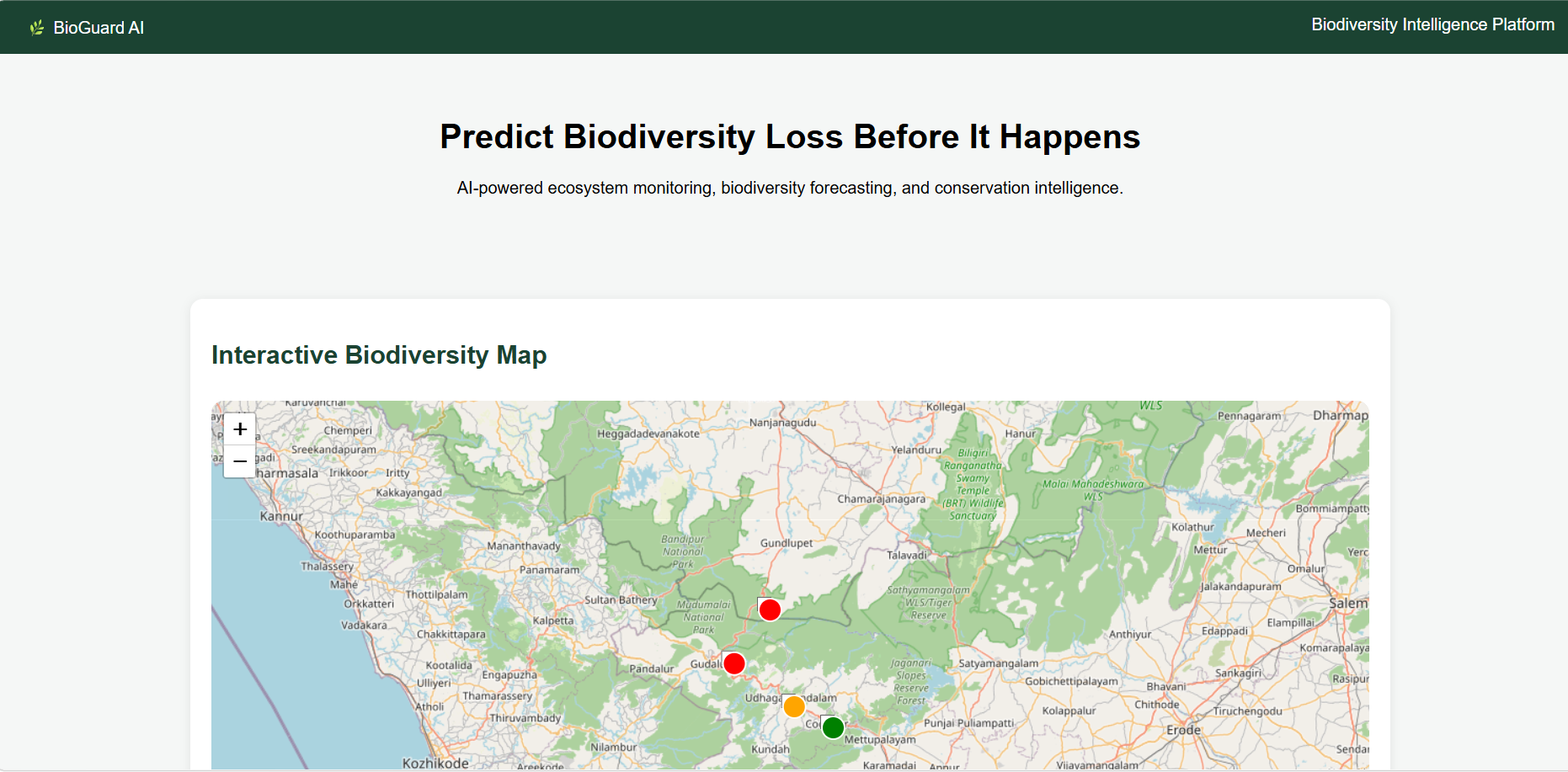
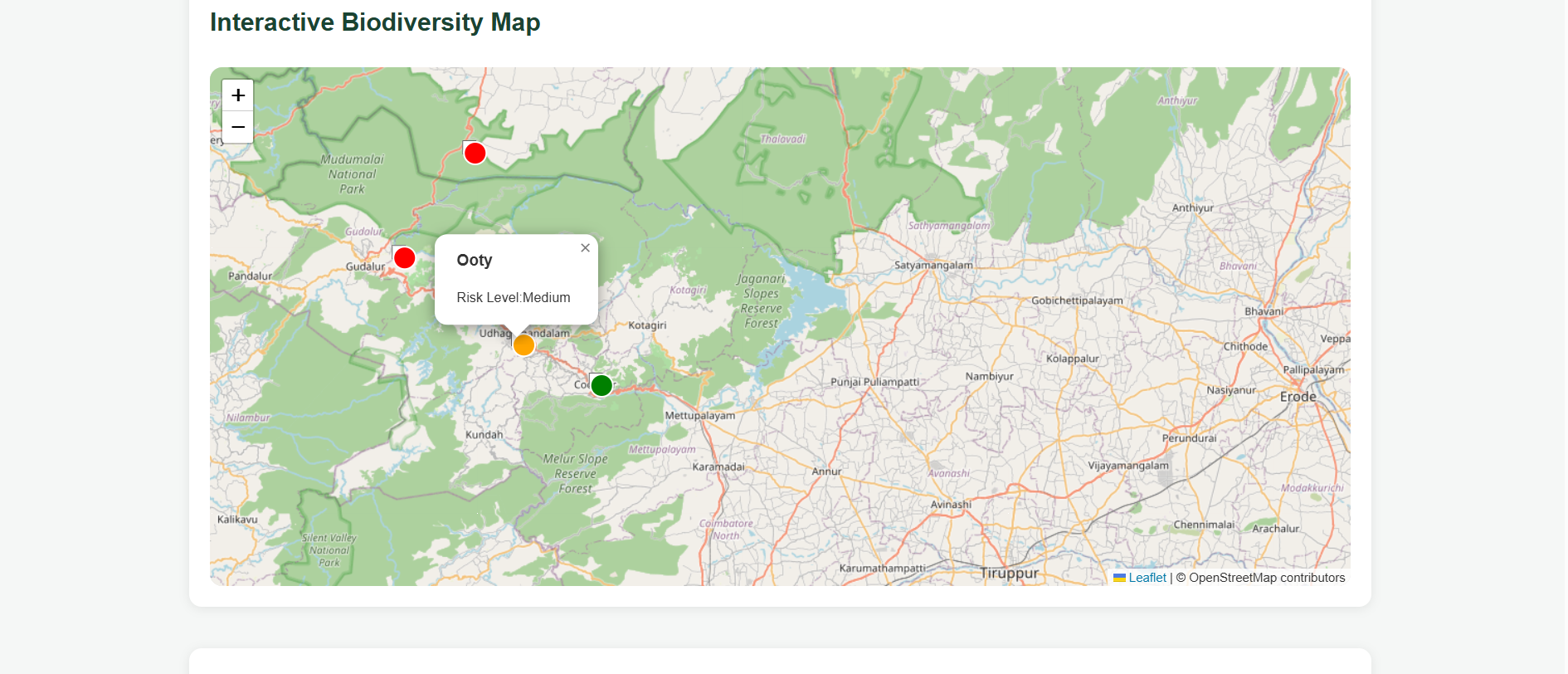
Interactive geospatial visualization highlighting biodiversity hotspots, ecosystem conditions, and region-specific environmental risks.
BioGuard Learn AI
Inspiration
Environmental science and biodiversity are often taught through textbooks and static diagrams, making it difficult for students to visualize real-world ecosystems and understand how environmental factors affect biodiversity.
We wanted to create a platform that transforms STEM education into an interactive experience. By combining artificial intelligence, environmental data, and hands-on exploration, students can actively engage with ecosystems and learn environmental science through real-world applications.
What it does
BioGuard Learn AI is an AI-powered STEM education platform that helps students learn biodiversity, ecology, and environmental science through interactive ecosystem analysis.
The platform enables students to:
- Explore biodiversity-rich regions through an interactive map.
- View environmental indicators such as vegetation, rainfall, and biodiversity metrics.
- Run AI-powered biodiversity assessments.
- Analyze ecosystem health using visual dashboards.
- Receive AI-generated conservation recommendations.
- Understand ecological concepts through practical exploration and data-driven insights.
By combining AI and environmental data, the platform makes STEM learning more engaging and accessible.
How we built it
We built BioGuard Learn AI using React for the frontend and FastAPI for backend services.
Machine learning models developed in Python analyze biodiversity indicators and generate ecosystem health assessments. Interactive maps and visual dashboards help students understand environmental patterns and biodiversity trends.
The platform integrates AI-generated insights with educational content, creating a hands-on learning experience that connects STEM concepts with real-world environmental challenges.
Challenges we ran into
One challenge was simplifying complex biodiversity and ecological concepts without losing scientific relevance.
Another challenge was designing an intuitive interface that allows students to interact with environmental data while maintaining a smooth and engaging learning experience.
I also worked extensively on data visualization to ensure that biodiversity assessments and conservation insights were easy to interpret.
Accomplishments that we're proud of
- Successfully built a working AI-powered STEM education platform.
- Developed biodiversity assessment and ecosystem analysis workflows.
- Created an interactive map-based learning experience.
- Integrated AI-generated conservation recommendations.
- Designed a user-friendly educational dashboard for environmental science learning.
What we learned
This project helped us understand how artificial intelligence can be applied beyond prediction and automation to support STEM education.
I gained practical experience in machine learning, frontend development, backend integration, data visualization, and environmental analytics while building a complete educational platform.
Impact
BioGuard Learn AI helps students learn environmental science through exploration rather than memorization. By interacting with real-world biodiversity data and AI-generated insights, learners gain a deeper understanding of ecosystems, conservation, and sustainability.
What's next
Future enhancements include:
- AI-powered personalized learning paths.
- Real-time satellite and environmental data integration.
- Interactive quizzes and STEM learning modules.
- Additional biodiversity regions and ecosystems.
- Gamified conservation challenges and progress tracking.
Our long-term vision is to make biodiversity and environmental science education more interactive, accessible, and engaging for students worldwide.
BioGuard Learn AI
Inspiration
Environmental science and biodiversity are often taught through textbooks and static diagrams, making it difficult for students to visualize real-world ecosystems and understand how environmental factors affect biodiversity.
I wanted to create a platform that transforms STEM education into an interactive experience. By combining artificial intelligence, environmental data, and hands-on exploration, students can actively engage with ecosystems and learn environmental science through real-world applications.
What it does
BioGuard Learn AI is an AI-powered STEM education platform that helps students learn biodiversity, ecology, and environmental science through interactive ecosystem analysis.
The platform enables students to:
- Explore biodiversity-rich regions through an interactive map.
- View environmental indicators such as vegetation, rainfall, and biodiversity metrics.
- Run AI-powered biodiversity assessments.
- Analyze ecosystem health using visual dashboards.
- Receive AI-generated conservation recommendations.
- Understand ecological concepts through practical exploration and data-driven insights.
By combining AI and environmental data, the platform makes STEM learning more engaging and accessible.
How we built it
I built BioGuard Learn AI using React for the frontend and FastAPI for backend services.
Machine learning models developed in Python analyze biodiversity indicators and generate ecosystem health assessments. Interactive maps and visual dashboards help students understand environmental patterns and biodiversity trends.
The platform integrates AI-generated insights with educational content, creating a hands-on learning experience that connects STEM concepts with real-world environmental challenges.
Challenges we ran into
One challenge was simplifying complex biodiversity and ecological concepts without losing scientific relevance.
Another challenge was designing an intuitive interface that allows students to interact with environmental data while maintaining a smooth and engaging learning experience.
We also worked extensively on data visualization to ensure that biodiversity assessments and conservation insights were easy to interpret.
Accomplishments that we're proud of
- Successfully built a working AI-powered STEM education platform.
- Developed biodiversity assessment and ecosystem analysis workflows.
- Created an interactive map-based learning experience.
- Integrated AI-generated conservation recommendations.
- Designed a user-friendly educational dashboard for environmental science learning.
What we learned
This project helped us understand how artificial intelligence can be applied beyond prediction and automation to support STEM education.
We gained practical experience in machine learning, frontend development, backend integration, data visualization, and environmental analytics while building a complete educational platform.
Impact
BioGuard Learn AI helps students learn environmental science through exploration rather than memorization. By interacting with real-world biodiversity data and AI-generated insights, learners gain a deeper understanding of ecosystems, conservation, and sustainability.
What's next
Future enhancements include:
- AI-powered personalized learning paths.
- Real-time satellite and environmental data integration.
- Interactive quizzes and STEM learning modules.
- Additional biodiversity regions and ecosystems.
- Gamified conservation challenges and progress tracking.
Our long-term vision is to make biodiversity and environmental science education more interactive, accessible, and engaging for students worldwide.
Built With
- ai
- css
- data
- education
- environmental
- fastapi
- firebase
- gis
- html
- javascript
- leaflet.js
- learning
- machine
- python
- react
- science
- scikit-learn
- stem
- visualization


Log in or sign up for Devpost to join the conversation.