Inspiration
As a developer passionate about EdTech, I've seen firsthand how fragmented the learning experience has become. Students drowning in PDFs, scattered lecture recordings, and disorganized notes across multiple platforms. I realized that there's a massive gap - no single platform exists that could intelligently process all these different content types and create personalized study materials. The breakthrough moment came when I understood that modern language models could transform raw educational content into adaptive learning experiences. That's when I decided to build Cognify - not just meant to be another study tool, but an intelligent learning accelerator hub that actually understands how you learn and how to best guide you as per your goals.
What it does
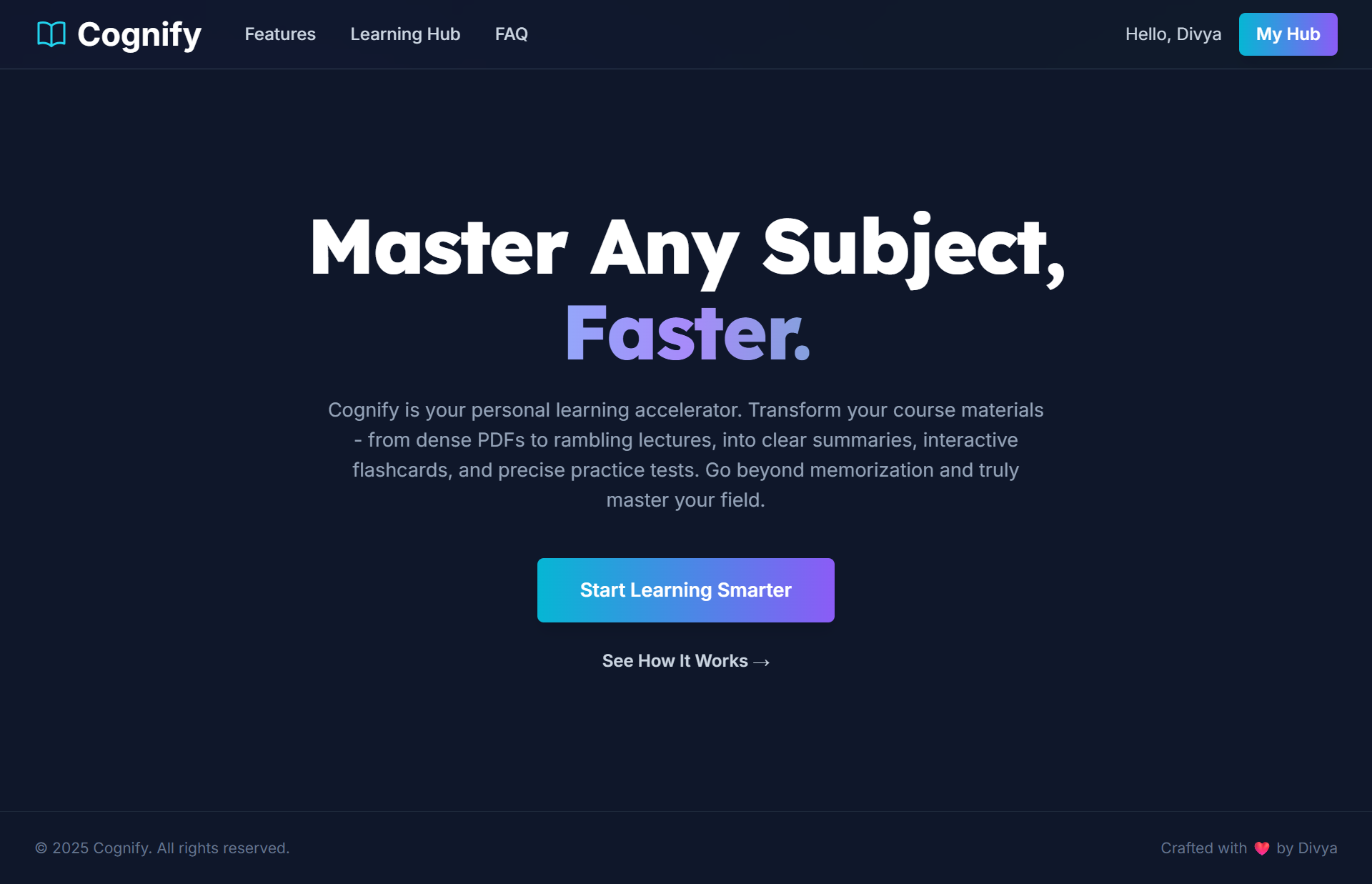
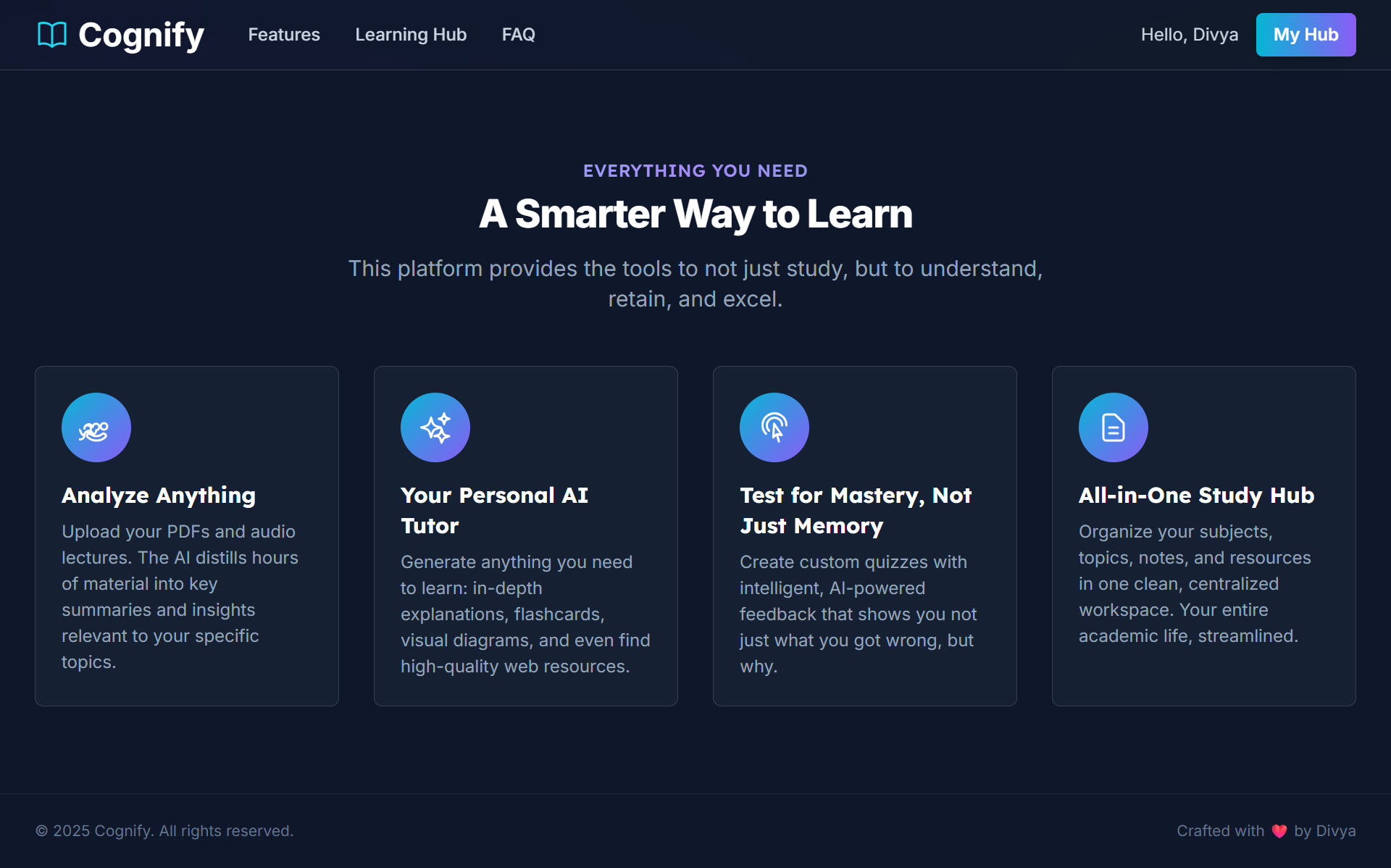
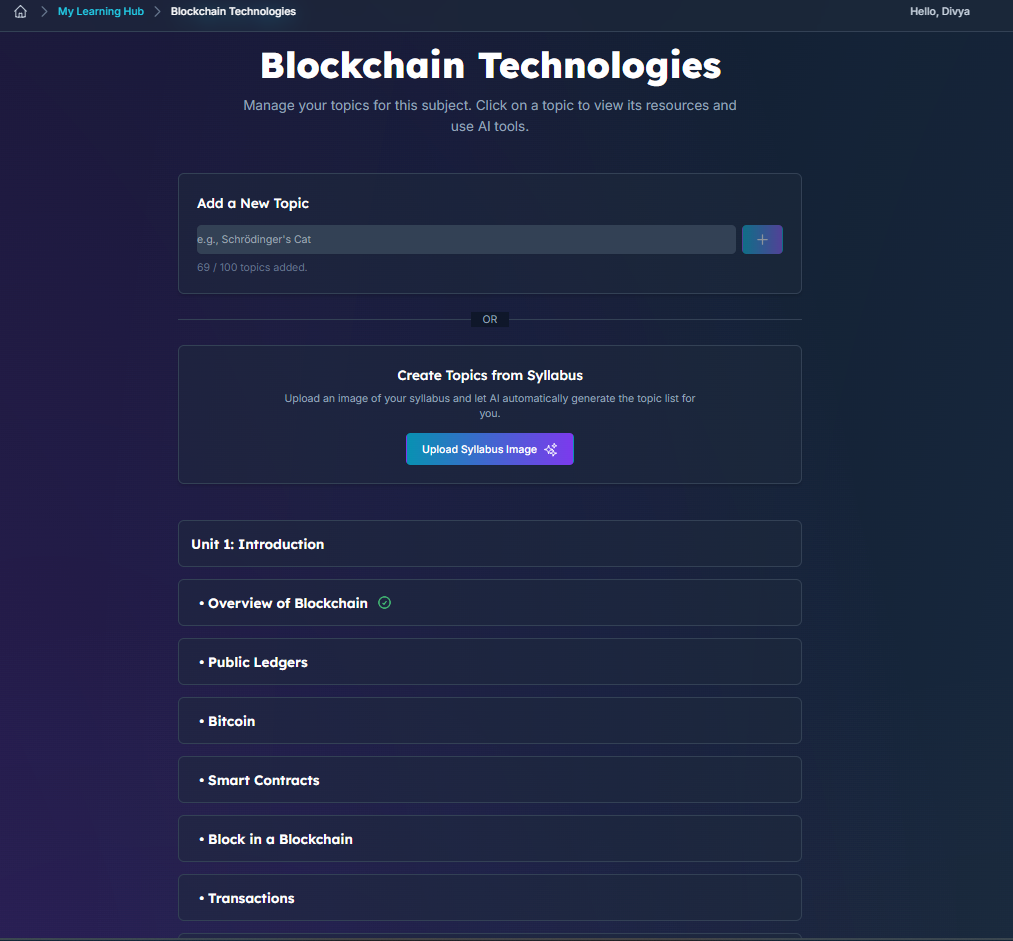
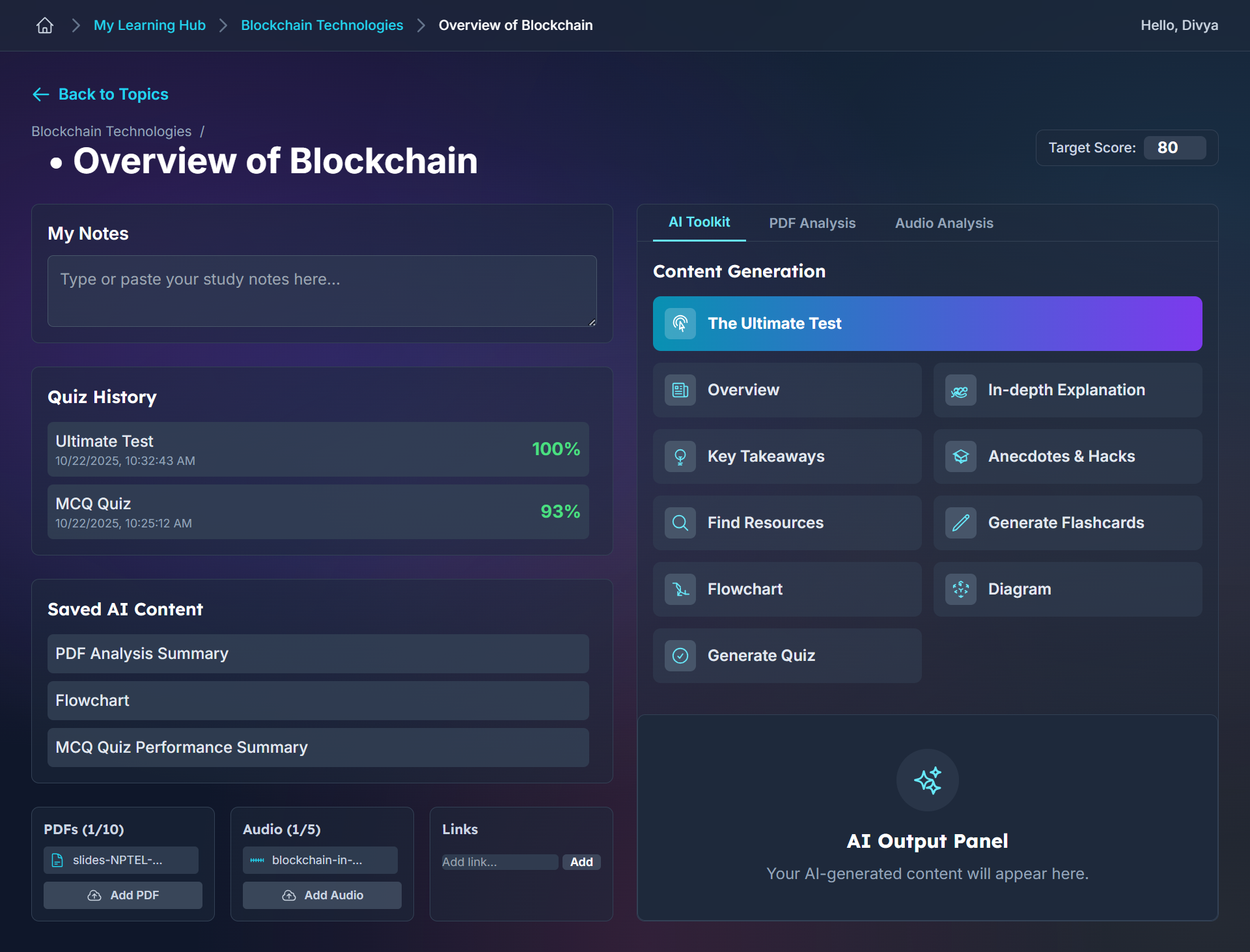
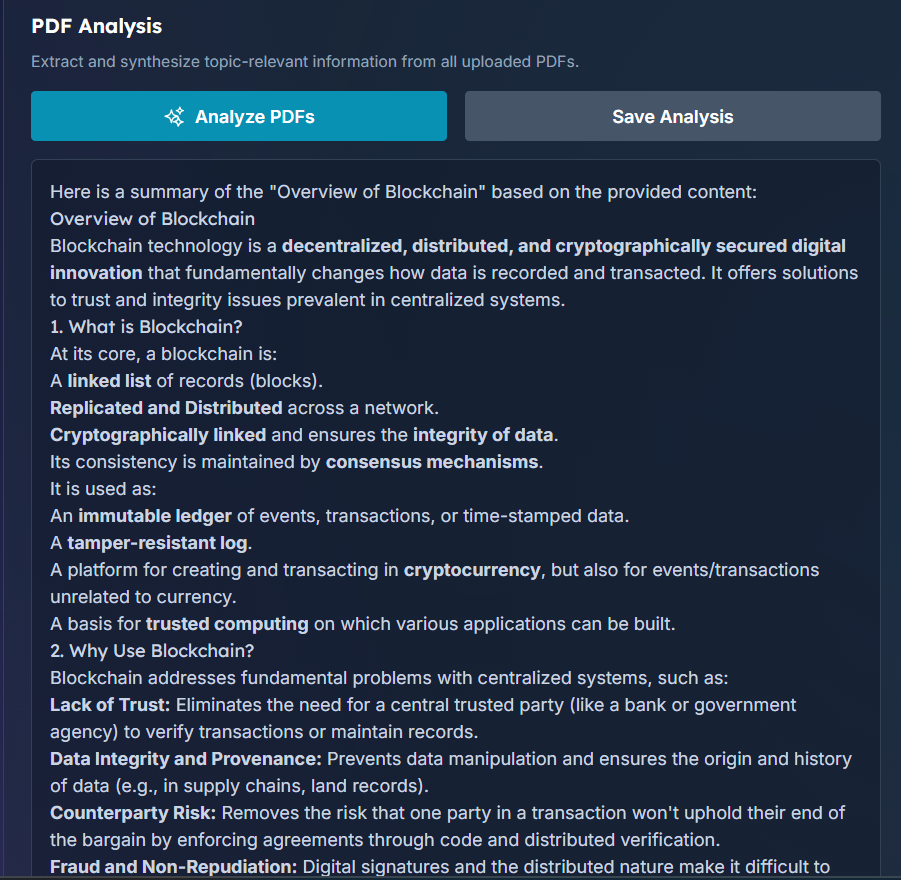
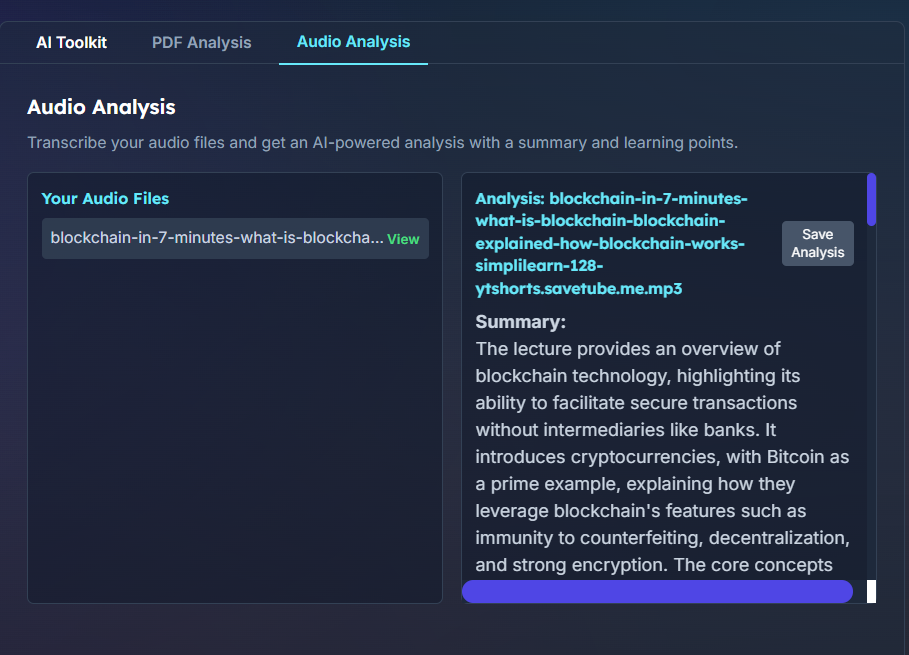
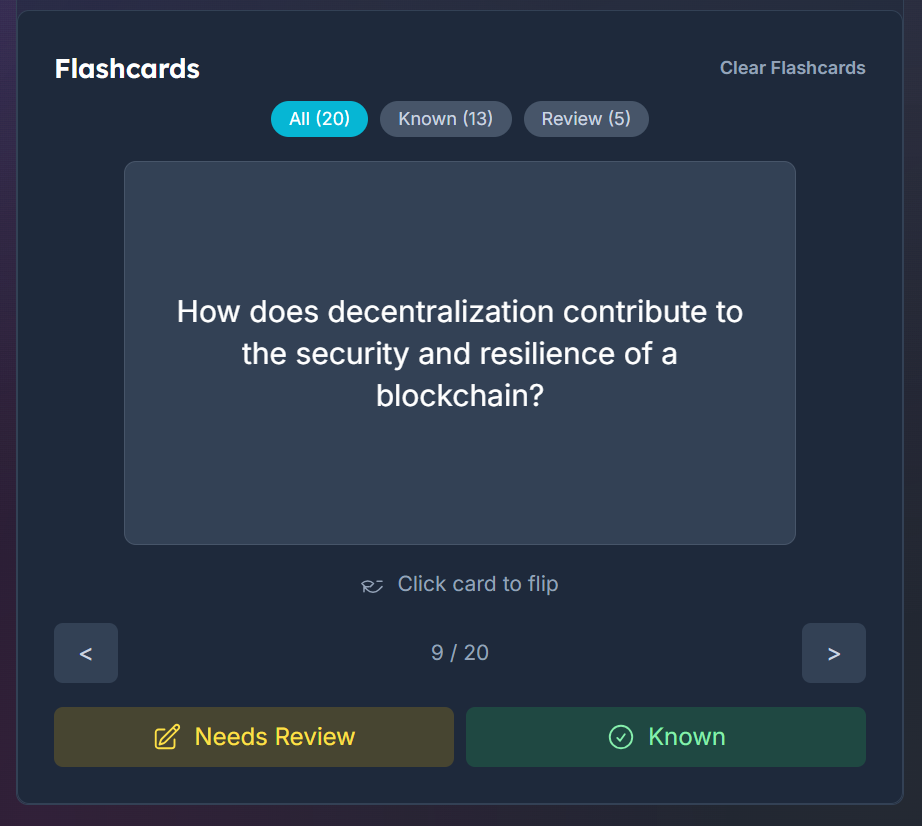
Cognify transforms chaotic study materials into personalized learning experiences. Upload PDFs, audio recordings, or paste any text content, and it creates comprehensive study resources tailored to your academic level. The platform generates intelligent summaries, adaptive flashcards, multi-format quizzes (MCQ, short answer, long form), visual diagrams, and curated web resources. What makes it special is the intelligent profiling system - whether you're a high school student or a graduate researcher, Cognify adapts its explanations, examples, and difficulty levels to match your learning context. It tracks your quiz performance with detailed feedback, maintains comprehensive study histories, and provides analytics to identify your strengths and improvement areas.
How I built it
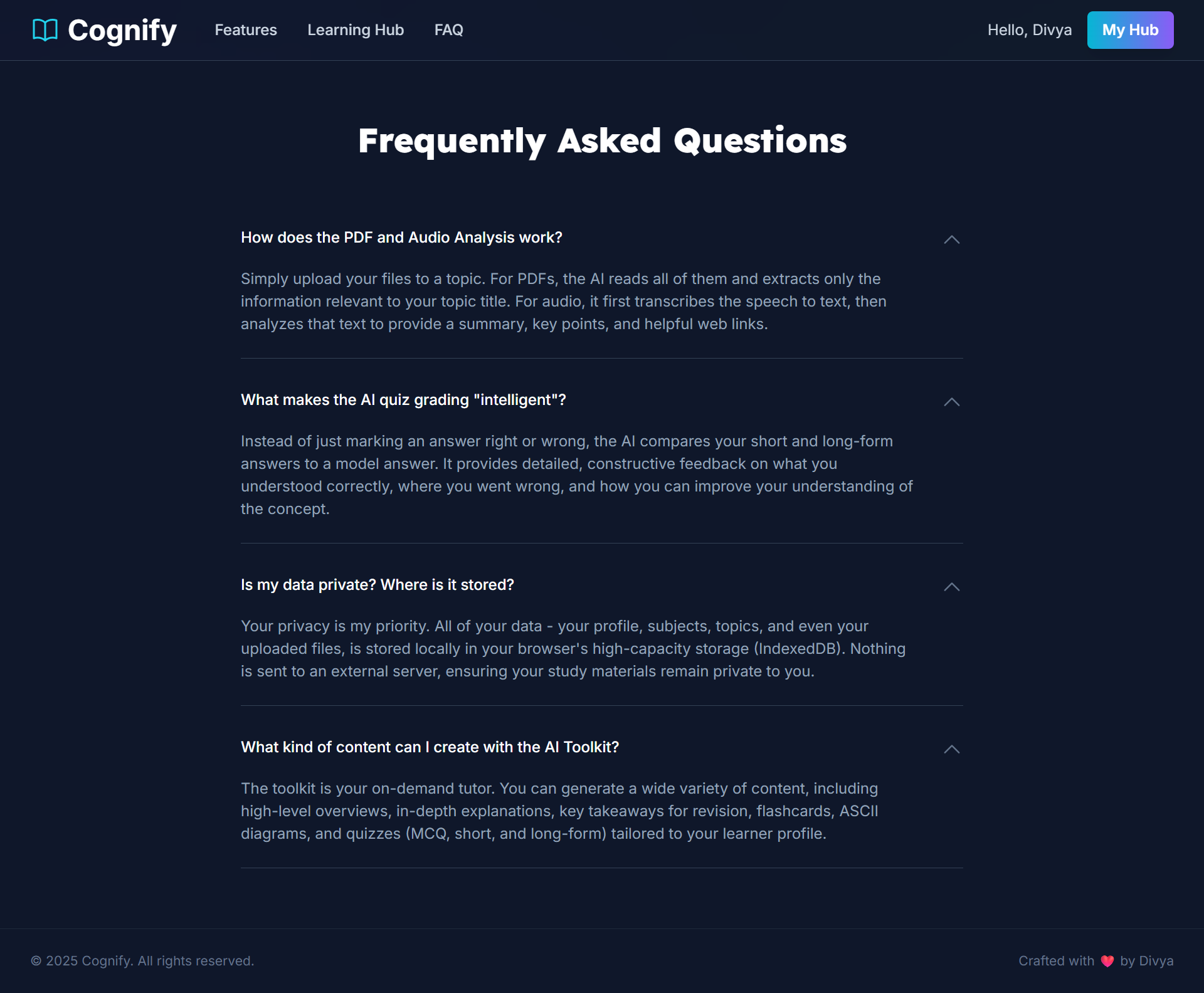
I architected Cognify as a modern React application using TypeScript for type safety & maintainability. Its core intelligence comes from Google Gemini API for content generation and AssemblyAI for audio transcription. I implemented a sophisticated prompt engineering system that dynamically adjusts AI responses based on user profiles - the same concept gets explained differently to a high schooler versus a PhD student. For data persistence, I chose IndexedDB to create a truly offline-first experience where students can access their materials anywhere. The architecture handles multiple content types seamlessly - PDFs get parsed and analyzed, audio files get transcribed and processed into study materials, syllabus images get units & topcs extracted, and everything gets organized into subjects and topics with full CRUD operations.
Challenges I ran into
The biggest technical challenge was creating AI responses that were genuinely useful rather than generic. I spent weeks fine-tuning prompts to ensure Gemini understood the nuanced differences between explaining machine learning to a computer science student versus a business major. Audio processing presented another complex challenge - handling various file formats, managing large upload sizes, implementing proper error handling for transcription failures, and ensuring quality across different audio qualities. State management across multiple content types while maintaining UI responsiveness required careful architecture planning. API rate limiting during development meant implementing exponential backoff retry logic and graceful error handling. The user experience challenge was designing an interface that didn't overwhelm users with features while keeping all functionality easily accessible.
Accomplishments that I'm proud of
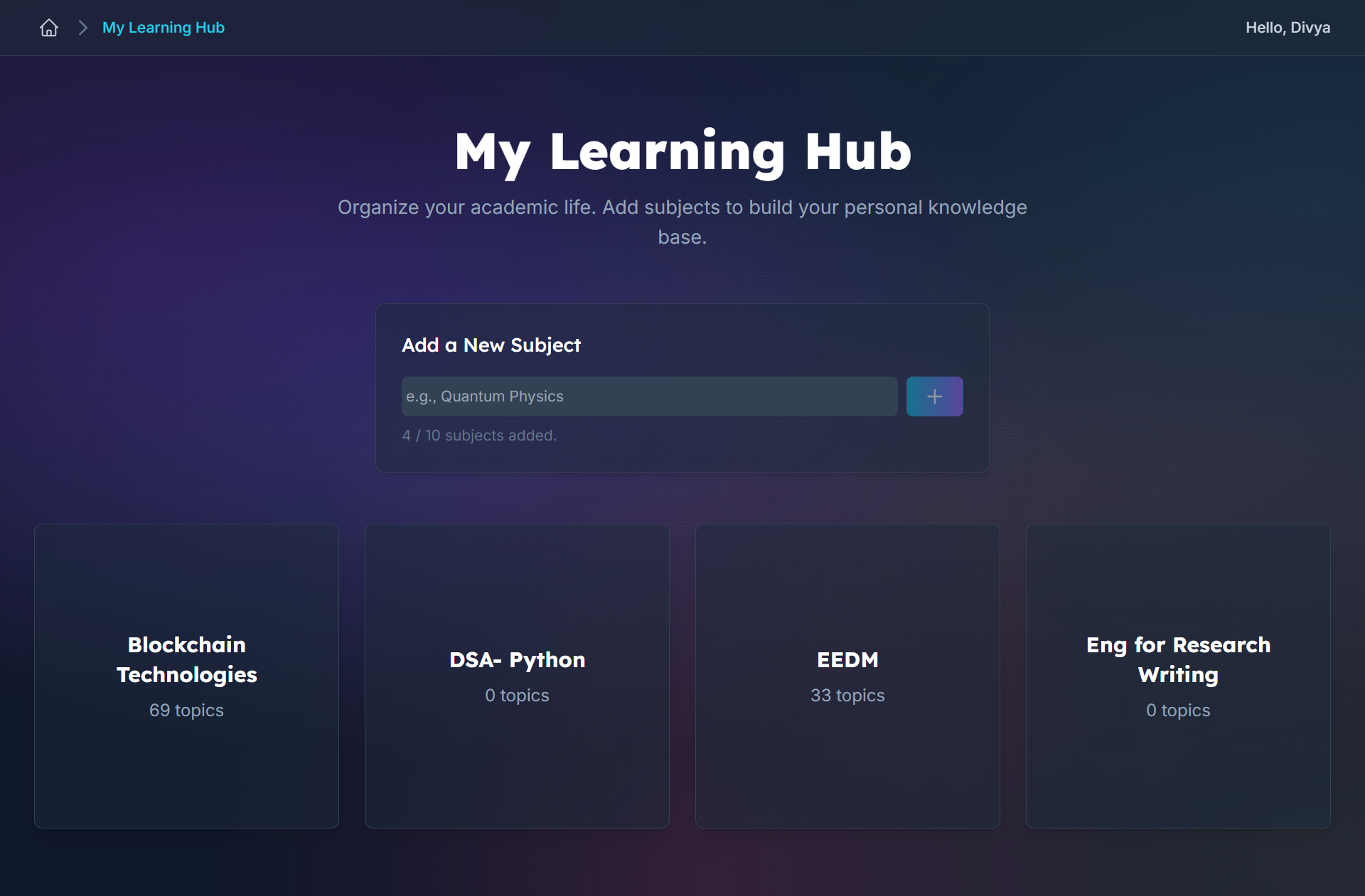
I'm most proud of the seamless content integration - you can upload a PDF and audio recording of the same lecture, and Cognify intelligently combines insights from both sources into comprehensive study material. The adaptive learning system genuinely works - flashcards adjust based on your performance, quiz difficulty scales with your knowledge level, and explanations match your academic context. The offline-first architecture means students can study anywhere without internet dependency. Building a complete learning ecosystem with subject management, topic organization, quiz history tracking, and performance analytics in a single cohesive platform feels like a genuine achievement. The prompt engineering system that creates contextually appropriate content for different learner types was particularly challenging for me, but rewarding to implement.
What I learned
This project taught me that effective educational technology is as much about understanding learning mindset as it is about coding. I learned advanced prompt engineering techniques and how to create AI systems that provide genuinely personalized responses. Working with multiple APIs simultaneously (Gemini and AssemblyAI) taught me the importance of robust error handling, retry mechanisms, and user feedback systems. I discovered that IndexedDB and offline-first architecture require careful planning but provide incredible user experience benefits. Most importantly, I learned that the hardest part of building educational tools isn't the technology - it's understanding how people actually learn and translating that into features that genuinely help rather than just adding complexity.
What's next for Cognify - Smart Learning Hub
The immediate roadmap includes implementing spaced repetition algorithms for optimized flashcard review timing and adding collaborative features like shared study sets and peer quiz competitions. I'm planning advanced analytics to identify learning patterns and predict optimal study schedules. Voice-based interactions for hands-free studying and mobile app development are high priorities. Long-term, I want to add real-time collaboration features, integration with popular learning management systems, and advanced AI tutoring capabilities that can engage in Socratic dialogue. The ultimate goal is making Cognify the central hub for serious learners - whether they're students, professionals, or lifelong learners pursuing new skills.
Built With
- assembly-ai
- css3
- filesystemapi
- git
- google-gemini-api
- html5
- indexdb
- javascript
- localstorage
- npm
- react
- tailwind-css
- typescript
- vite


Log in or sign up for Devpost to join the conversation.