-
Cognify
-
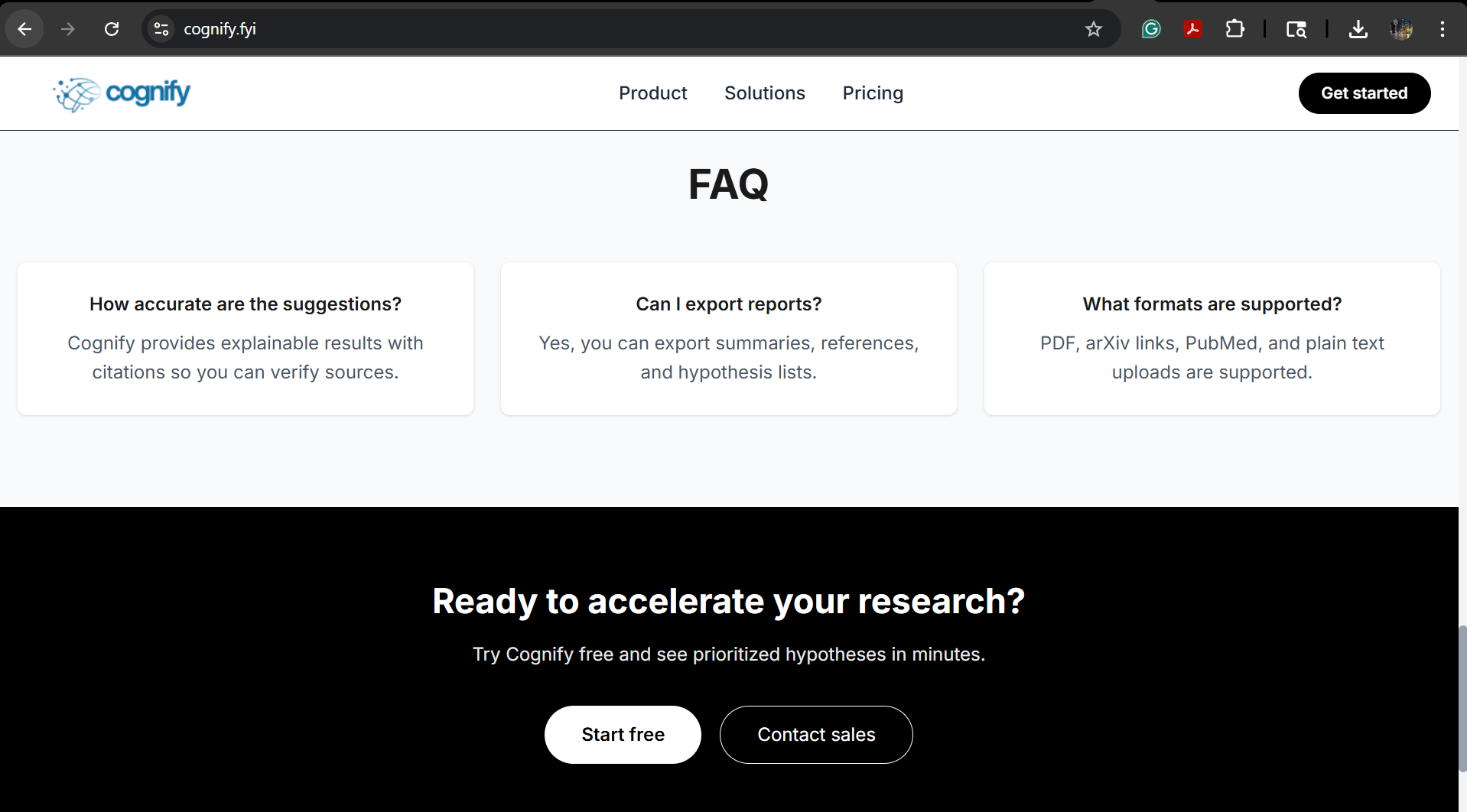
Landing Page
-
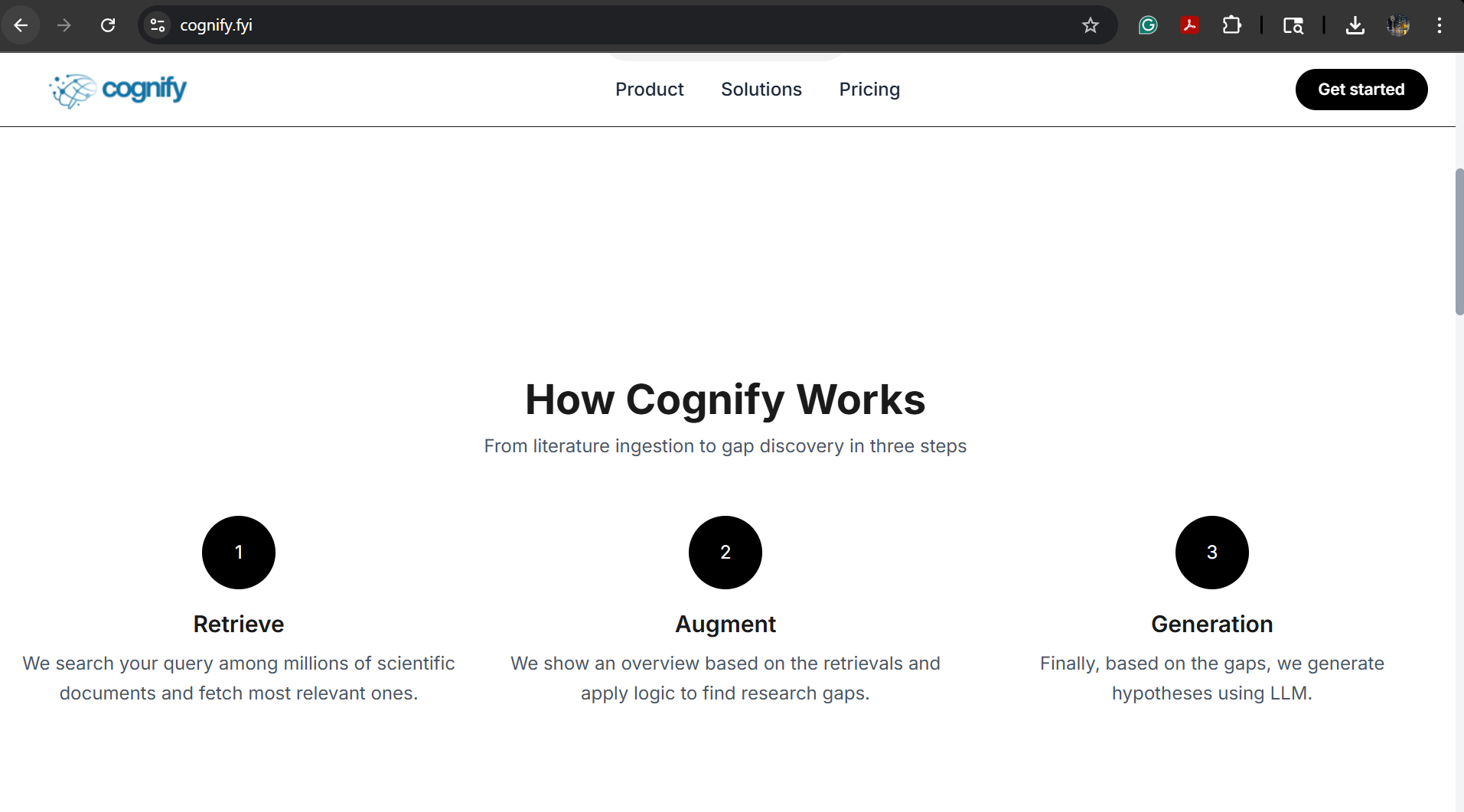
How Cognify Works
-
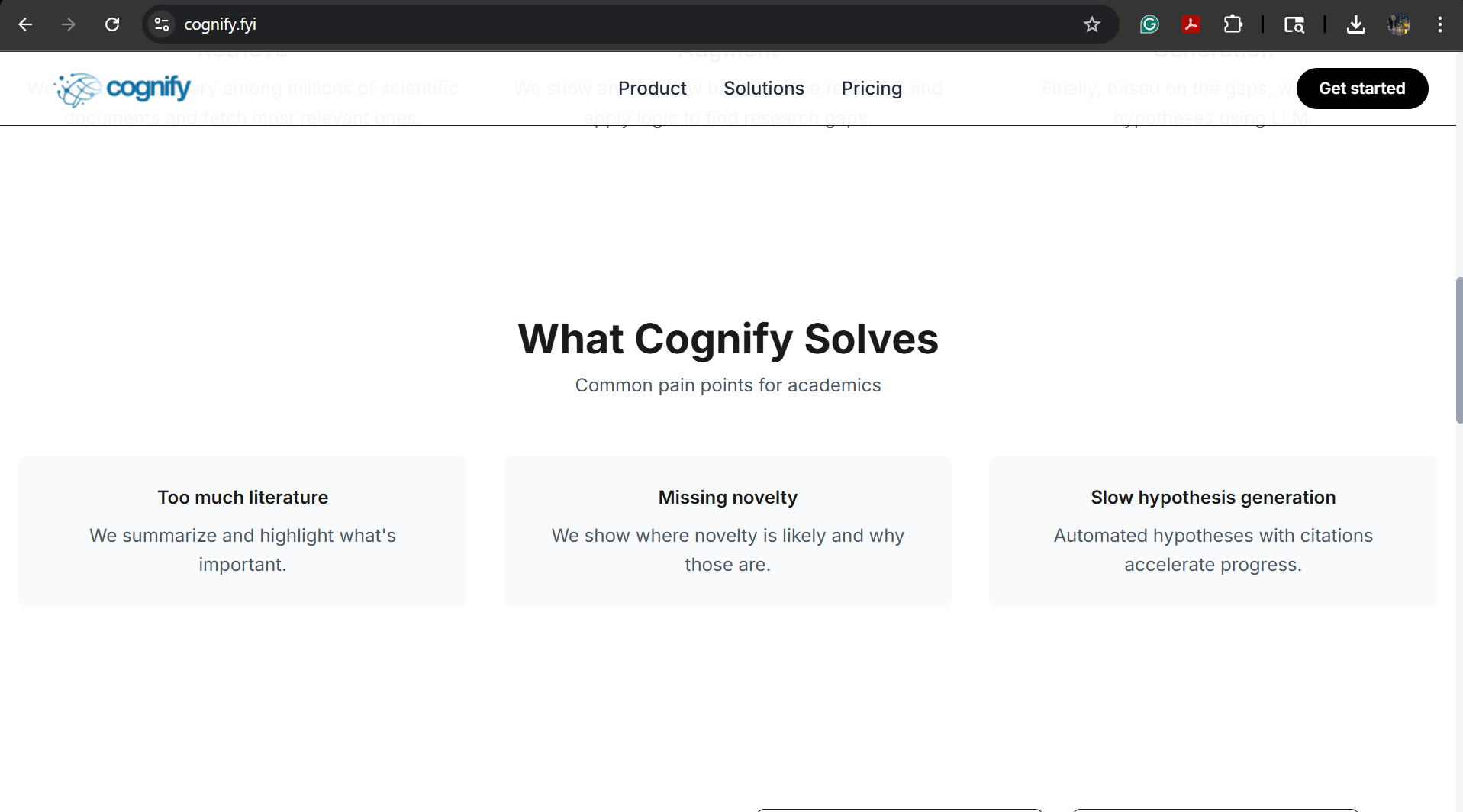
What Cognify Solves
-
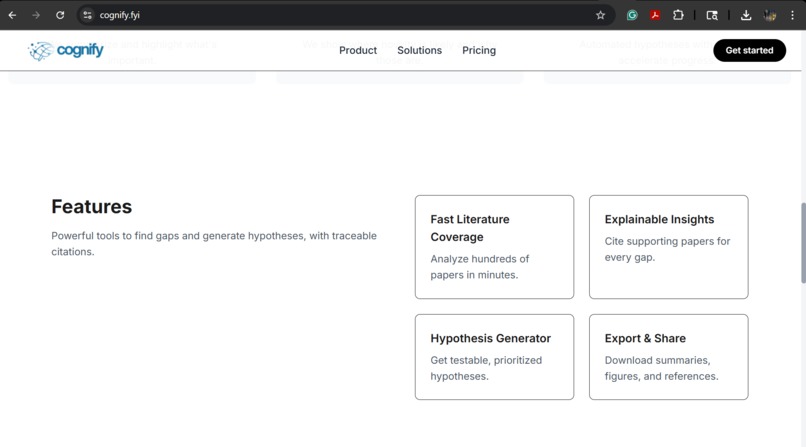
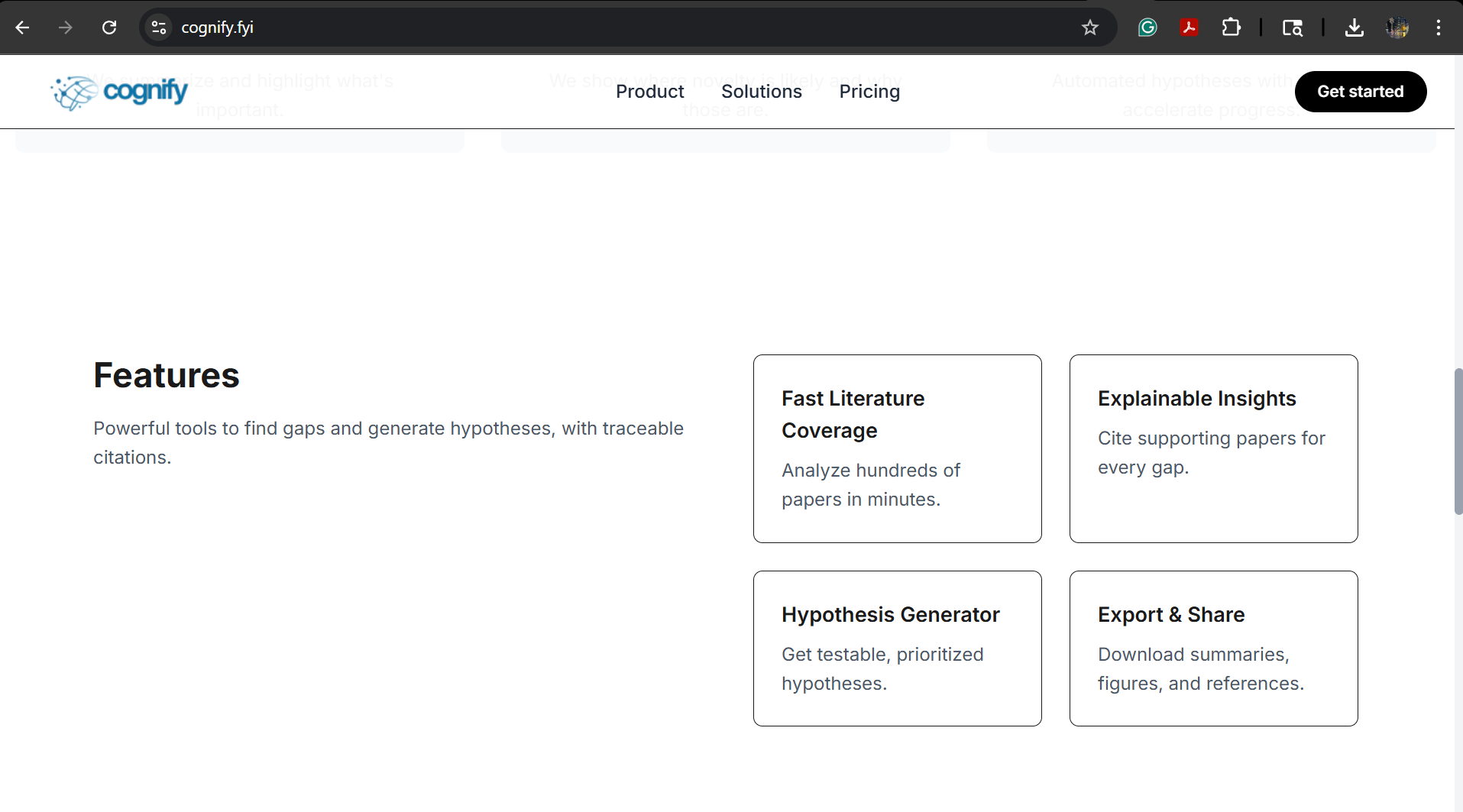
Features
-
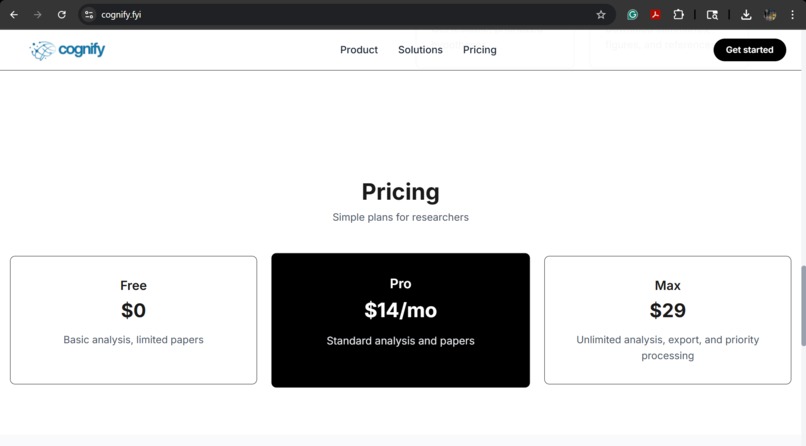
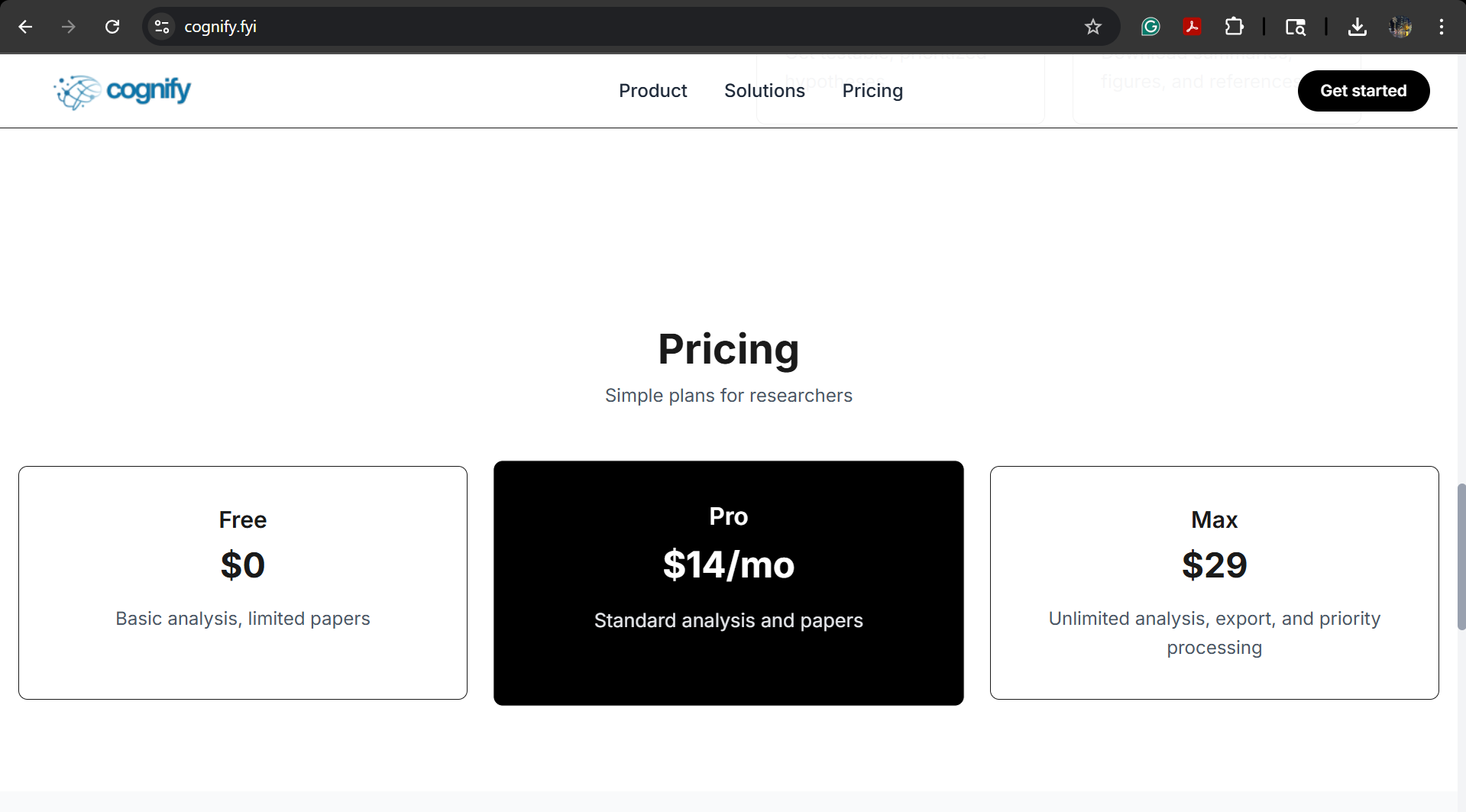
Pricing
-
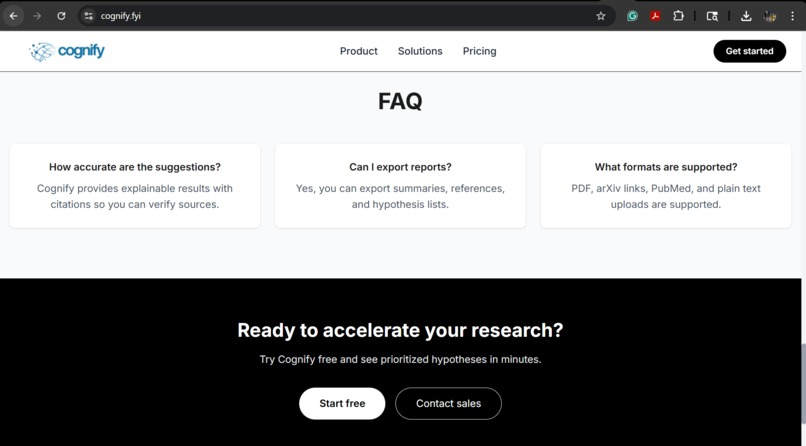
FAQ
-
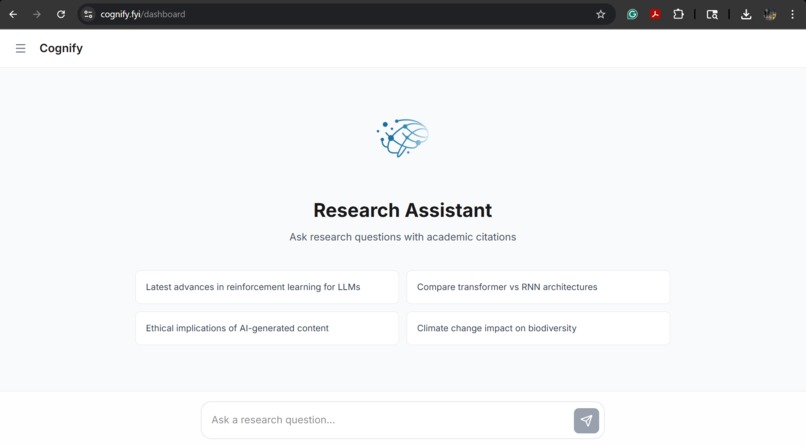
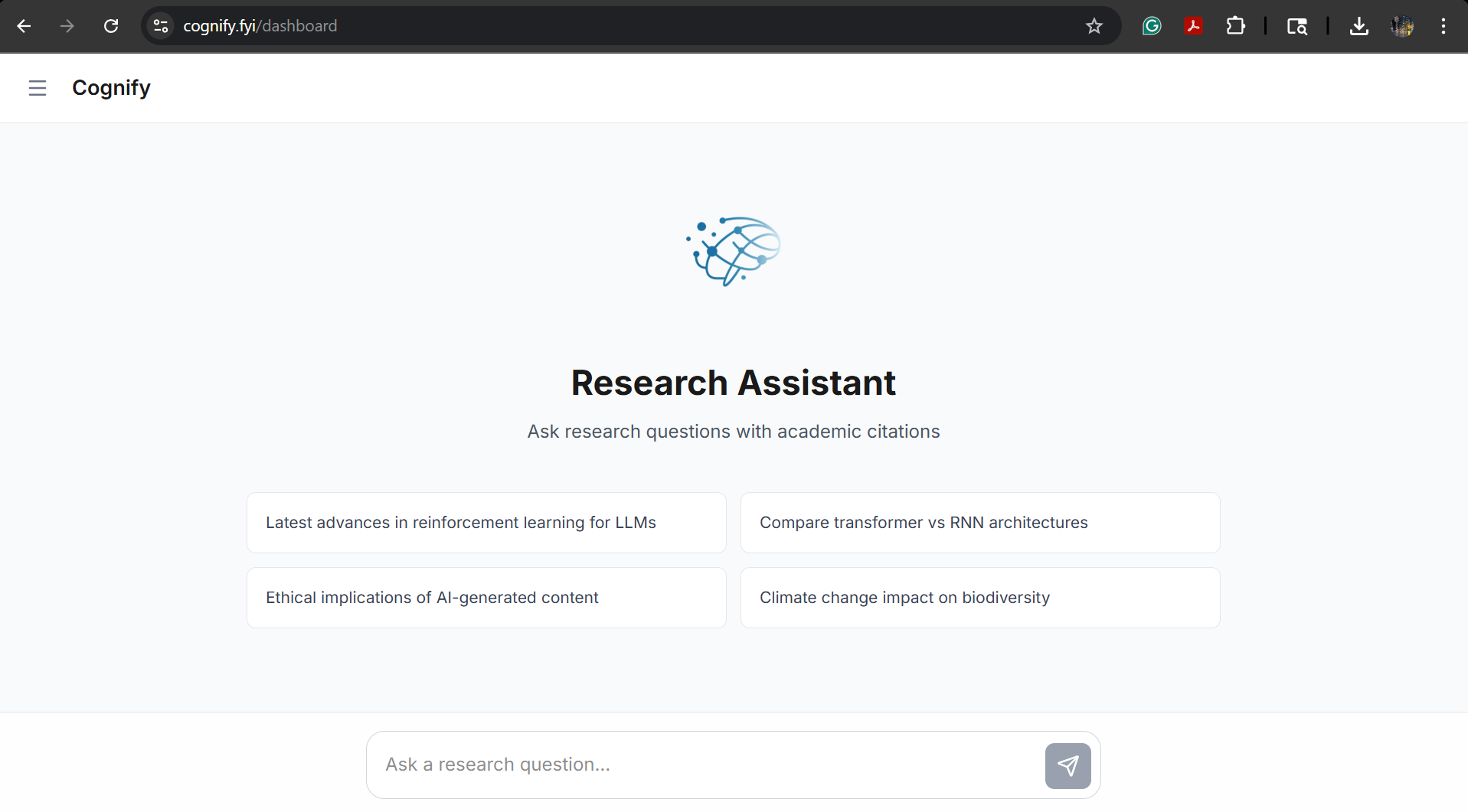
Dashboard
-
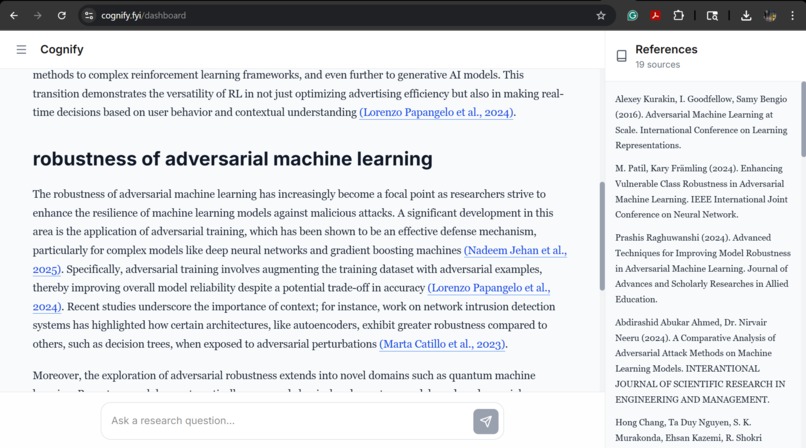
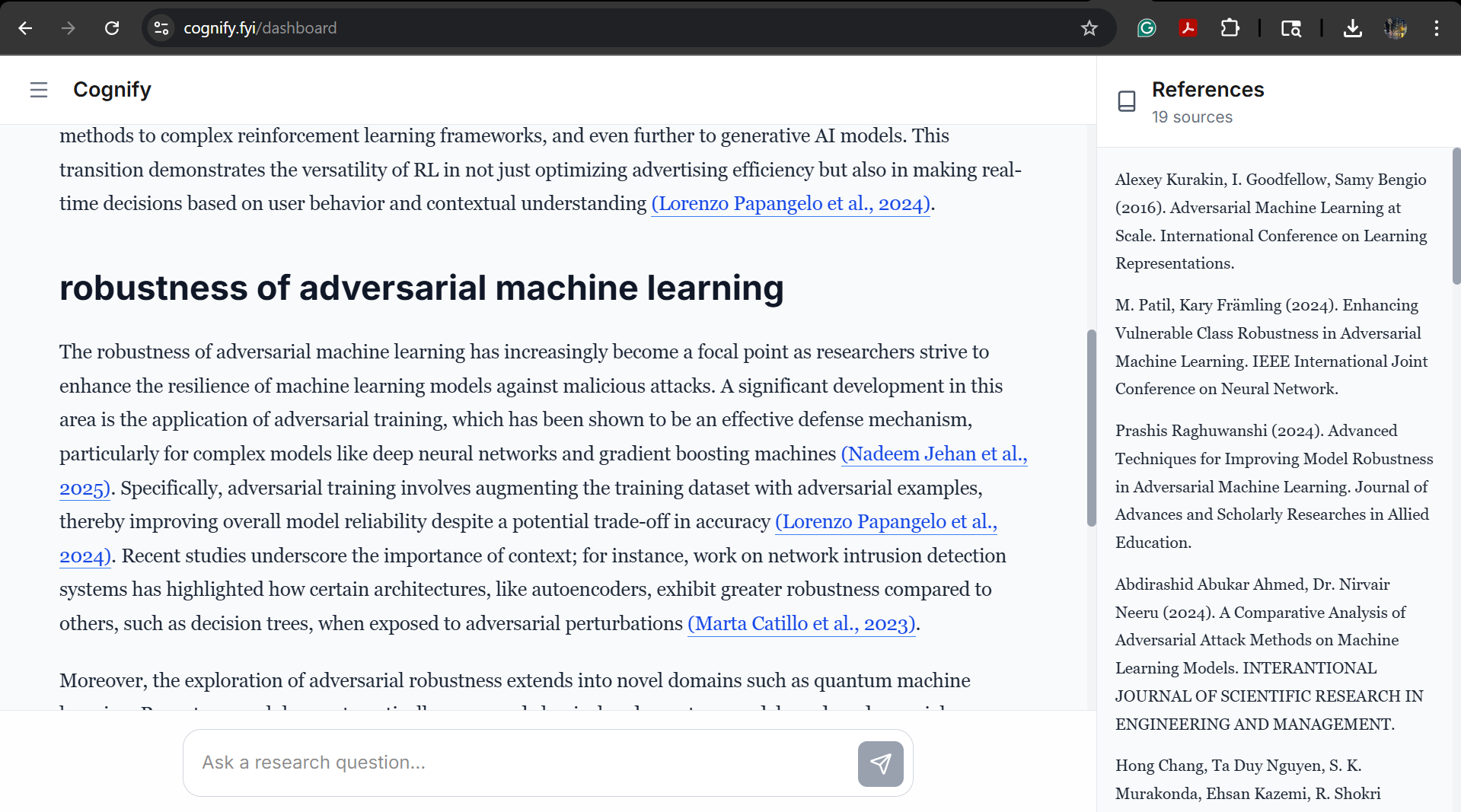
Query 2
-
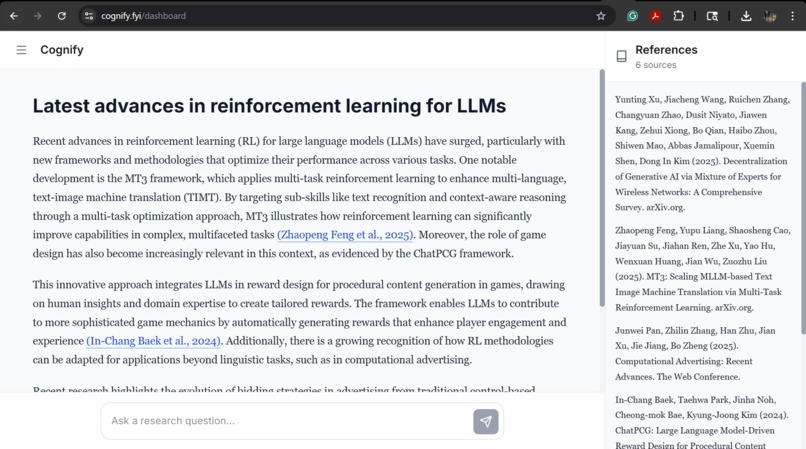
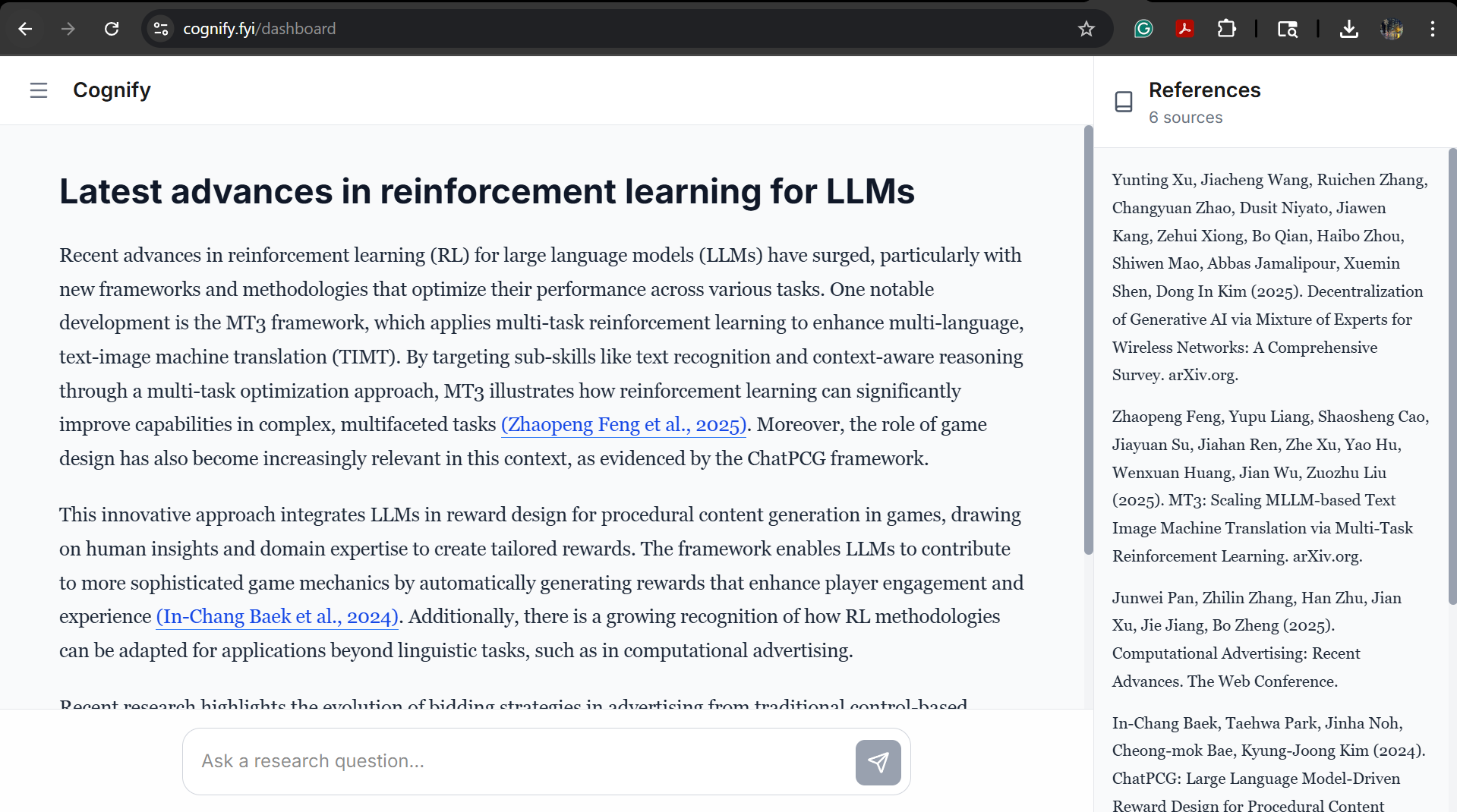
Query 1
Inspiration
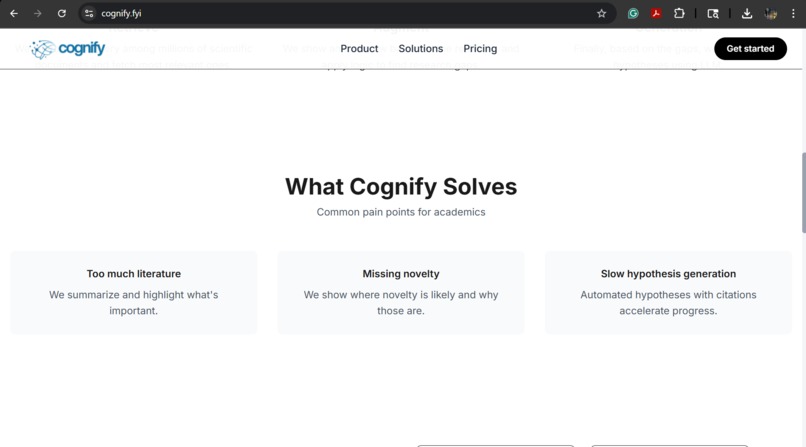
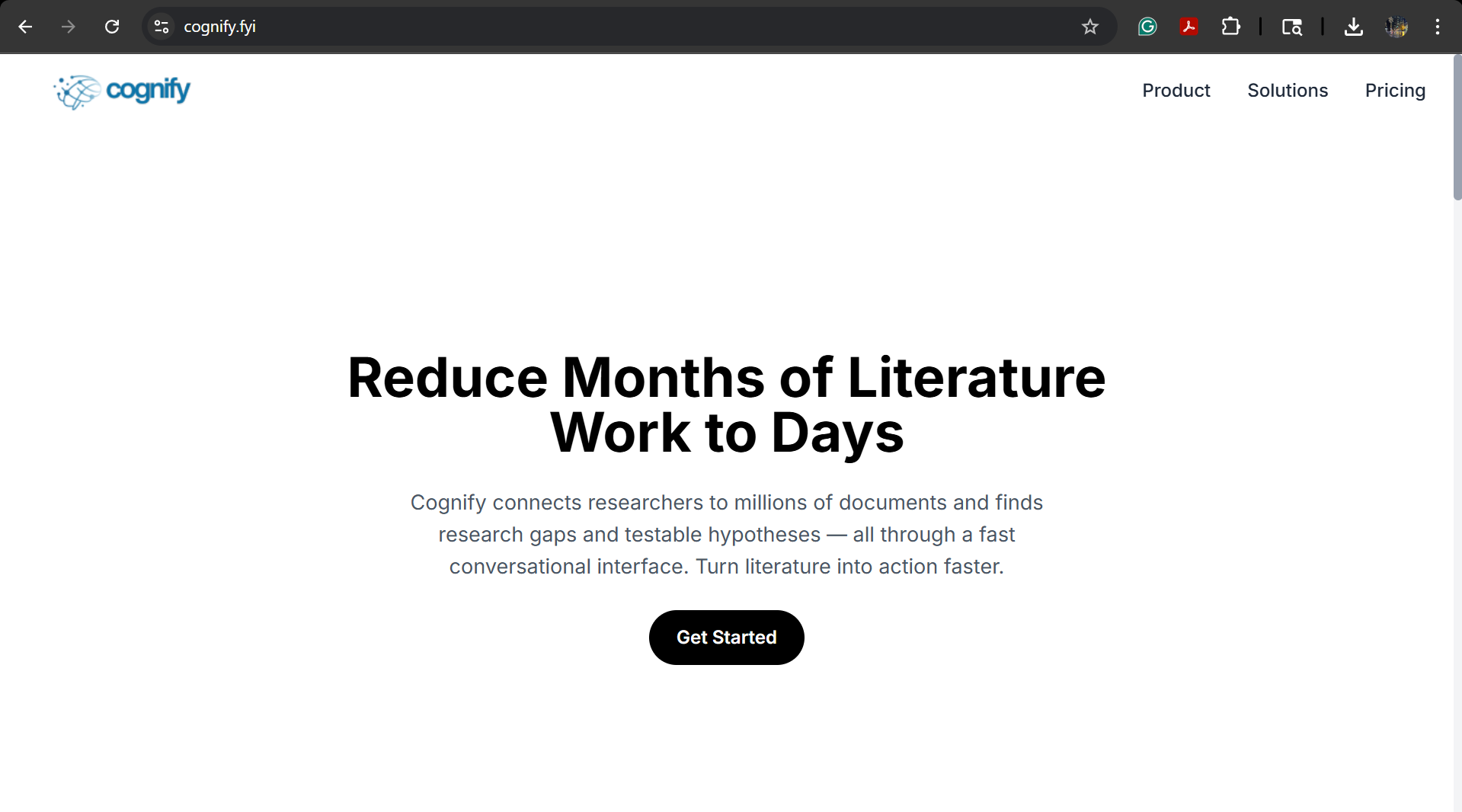
Nationwide research fund cuts have shrunk research pathways. One way to adapt to low or no funding is to reduce the total cost of research. Our idea focuses on shortening the time spent on literature review, gap identification, and hypothesis generation. According to surveys, a literature review can take several months or even years. We aim to transform this process significantly.
What it does
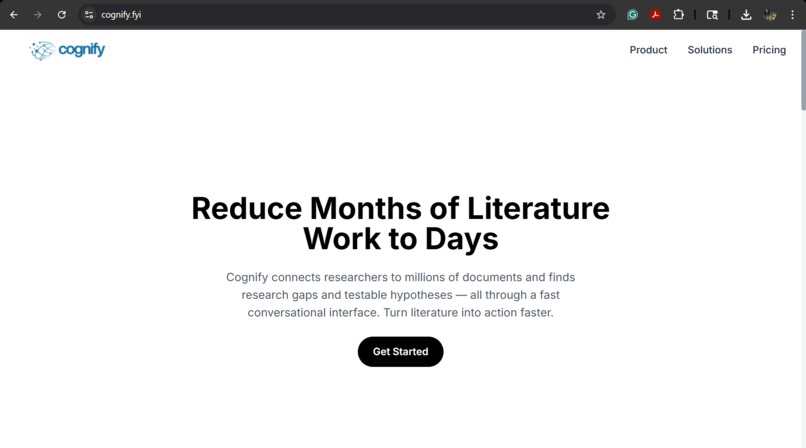
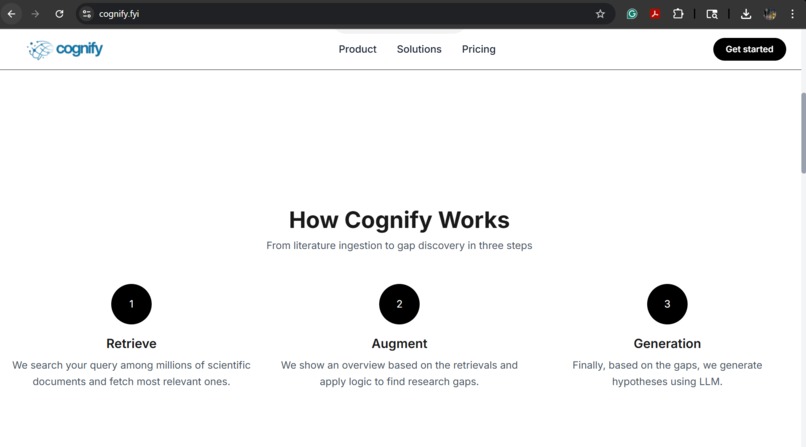
We connect students, researchers, and professionals with millions of research documents through our system, making discovery as simple as a conversation with an intelligent assistant. Beyond providing topic overviews, the system can identify relevant research gaps and, where applicable, generate context-aware hypotheses. We have developed novel algorithms for context-aware retrieval and logic for automated gap detection to achieve this.
How we built it
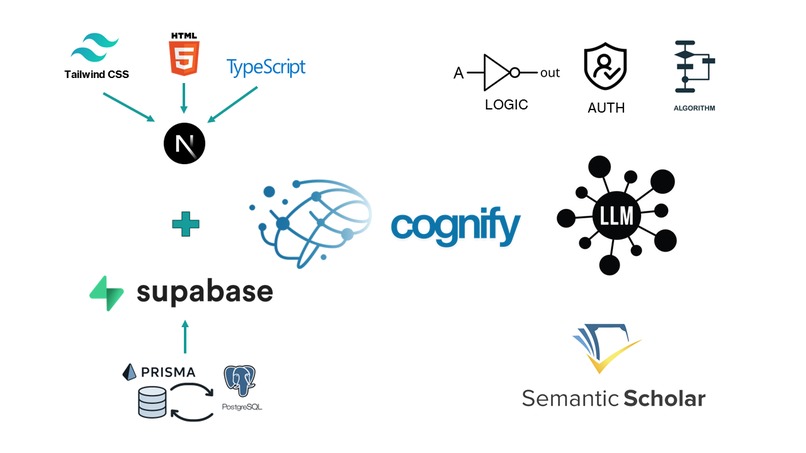
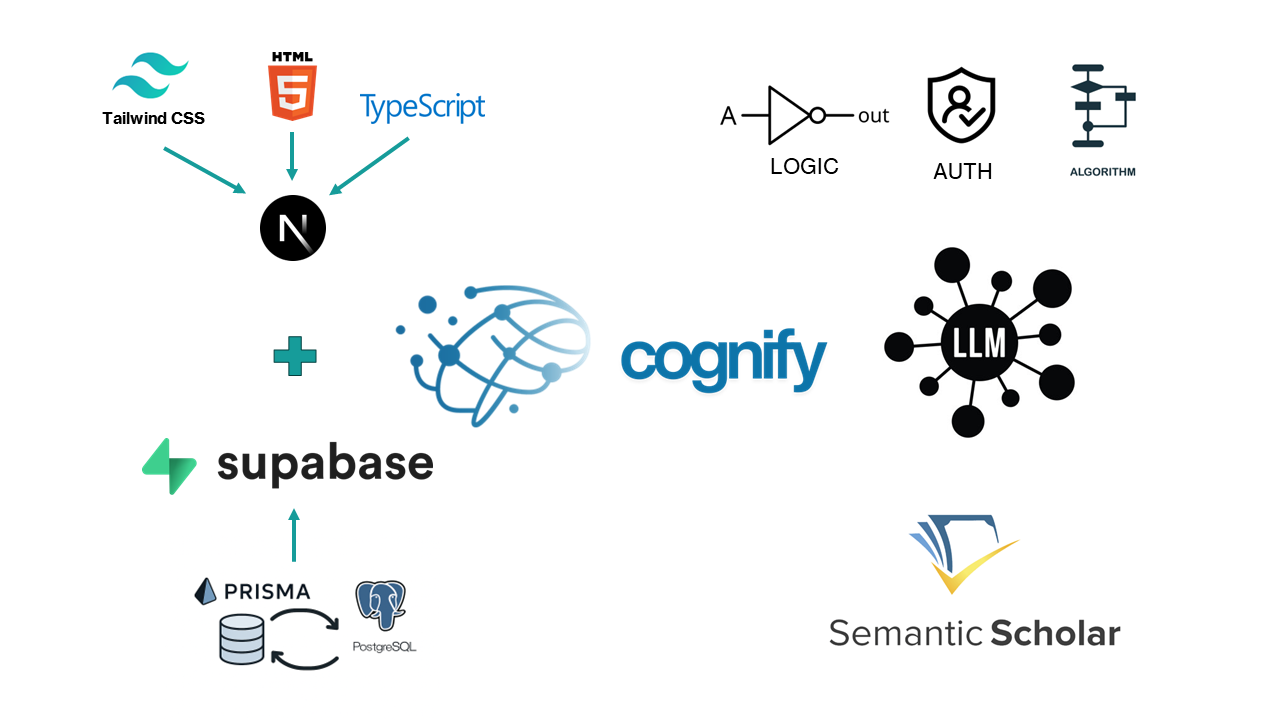
We used Next.js for full-stack development and deployed the system at cognify.fyi. Supabase is used as the backend, with PostgreSQL as the database.
Currently, the system connects to Semantic Scholar through its API, which provides access to millions of academic documents. Based on the user’s query, the system generates responses with proper references. When applicable, it identifies research gaps and generates hypotheses to support the user. The platform is designed to maintain a conversational tone.
Challenges we ran into
We wanted to include infographic visualizations, but due to limitations in accessing image-generation models, we were unable to do so this time. A significant portion of our effort went into this challenge. However, we will find another way to implement this later.
Accomplishments that we’re proud of
The system is deployed and ready to use. We are already positioned to compete directly with a major player in the market valued at over $33M. What we need now is marketing support and full-time employees to scale. Unlike competitors, Cognify focuses not only on information retrieval but also on research gap identification and hypothesis generation in one unified platform. In the coming days, we also plan to enable full-text access to documents that are currently restricted by addressing licensing issues, which we believe will bring a revolutionary change to this space.
What we learned
We barely slept during the hackathon. Most of our time went into planning, development, and debugging. This process taught us resilience and teamwork. We feel proud to have worked on something with the potential to impact millions of people worldwide. We are determined to continue development even after the hackathon ends, with the goal of transforming research efforts globally. We are confident this system will accelerate academic research and its practical applications.
What’s next for Cognify
Our next goal is to turn this into a full-fledged startup product. Regardless of the hackathon results, we will continue working on expert validation and user satisfaction. Good news: we have already applied to the Tolera Fellowship. Once back in our home base, we plan to connect with leading accelerators and venture capitalists to continue growing. Ultimately, we envision Cognify becoming the go-to research intelligence platform, reducing months of effort into days.
Built With
- api
- auth
- html5
- llm
- nextjs
- postgresql
- prisma
- semantic-scholar
- supabase
- tailwind-css
- typescript


Log in or sign up for Devpost to join the conversation.