-
-
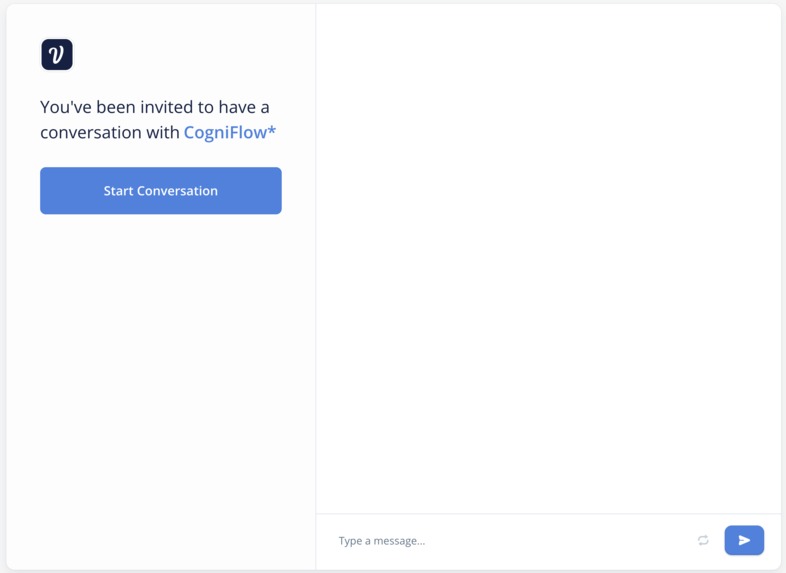
screen 1
-
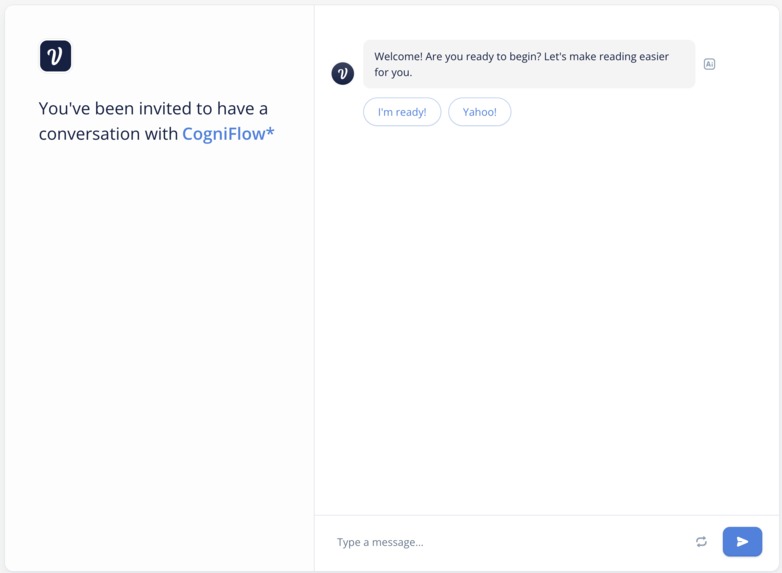
screen 2
-
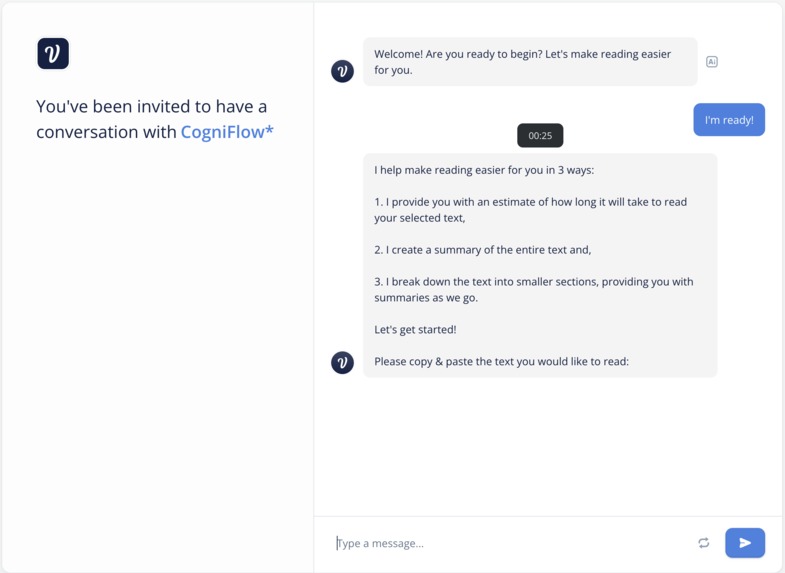
screen 3
-
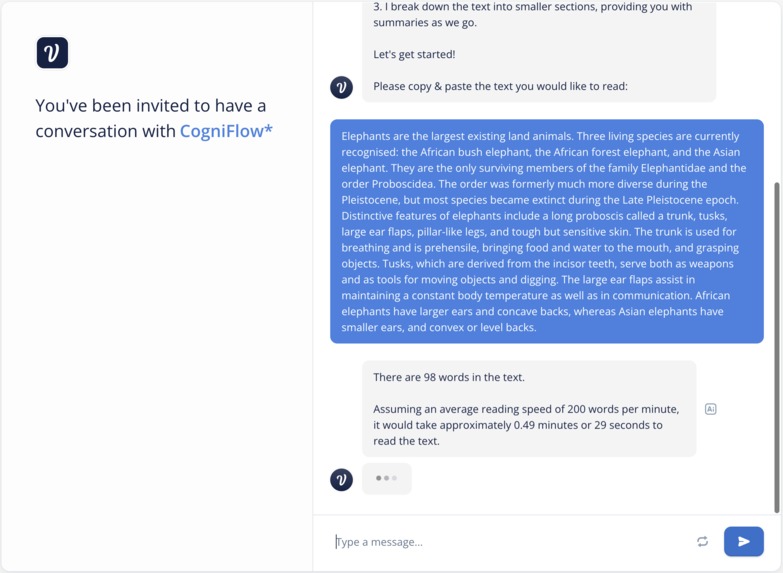
screen 4
-
screen 5
-
screen 6
-
screen 7
Inspiration
We all have close friends and family members who are part of the neuro-diverse community and were inspired to solve a problem that impacts them directly. We advocate for user equity! With the rapid evolution of AI as an increasingly essential tool in daily life, we recognise the need to make these tools as accessible as possible, as early as possible. We chose to focus on creating a text-comprehension tool as web-based working and independent working are becoming more integral to education globally.
What it does
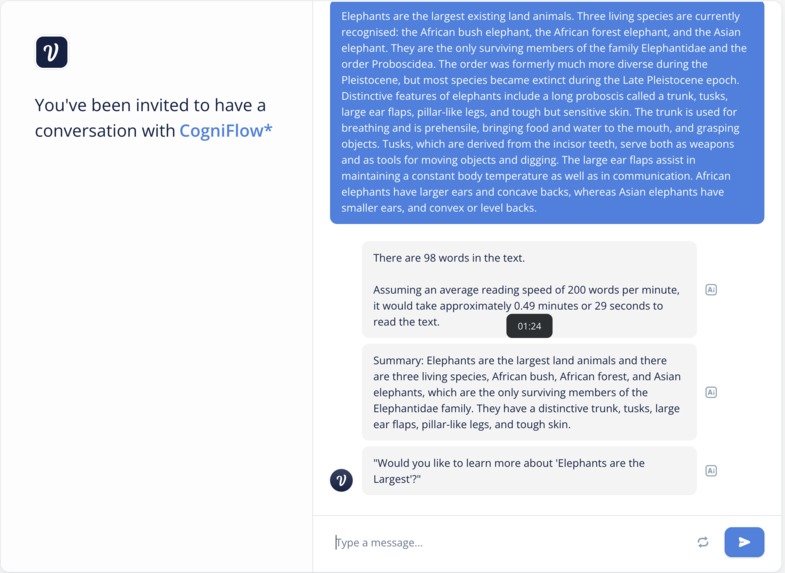
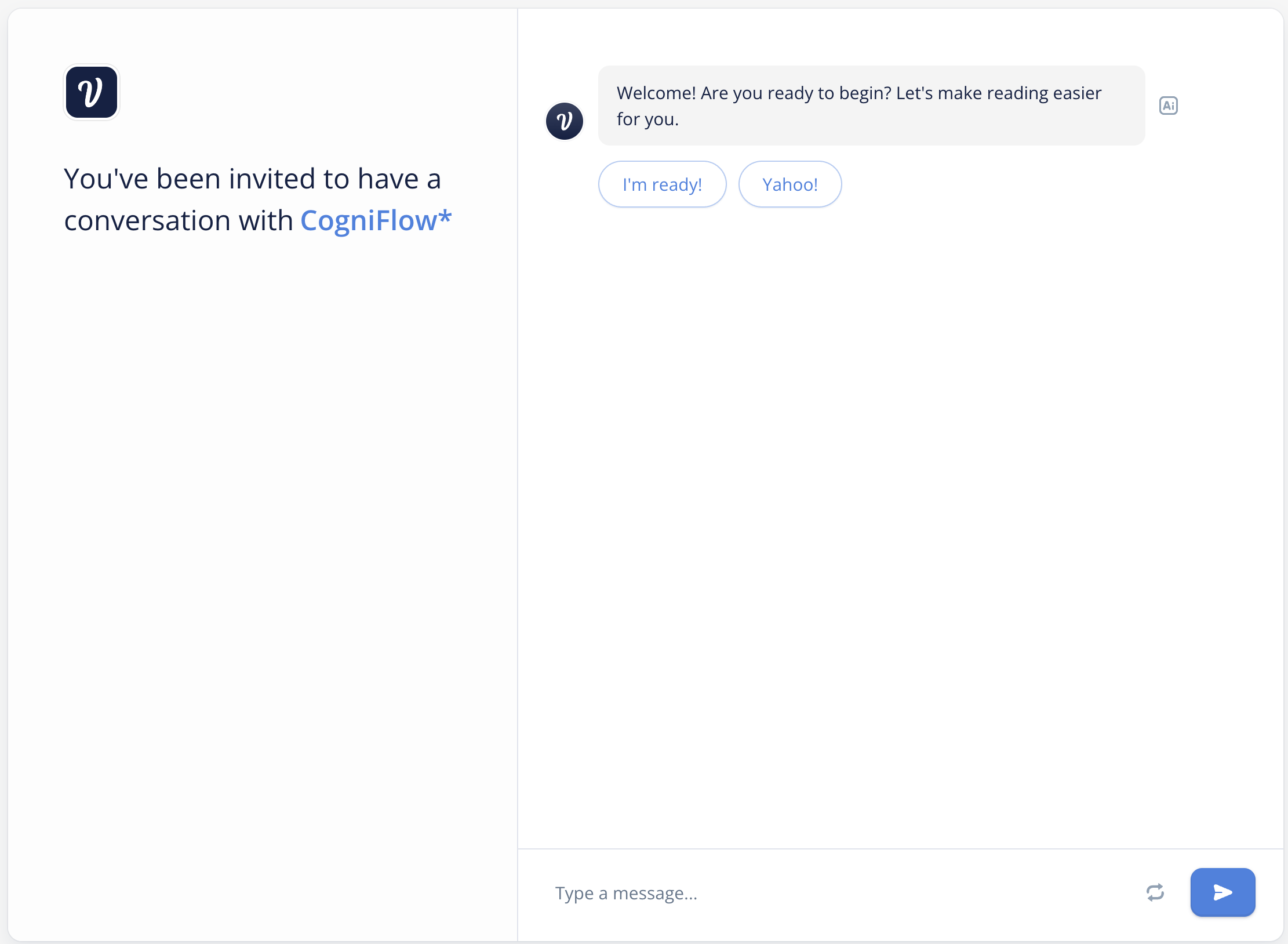
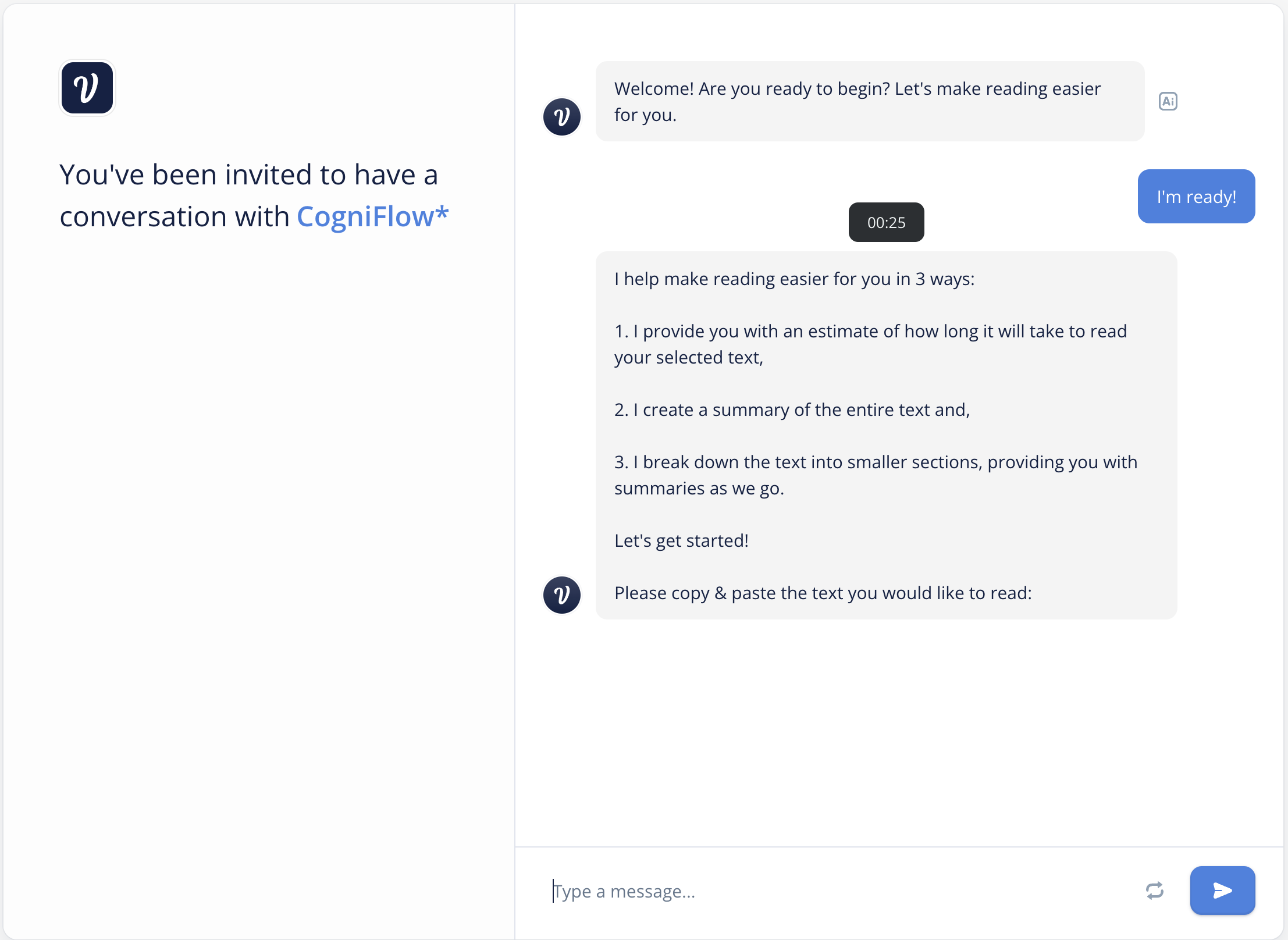
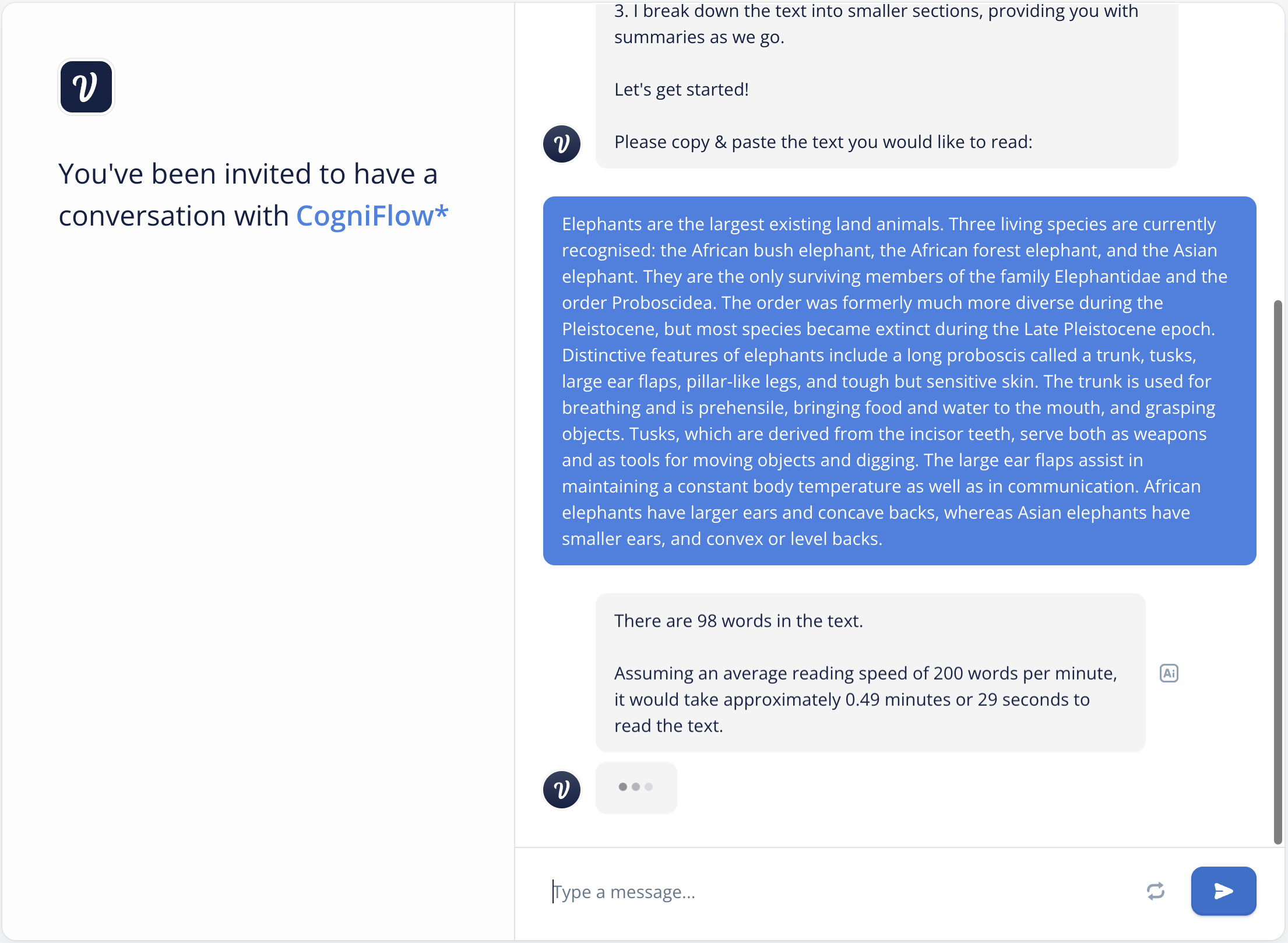
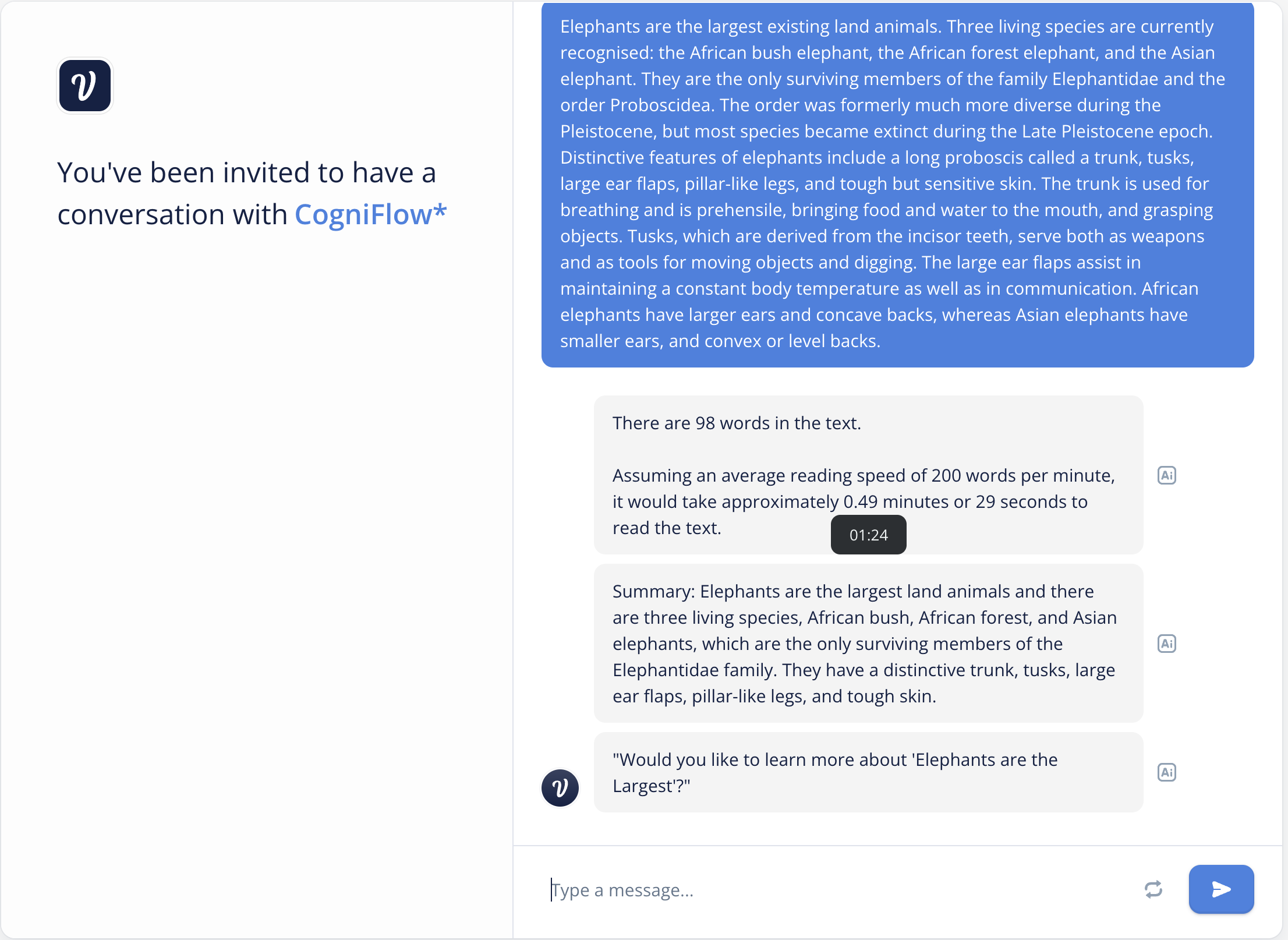
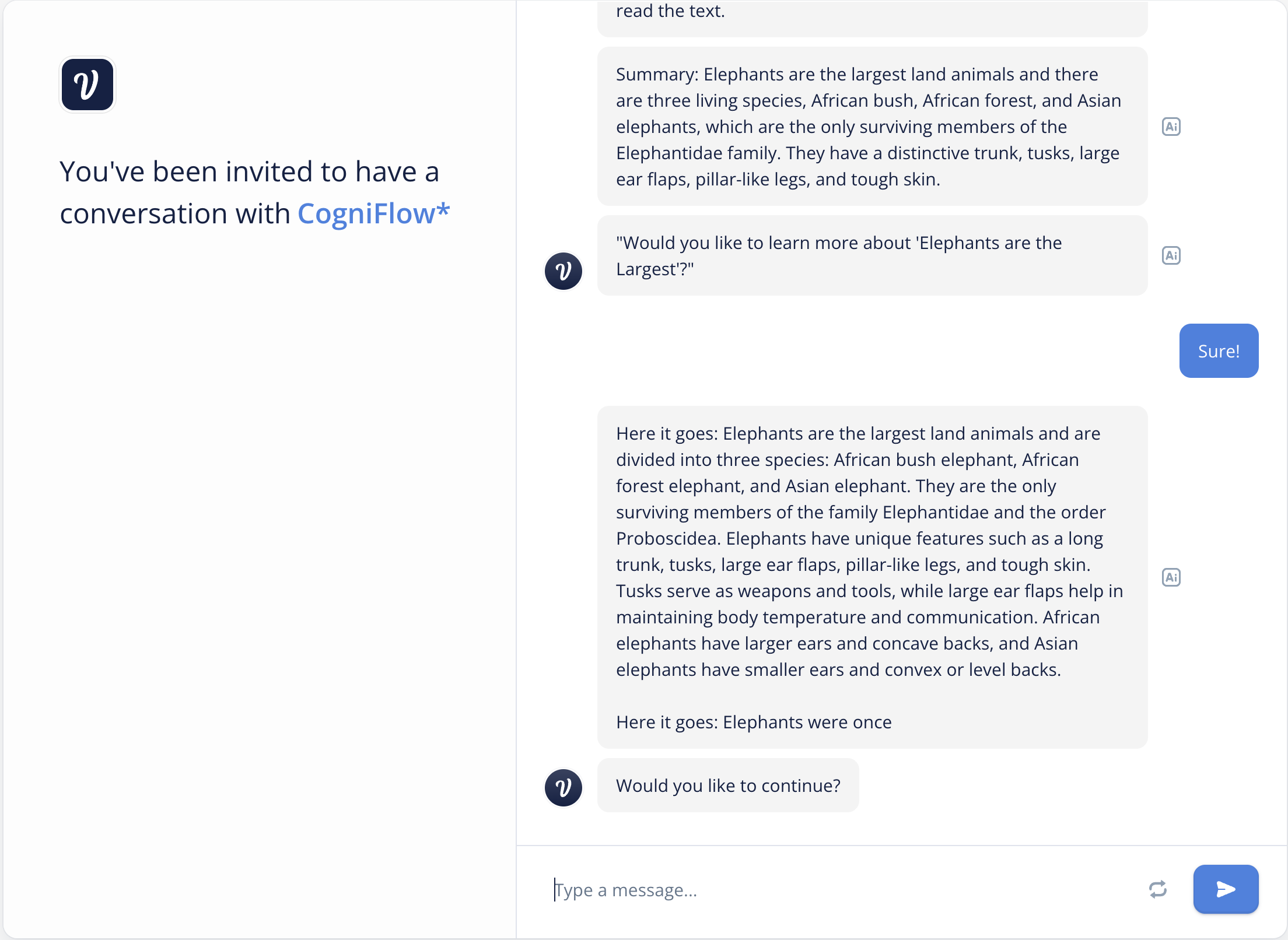
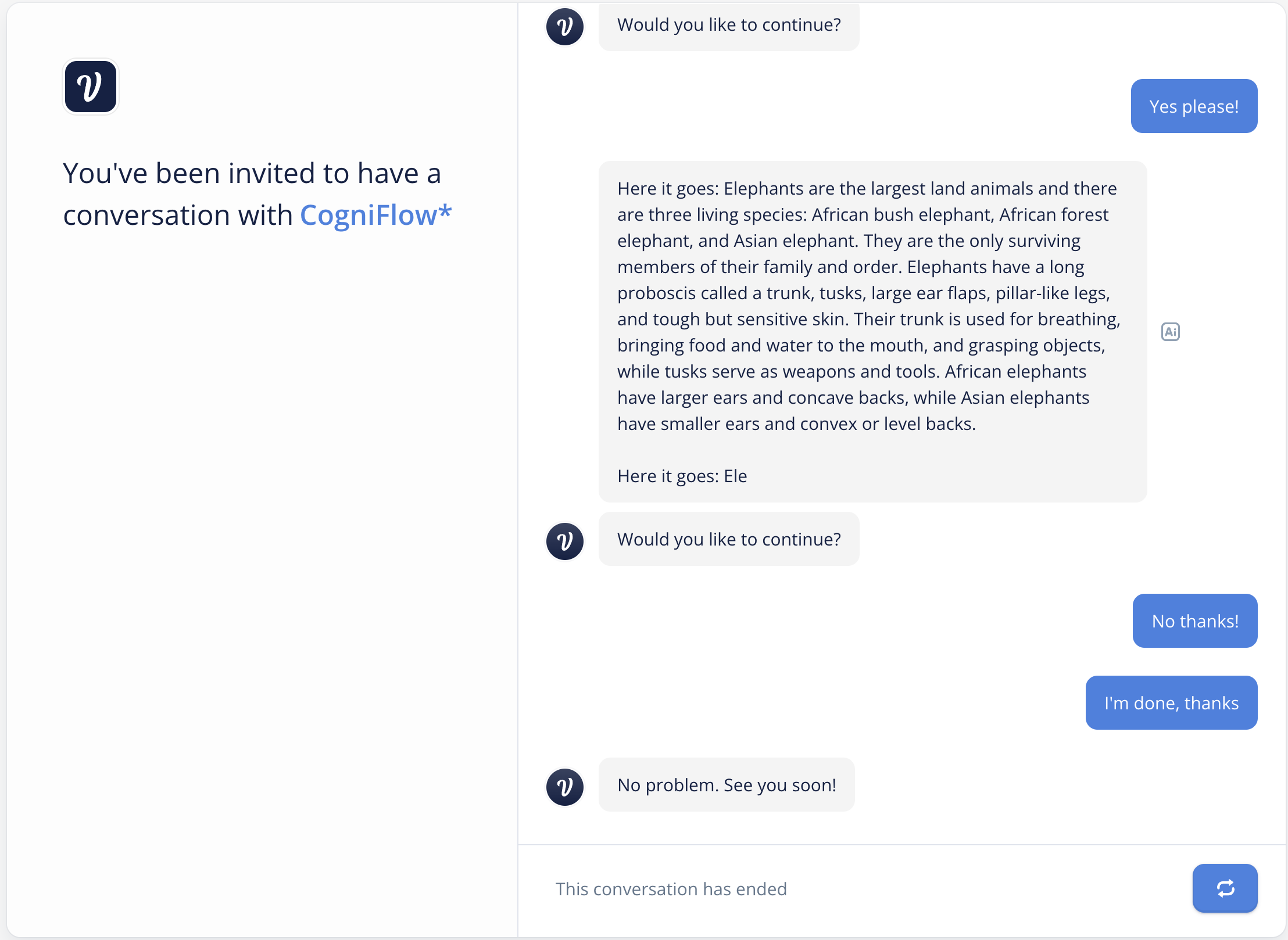
Conducting both primary and secondary user research, we identified 3 major pain points for users with ADHD and ADD when comprehending medium to long texts: expectations, focus, and comprehension. Our product aims to address these pain points by improving the reading experience for neuro-diverse folks in 3 areas: Expectations: we sought to address this issue by stating the length of the text in words and the time it would take to read the entire article, based on average reading time. This alleviated some user dread about the length of articles and enabled them to plan their study time more effectively. Focus: we sought to address this issue by creating short summaries of the text in bite-sized chunks which eases comprehension. Comprehension: we sought to address this issue by enabling diverse representations of summaries, namely text-to-image. Our research indicated that many users learnt well with visual representations.
How we built it
We built our project in Voiceflow with the addition of WALL-E and an OCR tool. We used GPT-3.5 and ChatGPT as the LLMs.
Challenges we ran into
Our main challenge was the accuracy of the AI’s responses. It was difficult to design prompts that would result in accurate responses.
First, we were hoping that a user could give a URL and the AI could read in the text. Often, the AI would have difficulty identifying the main body of the text, and when it was unsure, it would hallucinate and invent content.
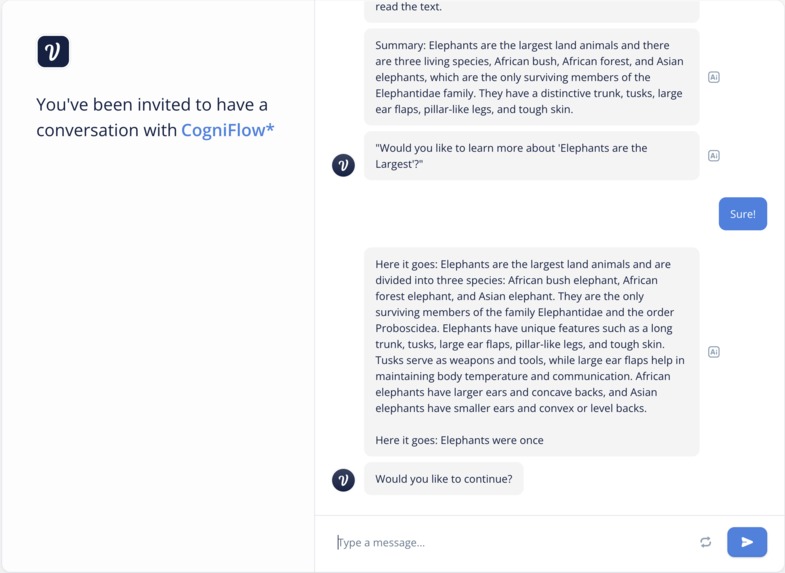
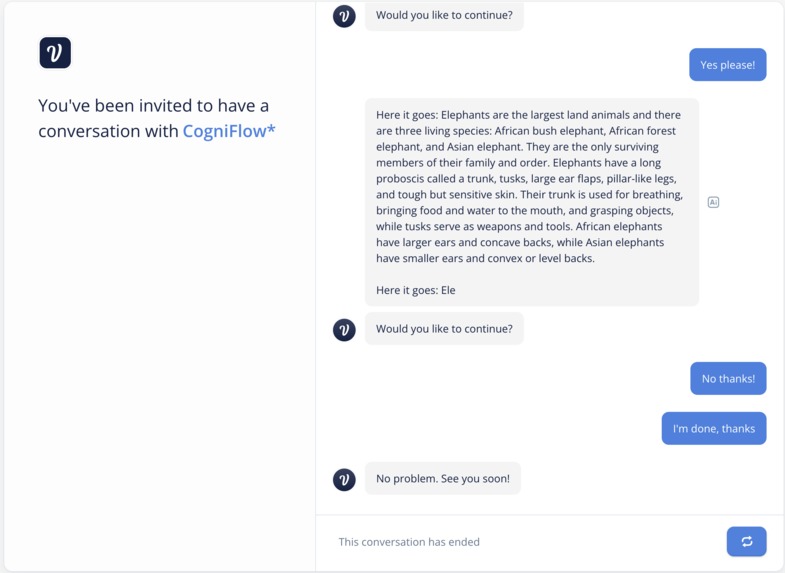
For example, we wanted the AI to output a summary of the first ten sentences followed by the ten sentences themselves. We wanted to repeat this process in a loop until the end of the text. The AI found it really hard to do any iteration of the loop past the first.
Accomplishments that we're proud of
Using VoiceFlow for the first time! None of us had used VoiceFlow before so it was a steep learning curve, made a lot easier by the YT tutorials (thanks Denys!). Working across timezones (8-hour difference) as an international team was a challenge that we are also proud we overcame.
We’re also really proud that we turned this into an end-to-end project. We worked closely as a team, came up with an idea, did user research to find out what the use case would be, thought of the features we’d like to see, and implemented what we could.
What we learned
Writing prompts that give you the response you desire is far more difficult than we anticipated. We did not have time to fulfill our grand plans of enabling text-to-image versions of the summaries our assistant created. We attempted to do this by prompting ChatGPT with code but could not get it to work. We had also hoped to enable a prompt-response style to the text summaries (i.e., parsing the text summaries into blocks and prompting the AI to summaries each section). This would allow the user to read summaries of the text in bite-sized chunks which our research indicated enables comprehension. Unfortunately, we could not manage to prompt the AI to produce these smaller, focused summaries.
What's next for CogniFlow
In the future, we hope to enable text-to-image through API integrations with DALL-E. We also hope to fit a solution to the issue of the smaller text summaries. Another feature we’d like to incorporate is the ability to ping an API to get content for well known sources to reduce noise from scraping a website. We really believe that this tool has potential as a means to aid comprehension for all! We already have a board member and we are excited for next steps!
Built With
- dall-e
- ocr
- stability.ai
- voiceflow


Log in or sign up for Devpost to join the conversation.