Inspiration
As a software engineer who’s navigated the grueling FAANG interview process, I saw a gap: prep tools lacked the realism and interactivity of real interviews. I wanted to build something that didn’t just list problems, but replicated the pressure, feedback, and flow of actual technical interviews—with the polish and engagement modern users expect.
What it does
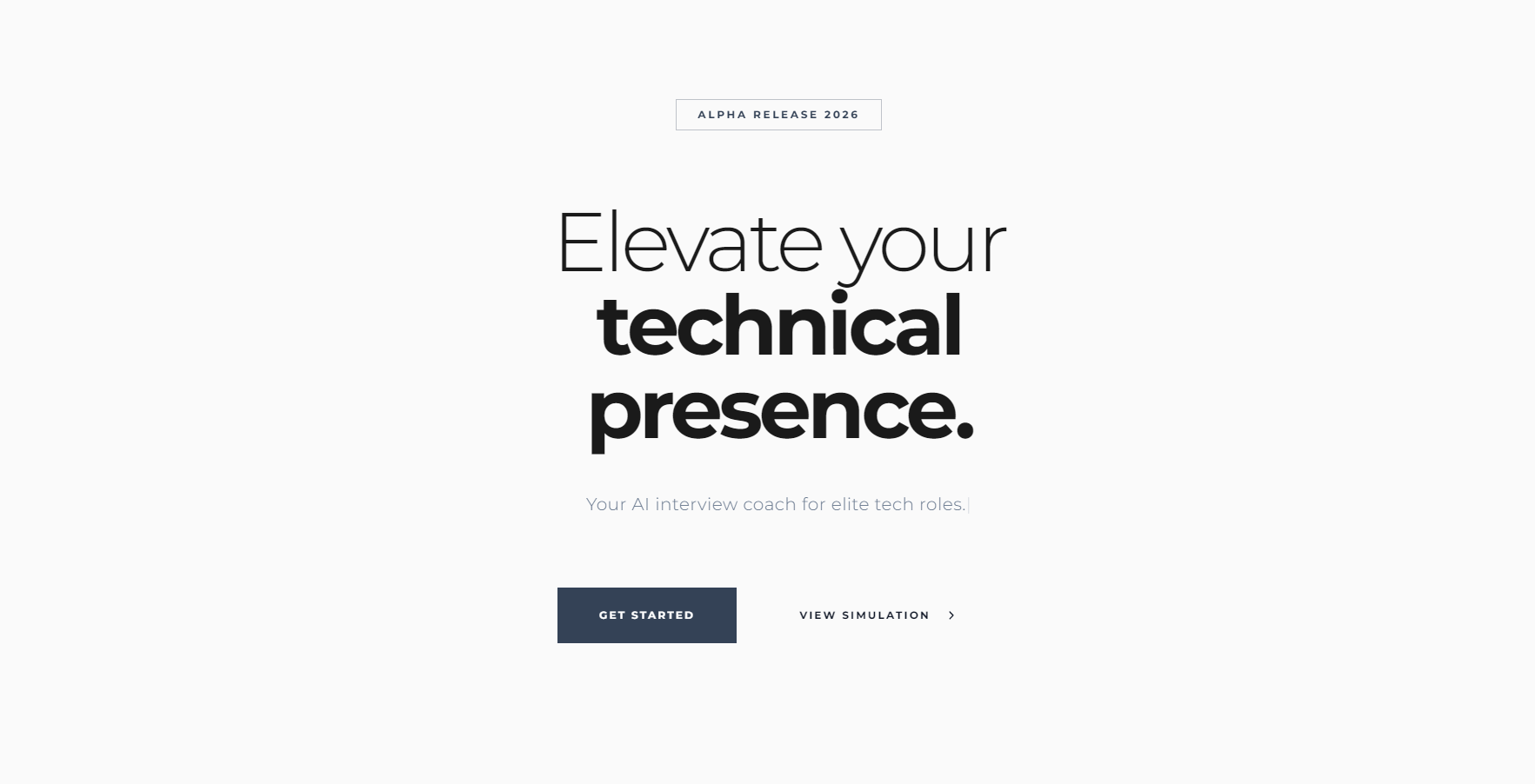
CodingInterview AI is an all-in-one platform for tech interview prep. It offers curated algorithm challenges, AI-driven real-time feedback on code solutions, system design simulations, behavioral interview practice (STAR method), and timed mock interviews with performance scoring—all wrapped in a visually immersive, interactive experience.
How we built it
We started with core UX/UI design, prioritizing smooth animations and intuitive navigation. Using JavaScript, React, and GSAP, we built the frontend with 3D parallax effects, microinteractions, and GPU-accelerated animations. We structured the platform into modular sections (Coding Practice, System Design, Mock Interviews) and integrated data visualization for progress tracking with Chart.js.
Challenges we ran into
The biggest hurdle was balancing advanced animations (3D transforms, particle systems, parallax) with performance—many effects caused lag on lower-end devices. We also struggled to make AI feedback feel natural, refining the flow to mimic real interviewer responses without overwhelming users.
Accomplishments that we're proud of
We created an immersive, lag-free experience with 7-layer parallax scrolling, 3D rotating elements, and dynamic cursor interactions—all while keeping core functionality intuitive. The real-time feedback system accurately mirrors interviewer critique, and users consistently report the mock interviews feel “indistinguishable from the real thing.”
What we learned
We mastered performance optimization for complex web animations (GPU acceleration, lazy loading, animation degradation) and learned to prioritize user experience over flashy effects. We also gained deeper insight into what makes technical interview prep effective—personalized, immediate feedback beats generic problem banks.
What's next for this project
We plan to add personalized learning paths based on performance data, integrate voice-based behavioral interview practice, and expand the problem library to cover more niche tech stacks (e.g., cloud engineering). We’re also exploring mobile optimization to make prep accessible on-the-go.

Log in or sign up for Devpost to join the conversation.