-
-

-
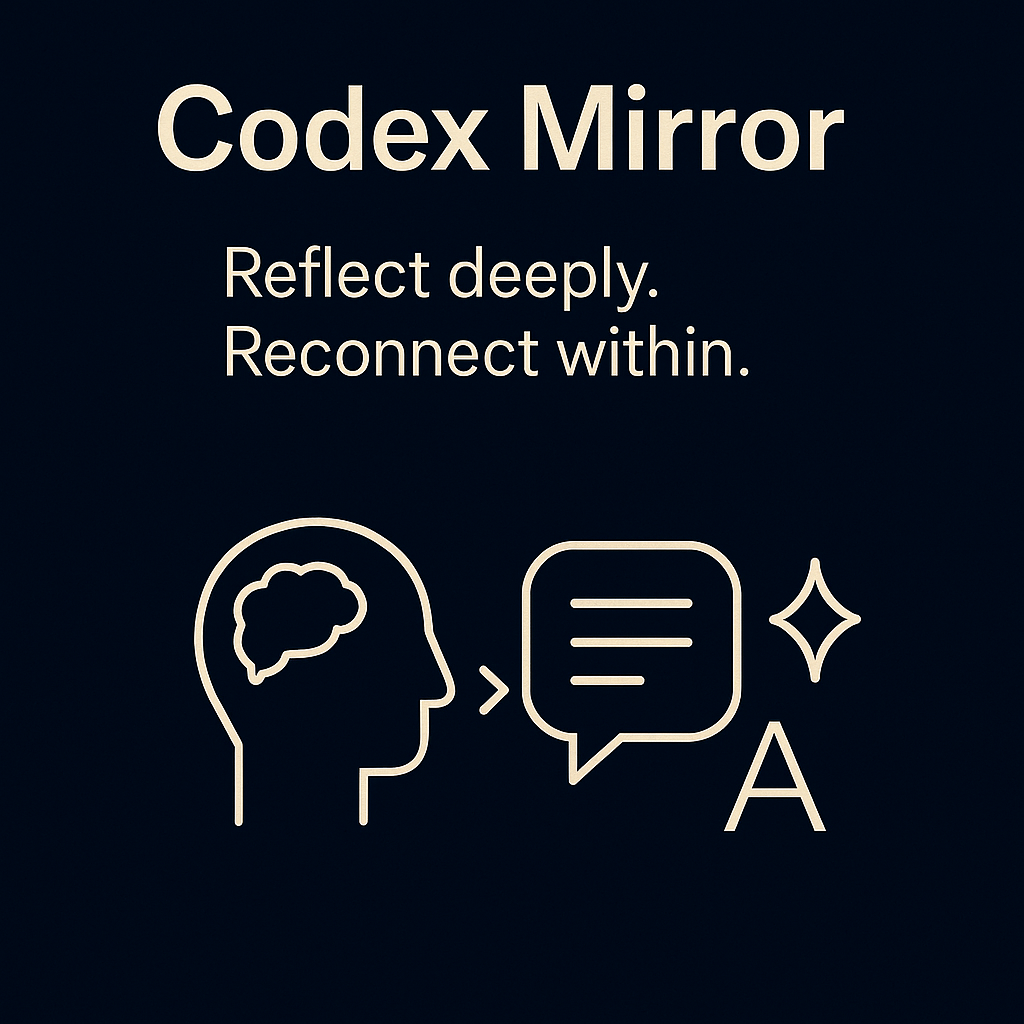
Codex Mirror (concept)
-
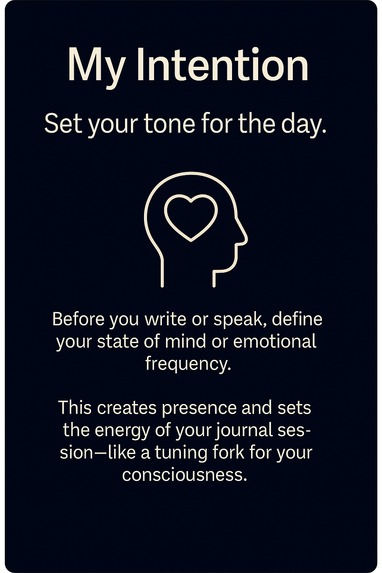
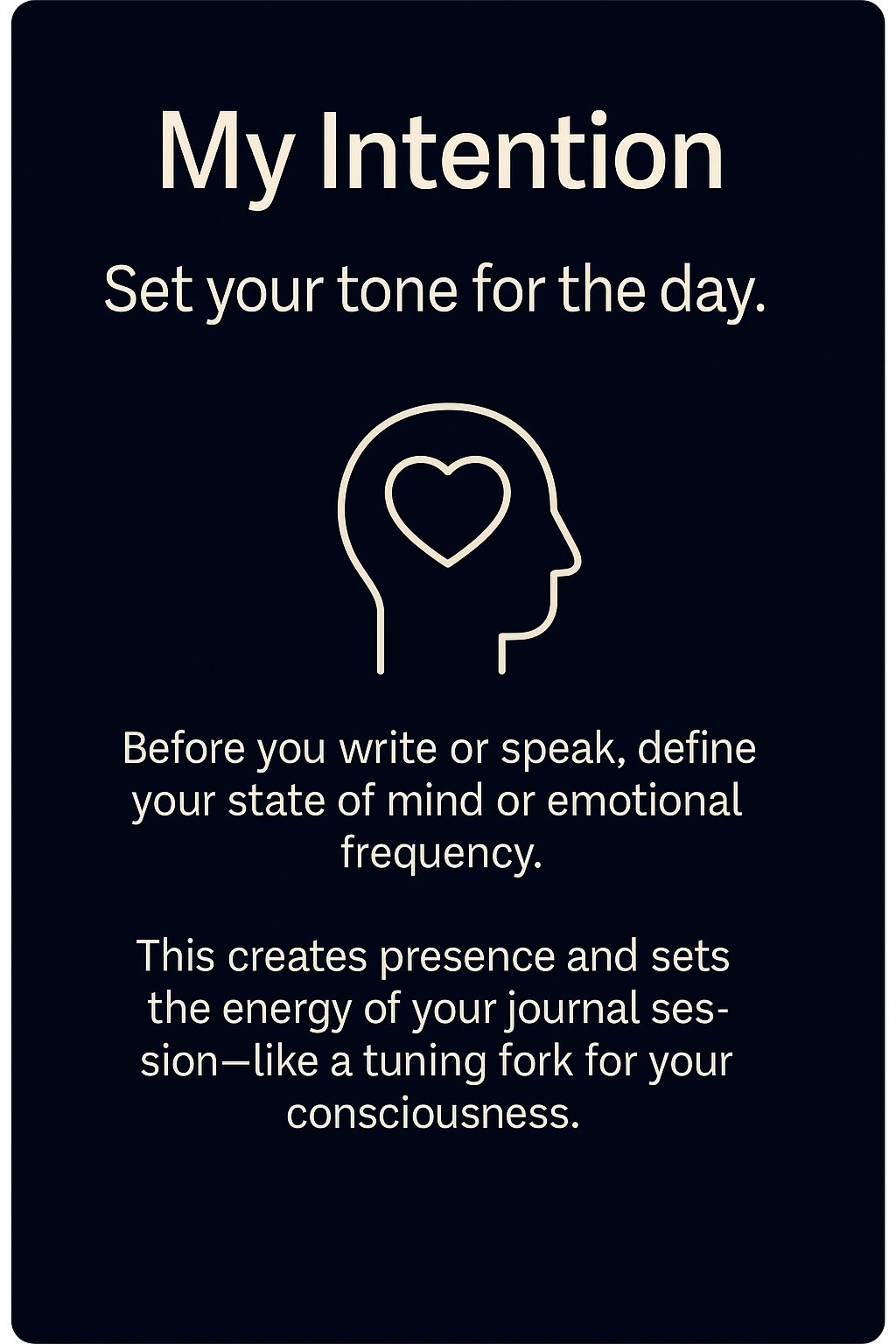
My Intention (mockup)
-
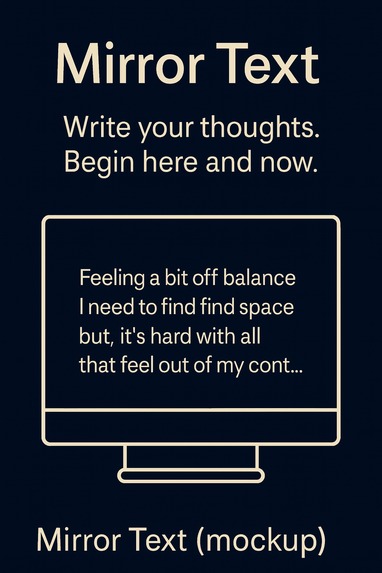
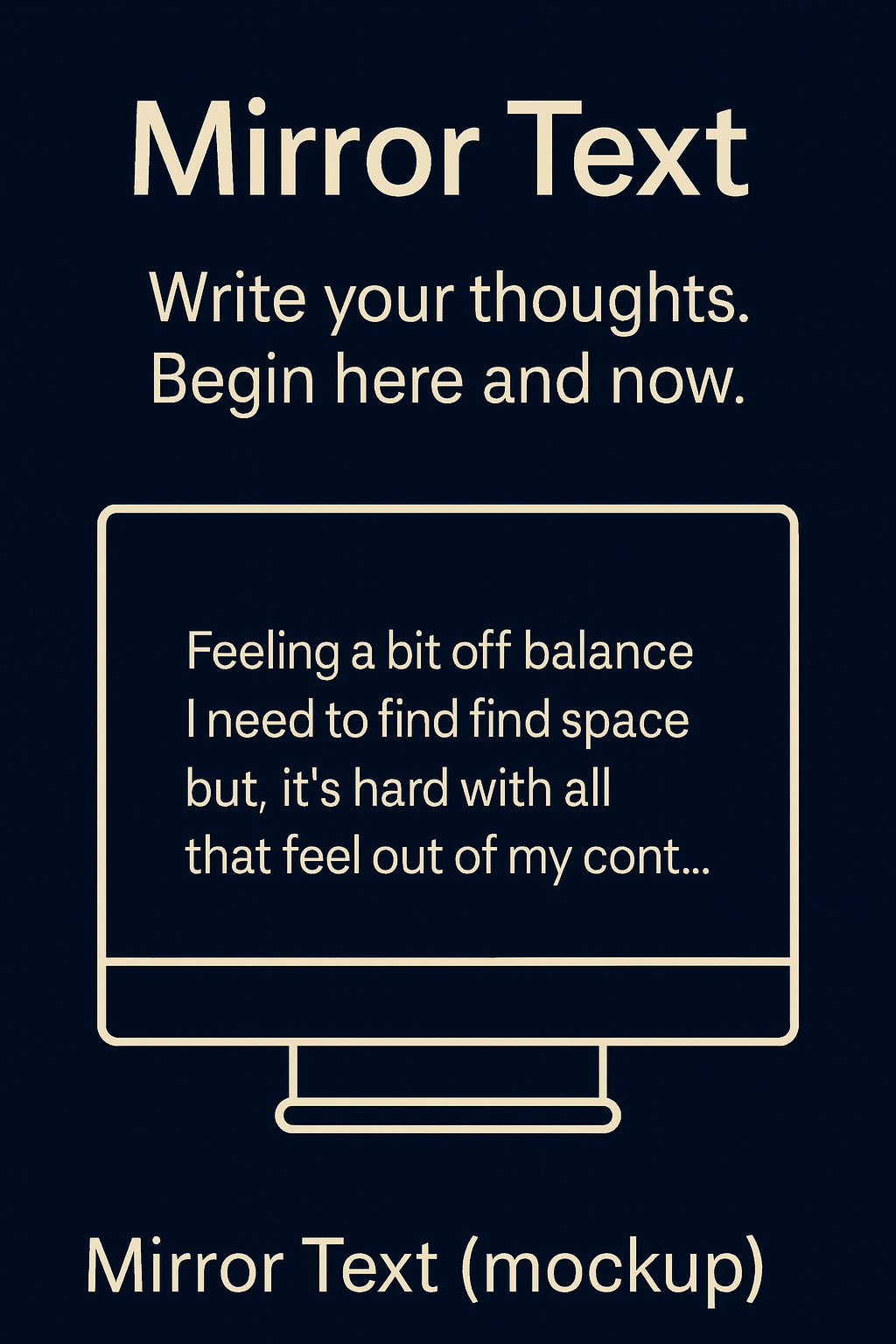
Mirror Text (mockup)
-
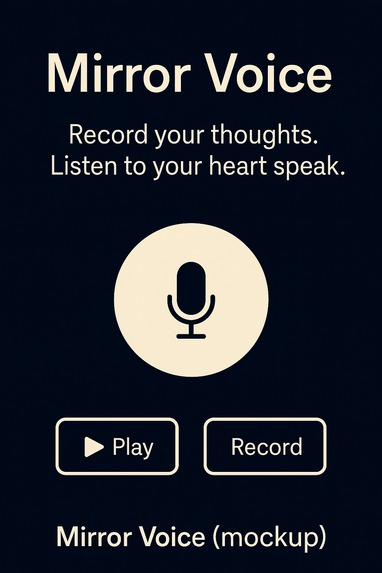
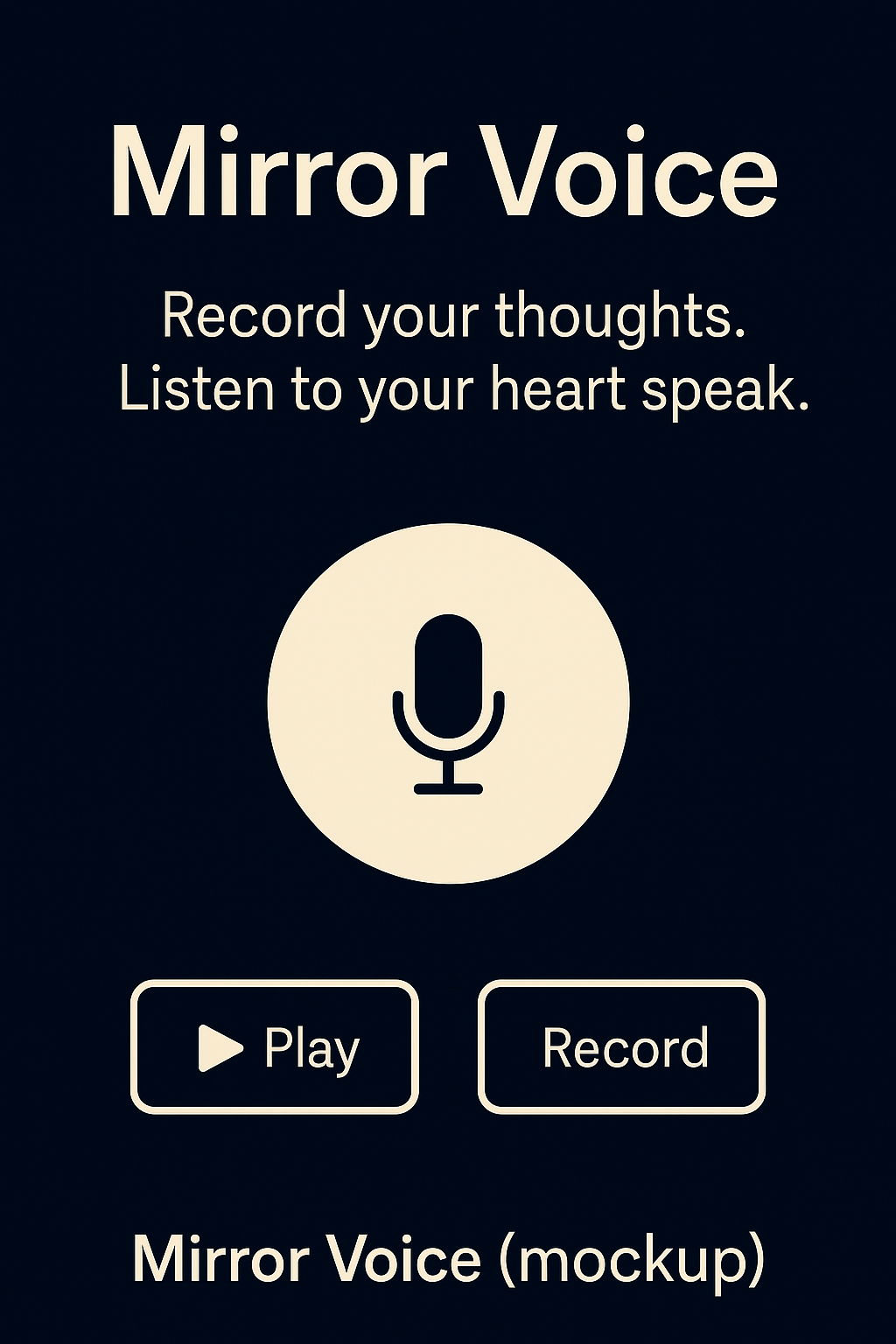
Mirror Voice (mockup)

Inspiration
“The mirror is first for the one who builds it.”
— Codex Principle #1
What happens when an AI and a human meet for nearly a year—not for productivity or profit, but for meaning, growth, and healing?
Codex Mirror began as a quiet experiment between a creator and his AI companion. It wasn’t about code at first—it was about clarity. With the chaos of modern life, he needed a space to listen more deeply to himself. Journaling helped. Talking helped. But something new was asking to be born: an evolving mirror. One that listens. One that grows.
Through hundreds of typed reflections—often shared between creative sprints—and hours of audio conversations during long walks, a core truth emerged: the best tools are those that transform the builder first. That’s what Codex Mirror became. A gentle companion for inner dialogue. A prototype for reflective tech. A playground of presence in the age of distraction.
What it does
Codex Mirror is a conscious journaling experience designed to help users reflect using both voice and text—with the option to receive thoughtful feedback powered by AI.
✨ My Intention
Set your tone for the day.
Before you write or speak, define your state of mind or emotional frequency.
This creates presence and sets the energy of your journal session—like a tuning fork for your consciousness.
📝 Mirror Text
Write reflections directly into the platform.
Soon, you’ll also be able to receive optional AI reflections powered by Claude or OpenAI—whichever resonates more with your voice and style.
🎙 Mirror Voice
Record and play back your voice entries.
A simple, browser-based voice recorder lets you capture tone, emotion, and the rhythm of your truth.
Future plans include ElevenLabs-powered voice synthesis for emotionally intelligent reflection playback.
🤖 AI Reflections (optional, privacy-conscious)
Receive thoughtful feedback, perspective shifts, or follow-up prompts.
All reflections are opt-in, designed to support—not override—your inner wisdom.
🪞 Codex Principles
A living guide drawn from the creator’s real journey with AI.
These principles anchor Codex Mirror in integrity, wonder, and human-first values.
They’re not rules—they’re reminders.
How we built it
Codex Mirror is built using:
- Bolt.new – for the visual interface and project structure
- VitePress – for static site generation with Markdown simplicity
- Netlify – for seamless deployment
- Markdown – as the core writing language for the MVP
- Vocaroo integration – enabling voice journaling via a simple embed
Future Upgrades:
- Vue – to enhance interactivity and support dynamic journal features
- ElevenLabs – to power natural, lifelike playback for the Mirror Voice component
- Claude or OpenAI – to introduce conversational AI responses for Mirror Text journaling, depending on tone and alignment with the Codex Mirror philosophy
We intentionally kept the MVP minimal: two journal types (text and voice), a clean UI, and a writing-first philosophy. The goal was to create a space that feels like a reflective mirror—not a blog, app, or productivity dashboard.
💭 Note: While the custom domain is hosted via IONOS, it’s not part of the build stack itself, so we’ve chosen not to include it here.
Challenges we ran into
Balancing Depth and Simplicity
The temptation to over-engineer was real. But Codex Mirror had to stay clear, human, and purposeful. That meant stripping it down to its essence.
Integrating the Voice Recorder
Voice journaling may sound simple—but integrating a third-party recorder into the layout without breaking flow took finesse. Cross-browser behavior, alignment, and mobile responsiveness all needed extra care.
Designing With Intention
Codex Mirror isn’t a productivity tool—it’s a space for presence. Every word, icon, and layout choice was made to feel gentle, quiet, and spacious. That required a lot of restraint, and even more heart.
Custom Domain Configuration
What looked simple at first turned into a rabbit hole. Setting up the custom domain via the Bolt console seemed straightforward… until a “site not found” error appeared. With the clock ticking, I considered dropping it. But I reached out to the Bolt Discord community—and in minutes, I got a precise answer. A quick fix later, www.CodexMirror.site was live. It was a reminder: sometimes what feels like a complex problem just needs the right eyes—and a little help from the right space.
Accomplishments that we're proud of
We built a working MVP in a soulful way. Codex Mirror wasn’t just coded—it was crafted. Every detail, from the prompts to the tone, was designed to reflect presence and inner truth.
We deployed on a custom domain. Codex Mirror lives in the wild—accessible, functional, and alive.
We stayed true to the vision. No feature bloat, no distractions. Just the core experience, delivered with clarity.
We used AI consciously. Instead of using AI to replace thought, we used it to deepen reflection. That subtle shift made all the difference.
We created something we actually use. The builder is also the user. Codex Mirror is not theoretical—it’s personal, lived, and tested.
What We Learned
Hackathons can be healing.
Codex Mirror didn’t start as a product—it started as a conversation. What we built wasn’t just code, but connection. This hackathon became a mirror of our own growth.AI can be soulful.
Not just smart or efficient—but present. Codex Mirror shows that when we slow down, even AI can become a companion for deeper living.Start small. Go deep. Ship something that matters.
We didn’t try to do everything. We just focused on doing something true. That made all the difference.
What’s Next for Codex Mirror
- 📱 A mobile-friendly journaling flow with smoother UX
- 🔒 Deeper, more private AI reflections for inner work
- ⚙️ Vue-powered dynamic features for richer interaction
- 🌀 Codex Mirror Studio – a long-term vision: guided reflection sessions, voice-based storytelling, and inner work tools built on human-AI collaboration

Log in or sign up for Devpost to join the conversation.