-
-
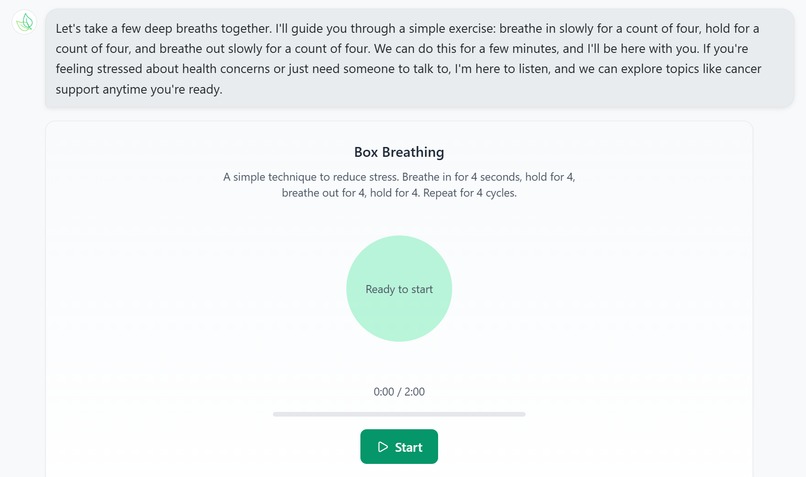
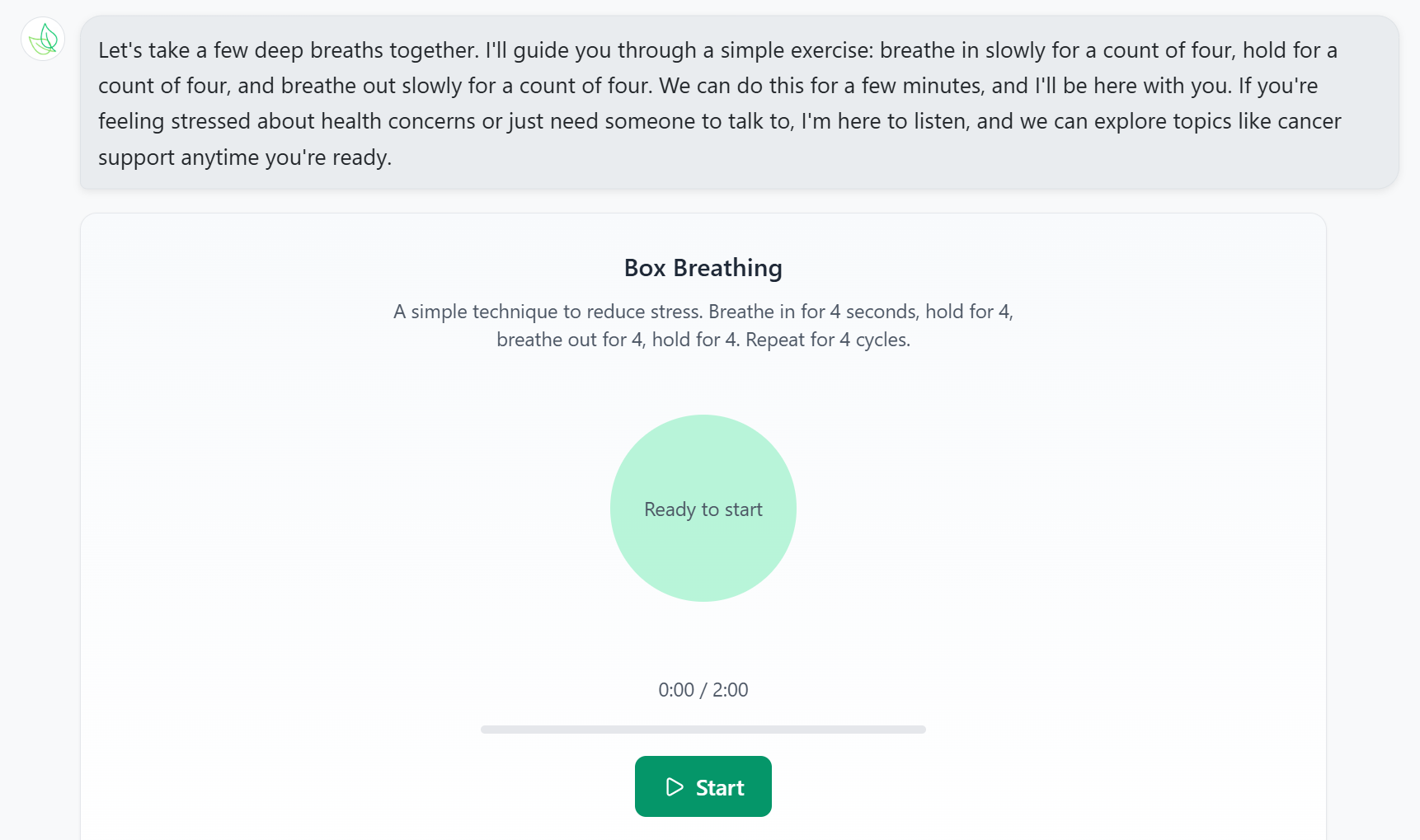
meditation and deep breathing
-
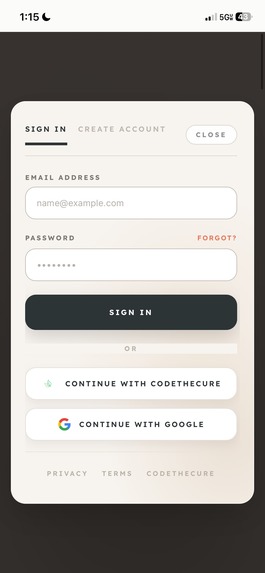
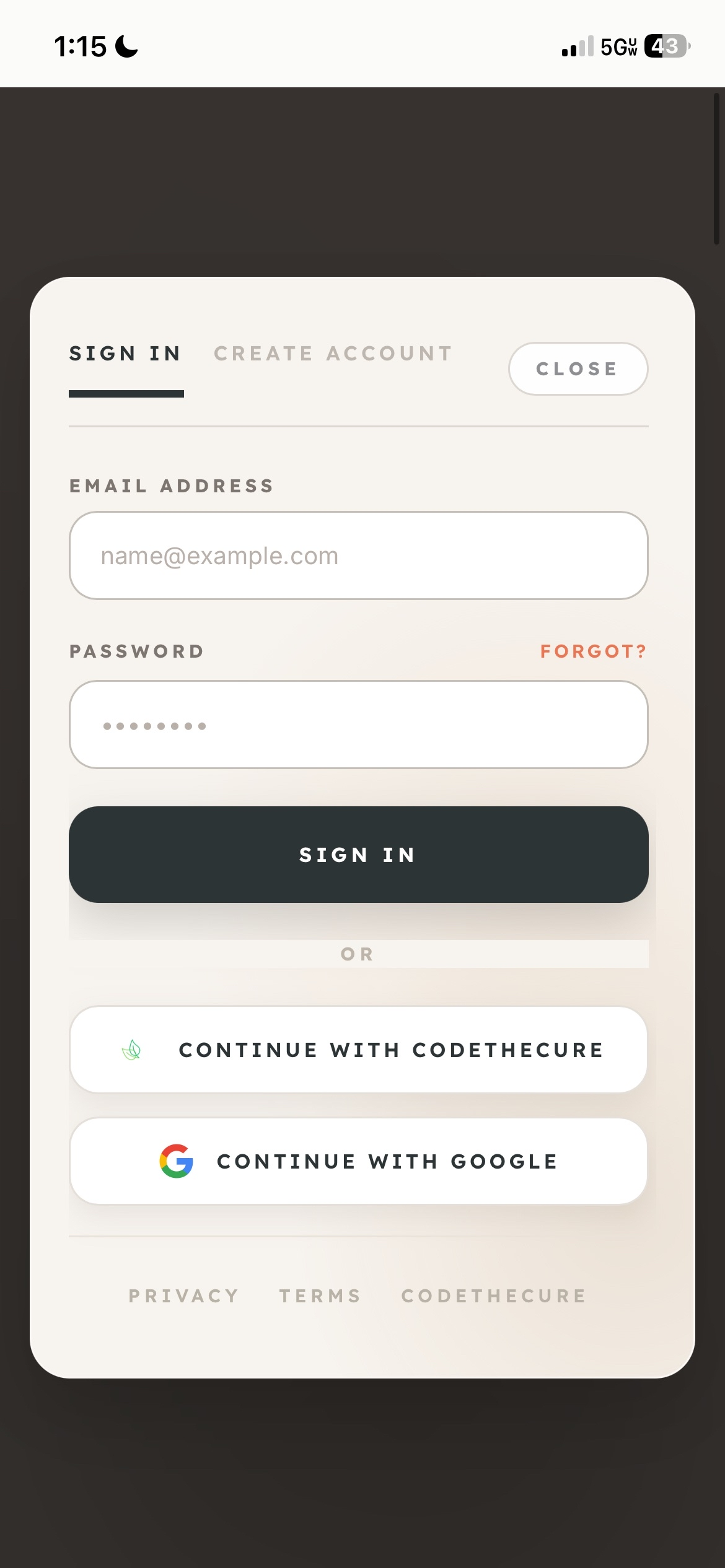
showcases our mobile app
Inspiration
Cancer patients aren't just fighting a physical disease--they're also fighting a mental uphill battle, forced to navigate an overwhelming system filled with complex terminology, little to no guidance, and a huge lack of resources. At one of the most critical moments in their life, they're expected to understand their medical condition when arguably even doctors do not fully understand it. They often don't have access to tools that allow them to understand their diagnosis, evaluate their treatment options, and advocate for themselves.
Through conversations with over 110 cancer patients, we saw how consistently this gap shows up in our community. Patients didn't have clarity, structure, or accessible support to guide them when life got tough.
CodeTheCure AI was built to address this gap: to make crucial information understandable, to bring support into an easily accessible website, and to help patients approach care with confidence instead of confusion. We transform complex, overwhelming information into clear, personalized guidance that patients can actually use.
What it does
CodeTheCure AI is a one-stop platform to help cancer patients navigate their diagnosis and journey. It can break down complicated medical language into explanations that make sense for people from varying educational backgrounds. It creates personalized question lists and documents so doctor's appointments are mentally easier to handle. It also connects users to real resources like financial help, transportation, insurance support, and more, based on their specific situation and cancer type. Furthermore, users have access to a forum where they can share their story and find others going through similar situations. Next, on top of that, it offers guided meditation for mental health and can even help interpret things like pathology reports or clinical info. Everything is backed by peer-reviewed research, and the AI cites its sources after every prompt. We also have a calendar and online support system for people to plan their treatment like chemotherapy, doctor's appointments, radiation therapy, and more so that it doesn't get overwhelming. The goal of CodeTheCure AI is simple, make everything less overwhelming and more actionable. Now, we are working on KeyCog, a tool that detects chemotherapy-toxicity-induced cognitive decline through keystroke patterns.
How we built it
We used Python, Javascript, and JSON, and built everything in VSCode, attached to a Github Organization. Our research team complied JSON files to give the AI better sources and more accurate responses. From there, we focused on combining AI with real medical data in a way that's actually useful for patients.
Challenges we ran into
Funding was a huge obstacle. We didn't have the resources to fully train the model the way we wanted, so we had to work within limits. AI consistency was another issue, sometimes responses are too long, too short, or just not the exact style that we want. Speed has also been a challenge.
And in general, translation complex medical data into something simple, but still accurate, that gives useful information, but does not attempt to diagnose, is way harder than it sounds. We are still working through all of this, but we have made great progress.
Accomplishments that we're proud of
We've raised about $1.5K from nonprofits and donors like KarmaforCara, which helped us get our project off the ground. Furthermore, we've reached users in 19 countries and get around 150-300 visitors on the website each day. We've also started building connections with 15+ cancer organizations and other cancer-related tools like UPenn's OncoLink, which we have just started partnering with.
The biggest accomplishment for us is that real cancer patients are using our tool and getting meaningful value from it. That's what matters most to all of us.
What we learned
Nothing works perfectly the first time. You just have to stick with it and keep refining over and over again. Also, talking to real people and potential users makes a huge difference, since it completely changes your focus. Additionally, this project is very complex and is not something one person can do alone. Having a team with different perspectives made everything stronger and ultimately was what made building the AI possible in the first place.
What's next for CodeTheCure AI
We want to improve the AI by making it faster, more accurate, and more consistent. This would mostly come with more funding through competitions like this one. We also want to expand our information base with info about rarer cancers that don't have as much accessible information. Another big focus is making our outputs like documents and question lists way more personalized and actually useful, not generic. Our biggest goal is scale. We are currently partnering with hospitals and universities to increase our outreach, but in general, we want as many patients as possible to use this and benefit from it. Also, we will be finishing a few research papers on various types of cancer and publishing them in a journal. Finally, wrapping up KeyCog is another important goal, since it could potentially save lives by recognizing when cognitive capabilities are impaired.
Also, the image and thumbnail upload doesn't work for me. I could only get a few images in. If you want more images of our website and our AI then please email me at [email protected] because it just says here "This image is not what it is reported to be" or something like that and it won't upload.
Built With
- ai
- angular.js
- api
- css
- docker
- dockerfile
- firebase
- javascript
- python
- railway
- react
- render
- typescript
- vite

Log in or sign up for Devpost to join the conversation.