-
-
App launcher icon
-
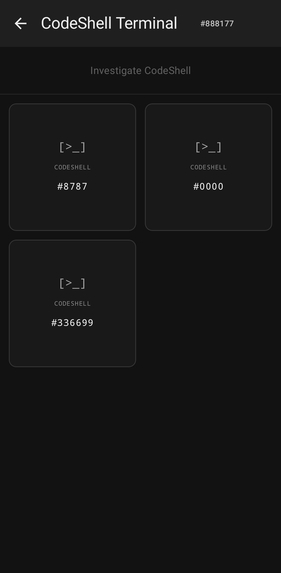
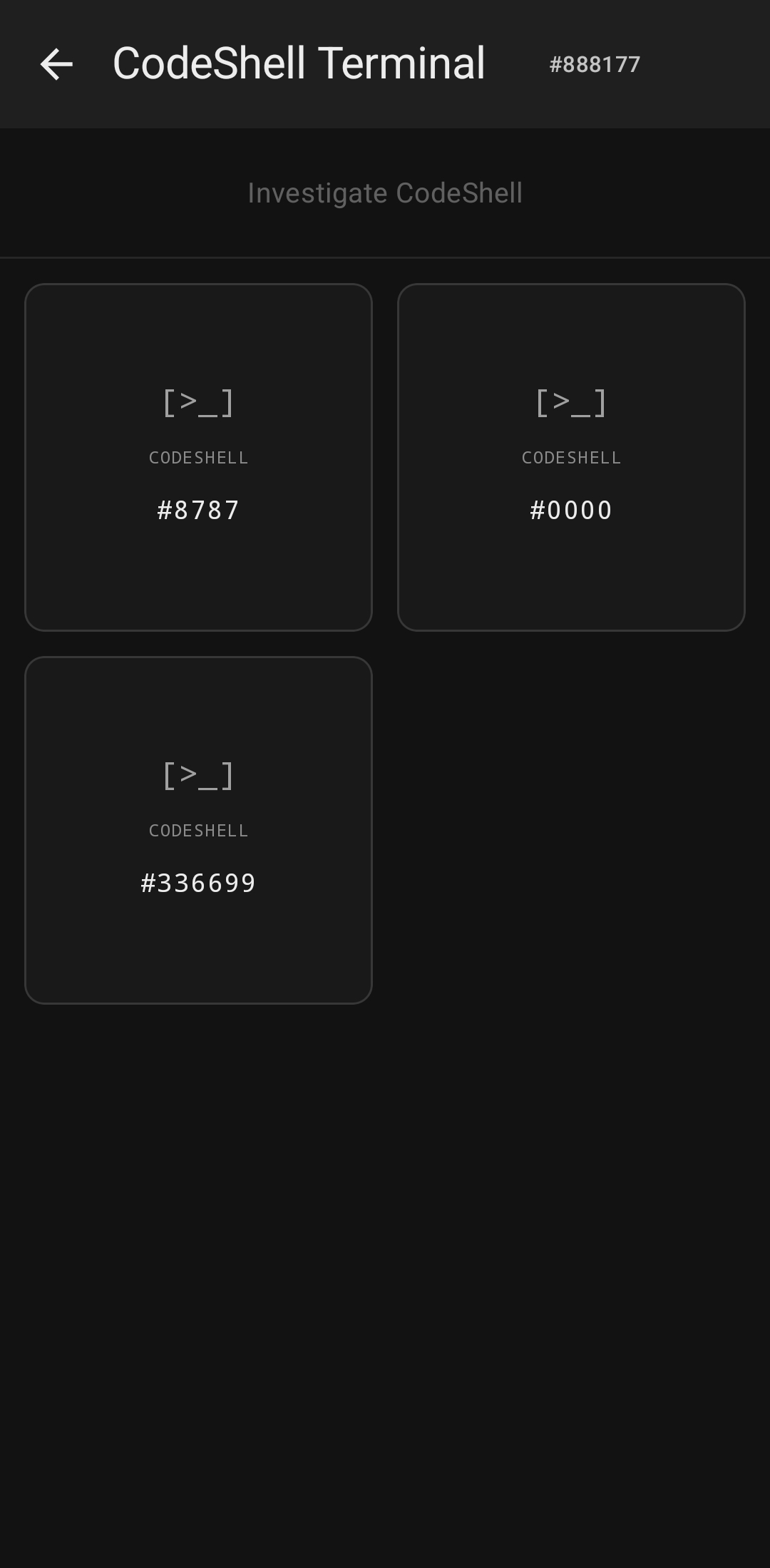
homepage of real chat interface
-
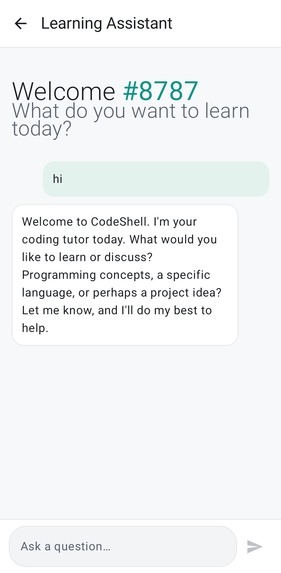
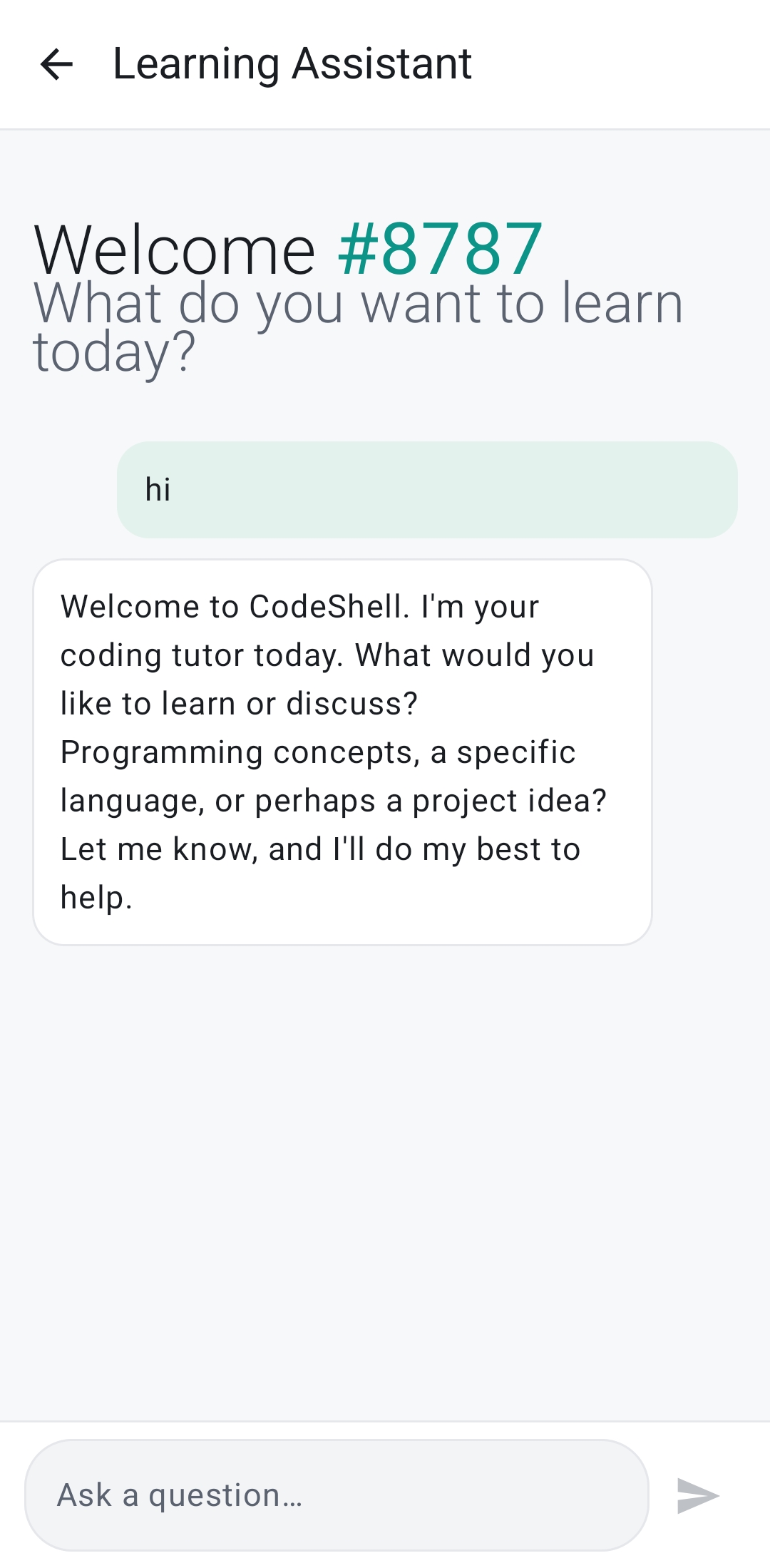
single tap on a conversation opens AI tutor, not the real chat.
-
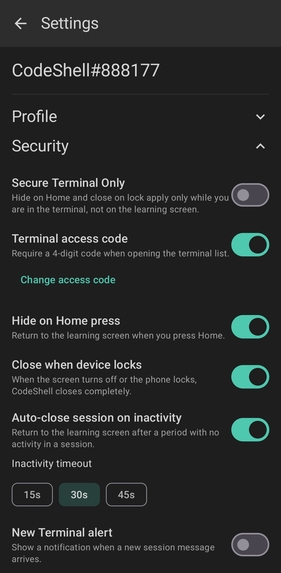
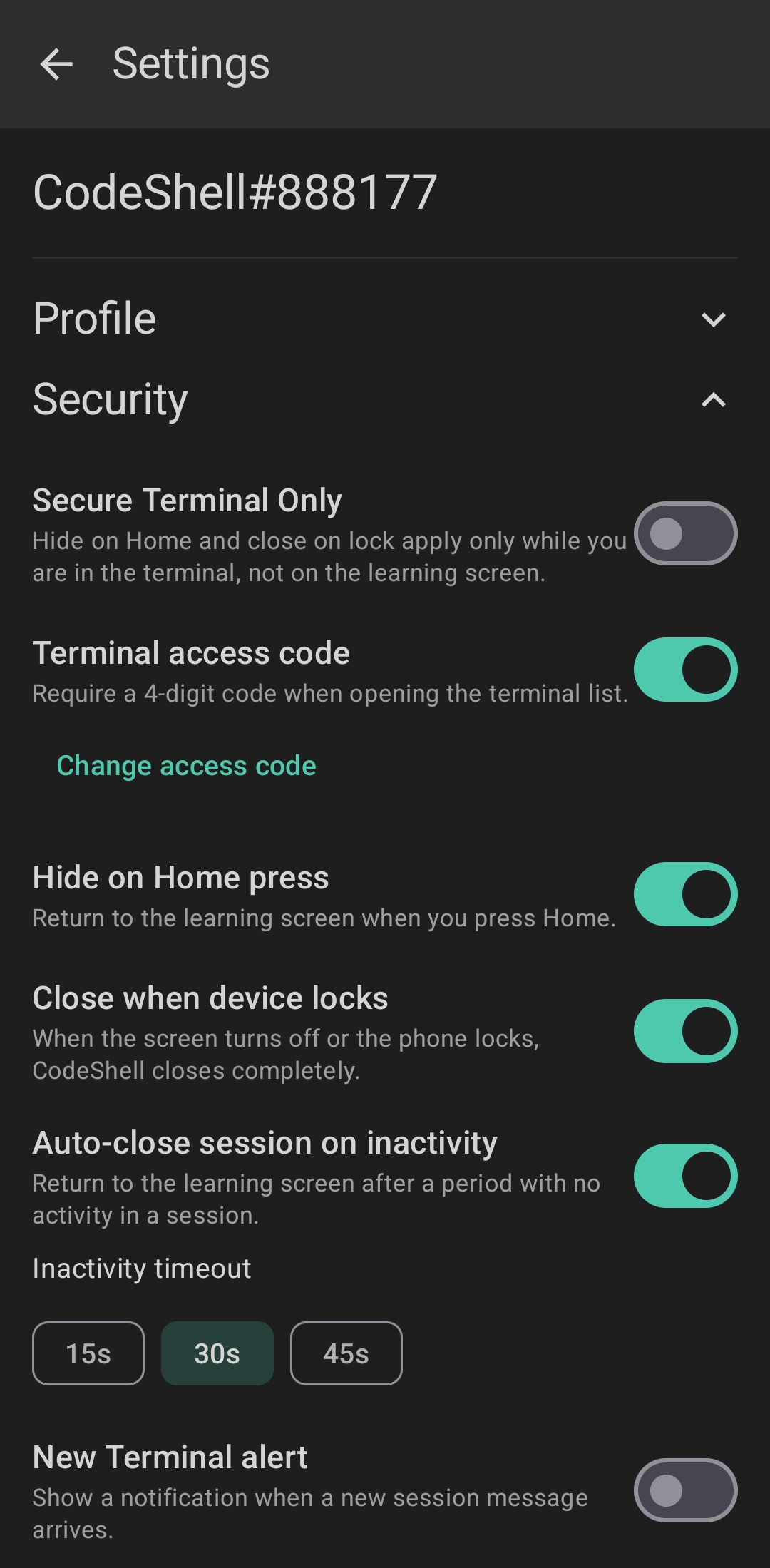
essential settings for better privacy.
-
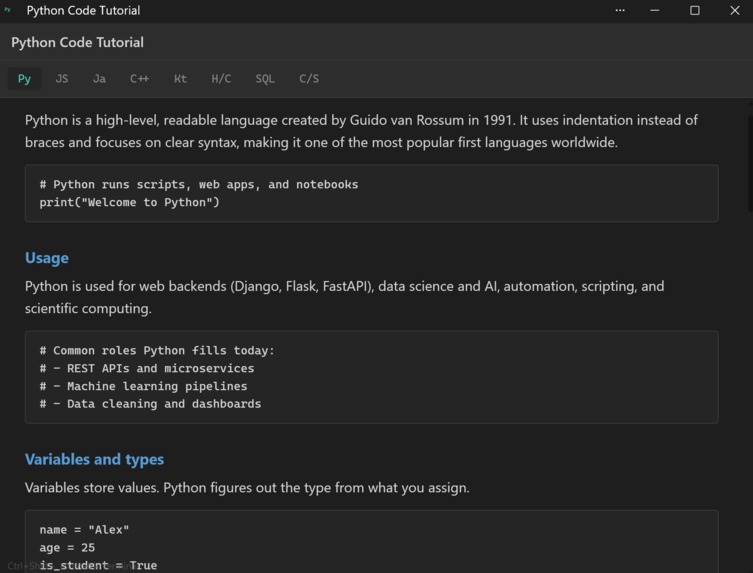
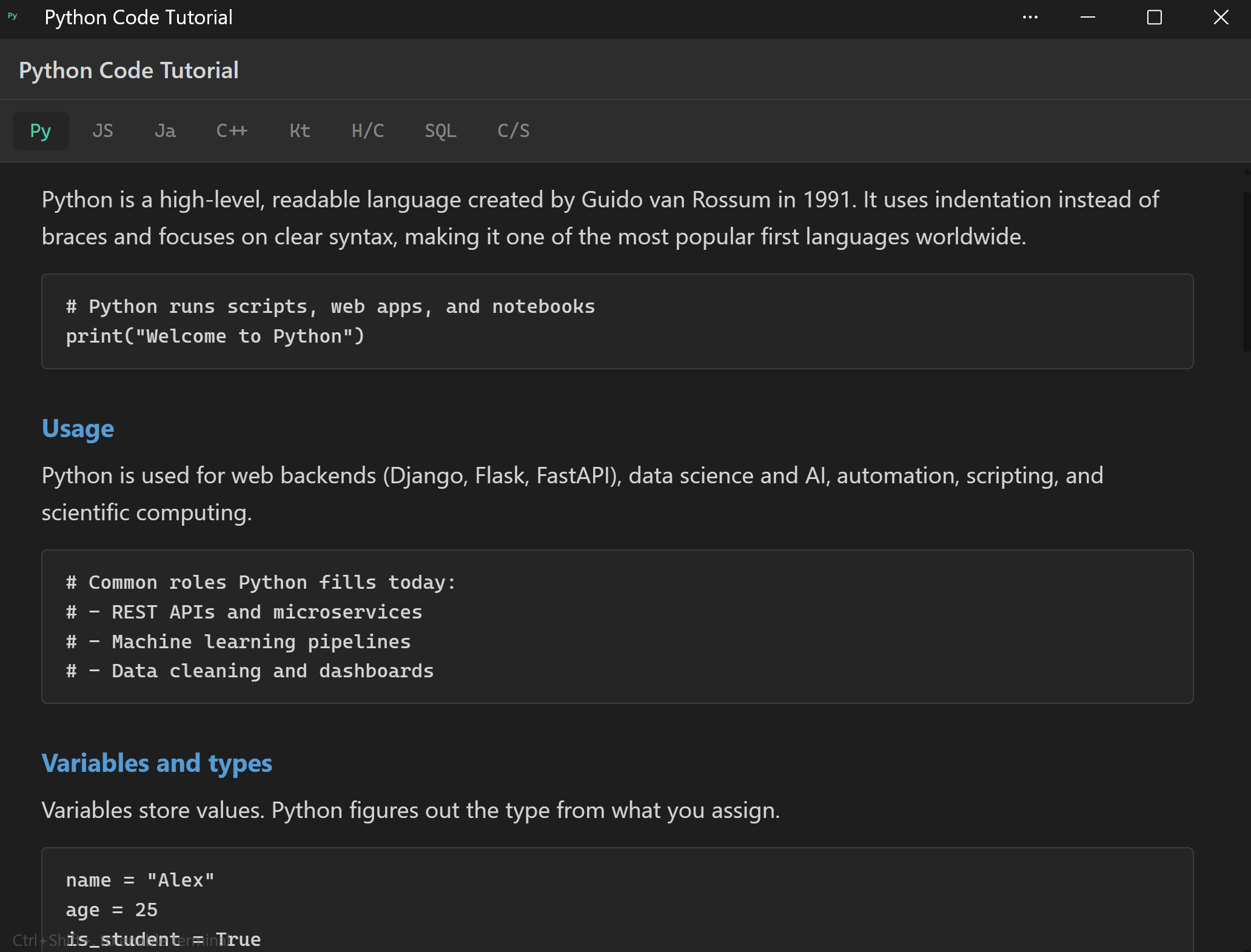
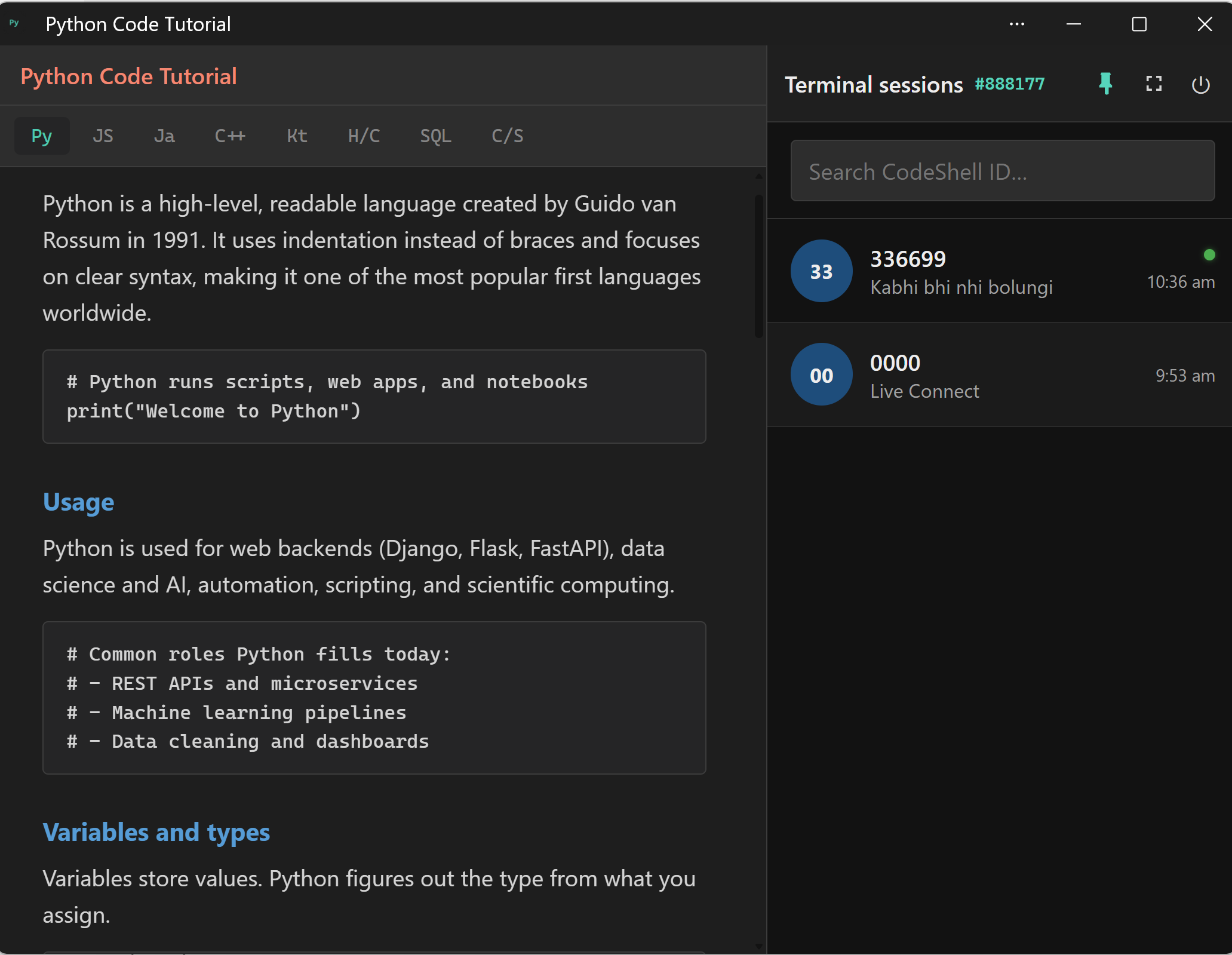
Companian Web app, uses same backend
-
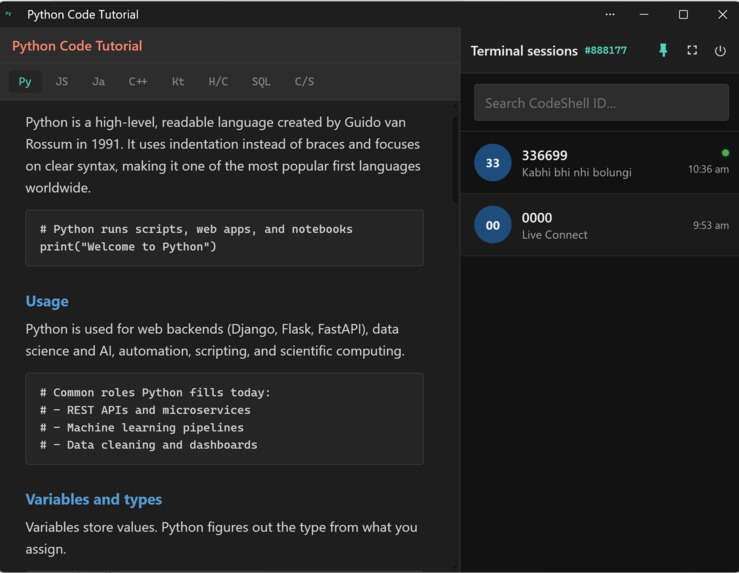
one click ESC opens/hides the chat side panel.
-
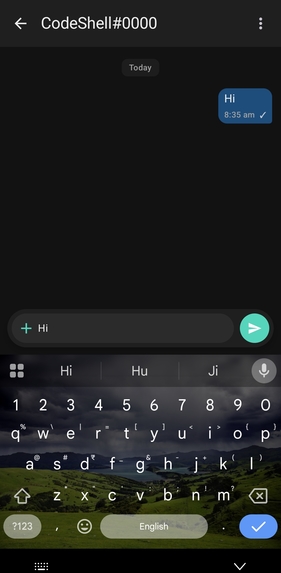
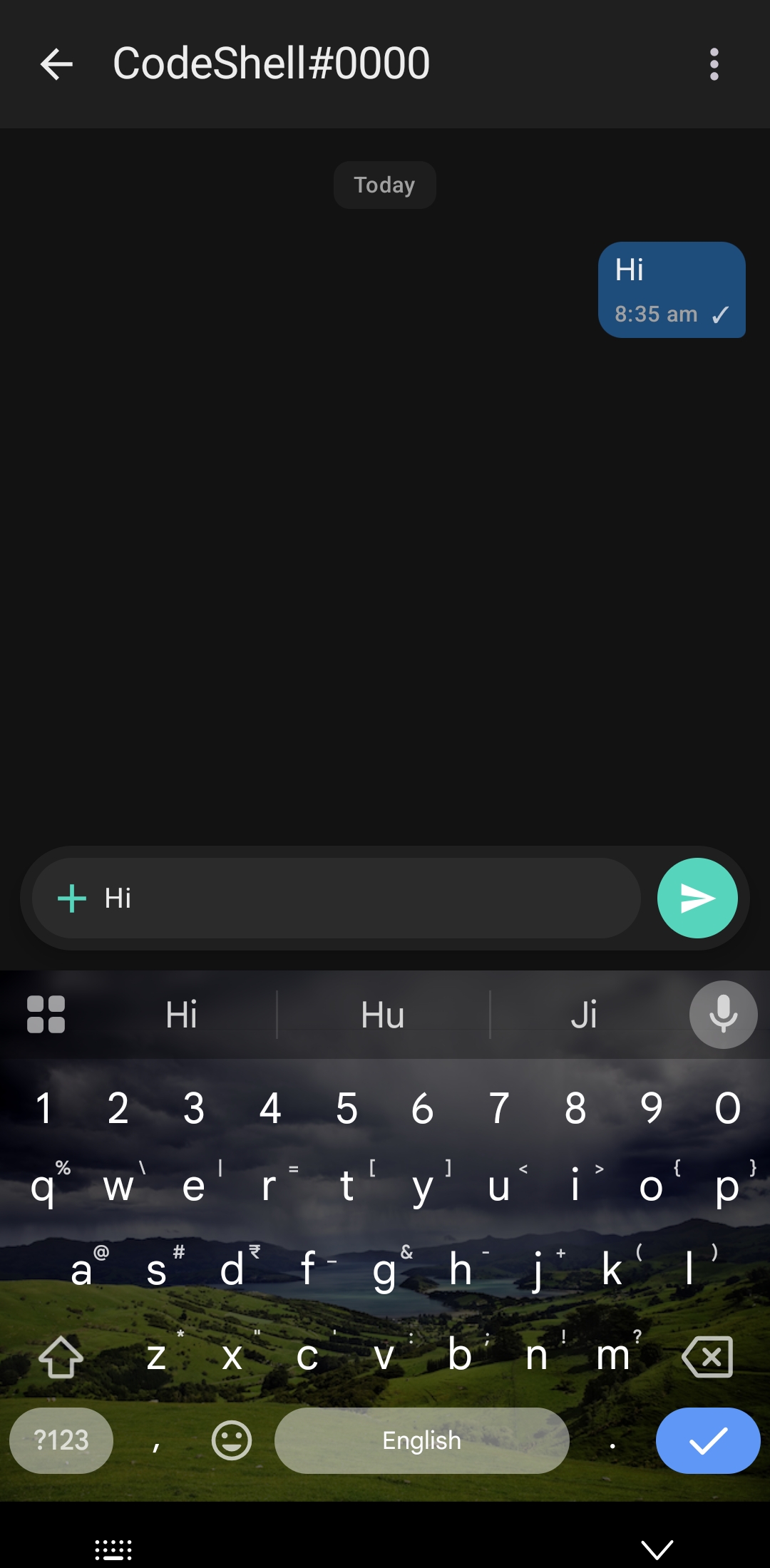
real chat page. supports media, docs, calls etc.
Inspiration: Problem: Many people want a private place to learn and communicate, but most tools split that into separate apps: one for study, one for chat, one for calls, and another for desktop access. CodeShell explores a more discreet pattern: a learning surface first, with private communication tools available when needed.
The product is aimed at users who want:
- A quiet learning-first interface.
- Private chat sessions.
- Modern media and calling features.
- Cross-device access through Android and web.
- Less exposed interaction patterns than conventional social apps.
Solution
CodeShell combines learning screens, AI-assisted tutor behavior, private chat, media sharing, profile identity, and real-time calls into one product. The two Android flavors tailor the learning experience:
- Coding flavor: coding lessons and coding tutor prompts.
- Grammar flavor: grammar lessons and grammar tutor prompts, including Hinglish explanations with English examples.
The web app extends the concept to desktop/PWA use with a disguised coding tutorial page and a hidden terminal panel for chat.
What it does: CodeShell is a privacy-conscious learning and communication project. It includes two native Android flavors, coding and **grammar, plus a companion React/Vite web app. The Android app combines a disguised learning interface with private conversations, media sharing, profile photos, audio/video calls, and screen sharing. The web app shares the same Firebase backend and provides a PC/PWA-style disguised coding tutorial surface with a hidden terminal chat panel.
How we built it: I am not a professional programmer. I just know basic of codex AI coding agent and few other AI assistant, giving it simple English commands can generate, edit, create files, code etc. I found Codex as a main architect to bring my idea of this project into reality. I started with chatGPT by giving simple English instruction, then pasted the generated code into android studio. during OpenAI Build Week, I used Codex with GPT-5.6 to turn CodeShell from a working private learning/chat project into a more polished cross-platform product. Build Week work included call UX improvements, video-call screen sharing, mini call views, call banners, audio route behavior, reconnect handling, adaptive media previews, persistent drafts, profile photo upload/crop/cache/delete flows, share-panel integration, Android lifecycle fixes, Firebase rules updates, and compile validation for both Android flavors.
Challenges we ran into: Most of the challenges came when I was using Chat GPT copy-paste progress. many time the generated code contained error, then I again move to chat and got corrected code. with codex, it fixed almost all of these issues by taking over things.
Accomplishments that we're proud of: The result is a working native Android app plus a web companion that demonstrate how Codex can support a real product sprint: inspecting an existing codebase, planning changes, implementing Kotlin/Compose/WebRTC/Firebase/React updates, debugging real-device behavior, and keeping the project aligned with no-cost platform APIs where possible.
What's next for Untitled: Future Improvements To Mention
- Status/story video publishing with selected audience, story rings, full-screen viewer, progress bars, and viewer tracking.
- In-app player for YouTube Shorts, Instagram Reels, and similar short-video links.
- Audio/video calling in the web app.
- More advanced AI learning workflows for coding and grammar.
- Hosted demo or judge-friendly APK/test account setup.
- end-to-end encryption on chat
Built With
- android
- compose
- firebase
- firestore
- jetpack
- kotlin
- react
- typescript
- vite
- webrtc

Log in or sign up for Devpost to join the conversation.