-
dashboard
-
exercise_creation
-
coding_view
Inspiration
Our own experiences in Austrian classrooms, with teachers that are skilled in coding, but unsure how to pass on that knowledge inspired us to bridge that gap using a AI Tutor to make the lives of teachers easier and the learning expercience for students better.
What it does
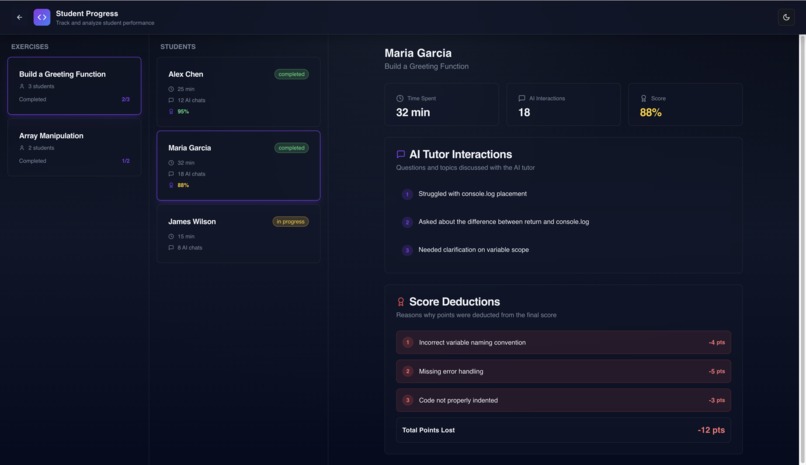
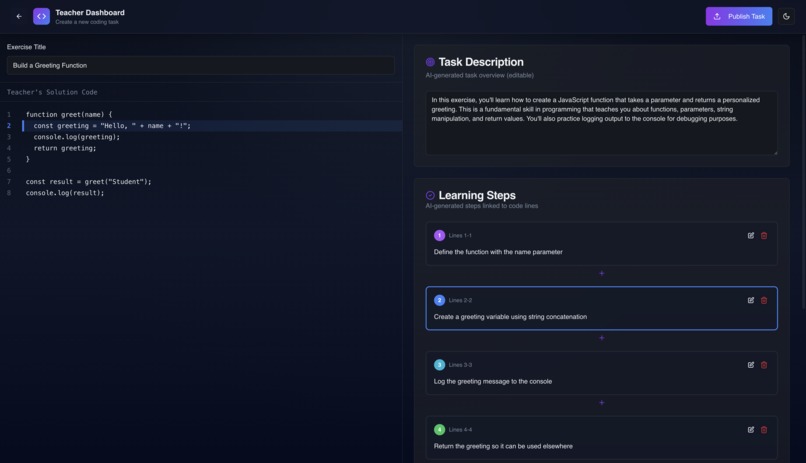
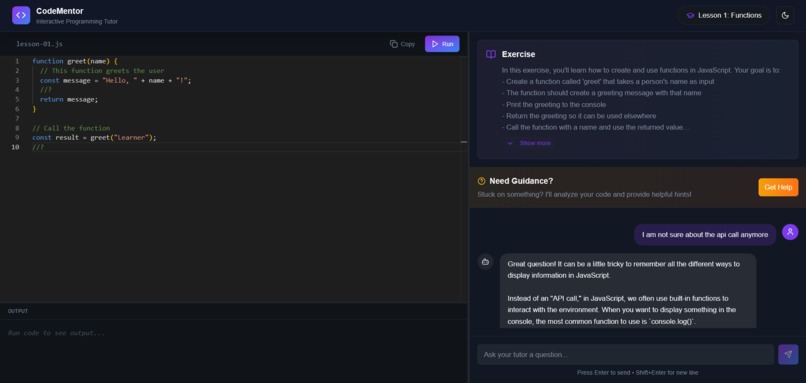
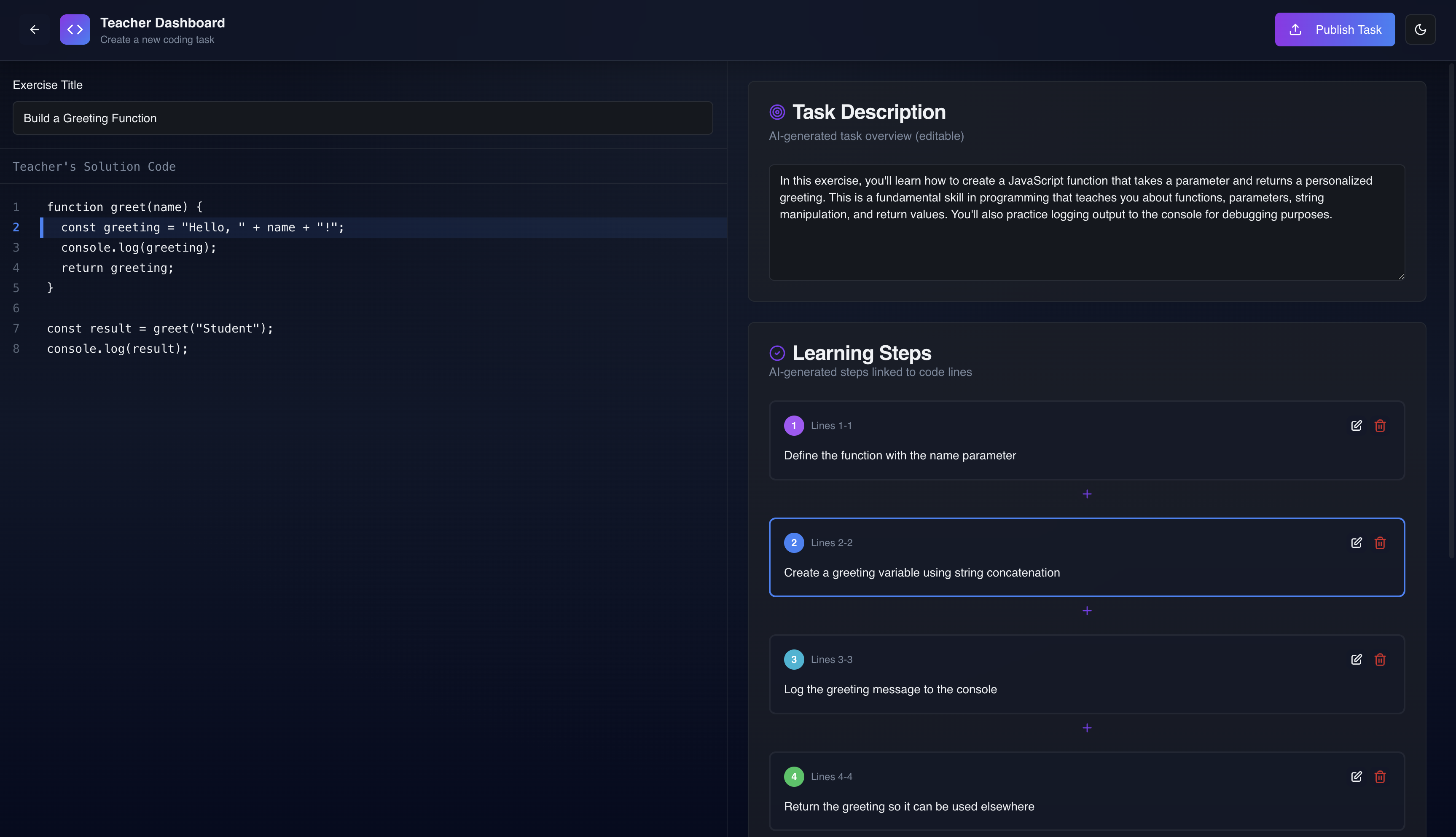
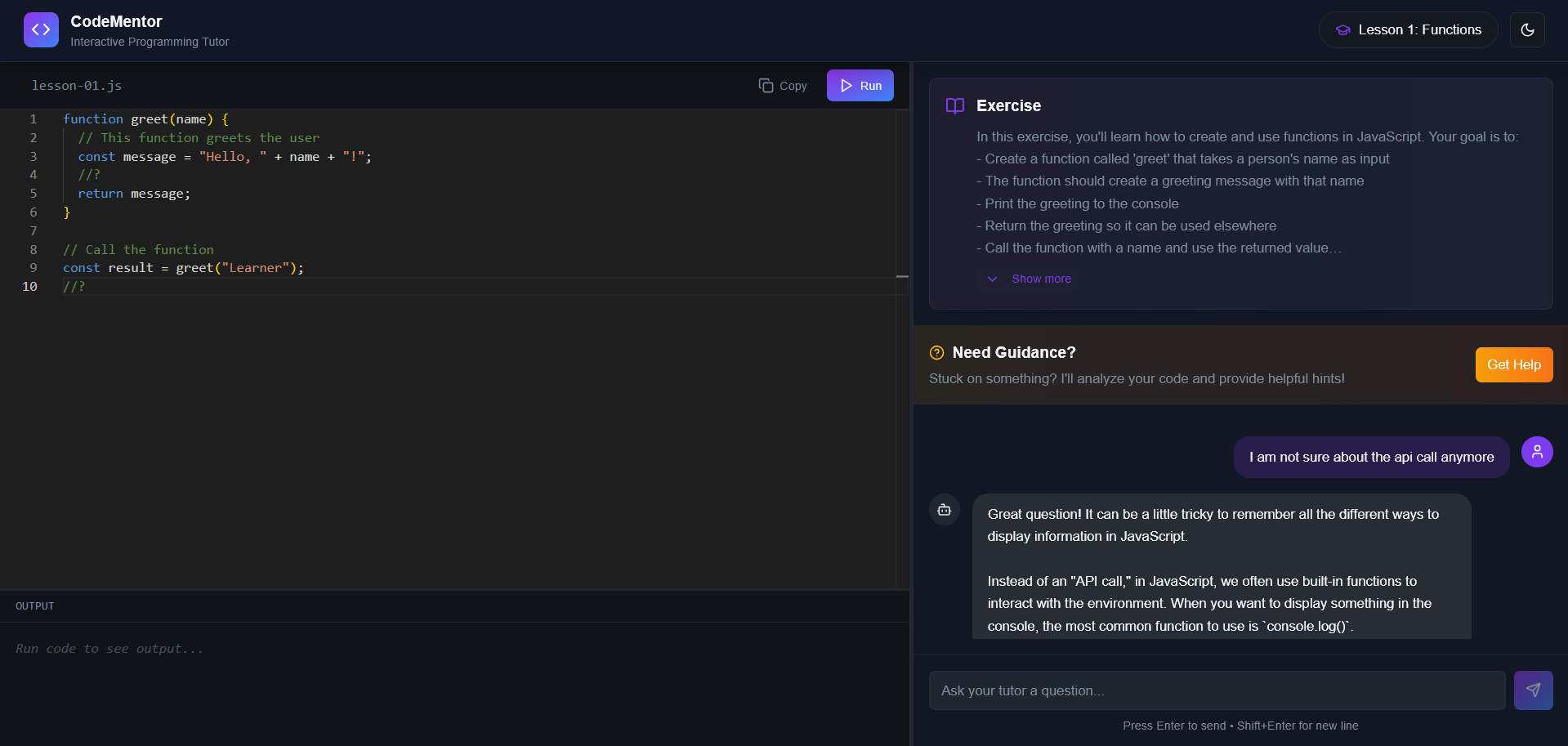
Our platform helps teachers deliver coding lessons more effectively by transforming completed code examples into step-by-step, interactive learning experiences. Students can follow guided instructions, receive real-time feedback, and get AI-generated explanations that match their learning pace. Teachers, meanwhile, can rely on the system to evaluate code, highlight issues, and generate exercises,freeing them to focus on the human aspects of teaching: mentoring, motivating, and supporting their students.
How we built it
We used Lovable to generate an efficient and visually polished front-end template, which allowed us to focus our time on implementing the core features. The frontend is built with React, using readily-available solutions like Monaco Editor to quickly implement functionalities. The backend is implemented in native PHP, giving us full control and flexibility while keeping the architecture lightweight and easy to extend. Our AI interactions run through modular API endpoints, leaving room for future scaling, model improvements, and language support.
Challenges we ran into
Integrating the API-Calls and training the AI to consistenly rate the code was difficult to achieve in the given timeframe. Despite these hurdles, we succeeded in delivering a robust proof-of-concept with functional AI-driven code evaluation and a polished UI.
Accomplishments that we're proud of
We are proud of implementing a novel spin on the use of AI in teaching, turning finished code examples into personalised learning paths. We also think our approach supports both teachers and students-making education easier for everyone.
What we learned
Integrating AI into real-world educational workflows Managing complex interactions between frontend code editors, backend logic, and AI models Building fast prototypes within a tight time constraint, that still could scale into meaningful products
What's next for CodeCompanion
If/When the AI is consistent with breaking down code to its basic components and convey them, it could be used for teaching more advanced concepts. The use case for this product could als go beyond the scope of the classroom and help companies to analyse and deconstruct real-world codebases, generate navigable explanations, highlight architectural patterns, and guide new team members through the logic and structure of production systems. This would drastically reduce onboarding time, improve knowledge transfer, and support continuous learning within engineering teams.

Log in or sign up for Devpost to join the conversation.