-
-
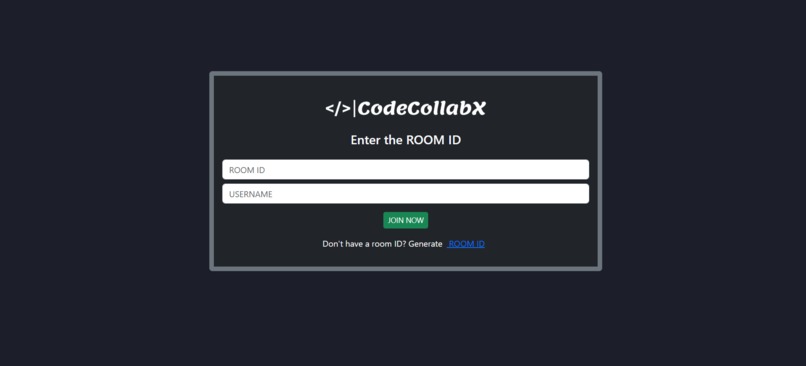
Landing Page
-
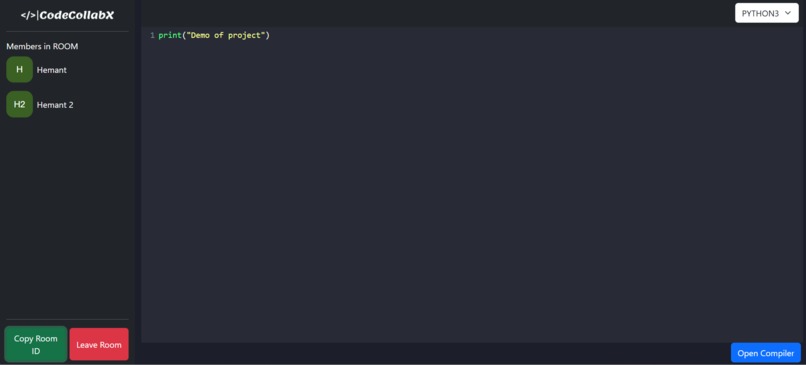
Interface
-
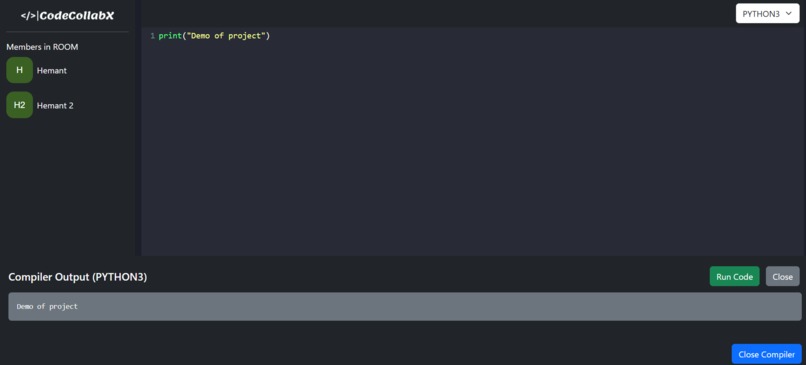
Showcase
Inspiration
The idea for CodeCollabX came from the need for better tools to help people collaborate on code in real-time, especially in remote work and online learning environments. Traditional tools often struggle with syncing, interactivity, and ease of use. We wanted to create a platform that allows developers, educators, and students to work on the same code simultaneously, making the coding experience more engaging and efficient, no matter where everyone is located.
What it does
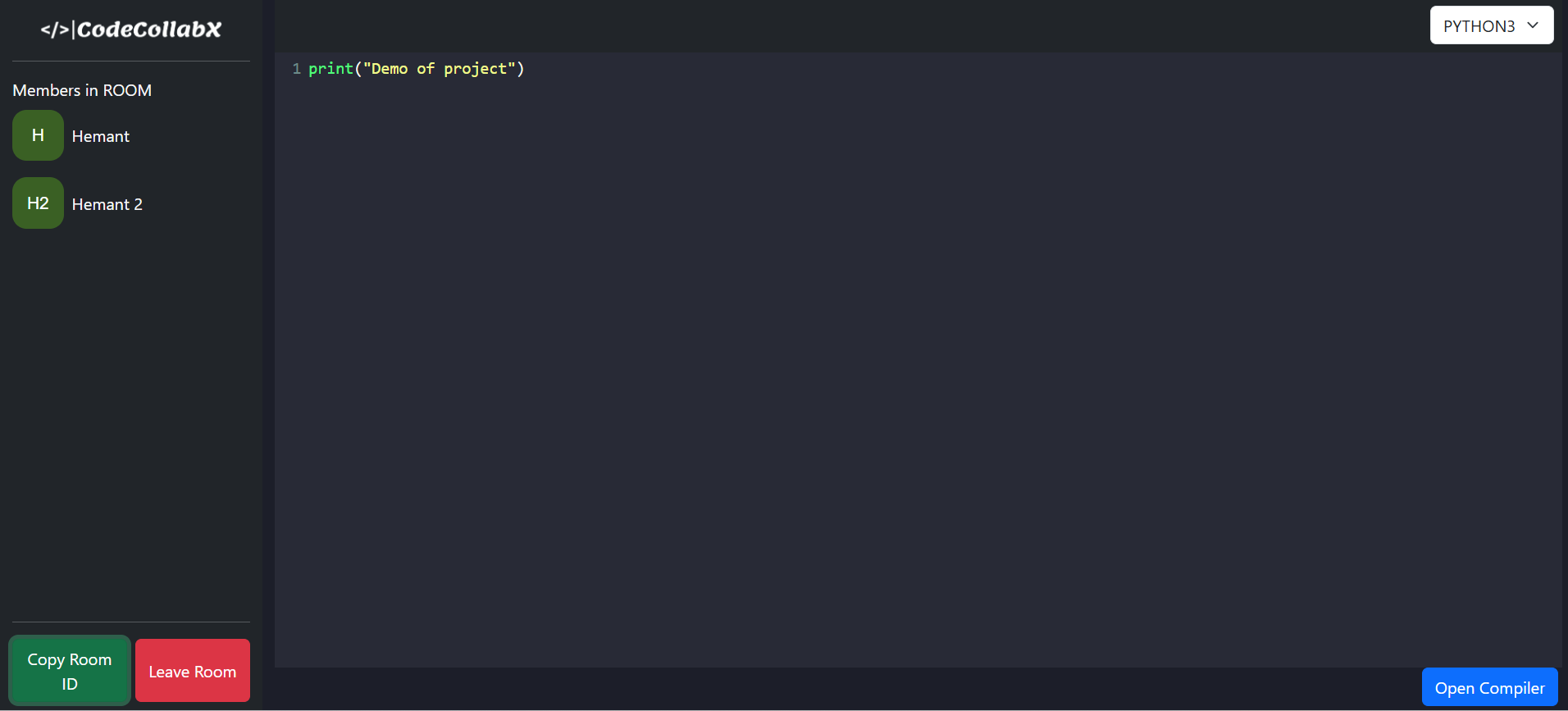
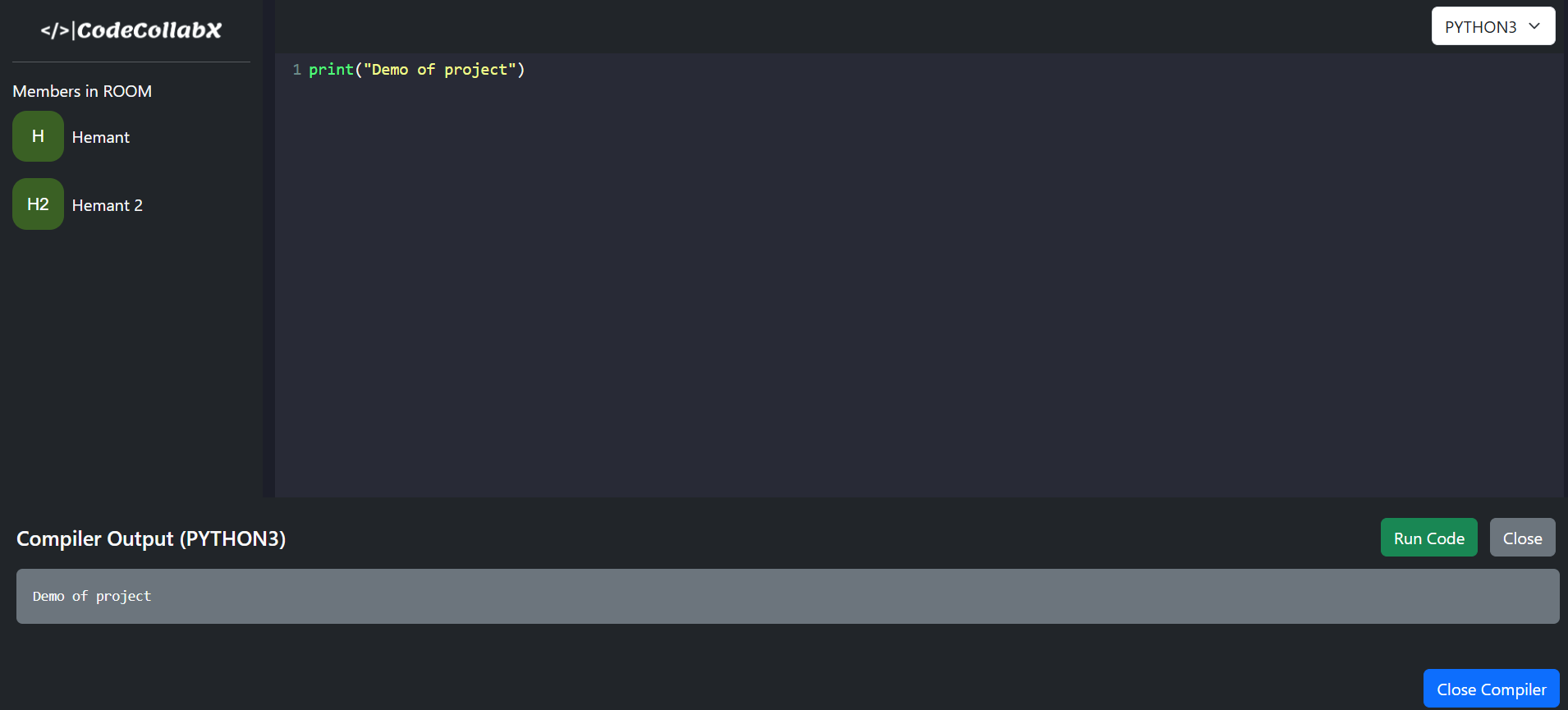
CodeCollabX allows multiple users to collaborate on the same code in real-time. It features an interactive code editor with syntax highlighting, built-in chat for communication, and file-sharing capabilities. Users can create their own coding rooms and work together seamlessly. It’s perfect for hackathons, coding workshops, and educational settings where real-time collaboration is key.
How we built it
We used the MERN stack (MongoDB, Express.js, React.js, and Node.js) to build CodeCollabX.
- React.js powers the frontend, where users interact with the app and edit code in the CodeMirror editor.
- Node.js and Express.js handle the backend, managing user authentication, room creation, and communication between users.
- Socket.IO was crucial for real-time syncing, allowing code updates to be instantly visible to everyone in the room.
- MongoDB stores user data and session info, and Git and GitHub were used for version control.
Challenges we ran into
- Real-Time Synchronization: One of the toughest challenges was ensuring that all users see code changes instantly and without any errors. We had to fine-tune Socket.IO to handle multiple simultaneous edits while keeping latency low.
- Cross-Platform Compatibility: The app needed to work smoothly on different operating systems and browsers, which required a lot of testing to make sure everything functioned as expected on Windows, macOS, and Linux.
- Scalability: We had to make sure the app could handle lots of users in different rooms without slowing down. This involved optimizing both the backend and real-time features to ensure the platform performed well even as usage increased.
Accomplishments that we're proud of
- Implementing real-time synchronization so users can edit code together without delay or conflict.
- Building a rich and interactive CodeMirror code editor that’s easy to use and feature-packed.
- Ensuring the app is cross-platform, so it works smoothly across Windows, macOS, and Linux.
- Integrating chat and file-sharing features into the platform, making it a complete solution for collaborative coding.
What we learned
- Real-time communication using technologies like Socket.IO is crucial for collaboration but can be complex. Managing concurrency and preventing conflicts took a lot of trial and error.
- Building scalable applications isn’t just about adding features—it’s about balancing performance and user experience. It was a valuable lesson in optimizing for both.
- Working with the MERN stack helped me learn a lot about full-stack development and how frontend and backend work together to create a seamless user experience.
What's next for CodeCollabX - Real-time Code Collaboration Web App
Looking ahead, we plan to:
- Add more features to improve the coding environment, like live debugging, version control integration, and support for additional programming languages.
- Optimize the app’s scalability even further so it can support even larger teams and projects.
- Refine the UI/UX to make the app even more user-friendly and customizable for different types of users.
- Expand features for education, such as adding coding challenges or quizzes, to make the platform more useful for learning and teaching.


Log in or sign up for Devpost to join the conversation.