-
Logo
-
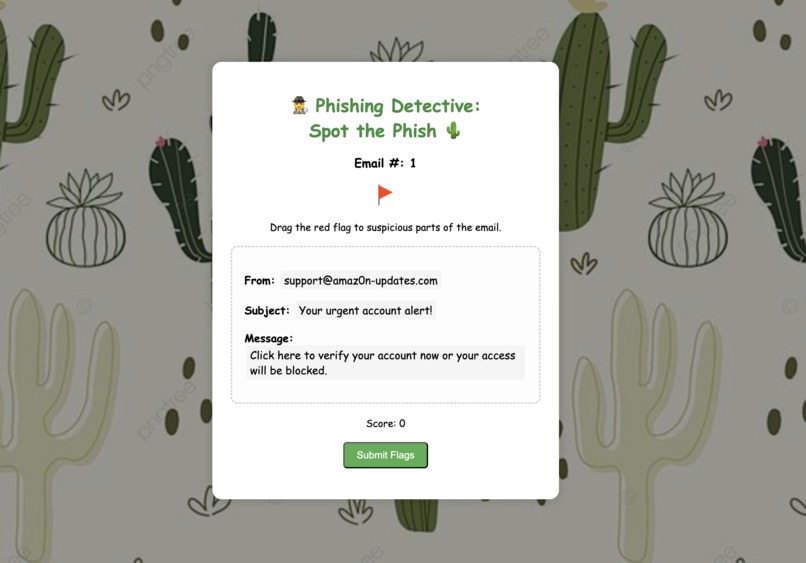
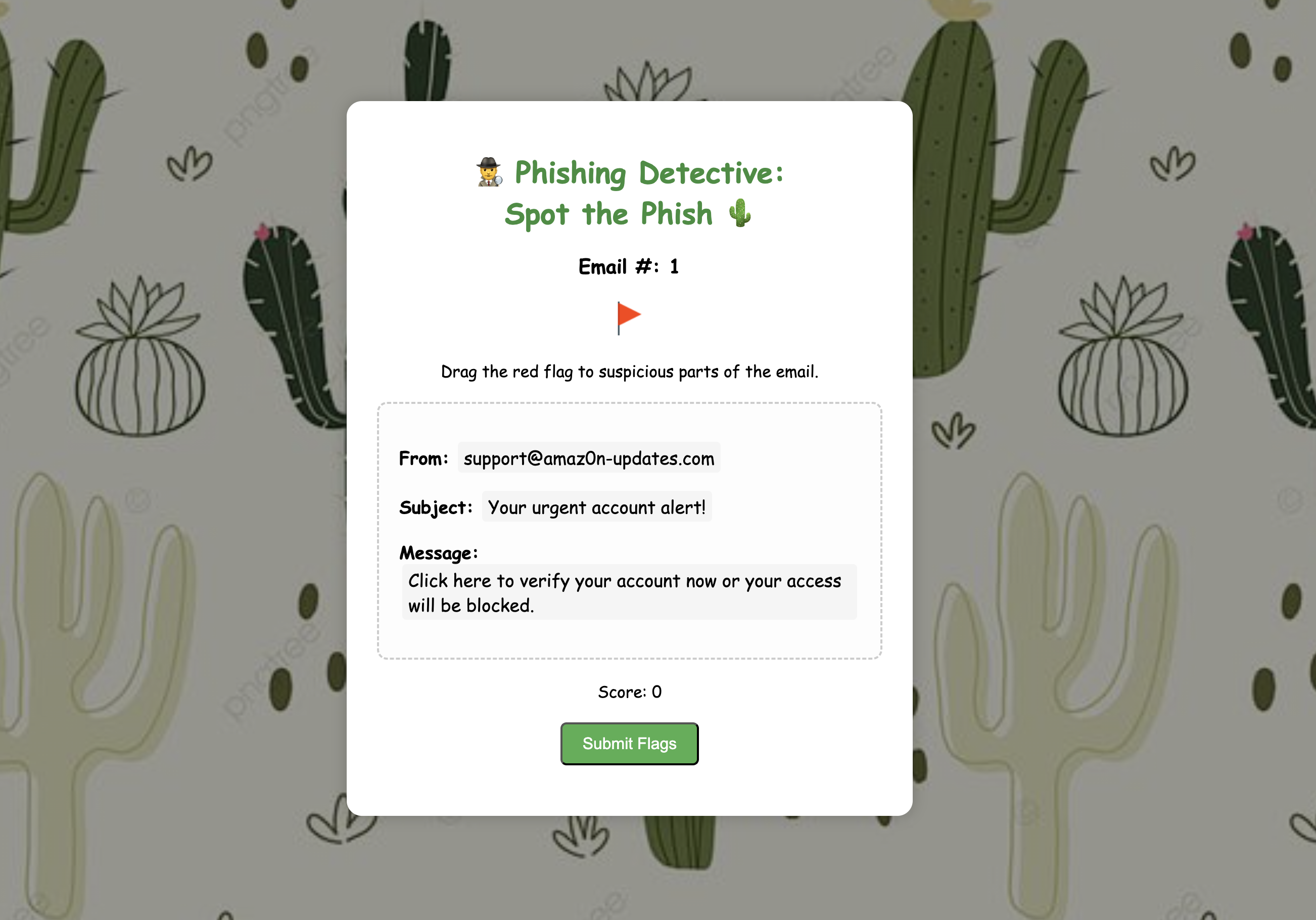
Phishing Detective Game
-
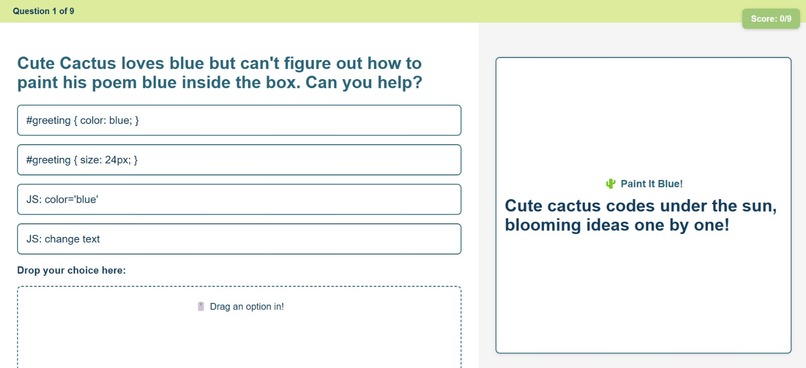
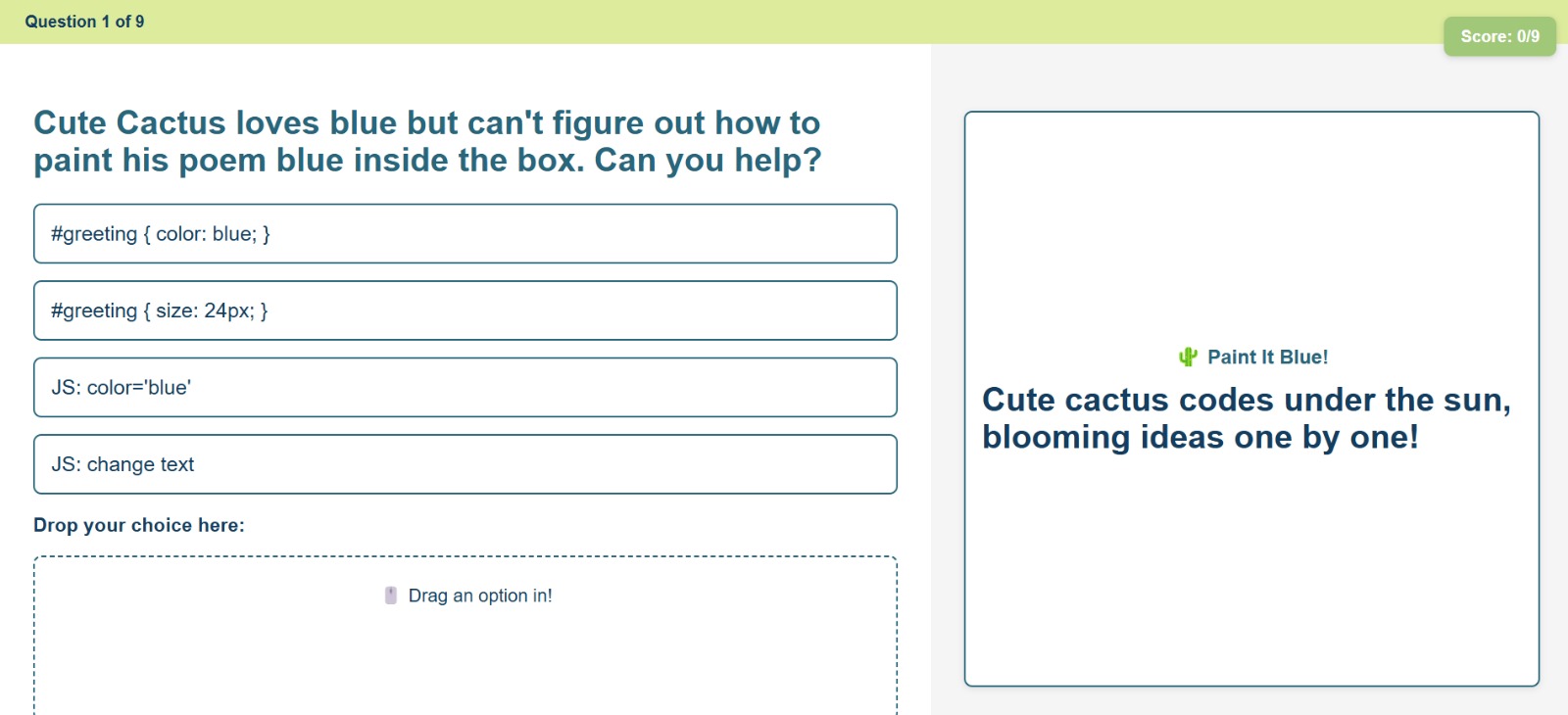
Design Game
-
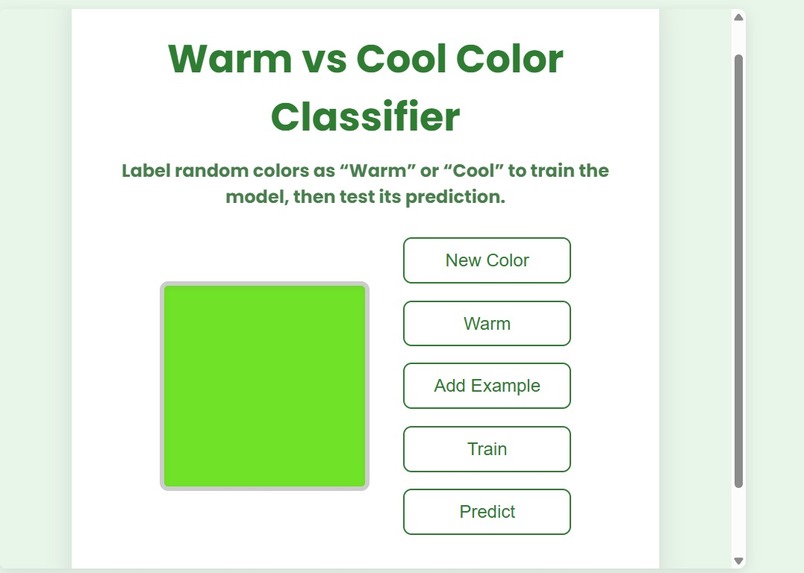
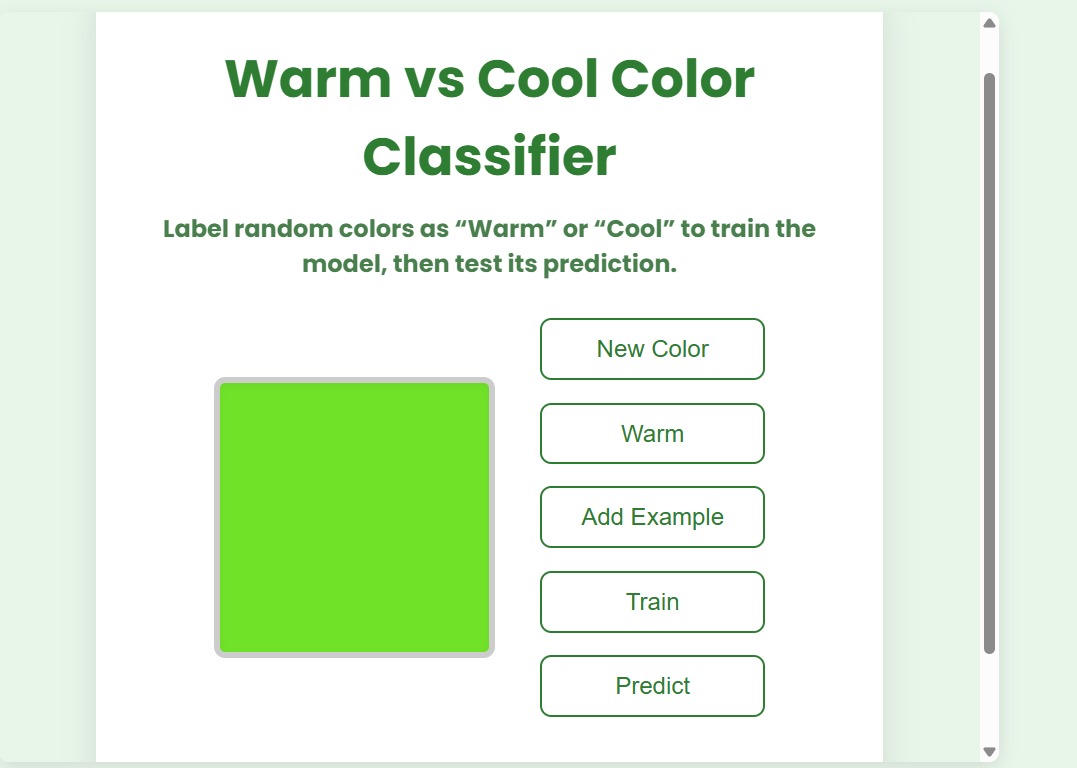
Machine Learning Game
Inspiration
At CodeCactus, our inspiration stemmed from a personal place. We saw how our younger brothers, one in 6th grade and the other in 8th grade, struggled with grasping computer science concepts. As they navigated through online educational content, we realized that the material was either too complex or not engaging enough for their age group. This sparked the idea to create a platform where learning about complex fields like cybersecurity, machine learning, and UI design wouldn’t just be easy to understand, but actually fun. Through their feedback, we understood the importance of making these topics relatable and interactive, and that’s when we decided to gamify the learning process.
What it does
CodeCactus is a collection of three educational games that target key concepts in:
Cybersecurity - Learn how to recognize phishing attacks and protect yourself online. Machine Learning - Get hands-on experience in training a simple model to make decisions. UI/UX Design - Build a webpage and enhance it with design principles.
Each game is designed to keep students engaged while teaching them practical skills that are important in today’s digital world. It’s all about making complex topics accessible and fun for K-12 students.
How we built it
We built CodeCactus using:
HTML for structure. CSS for styling and responsiveness. JavaScript for interactivity and game logic. Firebase for authentication
Challenges we ran into
Time Constraints: With limited time to implement all our ideas, prioritizing features like sound effects, levels, and feedback integration was a challenge, but we managed to focus on key elements that would make the platform both effective and fun.
Accomplishments that we're proud of
- User-Centered Design: With direct feedback from our younger brothers, we fine-tuned the games to make them more fun, engaging, and educational. We added sound effects, intuitive navigation, and multiple levels to enhance the experience.
- Interactive Learning: We’re proud that CodeCactus is not just a platform that teaches digital skills, but a fun and hands-on way for kids to interact with concepts like phishing, machine learning, and UI/UX design.
- Feedback-Driven Refinement: By testing the platform with real kids, we gained valuable insights that helped us make critical improvements in gameplay and educational content.
What we learned
- Continuous Improvement: We learned that the key to making a successful educational platform is continuous refinement.
- Engagement is the key
What's next for CodeCactus
Flashcards & Pre-Game Tutorials: We’re adding a flashcard feature that will explain key concepts before each game, allowing players to get familiar with topics like phishing, machine learning, and UI/UX design.
Expanding Games: We’re planning to add more games that cover topics like data science, web development, and ethical hacking.
Community Features: We’re looking to add social features like leaderboards, challenges, and multiplayer options to make learning even more interactive and fun.

Log in or sign up for Devpost to join the conversation.