Inspiration
CodeAva started from a simple frustration: there are plenty of “free online tools” for developers, but too many of them are slow, cluttered, outdated, overloaded with ads, or not designed around real developer workflows.
I wanted a place where developers could solve small but frequent problems directly in the browser without installing anything, fighting the interface, or digging through distracting pages. Things like generating IDs, formatting data, converting values, and handling the repetitive utility tasks that come up constantly while building.
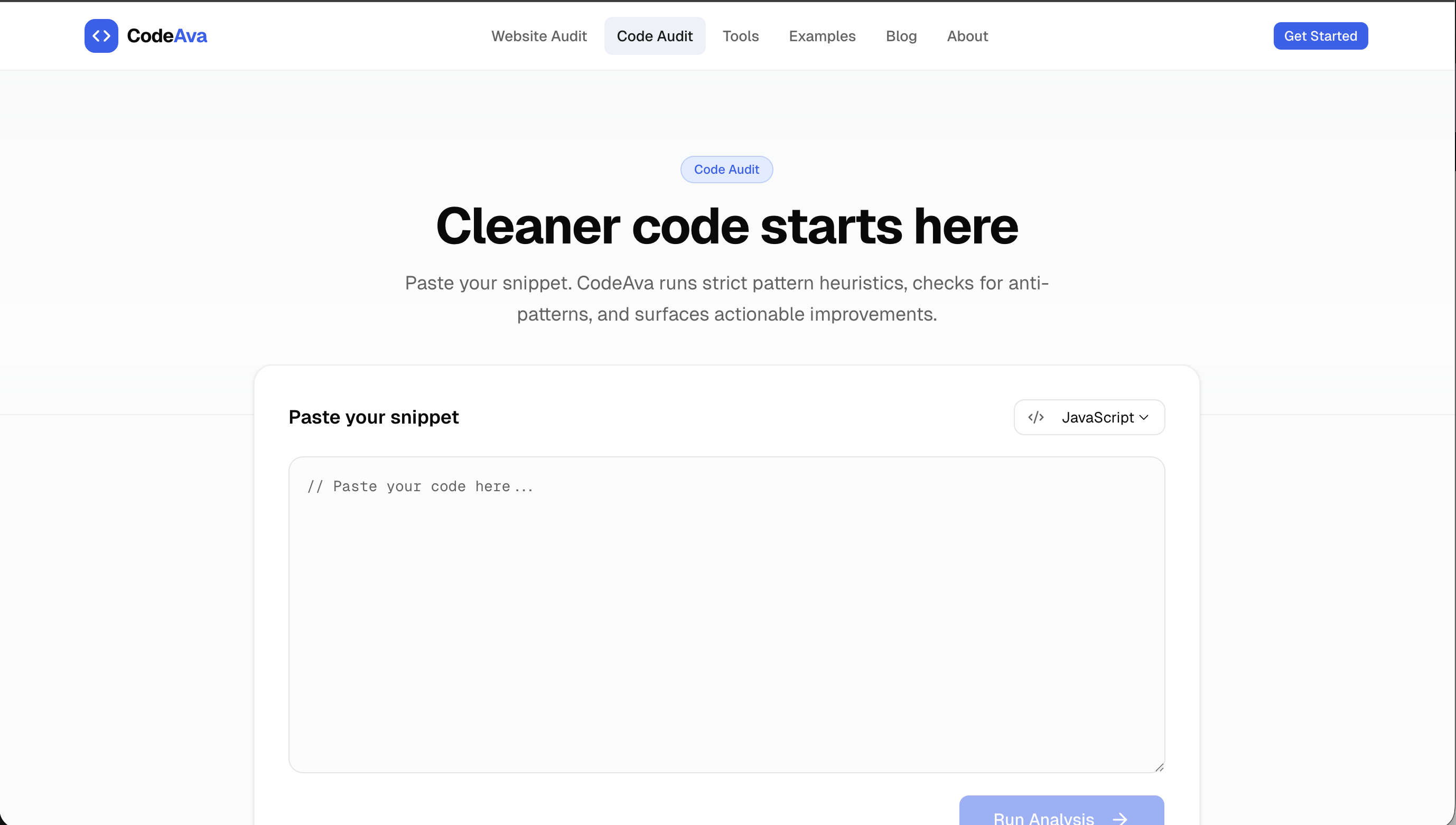
The original idea for CodeAva was much bigger: an Automated Validation Assistant focused on automated PR reviews and code auditing. But I realized that if I wanted to build something genuinely useful, I first needed to solve the everyday friction developers face most often.
What it does
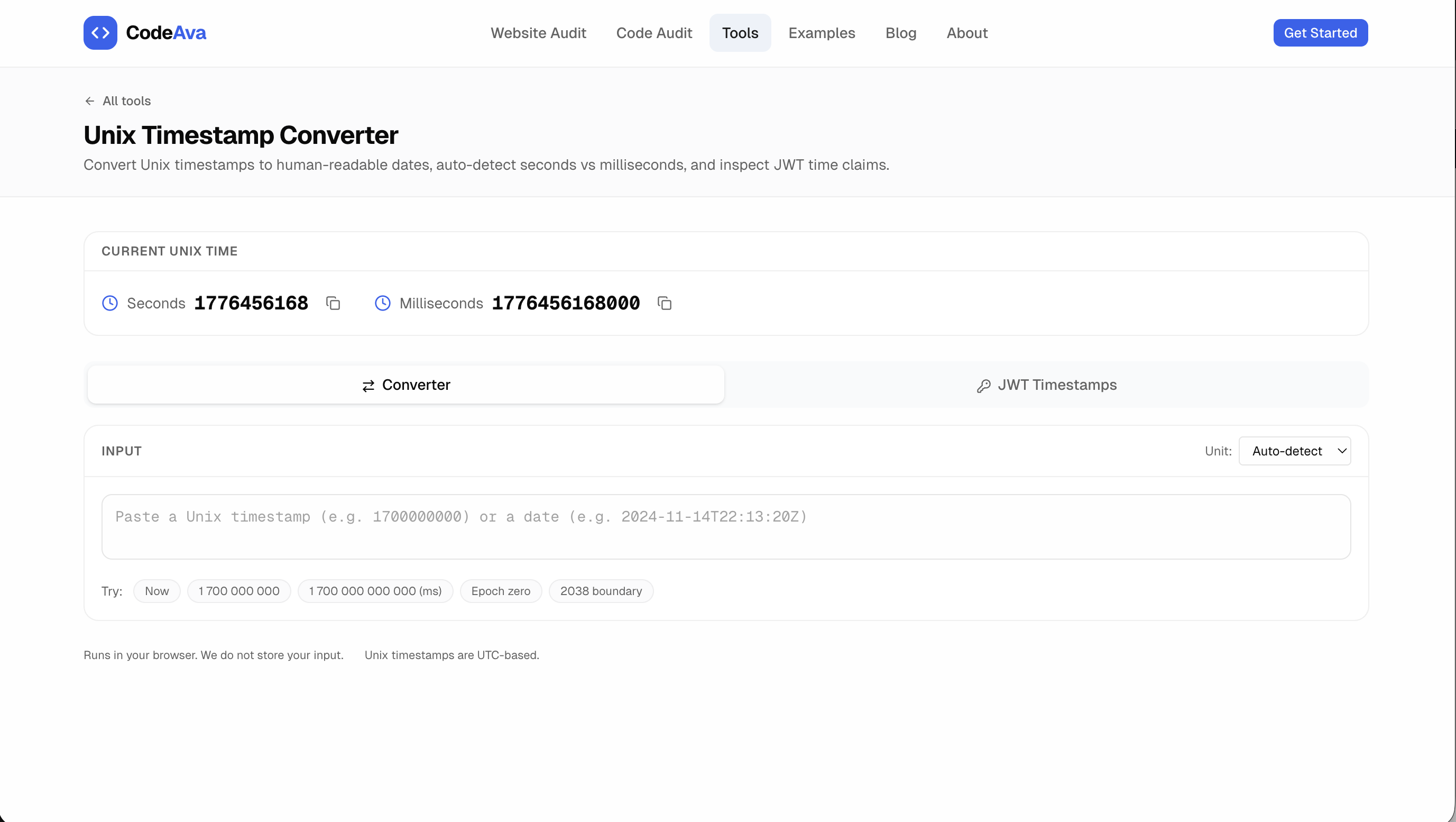
CodeAva is a growing collection of fast, browser-based developer tools designed to help with common utility tasks.
Instead of sending users through bloated interfaces or making them install desktop software for simple jobs, CodeAva lets them quickly handle practical tasks in the browser. The focus is on speed, clarity, privacy, and a smooth user experience.
This launch is about making developer productivity easier with tools people can actually return to daily.
How I built it
I built CodeAva as a utility-first web product, focusing on practical tools that deliver immediate value instead of waiting to launch a much larger platform all at once.
The main approach was to keep the experience lightweight, fast, and browser-native. I focused on building tools that solve high-frequency developer tasks, while also shaping the product and brand around a bigger long-term vision: turning CodeAva into a true automated validation assistant.
I also paid close attention to the overall product experience, making sure it felt clean, ad-free, focused, and useful rather than overwhelming.
Challenges I ran into
One of the biggest challenges was resisting the urge to build the original, more complex vision first.
The initial concept was a much more advanced GitHub-based assistant for automated reviews, but that would have taken much longer to mature. I had to step back and rethink the launch strategy: instead of trying to do everything at once, I needed to identify what would be immediately valuable and actually usable now.
Another challenge was building something simple without making it feel shallow. Utility tools are easy to underestimate, but making them fast, polished, and genuinely pleasant to use takes a lot of care.
Accomplishments that I'm proud of
I’m proud that I turned a broad, ambitious idea into something practical and launchable.
Instead of keeping CodeAva as a future concept, I shipped a real product direction with immediate value. I’m also proud of the clarity of the pivot: the platform now solves real developer problems today while still supporting the bigger long-term vision.
Most of all, I’m proud that the product is focused on being useful first. It is intentionally built to be fast, private, ad-free, and respectful of the people using it.
What I learned
I learned that solving smaller, frequent problems can be just as valuable as building large, impressive systems.
This project reinforced the idea that usefulness beats complexity, especially early on. I also learned that a strong product vision does not always mean launching the biggest possible version first. Sometimes the smarter move is to build trust by solving the practical problems users face every day.
I also gained a deeper appreciation for product discipline: knowing what not to build yet is just as important as knowing what to build next.
What's next for CodeAva
This launch is only the starting point.
Next, I want to keep expanding CodeAva’s browser-based toolbox with more practical developer tools that people can use regularly. At the same time, I plan to continue developing the larger automated validation and auditing engine that inspired the project in the first place.
The long-term goal is for CodeAva to evolve from a utility-first toolbox into a genuinely useful assistant for developers — one that helps both with everyday tasks and with deeper code validation workflows.
I’d also love feedback from the community on which tools would be most useful to add next.


Log in or sign up for Devpost to join the conversation.