Inspiration
The inspiration comes from an interactive experience that engages the audience and encourages them to learn about the exhibitions to compete for pride and prizes. By uniting technology with the ancient artifacts, we create a modern museum experience. We also wanted to create a solution that doesn't require the user to have their phone out, either if they are kids and don't own phones, or for people with phones we want them to stay present in the experience.
What it does
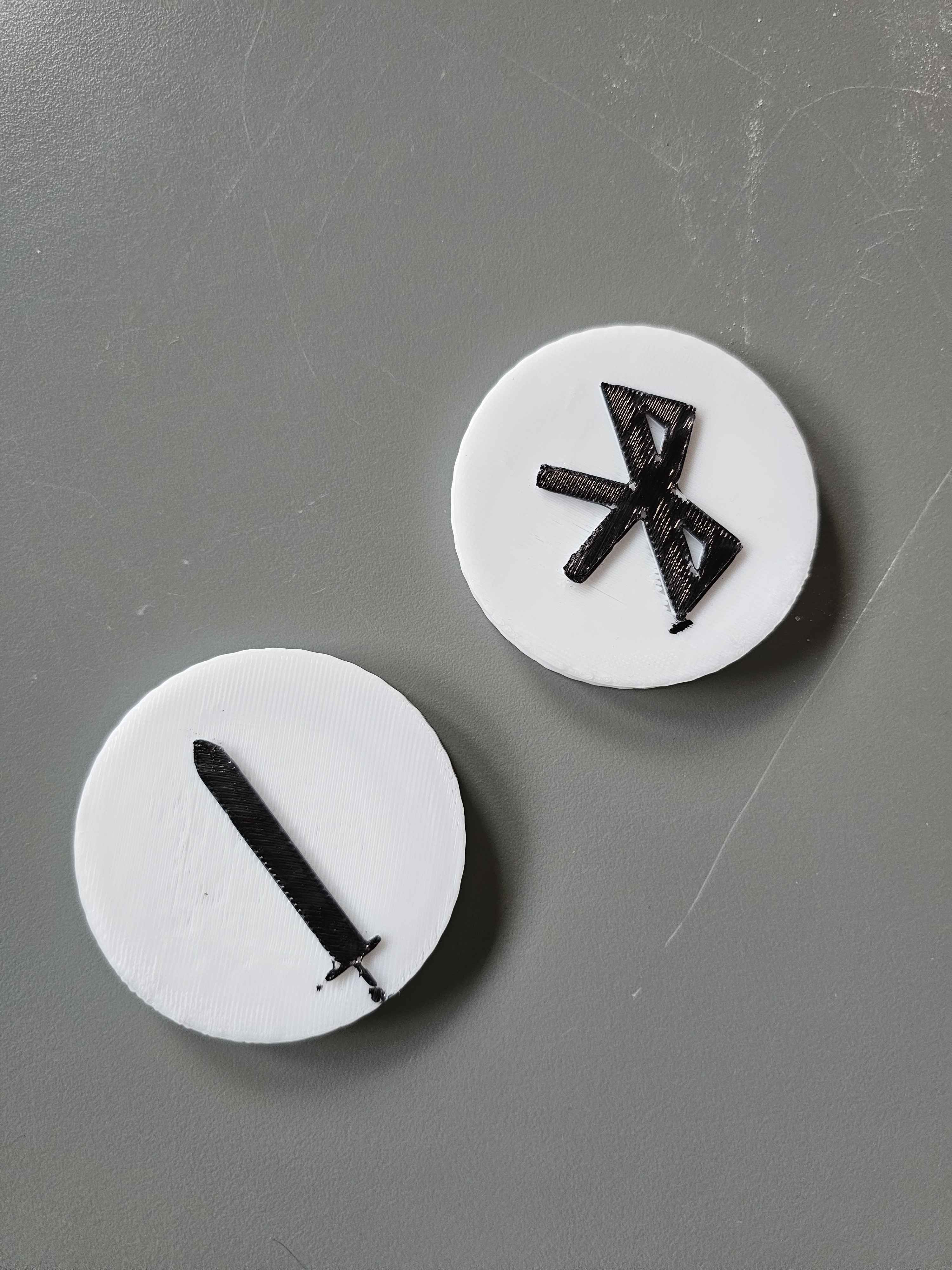
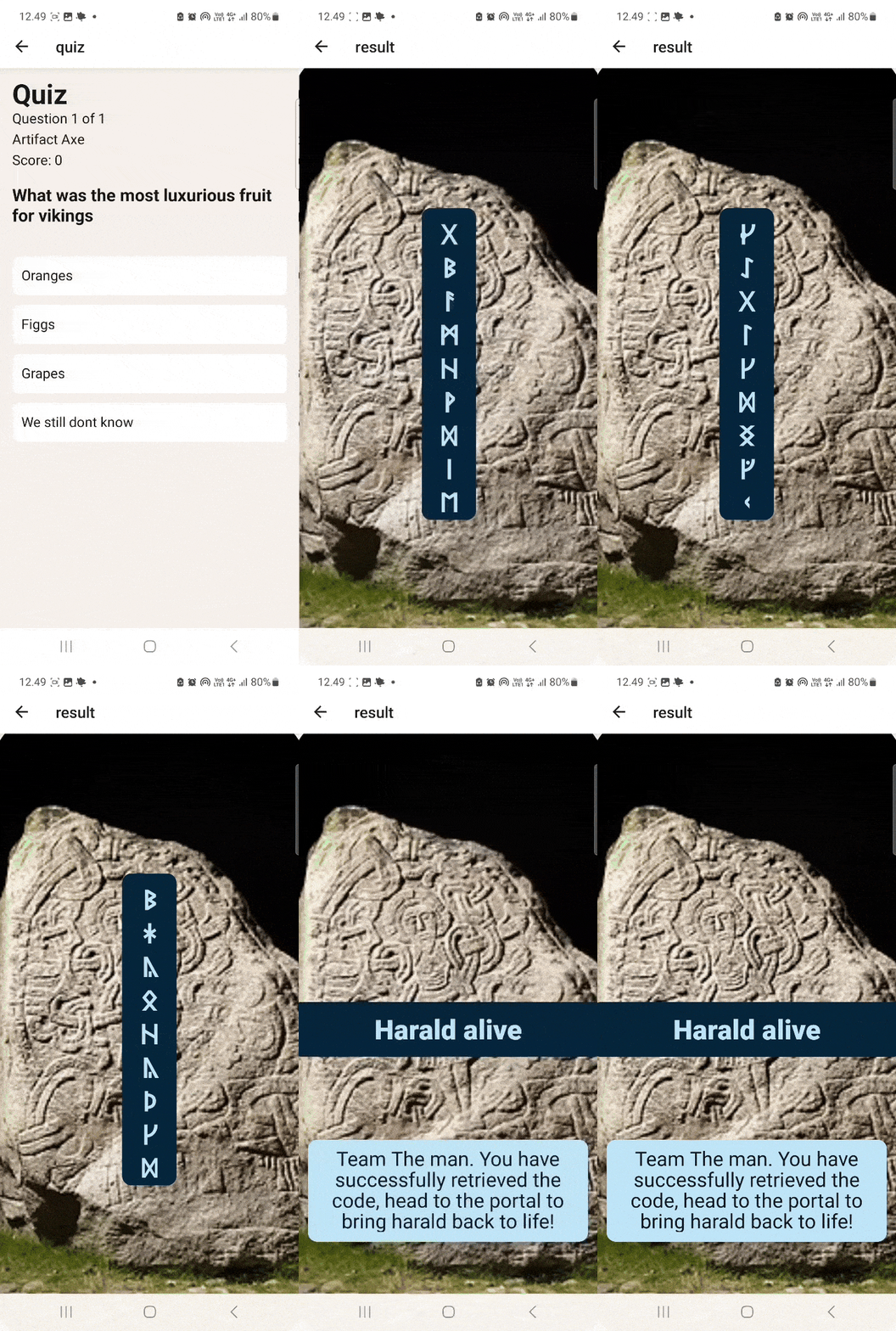
Around the museum there is a bunch of artifacts that have descriptions, text and maybe some interaction. Each artifact is connected to a Runestone that activates whenever all of its artifacts have been discovered. When the Runestone is active it will present a team with some questions that relate to the artifacts under it. When a team completes a Runestone they receive a fragment of a rite that is used to summon Harald Bluetooth at the end of the museum experience.
How we built it
We have 4 components.
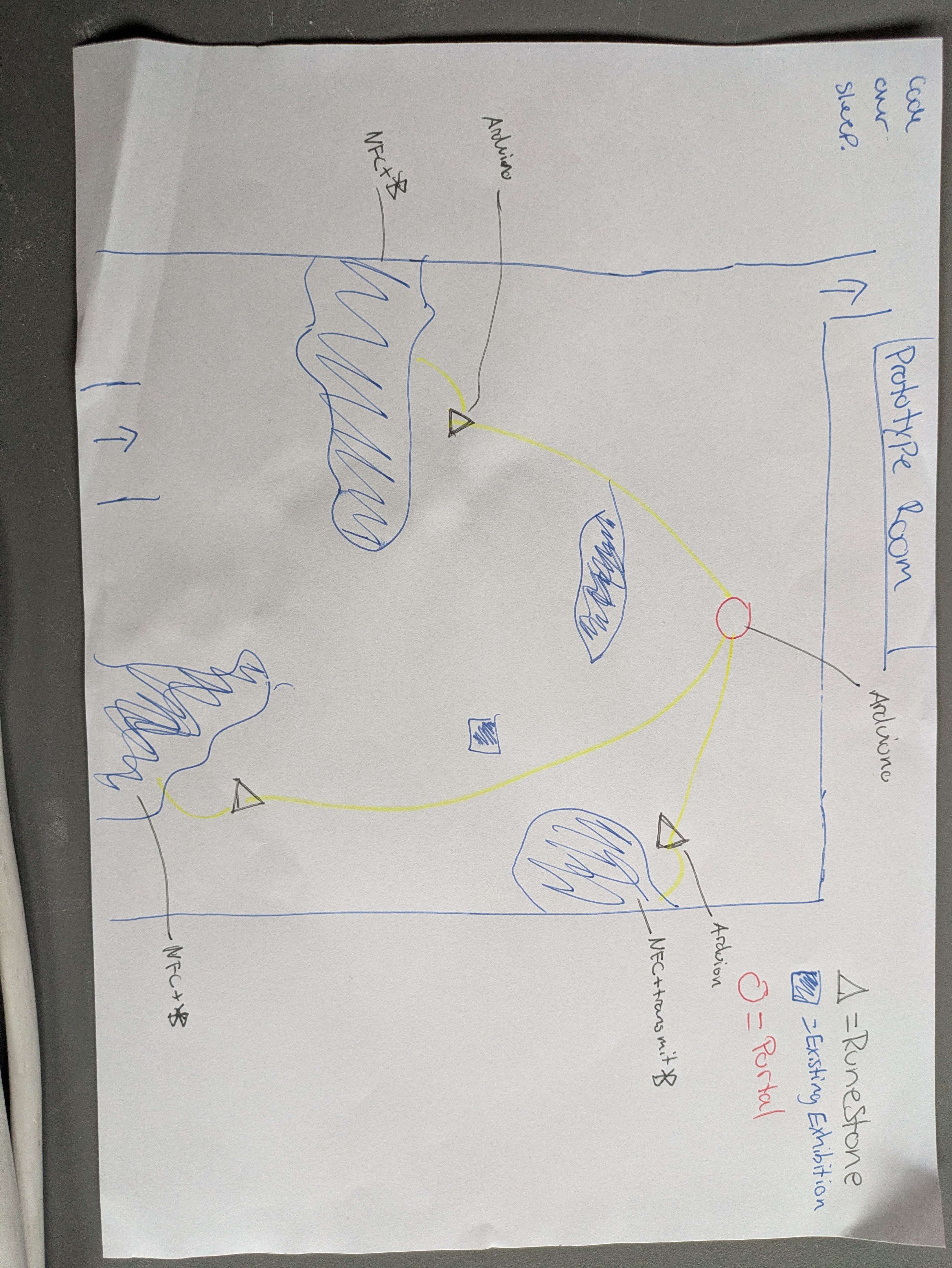
The summoning portal acts as a admin tool, the final stop of the experience for teams, as well as handles backend logic with an exposed endpoint. The portal uses the internet's TCP/IP and wifi protocols to communicate.
The runestones. The runestones are interactive devices, such as a tablet with an indicator to show that every artifact under it has been activated. The runestone receives a bluetooth advertisement from each of the artifacts that indicates their status. It is also what connects the api endpoint to the bluetooth protocol and the individual rooms of the exhibition.
The artifacts are small boards that are listening for a tag with a specific ID/Mac address to come close so it becomes aware that it has been found. It advertises to the runestone with bluetooth using a local name. An artifact is found when a tag sends an advertisement header with an RSSI signal that indicates a strong bluetooth connection, i.e. the devices are close together.
The tags. The tags use bluetooth to broadcast themselves to all the local devices and are picked up by the artifacts.
Challenges we ran into
Our biggest challenge was to connect the hardware with the software we wrote, while making sure that we only broadcast correct information and no more, as to not interfere with other signals.
Accomplishments that we're proud of
We are proud of developing a full prototype that connects over multiple radio signal types(Bluetooth, Wifi,(NFC)). Utilizing a lot of different tools to accomplish this feat.
What we learned
We learned a lot about the bluetooth protocol, especially about the packets that it sends and how we can extract useful information about the signal strength and channels. We also learned something about how we can manipulate this information to create our own custom advertisements/advertisement channels.
What's next for Code Over Sleep: Bring Harald Bluetooth to rest
The next step is to install multiple runestones around the museum and select some artifacts that we will use, so we can base the questions on the physcial experience. We also want to make a more dynamic signup so the users can create their own team and get a randomly generated phrase/they can do the entire experience seamlessly. Moreover we want to extend the runestones so you get a personal message from Harald (e.g. an AI generated video) when you discover a new fragment of the rite(More gamification of the system).


Log in or sign up for Devpost to join the conversation.