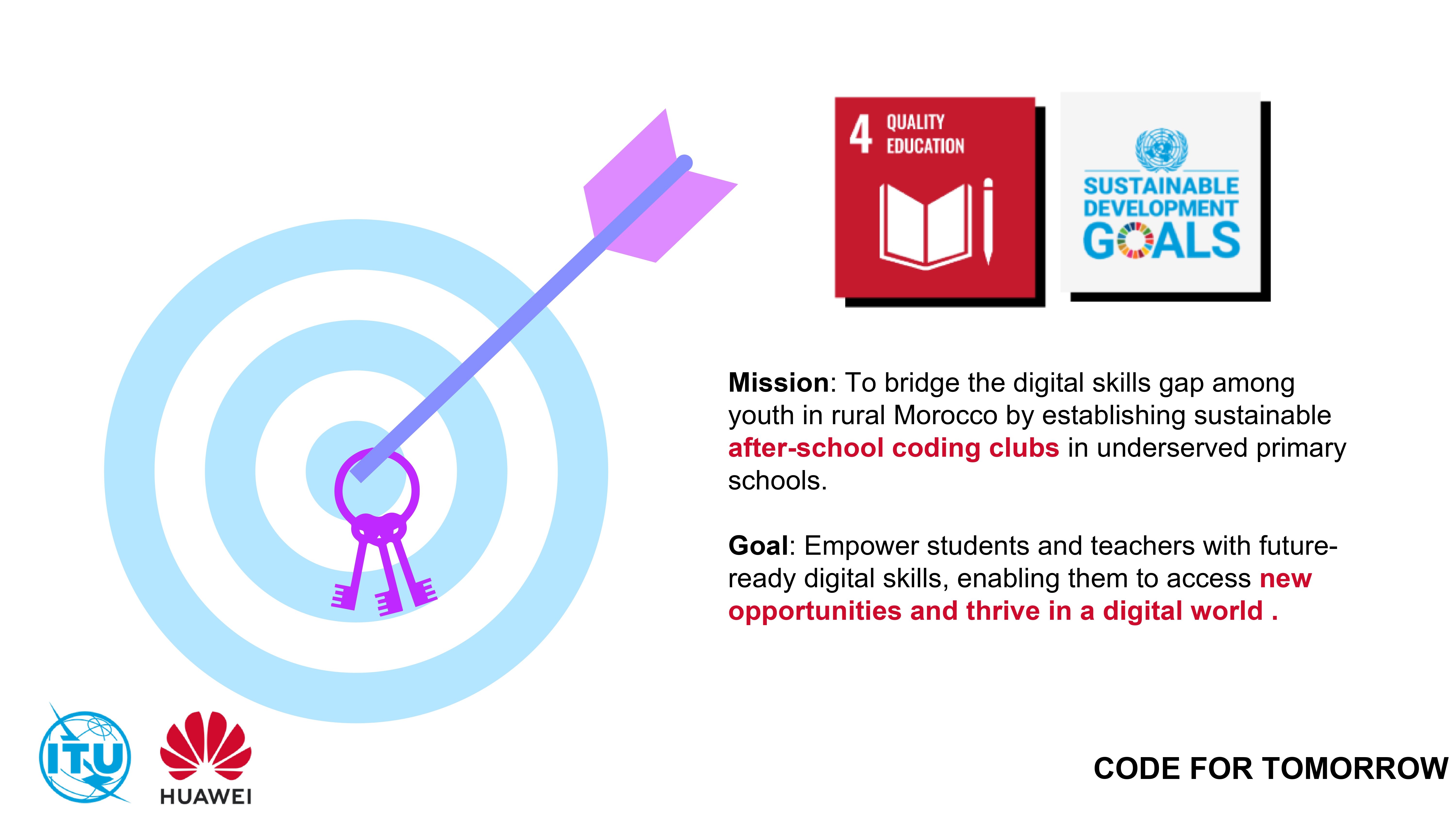
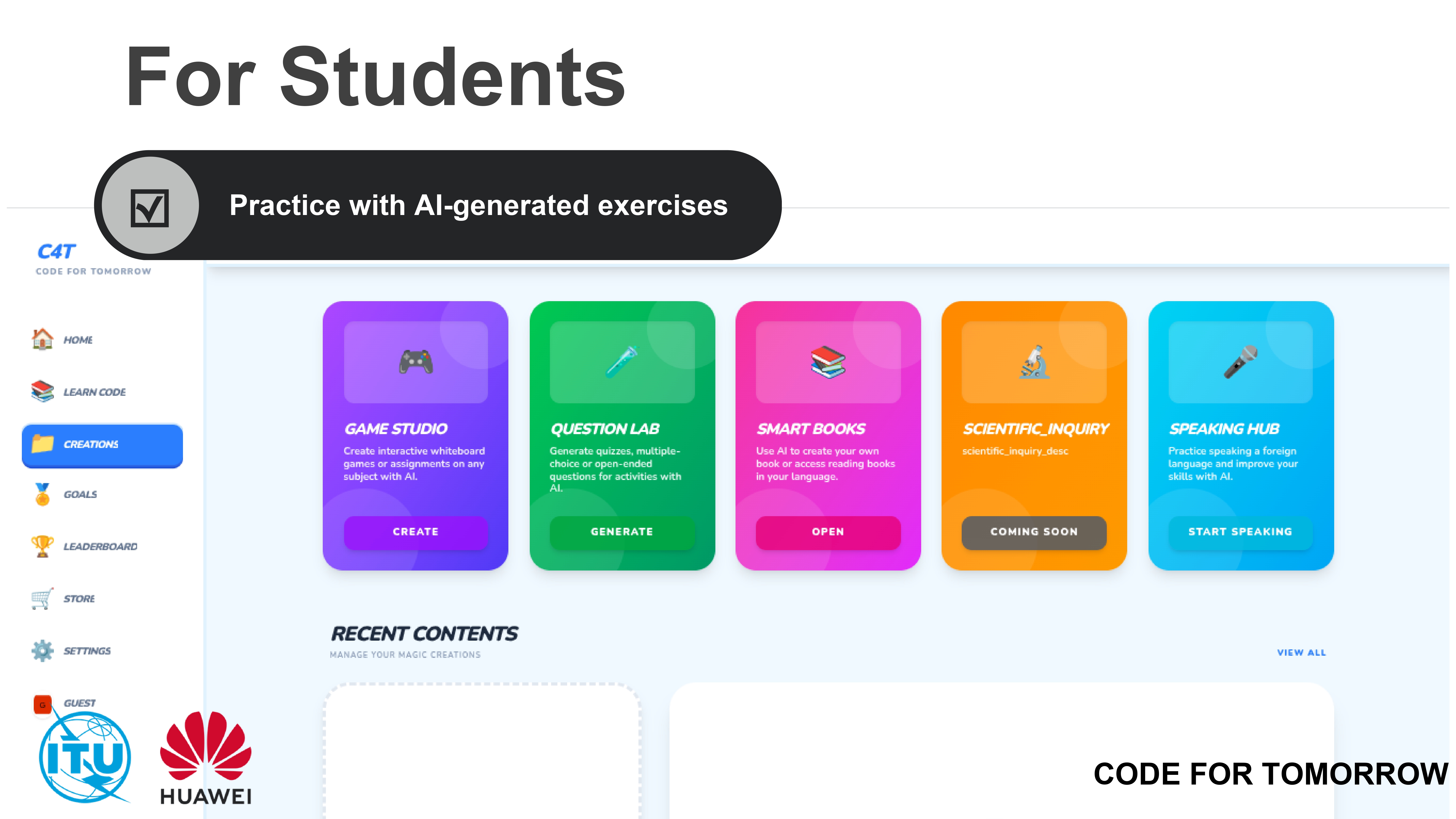
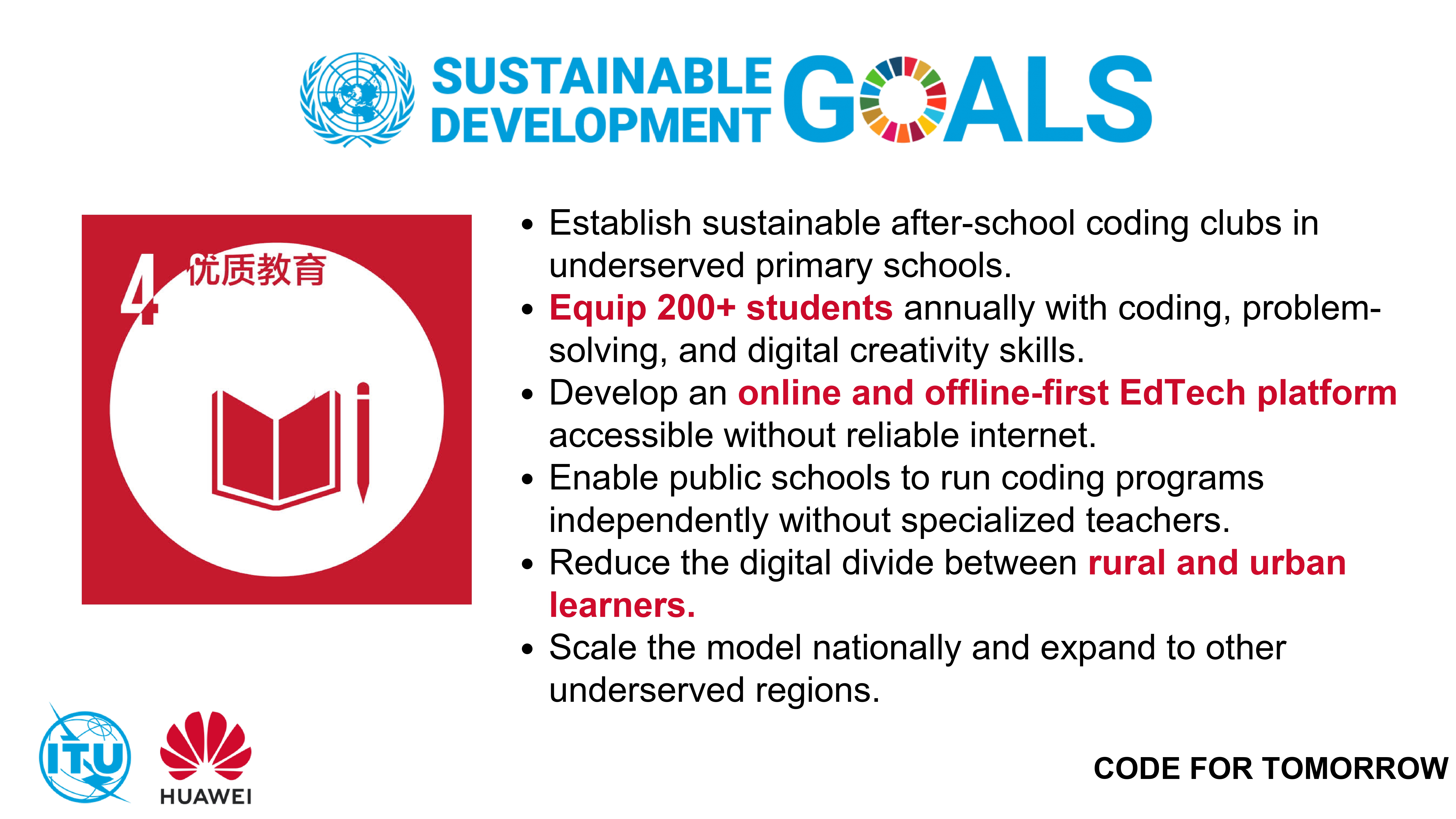
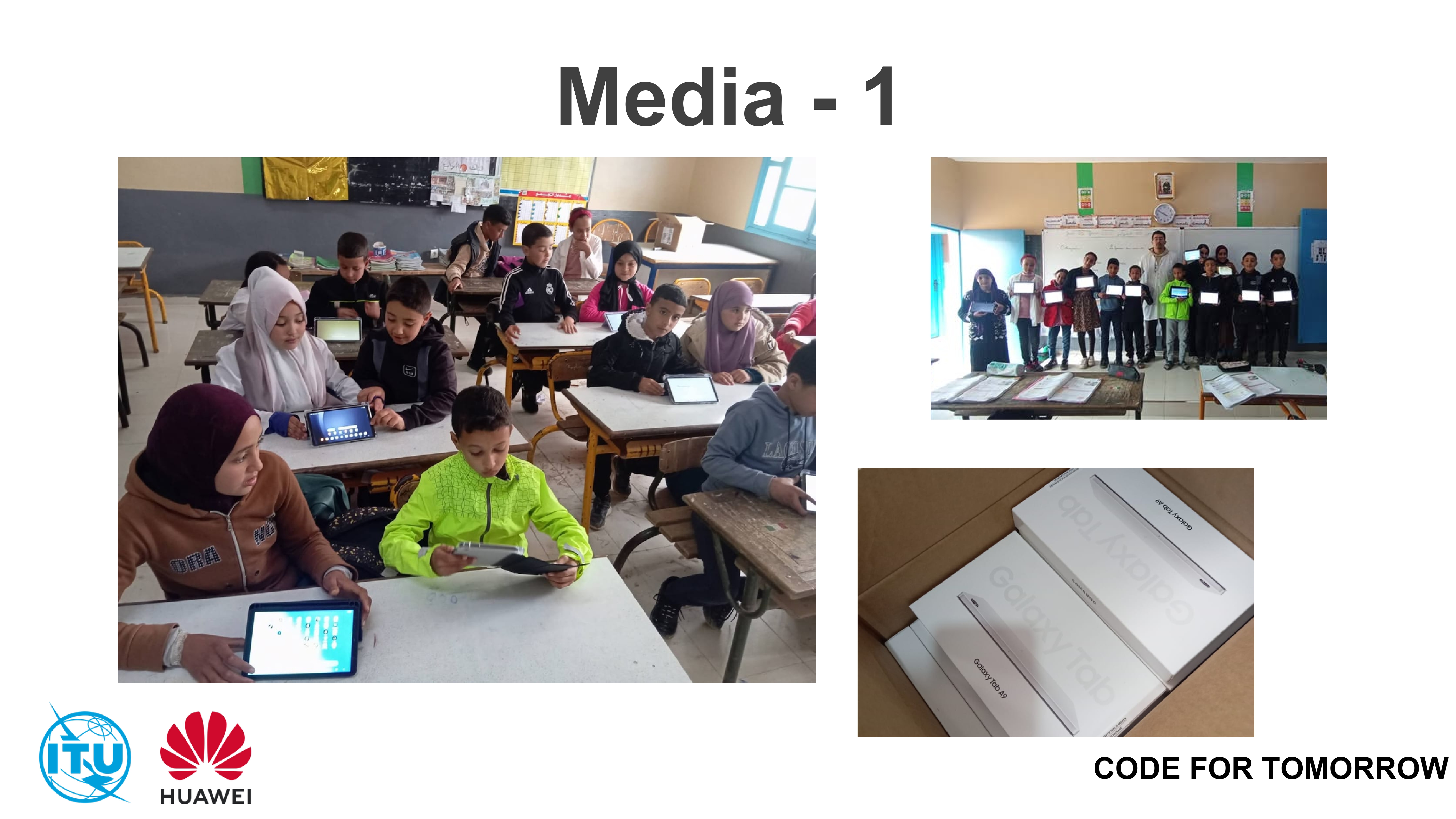
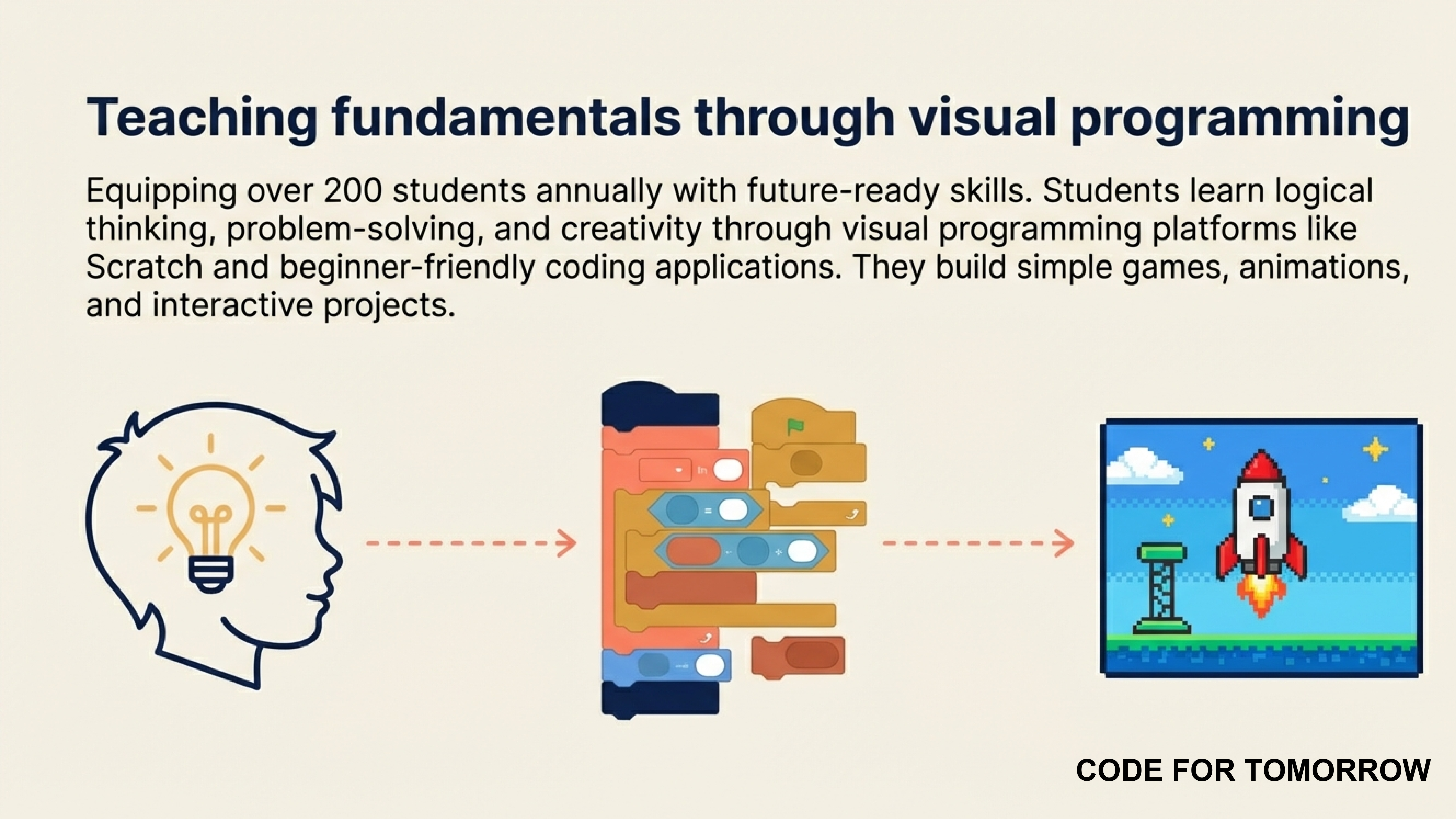
Inspiration Code for Tomorrow was inspired by the idea that young people should be able to learn and create with AI in a way that feels personal, practical, and motivating. We wanted to build an experience that supports curiosity and creativity, especially for learners who are often underserved by traditional tools.
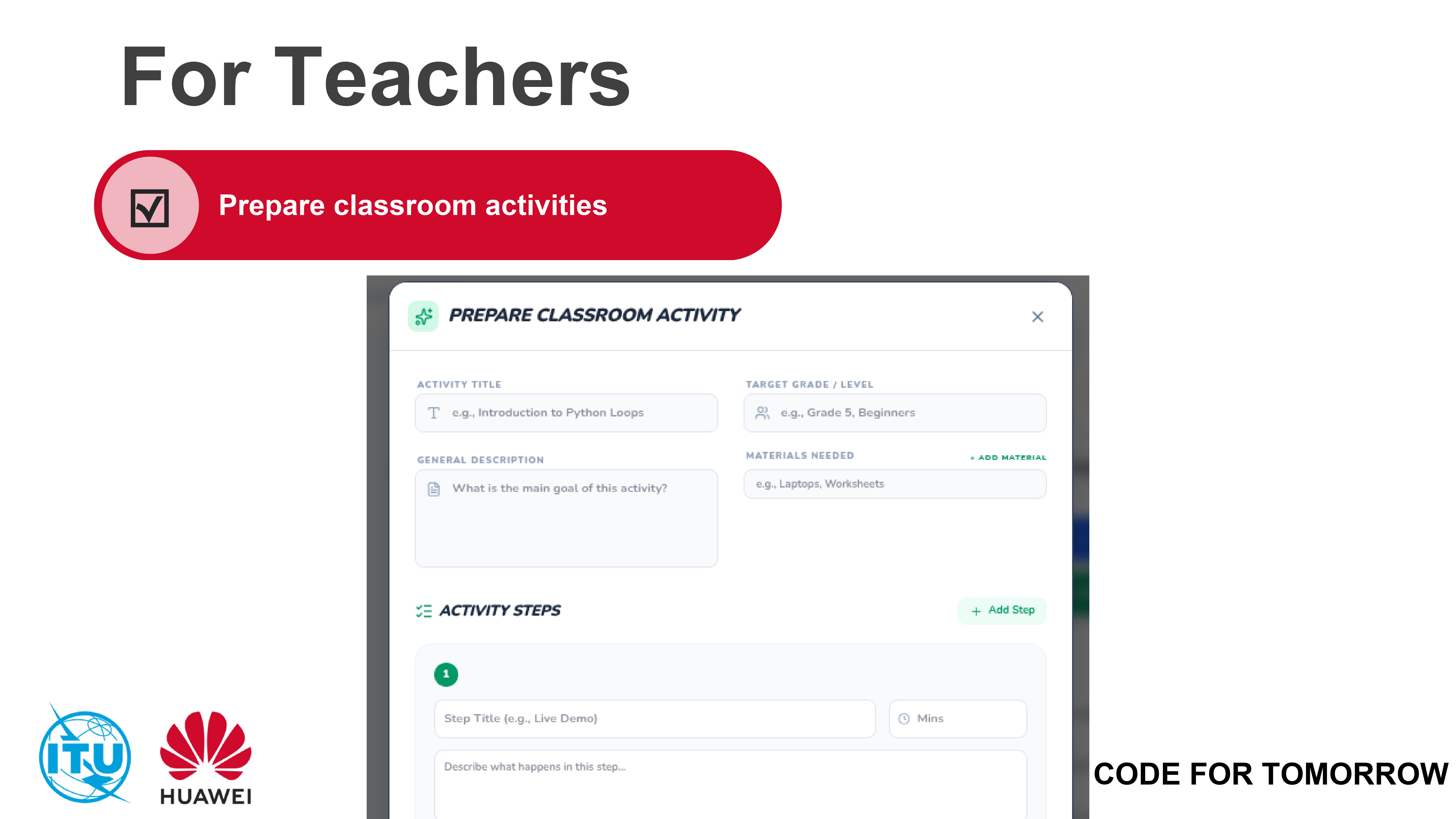
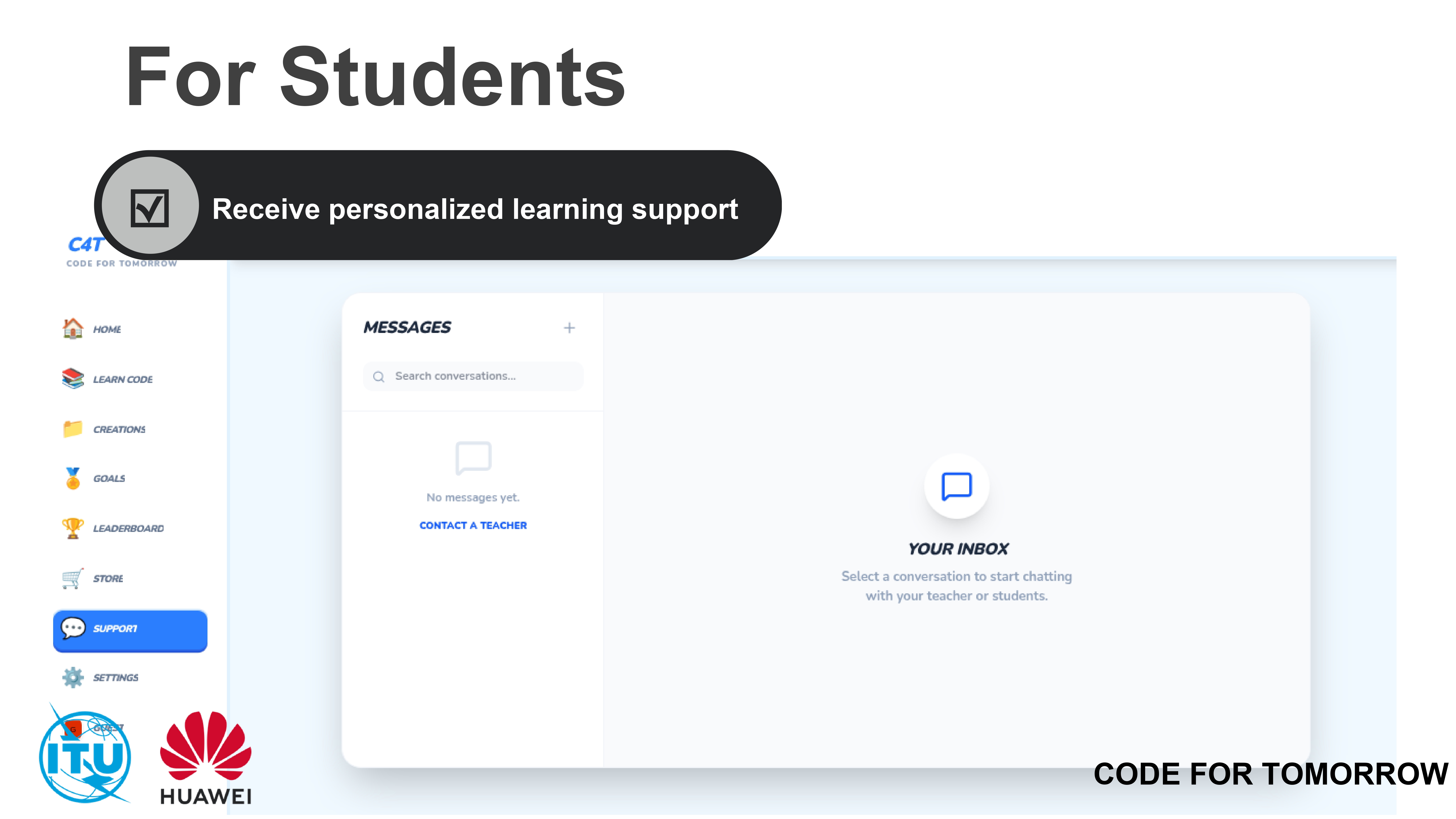
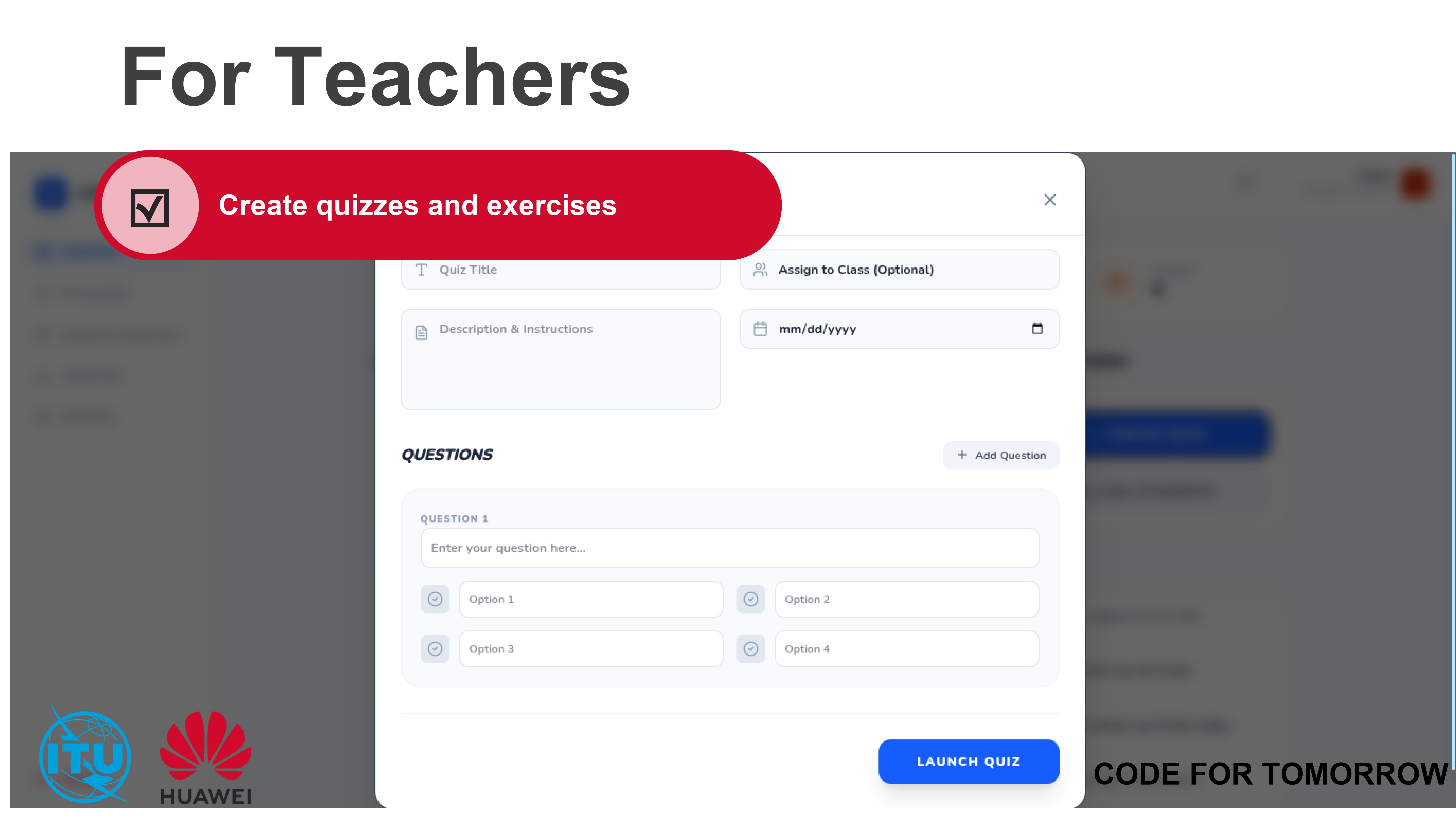
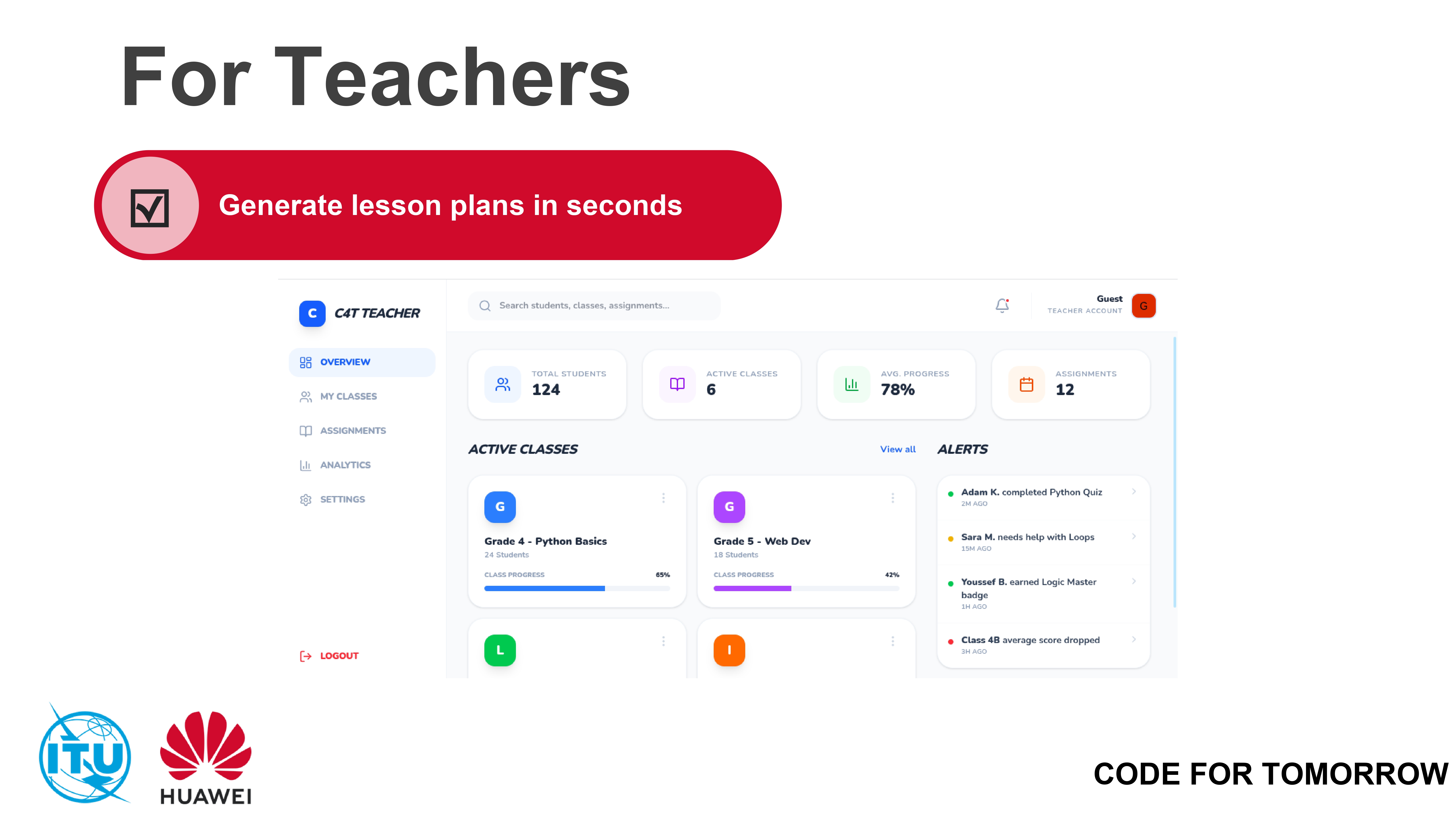
What it does The project delivers an AI-powered learning and creation experience where users can interact with intelligent features, explore ideas, and turn concepts into actionable outcomes. It combines interactive UI, personalized guidance, and secure user accounts to make learning more engaging and consistent.
How we built it We built the app with a full-stack TypeScript approach: React + Vite on the frontend, Express on the backend, and MongoDB with Mongoose for persistence. We integrated Gemini for AI capabilities, added Google OAuth with JWT-based authentication, and reinforced security with hashing and rate limiting. We also used Tailwind, motion, and 3D rendering libraries to create a more immersive user experience, and supported quality with testing tools like Vitest, Playwright, and Testing Library.
Challenges we ran into Our biggest challenges were balancing rich, animated UI with performance, designing authentication flows that were both seamless and secure, and tuning AI behavior so responses stayed helpful across many user inputs. We also had to move quickly while still maintaining clean architecture and strong testing discipline.
Accomplishments that we're proud of We’re proud that we delivered a working AI-first platform that combines modern UX, real backend infrastructure, and production-minded security practices. We also built a solid technical foundation that can scale, while keeping the product mission-focused on accessible, locally relevant education.
What we learned We learned how important it is to treat security, testing, and architecture as core product features from day one. We also learned that building with AI is not only about model integration, but about designing thoughtful user flows around trust, clarity, and usefulness. Most importantly, we learned that local context matters: products are stronger when they reflect the needs of the communities they serve.
What's next for code for tomorrow Next, we want to improve personalization, expand multilingual support, and deepen interactive learning pathways based on real user feedback. We also plan to continue optimizing performance, broaden feature depth, and evolve the platform into a scalable ecosystem for students, educators, and young innovators.
Built With
- autoprefixer-cross-platform/runtime-tooling:-capacitor
- bcryptjs
- cli
- css-frontend:-react
- google-auth-library
- html
- javascript
- jsdom
- jwt-(jsonwebtoken)
- lucide-react-3d/interactive-graphics:-three.js
- motion
- playwright
- postcss
- react-router-styling/ui:-tailwind-css
- tauri
- testing-library
- typescript
- vite
