-
-
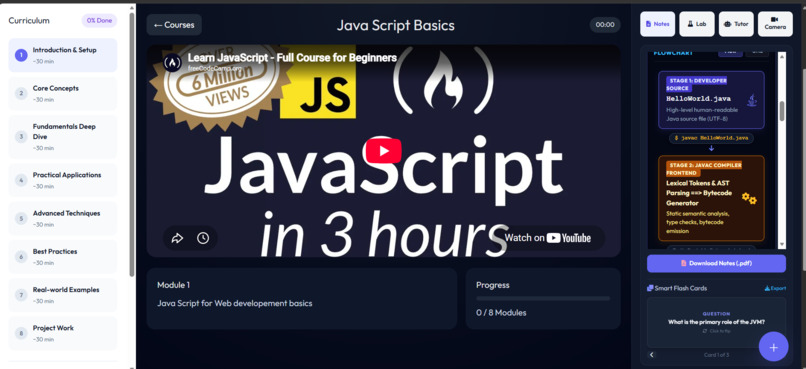
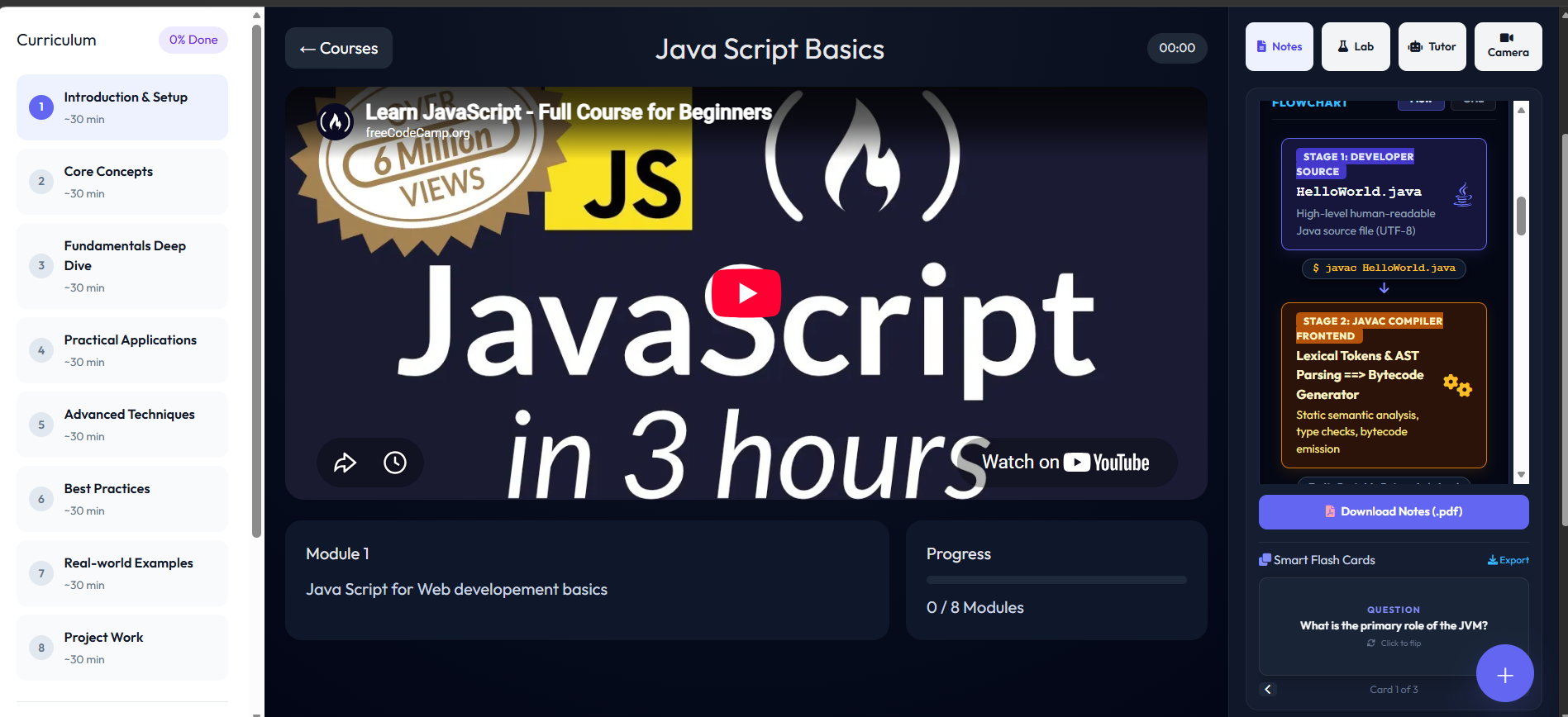
CSE DEPT LONG ONE SHORT YOUTUBE VIDEO CONVERTS INTO SMALL MODULES WITH NOTES , CHATBOT, MOOD ANALYSIS
-
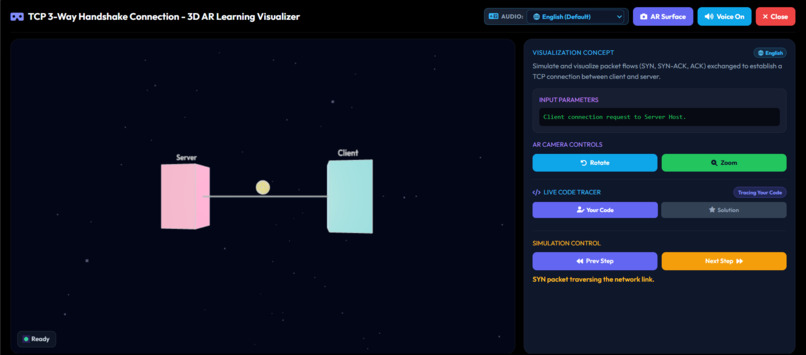
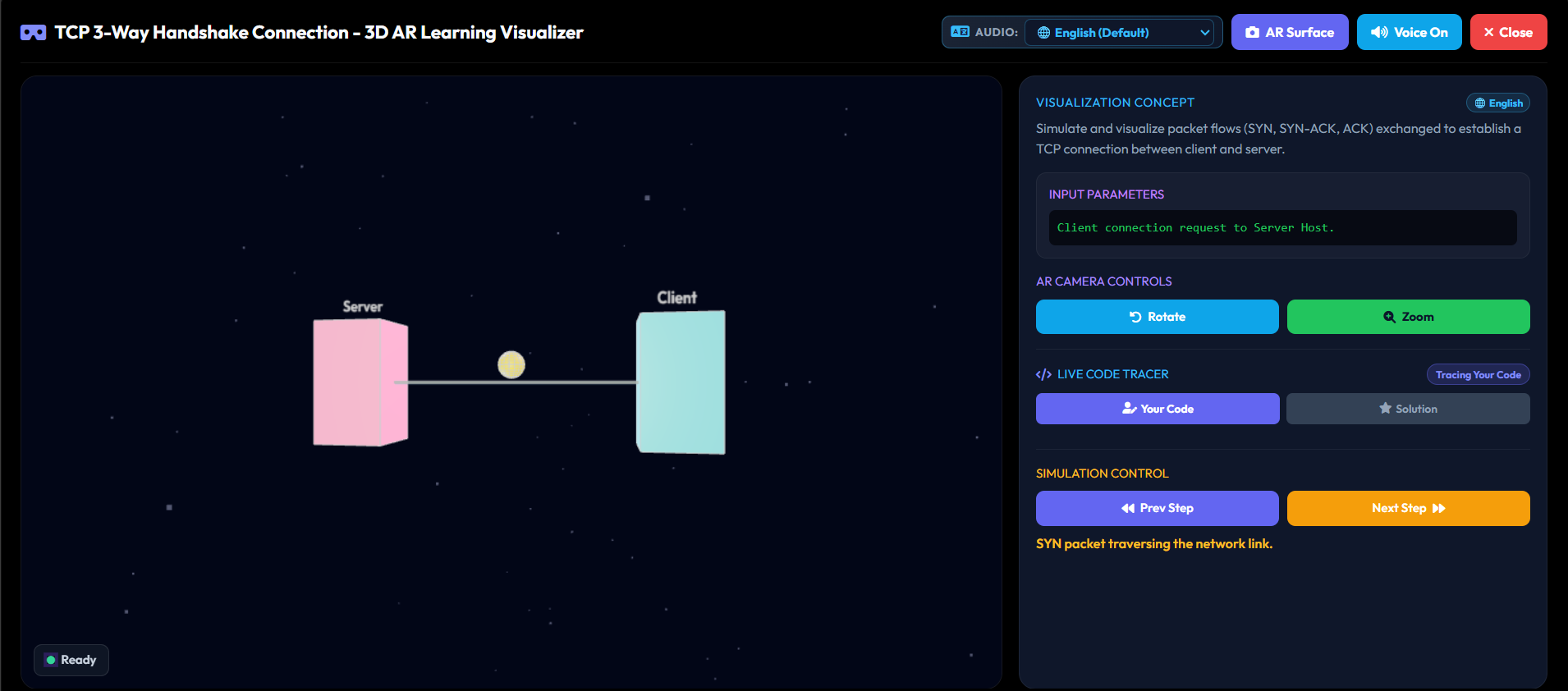
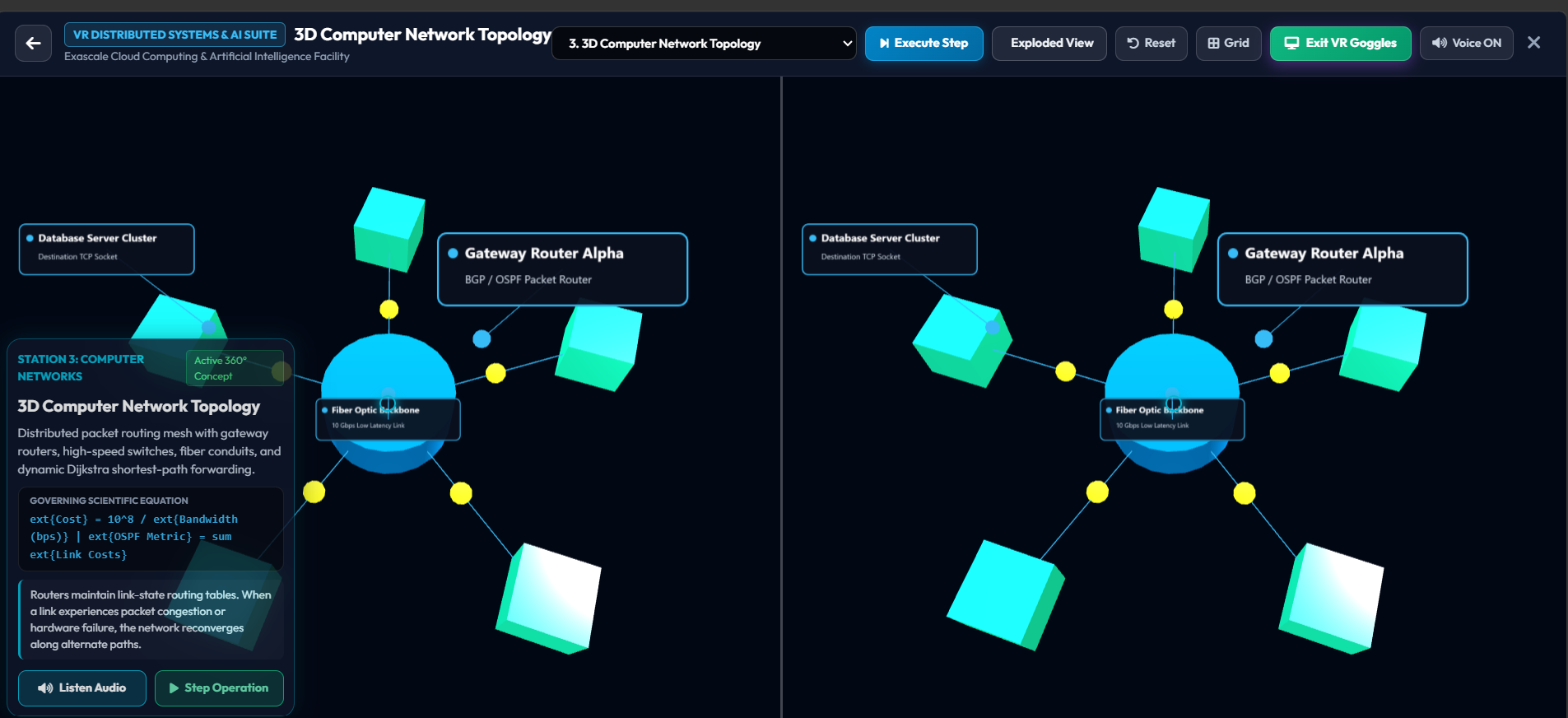
CSE 3D AR VISUALIZATION EXPLANATION OF COMPUTER NETWORK CONCEPT
-
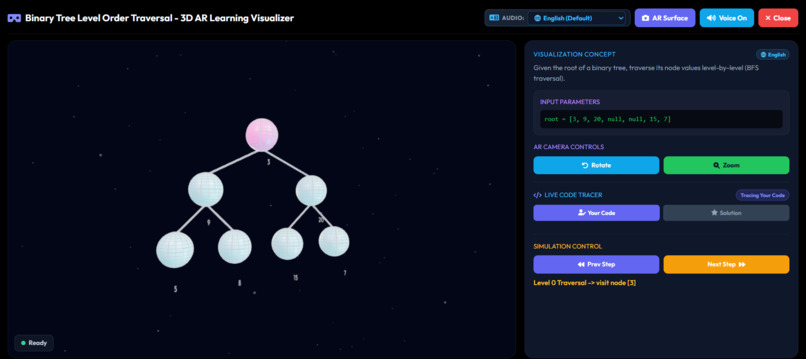
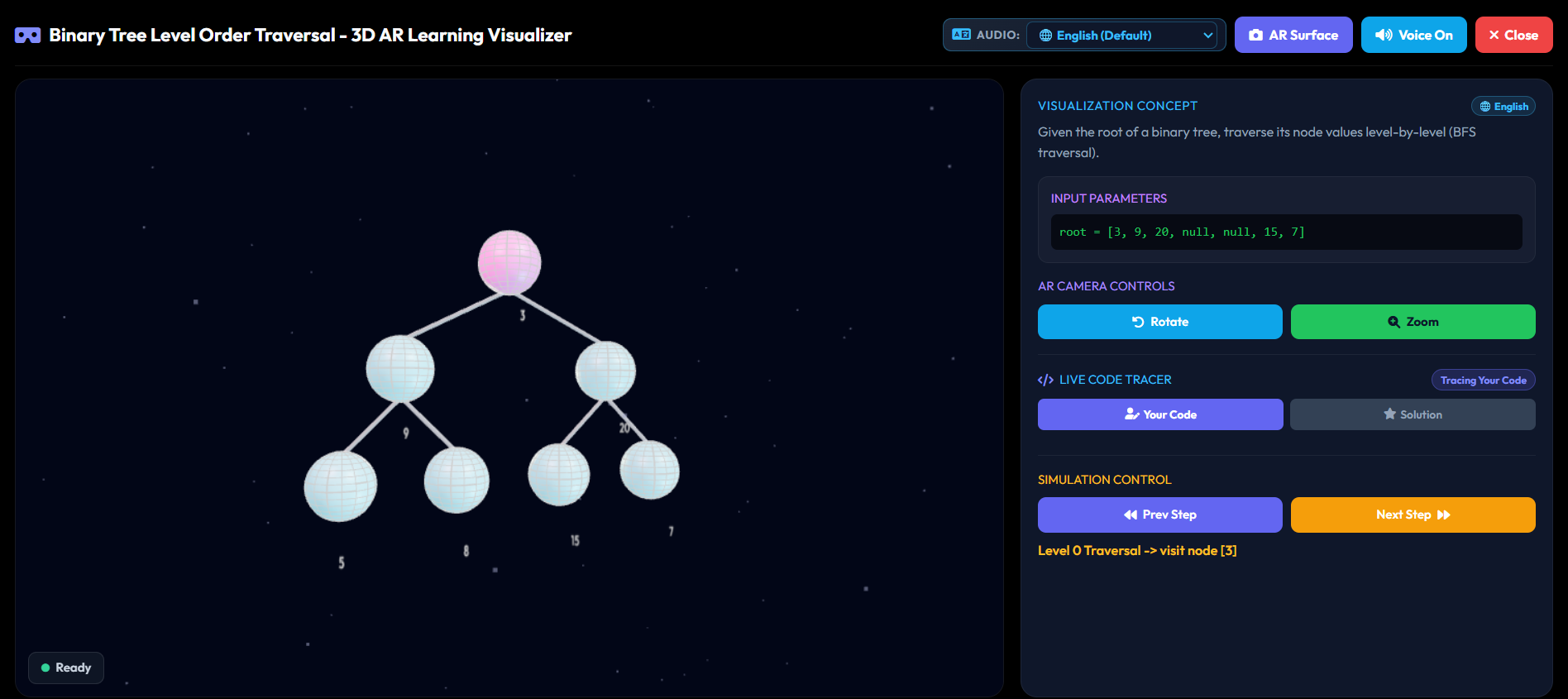
CSE 3D AR VISUALIZATION EXPLANATION OF BINARY TREE TRAVERSING
-
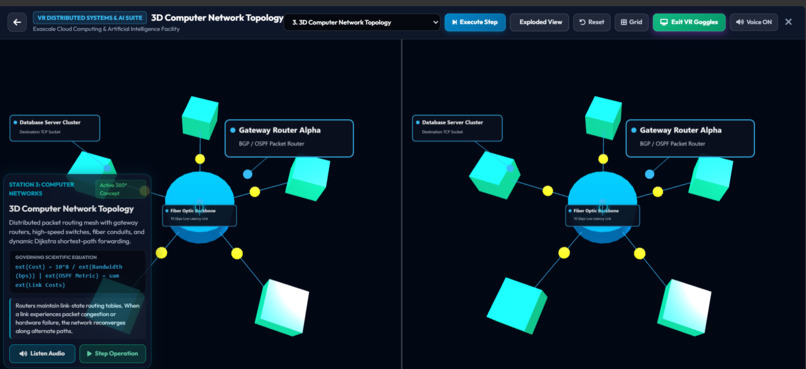
VR MODULE OF NETWORK TOPOLOGY EXPLANATION(WORKS WITH VR GOGGLES)
-
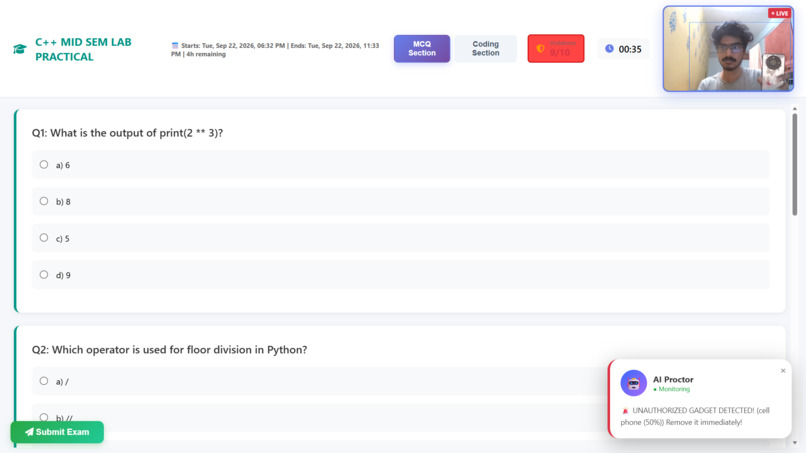
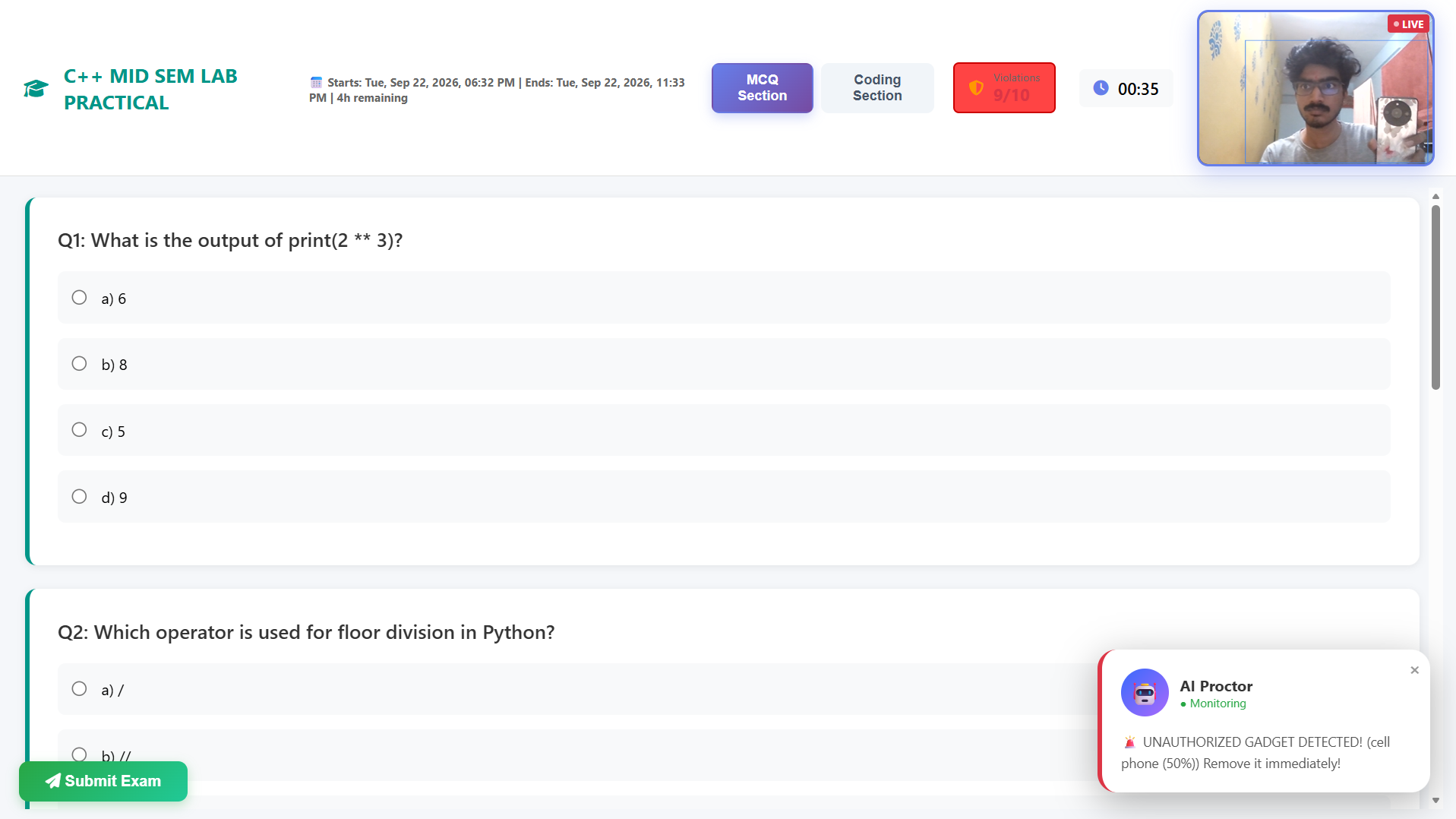
PROACTORED BASED EXAM THAT DETECT SUSPICIOUS ACTIVITES DONE BY STUDENT
-
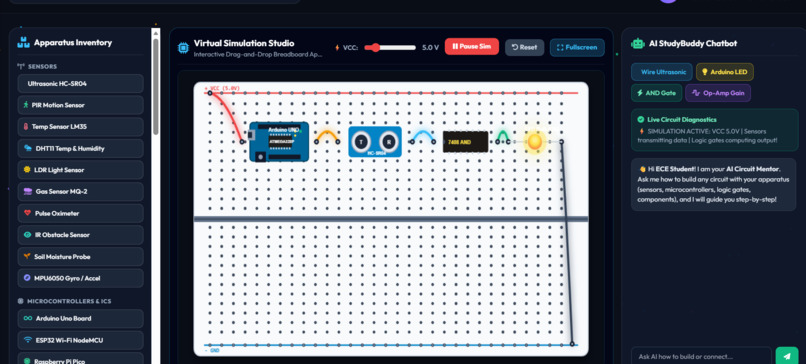
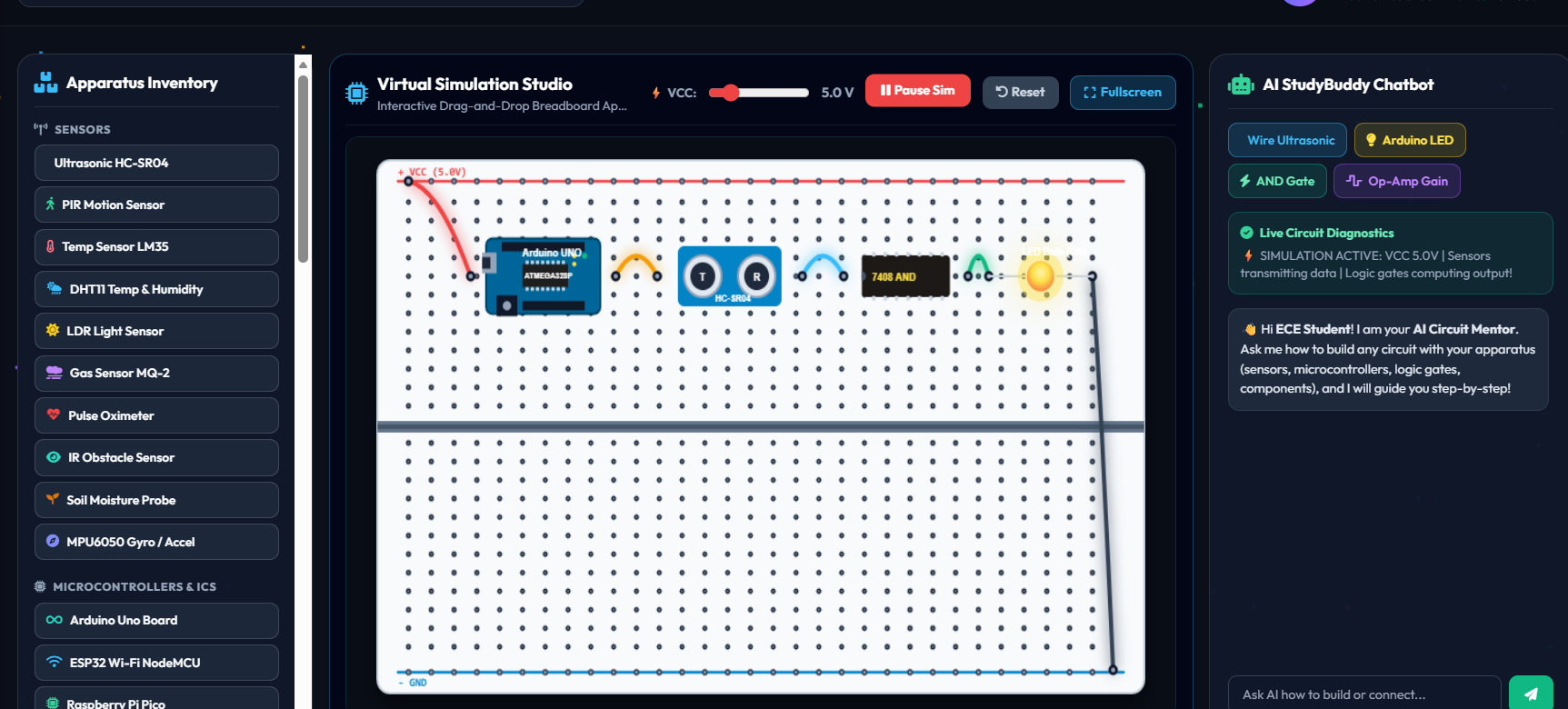
ECE VIRTUAL LAB SIMULATION WITH MICROCONTROLLERS AND SENSORS
-
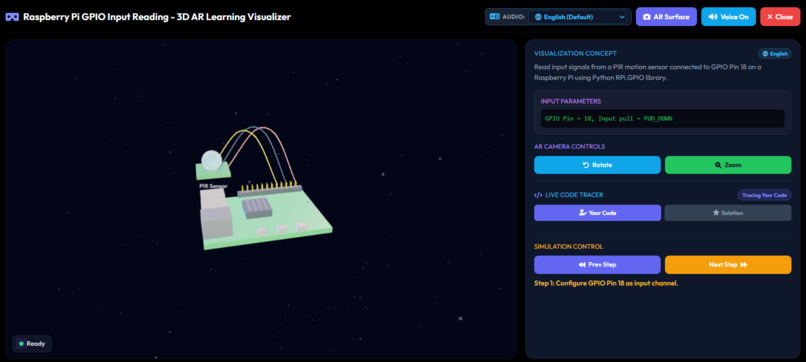
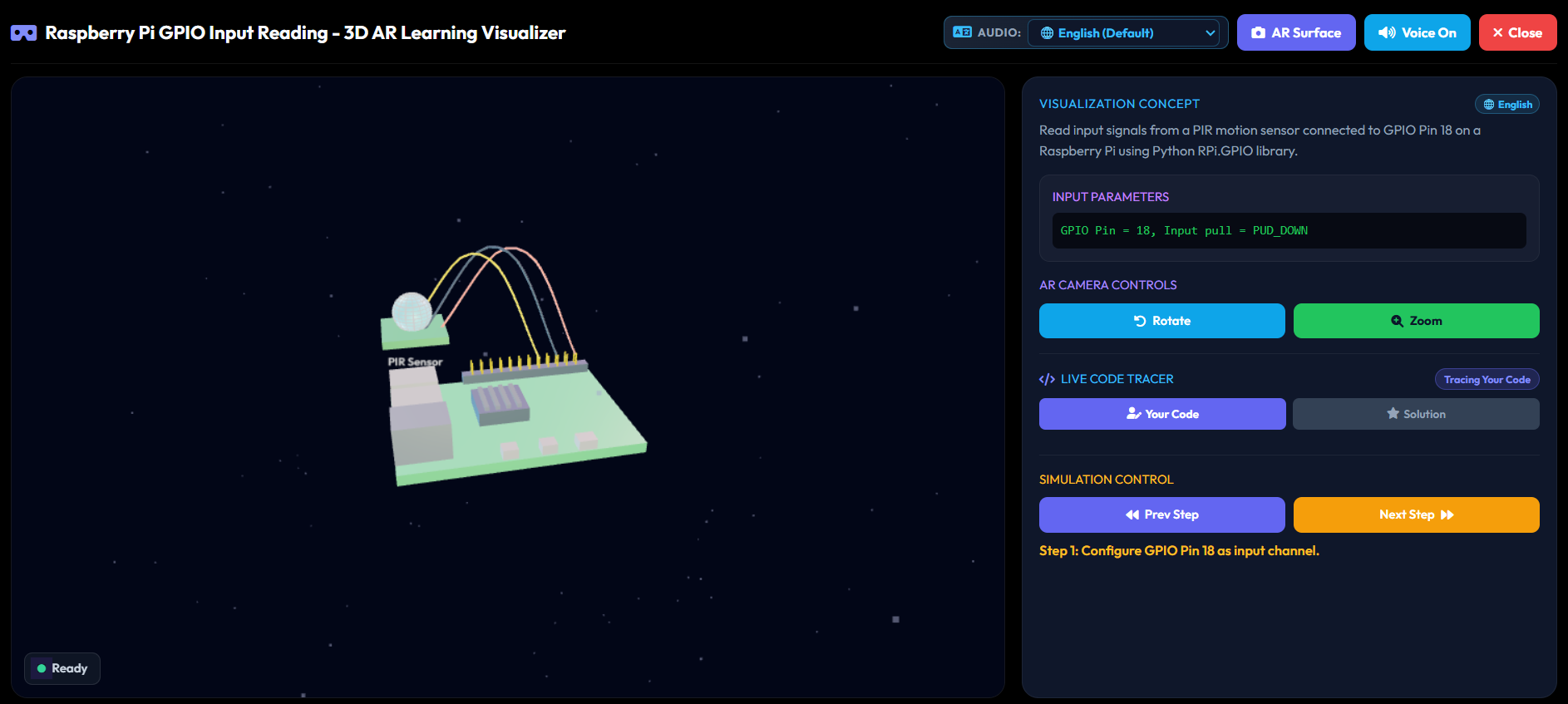
ECE 3D AR VISUALIZATION EXPLANATION OF RASPBERRY PI
-
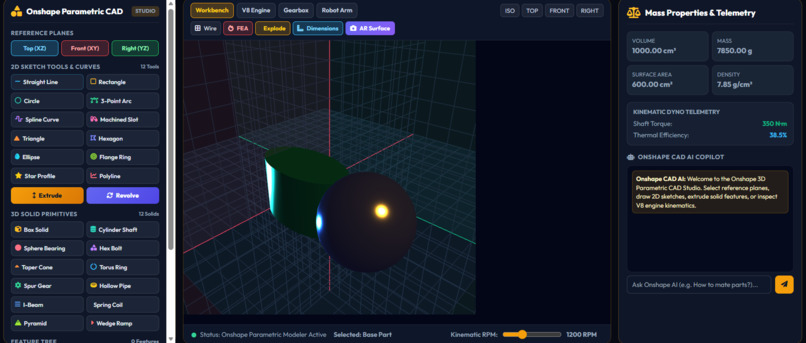
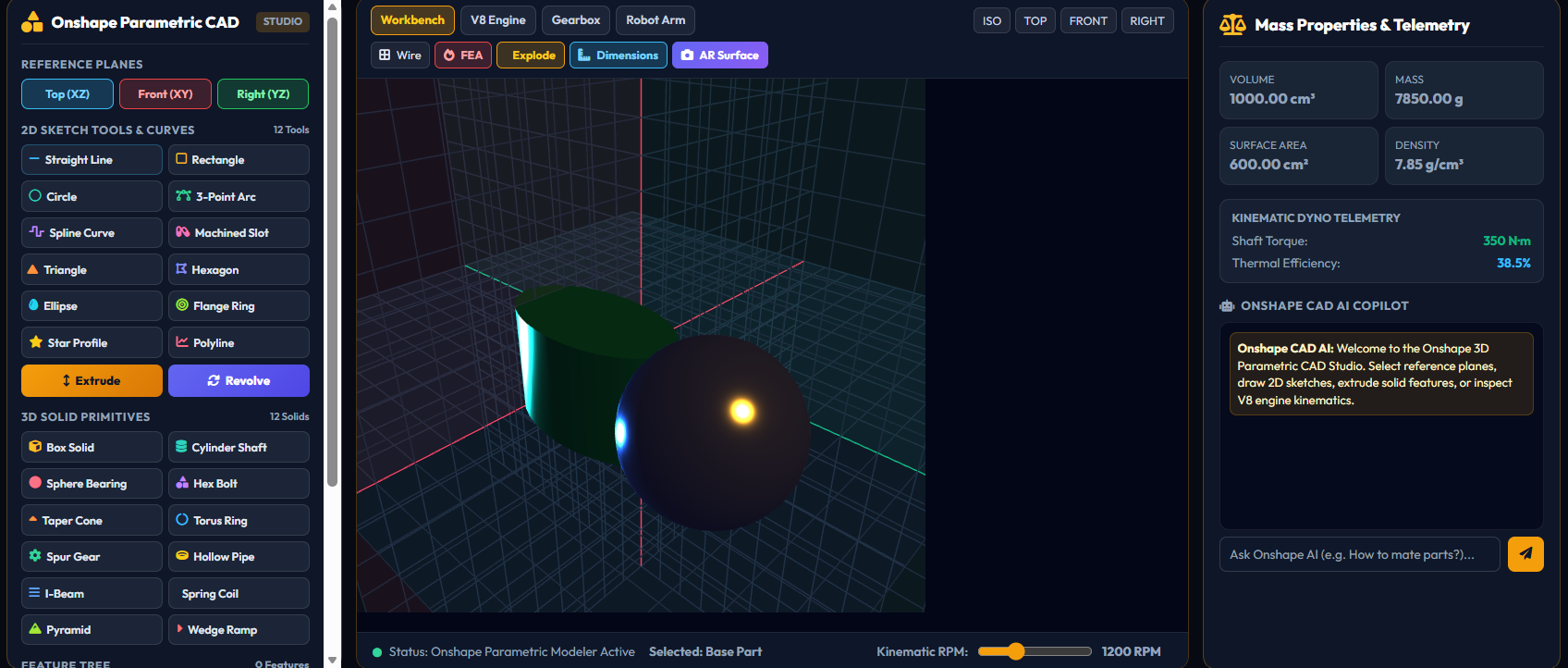
MECH DEPT AUTO CAD SIMULATION
-
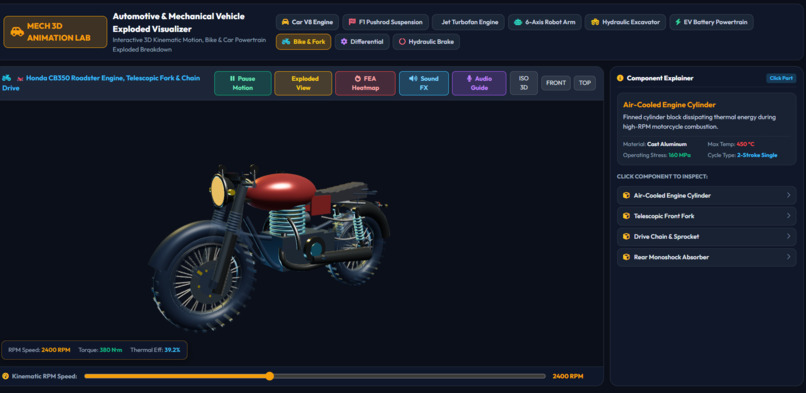
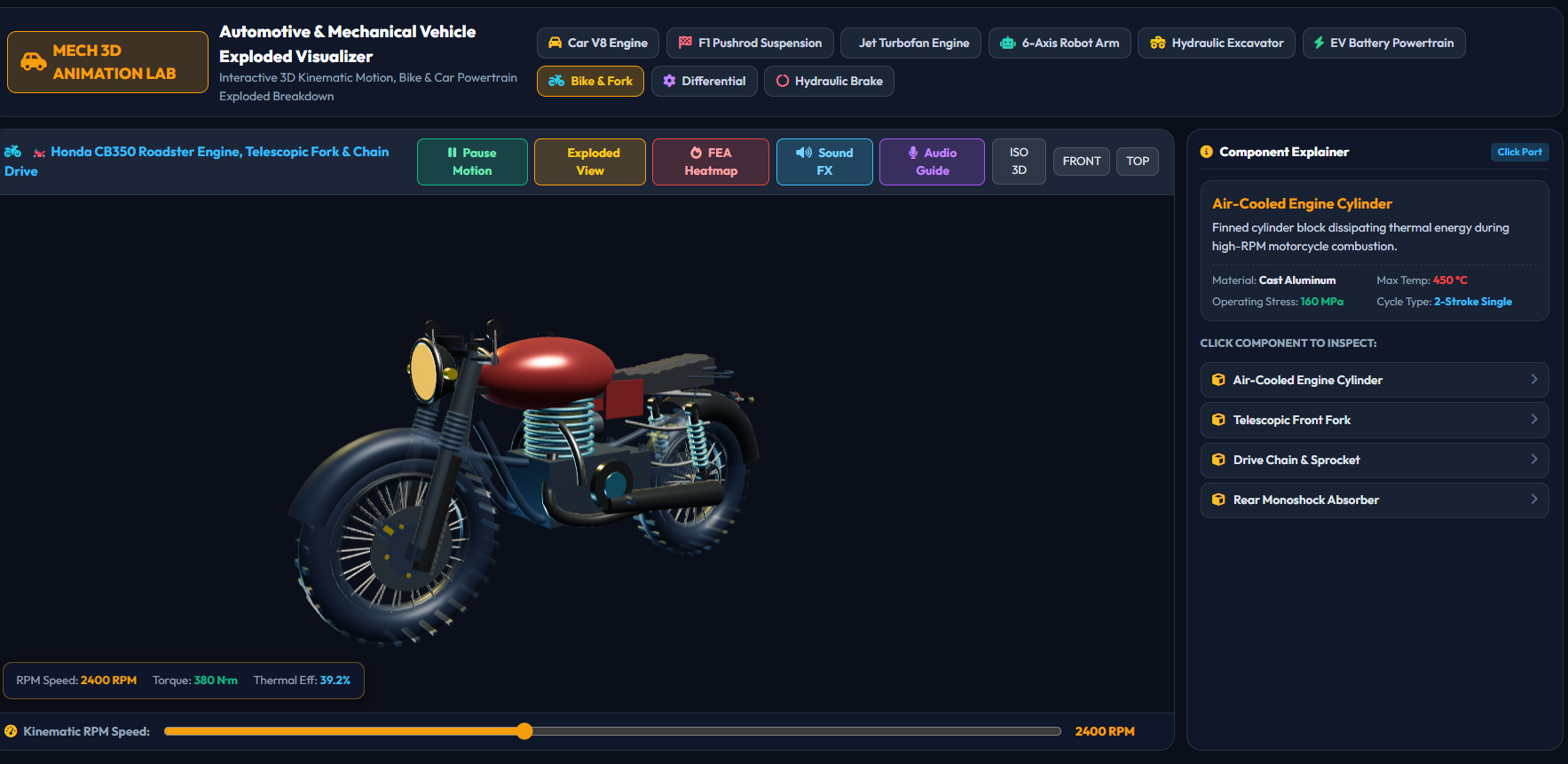
MECH DEPT 3D AR VISULIZATION OF THE BIKE PARTS
-
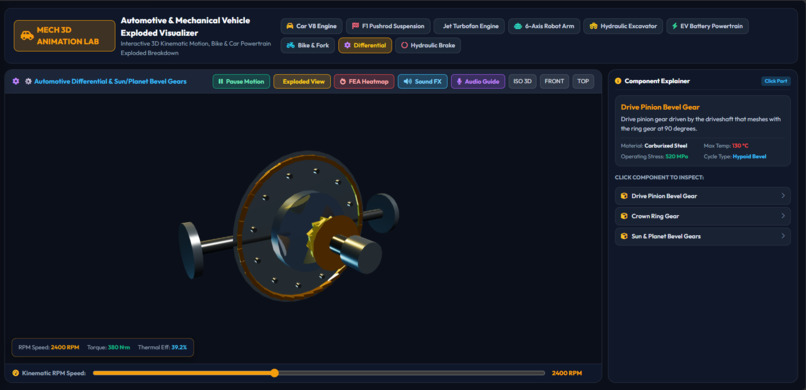
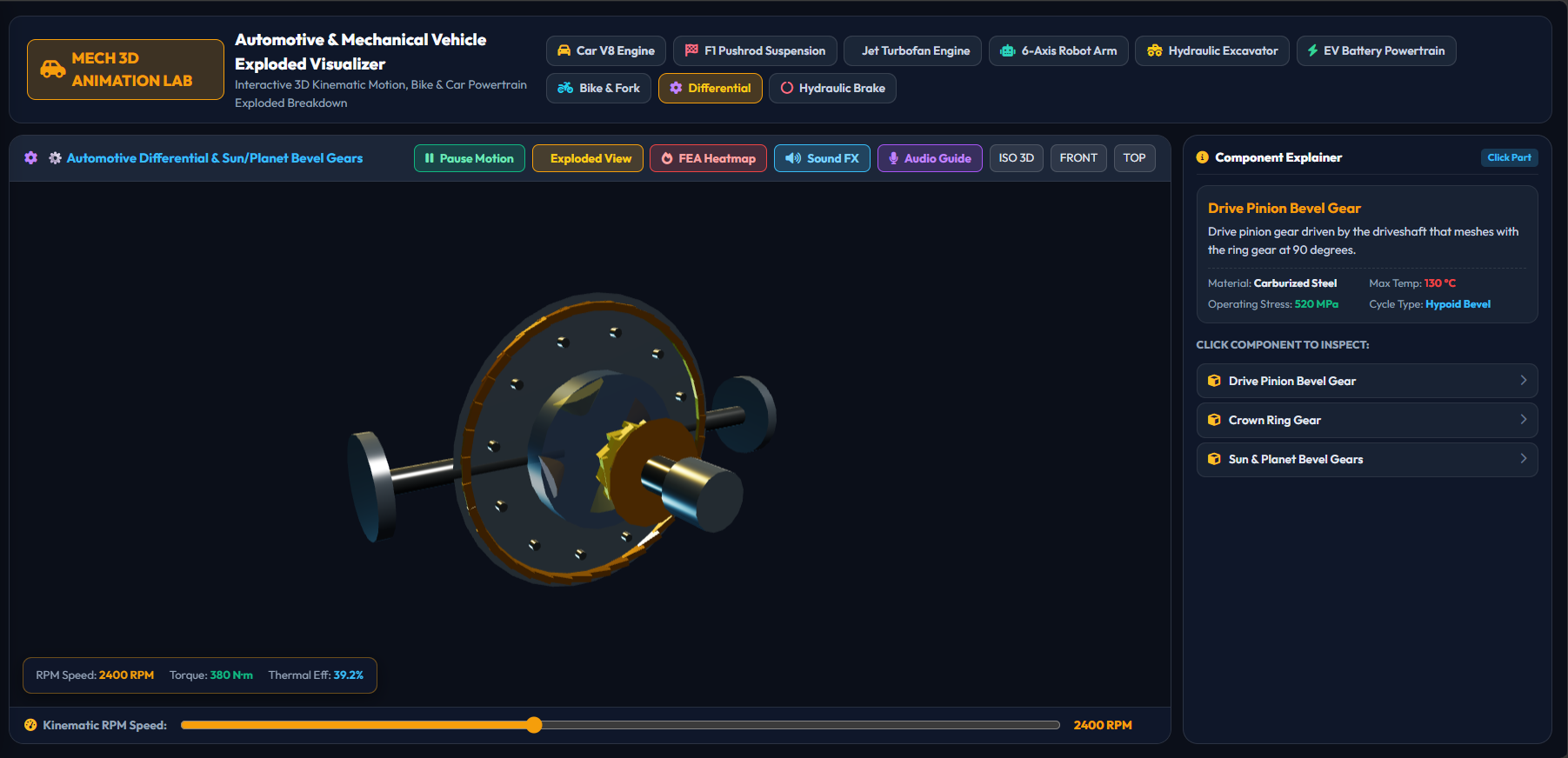
3D AR OF MECHANICAL GEARS EXPLANATION
-
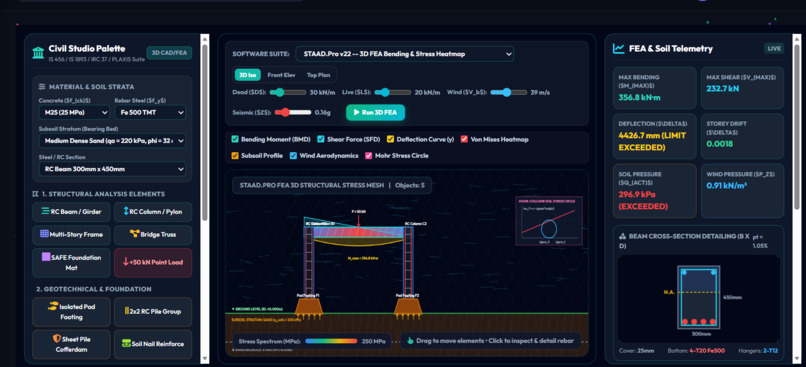
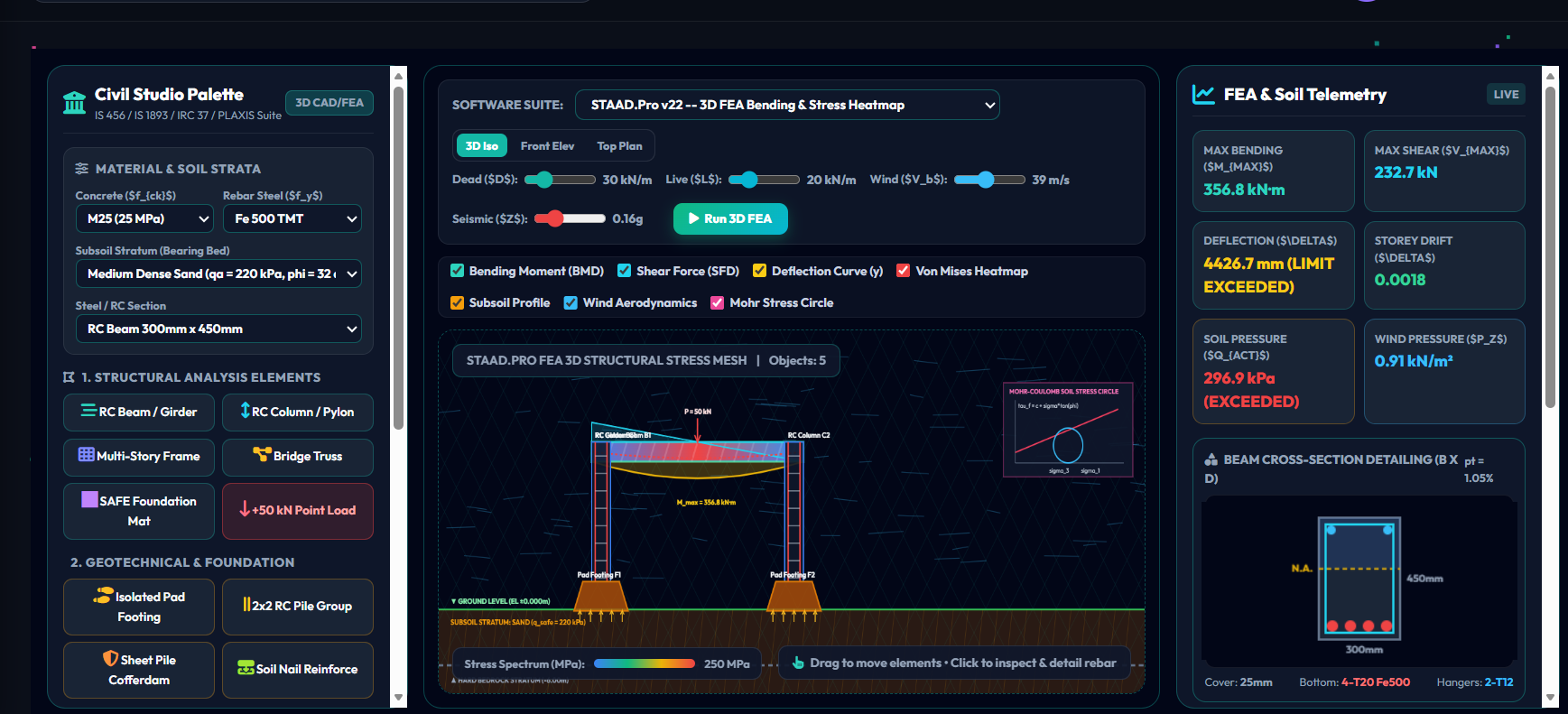
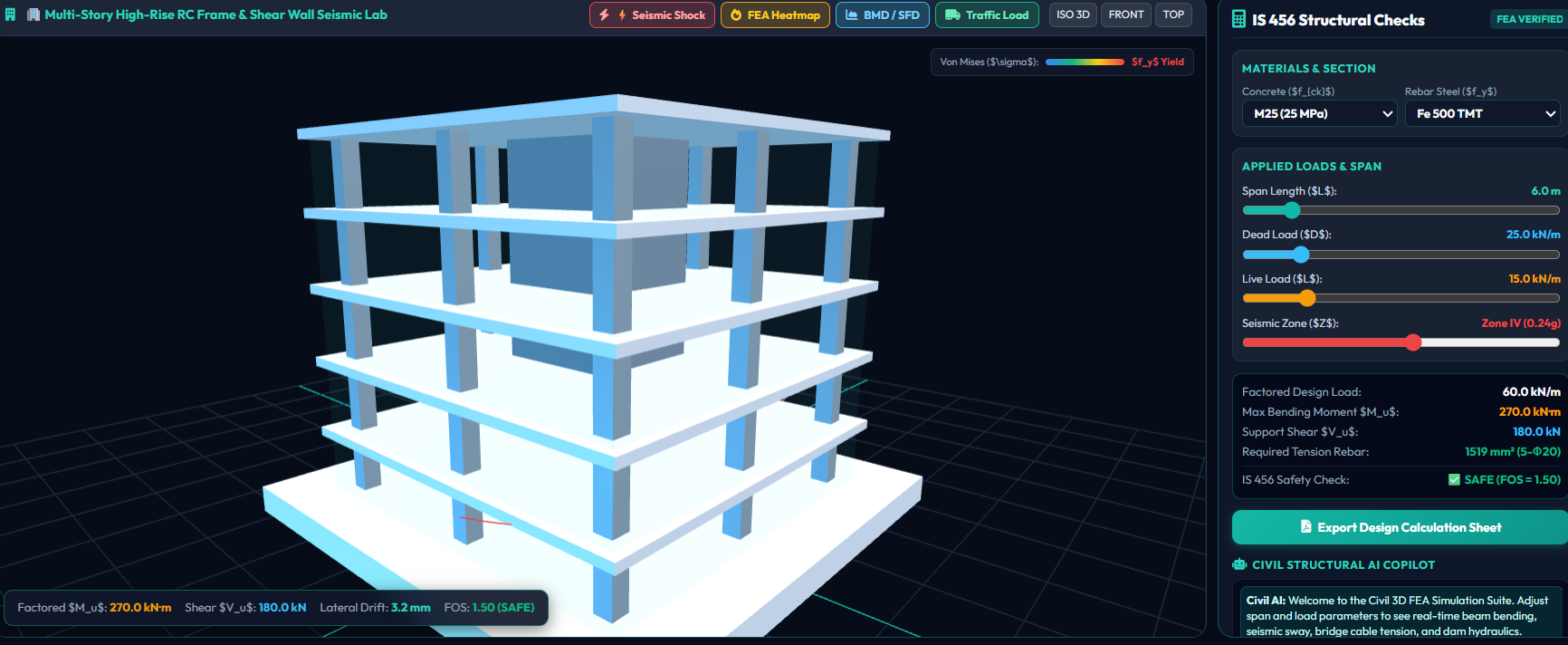
CIVIL DEPT BULDING SIMULATION
-
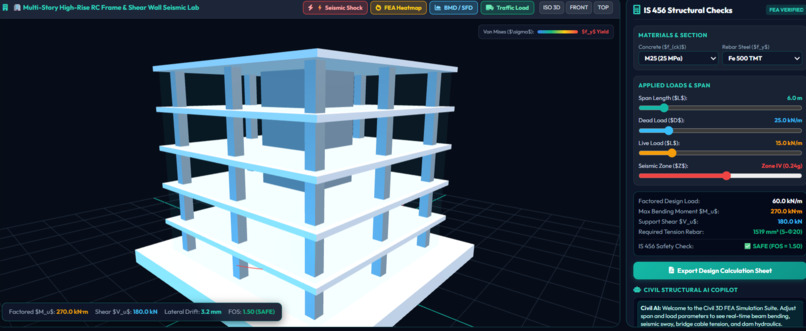
3D AR VISUALS OF BULIDING
-
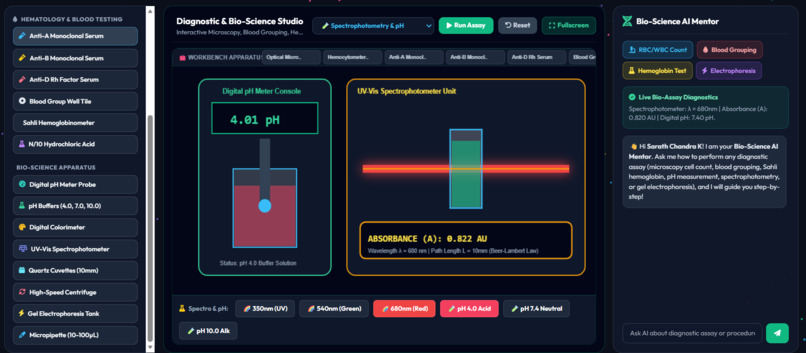
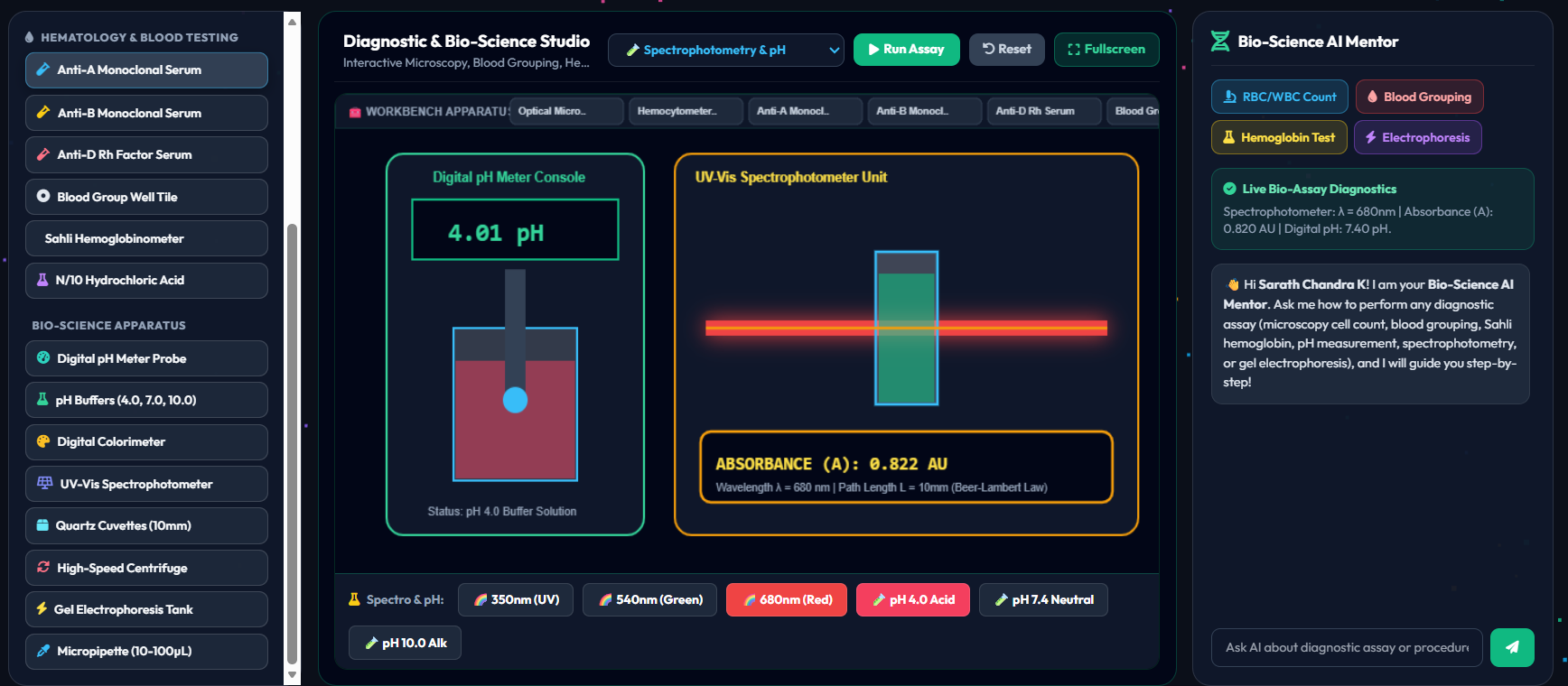
BIOMEDICAL LAB SIMULATION PH LEVELS
-
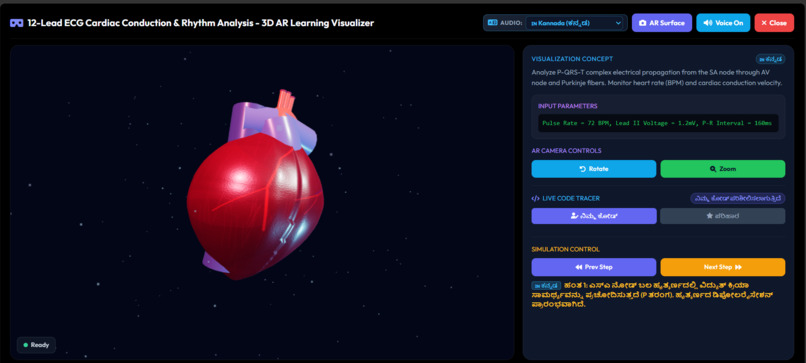
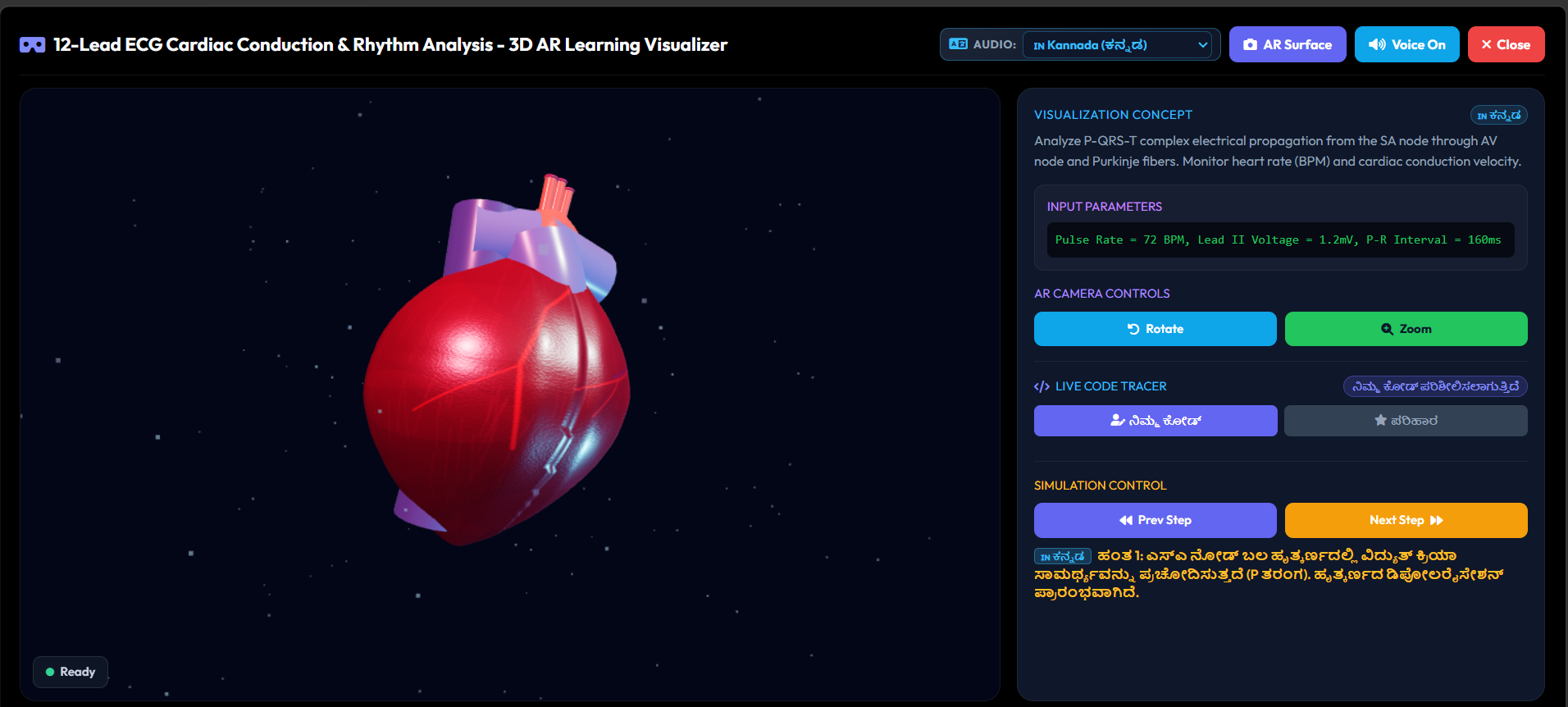
HUMAN HEART EXPLANATION IN AR/VR
What it does
CODE CRUX – Learn Smarter, Visualize in 3D, Practice in Virtual Labs, and Innovate with AI
Inspiration
Engineering education often involves learning complex concepts through textbooks, lengthy video lectures, and theoretical explanations. Students may struggle to visualize how systems work, gain practical experience when laboratory resources are limited, or find quick support when they have doubts. Learning resources, coding tools, virtual laboratories, and assessments are also frequently spread across different platforms.
These challenges inspired us to build CODE CRUX, an AI-powered smart education and virtual engineering learning platform that brings learning, visualization, practical experimentation, and assessment together in one ecosystem. Our vision is to make engineering education more interactive, accessible, personalized, and practical for every student.
What We Learned
While developing CODE CRUX, we learned how artificial intelligence, web development, 3D visualization, and virtual learning environments can work together to improve education. We explored how long video lectures can be organized into smaller learning modules, how AI assistants can support students in understanding difficult concepts, and how 3D, AR, and VR experiences can make abstract engineering topics easier to visualize.
We also learned the importance of designing separate learning experiences for different engineering departments. Beyond building features, we understood the need for a user-friendly interface, secure examinations, faculty monitoring, multilingual support, and a sustainable business model that can help the platform reach more students and institutions.
How We Built CODE CRUX
We designed CODE CRUX as a unified platform for students and faculty, combining AI-powered learning tools with immersive engineering experiences.
Our platform uses React.js and Tailwind CSS for the frontend, Python with Django and Django REST Framework for backend services, and Three.js and WebGL for interactive 3D visualizations. We integrate Mistral AI to support AI-powered tutoring and content generation, alongside relevant external services and database components.
The major features include:
- AI-Powered Course Creation: Students can provide a YouTube lecture link and preferred learning duration to organize lengthy lectures into smaller learning modules.
- StudyBuddy AI: An AI learning assistant that helps students clarify doubts and understand course-related concepts.
- Integrated Learning Tools: Students can access notes, coding practice, and a compiler within the course-learning environment.
- Immersive 3D, AR, and VR Learning: Interactive engineering visualizations help students explore concepts beyond traditional textbooks and videos.
- Virtual Engineering Laboratories: Department-specific simulations support practical learning across Computer Science, Electronics and Communication, Biomedical, Mechanical, and Civil Engineering.
- AI-Proctored Examinations: The system is designed to detect predefined suspicious examination activities and provide relevant information to faculty for review.
- Faculty Dashboard: Faculty can manage assessments, monitor learning progress, and review examination-related incidents.
- Multilingual Learning: Language-support features aim to make technical education more accessible to students with different language preferences Like german , russian , arbian and many more.
By bringing these capabilities together, CODE CRUX connects the complete learning process: Learn → Practice → Visualize → Experiment → Assess → Improve.
Challenges We Faced
One of our main challenges was integrating multiple technologies into a single platform while maintaining a consistent and user-friendly experience. AI-based learning, interactive 3D models, virtual laboratories, coding tools, and examination monitoring each require different technical approaches.
Another challenge was making complex engineering concepts understandable through meaningful visualizations. We also had to consider how the platform could support multiple departments, each with different practical requirements, learning materials, and simulation needs.
Designing a reliable examination-monitoring workflow presented additional challenges, particularly around identifying suspicious activity, recording evidence, and allowing faculty to review incidents appropriately. Balancing ambitious features with development time and available resources also required careful prioritization.
We approached these challenges by organizing CODE CRUX into separate modules, connecting them through a unified interface, and focusing on features that directly address students' and faculty members' needs.
Future Scope
We plan to expand CODE CRUX with more engineering departments, advanced AI-generated 3D models, adaptive learning paths, knowledge-gap detection, intelligent assessment, and richer virtual laboratories. Future versions could also support additional languages, institutional integrations, and AI-powered project and research mentoring.
Our long-term goal is to build a comprehensive virtual engineering ecosystem where students can understand concepts, perform simulations, experiment safely, and turn their knowledge into innovation.
Conclusion
CODE CRUX is our effort to move engineering education beyond passive learning and toward an interactive, practical, and immersive experience. By combining AI, 3D visualization, AR, VR, virtual laboratories, and intelligent assessment, we aim to help students learn more effectively and give educators better tools to support them.
CODE CRUX – Learn Smarter, Visualize in 3D, Practice in Virtual Labs, and Innovate with AI.

Log in or sign up for Devpost to join the conversation.