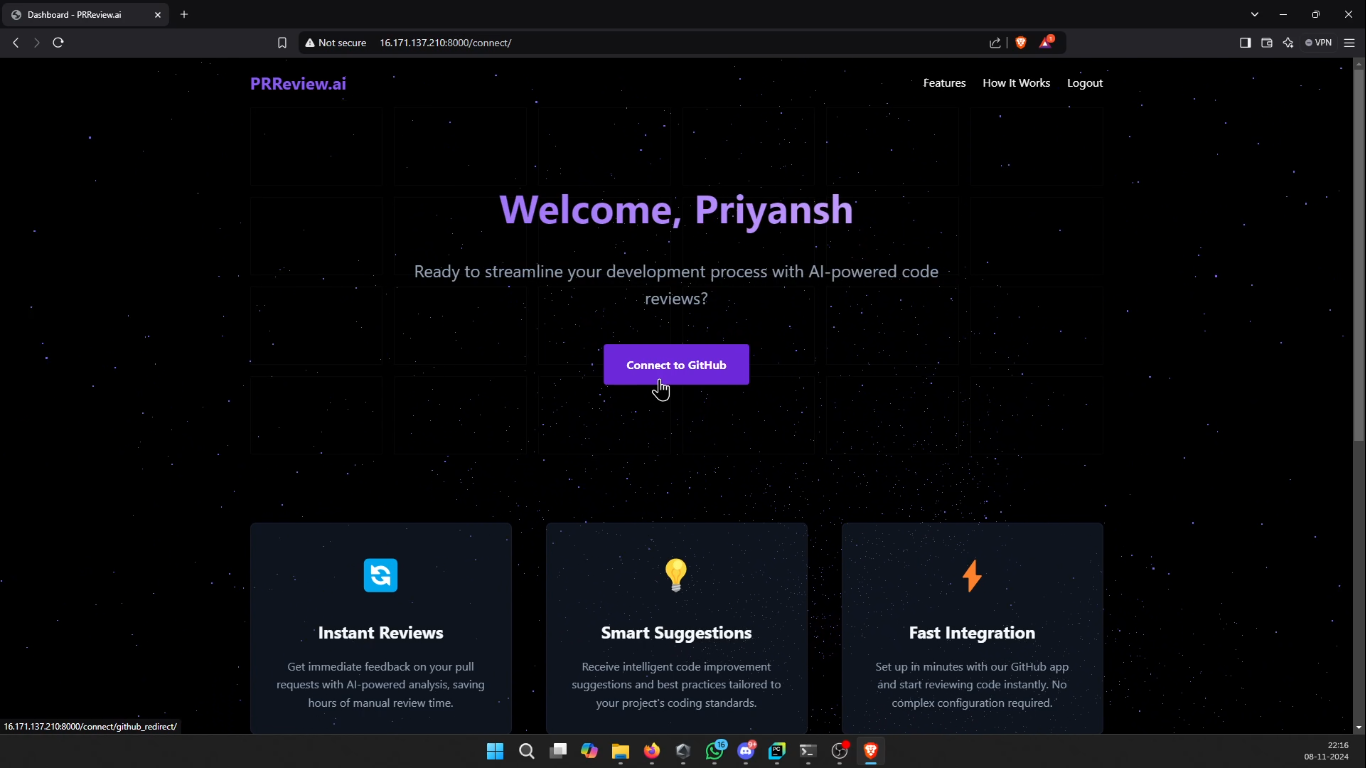
Inspiration The idea for Code Critique was born out of the growing need for developers to improve code quality and efficiency. With more complex software solutions being developed every day, maintaining code quality, readability, and optimization can be challenging. We wanted to create an accessible tool for developers that could help them improve their code through AI-generated insights.
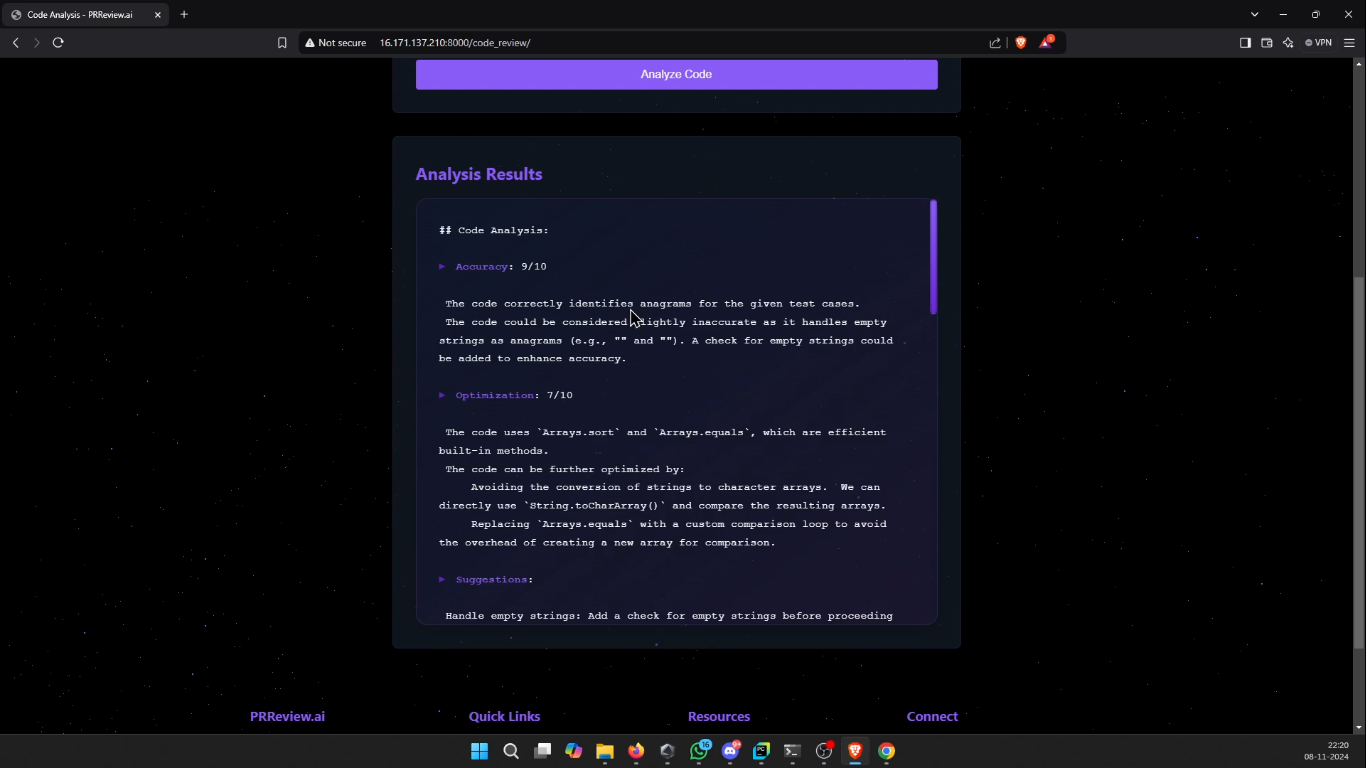
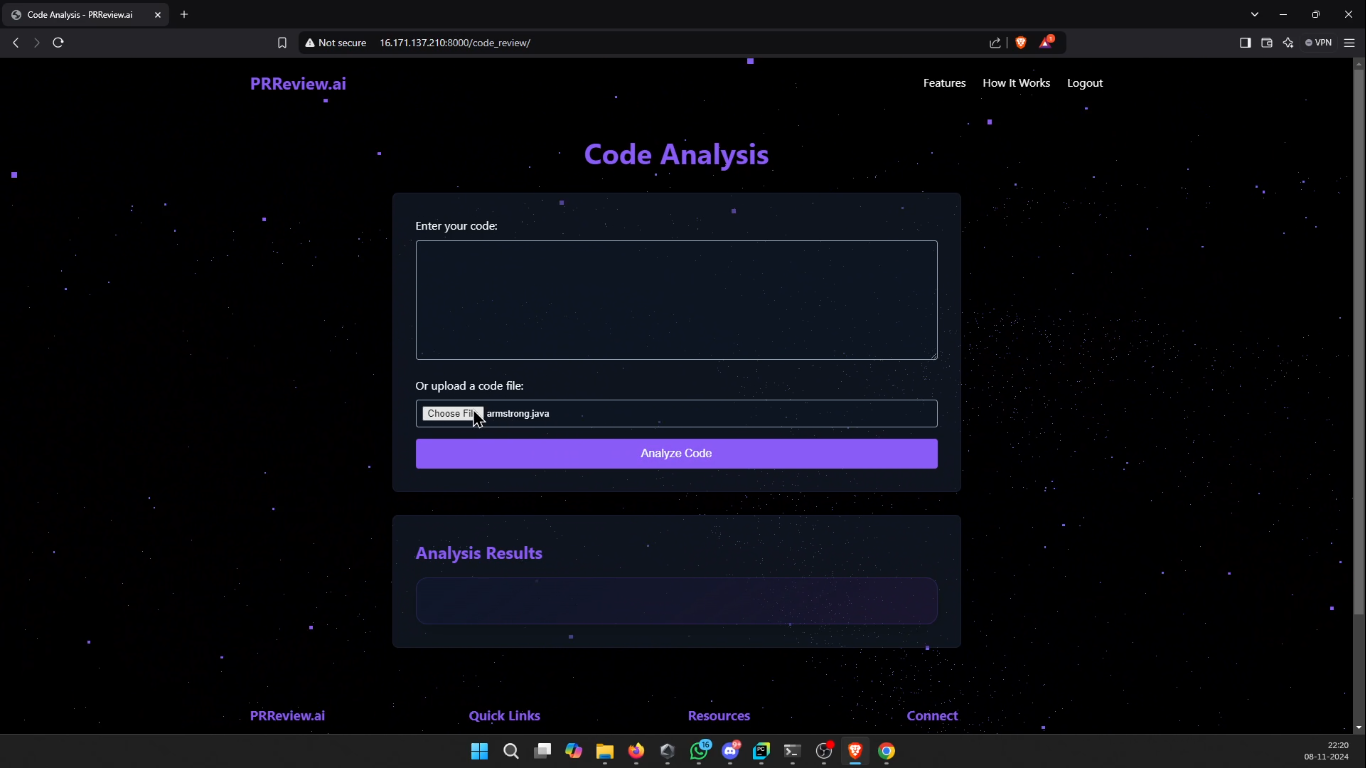
What it Does Code Critique analyzes code provided by the user—either through direct input or file upload—and generates a detailed report. The AI evaluates the code on parameters like accuracy, optimization, and overall quality. Additionally, Code Critique offers suggestions for improvement to make the code cleaner, more efficient, and easier to maintain.
How We Built It Code Critique is built with a front end using HTML, CSS, and JavaScript, while Django serves as the backend framework. We integrated the Gemini API to perform code analysis, which provides insights into accuracy, optimization, and suggestions for the code. The application allows users to input code directly or upload a file, sending it to the backend where the analysis is processed. The results are then displayed on the same page, below the analysis section.
Challenges We Ran Into One of the biggest challenges was integrating the AI model for code analysis effectively. Initially, understanding the best way to structure requests to the Gemini API for accurate and meaningful feedback took time. Another challenge was managing different file types and ensuring they were properly processed and analyzed regardless of the programming language used. Lastly, ensuring the seamless display of results without refreshing the entire page required precise handling of asynchronous requests.
Accomplishments That We’re Proud Of We’re proud of successfully integrating an AI model to provide insightful and helpful feedback on code quality. This feature has the potential to benefit developers at various skill levels. We’re also proud of the user-friendly interface that allows both novice and experienced developers to analyze code quickly and get meaningful feedback, helping them improve their skills and code quality.
What We Learned Throughout this project, we learned a lot about AI-based code analysis, handling API integrations in Django, and managing asynchronous requests on the front end. We also learned about the nuances of code quality and the factors that contribute to well-organized, optimized, and maintainable code.
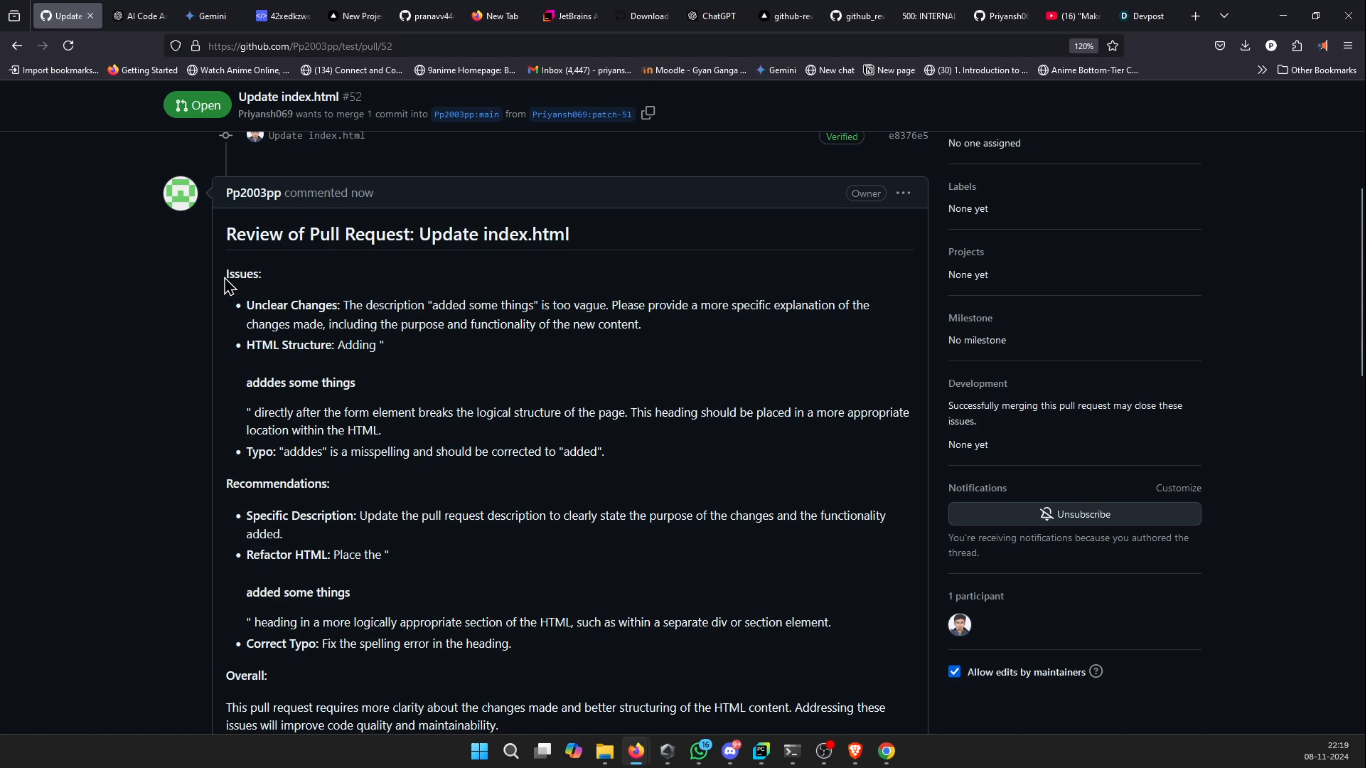
What’s Next for Code Critique Next, we aim to expand Code Critique to support more programming languages and provide more comprehensive analysis metrics. We plan to add features like code security checks, compatibility evaluations for various environments, and deeper style recommendations based on widely accepted coding standards. Additionally, integrating a collaborative feature to allow teams to analyze and improve code collectively is on our roadmap.


Log in or sign up for Devpost to join the conversation.