-
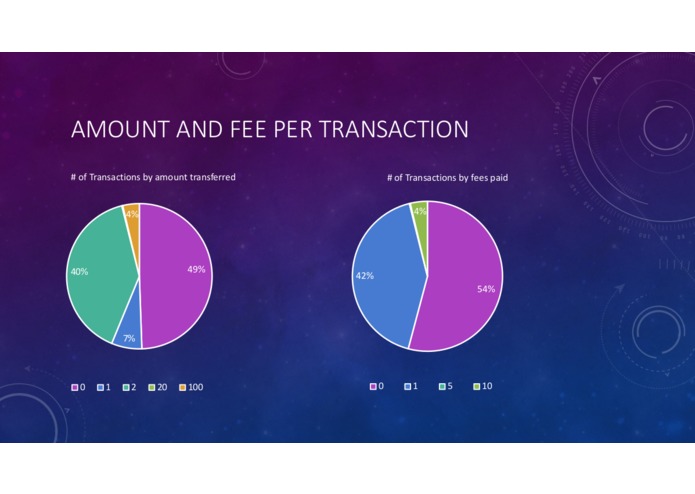
Analysis showing potential DDoS vulnerability
-

Staker dashboard showing this staker can be doing a lot better.


Inspiration
Our company is very active in the Tezos ecosystem. Through our work, we learned about Coda, which is also built with Ocaml. As functional programming people, we became very interested in the project and are generally interested in building tooling to help it succeed.
What it does
Our initial approach was to build a little graphical dashboard for Coda stakers. We pulled data from the GraphQL API and rendered it as a graph. However, not enough data is yet available to build a dashboard.
We used the same code to export Coda data to Excel and also create some visualizations within a spreadsheet. Through our analysis we found a large proportion of zero amount, zero transactions on the network. This vulnerability can be patched to avoid DDoS attacks on the network.
How we built it
The website is built using GraphSQL calls and basic HTML / JS. The Excel sheet is built using data exported from the JS code.
Challenges we ran into
The GraphQL API still evolving but looks promising.
The testnet is well run but we were able to help the Coda team sort out some issues.
Accomplishments that we're proud of
Getting up to speed with a new protocol.
Helping the Coda team identify select issues with the testnet.
Finding a potential vulnerability.
What we learned
There is scope for building helpful UI tools for stakers and developers working with Coda.
GraphQL is an excellent choice for a node API.
What's next for coda-protocol-dashboard
Work with Coda team to add enhancements to the API. Redo the PoC dashboard in ReasonML / React and make it publicly available. Move all processing and visualization from Excel to the Web.

Log in or sign up for Devpost to join the conversation.