-
-
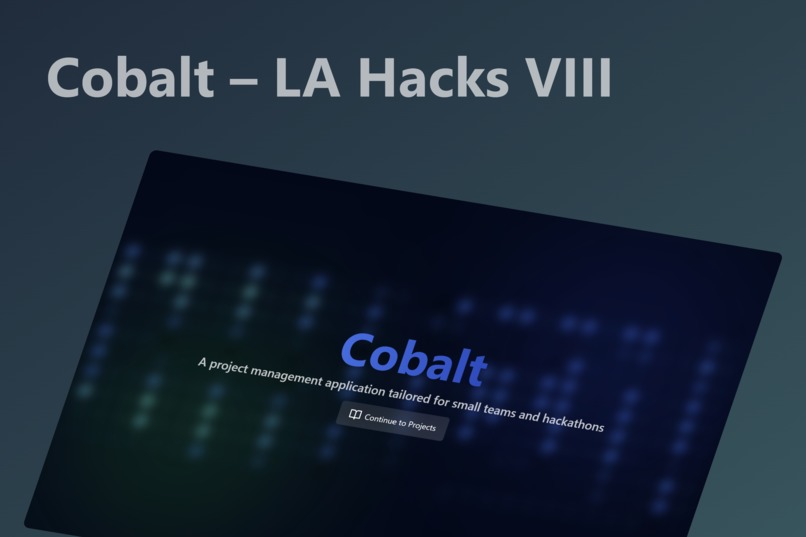
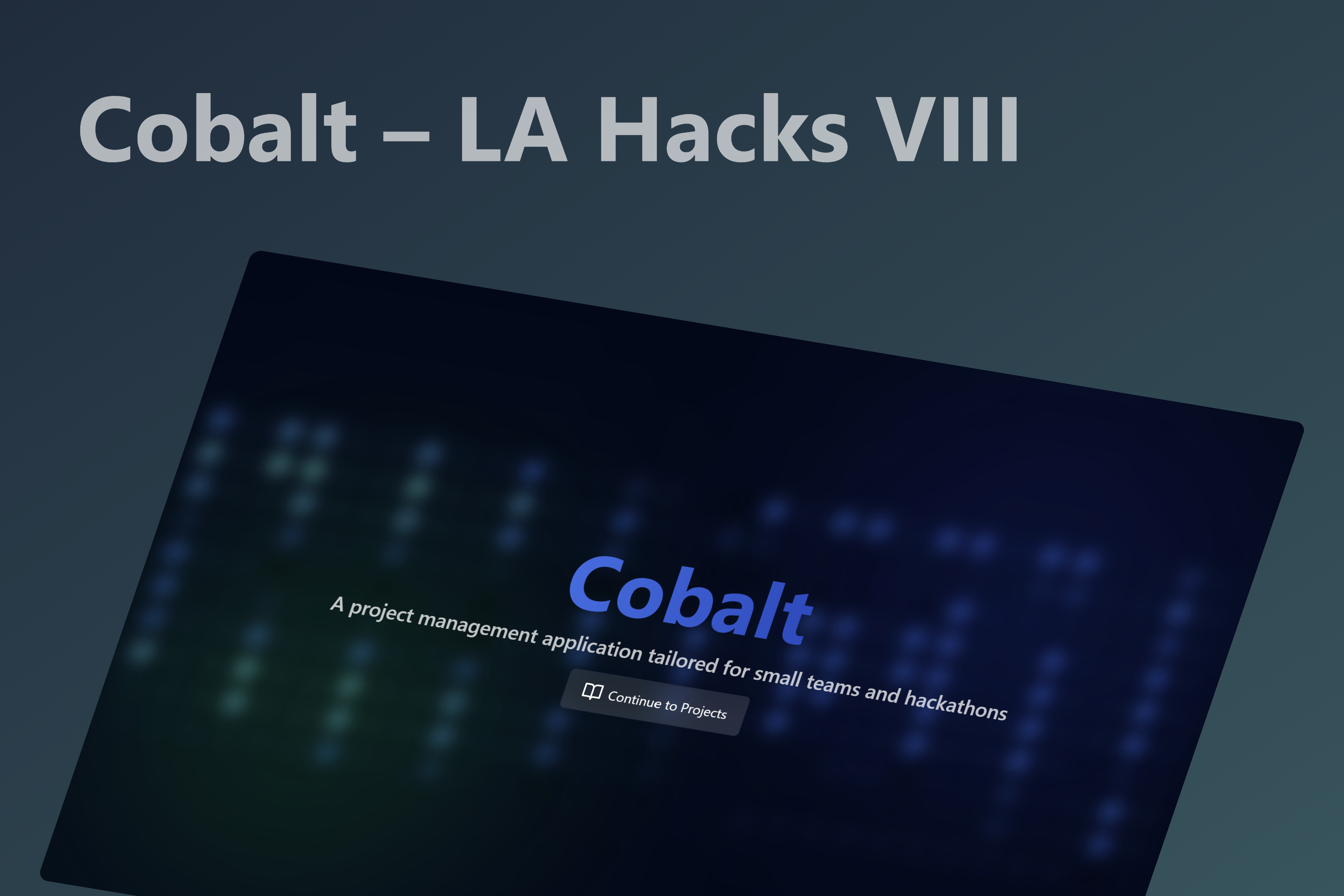
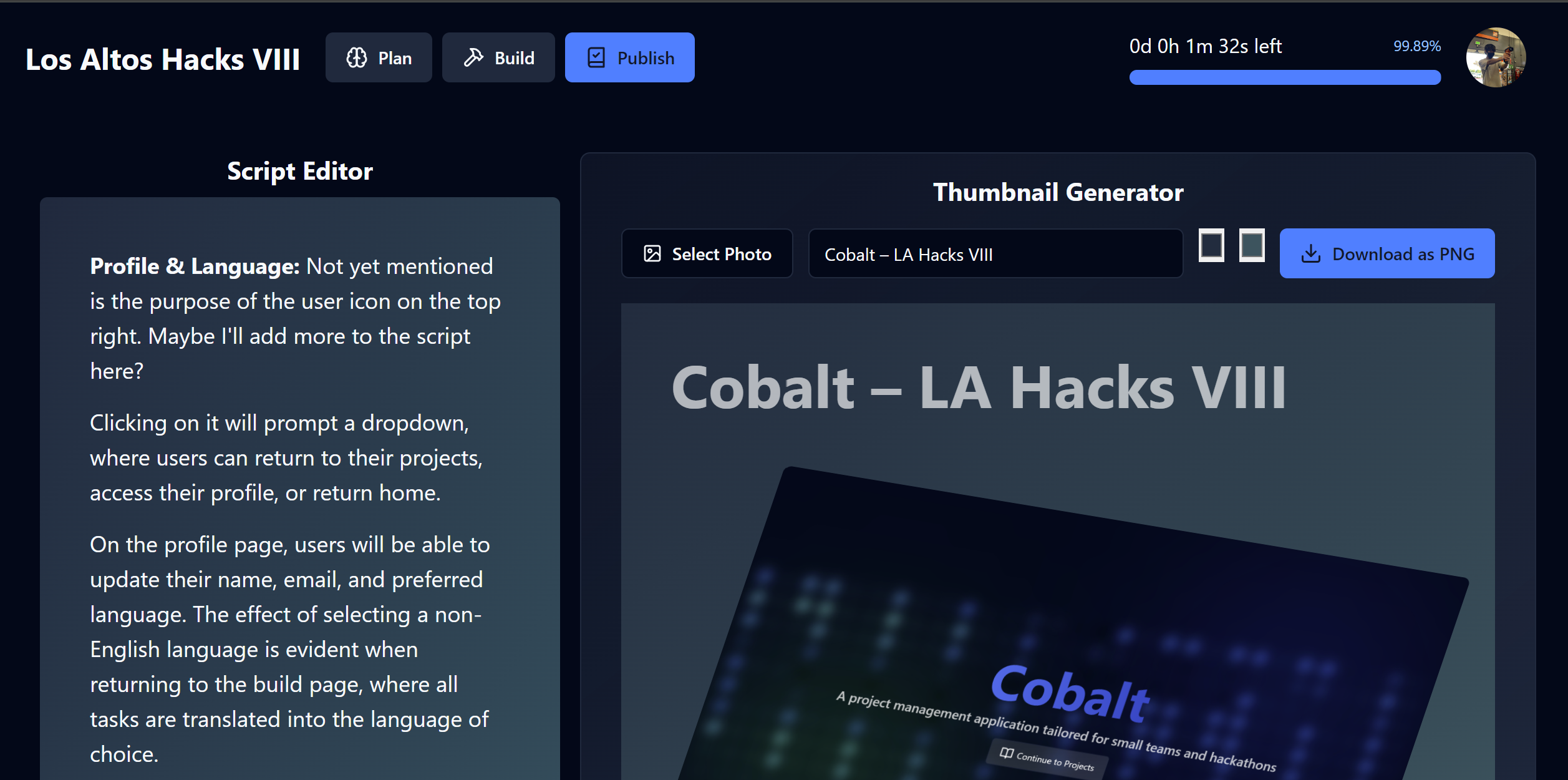
Thumbnail generated with Cobalt
-
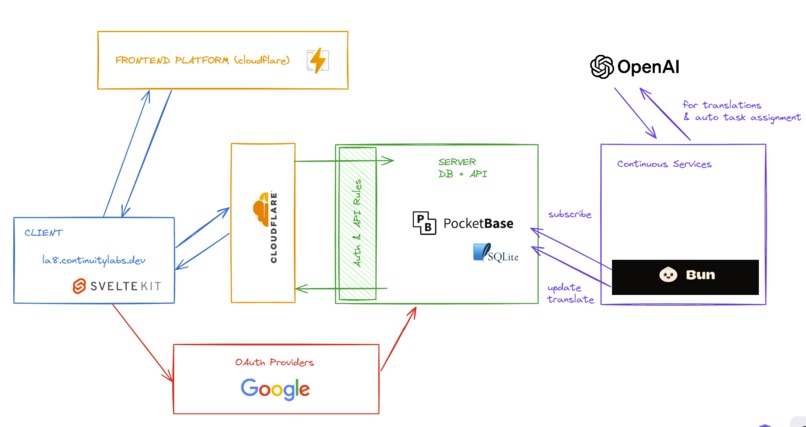
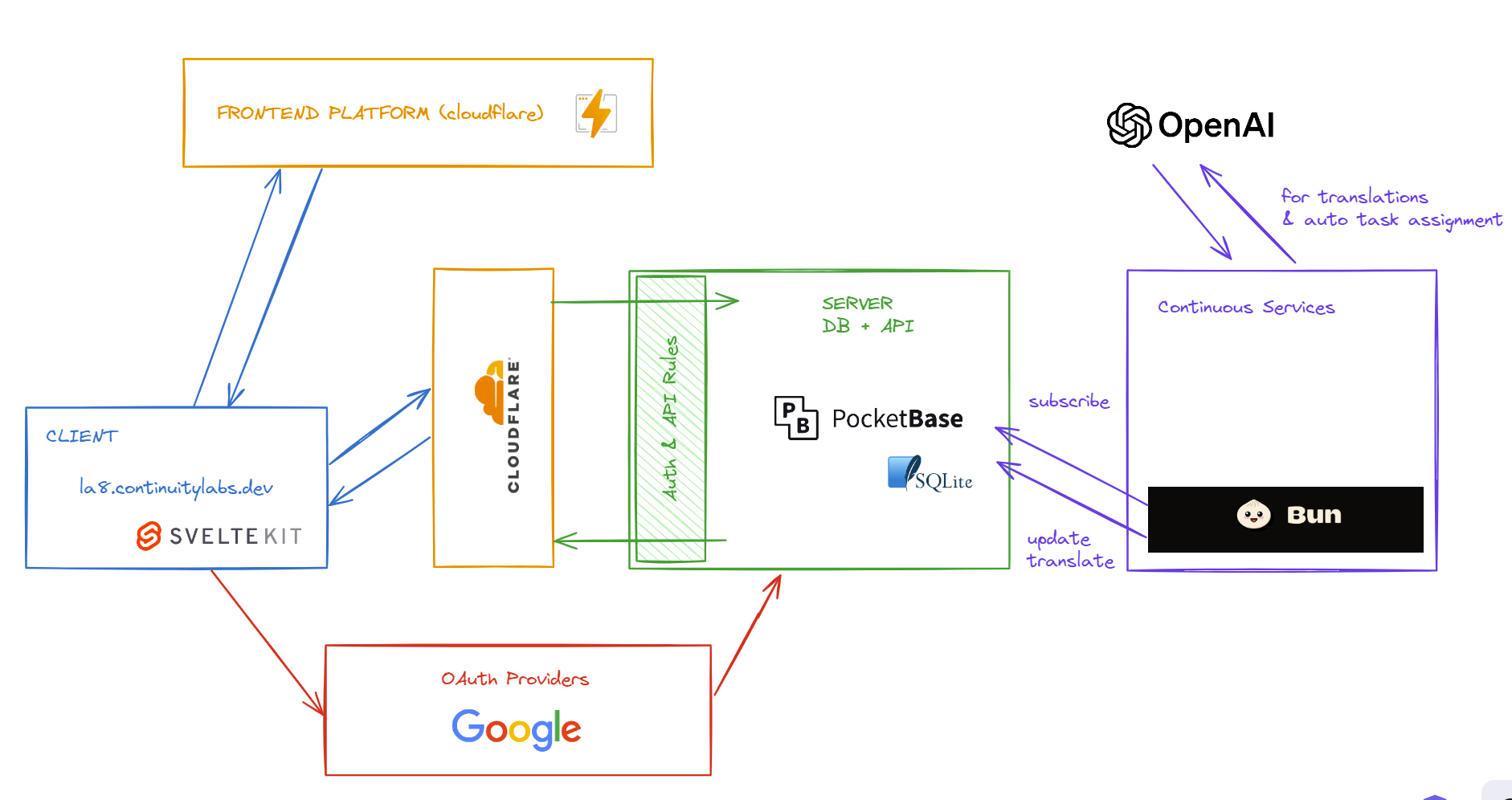
Infrastructure Diagram
-
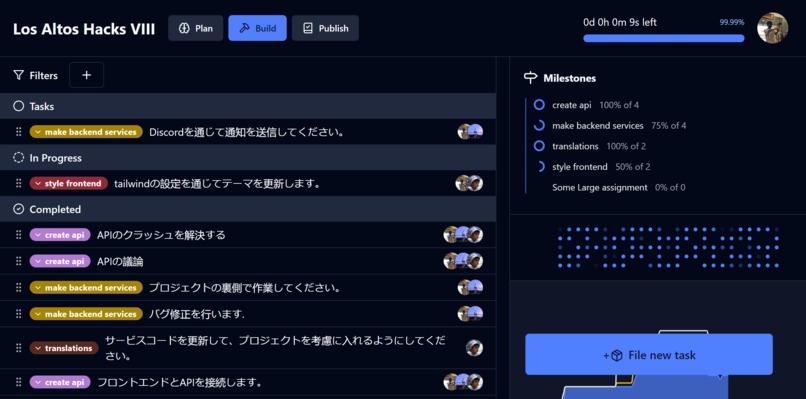
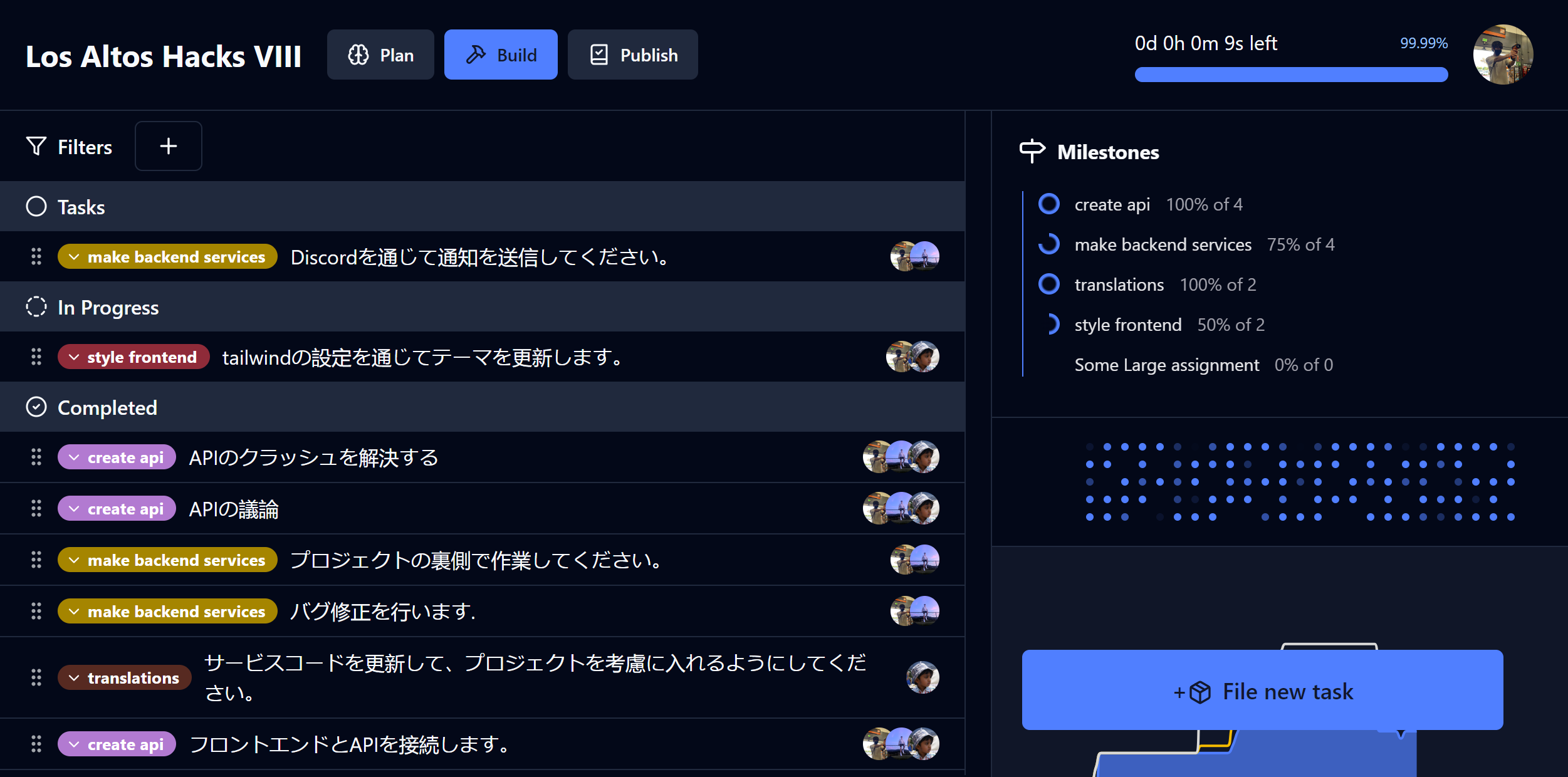
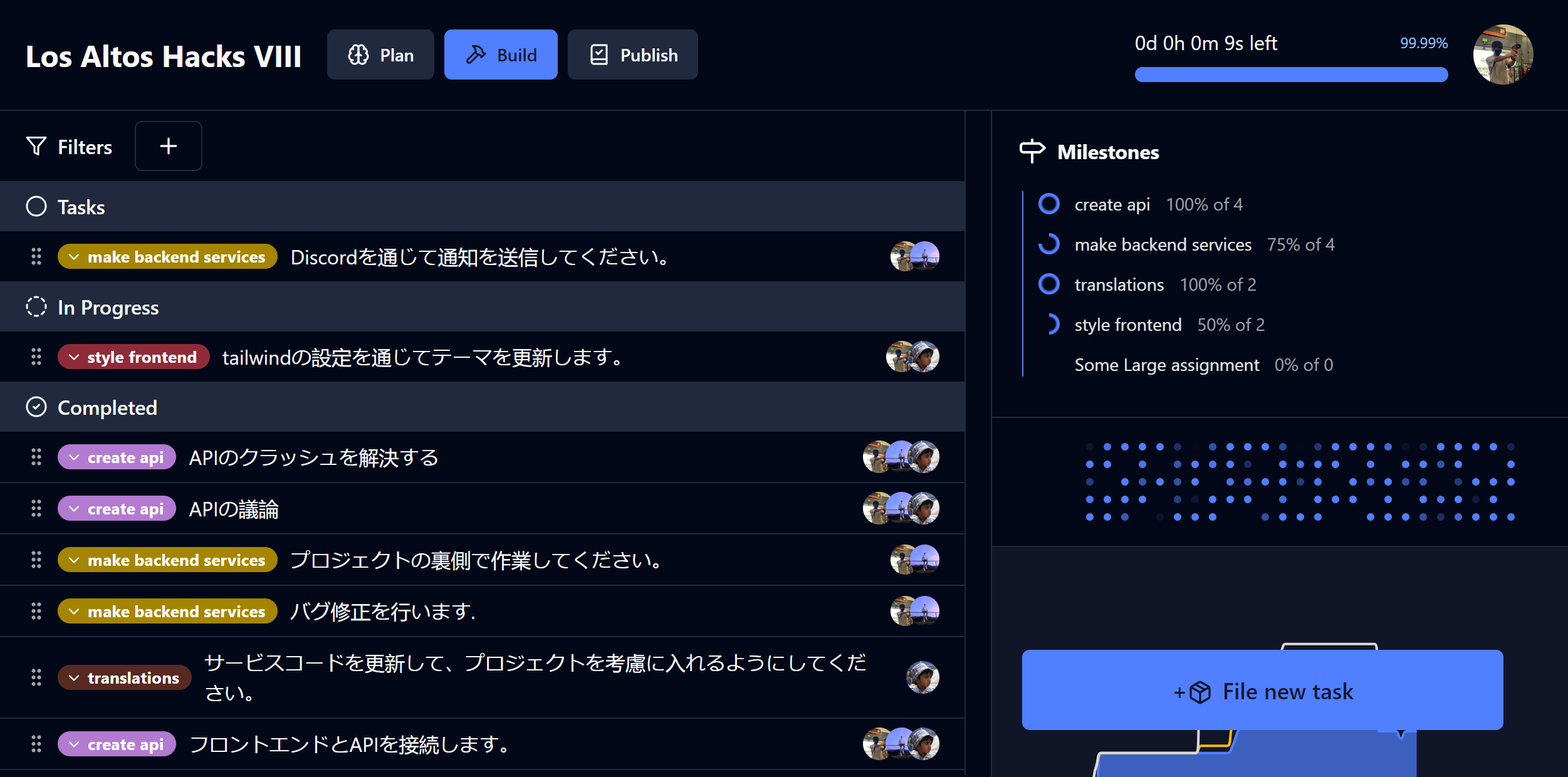
Task management page
-
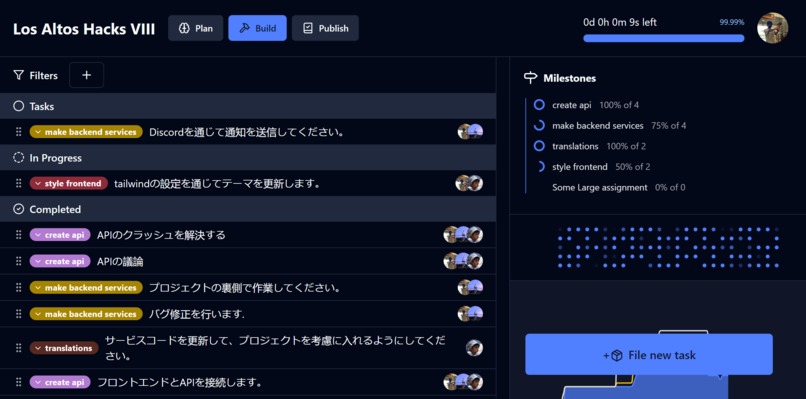
All tasks are continuously translated into the user's prefered language
-
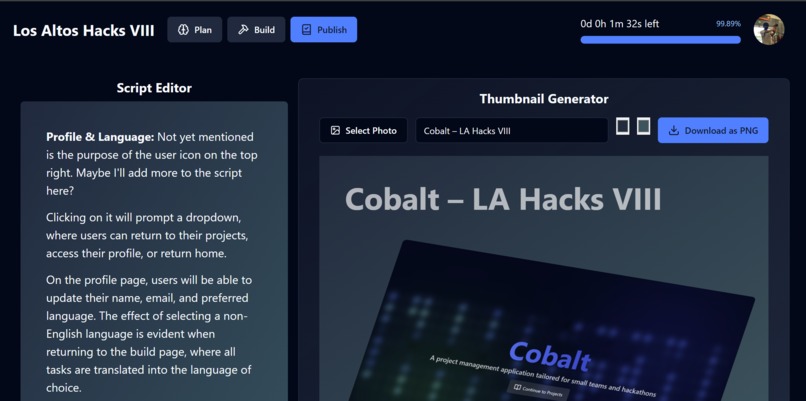
Publishing page for script writing and thumbnail generation
Inspiration
After having experienced the insane havoc, chaos, and disorder time and time again throughout our hackathon projects, we felt particularly inclined to develop something to aid our ailments. As such, a hackathon-based project management app was borne, with the dream to streamline the development process from start to finish.
What it does
Cobalt is a lightweight and speedy project management tool for quick-turn-around projects, primarily hackathons (like this one!). Cobalt subdivides the development process into three distinct stages that flow from one to the other: planning, building, and publishing. Each phase bears its own page, with the planning tab offering a real-time collaborative text-editor, a management system for objectives, and a timeline structure. The building phase enables users to create tasks, delegate work, mark completion, and view a real-time updating visualization of progress. Finally, the publishing stage grants users the ability to once again collaborate on a script, and create a stylized thumbnail for devpost submissions (like the one we're using!). On top of it all, the selection of a language in the profile settings will translate the tasks into one's desired language, once again in real-time, allowing for international collaboration to surpass language barriers.
How we built it
Cobalt was primarily built with sveltekit, couldflare, and pocketbase. We attempted to follow the process that we promote in our app, subdividing our process into preparation, creation, and finalization.
Challenges we ran into
We primarily ran into issues with the presentation of the app. There were several varying subjective opinions on the superficial stylings of everything, along with the general concern that our application would not appear outwardly flashy despite its functionality. Though, we overcame these obstacles either through democratic agreement or further effort to overpower concerns.
Accomplishments that we're proud of
A real-time syncing engine to sync all task and project data across all connected users instantly. Additionally, we implemented a second backend server to subscribe to changes and handle continuous translations.
What we learned
We learned much about our dynamic as a team, as making an app regarding the idea of project management prompted much introspection regarding our own processes and values in the development process. However, from a technical standpoint, our familiarity with Pocketbase was thoroughly increased from repeated hands-on interactions with it, along with much being learned regarding real-time synchronization between pages.
What's next for Cobalt
We hope to start integrating Cobalt into our own workflow for future hackathons and promoting it to other groups to see the extent to which it may benefit others around us. We hope to further optimize some design practices to improve the scalability of our backend and improve the user experience with Cobalt as a whole.
Built With
- bun
- cloudflare
- liveblocks
- openai
- pocketbase
- sqlite
- sveltekit
- tailwindcss
- tiptap


Log in or sign up for Devpost to join the conversation.