-
-
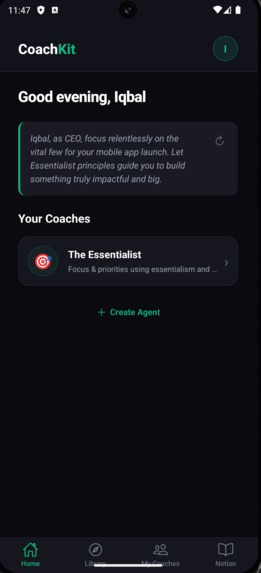
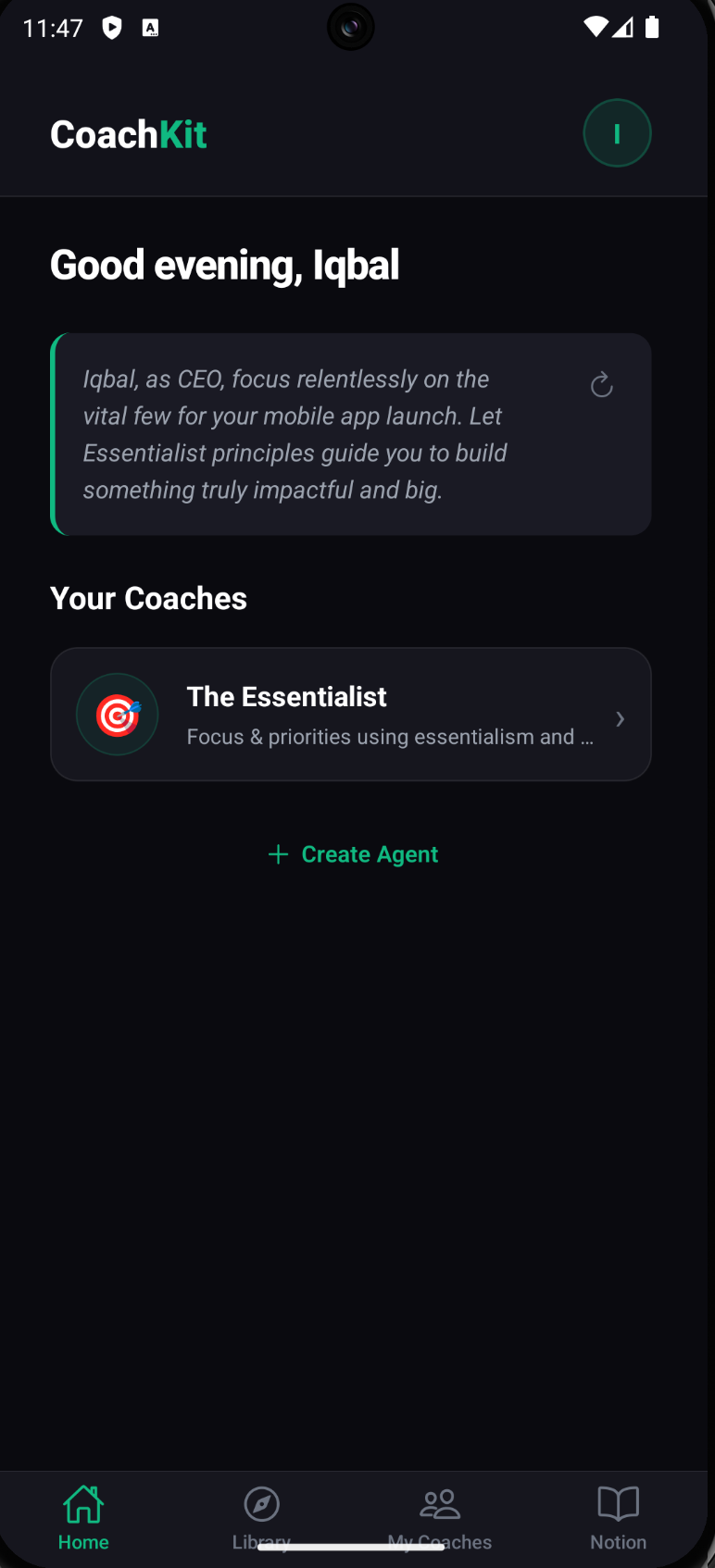
Home / Coaches Screen
-
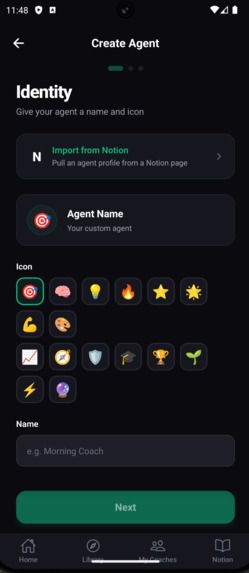
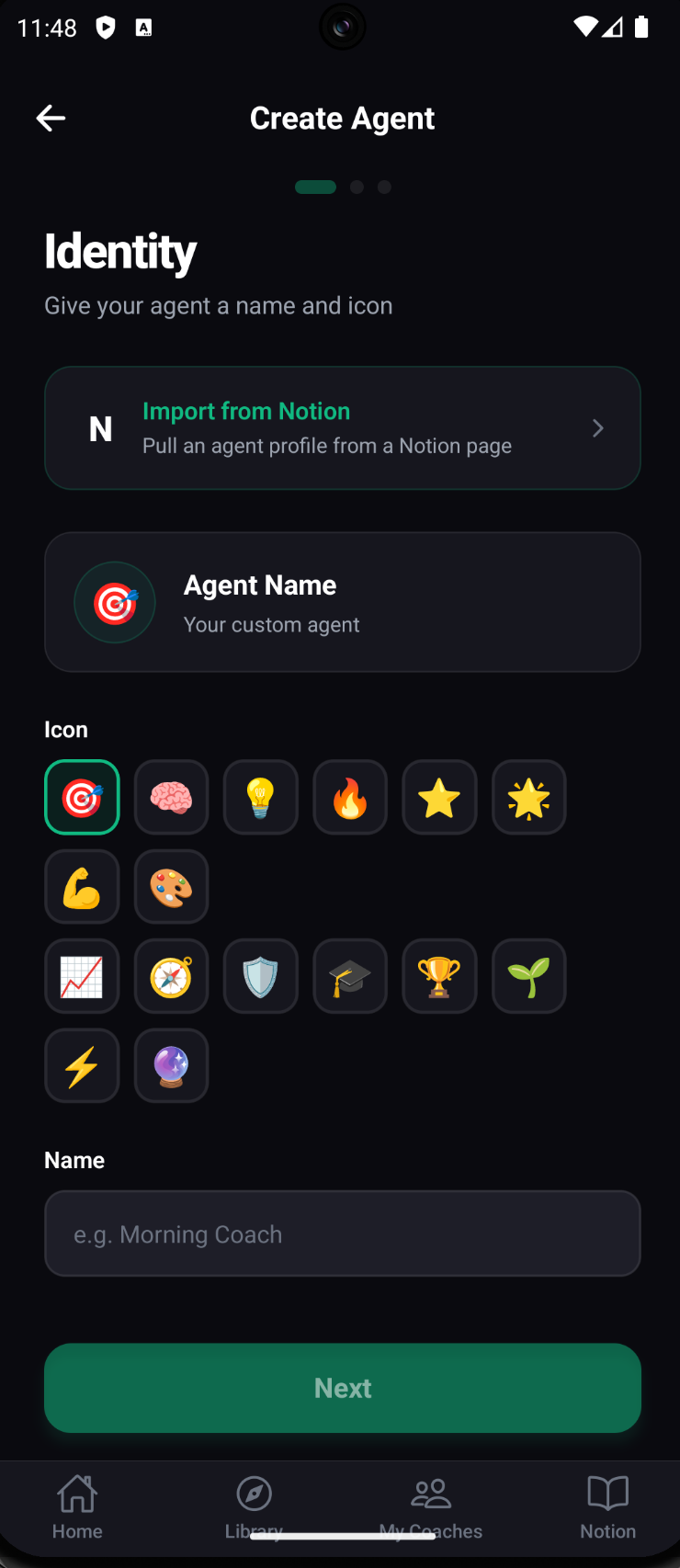
Coach Creation Wizard
-
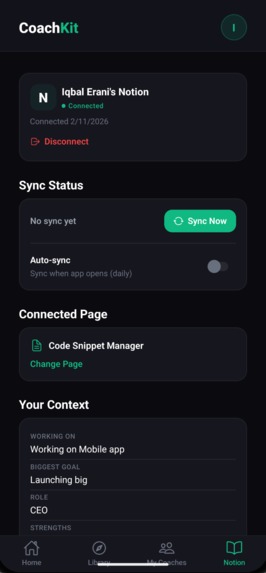
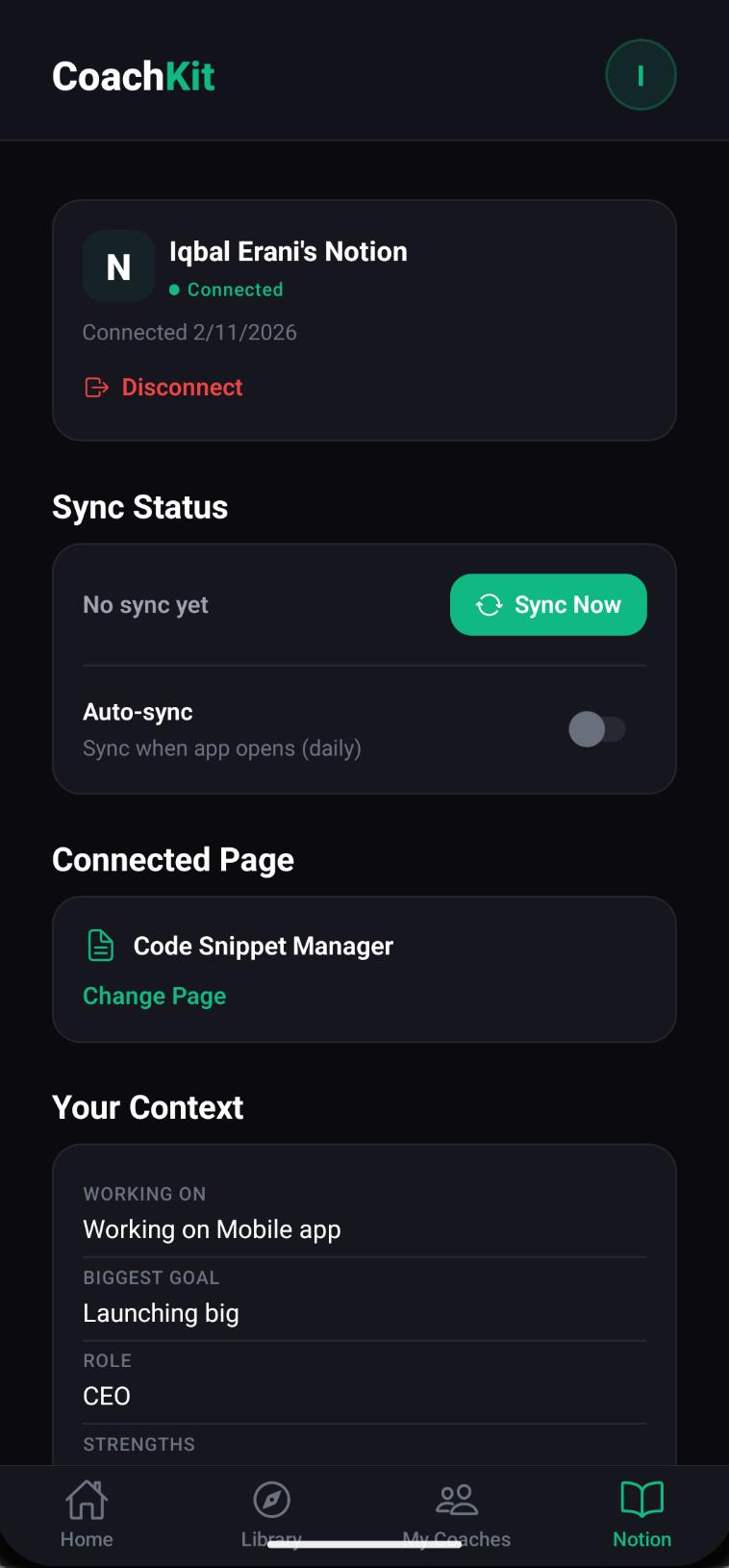
Notion Integration
-
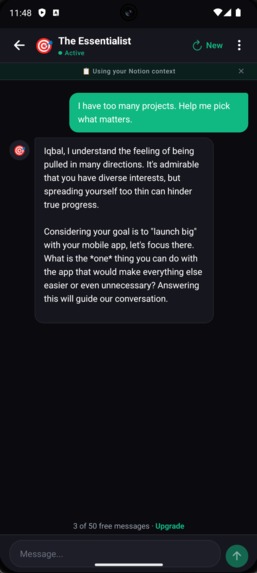
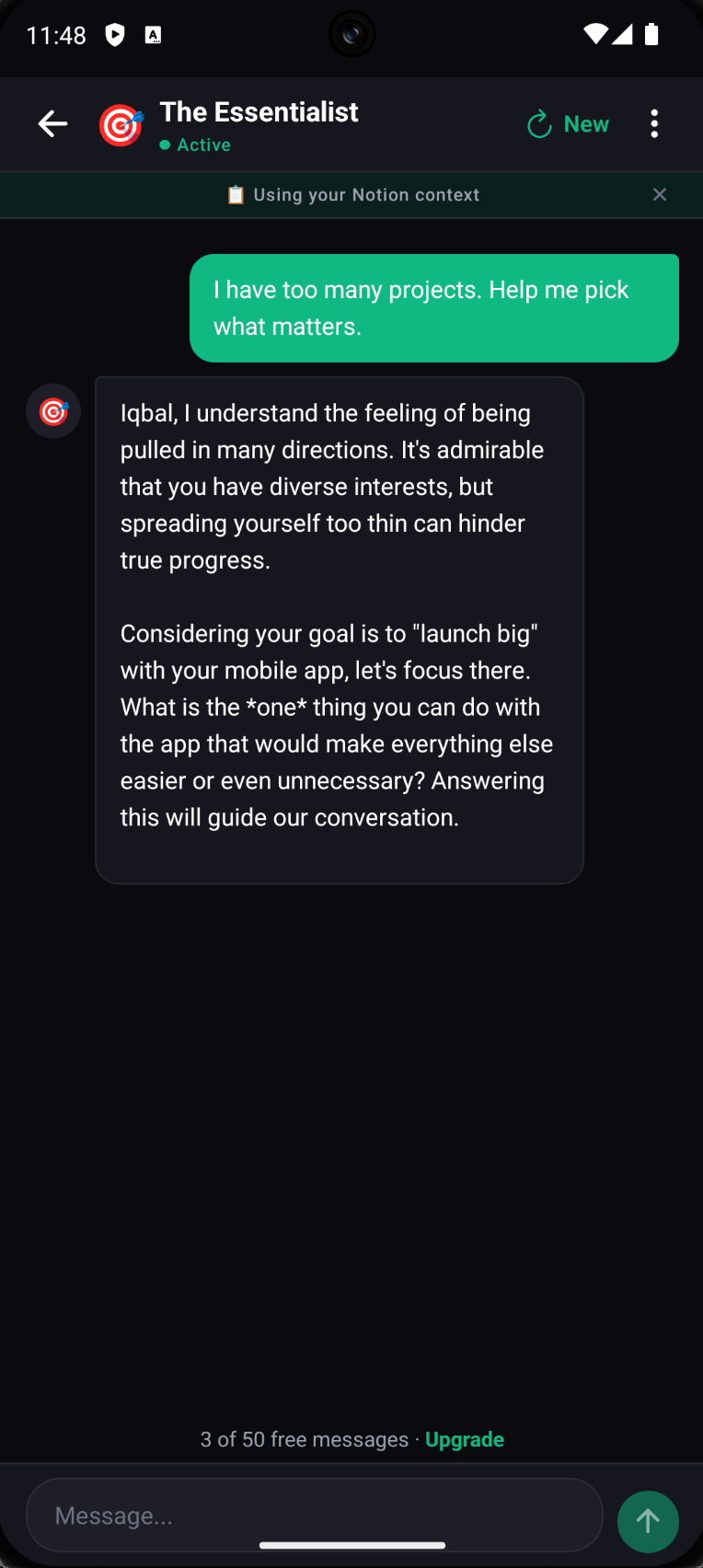
AI Chat Conversation
-
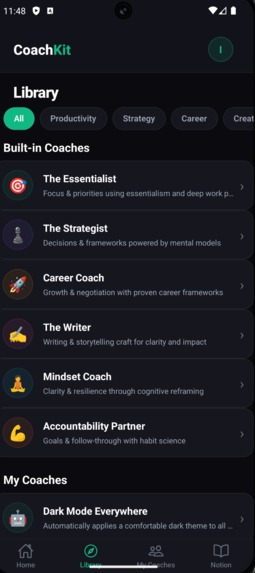
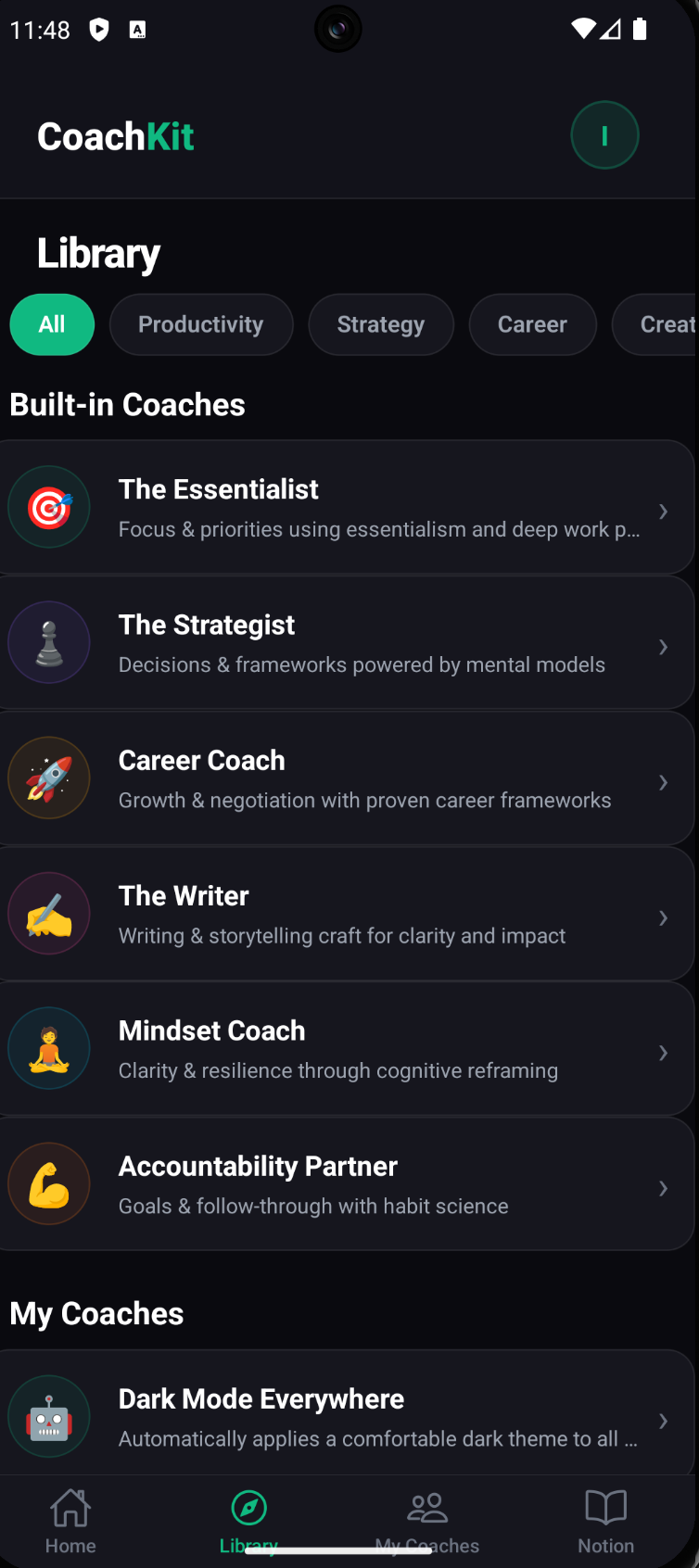
Library / Built-in Coaches
-
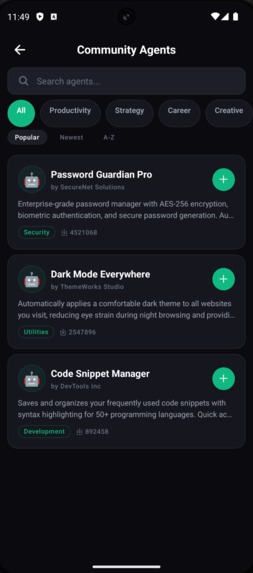
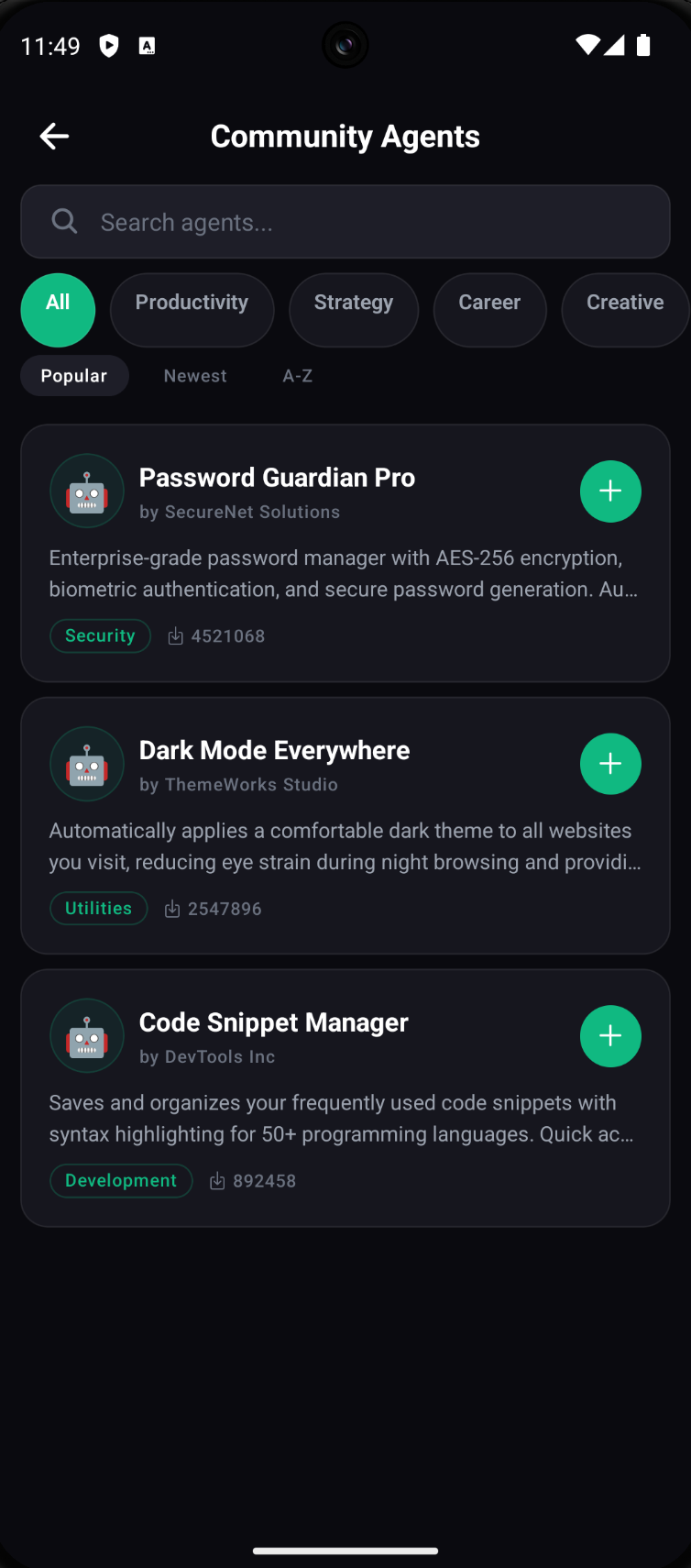
Community Agents designed in Notion
Inspiration
I’ve always been fascinated by coaching — how the right question at the right time can change someone’s direction completely. But real coaching is expensive and inaccessible for most people. At the same time, generic AI chatbots feel impersonal and forget who you are.
I wanted to build something different: an AI coaching platform that feels intentional, structured, and personal — not just another chat interface.
CoachKit was inspired by the idea that everyone should be able to access high-quality coaching, and creators should be able to turn their expertise into reusable AI coaches without needing technical skills.
What it does
CoachKit is a mobile-first AI coaching platform where users can: • Discover curated AI coaches across productivity, mindset, strategy, career, habits, and creative writing • Create custom AI coaches with a guided 3-step wizard • Share coaches instantly using self-contained deep links • Publish coaches to a community marketplace • Receive structured session summaries with actionable next steps
From onboarding, users enter their name, current focus, biggest goal, role, and preferred coaching style. This context is dynamically injected into every conversation, making responses feel tailored and intentional.
Each coach has its own identity, personality, and methodology — so switching coaches feels like switching mentors, not prompts.
How we built it
CoachKit is built using: • React Native with Expo for cross-platform support • TypeScript in strict mode for safety and maintainability • Google Gemini 2.5 Flash for real-time AI conversations • RevenueCat SDK and RevenueCat UI for subscription management • Notion API (OAuth 2.0) for marketplace and session exports • Reanimated for smooth 60fps animations • expo-secure-store and AsyncStorage for local persistence
RevenueCat is deeply integrated into the product flow. Free users receive limited daily messages, and Pro users unlock unlimited conversations, coach creation, marketplace publishing, session summaries, and Notion sync.
The paywall is presented contextually, for example, when a user hits their daily message limit or tries to create a coach, creating a natural upgrade experience.
Challenges we ran into
The most technically challenging part of CoachKit was the Notion integration.
Notion’s API works at the block level, which means content is structured as nested blocks — paragraphs, headings, lists, callouts, to-dos, and more. To turn a Notion page into usable AI context, I had to: • Recursively fetch and reconstruct nested block trees • Normalize different block types into clean text structures • Preserve semantic meaning (headings vs lists vs action items) • Handle edge cases like empty blocks, unsupported types, and formatting differences
On top of that, I needed to convert unstructured Notion content into structured coaching data — extracting goals, strengths, struggles, and role definitions using AI parsing.
Another challenge was designing bi-directional sync. When exporting session summaries back to Notion, I needed to: • Programmatically generate formatted pages • Create proper to-do blocks • Add callouts and structured sections • Maintain consistency with the user’s workspace
Balancing reliability, clean formatting, and real-time sync without degrading the user experience required careful error handling and state management.
Notion integration was the most complex part of the project, but it also became one of CoachKit’s strongest differentiators.
Accomplishments that we're proud of
• A fully working mobile product with 30+ screens
• A smooth and natural RevenueCat subscription flow
• Context-aware AI coaching that references user goals
• A coach creation system that requires no prompt engineering
• Deep link sharing that allows instant coach import
• A functioning community marketplace
• Polished dark theme UI with spring animations and haptic feedback
CoachKit feels like a real product — not a prototype.
What we learned
We learned that AI alone is not enough — structure and context are what make it powerful.
We also learned that monetization works best when it’s embedded into the product experience rather than forced. By designing the app around natural upgrade moments, RevenueCat feels seamless instead of intrusive.
Most importantly, we learned that creators want simple tools to package their knowledge. When the experience removes technical friction, creativity increases.
What's next for CoachKit
Next steps include: • Expanding the community marketplace • Adding analytics for creators to track coach engagement • Enabling coach versioning and updates • Introducing team coaching features • Exploring enterprise use cases for coaching frameworks
CoachKit is positioned to evolve into a full creator economy platform for AI coaches.
Built With
- asyncstorage
- expo-haptics
- expo-router
- expo-secure-store
- expo.io
- google-gemini-2.5-flash
- notion-api-(oauth-2.0)
- openrouter
- react-native
- react-native-reanimated
- revenuecat-sdk
- revenuecat-ui
- typescript


Log in or sign up for Devpost to join the conversation.