Inspiration
ClubPilot reduces decision fatigue, message overwhelm, and the anxiety spiral. It’s gentle. It’s adaptive. It’s supportive. ClubPilot also solves the coordination chaos clubs face every day: scattered group chats, unclear attendance, last-minute changes, and captains drowning in logistics. By predicting availability, suggesting the best times to meet, auto-drafting announcements, and even pre-writing messages based on your style, ClubPilot gives organizations back their time - and gives students the confidence of always knowing what’s happening and what they need to do.
We wanted to create a tool that supports all kinds of people, including those with ADHD, anxiety, heavy workloads, or unique scheduling needs.
Our goal was simple: make coordination effortless, human-centered, and inclusive.
What it does
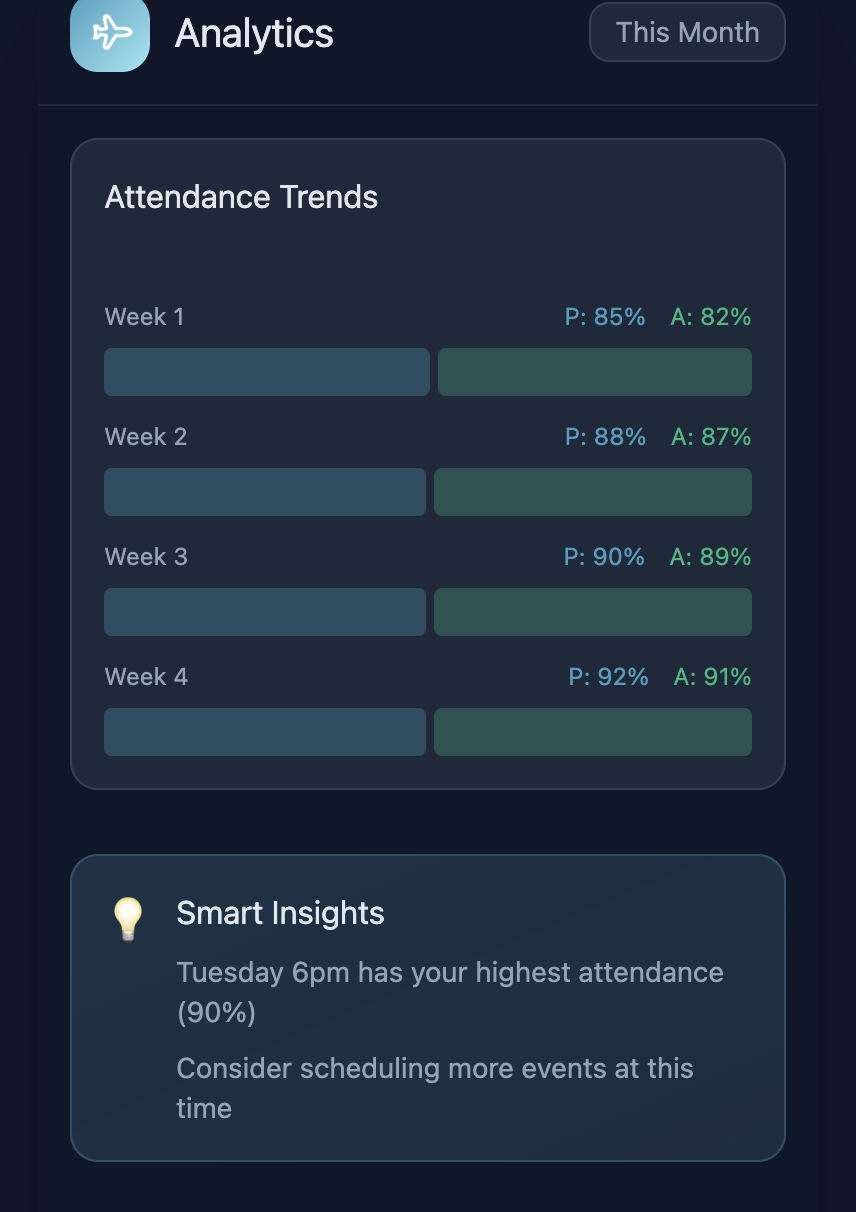
ClubPilot is a smart scheduling and attendance platform for club leaders and members. It offers three main features:
1. Smart Attendance Prediction (Custom ML)
A machine learning model predicts how likely each member is to attend a proposed event by analyzing:
- Historical attendance
- Weekly workload
- Calendar conflicts
- Personal traits such as anxiety, ADHD, etc.
- Optimal meeting-time suggestions
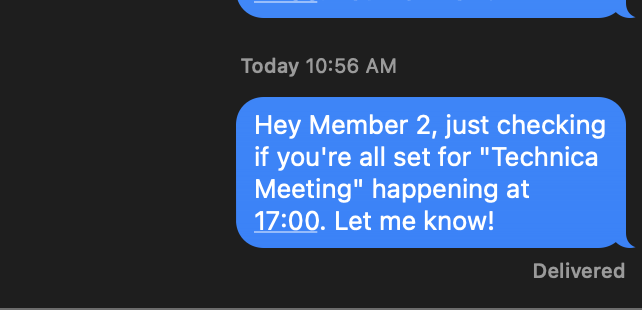
- Automatic message drafting (e.g., “Hey, looks like you’re overloaded this week — want me to notify your captain?”)
Members receive personalized suggestions to avoid burnout or overwhelm. Leaders get accurate attendance forecasts before scheduling.
2. AI Scheduling Assistant
If predicted attendance is too low, the system automatically recommends better event times based on each member’s optimal availability and engagement score.
3. Smart Communication Support
We built a chain-of-thought multi-agent system that lets Gemini collaborate across tasks: Schedule Agent → Reasoning Agent → Messaging Agent. ClubPilot helps users draft clear, non-stressful messages to leaders or members when rescheduling, asking questions, or communicating conflicts—preventing overthinking, procrastination, and misunderstandings.
How we built it
- Backend: Python, FastAPI, REST API, Cloudflare Workers, Workers AI
- Machine Learning: Pandas, NumPy, scikit-learn
- Database: Cloudflare D1 SQL
- Frontend: React
- Hosting + API Integration: Cloudflare deployment (serverless) + fly.io
We built a pipeline that combines attendance history, schedule conflicts, personal traits, and weekly event load into a suite of machine learning models—intentionally designed to avoid "one-size-fits-all" predictions.
Our feature engineering emphasizes personalization, recognizing that factors such as ADHD, ADD, and anxiety can significantly affect how individuals plan and engage. By accounting for these differences, our system delivers predictions that are more accurate, relevant, and genuinely supportive of users who benefit from clarity.
Challenges we ran into
- Designing an ML model that is inclusive, not biased toward majority users
- Engineering features that reflect real human behavior (overwhelm, burnout, etc.)
- Debugging API issues when scaling data from multiple users and interfaces
Accomplishments that we're proud of
- Creating one of the first scheduling apps that directly accounts for neurodiversity and emotional well-being
- Building a smart attendance model that adapts to individuals instead of generalizing them
- Implementing a communication assistant that reduces stress and improves clarity
- Using Cloudflare for the first time and successfully deploying a full backend with Workers, Workers AI, and D1
What we learned
- Techniques for modeling human behavior, not just data
- The value of inclusive tech designed for diverse user needs
- The wide range of capabilities that cloud computing offers and how powerful cloud platforms can be when building scalable, production-ready applications
What's next for ClubPilot
- Expanding our dataset to improve the accuracy, fairness, and personalization of attendance predictions
- Training the model to understand and support more types of people, including broader neurodiversity, different lifestyles, varying workloads, and unique scheduling patterns
- Adding more wellness-focused features to help members avoid burnout, track energy levels, and better understand how their habits affect participation
Built With
- aiworker
- cloudflare
- d1database
- fastapi
- javascript
- migrations
- python
- react
- restapi
- sarima
- worker
- xgboost


Log in or sign up for Devpost to join the conversation.