-
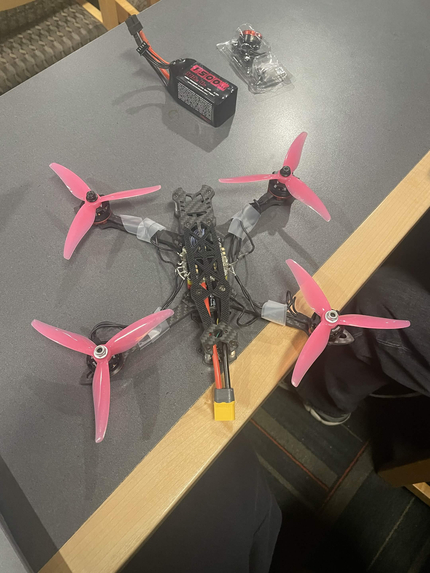
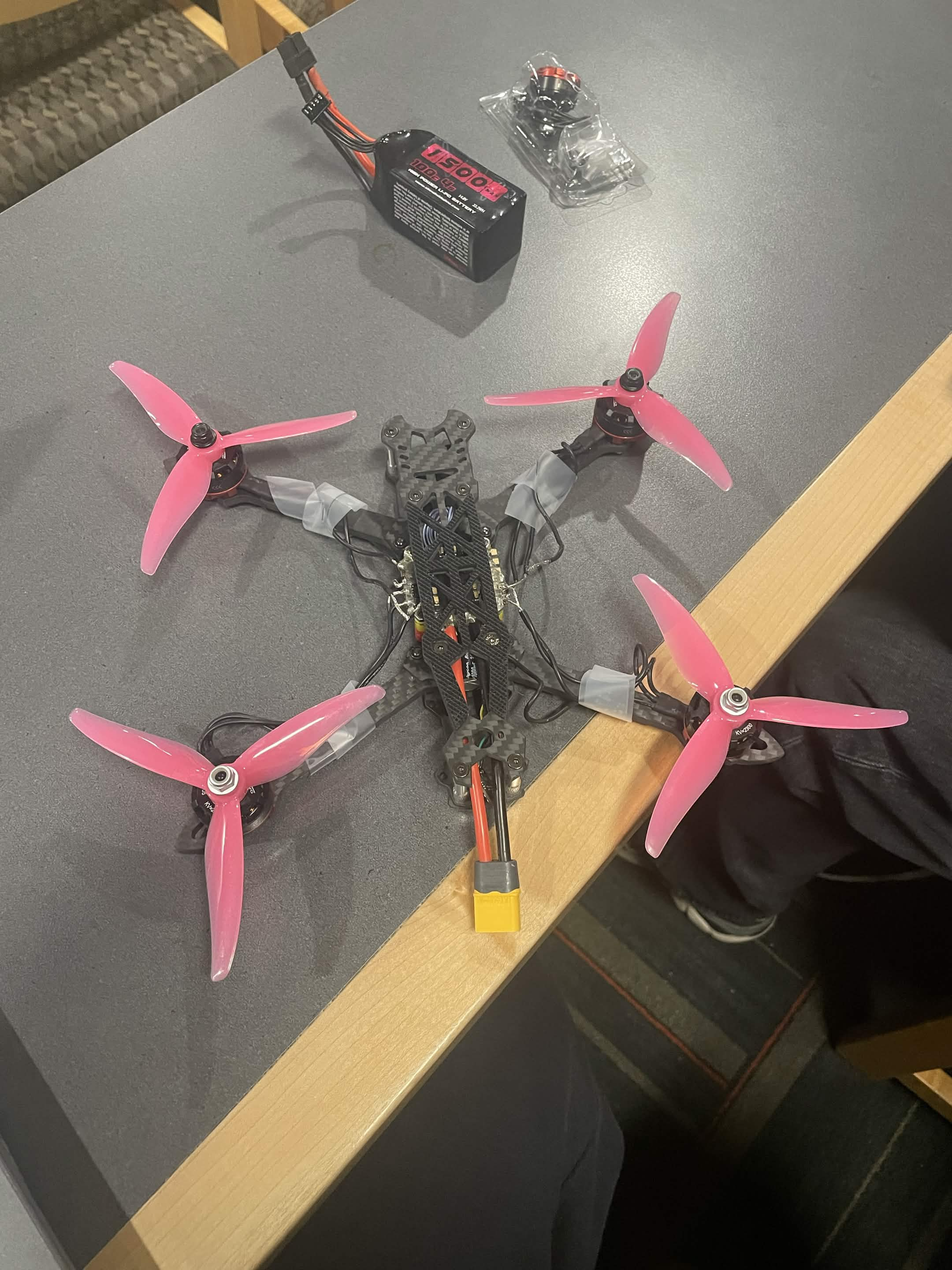
The initial drone
-
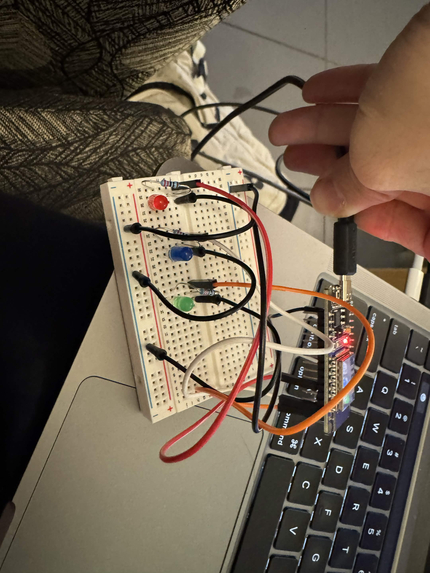
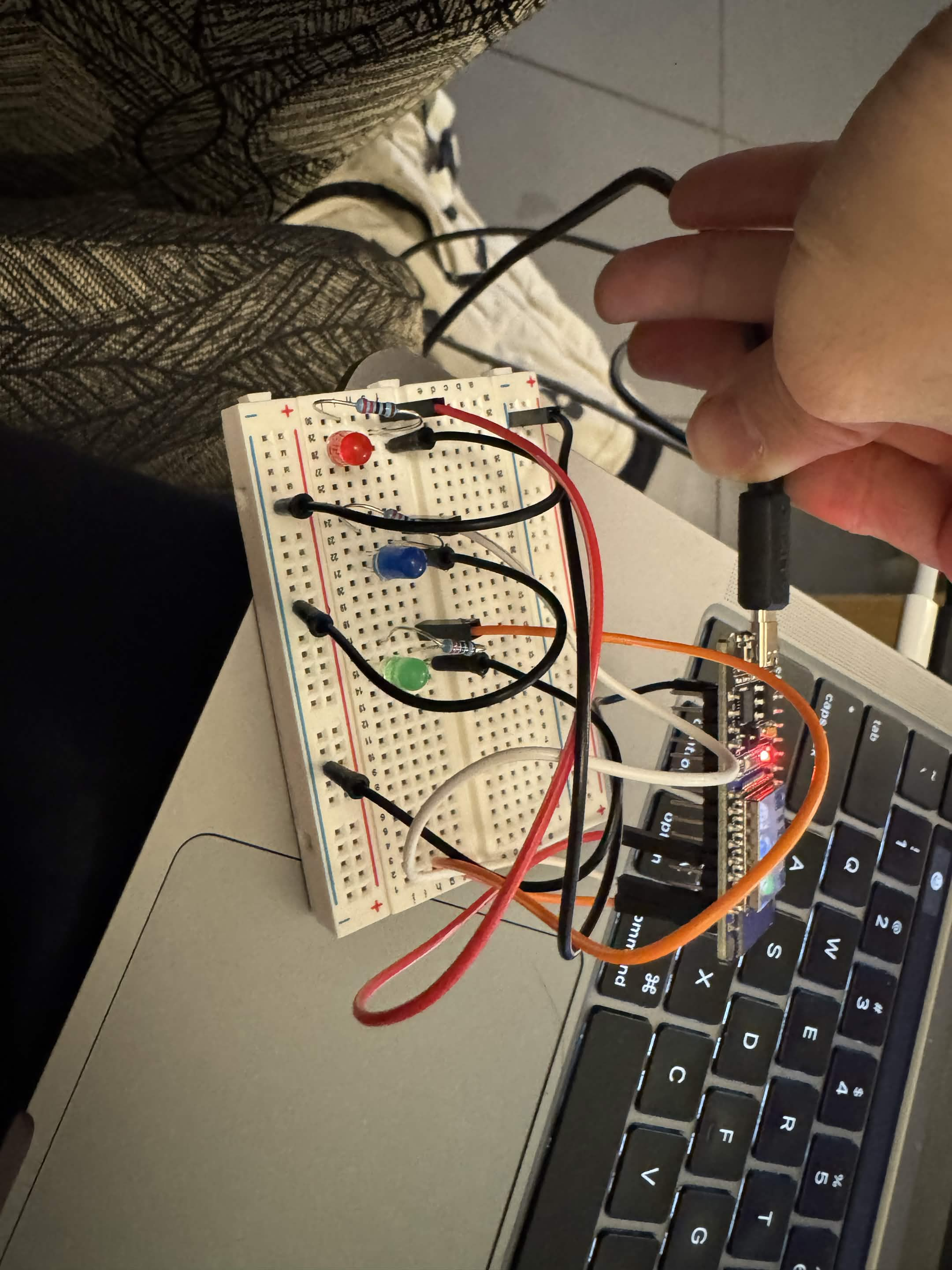
The breadboard
-
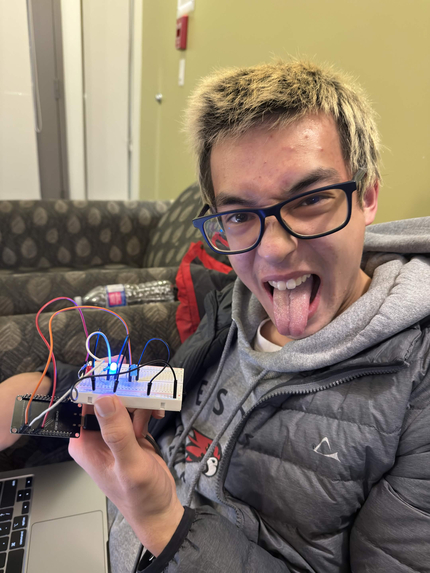
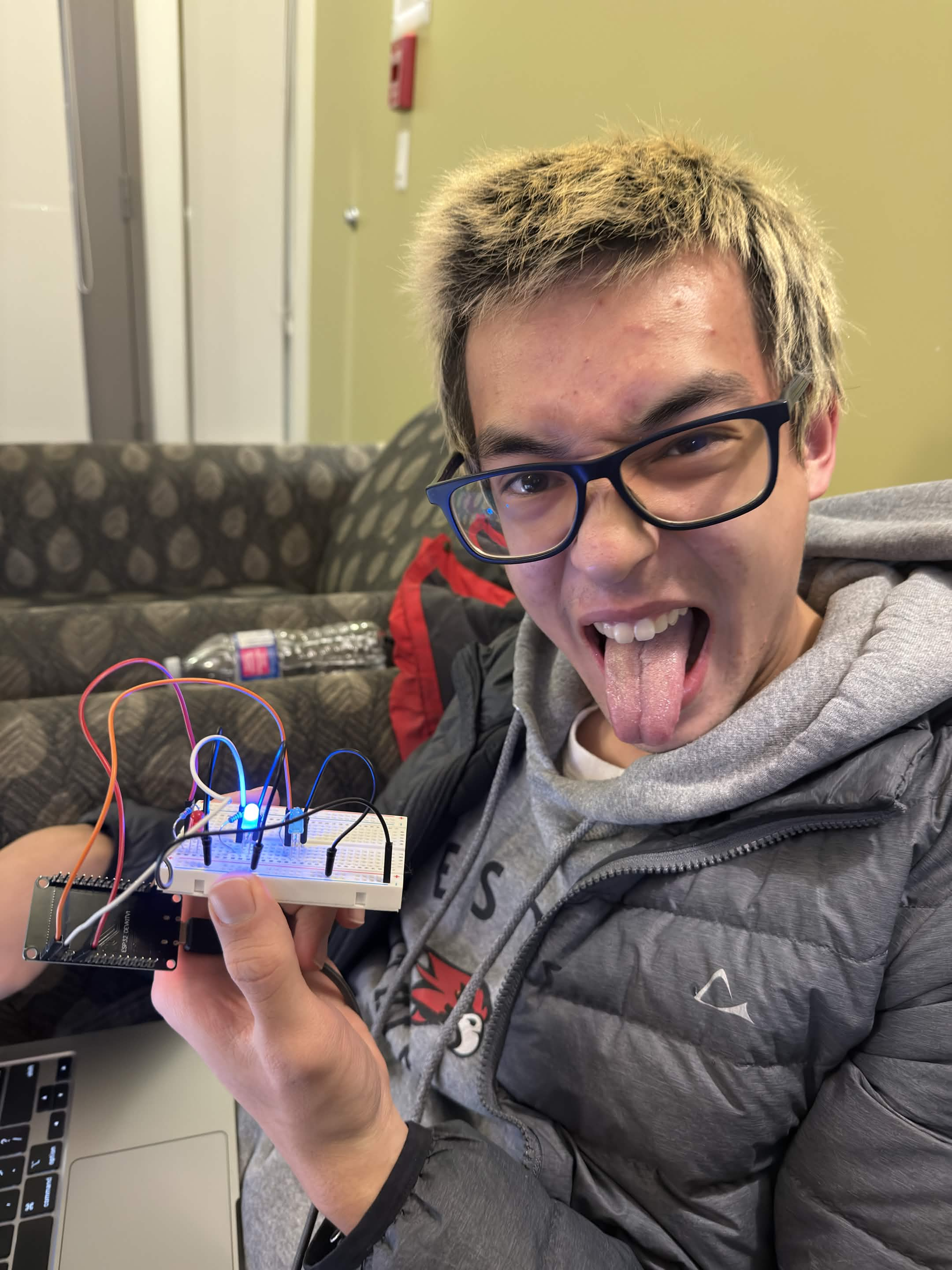
The lights working
-
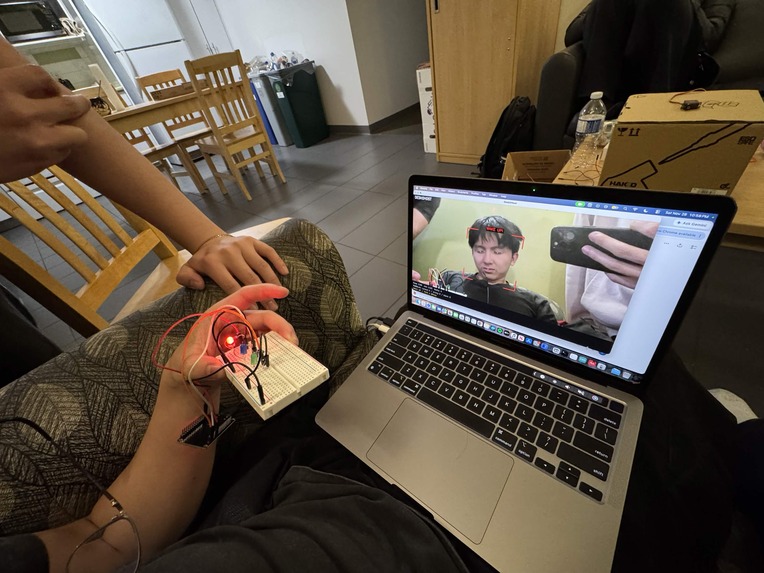
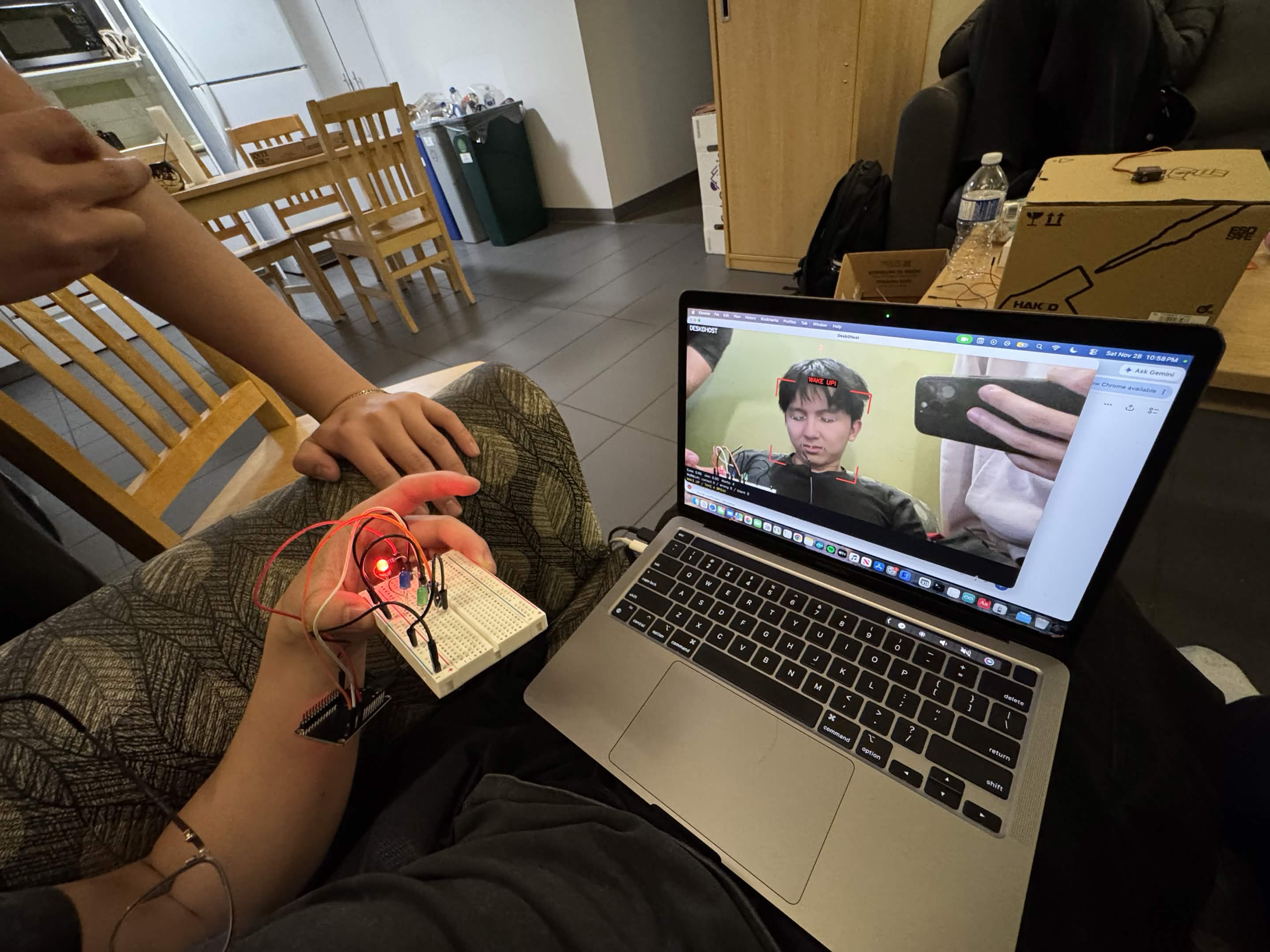
The whole thing working
Inspiration
Originally, we wanted to take an old abandoned drone project from some of our team members, and re-imagine it to something new and practical. We originally wanted the project to be mechanically based on this drone, but due to the restrictions of what actually remained functional for the drone, we decided to learn towards reimagining software. Eventually, we came to want to design something on the topic of a study aid, as well as some sort of companion. After taking a look at software such as 'Clippy' and discussing issues we would personally come across while studying, we eventually decided on a software which would react to the user depending on facial readings and work done on WebWork.
What it does
Clowie reacts and responds to two main inputs: The first is the users screen, specifically on WebWork, a popular assignment website for our class. Clowie gives a prerecorded response depending on whether you get a question right, wrong or partially correct. The second input is from a facial recognition system from the computers camera. Depending on the state of the user, such as if they start getting sleepy or fall out of frame, Clowie will also respond to the users with a voice line. Clowie also comes with a physical set of lights, which also turn on and flash depending on any of the aforementioned inputs.
How we built it
For the facial recognition system, we started from an open-source Google Media Pipe program, which detects the following states: awake, closed eyes, smiling, yawing and absence of a face. Using these states, we developed a program which sends each state as a unique signal to our software, which would then change the sprite and play a voice line, both of which we recorded ourselves. These would also send a signal to the external ESP32, which would flash a light depending on an action. We uploaded code to the Arduino through the Arduino IDE, so the lights also react depending on the response of a question.
Challenges we ran into
As previously mentioned, more of the drone turned out unusable than we initially thought. At first, we wanted to include a physical response system with the motors, but that turned out to be unfeasible as the ESC was busted. The servo we salvaged from the drone as well reacted unpredictability, likely being broken. An issue with our facial recognition system was that it would not detect closed eyes, though we managed to adjust the parameters to resolve this.
Accomplishments that we're proud of
We are proud that we actually managed to make a product in this hackathon. We came into with pretty much no experience, aside from schoolwork and small hobbies. We realize that although there were many aspects that could have been improved on or changed, we still managed to come out with a product that we all had fun making.
What we learned
We learned about the many challenges that come with creating a project. There were many issues in the initial phases that we can likely avoid in future competitions, such as the feasibility of a project and the importance of gathering an inventory of what is functionally available.
What's next for Clowie
We would eventually like to integrate more people/personalities to Clowie, to give users more of a variety and accommodation to their own personal needs and/or desires. Perhaps even further in the future, we may even integrate a problem solving system in Clowie, to actually help students with problems when they are visibly struggling.


